10 Idaho Lakes Carved By Ice Age Glaciers That Are Still Perfect For Swimming
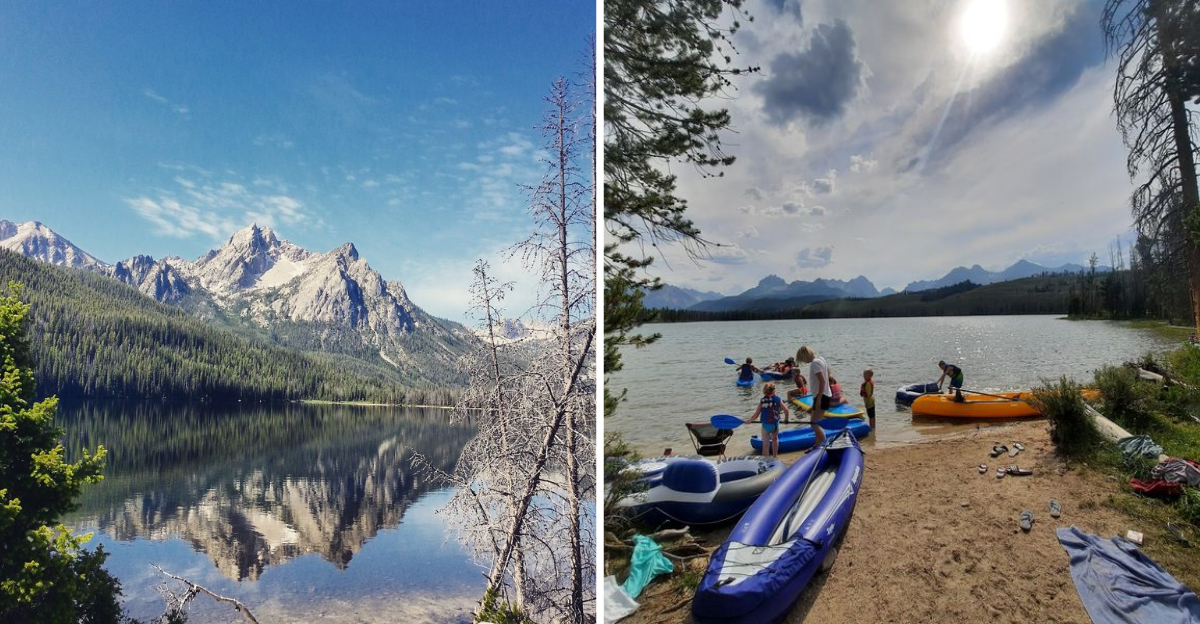
I would happily trade a crowded pool for mountain water and a towel spread beside the shore.
Idaho has glacier-carved lakes where ancient geology now provides some pretty spectacular places for a summer swim.
Some stretch beneath dramatic peaks, while smaller lakes reward travelers willing to follow forest roads or hiking trails.
Beaches, quiet coves, paddling, and fishing add options once everyone has cooled off.
The water can stay refreshingly chilly, especially at higher elevations, which somehow makes that first plunge more memorable.
These are not simply pretty viewpoints with parking nearby.
Bring the swimsuit. When a lake looks this inviting, standing on shore feels like only half the experience.
1. Lake Pend Oreille, Sandpoint
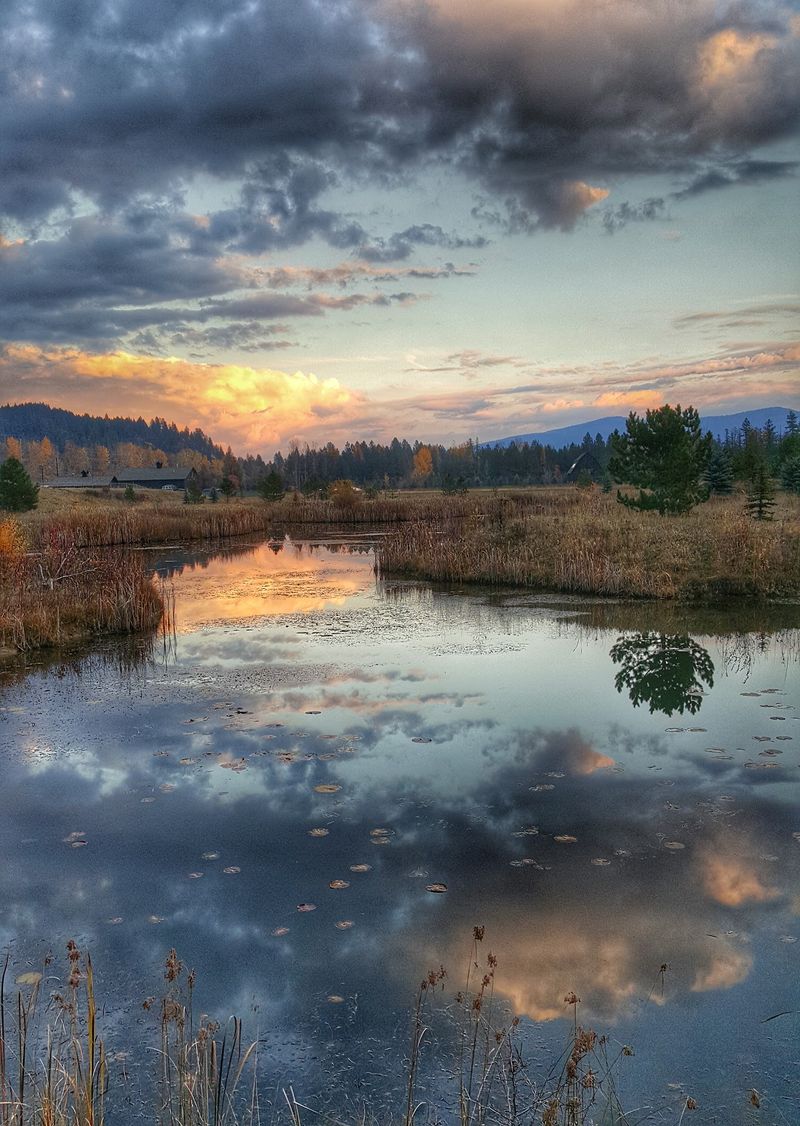
Idaho hides one of the five deepest lakes in the entire country. Glaciers scooped out the basin, then the Missoula Floods came through and made it even bigger.
Lake Pend Oreille near Sandpoint is the largest lake in the state. Its shoreline runs for 111 miles, wrapped by the Cabinet and Selkirk mountain ranges.
Swimmers get plenty of choices here. State parks, forest beaches, and campgrounds are scattered all around the water.
The deep sections stay cold year round, so most people stick to shallow bays. Those bays warm up nicely by mid July and August.
Anglers love this water too. Big rainbow trout and kokanee salmon live in the depths, and the fishery has a serious reputation.
Boaters share the surface with paddlers and swimmers, so watch for wakes. Morning hours tend to be calmest for a peaceful float.
Sandpoint sits on the northern end and makes an easy base. You can swim in the morning and hike a ridge trail by afternoon.
Pack a towel and something warm for after. Mountain air cools fast once the sun drops behind the peaks. Few lakes mix this much size, depth, and scenery in one shot. Idaho starts strong with this one.
2. Priest Lake, Coolin
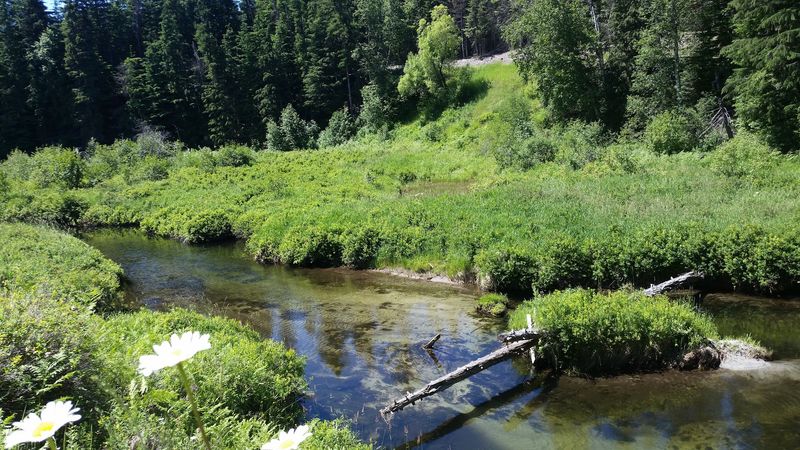
Sounds too good to be true, but there is a 19-mile lake up north with water clear enough to count pebbles. Glaciers built it roughly 10,000 years ago as the last Ice Age faded.
Priest Lake sits near Coolin at the base of the Selkirk Mountains. Cold streams tumble off the peaks and keep the water remarkably clean.
Summer air often climbs into the upper 70s and low 80s. That makes swimming here comfortable rather than shocking.
Much of the surrounding land is state owned. Development stays limited, so the shoreline keeps a quiet, forested feel.
Wooded islands sit out in the middle, waiting for paddlers. Kayaks and canoes are the best way to reach them.
Hikers head toward Granite Falls for a rewarding half-day outing. The trail rewards you with rushing water and heavy cedar shade.
Water sports thrive here through the warm months. Swimming, tubing, and paddleboarding all share the calm surface. Winter flips the script completely. Snowmobile trails take over once the snow piles up.
Bring sandals for rocky entry points at some beaches. Sandy stretches exist, but they are not everywhere.
For anyone chasing peace and clean water, this northern lake delivers both without much competition.
3. Coeur D’Alene Lake
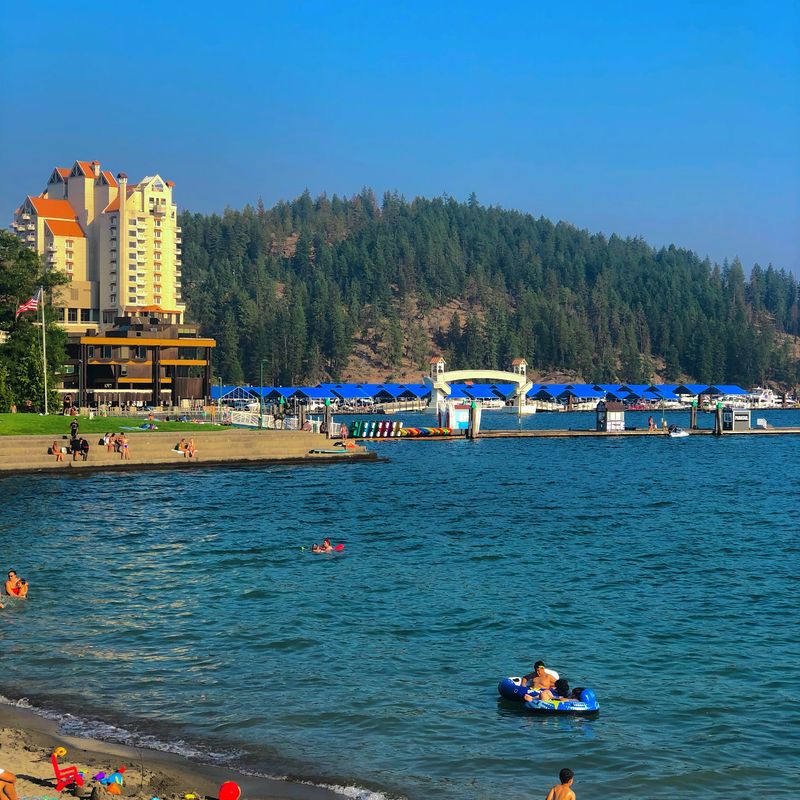
Once ranked among the five most beautiful lakes on the planet by National Geographic, this water has serious bragging rights. The Missoula Floods shaped it between 12,000 and 15,000 years ago as the Cordilleran Ice Sheet pulled back.
Coeur d’Alene Lake stretches 25 miles long and reaches roughly 3 miles across at its widest point. More than 109 miles of shoreline circle the whole thing.
Swimming is the headline activity in July and August. City beaches, parks, and campgrounds line the water and give easy access.
Boaters and anglers crowd the surface on weekends. Weekday mornings feel far more relaxed if you want space.
History runs deep here as well. The lake served as a cultural center for the Coeur d’Alene Tribe and later drew fur traders.
Mining left contamination in parts of the lake bed long ago. Water quality is generally considered safe for swimming today, though staying out of disturbed sediment is smart.
The town shares the lake’s name and sits right on the northern shore. Restaurants and rentals are steps from the sand.
Sunsets over the water draw a crowd every evening. Bring a blanket and claim a patch of grass early. Big, historic, and swimmable, it earns every bit of its fame.
4. Redfish Lake, Stanley
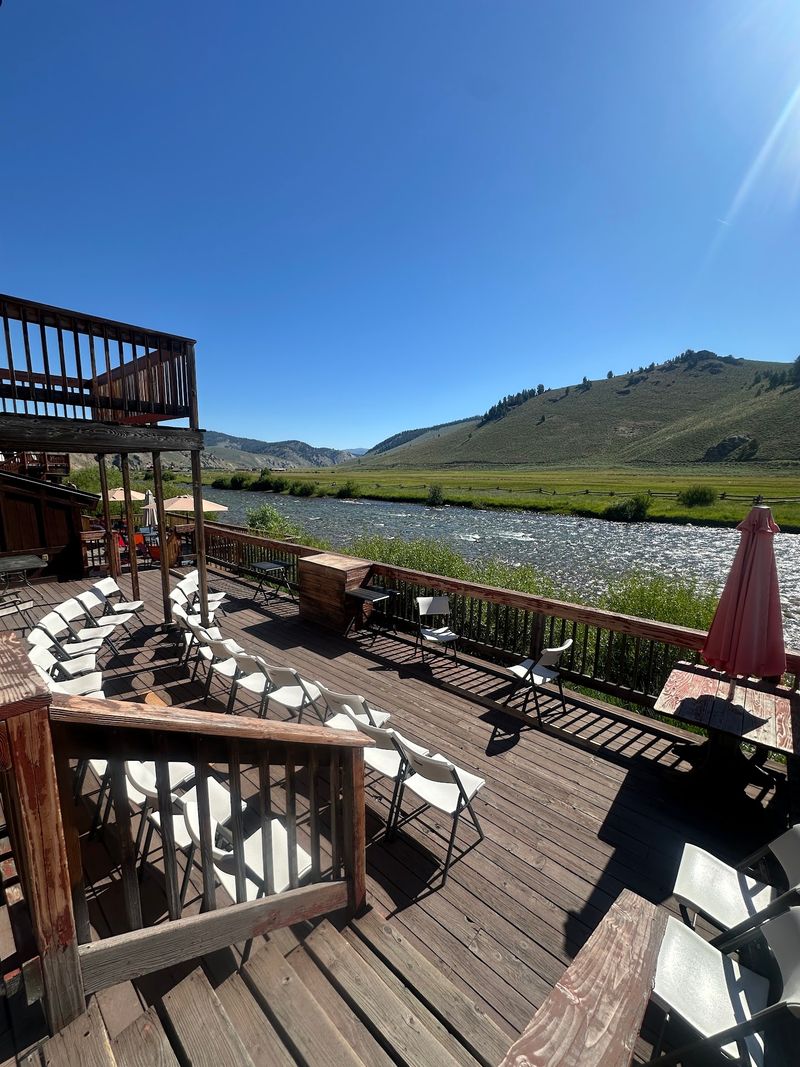
My jaw literally dropped the first time those jagged granite peaks appeared above the treeline. Glaciers carved this basin, and the Sawtooth Range still guards it on every side.
Redfish Lake near Stanley sits at the heart of the Sawtooth National Recreation Area. It runs about five miles long and stays famously cold and clear.
White sandy beaches slope gently into the shallows. Families with small kids find that entry easy and safe.
Paddleboards, kayaks, and small boats fill the surface on warm afternoons. Water skiing happens here too on the open stretches.
Hiking trails leave right from the shoreline. Several climb toward higher alpine basins with big payoff views.
The name comes from sockeye salmon that once returned here in huge numbers to spawn. Their red bodies gave the water its identity.
Swimming feels bracing even in August. Most people wade in slowly, then adjust after a minute or two. Lodging and campgrounds fill fast during peak summer. Reserving early saves a lot of frustration.
Sunrise on the water is worth setting an alarm for. The peaks glow orange before the wind picks up. Of all the Sawtooth lakes, this one earns its reputation as the crown jewel.
5. Alturas Lake, Stanley
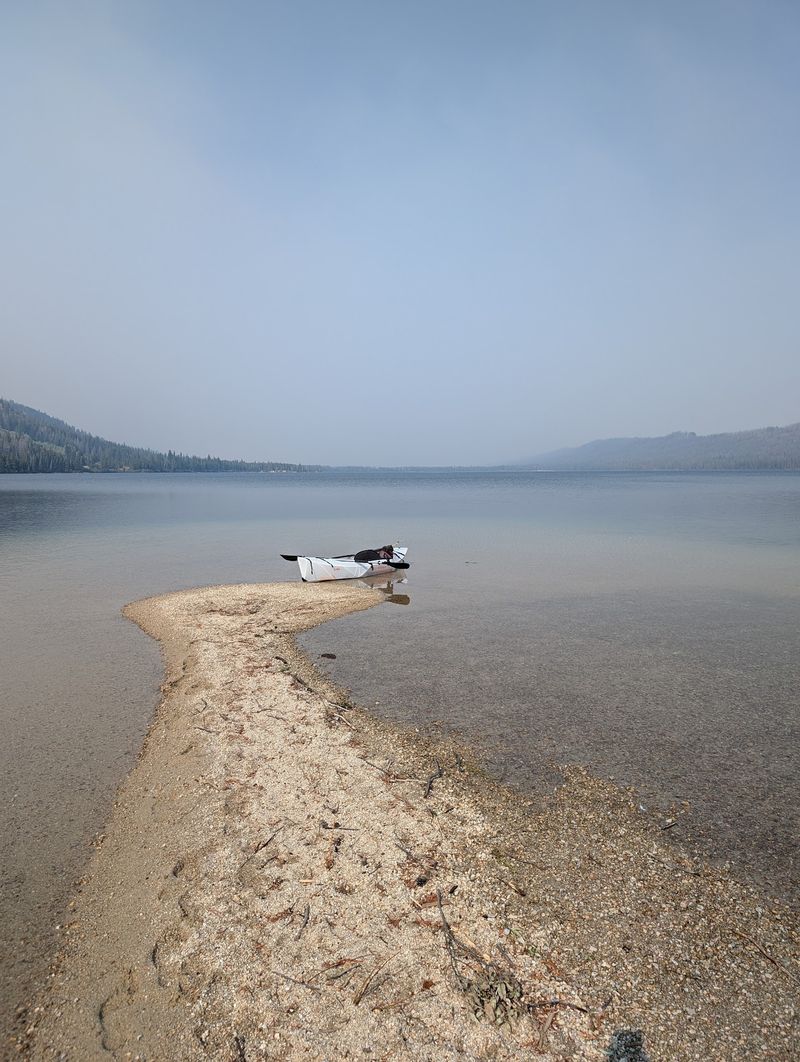
The second largest lake in the Sawtooth National Recreation Area is also one of its quietest. Glaciers dug the basin, and dense conifer forest filled in around the edges.
Alturas Lake sits south of Stanley in a classic glacier-carved bowl. Ancient granite peaks rise sharply behind the treeline.
Sandy beaches make getting in simple. The water stays cold, but July brings the most comfortable swimming conditions.
Paddleboards and kayaks glide across the calm surface most mornings. Wind usually shows up later in the day.
Anglers work the shallows and the inlet stream. Hikers follow trails that climb into the surrounding forest.
Compared with busier neighbors, the atmosphere here stays mellow. You can often find a stretch of shoreline to yourself.
Campgrounds sit close to the water and fill on summer weekends. Arriving midweek improves your odds considerably.
Mosquitoes can be persistent in early summer. Pack repellent and long sleeves for the evenings.
Afternoon light turns the water a deep, glassy blue. It is a fine time to float and do absolutely nothing. For swimmers who want scenery without the crowds, this lake quietly outperforms expectations.
6. Pettit Lake, Stanley
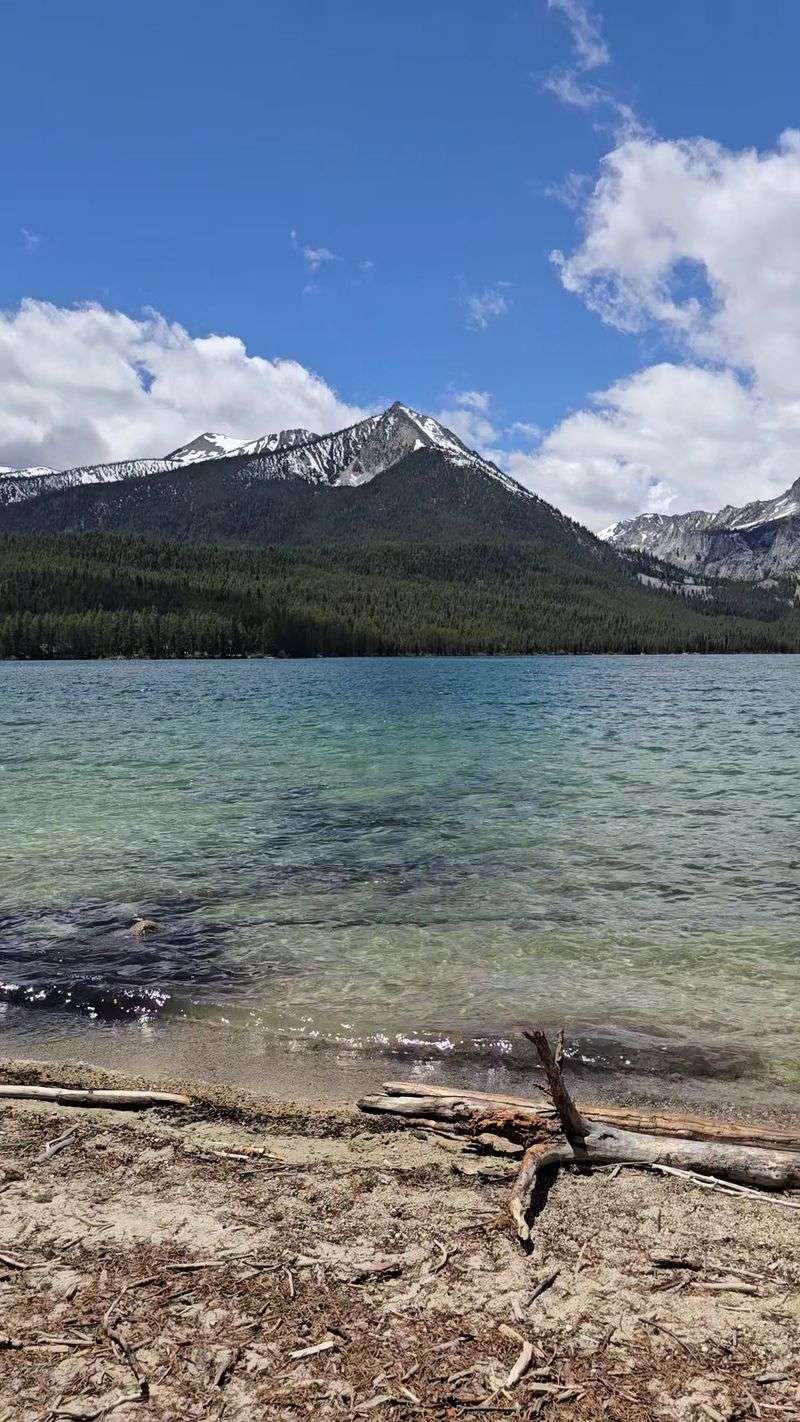
Some lakes look photoshopped in person. Blue water, pine forest, and the Sawtooth Mountains stacked up behind it all.
Pettit Lake lies about 16 miles south of Stanley inside the Sawtooth National Recreation Area. Glaciers shaped the basin long before anyone put a trail here.
Swimming is excellent along the shallow edges. The water stays cold, so short dips beat long soaks.
Kayaks and canoes rule the surface. Personal watercraft are not allowed, which keeps everything peaceful.
The Pettit Lake Day Use Area has a boat ramp and picnic tables. That makes a full afternoon here easy to plan.
Anglers cast from shore and from small boats. Trails head west into the wilderness for longer adventures.
Many hikers use this lake as a starting point for the Toxaway loop. Even a short walk along the shoreline is rewarding.
Bring your own shade, since open beach areas are limited. A folding chair goes a long way. Cell service is spotty out here. Download maps before you leave pavement.
Among Idaho’s alpine lakes, this one lands near the top for pure looks and calm water.
7. Stanley Lake
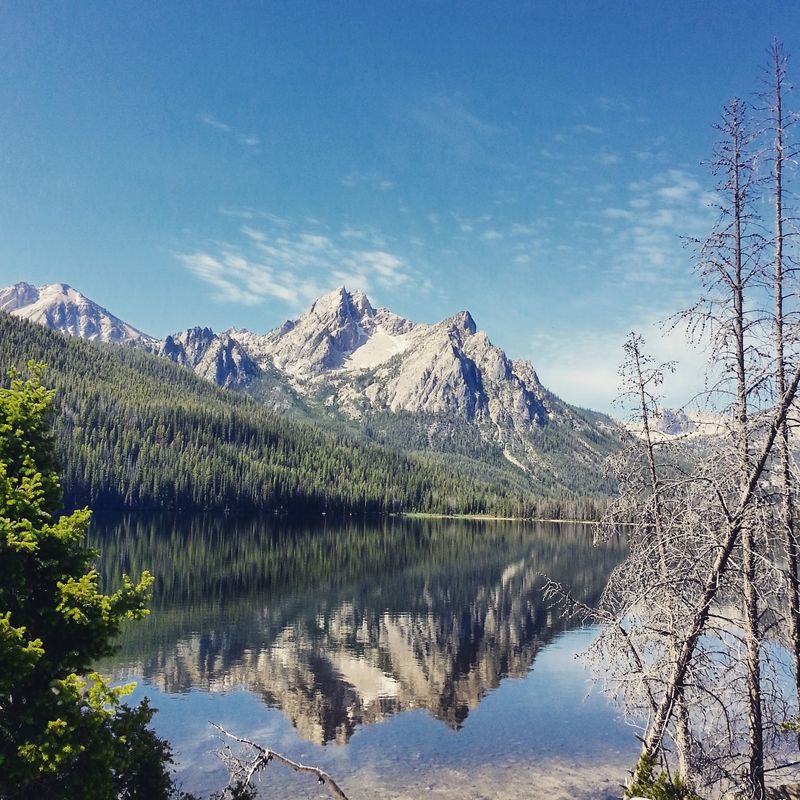
You could stare at that one pointed peak for an hour and never get bored. McGown Peak towers over the water and steals every photo taken here.
Stanley Lake rests inside the Sawtooth National Recreation Area at 6,513 feet. The lake runs roughly one mile long, framed by tall conifers and rocky slopes.
Clear water makes swimming genuinely tempting on hot afternoons. Paddleboarders and kayakers spread out across the surface.
Fishing is steady along the shoreline and near the inlet. Early mornings usually bring the best luck.
Several campgrounds sit right along the shore. Waking up with water and trails at your feet is hard to beat.
Late spring through early fall is the sweet window. Roads stay open and hiking conditions are at their best.
A short trail leads to Bridal Veil Falls for anyone wanting to stretch their legs. The walk is gentle enough for most families. Wind often picks up midday, so paddle early. Afternoons can get choppy fast.
Evening light on the peak is the reward for staying late. Bring a jacket, because temperatures drop quickly. Quiet mountain recreation is the whole point here, and this lake nails it.
8. Sawtooth Lake, Stanley
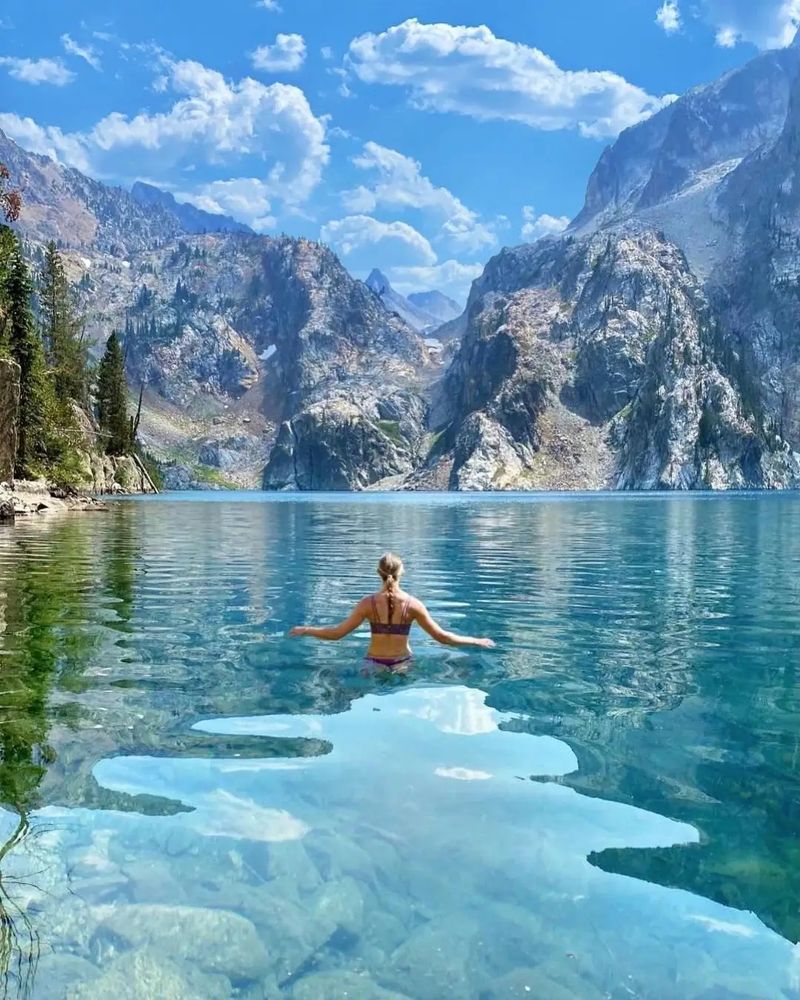
Earning your swim makes the water taste better, and this one demands a hike. A moderate five-mile trek from the Iron Creek trailhead gets you there.
Sawtooth Lake, reached from Stanley, is the largest alpine lake in the Sawtooth Mountain Range. It sits at 8,435 feet inside a glacial cirque, a bowl scooped out by ancient ice.
Because of that altitude, ice often lingers into early summer. Late summer brings the friendliest swimming conditions.
Swimming is permitted, and plenty of hikers cool off after the climb. The water is sharp and cold, so keep dips short.
Views along the trail keep improving with every switchback. Alpine meadows and granite walls fill the horizon.
Backpackers often use the lake as a base camp. From here, trails push deeper into the northern Sawtooth Wilderness.
Start early to beat afternoon thunderstorms. Mountain weather changes without much warning. Pack layers, snacks, and more water than you think you need. Shade is limited on the upper sections.
Camping regulations apply near the shoreline, so check current rules before setting up. Leave no trace matters here. Few swims in Idaho come with a backdrop this dramatic.
9. Yellow Belly Lake, Sawtooth National Recreation Area
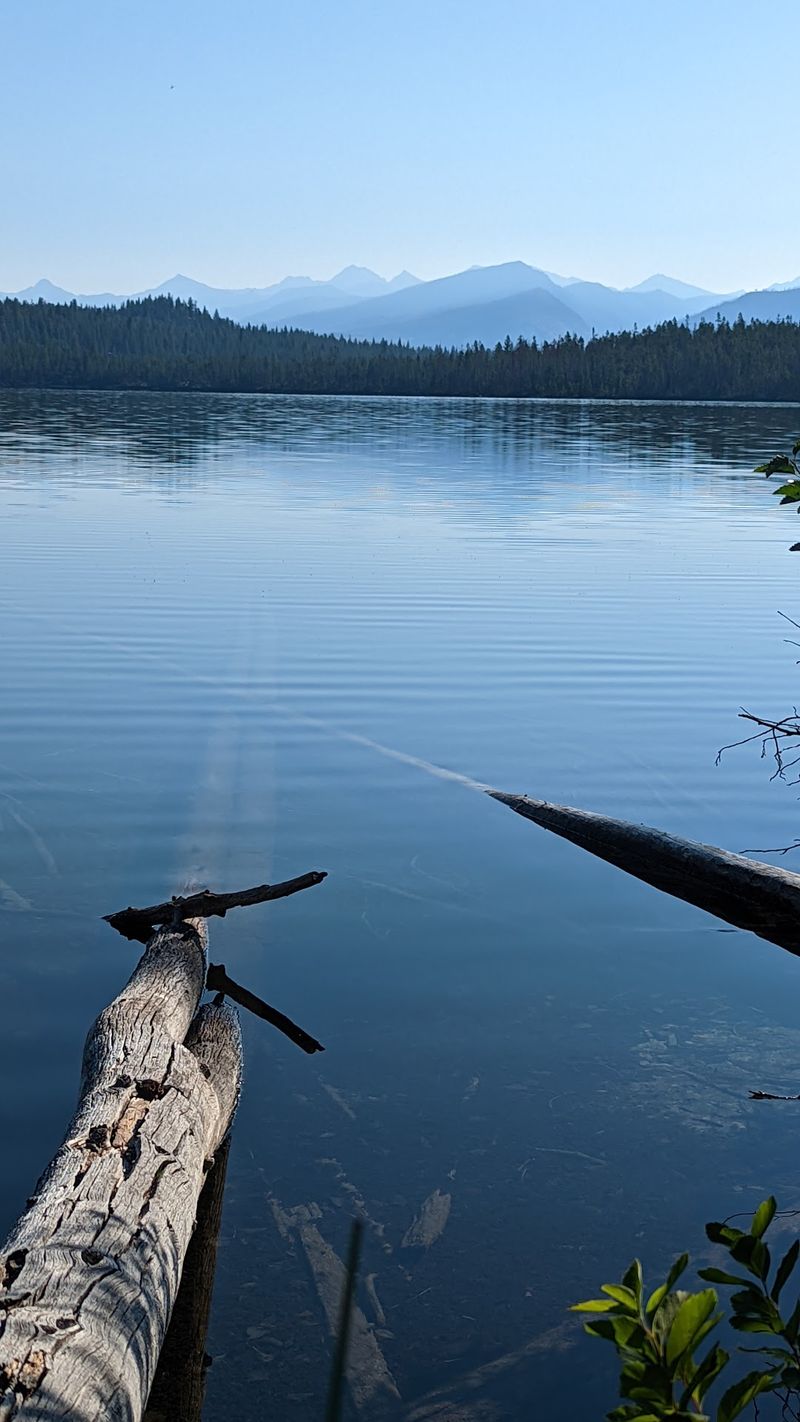
Far be it from me to gatekeep, but some lakes stay quiet for good reason. No smooth paved road leads to this one, and that keeps the crowds thin.
Yellow Belly Lake sits in the Sawtooth Valley within the Sawtooth National Recreation Area. Moraines left by glaciers hold it in place at 7,076 feet.
Ridges anchored by Imogene Peak and Parks Peak rise on either side. The setting is rugged and wide open.
Crystalline water invites swimming on warm summer days. Paddleboards and kayaks work well on the calm surface.
Anglers find room to spread out along the shoreline. Fishing pressure stays low compared to nearby lakes.
Access comes by backcountry trail from Forest Road 365. The walk to the eastern shore suits families and casual hikers.
High clearance vehicles handle the road better than low sedans. Check conditions before heading out. It ranks among the largest lakes in the Sawtooth National Forest. Size plus solitude is a rare combination.
Bring everything you need, since there are no services at the water. Pack out all trash. Trade a little convenience for real quiet, and this lake pays you back generously.
10. Little Redfish Lake, Stanley
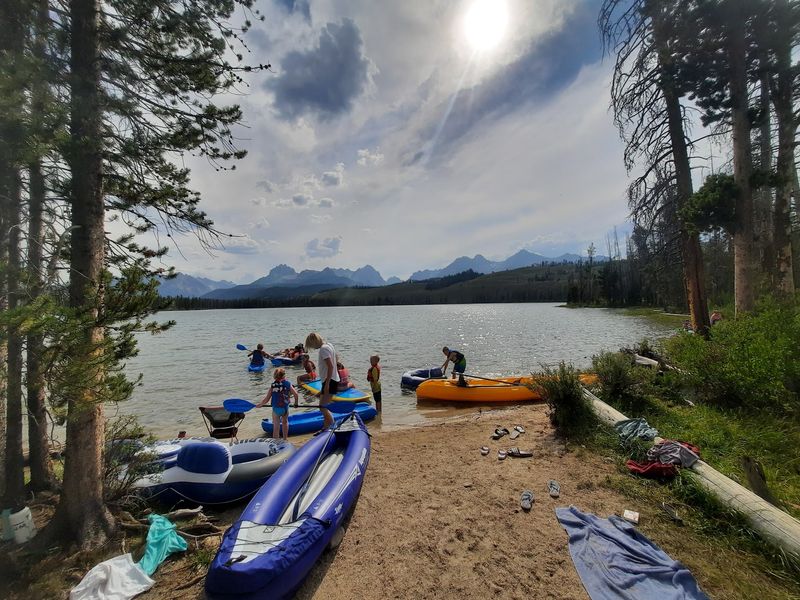
Sometimes the smaller sibling wins the day. Shallow, clear water reaching about 30 yards out from shore makes wading effortless here.
Little Redfish Lake sits a few miles south of Stanley in the Sawtooth National Recreation Area. Ancient sheets of ice carved the basin thousands of years ago.
Motorized watercraft are not allowed on the water. That single rule keeps the whole lake calm and safer for swimmers.
Kayaking, canoeing, and paddleboarding thrive in the stillness. Reflections of the Sawtooth Mountains show up on windless mornings.
Shallow depth means the water warms faster than deeper neighbors. Kids can splash around without shivering after two minutes.
Camping and picnic areas sit close to the shoreline. Setting up for a lazy day takes almost no effort.
Photographers show up at dawn for the mirror-like surface. The mountain reflection is one of Idaho’s most photographed scenes. Bugs can be active near dusk in early summer. Repellent belongs in your day bag.
Parking is limited on busy weekends, so arrive early. Midweek trips feel almost private. Relaxed, scenic, and swimmable, this little lake makes a fitting finish to any Idaho water tour.