In A Log Cabin In Tennessee, One Museum Collects More Salt And Pepper Shakers Than You’d Expect
Some places stop you cold the moment you realize what you are actually looking at.
I was passing through the Smoky Mountains with a loose itinerary and even looser expectations when someone mentioned that there was a museum in the area dedicated entirely to salt and pepper shakers.
I want to be clear that I did not slow down ironically. I slowed down because genuine curiosity got the better of me, and I have absolutely no regrets about that.
What waited inside was one of the most unexpectedly absorbing collections I have ever stood in front of.
Thousands of sets, each one a tiny snapshot of a different era, culture, or sense of humor, displayed with the kind of care that tells you the person behind this loved every single piece.
Tennessee has plenty of reasons to pull over and explore, but this one caught me completely off guard in the best possible way.
One Woman’s Obsession
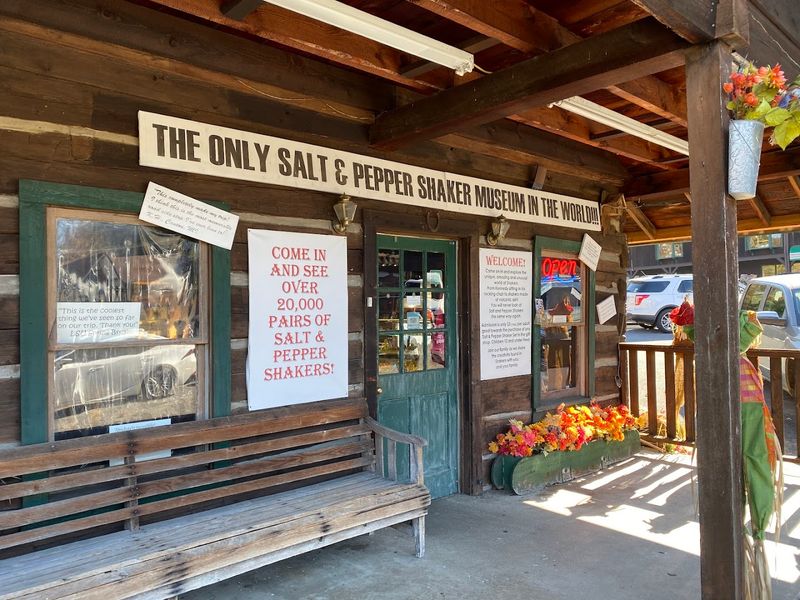
Some collections start with a yard sale find. The Salt and Pepper Shaker Museum started with one woman named Andrea Ludden, who turned a personal passion into a place that draws visitors from around the world.
Andrea began collecting shakers decades ago and never really stopped. What started as a hobby quietly grew into a mission.
At some point, the collection outgrew every shelf in the house, and the only logical answer was to build a museum.
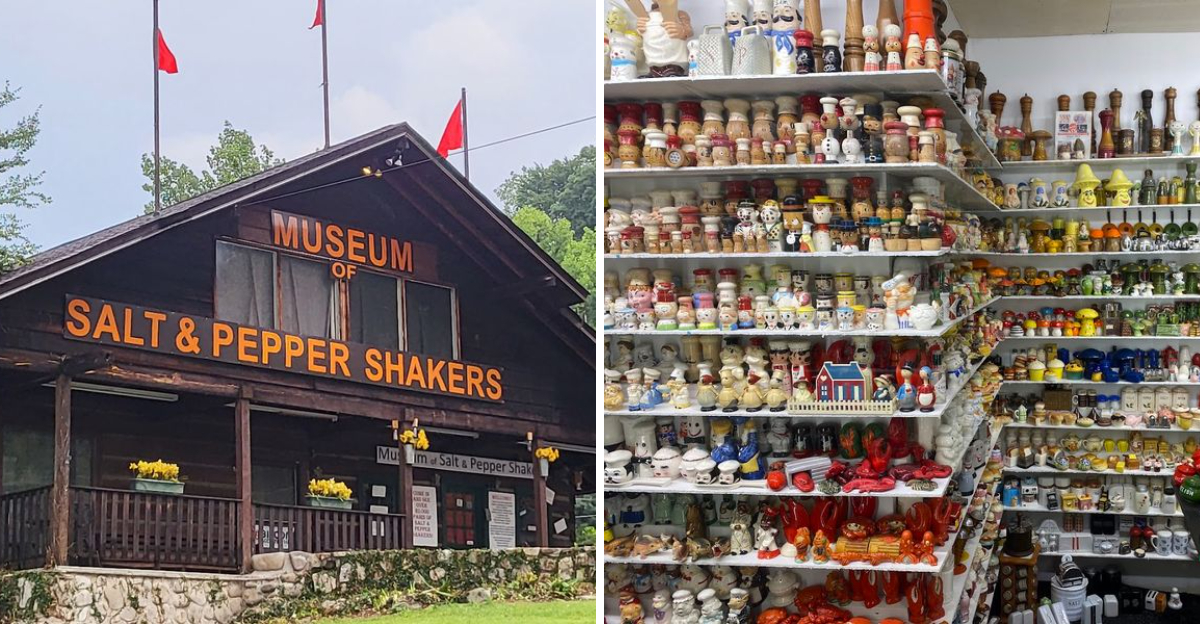
The result is a log cabin packed floor to ceiling with over 20,000 salt and pepper shaker sets.
Walking through it feels less like a museum visit and more like stepping into someone’s very organized, very enthusiastic dream.
Every corner at at 461 Brookside Village Way, Gatlinburg, Tennessee, holds something you did not expect to see. The variety alone is staggering.
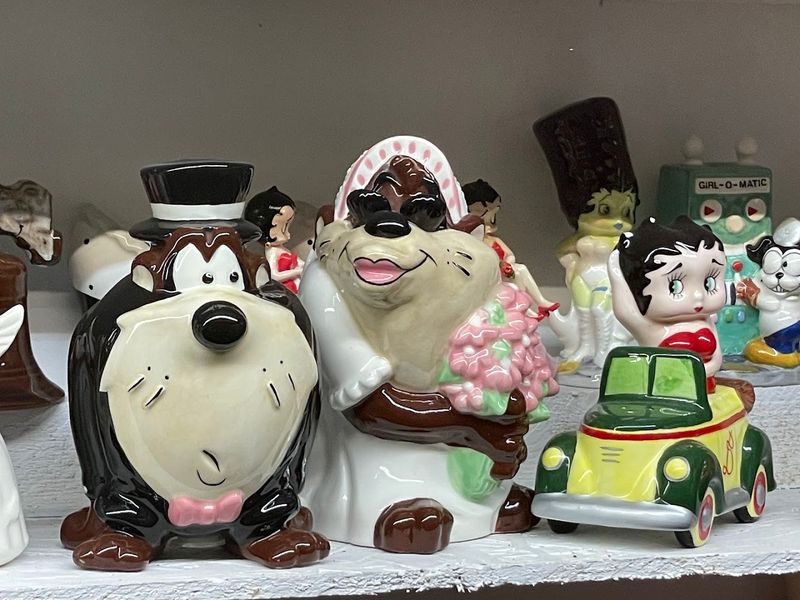
You get novelty shapes, vintage ceramic pairs, miniature animals, cartoon characters, and sets that represent cultures from dozens of countries.
It is a serious collection dressed up in a playful package, and that contrast is exactly what makes it so memorable.
The Log Cabin Setting
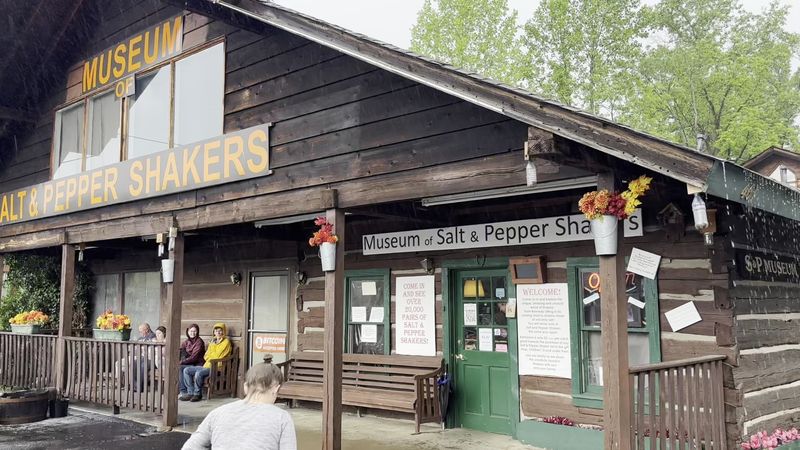
A glass box building could never pull this off. The log cabin structure that houses the museum adds a layer of warmth and character that makes the whole experience feel intentional rather than accidental.
The cabin sits right in the Brookside Village area, which is a cluster of small shops and attractions that feels refreshingly low-key compared to the busier strips in town.
You do not need to fight traffic or crowds to get here. You just park and walk in.
Inside, the wooden walls and exposed beams give every display shelf a natural, homey frame. It is the kind of space where a collection of miniature ceramic roosters somehow makes complete sense.
The setting earns the collection a kind of dignity it might not get elsewhere.
The cabin also keeps the space intimate. You are never lost in a vast hall wondering where to look next.
Instead, you move through it at your own pace, leaning in close to read labels and spot details.
That closeness is part of what makes each shaker set feel personal rather than just catalogued.
Over 20,000 Sets And Counting
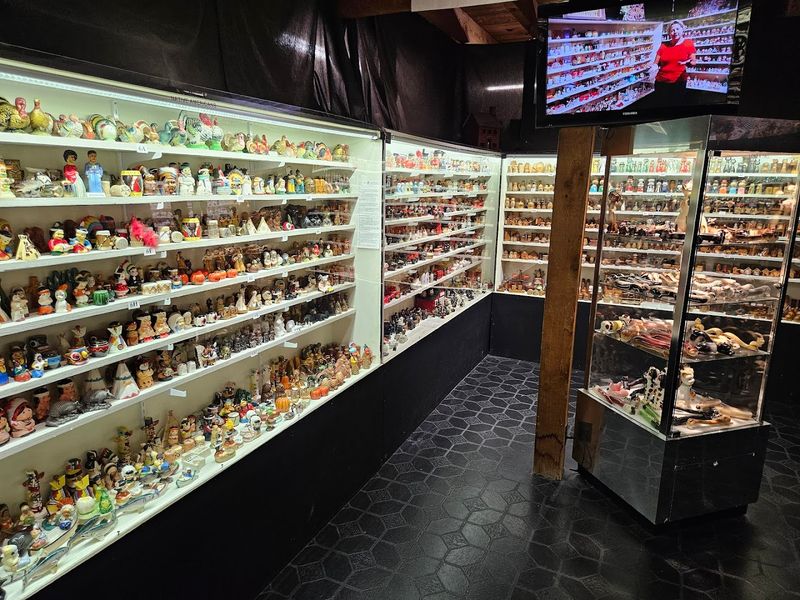
Twenty thousand is a number that does not fully land until you are standing in front of shelf after shelf after shelf. The Salt and Pepper Shaker Museum does not just have a lot of shakers.
It has an almost unreasonable number of them, and every single set has been acquired with purpose.
The collection spans decades of design history. You will spot mid-century diner classics sitting next to hand-painted folk art pairs from overseas.
Some sets are rare finds from estate sales.
Others were gifts sent in by fans of the museum from countries the Luddens had never visited.
What surprises most people is how different each set feels up close. From a distance, shelves of shakers can blur together.
Get your face near the glass, though, and you start noticing craftsmanship, humor, and storytelling packed into objects the size of your thumb.
The museum continues to grow. New sets arrive regularly, which means repeat visitors genuinely find things they missed before.
That ongoing expansion is part of what keeps the place feeling alive rather than frozen in time like a static exhibit.
The Shakers Come From All Over The World
One of the first things that catches your attention is how global this collection actually is. These are not just American novelty sets from roadside gift shops.
The Salt and Pepper Shaker Museum holds pieces from dozens of countries, each carrying its own cultural fingerprint.
You will find delicate porcelain pairs from Europe, brightly painted clay sets from South America, and intricately detailed ceramic figures that clearly took skilled hands a long time to produce.
Some of the international pieces look like miniature works of art rather than functional kitchen items.
Andrea Ludden built connections with collectors and enthusiasts worldwide over the years. That network helped bring in pieces that would be nearly impossible to track down through normal channels.
The result is a collection that functions like a small passport to global craft traditions.
For anyone who loves folk art, design history, or just the idea that everyday objects can carry cultural meaning, this part of the collection hits differently.
A salt shaker shaped like a traditional Japanese figure tells a story no placard could fully capture. You feel it more than you read it.
The Rarest Finds In The Collection
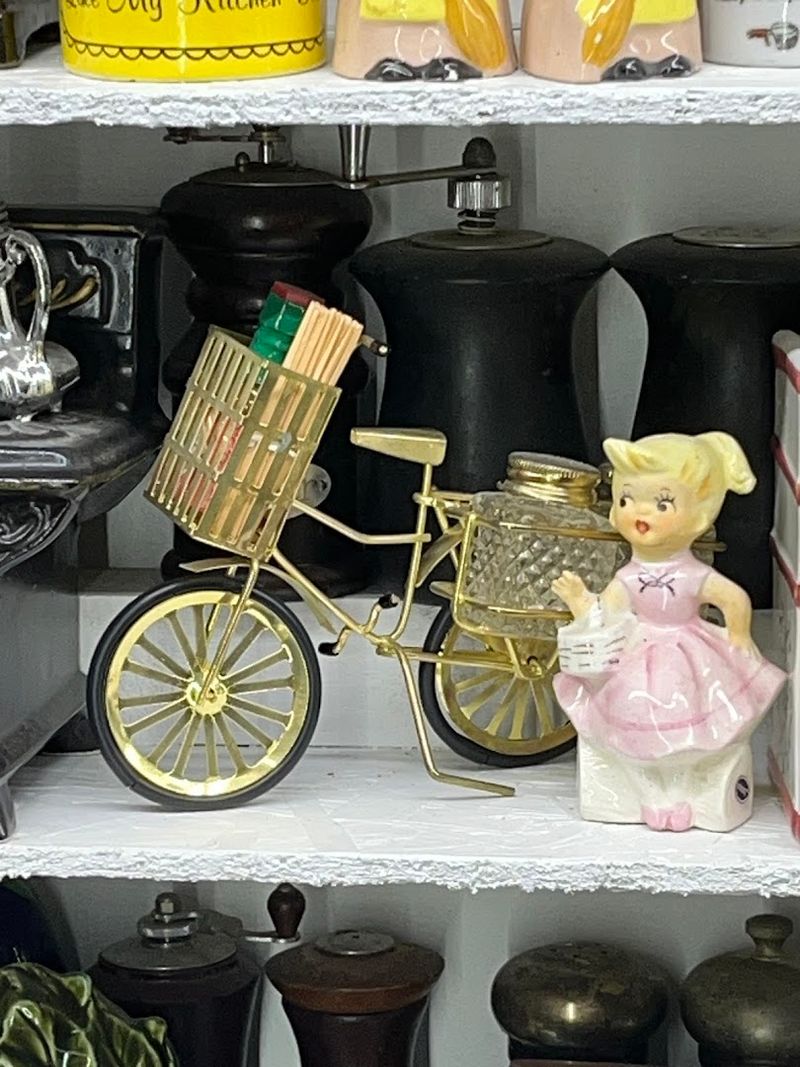
Every great collection has its crown jewels, and this one is no different. Scattered throughout the museum are sets that are genuinely rare, pieces that serious collectors spend years hunting and rarely find.
Seeing them in person, labeled and lit properly, is a quiet thrill.
Some of the oldest sets date back over a century. Early American glass shakers, Victorian-era novelty figures, and Depression-era ceramic pairs all show up here in conditions that suggest careful preservation over many decades.
These are not reproductions. They are the real thing.
What makes the rare pieces especially interesting is their context. Displayed alongside thousands of other sets, you start to understand how shaker design evolved over time.
You can trace changing tastes, manufacturing techniques, and cultural references just by scanning a single row of shelves.
The museum labels most pieces with origin information and approximate dates, which helps enormously. You are not just staring at old objects.
You are reading a timeline of domestic design told through something most people never think twice about. That reframing is one of the smartest things the museum does, and it works beautifully.
Why Gatlinburg Is The Perfect Home For This

Gatlinburg has always had a personality that welcomes the unexpected.
The town sits at the edge of the Great Smoky Mountains National Park, in Tennessee, which means it draws millions of visitors every year who are already in an exploratory mood. That energy makes it fertile ground for an unusual attraction.
The city has a long tradition of small, independent museums and specialty shops that offer something different from the standard tourist circuit.
A salt and pepper shaker museum fits that tradition perfectly. It is specific, it is passionate, and it rewards curiosity in a way that a generic souvenir shop never could.
The location at 461 Brookside Village Way puts the museum within easy reach of the national park entrance and the main commercial strip.
But just far enough off the beaten path to feel like a personal discovery rather than an obligatory stop on a tour itinerary.
Gatlinburg also draws visitors who return year after year, and those repeat guests are exactly the kind of audience a growing collection needs.
People come back, they bring friends, and they tell stories. That word-of-mouth culture has helped the museum build a reputation that extends well beyond Tennessee.
What A Visit Actually Feels Like
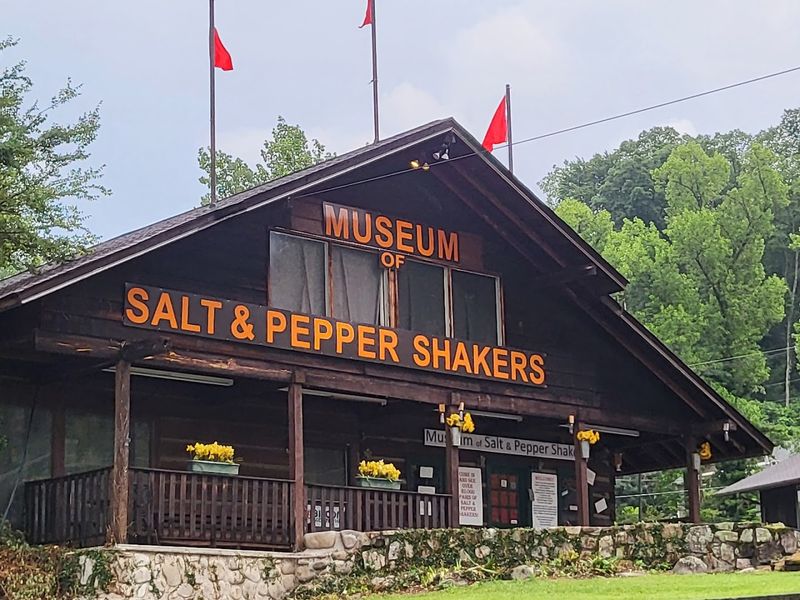
You pay a small admission fee, step inside, and immediately feel the shift. The noise of the outside world drops away.
What replaces it is a kind of focused quiet that you do not expect from a place this visually busy. Every surface is covered, yet nothing feels chaotic.
The layout guides you through themed sections without being rigid about it. You can wander freely, double back, or spend twenty minutes in one corner if something catches your eye.
There is no pressure to move along, which is a relief. Some sets genuinely deserve a long look.
Staff members are knowledgeable and clearly enthusiastic without being overbearing. If you have questions, they have answers.
If you just want to browse quietly, that is completely fine too. The atmosphere respects both types of visitors equally.
Most people end up staying longer than they planned. That is the honest truth about this place.
You think you will pop in for fifteen minutes, and then you look up and realize an hour has passed.
The collection has a pull that is hard to explain but very easy to experience firsthand. Go with no agenda and you will leave with a good story.
Why This Place Deserves More Credit Than It Gets
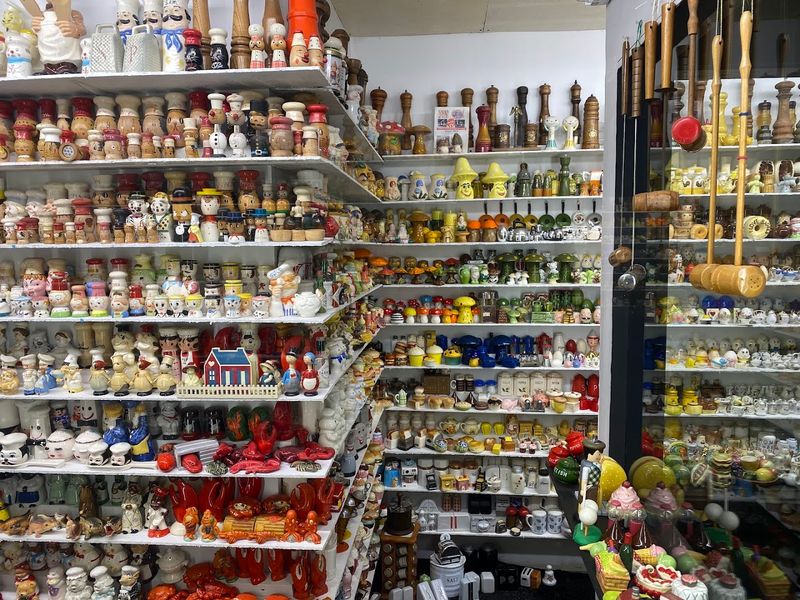
Novelty museums get dismissed a lot. People assume they are gimmicky, shallow, or designed purely for a quick social media photo.
The Salt and Pepper Shaker Museum in Tennessee, earns a different kind of respect once you spend real time inside it.
The depth of curation here is genuine.
This is not a random accumulation of stuff. It is a thoughtfully organized archive of a specific type of object that turns out to carry enormous cultural and artistic range.
That distinction matters, and it changes how you experience the space.
Andrea Ludden’s commitment to the collection shows in every labeled set, every carefully arranged shelf, and every piece of context provided to visitors.
This is someone who took a passion seriously and built something lasting around it. That kind of dedication is worth acknowledging out loud.
If you are anywhere near Gatlinburg and you skip this because it sounds too quirky, you are making a mistake.
The Salt and Pepper Shaker Museum is one of those rare places that changes how you think about what a museum can be. Small in footprint, enormous in personality, and completely worth your afternoon.