10 Incredibly Scenic Day Trips In Colorado That Cost Under $75
Colorado has a sneaky talent for draining your wallet. The ski passes and resort towns see to that.
Here is the good news. Some of the best days out here barely cost a thing.
You can stand among red rock giants for free. You can climb the highest paved road in America for pocket change.
The scenery does not check your bank balance at the door.
A full tank and a little planning go a long way. Most of these trips run well under $75 for the whole crew.
That is dinner-for-two money spent on memories instead.
You will see alpine lakes, ancient dunes, and canyons that humble you. Bring water, snacks, and a decent camera.
Pack layers, because the weather here loves a plot twist. Some of these spots need reservations, so plan ahead.
The mountains are not going anywhere. Your free weekend, though, absolutely is.
1. Garden Of The Gods
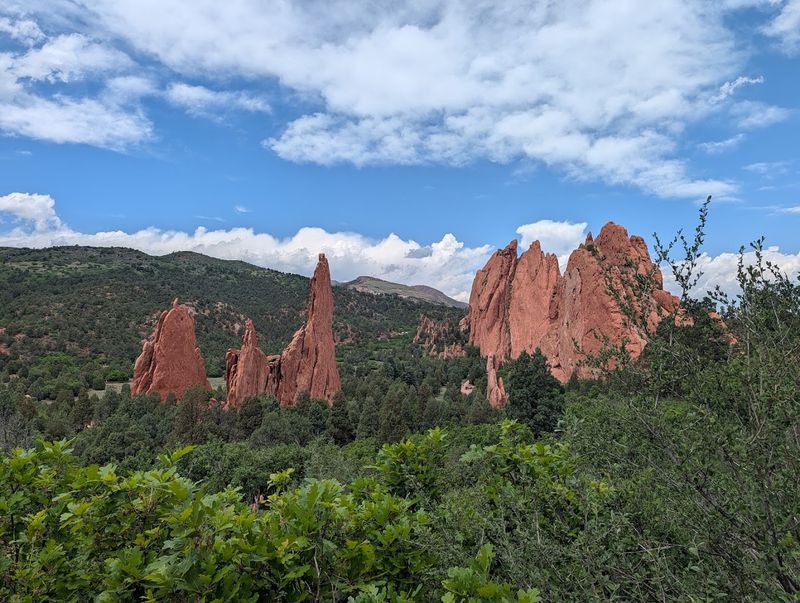
Red rocks the size of skyscrapers jutting straight out of the earth is not something you expect to stumble across on a casual morning drive.
Garden of the Gods in Colorado Springs delivers exactly that kind of visual shock, and the best part is that admission is completely free. The park is open year-round, and the scenery changes dramatically with every season.
Hikers, cyclists, and casual walkers all share the trails here, making it one of the most accessible outdoor spots in the state.
The paved Central Garden Trail is flat enough for strollers and still offers front-row views of the most dramatic formations. Sunrise and golden hour light up the sandstone in shades of orange and pink that feel almost unreal.
The rocks themselves are around 300 million years old, which makes every selfie feel a little more humbling.
At 1805 N 30th St, the visitor center has free exhibits explaining the geology and history of the area. Pack a lunch, bring sunscreen, and plan for at least three hours because this place earns every minute of your time.
2. Red Rocks Park And Amphitheatre
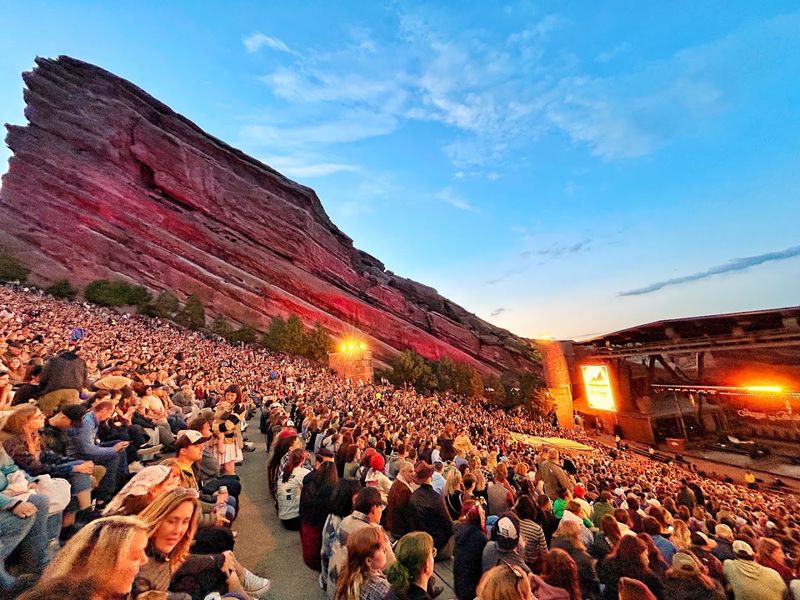
Most people know Red Rocks as a concert venue, but showing up on a non-show day feels like discovering the place all over again. The natural amphitheatre carved between two enormous sandstone monoliths is genuinely one of the most dramatic landscapes in North America, and you can walk right through it for free.
The rocks rise nearly 400 feet on either side of the stage.
The park surrounding the amphitheatre has miles of trails that wind through the red formations and offer sweeping views of the Denver skyline in the distance. Trading Post Trail is a favorite for its variety of terrain and its close-up views of Ship Rock and Creation Rock.
Early mornings on weekdays are peaceful and far less crowded than weekend afternoons.
Located at 18300 W Alameda Pkwy in Morrison, the park also has a free geology museum inside the amphitheatre building that is surprisingly interesting. Parking is free on non-event days.
Bring your own snacks, comfortable shoes, and a camera with a wide-angle lens because the standard phone shot simply does not do this place justice.
3. Rocky Mountain National Park
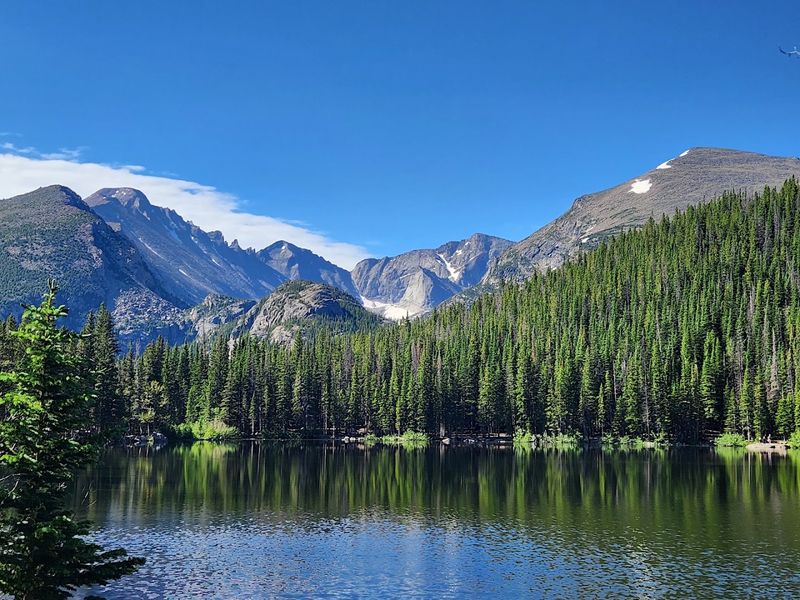
Pulling up to the entrance of Rocky Mountain National Park for the first time feels like the mountains decided to show off just for you.
The park sits at elevations above 8,000 feet across most of its terrain, and Trail Ridge Road climbs all the way to 12,183 feet, making it the highest continuous paved road in the United States.
A day pass costs around $35 per vehicle, well within the budget.
Wildlife sightings here are remarkably common. Elk herds wander through meadows near Moraine Park, and bighorn sheep frequently appear along the higher elevation roads.
Bear Lake is one of the most photographed spots in the park, offering a short half-mile loop trail with stunning mountain reflections in calm water.
The park entrance is at 1000 US Highway 36 in Estes Park, and a timed entry permit is required during peak summer months, so booking ahead through Recreation.gov is smart.
Fall is spectacular here, with golden aspen groves and bugling elk making the experience feel cinematic. Layers are essential regardless of season because temperatures drop fast above treeline.
4. Great Sand Dunes National Park
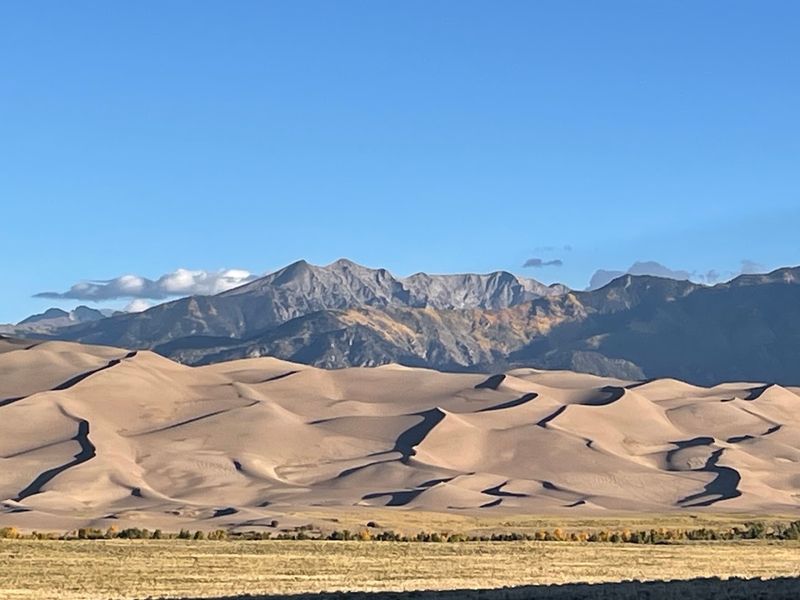
Nothing prepares you for the surreal sight of the tallest sand dunes in North America sitting directly in front of a snow-covered mountain range.
Great Sand Dunes National Park near Mosca is one of those places that makes you question your geography entirely. The dunes reach up to 750 feet tall, and climbing them is as exhausting and rewarding as it sounds.
Medano Creek runs along the base of the dunes from late spring into early summer, creating a shallow wading area that families absolutely love.
Sandboarding and sand sledding are popular activities, and you can rent boards from shops just outside the park boundary.
The experience feels more like a beach vacation than a Colorado mountain trip, which is part of what makes it so memorable.
Vehicle entry costs around $25, keeping the trip comfortably under budget even after gas.
The address is 11999 State Highway 150 in Mosca, and the drive from Denver takes roughly four hours through some beautiful San Luis Valley scenery.
Arrive early in summer because the sand heats up fast by midday, and the dunes become significantly more comfortable to explore in the cooler morning hours.
5. Mount Blue Sky Scenic Byway
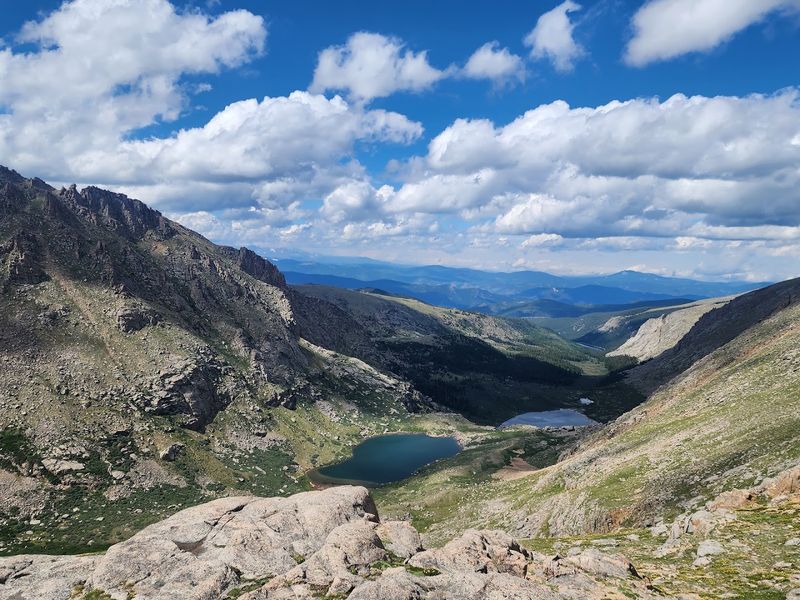
Driving to the top of a 14,000-foot mountain without lacing up a single hiking boot sounds like a trick, but Mount Blue Sky Scenic Byway makes it completely real.
The road starts near Idaho Springs on Highway 103 and climbs to the summit of Mount Blue Sky, one of Colorado’s famous fourteeners, via the highest paved road in North America. The views from the top are simply staggering.
Along the way, the byway passes through dense evergreen forests, open tundra, and rocky ridgelines where mountain goats and bighorn sheep are frequently spotted.
The Summit Lake area about two miles from the top has a short trail and a spectacular glacial lake that reflects the surrounding peaks. Even stopping halfway up offers scenery that most people only see in magazine photos.
The byway is typically open from late May through early November depending on snow conditions. Start early to avoid afternoon thunderstorms that build quickly above treeline.
Bring a jacket even in July because summit temperatures regularly stay below 40 degrees Fahrenheit.
6. Maroon Bells Scenic Area
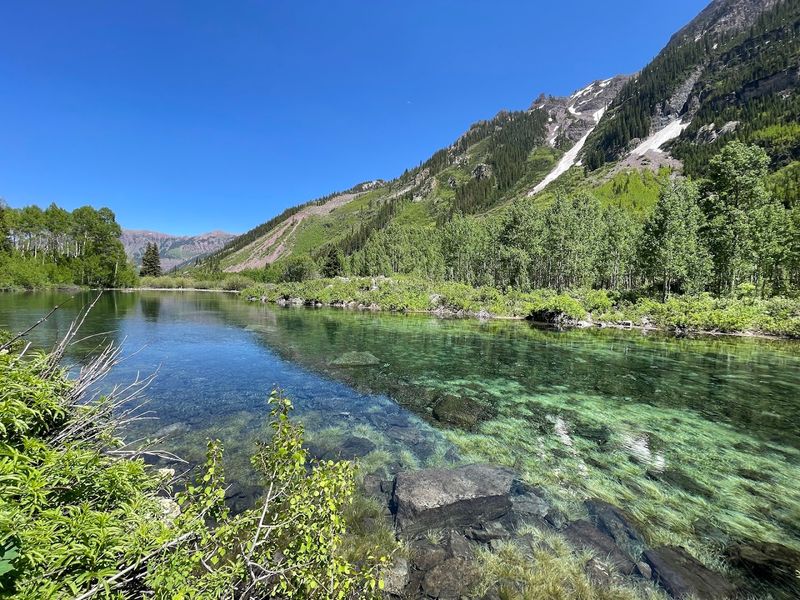
The Maroon Bells are reportedly the most photographed mountains in all of Colorado, and standing at the edge of Maroon Lake for the first time makes that fact feel completely obvious.
The twin peaks rise over 14,000 feet and reflect almost perfectly in the lake below, especially during the calm morning hours when the water is still. Fall transforms the surrounding aspen groves into rivers of gold.
Access to the area requires a shuttle from Aspen Highlands during peak season, which costs around $16 per adult roundtrip.
The shuttle system keeps the area from getting overwhelmed and makes the whole experience feel more relaxed and enjoyable.
Several trails fan out from the lake, ranging from easy lakeside strolls to more challenging routes deeper into the Elk Mountains.
The scenic area sits along Maroon Creek Road outside Aspen, and the drive through the valley on the way in is already worth the trip. Morning light hits the peaks best between 7 and 9 a.m., so catching an early shuttle pays off.
Afternoon thunderstorms are common in summer, so plan to be back at lower elevation by early afternoon. This is one of those places that genuinely looks better in person than in photos.
7. Paint Mines Interpretive Park
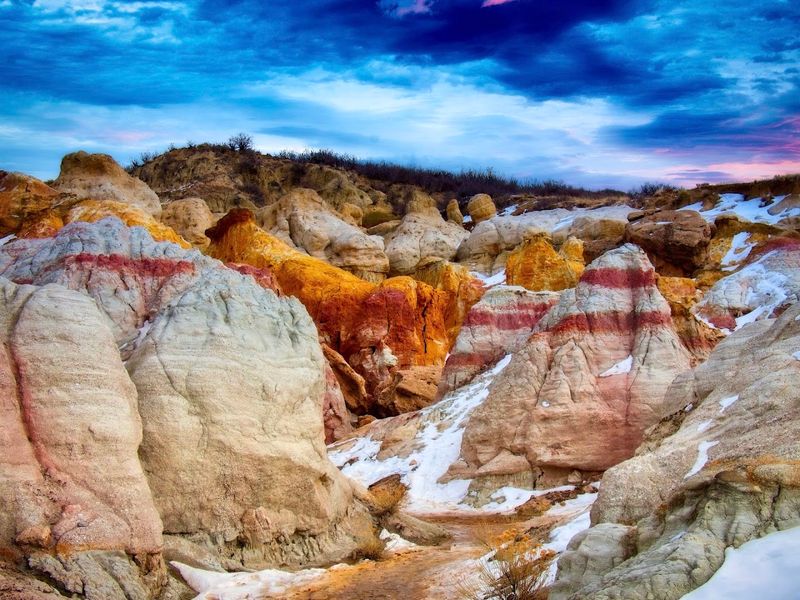
Somewhere east of Colorado Springs, the landscape pulls a quiet magic trick.
The flat plains suddenly give way to a surreal collection of colorful clay spires, eroded canyons, and pastel badlands that look like they belong in the American Southwest.
Paint Mines Interpretive Park near Calhan is almost entirely unknown outside the local area, and that makes visiting it feel like a genuine discovery.
The formations come in shades of white, pink, lavender, and orange depending on the mineral content of the clay layers.
Erosion over thousands of years has carved out spires, caves, and channels that create natural frames and interesting textures at every turn.
The park is free to enter and open year-round, which makes it one of the best budget-friendly options on this entire list.
The address is 29950 Paint Mine Road in Calhan, about 35 miles east of Colorado Springs. The main trail loop covers roughly four miles and takes about two hours at a relaxed pace.
There are no facilities at the park, so bring water and snacks. Photographers especially love the golden hour light here because the colors in the clay formations intensify dramatically as the sun gets lower in the sky.
8. Bishop Castle
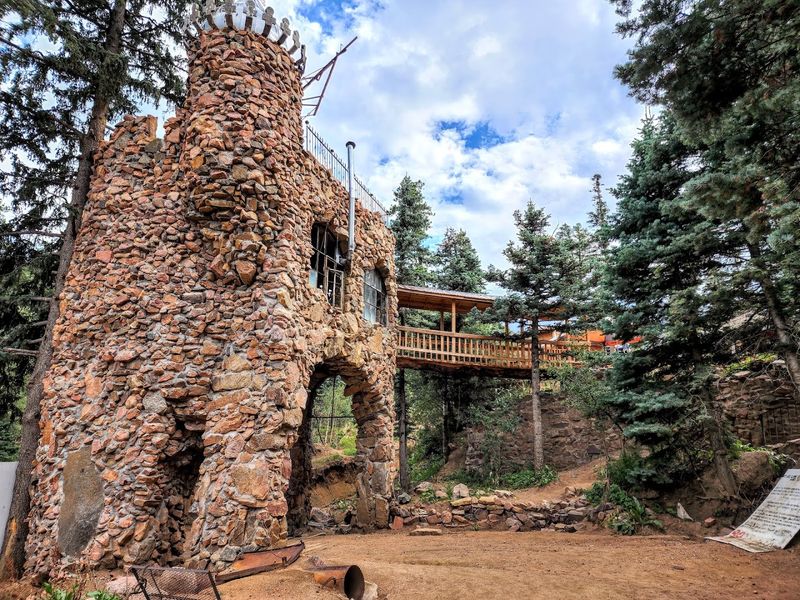
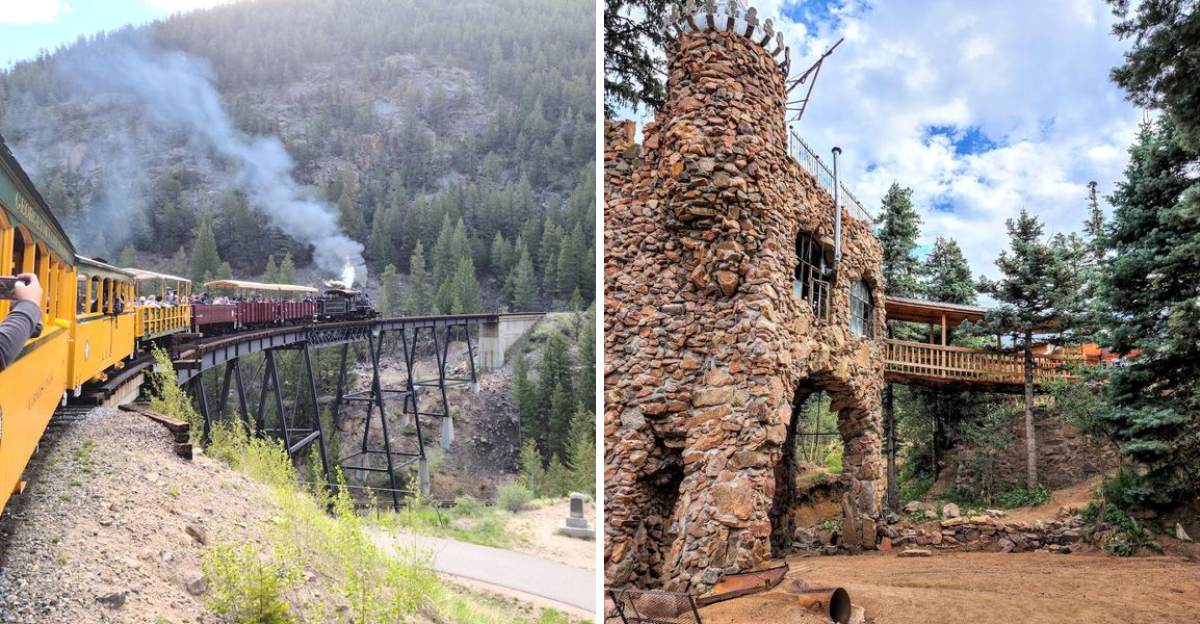
One man spent decades building a full-scale stone castle by hand in the mountains of southern Colorado, and you can visit it for free.
Bishop Castle near Rye is the life’s work of Jim Bishop, who started construction in 1969 using rocks he gathered from the surrounding land.
The result is a towering, intricate structure with multiple levels, iron bridges, a grand ballroom, and a massive metal dragon on the roof that occasionally breathes fire.
The castle is completely open to the public at no charge, and visitors are allowed to climb the towers and explore every accessible level.
The views from the upper towers stretch across the San Isabel National Forest in every direction. It is genuinely one of the most unusual and memorable roadside attractions in the entire country.
Located at 12705 Highway 165 in Rye, the castle sits about 45 miles southwest of Pueblo. Jim Bishop himself is often present on weekends, working on the structure and happy to talk with visitors about the project.
The castle does not have formal hours, but it is generally accessible during daylight. Bring sturdy shoes because the stone staircases are steep and uneven in places.
Donations are appreciated but never required.
9. Seven Falls
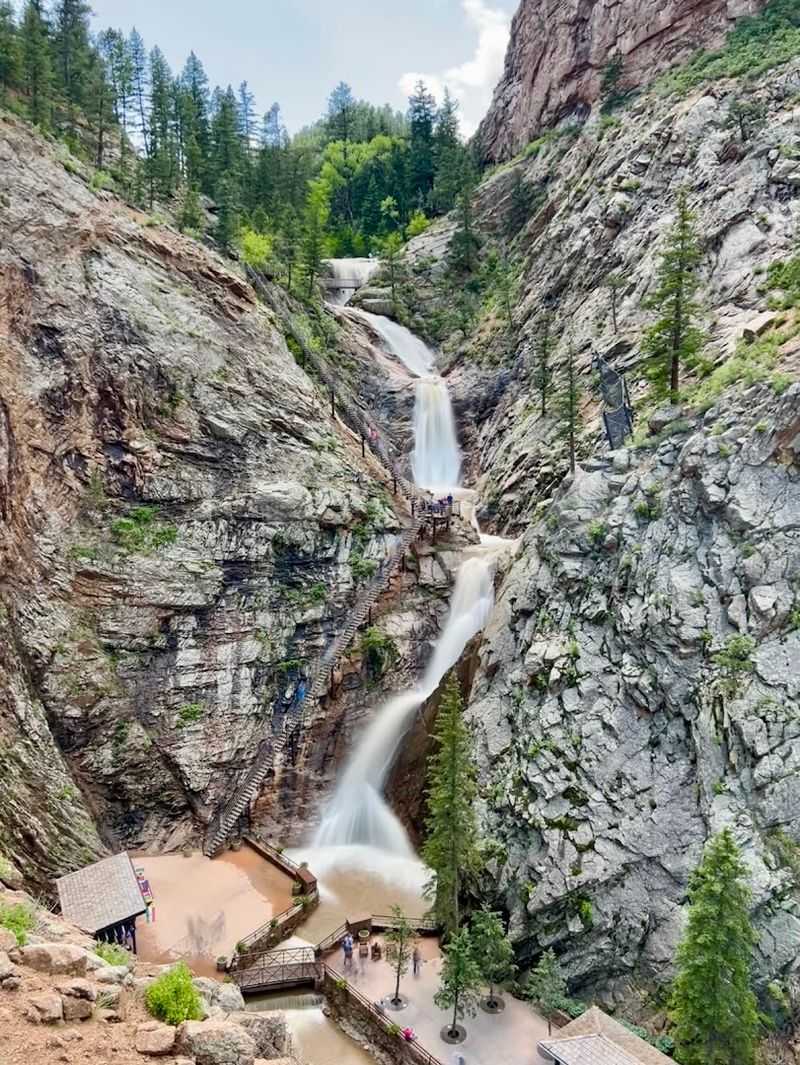
Seven waterfalls stacked on top of each other inside a narrow granite canyon sounds like something out of a fantasy novel, but Seven Falls in Colorado Springs is the very real version of that image.
The falls drop a total of 181 feet through South Cheyenne Canyon, and the view from the base looking up is one of the most dramatic waterfall perspectives in the state. Admission runs around $15 per adult.
A staircase of 224 steps climbs alongside the falls to a platform at the top, and the effort is absolutely worth it.
From the upper viewing area, the canyon stretches out below in a way that makes the whole Colorado Springs area feel miniature.
The surrounding canyon walls rise steeply on both sides, creating a cool, shaded environment even on hot summer days.
The address is 2850 S Cheyenne Canyon Road in Colorado Springs, and the attraction is open daily. Beyond the falls, a trail continues into the upper canyon toward Midnight Falls and additional scenery.
The combination of accessible parking, clearly marked trails, and genuinely spectacular scenery makes Seven Falls one of the most rewarding half-day outings near Colorado Springs.
Go on a weekday morning for the lightest crowds and best photography light.
10. Georgetown Loop Railroad
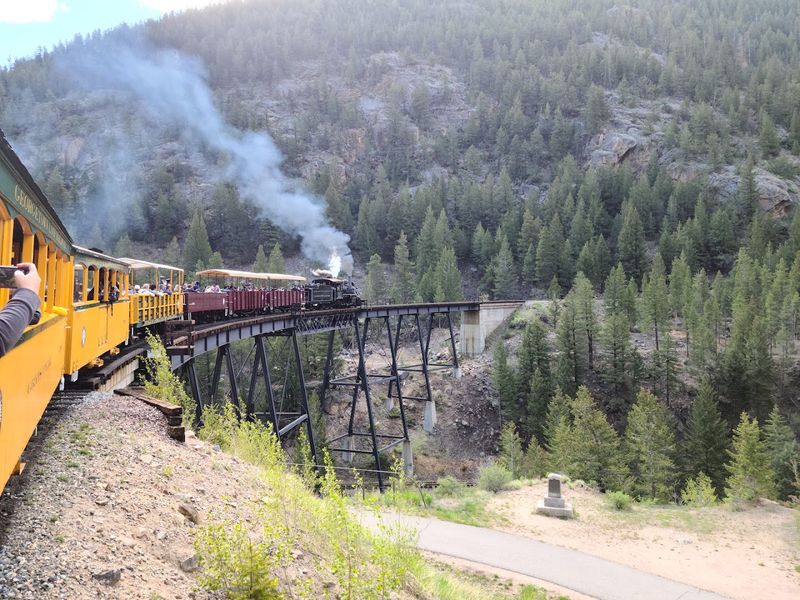
There is something wonderfully old-fashioned about boarding a narrow-gauge steam train and watching the Rocky Mountains roll past the window at a pace that actually lets you enjoy them.
The Georgetown Loop Railroad has been connecting Georgetown and Silver Plume since the 1880s, and the restored route remains one of the most scenic short rail journeys in Colorado.
Round-trip tickets run around $30 to $40 per adult depending on the season.
The highlight of the ride is the Devil’s Gate High Bridge, a curved trestle that carries the train 95 feet above Clear Creek as it loops back over itself to gain elevation.
The engineering feat was considered a marvel when it was built, and watching it approach from inside the train still delivers a genuine thrill. The full round trip covers about six miles and takes roughly one hour.
Departures leave from 646 Loop Drive in Georgetown, and the train operates from late May through early January. Optional mine tour add-ons are available at the Silver Plume stop for an additional fee.
The fall season is especially popular because the surrounding mountainsides turn gold with changing aspens.
Book tickets in advance during October because this is one of the most sought-after fall foliage experiences in the entire state.