Kids Pan For Real Garnets In A Creek At This Idaho Mining Spot
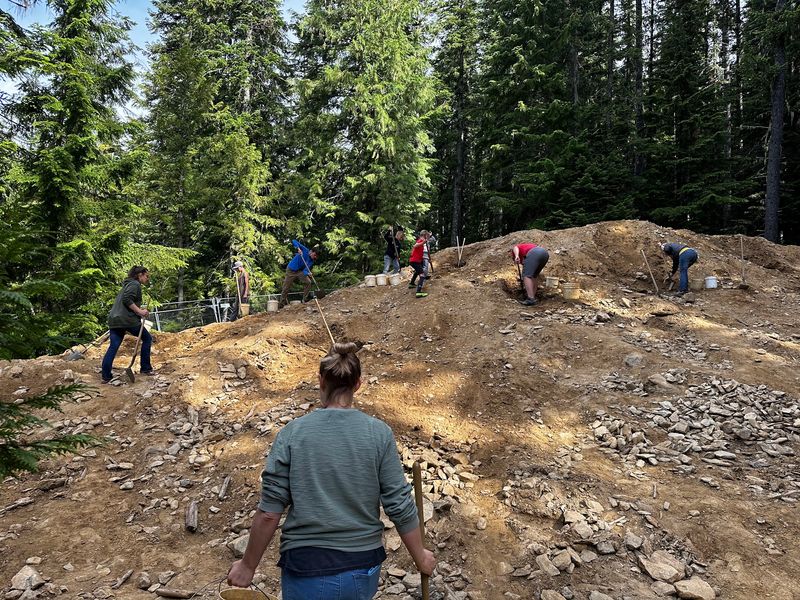
A muddy bucket of gravel in the Idaho woods rarely looks like treasure, but give it a few swishes in a sluice box and dark red stones start winking back at you. Kids scream, parents lean in, and suddenly everyone is a gem hunter.
This spot is one of only two places in the world where the public can find star garnets in real numbers. It is dirty, sunny, hands-on fun that turns an ordinary summer day into a story your family will retell for years.
A Forest Service Gem Field Near Clarkia
Deep in the St. Joe country of the Idaho Panhandle, a gravel lot marks the start of one of the Gem State’s most unusual family outings. The Emerald Creek Garnet Area sits in the Idaho Panhandle National Forests, not far from the small community of Clarkia, and the mailing address points to St. Maries.
The U.S. Forest Service runs the site, and that matters.
Instead of a flashy tourist trap, you get a working gem field with rangers, rules, and real rocks pulled from the ground.
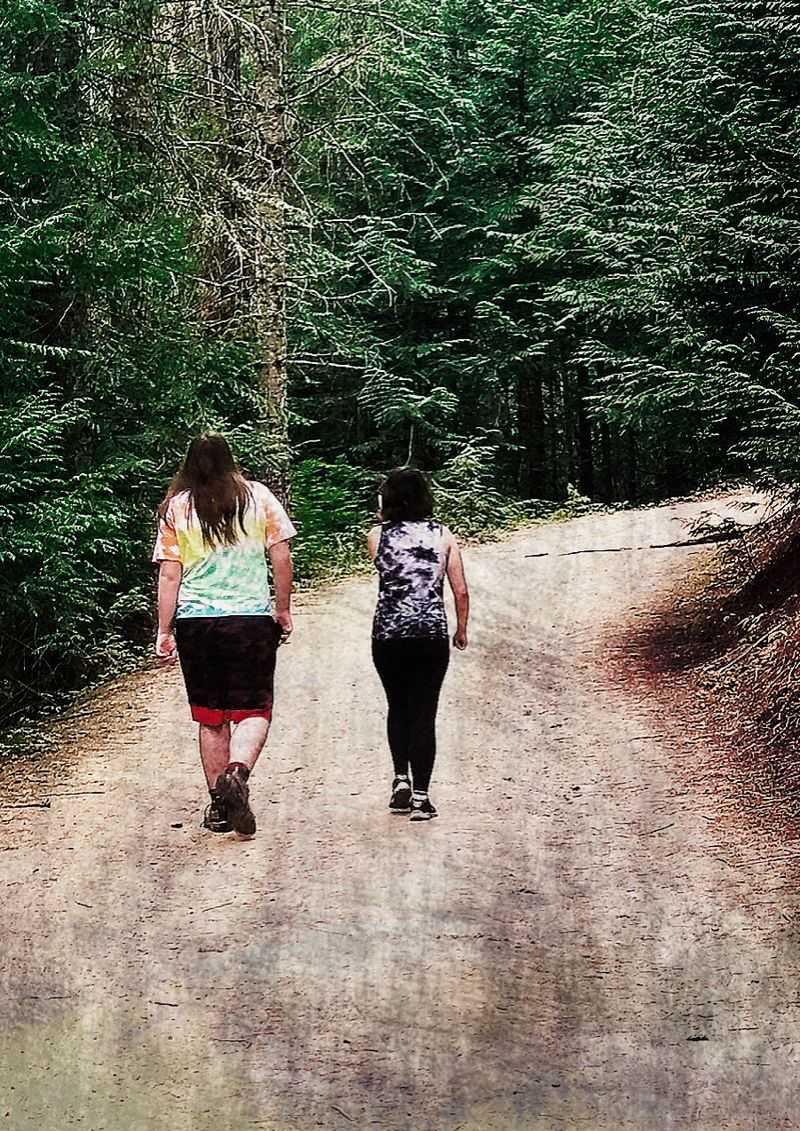
From the parking area, visitors walk about half a mile up an old road to reach the sluice and sifting stations. That short stroll separates the car from the adventure, and kids tend to feel the switch the moment they spot the screen boxes and water troughs ahead.
Families from around the region make the drive every summer. One visitor noted it takes roughly two hours from south Spokane, which makes it a doable day trip from Coeur d’Alene, Moscow, or Lewiston.
Folks from farther south in Idaho often pair it with a camping weekend in the nearby national forest.
Shorty Sexton And The 1937 Discovery
Credit for the first Idaho star garnet goes to a logger named Ed “Shorty” Sexton. Back in 1937, he found one in the Emerald Creek area, and the valley has never quite been the same.
Word spread slowly at first. Loggers and rockhounds poked around the creek gravels, and over the following decades the area gained a reputation among collectors who knew what those dusky purple-red stones could become.
Thirty years after Sexton’s find, in 1967, Idaho made the star garnet its official state gemstone. That is a big deal for a rock that turns up in quantity in only two known places on Earth, with India holding the other major source.
Kids usually love this part of the story. A regular guy doing his job in the woods stumbled onto something rare, and now they get to walk the same drainage looking for the same kind of stone.
That connection gives the day extra weight. Every garnet pulled from a bucket links back to a discovery almost ninety years old, and to a state symbol most Idahoans carry around without ever seeing one in person.
Why Star Garnets Shine Differently
Hold a cut star garnet under a single light and a thin four-rayed star appears to float across its surface. Some stones even show six rays.
Scientists call the effect asterism, and it is what makes Idaho’s gem so prized.
The star comes from tiny needle-like inclusions inside the crystal. Those same inclusions make the stone a little cloudier, which leads to a handy trick one returning visitor shared from a jeweler.
Shine a strong light, like a phone flashlight, through a garnet. If light passes easily through the whole stone, it probably will not show a star.
If light only glows around the edges, you might be holding a candidate worth taking to a cutter.
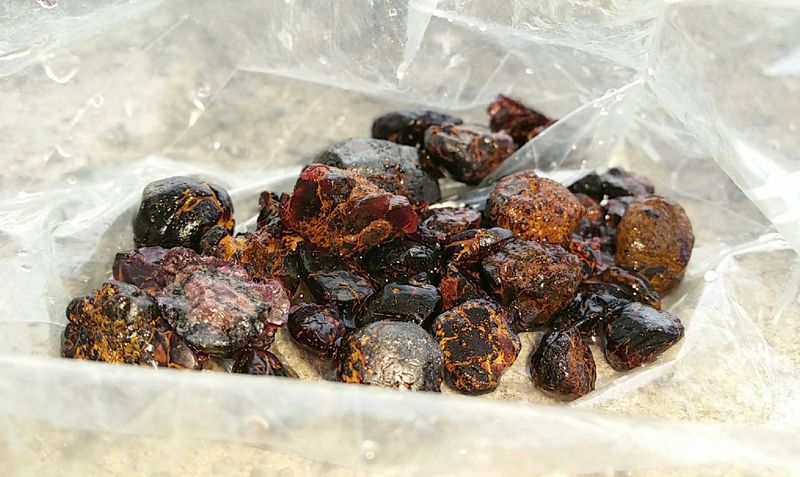
Most finds at Emerald Creek will not become star gems, and that is fine. Plain garnets still sparkle with a rich wine-dark color, and chunky pieces stuck in host rock make great shelf souvenirs.
Kids enjoy running the flashlight test back at the picnic table. It turns sorting into a mini science lab, and every opaque stone becomes a small mystery waiting to be solved.
Dig, Sift, Wash, Repeat
Shovel, bucket, screen, water. That four-step rhythm is the whole show, and it is surprisingly addictive.
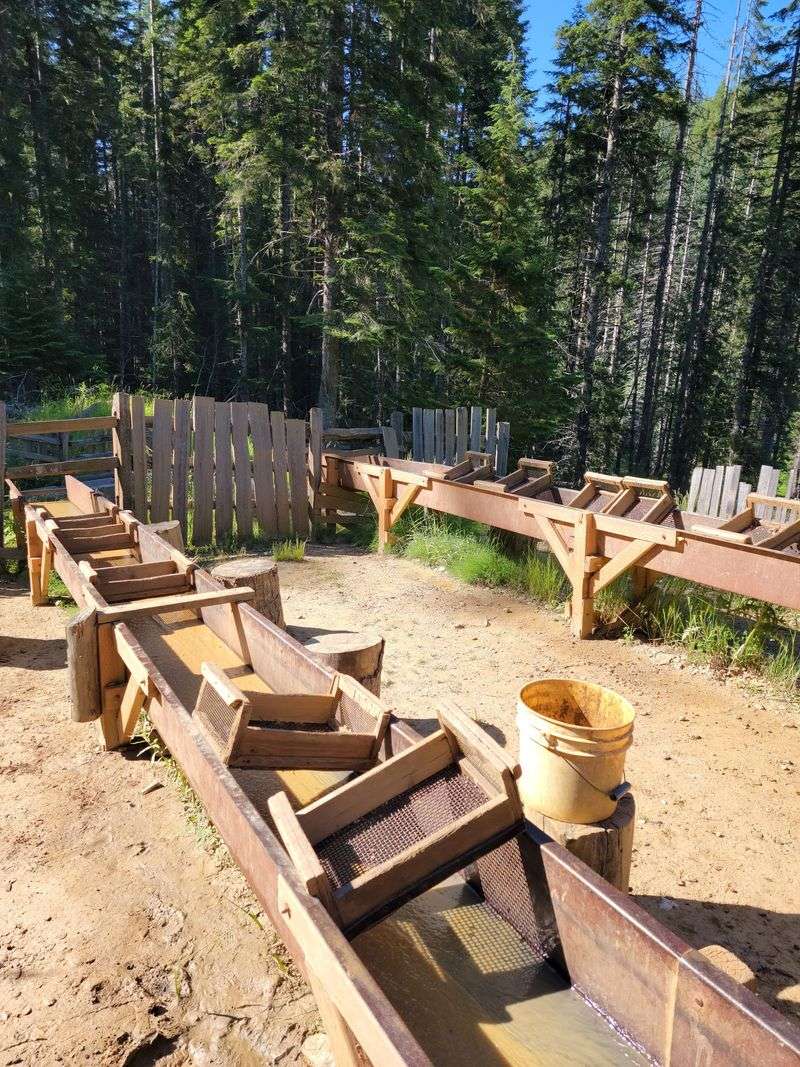
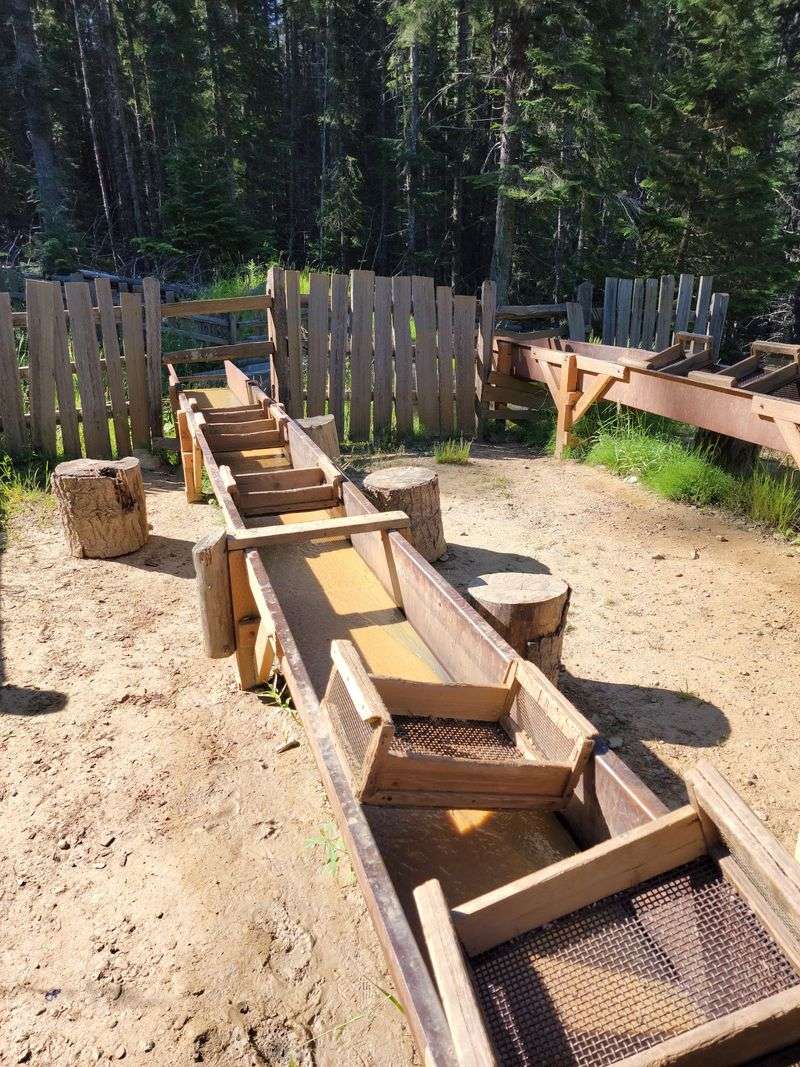
Staff hand out the gear on site, including screen boxes, buckets, and shovels, and walk newcomers through how it works. Visitors describe the setup as organized, with a dig area, a sifting area, and a long sluice trough for rinsing.
Years ago people dug straight in the creek bed. Today, you fill buckets from a stockpile of garnet-bearing gravel the Forest Service provides, which protects the creek and keeps everyone safer.
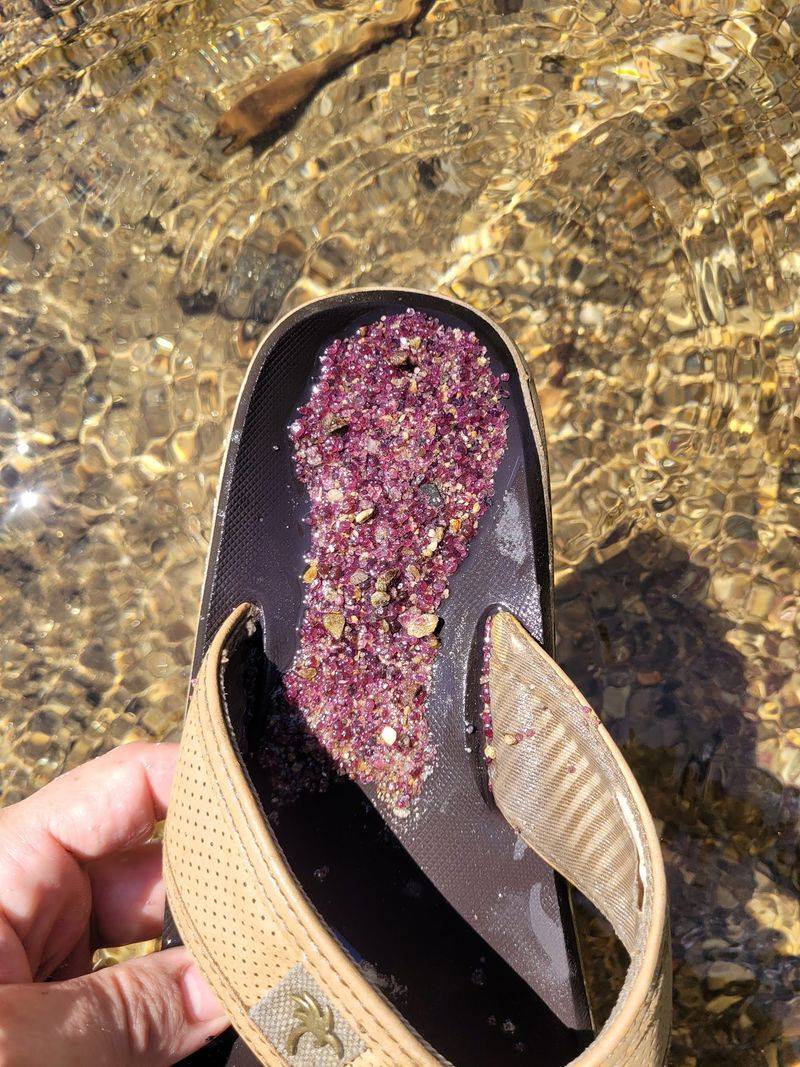
Next comes sifting, where the fine dirt falls away. Then the rocks go into the water trough, and you swish and swirl until the mud clears and dark red chips start showing up against the gray gravel.
Visitors say you will find at least small garnet chips in nearly every bucket. Some folks walk away with a few ounces, others with close to a pound after four hours of steady work.
Patience pays off. The biggest stones often hide under a crust of clay, so a second rinse can reveal something a first glance missed entirely.
Cherry-Sized Surprises In The Bucket
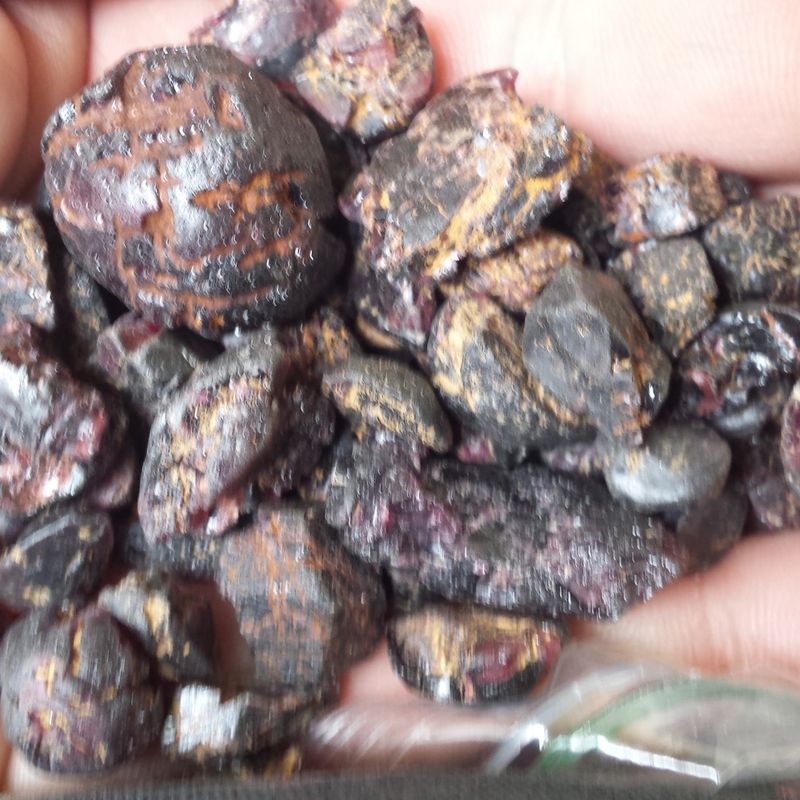
One lucky visitor pulled out a garnet the size of a cherry. Another remembered finding a golf ball sized star garnet on a trip back in 2000.
Those big finds are the exception, but they keep people coming back. Most buckets give up smaller stones, and the thrill of a sudden flash of red never really wears off.
Returning hunters also mention garnet-studded rocks, sometimes nicknamed cookies, that make eye-catching keepsakes even if you never cut a single gem. Kids tend to treasure these chunky pieces as much as loose stones.
Per permit, you can keep up to two pounds of garnet material. Honestly, few people hit that limit in a single session, so there is little worry about running over.
Quality seems to impress repeat visitors, with several describing the stones as plentiful and high grade. One visitor did note an off year when the pile felt picked over, and suggested coming earlier in the season when fresh gravel is waiting.
Bring zip-top bags to sort your haul. Labeling bags by kid prevents arguments on the drive home about whose garnet is whose.
Rangers Who Make Rookies Feel Welcome
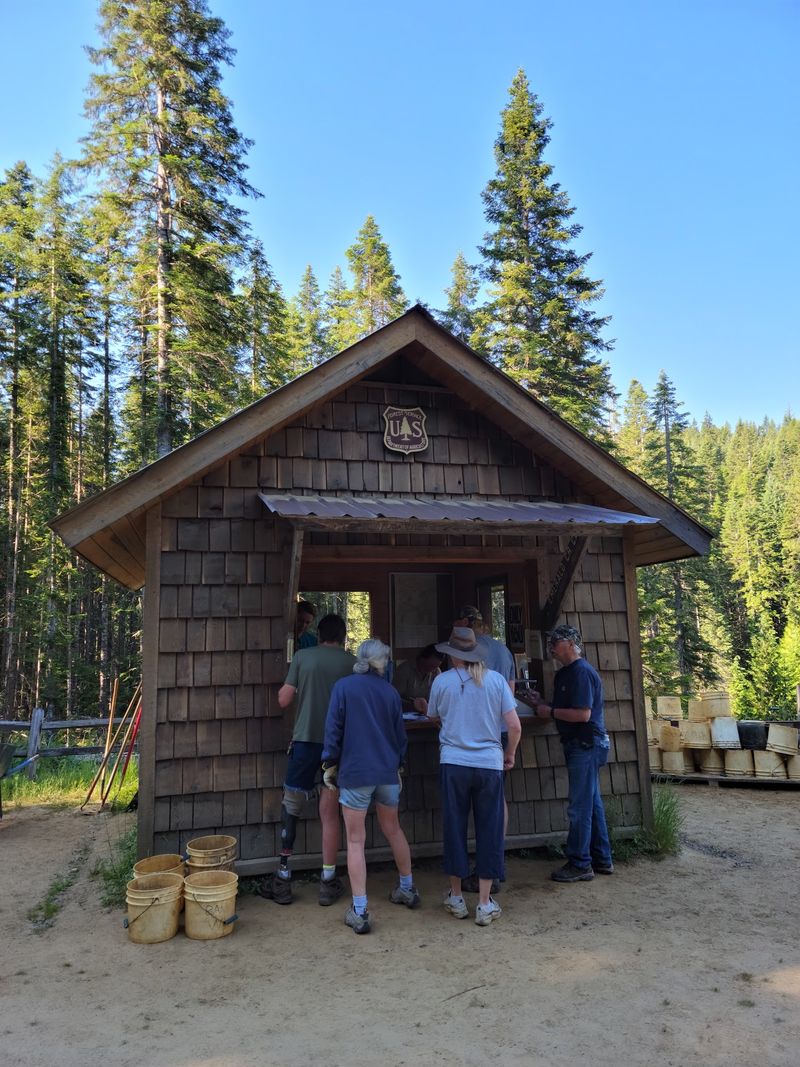
Friendly faces in Forest Service uniforms set the tone here. Visitor after visitor mentions rangers who are helpful, patient, and genuinely glad to see families show up.
Each group gets an orientation before digging. Staff explain what a garnet actually looks like in raw form, which is key, because a muddy garnet can look a lot like a plain dark pebble.
One parent said the rangers made sure they knew exactly what to look for. Another described the staff as informative while also helping the whole day feel relaxed and low stress.
Kids often come back to the rangers mid-session holding up a stone and asking, “Is this one?” The answer is usually yes, and that little confirmation lights up young faces.
A calm atmosphere matters when you have a crowd of excited children and running water. The rangers keep things moving without making anyone feel rushed.
Visitors with accessibility needs can contact the Clarkia office ahead of time. According to past guests, arrangements can be made to park closer to the dig area and skip the uphill walk.
Mud, Sun, And Honest Work
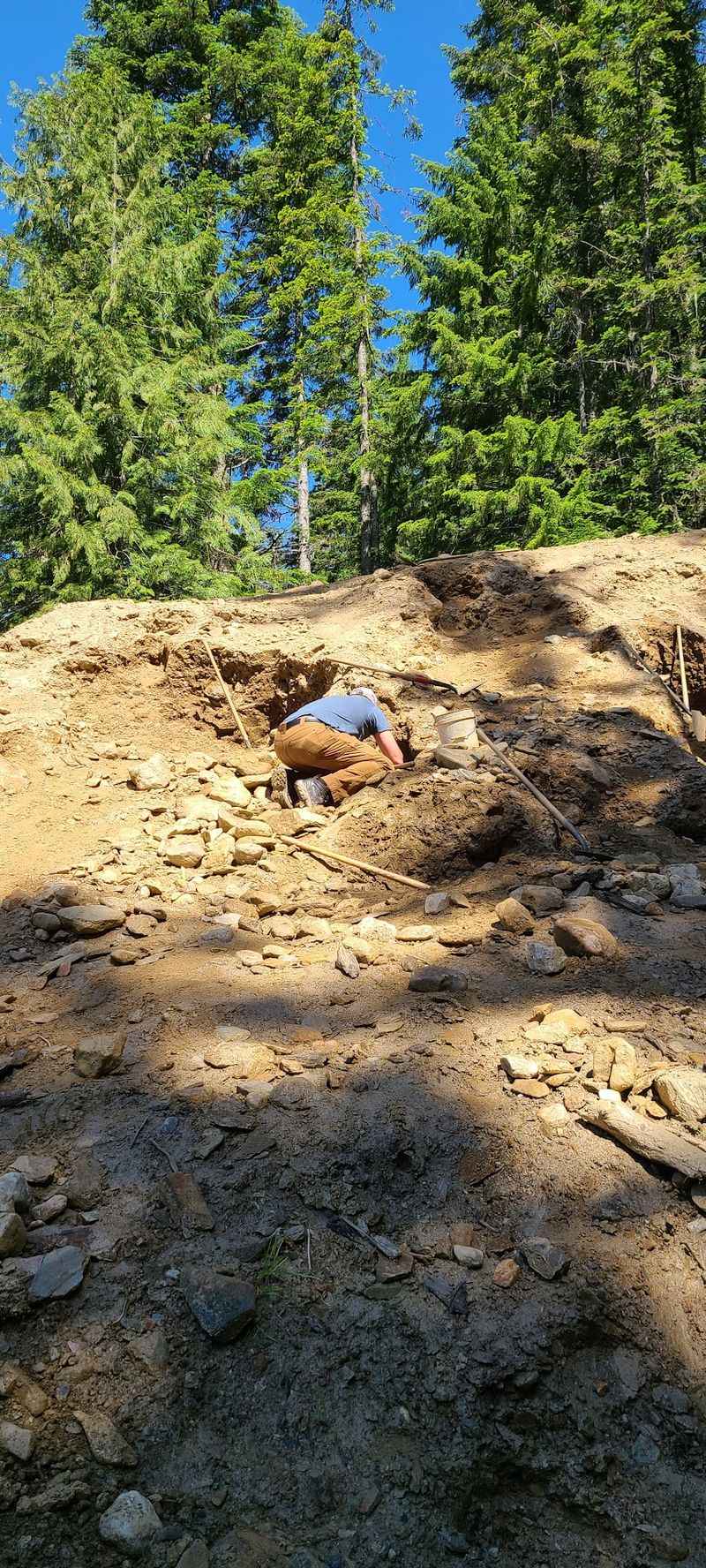
Expect to get filthy. Visitors laugh about coming home caked in mud, and that is part of the charm.
The work is physical, though not difficult. Hauling wet gravel, bending over screens, and keeping your hands in cold water for hours adds up, so pace yourself and take breaks.
Much of the process happens in direct sun. Shade can be sparse at the stations, though some guests mention picnic tables, benches, and shady rest spots nearby.
Pack a hat, sunscreen, and more drinking water than you think you need. Sturdy boots help on the slick ground, and rubber gloves can save your fingertips from turning red and raw.
A few seasoned hunters bring a wagon to move buckets, and some even build their own tall sifters. That kind of gear is optional, yet it makes long sessions easier on the back.
Facilities are basic, with portable toilets in the parking lot and near the dig site. Cell service is limited, so plan ahead and let kids enjoy a rare few hours away from screens.
Best Ages For Young Rockhounds
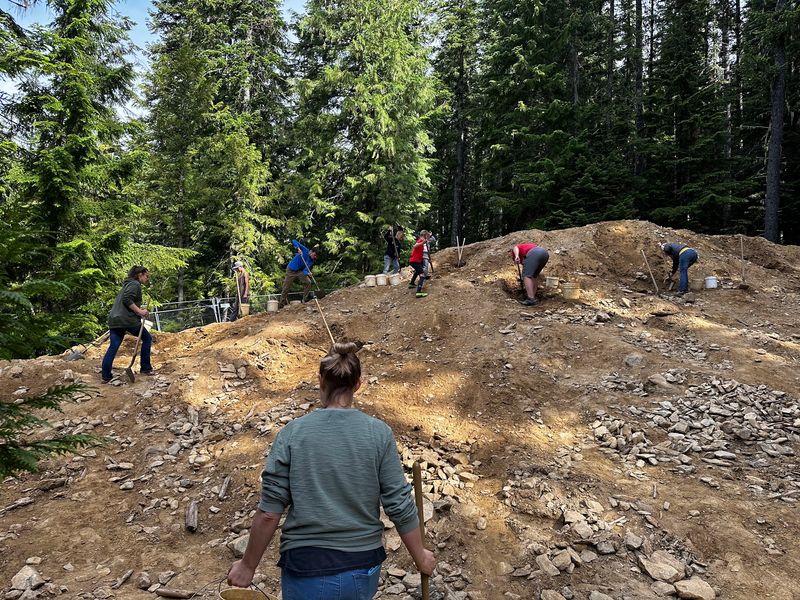
Grade schoolers seem to hit the sweet spot. One family reported that their seven and five year old had an absolute blast, while their two year old mostly wanted to push his stroller around.
Younger children may lose interest in the repetitive sifting, and the half-mile uphill walk can wear out small legs. Older kids and teens usually get hooked fast once the first few stones appear.
Parents often describe the outing as a way to pull kids off video games and into the dirt. One father and son simply call their yearly trips treasure hunting.
Adults enjoy it too. Rockhounds, retirees, and curious travelers all turn up, and the shared excitement of spotting red in the gravel tends to erase age gaps.
Crowds can build, especially early in the season and on weekends. A visitor who arrived around 9:15 found things comfortably busy by late morning, so earlier starts help families claim a good spot at the troughs.
Packing lunch lets everyone stretch the day. Many families turn a three-hour session into a full outing with a picnic in the trees.
Permits, Seasons, And Getting There
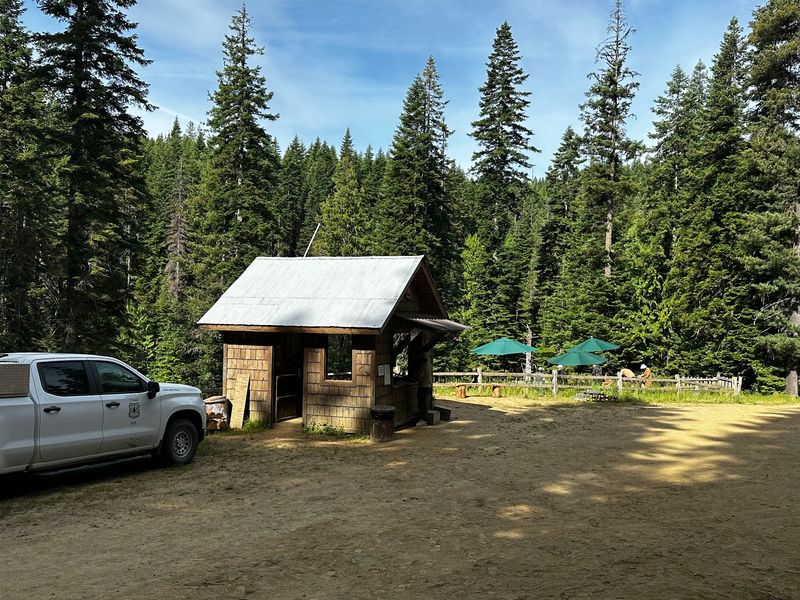
Reservations are the one thing you cannot skip. Permits must be bought in advance through Recreation.gov, online or by phone, and they are not sold at the site.
Visitors warn that showing up without a ticket means getting turned away. Blocks of permits open ahead of the season and can go quickly, so set a reminder and book early.
The area usually opens the Friday before Memorial Day weekend and runs through Labor Day weekend. Operating days and session times can shift, so check the Forest Service page before driving.
Cost stays friendly for families, typically just a few dollars per person. Each individual is generally limited to one permit per year.
Sessions run about three hours. The last stretch of the drive follows a dirt access road through the national forest, and the parking lot fills early on busy days, so leaving home ahead of schedule is smart.
Heading back, some families stop at the St. Joe River to cool off. After hours of sun and mud, a splash in clear Idaho water feels like a well-earned reward.
A Muddy Day Worth Repeating
Plenty of summer outings fade from memory by fall. Digging for Idaho’s state gem in a Panhandle forest tends to stick.
Families leave with sore arms, sunburned noses, and small bags of dark red stones. More importantly, kids leave with the feeling that they found something real with their own hands.
The experience is not polished, and that is its strength. You get a gravel pile, a rinse trough, helpful rangers, and a chance at a gem found in quantity in only two places worldwide.
Planning is the only real hurdle. Grab permits the moment they open, pack water and sunscreen, and accept that everyone is going home muddy.
Many visitors say they return year after year, and some wait for their youngest to grow before making it an annual habit. That kind of loyalty speaks louder than any brochure.
For Idaho families looking for a cheap, hands-on day with a genuine payoff, this corner near Clarkia delivers. Somewhere in that next bucket, a garnet with your kid’s name on it is waiting.