10 Living Room Trends Ohio Homes Are Moving Away From
Living rooms are changing as quickly as the way people actually use them.
Comfort, flexibility, and personality now matter more than rigid layouts or show-ready designs that rarely fit real life.
Across Ohio, homeowners are stepping away from styles that feel stiff, dated, or disconnected from daily routines.
Pieces once chosen for appearance alone are losing favor as spaces shift toward function, warmth, and ease.
This shift reflects how Ohio homes are being lived in today. Familiar trends are fading, making room for ideas that feel more natural, practical, and better suited to everyday living.
1. All-Beige Color Schemes
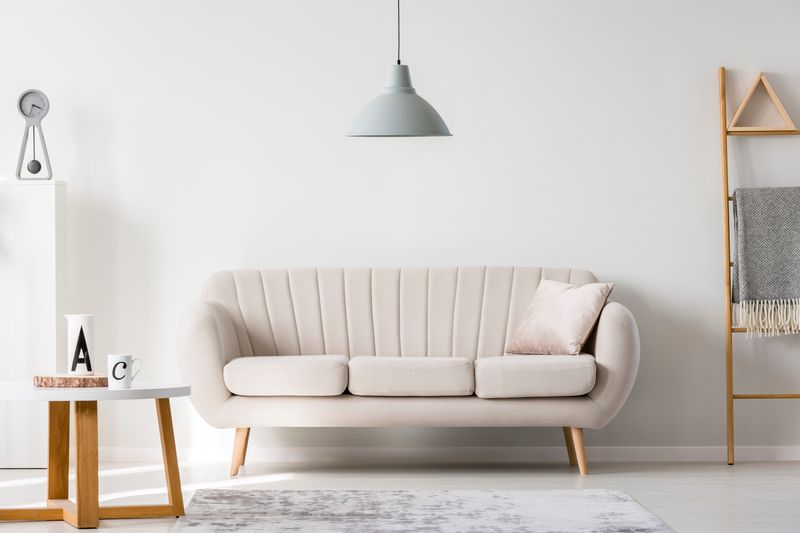
All-beige living rooms are quickly losing favor in Ohio homes as homeowners search for interiors that feel warmer, more inviting, and emotionally engaging.
Once considered a timeless and safe design choice, beige-on-beige palettes now feel flat and visually uninspiring to many homeowners.
Rooms dominated entirely by neutral tones often lack the depth and personality that modern buyers and residents desire.
Ohio homeowners are increasingly using color to create comfort, mood, and a stronger sense of individuality.
Deep blues are being introduced to add calmness and visual grounding to living spaces.
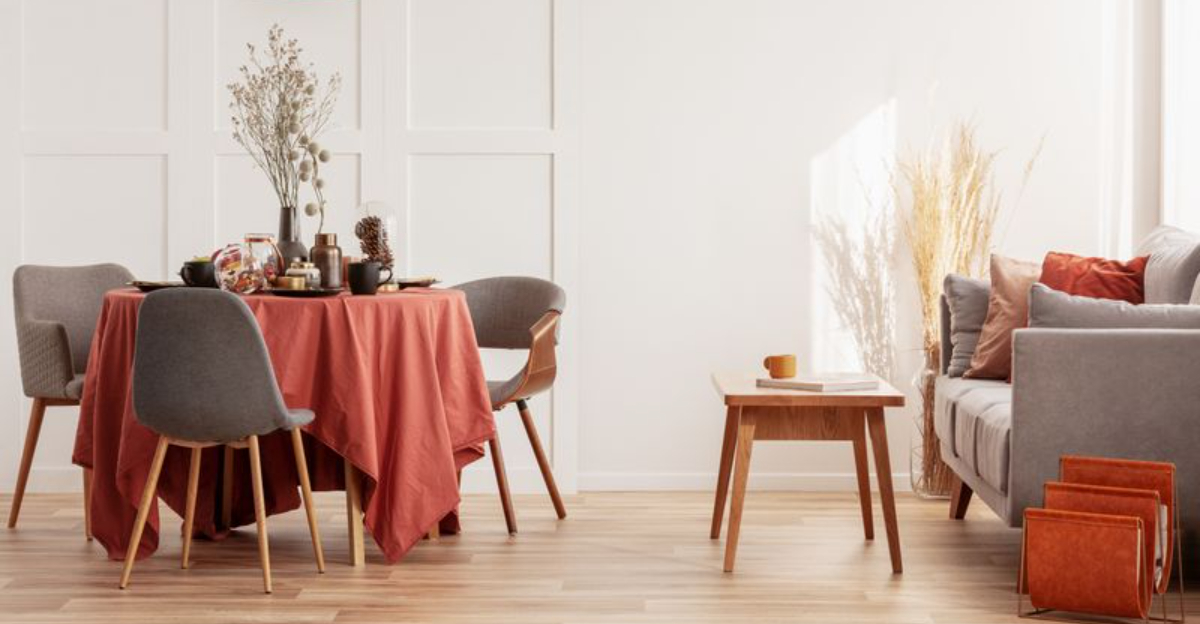
Warm terracotta tones bring richness and organic warmth into otherwise neutral rooms.
Forest greens help connect interiors to nature while maintaining a sophisticated appearance.
Accent walls allow homeowners to experiment with color without overwhelming the entire space.
Throw pillows and decorative accessories offer low-risk ways to introduce vibrancy and contrast.
Beige alone is no longer enough to define a modern, welcoming Ohio living room.
2. Oversized Sectionals That Dominate
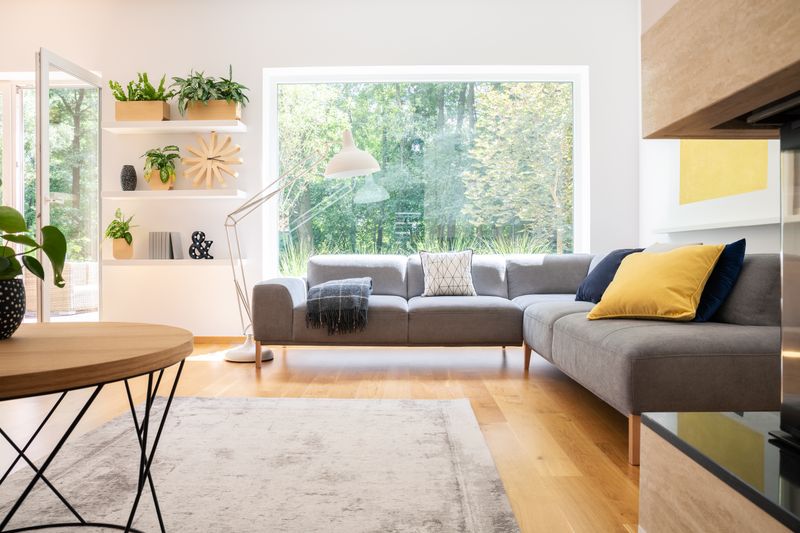
Oversized sectional sofas are falling out of favor in Ohio living rooms because they overwhelm spaces and limit flexibility for everyday activities.
These massive seating pieces often consume too much floor space, making rooms feel cramped rather than comfortable.
Large sectionals restrict movement and make rearranging furniture layouts unnecessarily difficult.
Ohio homeowners are realizing that flexibility matters more than maximizing seating capacity.
Smaller sofas paired with accent chairs provide adaptable seating for gatherings and quiet evenings alike.
Movable furniture allows homeowners to reconfigure layouts for conversations, entertaining, or relaxation.
Oversized sectionals can block natural light and disrupt visual balance within a room.
Cleaning around these bulky pieces is often frustrating and inconvenient.
Many older Ohio homes were not designed to accommodate such oversized furniture.
Balanced proportions now take priority over sheer size in living room design decisions.
3. Formal Living Rooms Nobody Uses
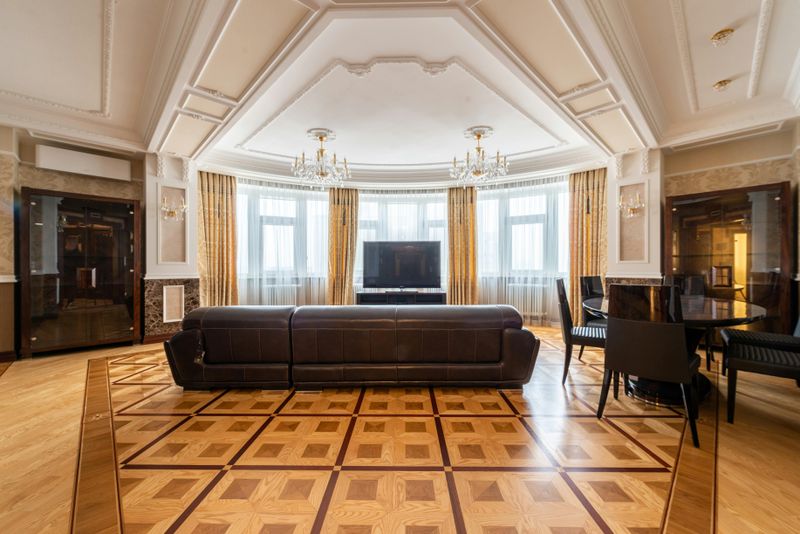
Formal living rooms are increasingly disappearing from Ohio homes as homeowners reclaim underused spaces for practical, everyday purposes.
These rarely used rooms often sit untouched, serving more as showpieces than functional living areas.
Furniture remains unused while valuable square footage goes to waste.
Rising housing costs encourage homeowners to maximize every part of their home.
Families now prefer spaces that support daily routines rather than occasional appearances.
Formal rooms often feel disconnected from how households actually live.
Many Ohio homeowners are converting these areas into home offices, playrooms, or casual family lounges.
Functional spaces improve quality of life and increase overall home satisfaction.
Rooms that are used daily feel more meaningful and intentional.
Formality is no longer valued over comfort and usability in modern Ohio homes.
4. Wall-To-Wall Carpeting
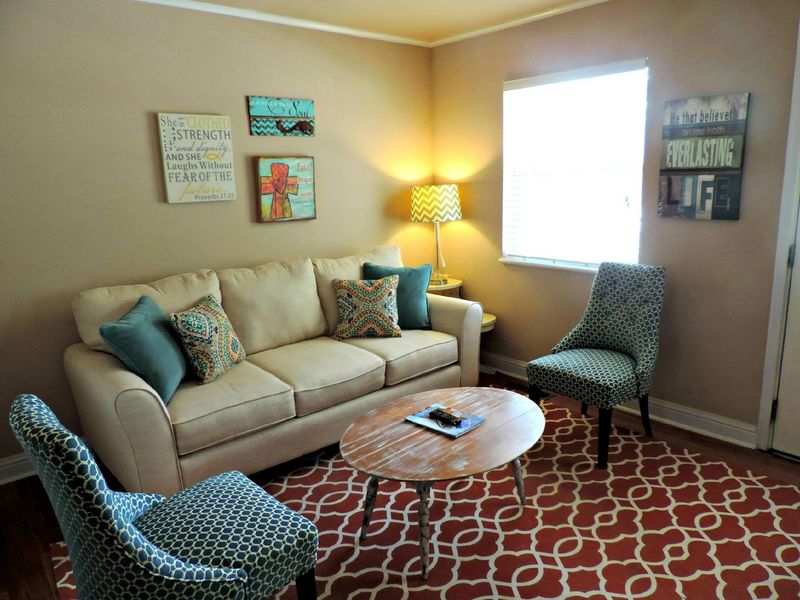
Soft flooring that stretches from wall to wall is steadily disappearing from Ohio living rooms as homeowners prioritize cleanliness, durability, and updated visual appeal.
Once viewed as luxurious and cozy, carpeting is now associated with allergens, stains, and long-term maintenance challenges.
Pet owners and families with children find carpet especially difficult to keep clean over time.
Dust, pollen, and odors easily become trapped within carpet fibers.
Ohio homeowners are increasingly aware of indoor air quality concerns.
Hardwood floors offer a cleaner and more timeless foundation for living spaces.
Engineered wood and luxury vinyl provide affordable alternatives with similar visual warmth.
Area rugs allow homeowners to define seating zones without permanent commitment.
Rugs can be swapped seasonally to refresh the look of a room.
Spills and messes become far less stressful on hard flooring surfaces.
5. Entertainment Centers That Overwhelm
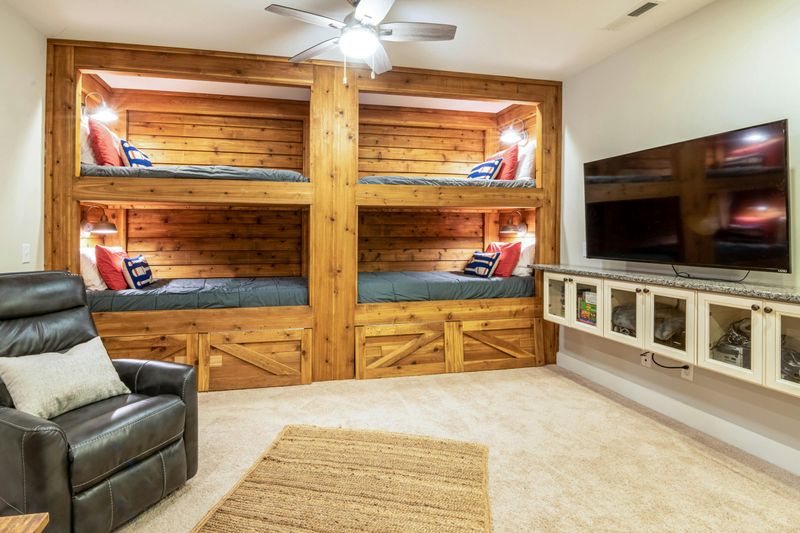
Large wooden units designed to house bulky televisions feel increasingly out of place in modern Ohio living rooms.
These oversized structures often dominate walls and visually shrink the surrounding space.
Older entertainment centers were built for technology that is no longer relevant.
Flat-screen televisions require far less visual support.
Ohio homeowners prefer furniture that blends seamlessly into the background.
Floating shelves create storage without heaviness.
Minimalist media consoles offer function without bulk.
Wall-mounted televisions free up valuable floor space.
Cleaner lines make rooms feel calmer and more spacious.
Entertainment furniture is no longer meant to be the focal point of the room.
6. Excessive Throw Pillows
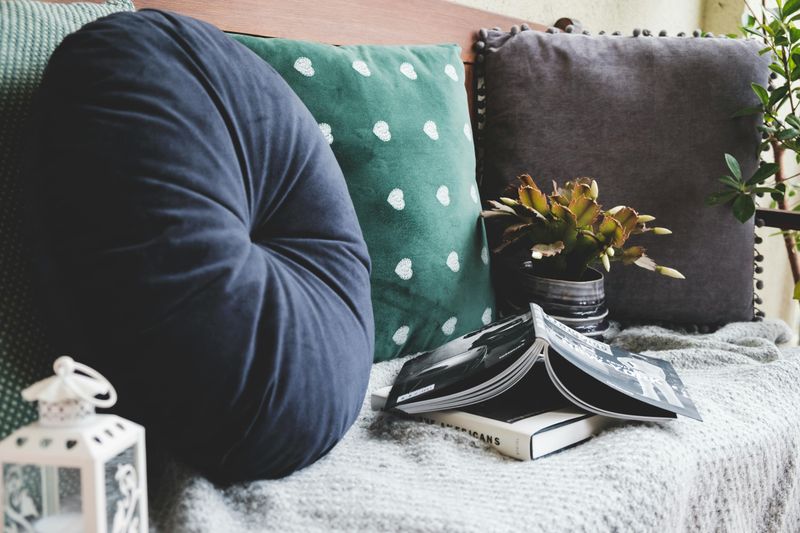
Couches overloaded with decorative pillows are becoming less common in Ohio homes as homeowners prioritize comfort and practicality.
Daily routines become frustrating when pillows must be constantly removed just to sit down.
Too many pillows clutter seating areas and reduce usable space.
Homeowners now favor quality over quantity when selecting decorative accents.
A small number of thoughtfully chosen pillows adds style without inconvenience.
Textured fabrics and subtle patterns provide interest without excess.
Pillows are expected to enhance comfort rather than create obstacles.
Storage space is no longer wasted on unused decorative items.
Living rooms feel more relaxed when seating is immediately accessible.
Ohio homeowners increasingly reject designs that sacrifice function for appearance.
7. Artificial Plants And Flowers
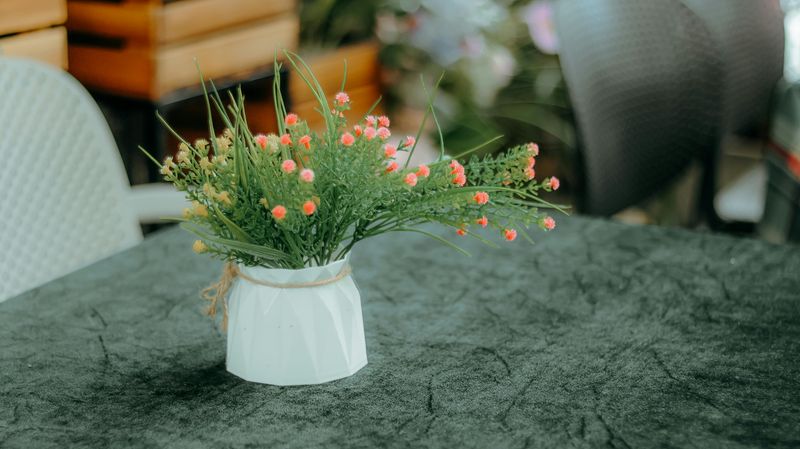
Decor that attempts to imitate nature without providing any real life or growth is gradually disappearing from Ohio living rooms as homeowners seek authenticity.
Plastic greenery and silk floral arrangements often collect dust over time, making rooms feel neglected rather than thoughtfully styled.
Many homeowners now recognize that artificial plants rarely age well and tend to cheapen the overall appearance of a space.
Real plants introduce movement, texture, and subtle color variations that cannot be convincingly replicated by artificial alternatives.
Low-maintenance houseplants have made caring for real greenery far more accessible for busy households.
Popular options thrive in indirect light and require minimal watering.
Living plants contribute positively to indoor air quality and overall atmosphere.
Even empty vases or sculptural planters feel more intentional than faux foliage.
Ohio homeowners increasingly prefer fewer decorative items with greater visual impact.
Living rooms feel calmer and more genuine when decor reflects natural elements rather than synthetic imitations.
8. Glossy Accent Walls

Highly reflective paint finishes are quietly being phased out of Ohio living rooms as homeowners gravitate toward softer, more forgiving wall treatments.
Glossy surfaces tend to highlight every imperfection, including dents, seams, and uneven drywall texture.
Reflections from televisions, lamps, and windows can become visually distracting in everyday use.
Harsh glare disrupts the relaxed atmosphere homeowners want from their main living space.
Matte and eggshell finishes provide a smoother, more cohesive appearance.
These finishes diffuse light rather than bounce it aggressively around the room.
Photographs and video calls look better against non-reflective backgrounds.
Subtle wall finishes create a timeless look that adapts to changing decor.
Maintenance is easier with finishes that do not show fingerprints easily.
Ohio homeowners increasingly value understated sophistication over bold but impractical design choices.
9. Coffee Tables As Storage Dumps
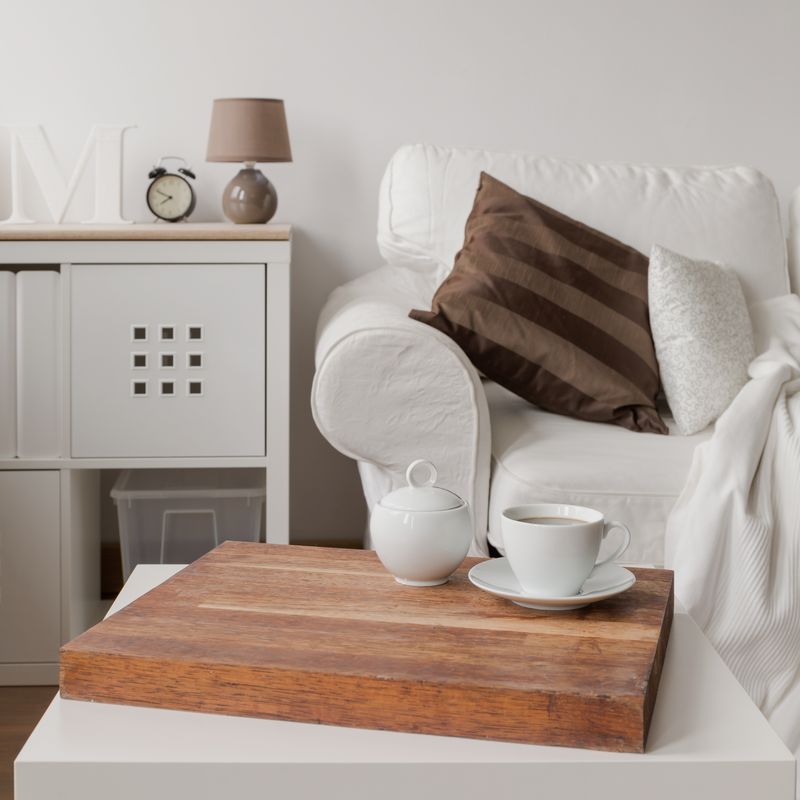
Surfaces meant to anchor seating areas are being reimagined in Ohio homes as intentional design elements rather than default storage zones.
Coffee tables overloaded with mail, remotes, magazines, and miscellaneous items create visual stress in shared living spaces.
Clutter accumulation makes rooms feel smaller and less inviting.
Homeowners are recognizing the psychological benefit of clear, organized surfaces.
A thoughtfully styled table adds balance and purpose to a room.
Simple arrangements using books, trays, or small plants feel deliberate rather than chaotic.
Clear space allows tables to function as intended during daily use.
Reduced clutter supports a calmer environment for relaxation and conversation.
Ohio homeowners are adopting habits that prioritize ease of maintenance.
Living rooms feel more peaceful when central surfaces are no longer treated like junk drawers.
10. Heavy Matching Furniture Sets
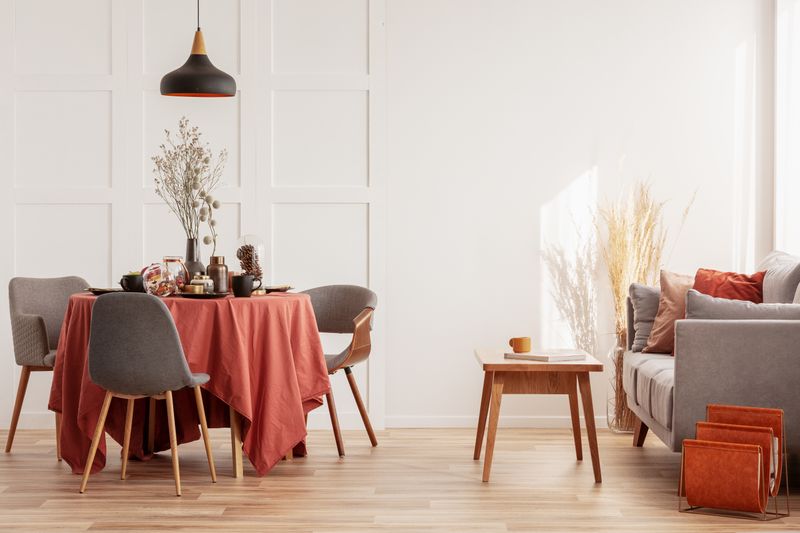
Heavy matching furniture sets are steadily disappearing from Ohio living rooms as homeowners move away from showroom-style decorating that lacks warmth, flexibility, and personal expression.
Buying an entire coordinated sofa, loveseat, chair, and table set once felt convenient, but it now makes living rooms feel rigid, impersonal, and visually overwhelming.
These bulky collections often dominate average-sized Ohio living rooms, leaving little room for movement, creativity, or functional rearrangement over time.
The visual uniformity of identical furniture pieces removes character and prevents rooms from feeling layered or thoughtfully curated.
Ohio homeowners are increasingly recognizing that real homes evolve gradually rather than being furnished all at once from a single store display.
Mixing furniture styles allows homeowners to express personality while adapting to changing needs, tastes, and family dynamics.
Different textures, finishes, and silhouettes add visual interest without creating clutter or overwhelming the space.
Replacing one worn or outdated piece becomes easier when furniture does not need to match an entire set.
Younger homeowners especially prefer collected spaces that feel lived-in rather than overly polished or staged.
Matching furniture sets are no longer compatible with how Ohio families want their living rooms to function daily.