10 Maryland Nature Spots That Feel Like Nobody Else Knows They Exist
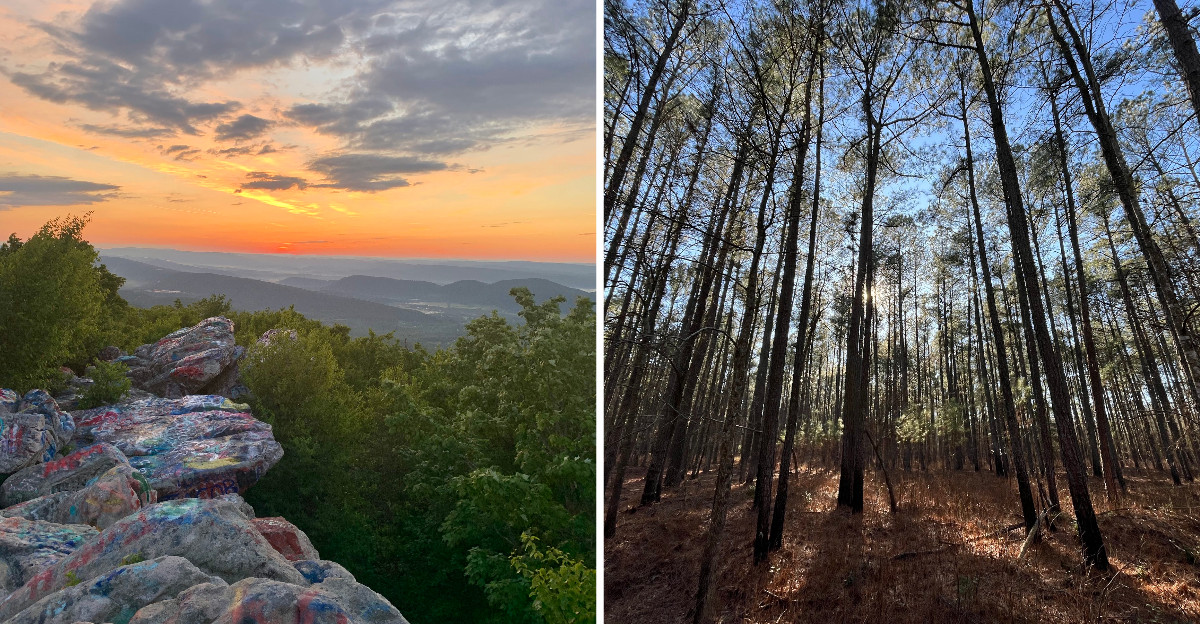
Maryland has a swamp full of bald cypress trees that sits farther north than any other grove of its kind in the East.
That was going to be my whole opening. I’m not done though!
The same state also hides a mountain bog in its far western corner, plus a Potomac shoreline that stays among the last undeveloped tracts on that river.
Well, so much for keeping this simple.
So here’s the deal. Grab boots, because some of these trails flood. Grab snacks, because a few spots sit way out there.
Ready to find places where the loudest thing around might be a woodpecker?
1. Battle Creek Cypress Swamp
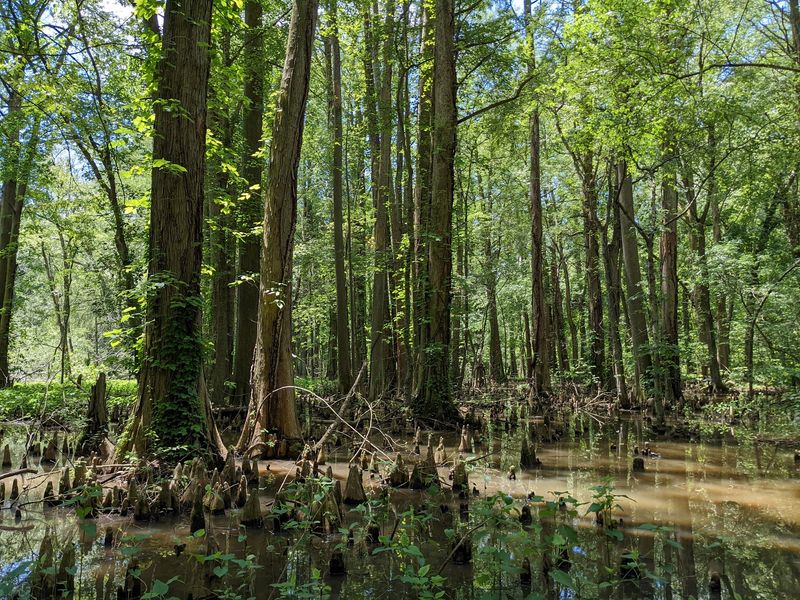
Bald cypress trees are cousins of redwoods and sequoias, and they can live for centuries. This swamp protects a grove near the northern limit of the species’ natural range in the United States.
That alone makes the drive to Calvert County worth it. Think of it as a taste of the Deep South without traveling hundreds of miles.
A quarter-mile boardwalk winds through the wetland, bringing you close to enormous trunks and the curious knobby roots known as cypress knees.
They rise from the saturated ground like a collection of little wooden sculptures scattered around the walkway.
Interpretive stops explain why these trees thrive in swampy soil. The 100-acre sanctuary was protected in 1957 and became The Nature Conservancy’s first preserve in the state.
Back inside, the nature center features exhibits and animal ambassadors. Its remarkable albino snapping turtle has returned to a specially prepared display after spending time at another local museum.
The walk is short enough for families of different ages, and portable restrooms are available. Pets stay home to protect this sensitive habitat.
Opening hours vary by season: weekdays begin at 9 a.m., Saturdays at 10 a.m., and Sundays at 1 p.m. Summer weekends offer later closing times. The gate shuts half an hour before the sanctuary closes.
The boardwalk starts at 2880 Grays Road, Prince Frederick, MD 20678.
2. Finzel Swamp Preserve
Swamp boots aren’t a fashion statement here. They’re basically your ticket in.
Finzel Swamp sits near Frostburg, high in the mountains of western Maryland, where the air often feels wonderfully crisp.
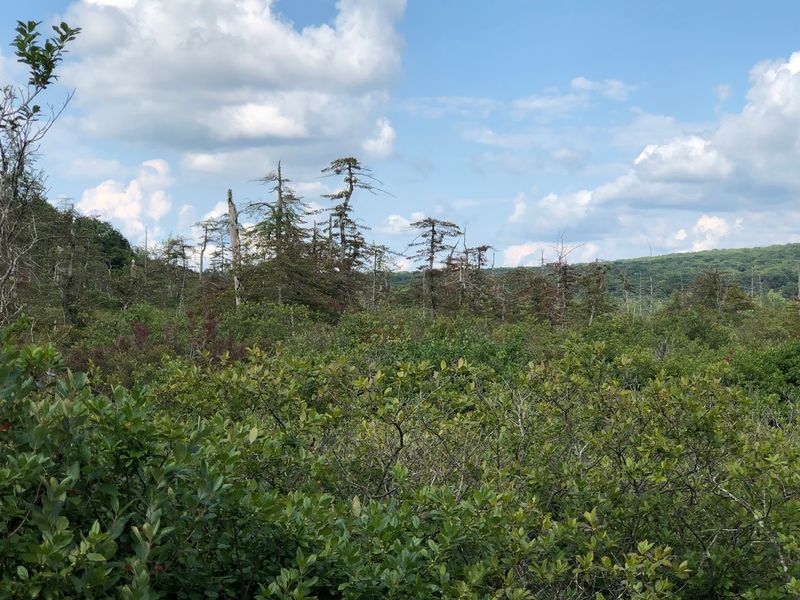
Its 326 protected acres contain a rare boreal fen, a wetland whose plants seem better suited to a much colder part of the continent.
A natural frost pocket helps explain the surprise. Cold air collects in this low basin, allowing species associated with northern habitats to survive far south of their usual range.
American larch trees, cotton grass, and unusual wetland plants make the landscape especially interesting to botanists.
The Nature Conservancy began protecting this property in 1970. Today a trail leads from the parking area through alder thickets and across short wooden bridges toward a shallow lake.
Parts of the route can be wet and muddy, particularly after rain. Waterproof footwear makes exploring more comfortable, while binoculars help with birdwatching across the open wetland and nearby alder thickets.
This is a nature preserve rather than a developed park. There are no staffed exhibits or elaborate facilities, and dogs aren’t permitted. The quiet grounds welcome walkers during daylight hours.
The final approach follows an unpaved road that can become difficult after snow, so observe the upper parking instructions in winter. For access, follow Cranberry Swamp Road near Finzel and Frostburg, MD 21532.
3. Soldiers Delight Natural Environment Area
Beavers, foxes, snakes, and woodpeckers all share this extraordinary patch of Baltimore County. That’s a pretty impressive guest list for a place so close to the suburbs.
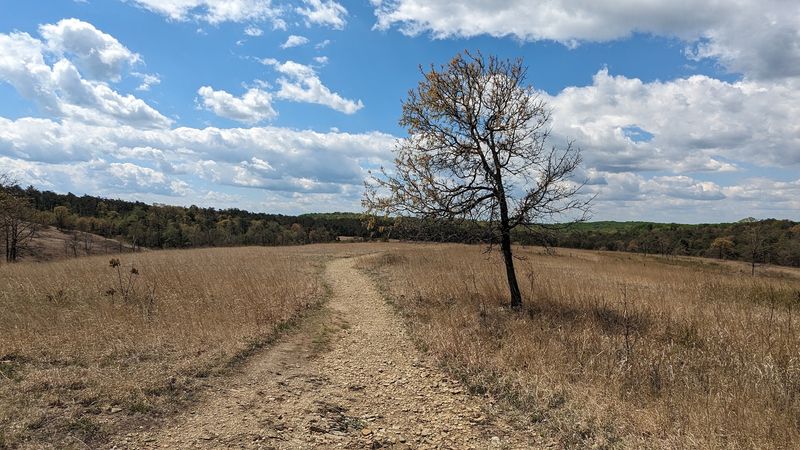
Soldiers Delight protects about 1,900 acres of serpentine barrens, a rare landscape of open grassland, scattered oaks, and unusually thin soil. Beneath the surface lies serpentinite, a rock whose chemistry limits what plants can grow.
That creates a fascinating scene unlike the usual Maryland forest. Wildflowers, grasses, butterflies, and little pockets of oak savanna spread across rolling ground, with more than three dozen uncommon plant species recorded in the area.
Seven miles of marked hiking trails let you explore. Some sections are rocky and open to the sun, so carry water and choose a cooler part of the day during hot summer afternoons.
Cycling and horseback riding are prohibited here to protect the sensitive trails, grasses, flowers, and vegetation.
The visitor center has engaging exhibits about the geology and local wildlife, along with educational turtles and snakes. It generally opens on weekends from 11 a.m. to 3 p.m., weather and staffing permitting.
The natural area itself opens at 9 a.m. and closes at sunset each day. Dogs are allowed on leashes, and staying on the marked routes protects the delicate plants. Start your walk at 5100 Deer Park Road, Owings Mills, MD 21117.
4. Douglas Point Special Recreation Management Area
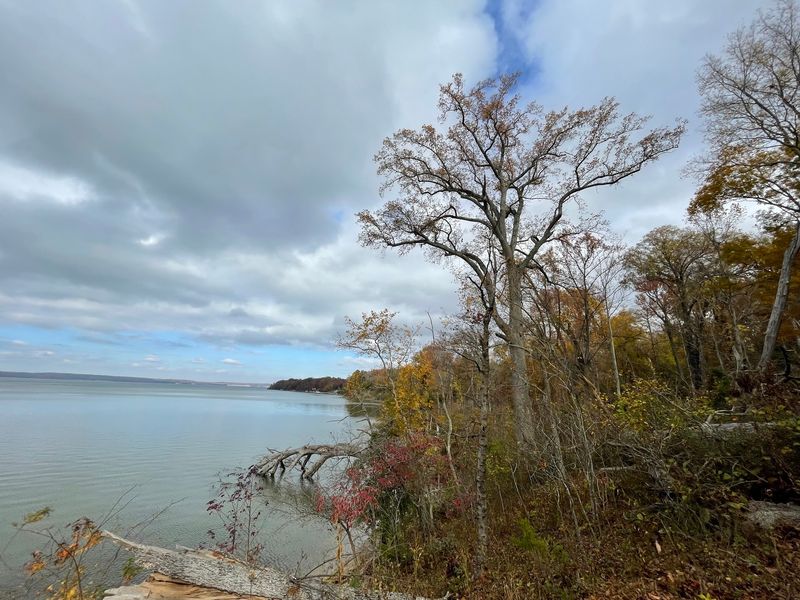
Washington, D.C. moves at full speed, but this Potomac shoreline barely seems to notice. Douglas Point remains one of the river’s last largely undeveloped stretches.
Its 548-acre recreation area includes hardwood forest, marshes, and wooded shoreline. A peaceful picnic overlook offers a good reason to stop walking and watch the wide river for a while.
For an easy scenic introduction, take the Chiles Homesite Trail. The accessible gravel path runs about one-third of a mile from the south parking area to a historic homesite, with interpretive panels explaining the landscape.
The Cal Posey Trail links the south and north trailheads across roughly a mile of forest. A separate half-mile path leads toward Blue Banks Beach, where the Potomac opens beyond the trees.
Fossil collecting is among the permitted activities, giving patient explorers another way to appreciate the region’s fascinating ancient shoreline and distinctive geology. Respect the rules for protected resources and leave sensitive sites undisturbed.
This quiet stretch of the Potomac rewards a slower pace. Bring drinking water and lunch, because the recreation area has no restrooms or potable water. Dogs may accompany you under the applicable federal land-management rules, too.
Trails open from dawn to dusk throughout the year, with two small parking areas along scenic Riverside Road. For the northern trailhead, use 9275 Riverside Road, Nanjemoy, MD 20662.
5. Chapman State Park
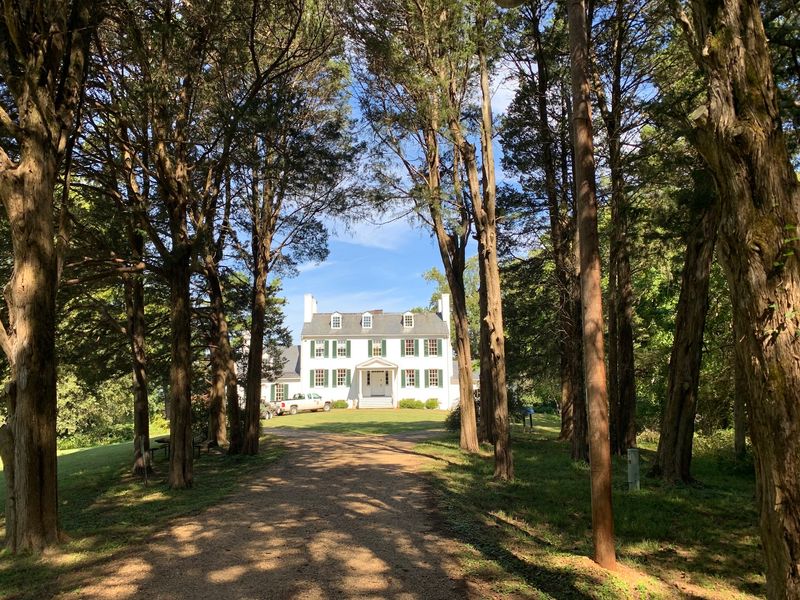
A historic brick mansion overlooking the water is not the usual trailhead decoration. At Chapman State Park, it comes standard.
The park stretches from wooded uplands toward the Potomac River and Mattawoman Creek in Charles County. Mature trees, sandy forest, and marshy edges give a short outing plenty of variety.
Mt. Aventine Mansion stands on a rise above the river. The main house was built around 1840 beside an older stone cottage, and its columned porch frames a beautiful view toward the Virginia shoreline.
The mansion’s interior opens for selected events and seasonal tours, while the surrounding grounds and trails welcome daytime exploration. It’s worth checking for a scheduled open house if seeing the rooms matters to you.
Three routes offer different scenery. The Potomac River Trail follows an old service road for about six-tenths of a mile.
Marsh Trail crosses richer woodland toward a scrubby wetland, while Coastal Woodlands Trail creates a longer loop through oak forest and the shore.
Look up for bald eagles above the river, or simply stop to admire the view near the house. Dogs may join you on leashes for an easy afternoon.
The park opens sunrise to sunset. Usually, vehicles stay at the entrance parking area and visitors pass through a pedestrian gate. Your wooded riverside outing begins at 3452 Ferry Place, Indian Head, MD 20640.
6. Wye Island NRMA
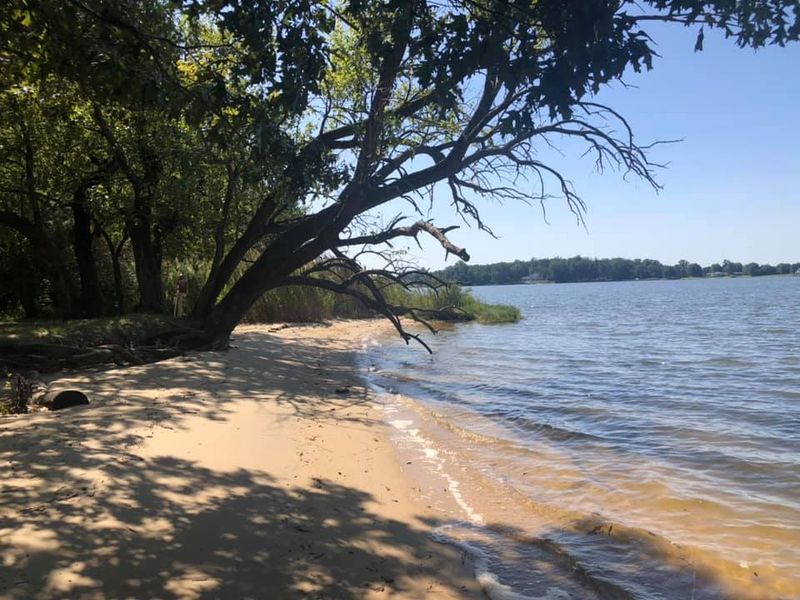
An entire island on the Eastern Shore, with 2,450 acres to explore, sounds like a daydream. Wye Island makes it real.
The managed landscape lies between the Wye River and Wye East River, where farmland, tidal shoreline, and mature woodland create a remarkably peaceful mix.
Protecting habitats for migratory birds is an important part of the island’s purpose.
Six miles of trails wind across mostly flat ground. School House Woods Nature Trail leads through hardwood forest, while Ferry Landing Trail passes beneath distinctive Osage orange trees.
The routes are accessible from the main park road, making it easy to choose a shorter walk.
Wildlife watching adds another dimension. Waterfowl gather during colder months, and the woods support a variety of songbirds. Carry binoculars and spend time near the edges of the fields.
The island also has a lodge and pavilion for reserved gatherings. Overnight accommodations are available through group lodge reservations, while primitive campsites are designated for organized youth groups rather than ordinary walk-in camping.
Swimming from the shoreline isn’t permitted. Dogs can accompany daytime hikers on leashes, and park roads should be used to reach trailheads rather than driving across fields.
The area opens at sunrise and closes at sunset. Pack water and insect repellent for a comfortable outing. The main entrance is at 632 Wye Island Road, Queenstown, MD 21658.
7. Jug Bay Wetlands Sanctuary
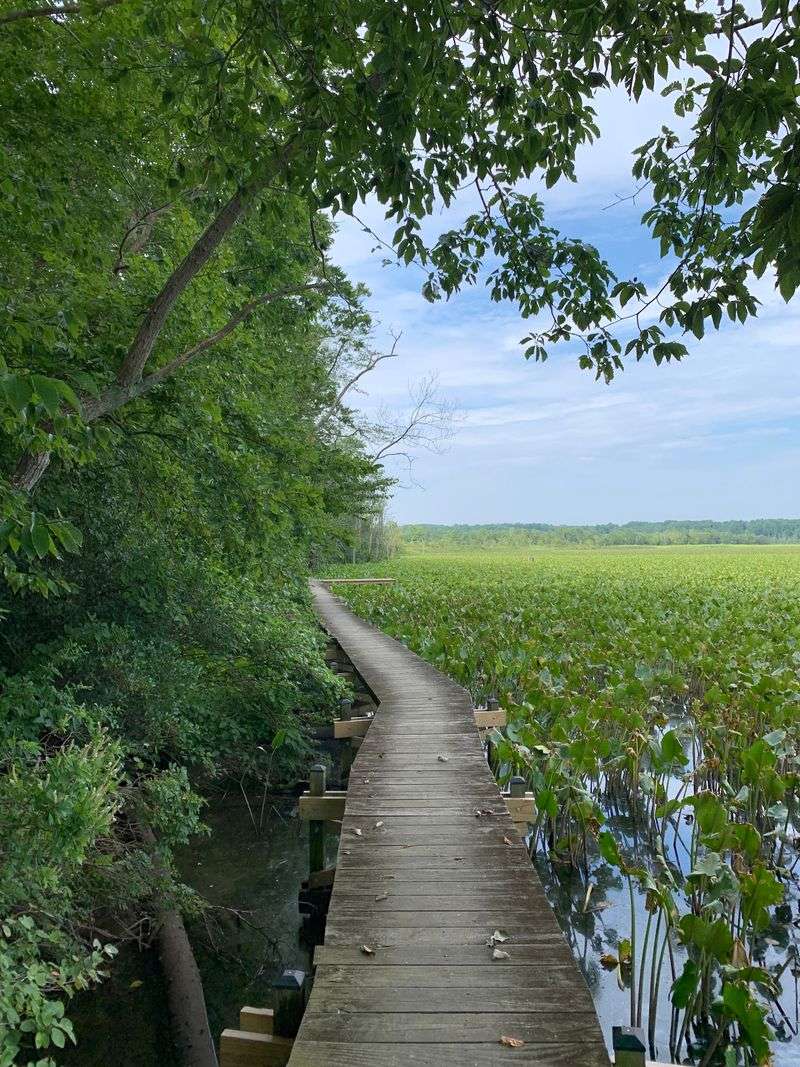
Hummingbirds hovering beside colorful flowers are the kind of tiny show Jug Bay puts on. You just need to slow down enough to notice.
This sanctuary in southern Anne Arundel County protects tidal freshwater marshes and forests along the Patuxent River.
Raised boardwalks bring you close to wetland vegetation while keeping your feet above the saturated ground.
Follow the yellow loop for a mix of forest, marsh, and river views. Other paths reach a beaver pond, wildlife observation blinds, and an old railroad corridor. The larger sanctuary network has nearly 17 miles of trails from its main entrance.
Birdwatching is especially rewarding. Ospreys patrol the river, while dragonflies, songbirds, and other wildlife fill the habitats around the marshes.
The visitor center includes a wetlands exhibit and nature play space, with public programs offered throughout the year.
A riverside viewing pier provides another place to observe the river, although public fishing and boat launching aren’t allowed at this entrance.
The main sanctuary opens Wednesday, Friday, Saturday, and Sunday from 9 a.m. to 5 p.m., except Sundays in December through February. Admission is charged per vehicle, and pets aren’t allowed on these trails.
Bring binoculars, choose a peaceful bench overlooking the wetlands, and give the landscape time to reveal its smaller surprises. Visit the sanctuary at 1361 Wrighton Road, Lothian, MD 20711.
8. Sideling Hill Creek State Park
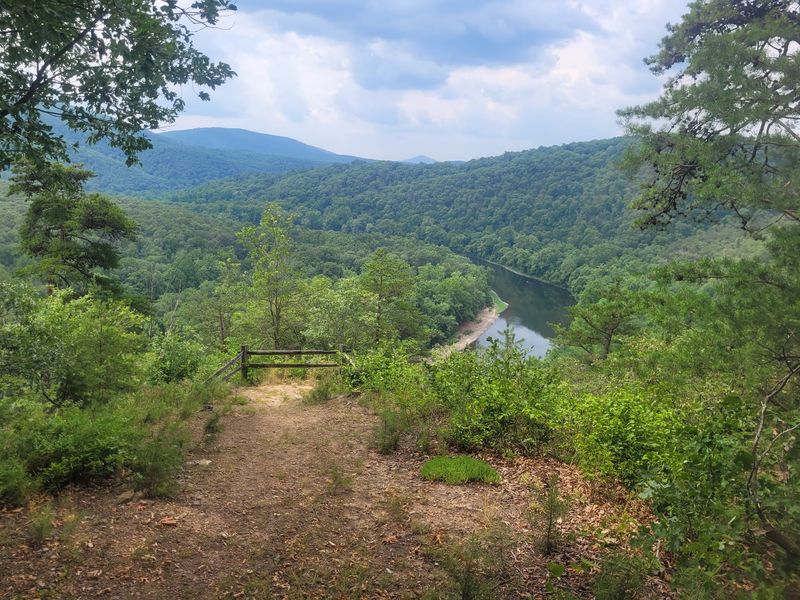
Small parks sometimes pack the biggest surprises. Sideling Hill Creek proves that idea in Maryland’s mountain country.
This rugged park near Hancock protects 514 acres of forest, along with a creek that threads through steep Appalachian terrain. Its landscape provides habitat for about 30 plant and animal species considered rare within the state.
The Potomac River Overlook is the major reward for hikers. A moderately strenuous trail covers approximately 1.2 miles round trip and climbs to a broad view over the valley.
Picnic tables near the viewpoint make a scenic place to pause, although the overlook trail isn’t wheelchair accessible.
Sideling Hill Creek itself is a clear mountain stream that eventually joins the Potomac. It supports trout and other aquatic life, offering another reason to explore the surroundings carefully.
The state park returned to public park management in 2021, with an emphasis on protecting its forests and stream habitats. Expect a natural landscape rather than an activity-heavy recreation complex.
There’s parking and basic facilities, but drinking water isn’t supplied at the overlook, so bring your own. Leashed dogs are welcome along park trails.
From April through October, the park opens at 8 a.m.; between November and March, it opens at 10 a.m. Closing time follows sunset throughout the year. Follow the mountain road to 11110 Ziegler Road SE, Hancock.
9. Dans Rock Overlook

Graffiti, ancient sandstone, and a mountaintop view sound like an odd combination. Dans Rock Overlook pulls it off anyway.
The overlook sits high above Rawlings on Dans Mountain, at approximately 2,898 feet, the highest point in Allegany County. On clear days, the panorama spreads across the folds of the Allegheny Front.
Getting there doesn’t require a long hike. A winding road climbs to a small parking area near the summit. From there, a short approach and metal steps lead toward the rocky viewpoint.
Colorful markings cover parts of the exposed stone, creating an unexpected contrast with the surrounding forest.
The rocks themselves are far older than the paint: they belong to the Pottsville Formation, which dates back roughly 300 million years.
Geology is part of the attraction. Hard, erosion-resistant layers helped form this prominent ridge, which rises above neighboring valleys. Take a moment to notice the rock textures beneath the colorful surface.
Sunrise or late afternoon can bring dramatic light across the mountains. Conditions may be breezy at the top, so carry an extra layer and keep a careful distance from exposed edges.
The overlook is separate from the nearby swimming and picnic facilities at Dans Mountain State Park, and access comes from its own mountain road.
For the summit approach, head to 17600 Old Dans Rock Road SW, Rawlings, MD 21557.
10. Nassawango Creek Preserve Johnson Tract
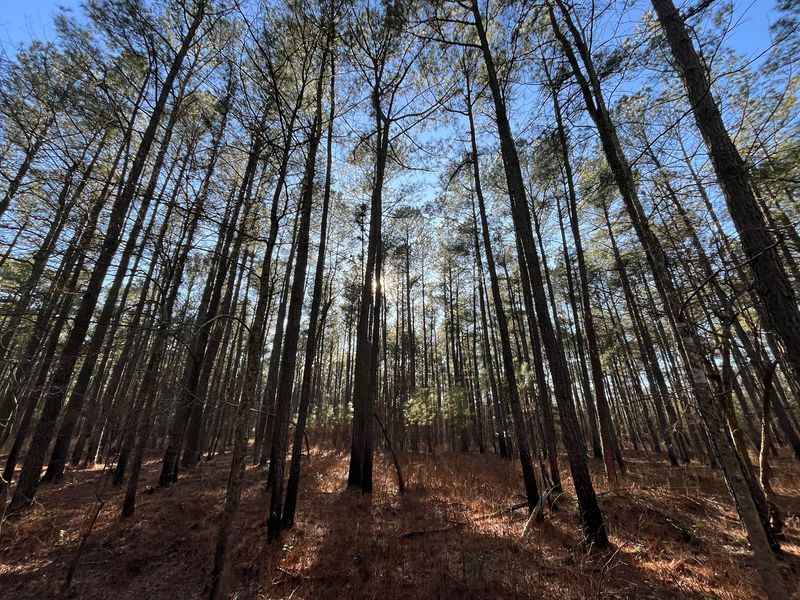
Massive trees and shaded sandy lanes give this forest an atmosphere that feels much older than the surrounding roads.
The Johnson Tract offers a different way to explore Nassawango Creek Preserve.
The wider preserve covers nearly 10,000 acres of woodland and wetlands along Maryland’s Eastern Shore. Its dark, tannin-colored waterways support bald cypress, black gum, and a remarkable variety of birds.
The Johnson Tract focuses on forest restoration. A roughly 2.1-mile loop follows level sandy roads through an area where conservation work is helping native Atlantic white cedars return.
Different sections show how thinning trees and carefully managed restoration can reshape a woodland.
A downloadable audio tour adds context at marked stops. It’s especially helpful if you enjoy understanding why a forest looks the way it does rather than simply passing through.
The Nature Conservancy welcomes walkers during daylight hours. Pets and overnight camping aren’t permitted, and visitors should stay on designated paths to protect the restoration areas.
Access requires a little care. Drive along Spearin Road, turn onto Mount Olive Church Road, and look for the pipe gate on the left. Park outside the gate and continue along the unpaved route on foot.
Bring water and insect repellent, and enjoy the quiet away from busy roads.