10 Michigan Counties Where Black Bear Sightings Are Impossible To Ignore This Fall
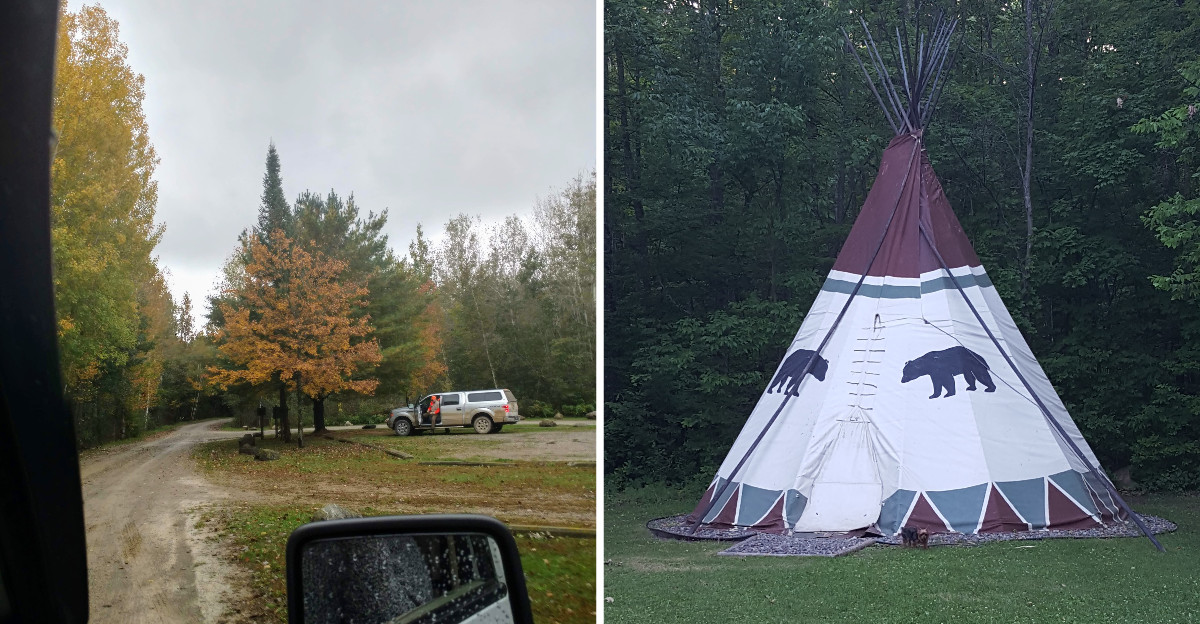
A black bear appearing between bright autumn leaves will make you forget the foliage pretty fast!
In Michigan, fall is also a busy season for bears searching for food before winter, which adds another layer to exploring wooded areas.
Sightings are never guaranteed, and that is exactly how it should be.
The excitement comes from knowing these animals share the same forests, not from chasing them down for a photo.
Trails and scenic roads already have plenty to offer without turning wildlife into a scavenger hunt.
Still, one unexpected glimpse from a safe distance can become the story everybody remembers from the trip.
1. Baraga County, Upper Peninsula
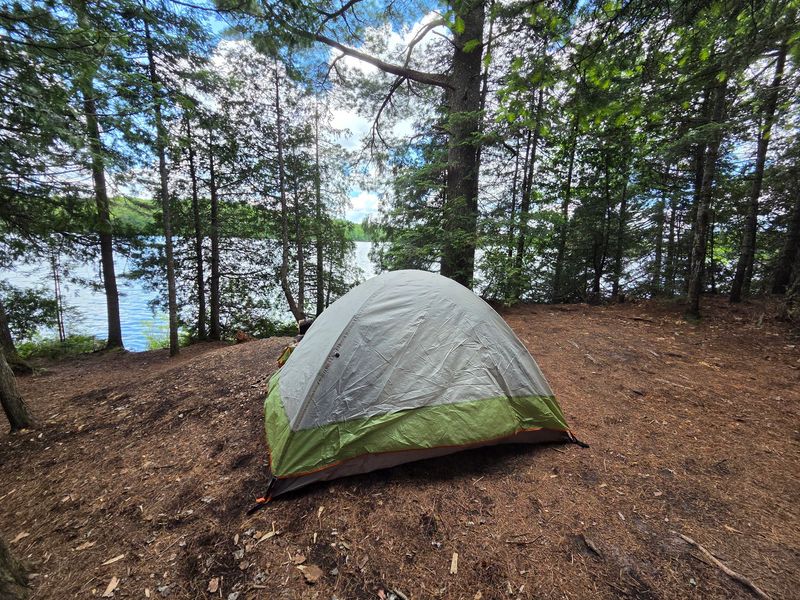
Hear that rustle beyond the trees? I pause and look before taking another step.
Baraga County sits deep in Michigan’s Upper Peninsula, where large forest blocks and Lake Superior shoreline create classic black-bear habitat.
Michigan DNR says most of the state’s bears live in the Upper Peninsula, and fall is when they sharply increase food intake before winter.
Mount Arvon adds a scenic goal to the day. At 1,979 feet, Michigan’s highest natural point rises in the Huron Mountains and rewards the trip with broad views over surrounding forest.
Craig Lake State Park offers a much wilder option. The park spans more than 9,700 acres across Baraga and Marquette counties, with six lakes, backcountry sites, the North Country Trail, and wildlife that includes black bears.
Access is intentionally rugged, and the DNR strongly recommends a high-clearance, four-wheel-drive vehicle for the rocky road into the park.
A sighting should remain a bonus rather than the plan. Food, toiletries, and waste need secure storage, especially during overnight trips, because human food can quickly create problems for bears.
If one appears nearby, do not run. Give it a clear escape route, make your presence known, and back away slowly if necessary.
Autumn already supplies enough reasons to visit Baraga County: quiet water, hardwood color, granite, and long stretches of forest where wildlife still has room to move.
2. Gogebic County, Upper Peninsula
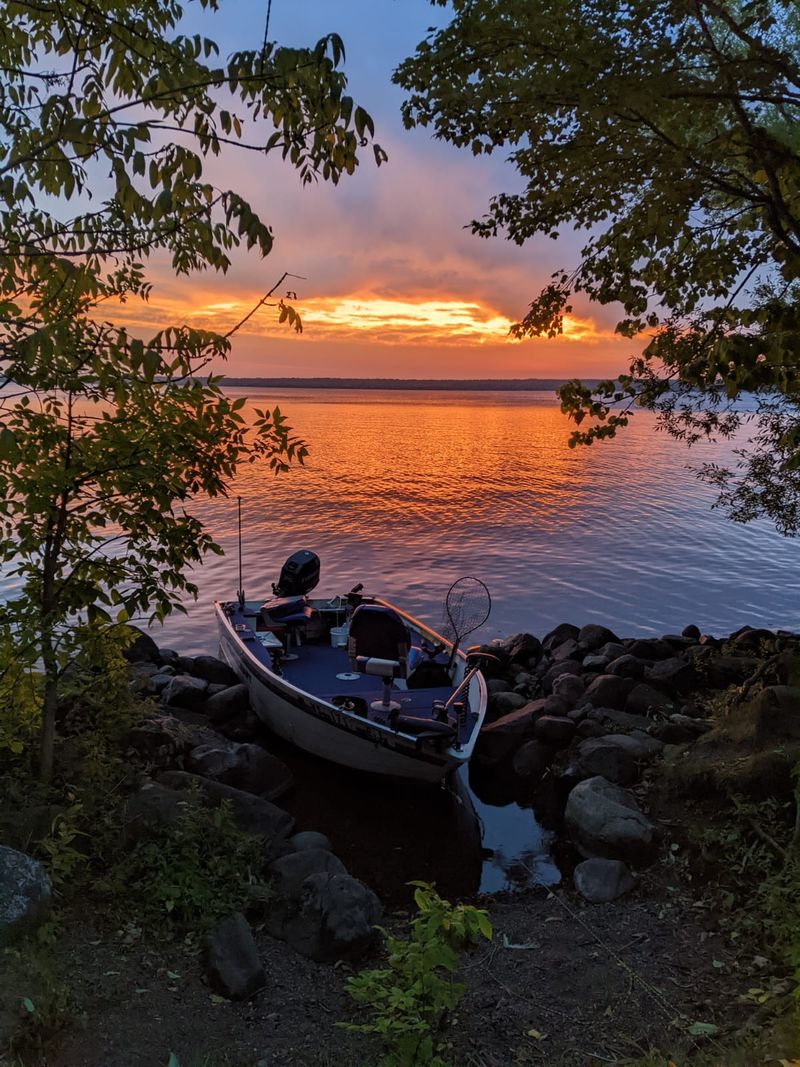
One lake view deserves a second look. I scan the far shoreline before unpacking my camera.
Gogebic County occupies Michigan’s western Upper Peninsula, where broad forests provide established black-bear habitat.
During fall, bears increase their food intake before denning, so awareness matters even when no animal is visible.
Lake Gogebic State Park gives visitors an easy place to start. The park sits beside the state’s largest inland lake and includes a two-mile scenic nature trail through the wooded campground area.
Nearby Ottawa National Forest country extends the sense of space well beyond the shoreline.
Waterfalls add another layer to a fall route. Bond Falls and Agate Falls are both within reach from the Lake Gogebic area.
Picnic food deserves attention in bear country. Meals should stay controlled, scraps should leave with visitors, and feeding wildlife is never appropriate. A bear that finds human food can return to the same area later.
September also overlaps Michigan’s regulated bear season in Upper Peninsula management units, so checking current hunting information before entering remote public land is smart planning.
One 2026 detail matters for late-fall travelers: Lake Gogebic State Park’s modern campground is scheduled to close October 13 for extensive tree removal, though the surrounding region remains open for exploration.
The lake, forest, and changing weather already make Gogebic County memorable without promising a bear encounter.
3. Dickinson County, Upper Peninsula
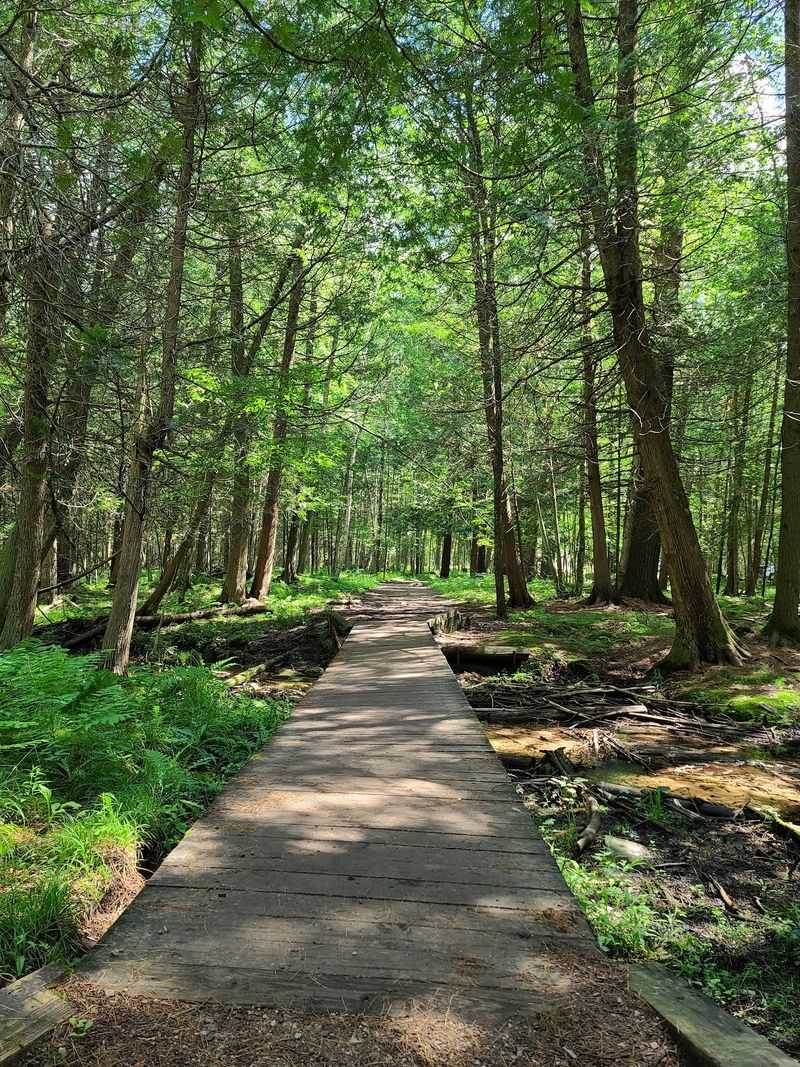
I did a double-take at the first golden hillside. The next bend brought another bright view.
Dickinson County mixes forest, lakes, and open country in Upper Peninsula, where black bears remain part of the wildlife community.
Fall brings heavier feeding activity, but a sighting can never be scheduled.
Fumee Lake Natural Area is a strong walking option. The protected property covers more than 1,800 acres and has about 14 miles of maintained trails around Big and Little Fumee lakes, with loops that vary in difficulty.
The setting feels surprisingly remote despite lying only a few miles from Iron Mountain. Hardwood color, wetlands, and undeveloped shoreline create plenty to notice even when wildlife stays hidden.
The trail network includes loops around both lakes plus ridge routes that add elevation and variety. Conditions can shift with wet leaves and weather.
Food should remain secured during breaks, and scraps should leave with visitors. DNR warns that human food can teach bears to return to developed areas.
An unexpected encounter calls for calm. Keep the animal’s route open and step back slowly rather than following it into cover.
Autumn recreation overlaps hunting seasons on some public lands, so trail users should check local rules before setting out.
Dickinson County’s fall appeal comes from changing forest, quiet water, and easy-to-combine outdoor stops, with bear awareness simply part of traveling responsibly.
4. Marquette County, Upper Peninsula
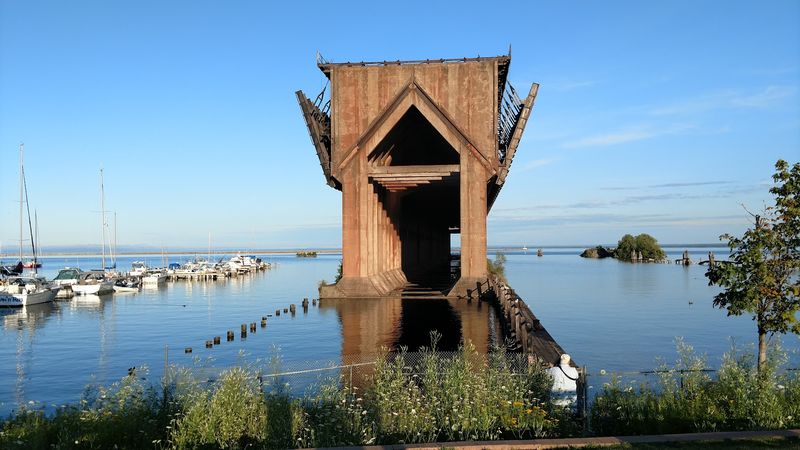
The shoreline caught my eye first. Then I remembered the forest deserved just as much attention.
Marquette County stretches across Upper Peninsula with forest, rocky ridges, and Lake Superior shoreline.
Black bears use suitable habitat throughout the region, and sightings remain unpredictable across the county.
Sugarloaf Mountain is a place to combine fall color with a short climb.
The well-marked trail takes roughly 15 to 30 minutes to reach the top, where three observation platforms look toward Lake Superior, Marquette, and the surrounding highlands.
Presque Isle Park offers a gentler alternative close to town. The 323-acre peninsula includes forest, pebble beaches, rocky cliffs, bogs, trails, and picnic areas, so a full afternoon does not depend on one viewpoint.
Bear awareness still matters near developed recreation areas. Food left outside, unsecured trash, or dirty grills can draw animals closer to people.
Longer walks also call for simple planning. Carry a map, set a turnaround time, and expect cell service to become less reliable away from town.
If fresh tracks appear, enjoy the evidence without following them. A bear crossing a road or trail should have space to continue without being approached.
Fall overlaps regulated bear hunting in Upper Peninsula management units, so checking current rules before remote outings is worthwhile.
Marquette County already delivers cliffs, forest, and blue water in one trip. Any wildlife sighting should stay an unexpected extra.
5. Luce County, Upper Peninsula
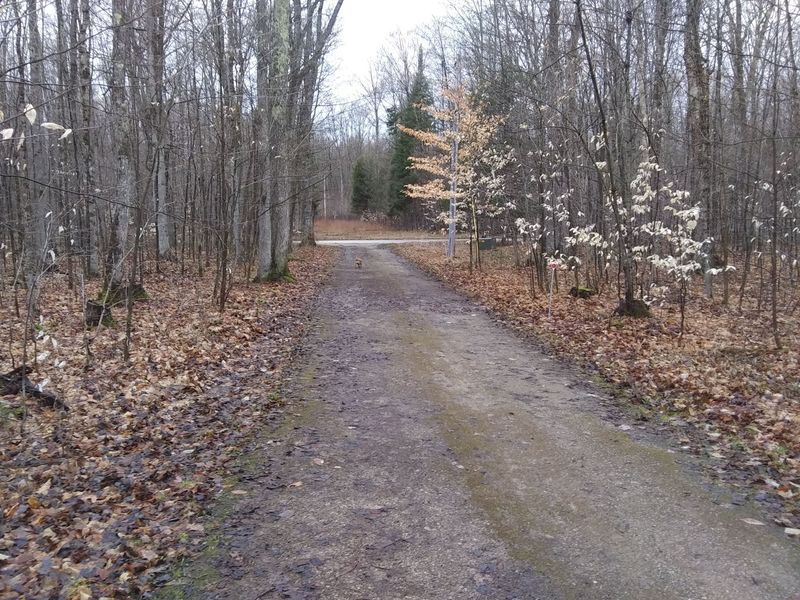
That waterfall sound reaches me before the view. I slow down and enjoy the woods along the path.
Luce County occupies part of the state’s eastern Upper Peninsula, where forest and wetlands support black bears along with many other species.
Fall feeding activity increases before winter, but seeing a bear remains a matter of chance.
Tahquamenon Falls State Park reaches into Luce County and offers one of the region’s best-known autumn landscapes.
The park covers nearly 50,000 acres, includes more than 35 miles of trails, and protects northern hardwood forest, peatland, river corridor, and inland lakes.
Visitors can choose short overlooks or longer routes. Trail conditions can include wet ground, roots, and fallen branches, and cell service may be limited in the backcountry.
Food and scented items should stay secured during stops or overnight stays. Black bears naturally avoid people, but access to human food can change that behavior.
A bear ahead on the trail is a cue to stop and leave it a clear route away. Increase distance without running or moving closer for a photograph.
Hunting is permitted in portions of the park outside clearly marked closed areas, and September falls within the state’s 2026 bear season, so current regulations matter.
Waterfalls, old forest, and migrating birds already give Luce County plenty of autumn drama. Bear awareness belongs in the background, not at the center of the trip.
6. Schoolcraft County, Upper Peninsula
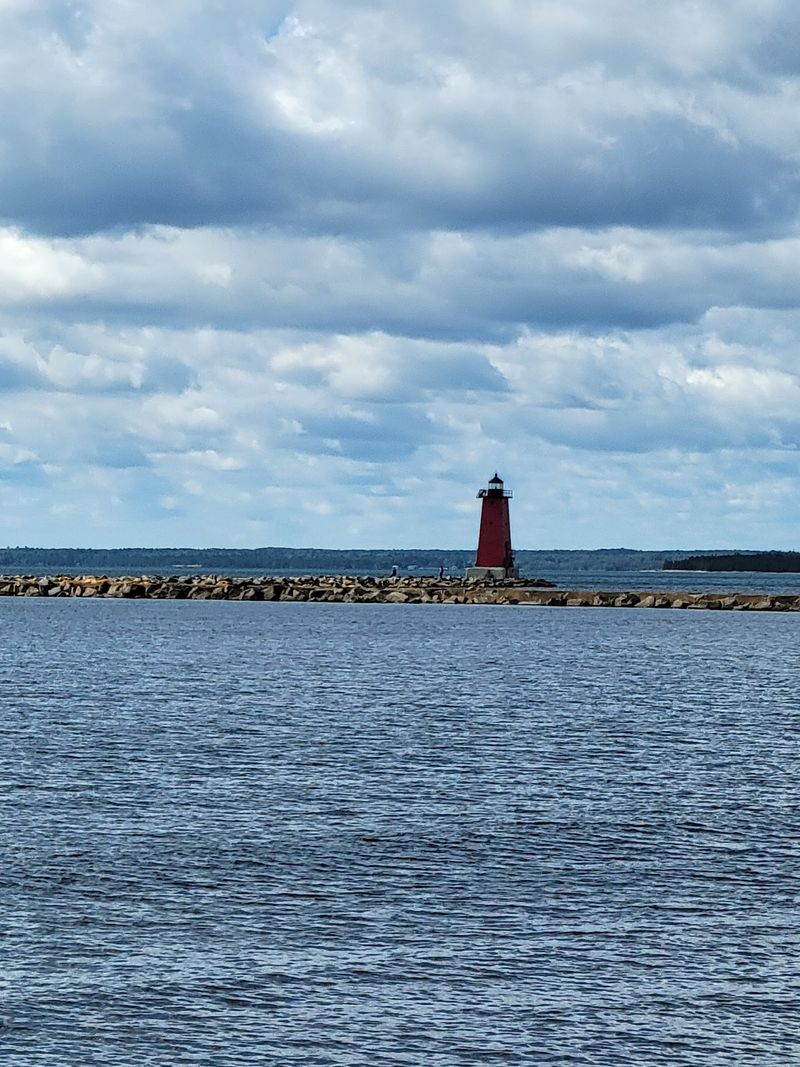
Two different shorelines change the mood of a trip. I pack for woods and water alike.
Schoolcraft County sits along Lake Michigan in the Upper Peninsula, while broad inland forests and wetlands extend north from the shore. That combination places much of the county within established black-bear country.
Manistique’s waterfront offers the easiest start. The Boardwalk and River Walk runs 1.83 miles along Lake Michigan and into downtown, with benches, fishing access, and views toward the breakwater light.
Farther inland, Palms Book State Park protects Kitch-iti-kipi, the state’s largest natural freshwater spring.
One current 2026 caution matters: the park’s self-propelled observation raft is temporarily out of service because of a mechanical problem, so visitors should check its status before making the spring the centerpiece of a day trip.
Indian Lake and surrounding public forest land add quieter options for walking, paddling, and fall color.
Bears in this region are most likely to avoid people when given the opportunity. Keeping food, toiletries, and trash secured reduces the chance that an animal begins associating recreation areas with an easy meal.
If a bear is seen from a road or trail, observe from a distance rather than moving closer. Never follow tracks into dense cover.
Schoolcraft County does not need a wildlife encounter to feel wild. Clear water, forest, and changing color already make the contrast between shoreline and interior worth the drive.
7. Chippewa County, Upper Peninsula
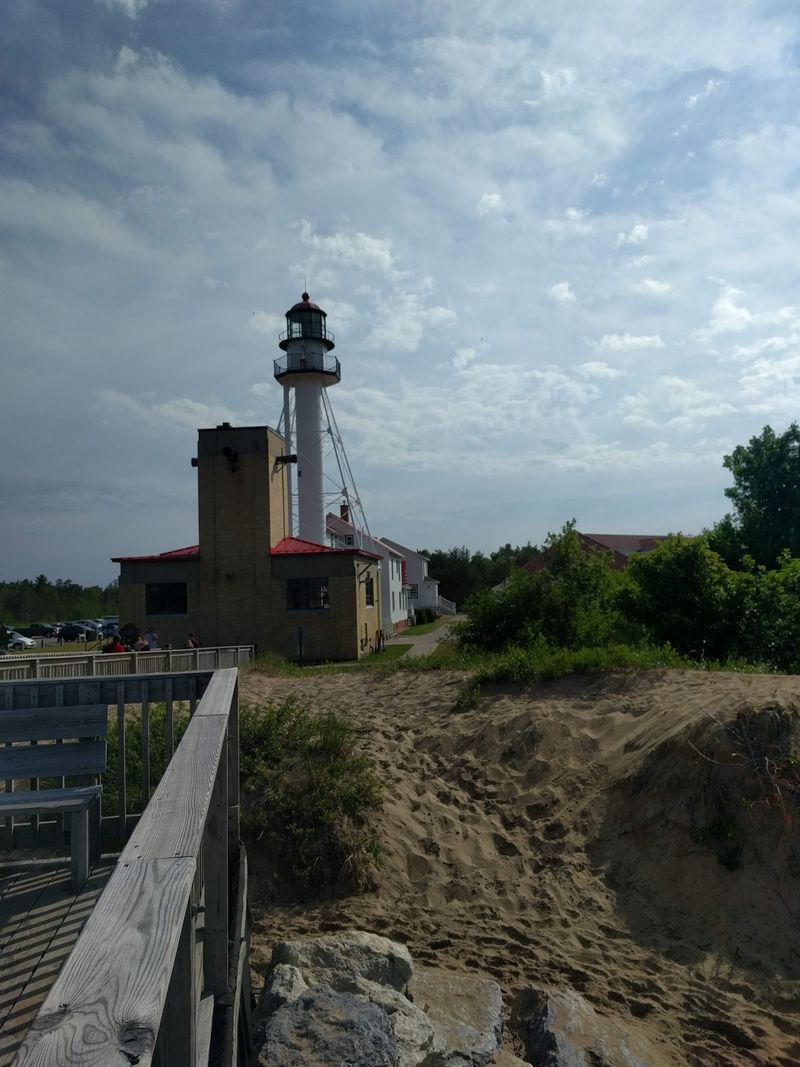
Golden trees appear where I least expect them. I pull over safely and take in the color.
Chippewa County reaches across the state’s eastern Upper Peninsula, mixing forest, wetlands, inland roads, and Lake Superior shoreline.
Black bears occur in suitable habitat throughout this region, though sightings remain unpredictable.
Whitefish Point gives the county a strong fall identity. The bird observatory’s autumn counts begin in August, and migration intensifies after Labor Day as warblers, thrushes, sparrows, loons, and other species move through the point.
The shoreline experience differs sharply from the wooded interior. Wind can change quickly near Lake Superior, while inland routes pass through quieter forest where wildlife may be harder to see.
A bear traveling through cover should never become an excuse to leave a marked route. Secure food at pullouts, carry waste away, and avoid creating any reason for animals to approach vehicles or picnic areas.
Drivers should slow down where forest meets the road, particularly around dawn and dusk when visibility is reduced. Stopping suddenly for wildlife can create another hazard.
If a bear is encountered on foot, give it room and let it choose the direction of travel. DNR advises against running.
Chippewa County offers enough movement overhead to keep binoculars busy all fall. Bears remain part of the landscape, but migrating birds, tamarack color, and Superior shoreline provide more reliable reasons to keep looking.
8. Lake County, Northern Lower Peninsula
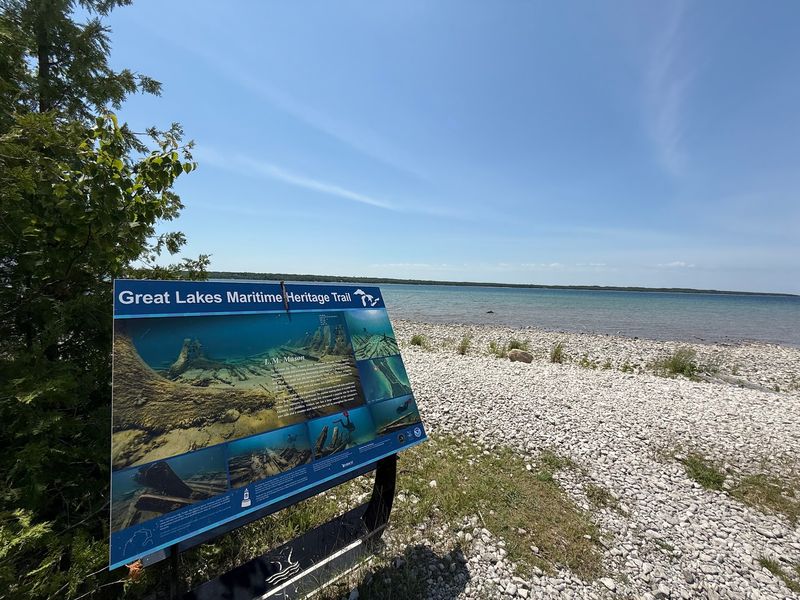
Hear an engine, then birds, then quiet? I wait and let the trail settle.
Lake County lies in the state’s northern Lower Peninsula, where large forest blocks place it within the state’s main Lower Peninsula bear range.
The Little Manistee area offers one way to understand the landscape, but its named trail is primarily a motorized route rather than a hiking path.
Carrieville State Forest Campground sits beside the Little Manistee River and provides direct access to that ORV network.
Walkers can still explore nearby forest roads, river corridors, and other public-land routes, but checking permitted uses before setting out matters. Motorcycles, ORVs, hunters, anglers, and hikers may all be using the broader area during fall.
Bear activity should be treated as background wildlife, not a target. Food stays sealed until needed, and every crumb or wrapper leaves with the visitor.
Autumn daylight also shortens quickly under dense tree cover. A map, a clear turnaround time, and a shared route plan are useful when phone service becomes unreliable.
An animal on the route deserves immediate space. Stay calm, keep an exit path open for it, and do not run or move closer for a photograph.
Lake County’s river country is rewarding without a sighting. Pine forest, hardwood color, and quiet water provide enough reason to slow down.
9. Iron County, Upper Peninsula
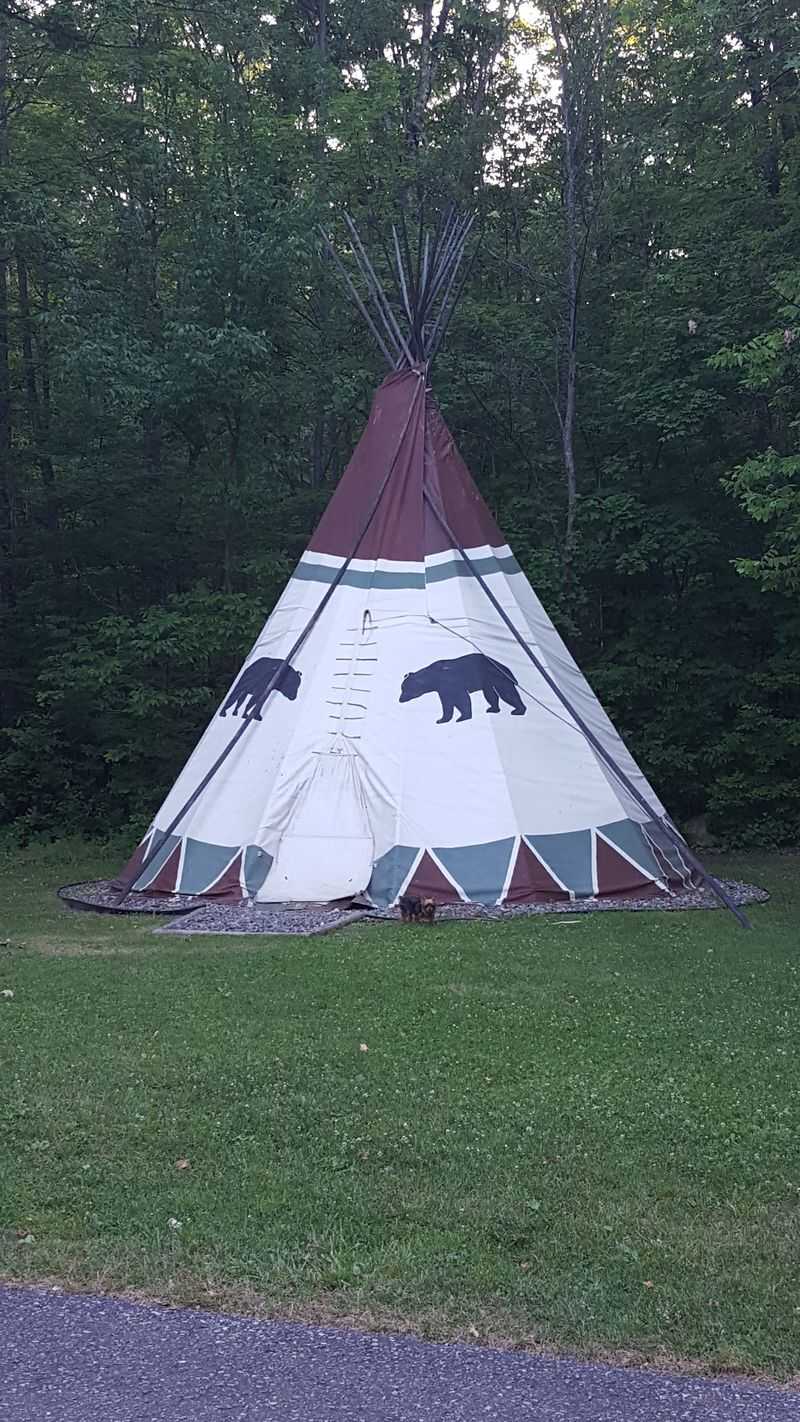
Could those leaves get any brighter? I stop beside the trail to take another look.
Iron County lies in Michigan’s Upper Peninsula, where forest, lakes, and river corridors create habitat black bears use across the region.
Sightings remain unpredictable, but fall is an active feeding period as bears prepare for winter.
Bewabic State Park offers an easy introduction. Set on Fortune Lake, the park includes hiking trails, wooded campsites, paddling access, and a day-use area framed by hardwood color.
Its two-mile nature trail gives visitors a manageable walk without requiring a backcountry plan.
Iron County’s public lands and waterways add room for a longer outing. The Paint and Brule river systems cut through forested country, while quiet roads make fall color part of the drive.
Food storage matters anywhere bears may be present. Snacks, coolers, and waste should stay secured instead of being left unattended at a picnic site or campsite.
If a bear crosses a trail, leave its route open and increase the distance calmly. Running can escalate an encounter, while following the animal for a photograph is not worth the risk.
Autumn also brings active hunting seasons to parts of the Upper Peninsula, so checking land rules before heading into remote areas is important.
Iron County works best as a fall trip built around lakes, forest, and color, with wildlife treated as a possibility rather than a promise.
10. Gladwin County, Northern Lower Peninsula
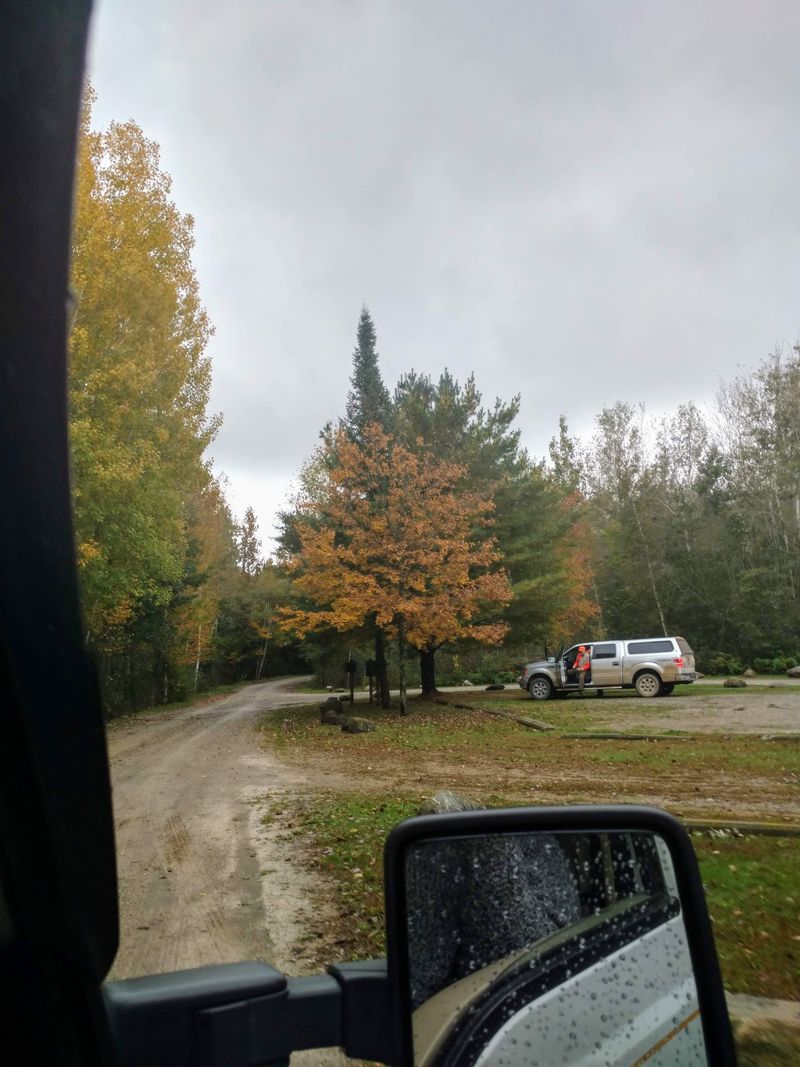
Something about a quiet oak stand makes me stop. I listen, then keep moving along the trail.
Gladwin County sits in northern Lower Peninsula, where forest, wetlands, and river corridors overlap with established black-bear range.
The county is important enough to bear management that the state maintains a Gladwin Bear Management Unit.
The original draft’s Tobacco River State Game Area reference needs replacing.
Current DNR listings instead identify Gladwin State Game Area, the Gladwin Field Trial Area and Wildlife Unit, and several Molasses River flooding wildlife areas within the county.
Oak woods add an important fall food source because acorns are part of a black bear’s natural diet. That does not make a sighting predictable, but it explains why forest awareness matters when bears sharply increase food intake.
September also overlaps the 2026 Gladwin bear hunt, which runs during designated periods beginning September 12. Anyone using public land should review current regulations and remain aware of other recreation nearby.
Lunch and scented items should stay packed until needed, with waste removed afterward. Feeding bears, intentionally or accidentally, creates avoidable problems.
A close encounter should be handled with distance and patience. Leave the animal a clear route away; Michigan DNR advises against running.
Gladwin County still offers a complete fall outing without wildlife appearing. Oak color, rivers, wetlands, and broad public lands are dependable; a distant bear remains an unexpected extra.