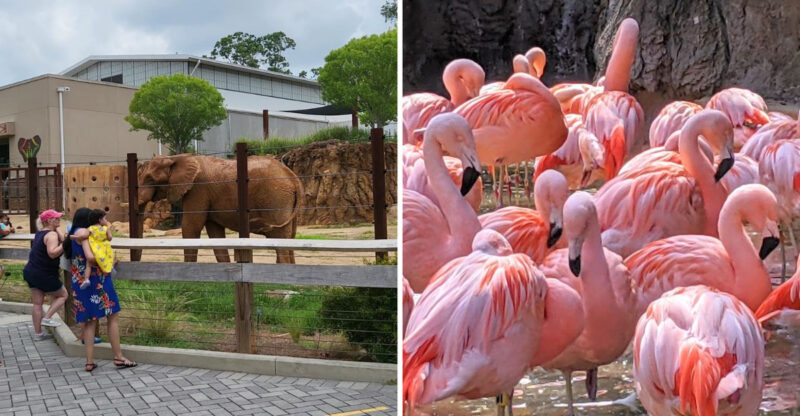
15 Must-Do Experiences That Belong On Every Georgia Bucket List
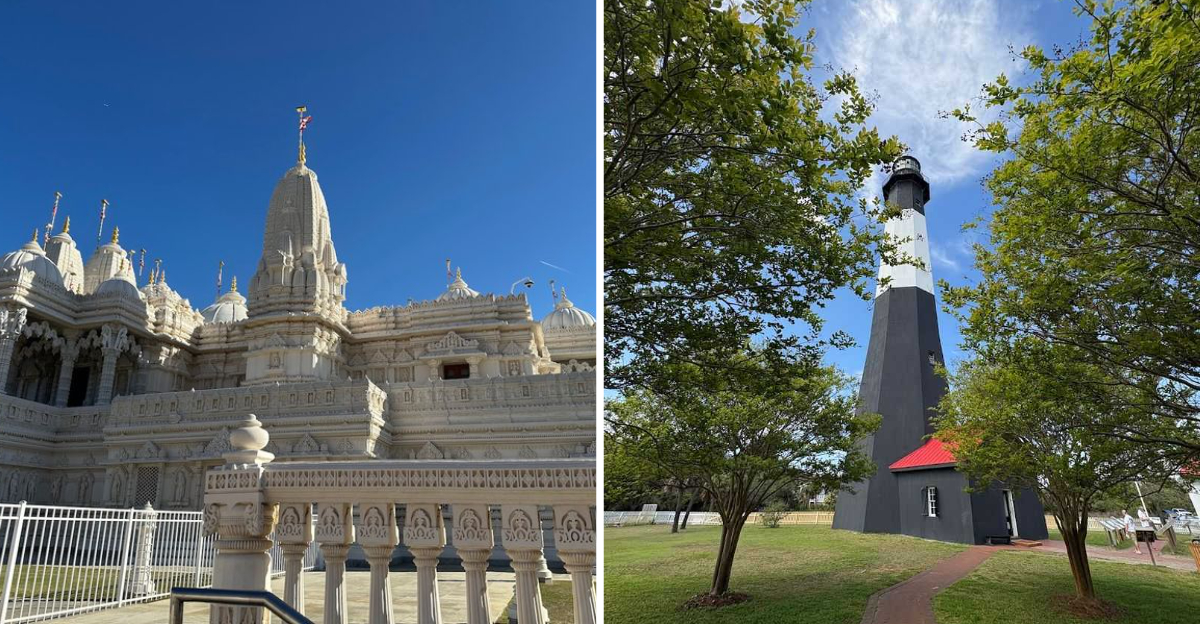
Every trip feels a little different in Georgia, and that is part of what makes it so exciting to explore. The state brings together an unexpected mix of landscapes, from mountain waterfalls and forest trails to coastal beaches and lively city streets. One day might be spent hiking through quiet scenery, while the next could revolve around great food and local culture.
That variety gives every visit a sense of discovery, where no two experiences feel the same. History adds another layer, showing up in preserved towns, landmarks, and stories that shape each destination. Whether the focus is adventure, relaxation, or simply trying something new, Georgia offers plenty of ways to make the trip memorable.
These 15 experiences highlight just how much the Peach State has to offer for anyone ready to explore.
1. Explore Savannah’s Historic District
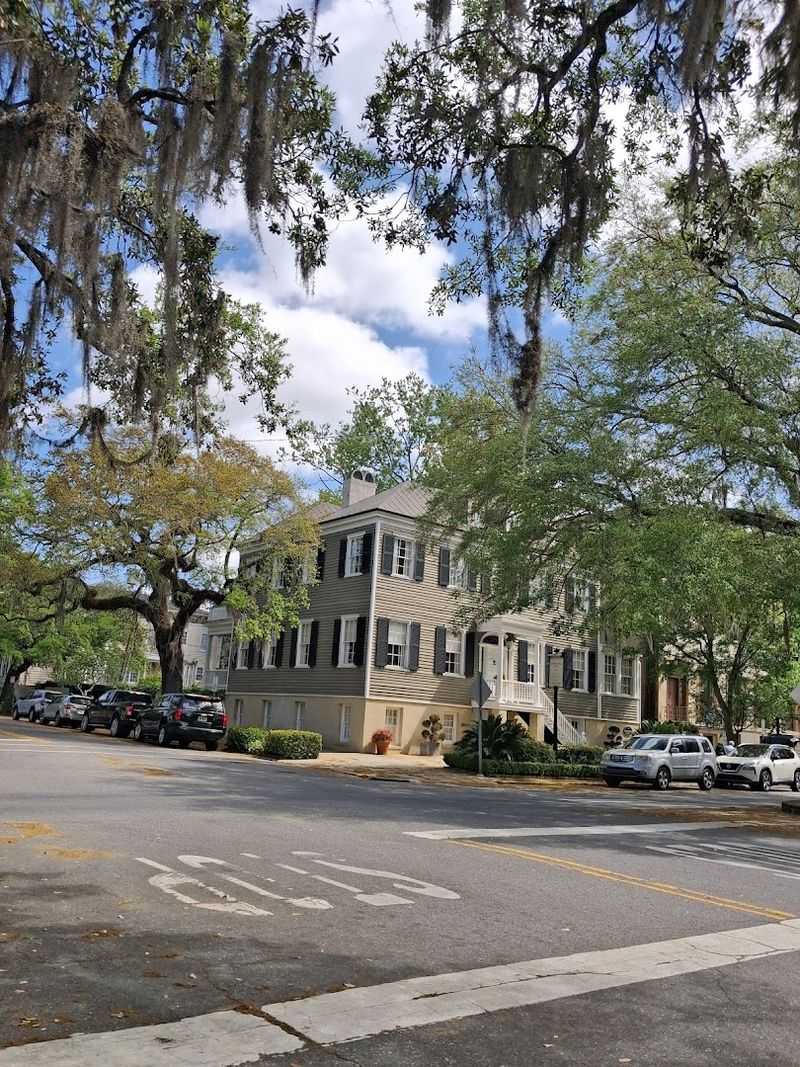
Few cities in America feel as alive with history as Savannah, where moss-draped oaks frame streets that have been walked for centuries. Located at 100 Bull Street, Savannah, GA 31401, the Historic District is a walkable treasure filled with 22 landmark squares, each with its own character and story. Strolling through here on a warm afternoon feels almost cinematic, with horse-drawn carriages, fragrant flowers, and beautifully preserved homes lining every block.
The district is best explored on foot, though guided tours are widely available for those who want deeper historical context. Early mornings tend to be quieter and more photogenic, before the midday crowds arrive. Chippewa Square, Madison Square, and Forsyth Park are especially worth lingering in.
Weekends can get lively, particularly during festival season. Comfortable shoes are a must since the cobblestones, while charming, are uneven underfoot. Savannah rewards slow, curious exploration above almost anything else.
2. Visit the Georgia Aquarium
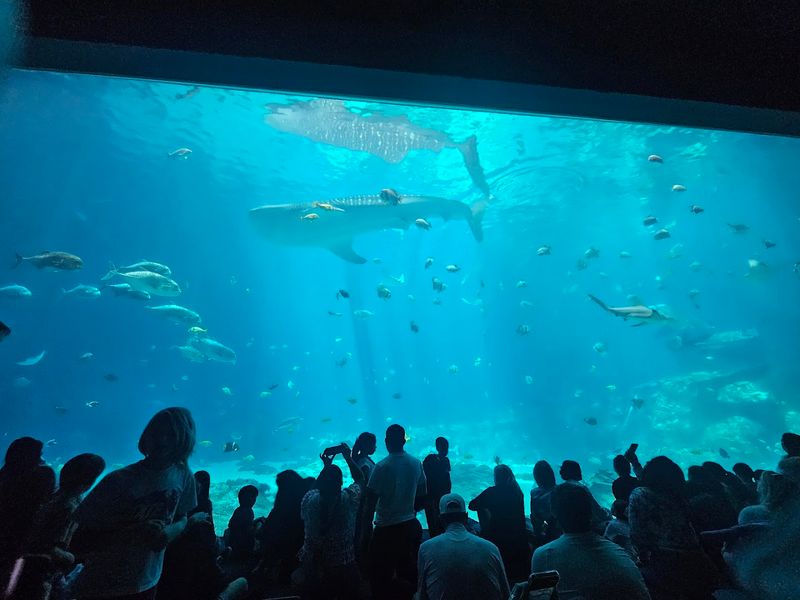
Somewhere between awe-inspiring and genuinely humbling, the Georgia Aquarium holds the title of one of the largest aquariums in the world, and a visit there makes that crystal clear. Located at 225 Baker Street NW, Atlanta, GA 30313, the aquarium is home to thousands of animals including whale sharks, beluga whales, manta rays, and sea otters. The Ocean Voyager exhibit alone features a tunnel walkway where sharks and rays glide directly overhead.
Tickets should be purchased in advance, especially on weekends and during school holidays when lines can grow considerably. Plan for at least three to four hours to move through all the galleries comfortably without feeling rushed. The 4D theater and dolphin shows add extra entertainment value, particularly for younger visitors.
Parking is available nearby at several garages. The aquarium sits in the heart of downtown Atlanta, making it easy to pair with other nearby attractions like Centennial Olympic Park just steps away.
3. Hike or Ride Up Stone Mountain
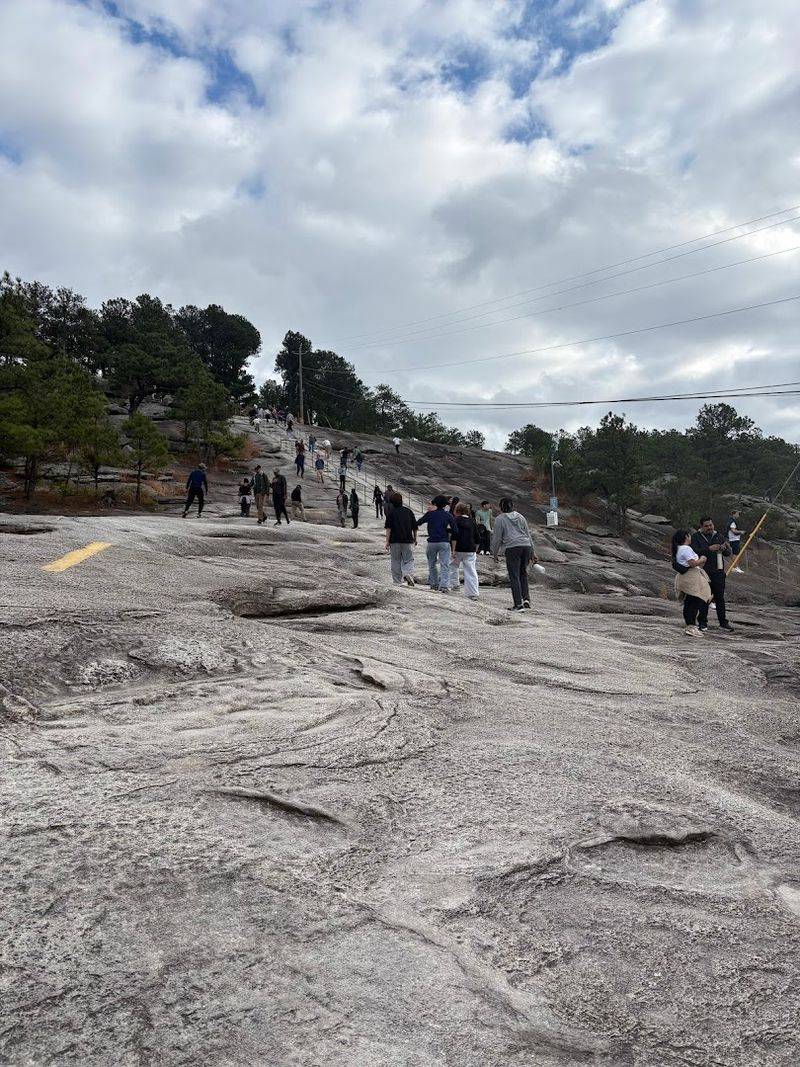
Standing at the base of Stone Mountain and looking up at 825 feet of solid granite is the kind of moment that makes you want to lace up your hiking boots immediately. Stone Mountain Park is located at 1000 Robert E Lee Blvd, Stone Mountain, GA 30083, and covers over 3,200 acres of parkland surrounding the iconic dome. The summit trail is a 1.3-mile paved walk that gains elevation steadily, rewarding hikers with sweeping views of Atlanta and the surrounding Georgia landscape.
For those who prefer a more relaxed ascent, a Summit Skyride cable car offers an easy alternative. The park also includes a laser show, a scenic railroad, and a lake with paddleboats, making it a full-day destination for families. Fall and spring mornings are particularly pleasant for hiking before the heat builds.
Weekday visits are noticeably quieter than weekend ones. Parking fees apply, and the park does charge an entrance fee as well.
4. Relax on Driftwood Beach at Jekyll Island
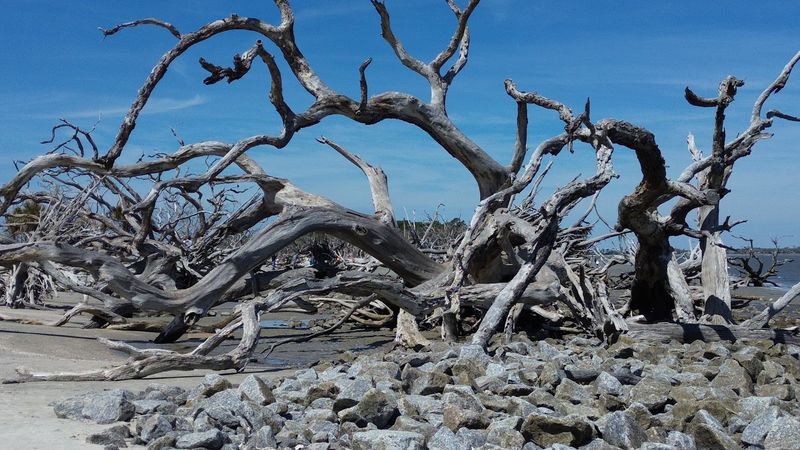
Driftwood Beach on Jekyll Island is unlike any other beach in Georgia, and honestly, unlike most beaches anywhere. Located along Beachview Drive, Jekyll Island, GA 31527, this hauntingly beautiful stretch of shoreline is lined with the skeletal remains of ancient trees that erosion has slowly claimed from the land. The result is a landscape that feels both eerie and breathtaking, especially during the golden hour before sunset when the light turns everything warm and soft.
Photographers and artists are particularly drawn to this spot, though anyone who appreciates unusual natural beauty will find it memorable. The beach is accessible year-round and free to walk, though a small parking fee applies to enter Jekyll Island. Sunrise visits offer spectacular light and far fewer crowds than afternoons.
Bring water and sunscreen since shade is minimal along the driftwood sections. The surrounding island also has bike trails, historic sites, and sea turtle nesting grounds worth exploring during the same trip.
5. Explore Providence Canyon State Park
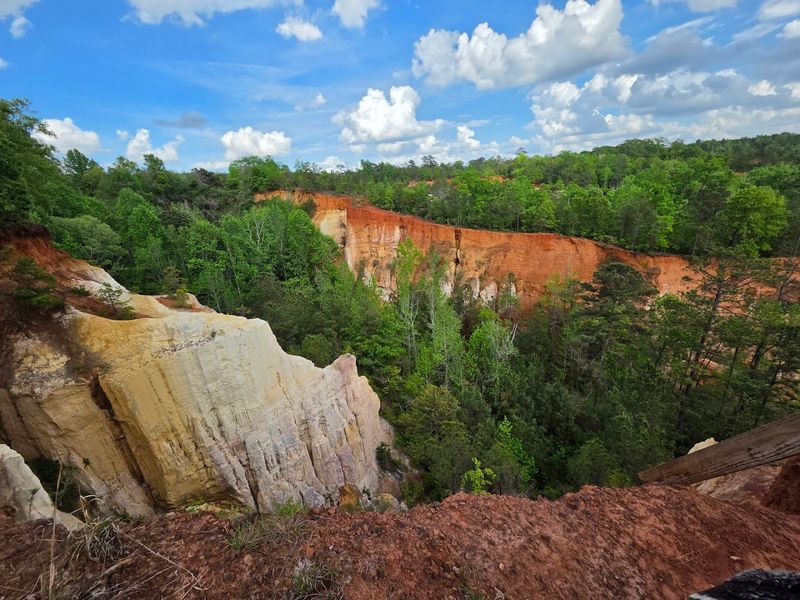
Called Georgia’s Little Grand Canyon for good reason, Providence Canyon State Park offers a landscape so vivid and unexpected that first-time visitors often stop mid-trail just to take it all in. The park is located at 8930 Canyon Rd, Lumpkin, GA 31815, and features 16 separate canyon formations carved not by millions of years of geology but by poor farming practices in the 1800s, making it a surprisingly recent and human-influenced wonder. The canyon walls display striking layers of pink, red, orange, purple, and white soil that shift in color throughout the day as the light changes.
The 3-mile rim trail offers excellent views without requiring a strenuous descent, while the inner canyon trail takes hikers down into the formations for a more immersive experience. Spring wildflowers, including the rare plumleaf azalea, bloom along the canyon floor in late summer. Parking and restrooms are available on site.
Weekday mornings are ideal for a quieter, more personal experience with the canyon.
6. Navigate the Okefenokee Swamp
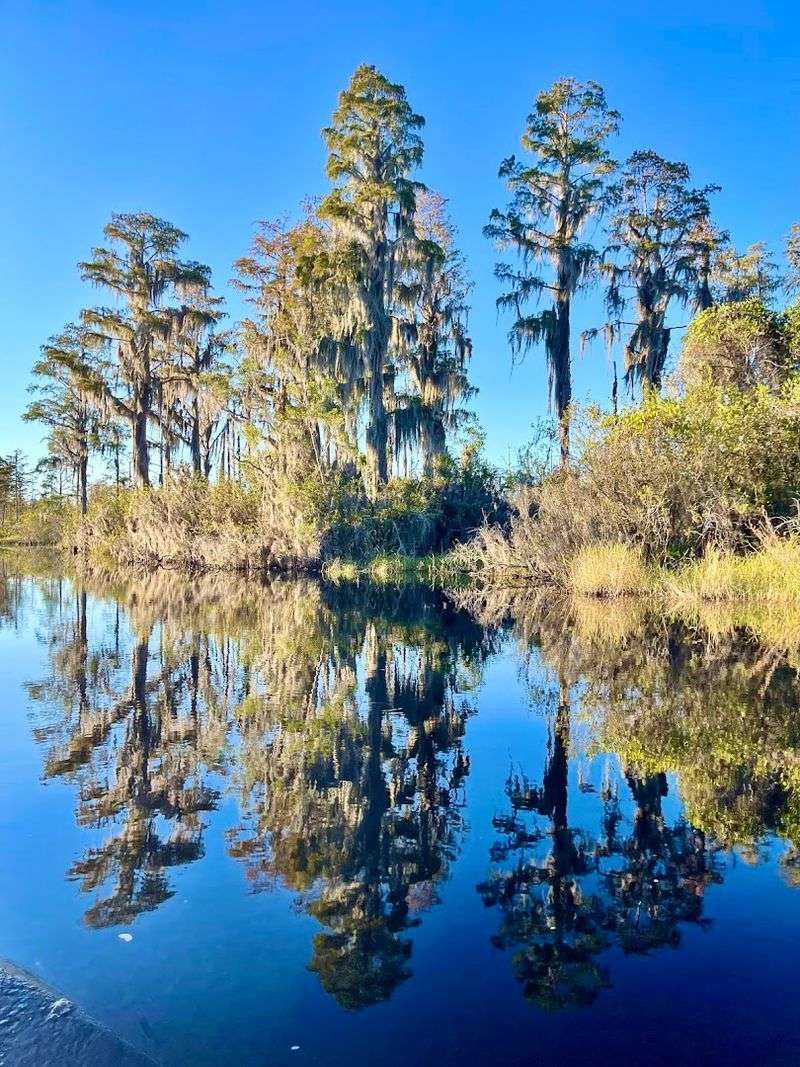
There is something primal and quietly thrilling about drifting through the Okefenokee Swamp, one of the largest intact freshwater ecosystems in North America. The main entrance to Okefenokee National Wildlife Refuge is located at 4700 Okefenokee Swamp Park Rd, Waycross, GA 31503, where guided boat tours and canoe rentals are available for visitors who want to experience the swamp up close. The dark, tea-colored water reflects cypress trees draped in moss, and the stillness is broken only by birdsong and the occasional splash of wildlife.
American alligators are a common sight here, along with sandhill cranes, otters, and an extraordinary variety of wading birds. Guided tours are the safest and most informative way to experience the swamp, especially for first-time visitors unfamiliar with the terrain. Late fall and winter tend to bring cooler temperatures and reduced insect activity, making those months particularly comfortable for exploration.
Bring binoculars, insect repellent, and a sense of quiet wonder.
7. Walk or Bike the Atlanta BeltLine

The Atlanta BeltLine is one of the most ambitious urban redevelopment projects in American history, transforming old railroad corridors into a connected network of trails, parks, and public art installations. The Eastside Trail, one of the most popular sections, runs along Irwin Street NE, Atlanta, GA 30312, weaving through neighborhoods like Inman Park, Poncey-Highland, and Old Fourth Ward. On any given afternoon, the trail buzzes with joggers, cyclists, dog walkers, and families taking in the murals and green spaces that line the route.
Weekend afternoons tend to be the liveliest, with food trucks, pop-up vendors, and occasional community events adding to the energy. Weekday mornings offer a calmer pace that is better suited for a leisurely stroll or a focused ride. Bike rentals are available through the Relay Bikes program at several stations along the trail.
The BeltLine also connects to restaurants, breweries, and shops, making it easy to combine a walk with a meal or a coffee stop nearby.
8. Climb the Tybee Island Lighthouse
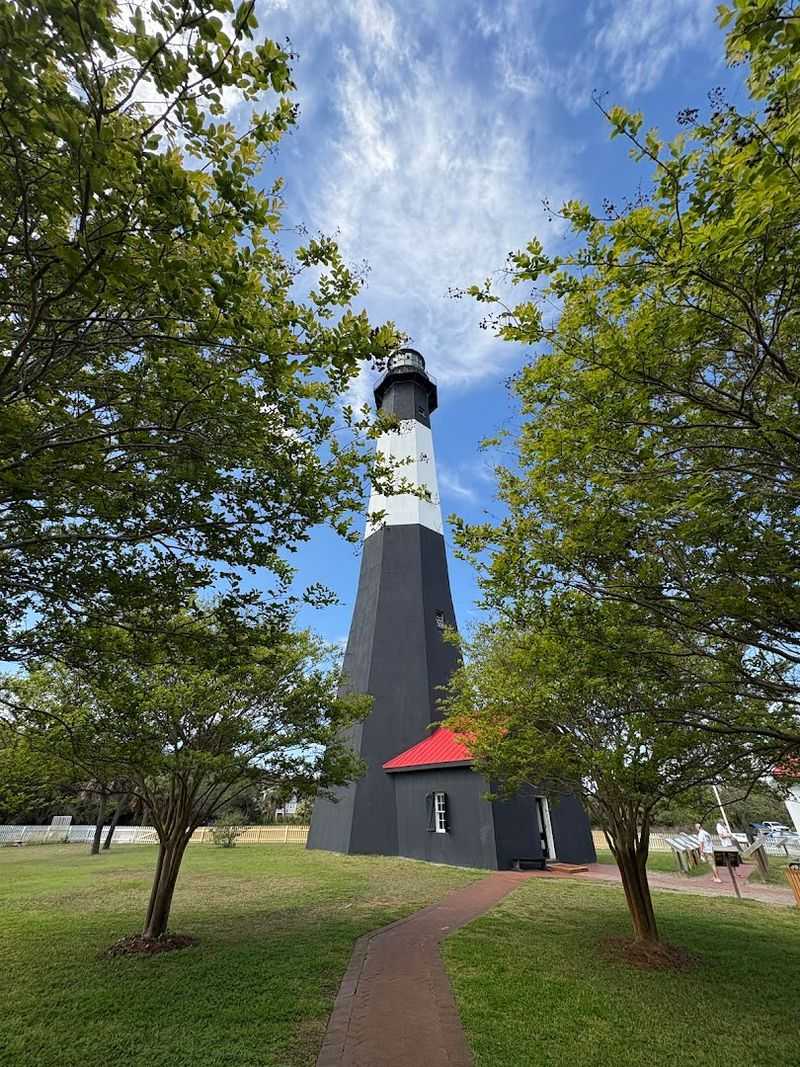
Climbing to the top of the Tybee Island Lighthouse delivers one of the most satisfying coastal views in all of Georgia, with the Atlantic Ocean stretching endlessly to the horizon on one side and the marshes and inlets of the Georgia coast spreading out on the other. The lighthouse is located at 30 Meddin Dr, Tybee Island, GA 31328, and stands 154 feet tall, making it the tallest and oldest lighthouse in Georgia. It has guided ships safely since 1736, and its black-and-white-striped tower is one of the most recognizable landmarks along the entire southeastern coastline.
The climb involves 178 steps, so comfortable footwear is recommended. The lighthouse is open most days, though hours can vary seasonally, so checking ahead is a smart move. The surrounding lighthouse station includes a museum with exhibits on the history of the structure and the keepers who maintained it.
Tybee Island itself offers beaches, seafood restaurants, and a laid-back coastal atmosphere that makes it well worth a full day trip.
9. Visit Amicalola Falls State Park
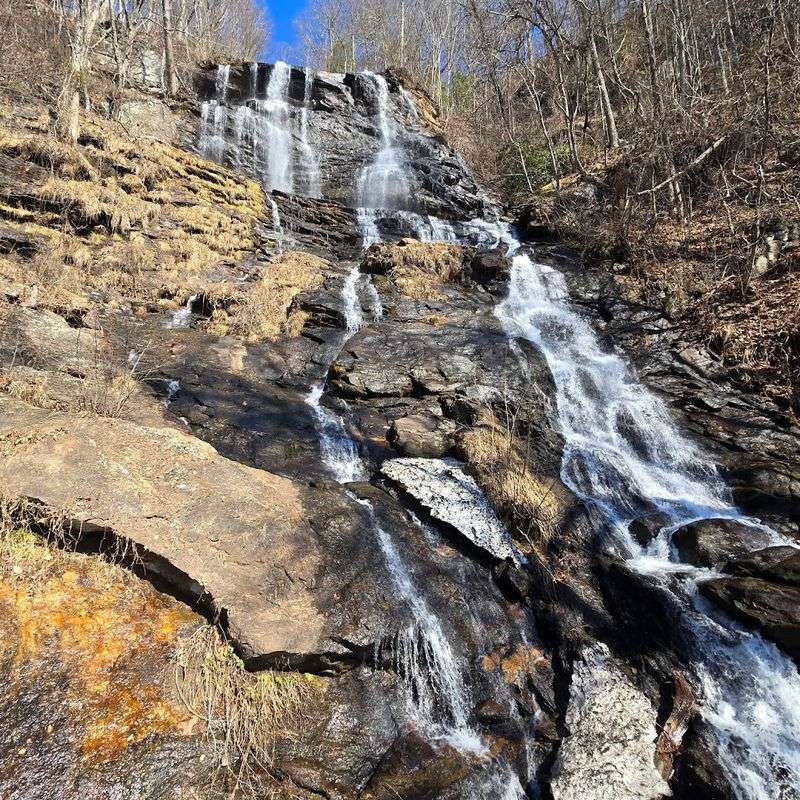
At 729 feet, Amicalola Falls is the tallest cascading waterfall east of the Mississippi River, and standing at its base while water thunders down the rocky face is an experience that stays with you. The park is located at 418 Amicalola Falls State Park Rd, Dawsonville, GA 30534, nestled in the foothills of the Blue Ridge Mountains in North Georgia. The falls are accessible via a short but moderately steep trail, and the park offers multiple viewpoints at different elevations so visitors can appreciate the full scale of the cascade.
For hikers with bigger ambitions, Amicalola Falls serves as the approach trailhead for the Appalachian Trail, which begins its famous 2,190-mile journey to Maine from nearby Springer Mountain. A lodge and several cabins are available for overnight stays, making it easy to explore the area across multiple days. Spring and fall tend to draw the most visitors, while winter visits offer a quieter atmosphere and the occasional ice formations along the falls.
Trail difficulty ranges from easy boardwalks to more challenging backcountry routes.
10. Stroll Through the Atlanta Botanical Garden
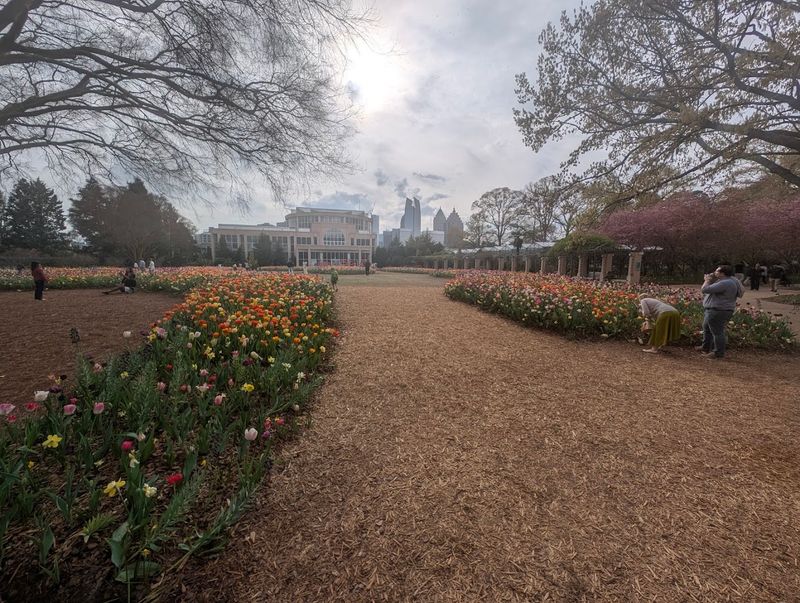
Tucked right alongside Piedmont Park, the Atlanta Botanical Garden manages to feel like a complete escape from the city even while sitting squarely within it. Located at 1345 Piedmont Ave NE, Atlanta, GA 30309, the garden spans 30 acres and includes a tropical conservatory, a Japanese garden, an edible garden, and a canopy walk that lifts visitors 40 feet into the forest understory for a genuinely unique perspective. Seasonal exhibitions and large-scale sculpture installations add a creative, ever-changing dimension to visits throughout the year.
Spring brings spectacular orchid shows and blooming bulb gardens, while summer often features outdoor concerts and evening events that transform the space after dark. The Fuqua Conservatory houses rare tropical and desert plants from around the world and is worth a slow, unhurried visit on its own. Tickets should be purchased online to avoid queues, especially during popular events.
The garden is stroller and wheelchair accessible, and the grounds tend to be most peaceful on weekday mornings before tour groups arrive.
11. Visit the BAPS Shri Swaminarayan Mandir
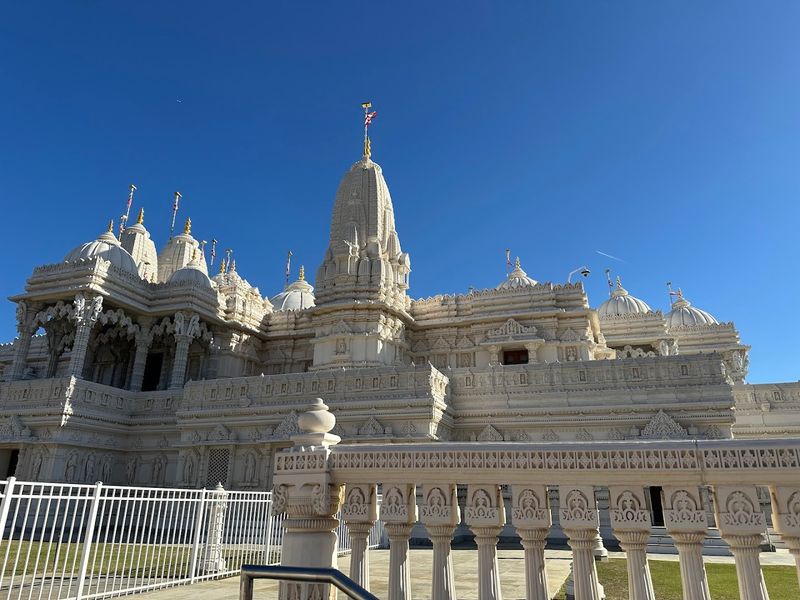
Rising from the Georgia landscape like something transported from another continent entirely, the BAPS Shri Swaminarayan Mandir near Atlanta is one of the most architecturally remarkable buildings in the entire southeastern United States. Located at 460 Rockbridge Rd NW, Lilburn, GA 30047, this stunning Hindu temple was hand-carved by artisans in India using Turkish limestone and Italian marble before being assembled stone by stone on American soil. Every surface of the mandir is covered in intricate carvings depicting deities, nature motifs, and sacred stories from Hindu tradition.
Visitors of all backgrounds are welcome to tour the mandir, and the experience tends to be quietly moving regardless of one’s religious familiarity. Modest dress is required, with coverings available at the entrance for those who need them. Shoes must be removed before entering the main hall.
The grounds include an exhibition center that provides helpful context about Hindu culture and the BAPS organization. Visiting on a weekday allows for a more contemplative and unhurried experience than busy weekend hours typically permit.
12. Explore the Bavarian Village of Helen
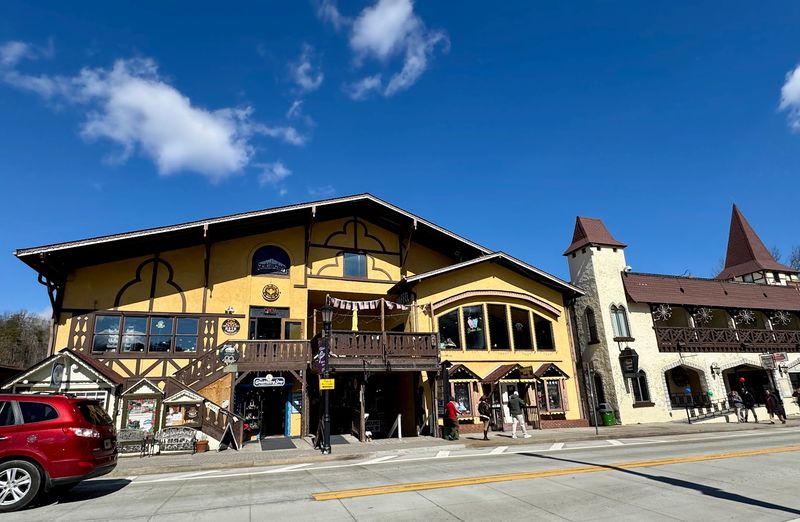
Stumbling upon a tiny Bavarian village tucked into the North Georgia mountains sounds like a fairy tale, but Helen is entirely real and genuinely fun to visit. Located along Main Street, Helen, GA 30545, this small mountain town reinvented itself in the late 1960s by transforming its storefronts into Bavarian-style alpine architecture, complete with painted murals, flower boxes, and steep rooflines. The Chattahoochee River runs right through town, adding a scenic backdrop to the already charming streetscape.
Helen is best known for Oktoberfest, one of the longest-running and largest Oktoberfest celebrations in the United States, typically held from September through early November. Outside of festival season, the town offers tubing on the Chattahoochee, wine tasting at nearby vineyards, and access to hiking trails leading to Raven Cliff Falls and Anna Ruby Falls. Shops selling German imports, fudge, and handmade crafts line the main streets.
Weekday visits outside of festival season offer a far more relaxed pace for exploring at leisure.
13. Tour Georgia’s Wine Country
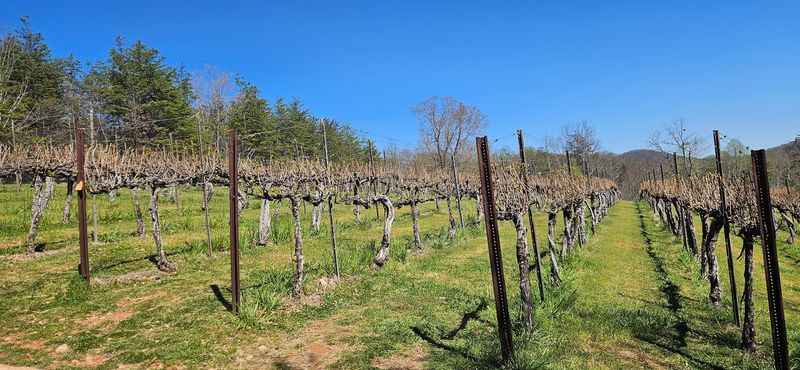
North Georgia has quietly developed into a legitimate wine destination, with dozens of wineries scattered across the Blue Ridge foothills offering tastings, tours, and stunning mountain views. The Dahlonega Plateau American Viticultural Area, centered around Dahlonega, GA 30533, is the heart of Georgia wine country and home to well-regarded wineries including Frogtown Cellars, Wolf Mountain Vineyards, and Three Sisters Vineyards. The elevation and cooler mountain climate create growing conditions that suit varietals like Cabernet Franc, Chardonnay, and Viognier particularly well.
Most wineries offer weekend tasting experiences, and some require reservations, so checking ahead before visiting is strongly recommended. The scenic drive between wineries along winding mountain roads is part of the appeal, especially during fall when the foliage turns brilliant shades of orange and red. Many properties also host events, vineyard dinners, and live music throughout the warmer months.
Designating a driver or booking a wine tour shuttle makes the experience more relaxed and responsible for groups exploring multiple tastings in one day.
14. Discover the Martin Luther King Jr. National Historic Site
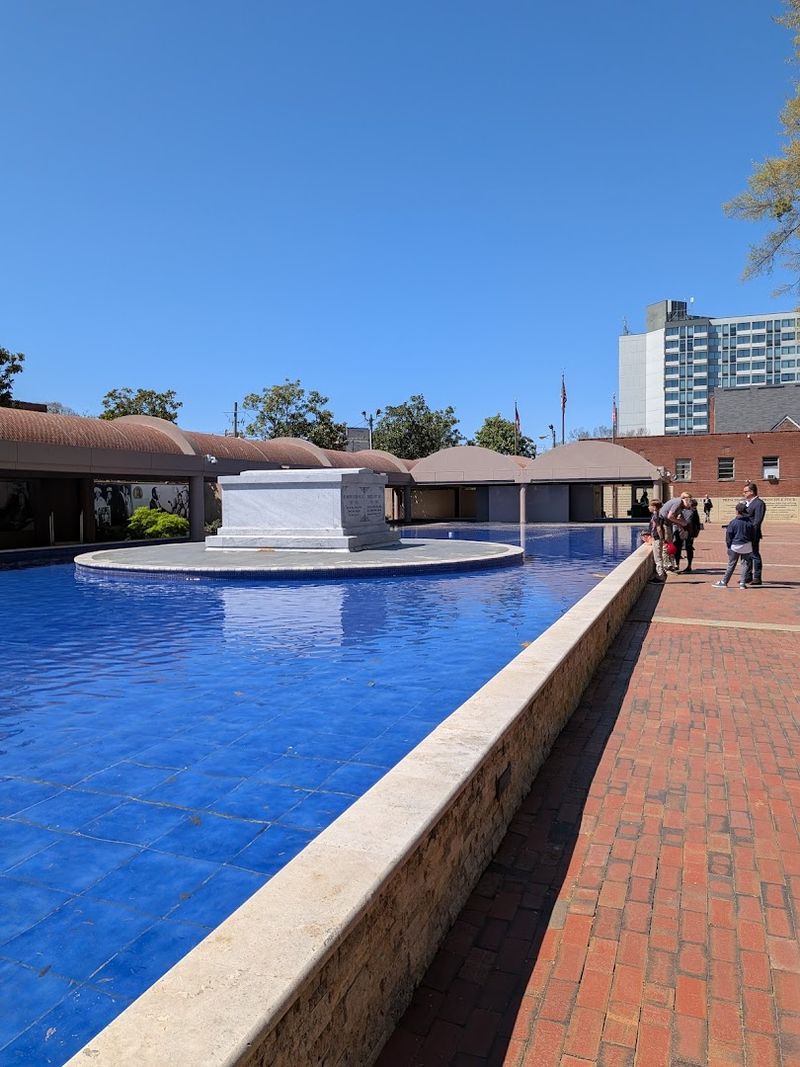
Few places in the United States carry as much historical and emotional weight as the Martin Luther King Jr. National Historic Site in Atlanta, where the life and legacy of one of America’s most transformative figures is preserved with care and reverence. Located at 450 Auburn Ave NE, Atlanta, GA 30312, the site encompasses Dr. King’s birth home, Ebenezer Baptist Church where he preached, the King Center, and his final resting place alongside his wife Coretta Scott King. Walking through this neighborhood on Auburn Avenue, once known as Sweet Auburn, connects visitors directly to the world that shaped Dr. King.
Admission to the visitor center and many parts of the site is free, though timed tickets for the birth home tour should be reserved well in advance as they fill quickly. The exhibits inside the King Center cover the Civil Rights Movement in compelling detail, with original documents, photographs, and personal artifacts on display. Plan for at least two to three hours to move through the site thoughtfully and without feeling rushed.
15. Sea Turtle Nesting on Cumberland Island National Seashore
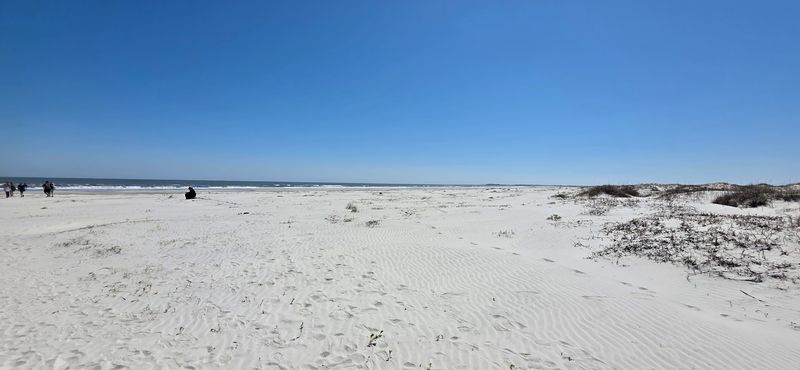
Cumberland Island National Seashore is the kind of place that makes you feel like you have stepped off the edge of the modern world and into something older and quieter. Located at 101 Wheeler St, St. Marys, GA 31558, the island is accessible only by ferry and has no bridges, which keeps it beautifully undeveloped and free from the usual coastal crowds. Wild horses roam the beaches and maritime forests freely, and loggerhead sea turtles nest along the shoreline each summer in significant numbers.
The ferry runs from St. Marys and reservations are required well in advance, particularly during peak summer months when spots fill fast. Visitors should bring everything they need including food, water, and sunscreen since facilities on the island are very limited. Camping is available for those who want to experience the island across multiple days and catch both sunrise and sunset on the beach.
The ruins of Dungeness, a grand Gilded Age mansion, add a hauntingly beautiful historical layer to an already extraordinary natural landscape.