Nebraska Is Home To A Zoo Where A Glass Tunnel Lets Sharks Swim Right Over Your Head
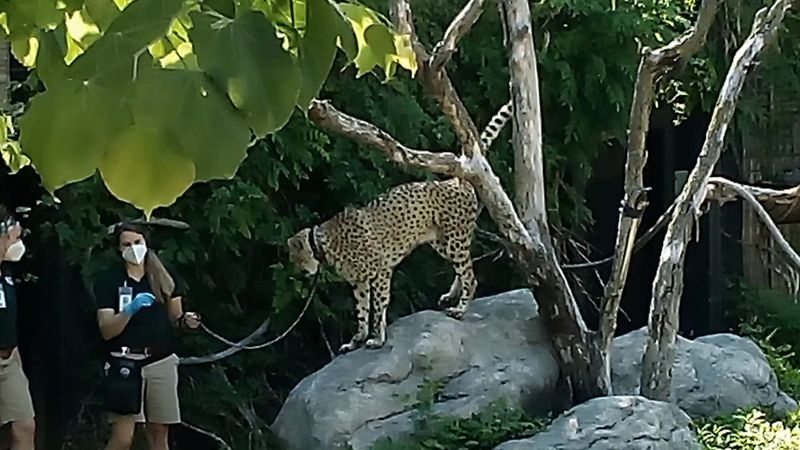
A shark’s belly is not something most people expect to see in Nebraska. Yet here it is, pale and slow, sliding past a few feet above a crowd of upturned faces.
The walk in started like any ordinary zoo day, with a ticket, a map, and a vague plan to grab a snack. Then the tunnel swallowed the light, the water turned blue all around, and the day became something else entirely.
A World-Class Zoo on the South Side of Omaha
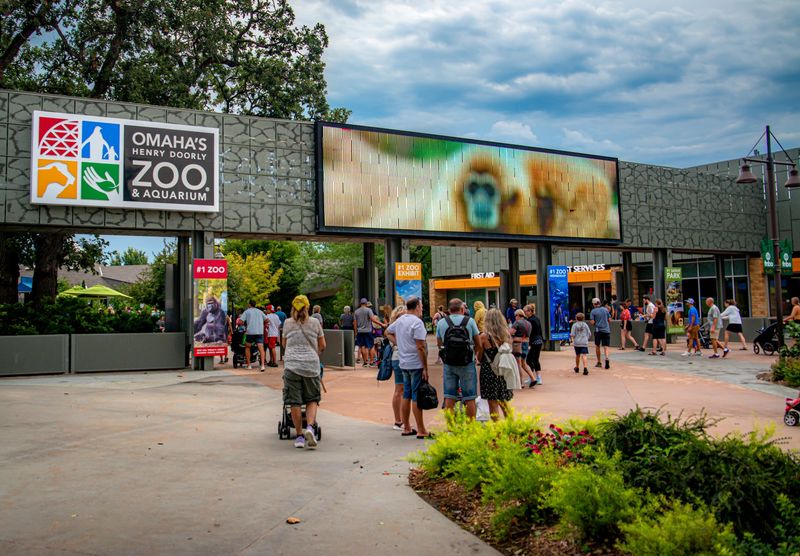
South Omaha holds a surprise just off 10th Street. Omaha’s Henry Doorly Zoo and Aquarium sprawls across a huge stretch of ground, mixing open-air animal habitats with giant indoor worlds under glass and steel.
The scale hits first. Paths loop from gorillas to giraffes, from elephants to sea lions, and several of the headline exhibits sit inside climate-controlled buildings.
A desert under a dome, a rainforest under a roof, a swamp tucked underground, and an ocean you can walk beneath all share the same property.
Nebraska families who grew up coming here have watched it grow over the decades, and anyone returning after a long break will spot plenty of changes. The layout runs in a rough loop, with most exhibits built around an entrance and an exit so crowds keep moving.
For first-timers, the simplest description goes like this: a full day of travel, crammed into one address. Oceans, deserts, jungles, and mountains, all within a short drive for much of eastern Nebraska.
The aquarium alone could fill a morning, and that is before stepping outside to meet the rest of the collection waiting beyond its doors.
The Shark Tunnel Everyone Heads For
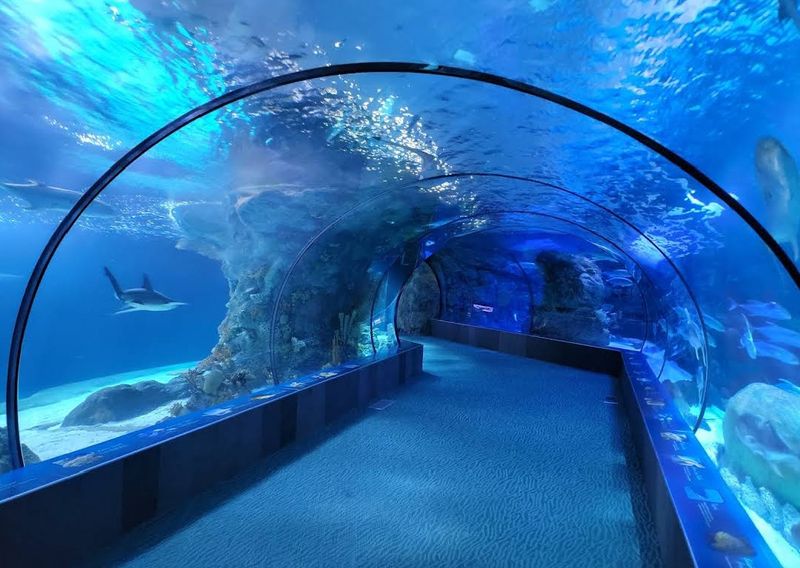
Blue light ripples across the floor. Overhead, a sand tiger shark drifts past with its jagged smile on display, close enough to count its teeth if it would only hold still.
Inside the Suzanne and Walter Scott Aquarium, a glass tunnel roughly seventy feet long runs straight through a tank holding about 450,000 gallons of water. You walk on dry ground while the sea curves above and around you.
Stingrays glide along the curved ceiling, their undersides flattened against the glass like pale kites.
Sea turtles paddle by without much concern for the people below. Schools of reef fish flash color through the gaps between larger swimmers, and the whole scene shifts every few seconds.
Crowds build here, which makes sense given that it is the signature moment of the whole building. Even so, there is room to pause and watch the fish without feeling rushed along.
Kids press against the walls. Adults tilt their heads back and forget to keep walking.
Timing a slow lap through the tunnel before the late-morning rush gives the sharks a chance to steal the show properly.
Penguins, Jellyfish, and a Flooded Rainforest
How many oceans fit inside one building? The Scott Aquarium makes a strong case for several, with around 200 species spread across 1.2 million gallons of water.
Polar sections come first for plenty of families. King, gentoo, and rockhopper penguins waddle and plunge in a chilly habitat, and the rockhoppers bounce around with the most attitude.
Watching them rocket underwater changes how clumsy they seem on land.
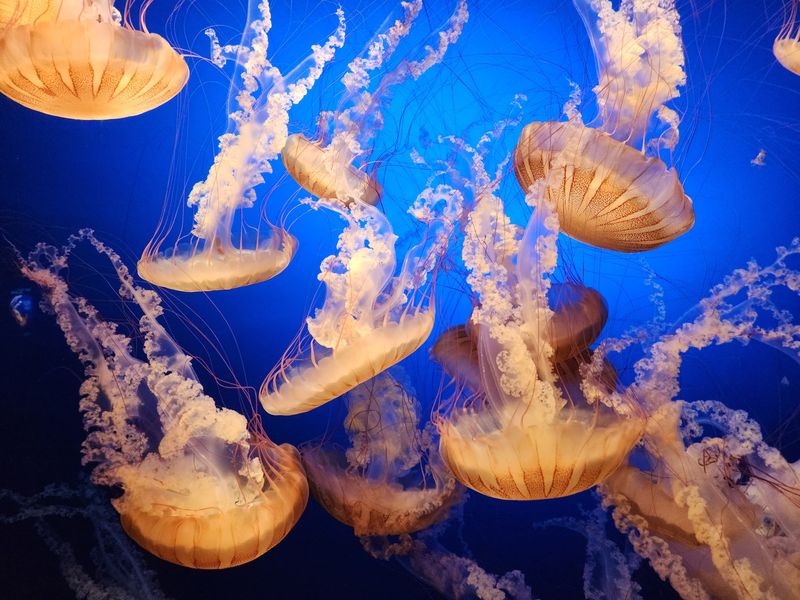
Jellyfish get their own glowing tanks, pulsing slowly in soft light. Then comes a turn into a simulated flooded Amazon rainforest, where freshwater fish swim between submerged roots and branches.
Coral reef displays round things out with bright colors and busy little residents darting between the rocks. Each exhibit includes a lower spot where small children can get right up to the glass without anyone blocking the view, a thoughtful detail that saves plenty of shoulder rides.
It also counts as the largest aquarium housed inside a zoo in the United States. With exterior renovations finished in 2020, the building feels fresh while keeping the tunnel as its beating heart.
Fingertips Meet Stingrays
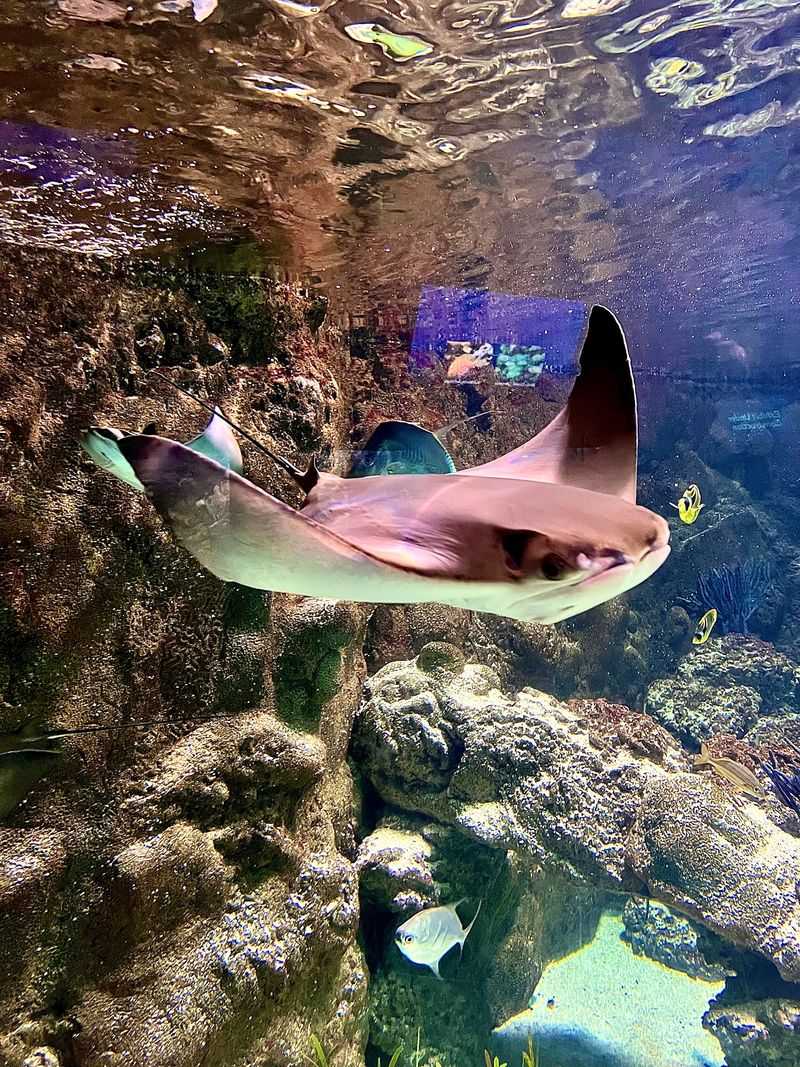
Cool water, a smooth gray shape, and a sudden giggle. That is the usual sequence at the stingray touch area, one of the most hands-on stops at the zoo.
Rays circle a shallow pool, and gentle two-finger touches are the rule as they sweep past. Their skin feels a bit like wet velvet, which surprises nearly every first-timer.
Some rays seem to swing by the same edge again and again, almost like they enjoy the attention.
For toddlers and early grade schoolers, it turns a watch-only trip into something they can remember with their hands. Parents get a break from constant pointing and explaining, since the rays do the teaching themselves.
The aquarium also includes a touch area inside the main building, so there are chances to connect beyond the tunnel. Staff nearby answer questions and keep things calm for the animals.
A quick tip: wash hands after, and keep sleeves pushed up. The water is shallow, but excited kids always find a way to soak a cuff.
Pair this stop with the tunnel for a double dose of rays, from above and below.
The Desert Dome and Its Underground Night
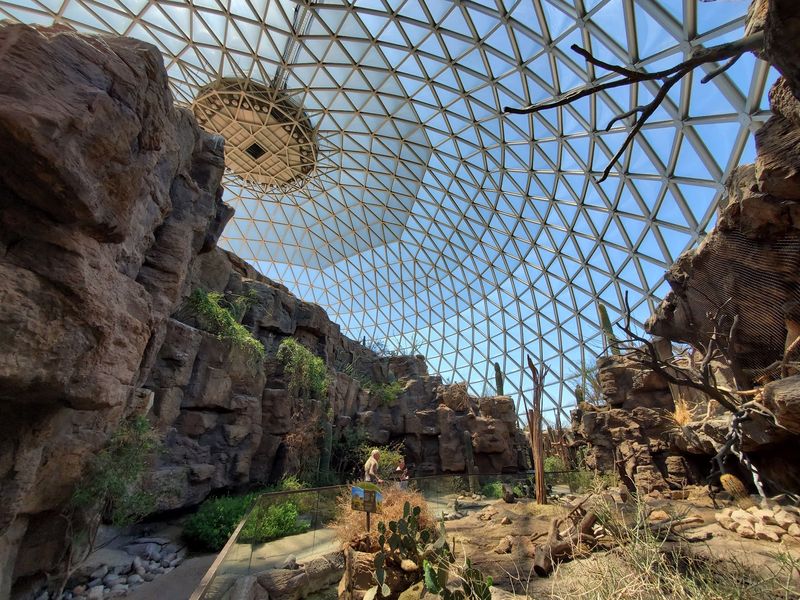
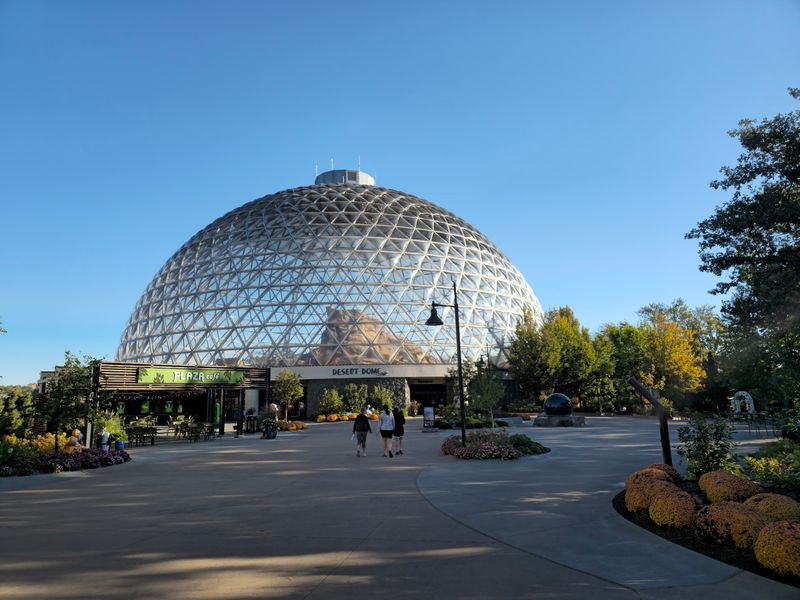
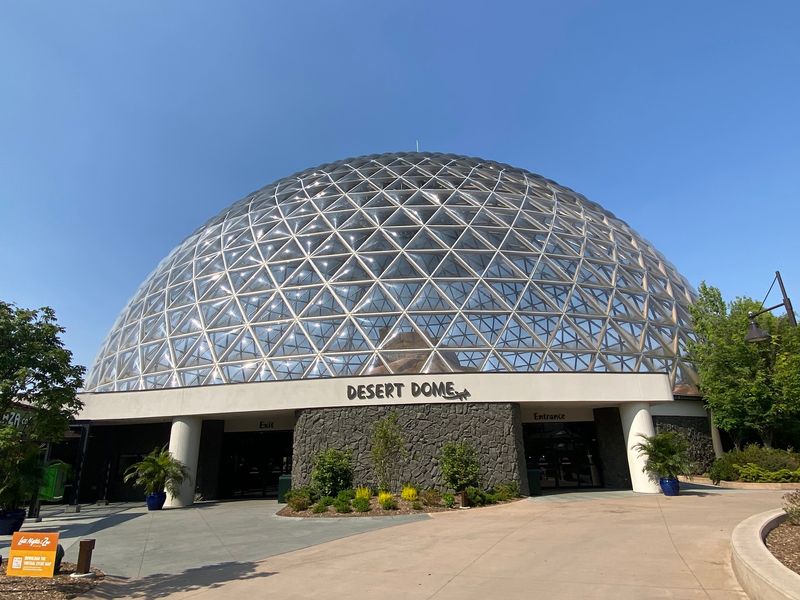
Few buildings in Nebraska are as easy to spot as the Desert Dome. Its huge geodesic shell rises over the zoo grounds and shelters recreated desert landscapes inside.
Sand, red rock, and scrubby plants fill the space, with small desert animals scattered through viewing areas. Birds fly freely under the dome, adding movement overhead and making the whole place feel open rather than caged.
Below it waits a different kind of experience. Kingdoms of the Night, the underground nocturnal exhibit, flips the clock so animals that sleep through the day are awake and active in dim light.
There is also a swamp area down there, complete with viewing spots for the creatures lurking in the murky water.
Here is the clever part. On a hot summer afternoon, many outdoor animals nap in the shade and hide from view, but these indoor habitats stay busy.
The dome and the nighttime exhibit keep the energy up when the rest of the zoo slows down.
Strollers pack the dome on crowded days, so an early or late visit makes it easier to linger at each window.
Lunch Above a Jungle Canopy
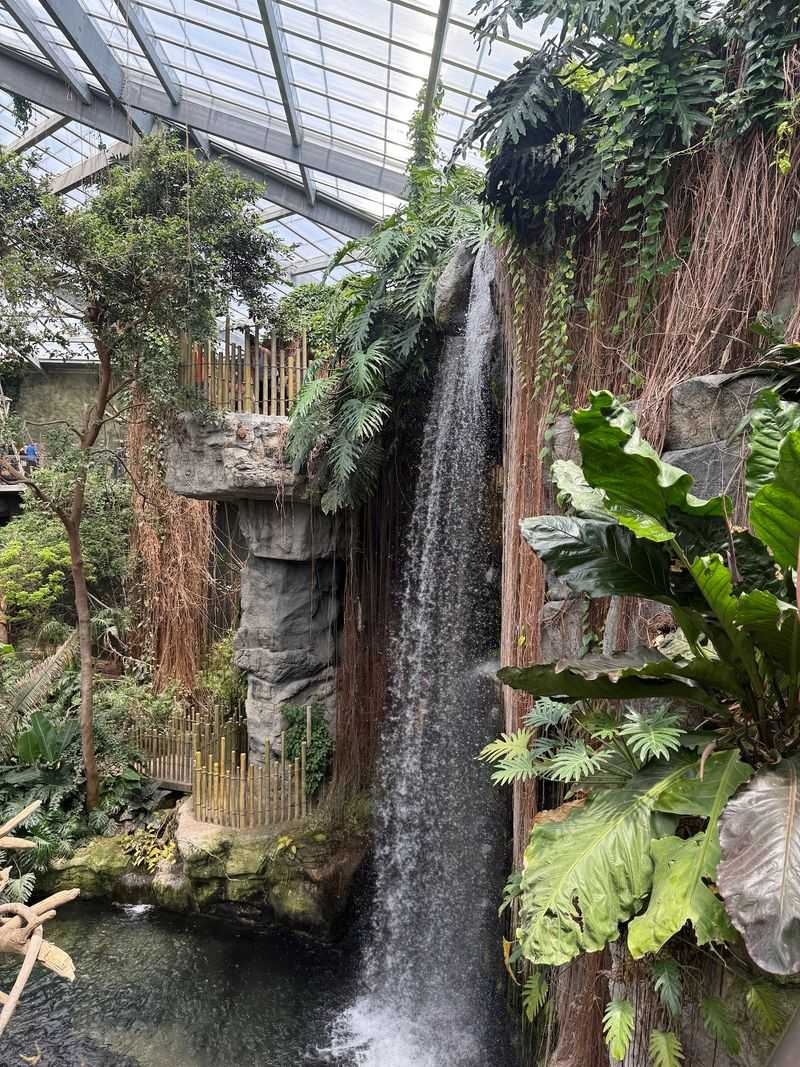
Picture a sandwich in one hand and a monkey swinging past the window. At the Lied Jungle, that scene plays out regularly at a treetop restaurant overlooking the indoor rainforest.
The jungle building recreates tropical forests under one massive roof. Trails wind at different levels, from the forest floor up into the branches, with waterfalls and dense greenery all around.
Monkeys hoot and leap overhead, and the humidity alone makes it feel like another continent.
Glass elevators lift you up for a view across the treetops, with primates chattering in the canopy. It is a strong pick for rainy days or chilly months, since the temperature stays tropical no matter what Nebraska weather is doing outside.
Kids love spotting animals at multiple heights, and adults can rest on benches while the forest carries on around them. Watch for birds hidden among the leaves too.
Plan a little extra time here. The paths twist more than expected, and the layers of the rainforest reward a second look, especially once your eyes adjust to spotting small shapes moving in the green.
Gorillas and Other Great Apes
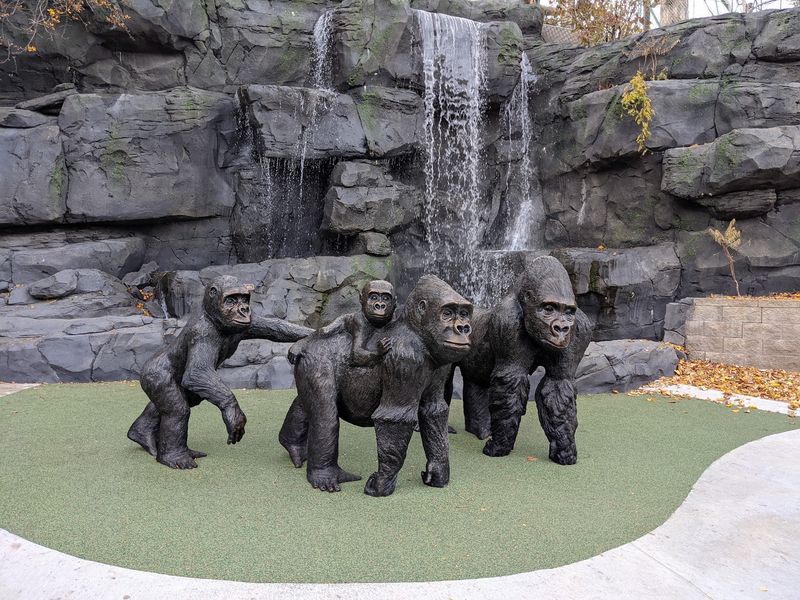
A silverback sits still, chewing slowly, and somehow the entire crowd goes quiet. Gorillas rank among the most talked-about animals at Henry Doorly, and a few minutes at their habitat explains why.
Their expressions feel startlingly human. Young ones tumble and wrestle while older gorillas watch with the patience of grandparents at a family reunion.
Every glance through the glass seems to carry a thought behind it.
Habitats across the zoo are large, which gives the animals room to roam. That space benefits them, though it can mean checking more than one viewpoint to find the troop.
Moving between windows often pays off with a close encounter.
Mid-morning tends to bring more activity before afternoon heat sends animals into shady corners. Feeding times can also spark bursts of movement worth waiting for.
For kids, this stop often turns into a lesson without anyone calling it one. They start noticing hands, faces, and family behavior, and the questions roll in fast.
Bring patience, because pulling a curious child away from the gorillas takes real negotiating skill.
Elephants, Giraffes, and the Big Outdoor Habitats
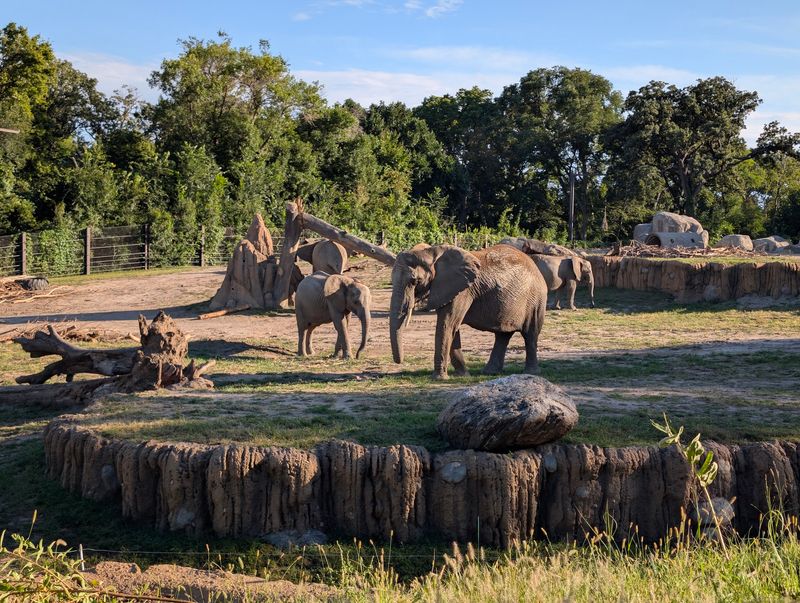
Outdoors, the zoo stretches wide. African grasslands, mountain slopes, and open yards give big animals space that feels closer to the wild than old-style enclosures ever did.
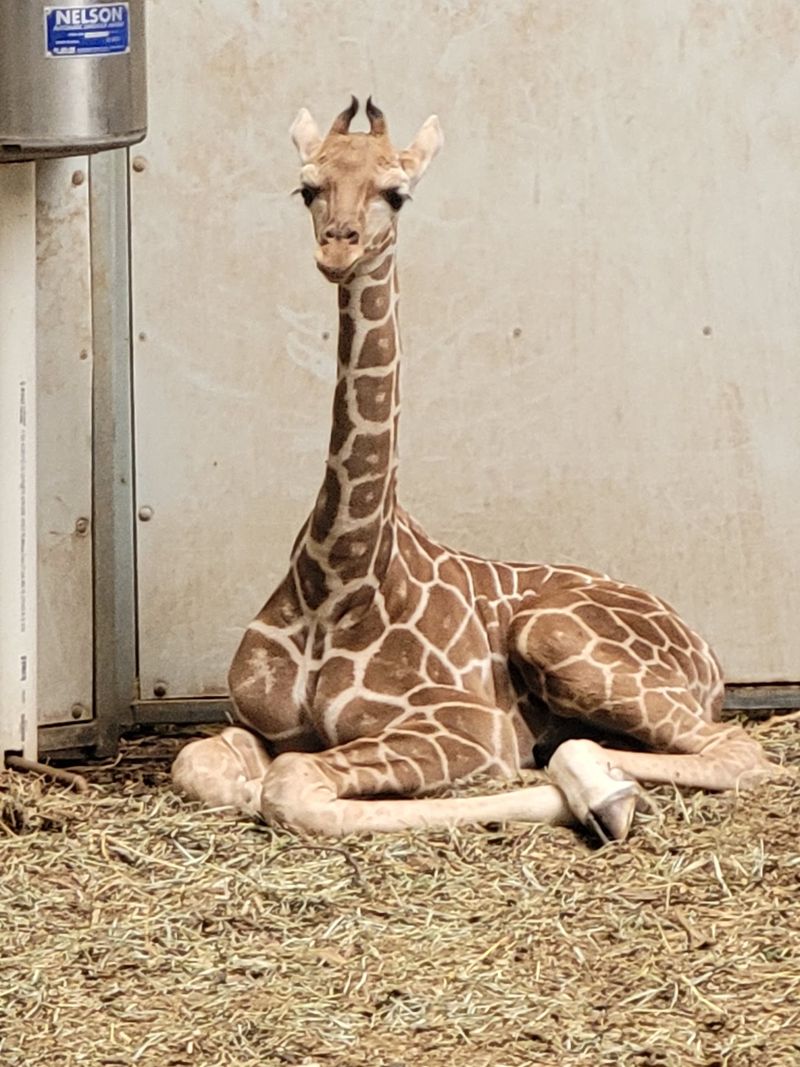
Elephants are a clear highlight, moving with that slow, heavy grace that makes the ground seem to hum. Giraffes stroll nearby, and their enclosure makes a natural stop even on a short schedule.
Seeing a giraffe bend toward a treetop at eye level never gets old.
Sea lions add splash and noise elsewhere in the park, and the Asian Highlands section brings mountain animals into the mix. Himalayan dumplings are even sold nearby, a small touch that ties food to the region on display.
Green plants and flower beds line the walkways between habitats, so the walking itself feels pleasant. Small adventure trails branch off for children who want to explore at their own pace.
A few exhibits may sit empty on any given day, though signs mark them clearly. Big spaces mean animals sometimes hide, so scanning slowly helps.
Binoculars would not be a silly addition to the bag.
Riding the Skyfari Across the Park
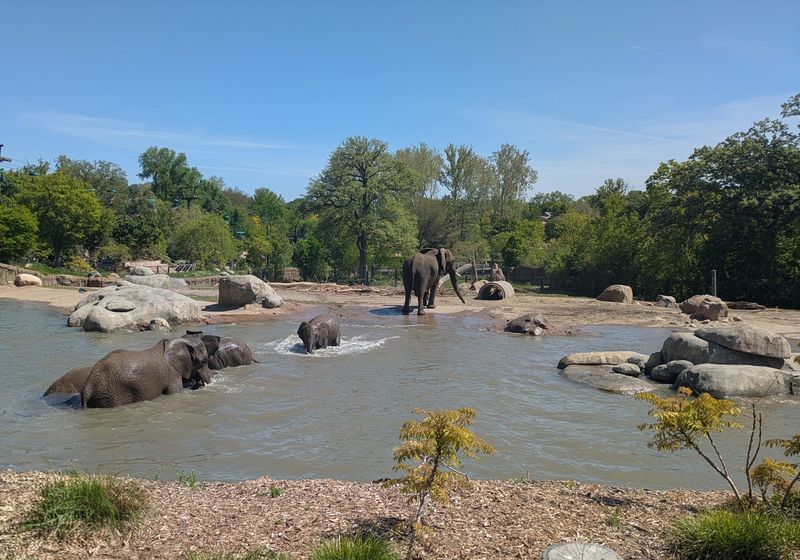
Feet dangling, breeze rolling in, animals shrinking below. The Skyfari chairlift carries riders from one end of the zoo to the other, and it offers a view you cannot get from the paths.
Walking the full zoo can easily add up to around four miles, so the lift doubles as a rest for tired legs. It costs extra, but it swaps a long hike for a scenic float over habitats and treetops.
There are other ways around too. A tram gives a quick overview and helps plan a route before tackling everything on foot.
A train also runs, though its round trip needs two tickets and one leg is much shorter than the other.
None of these rides are required to see the animals. Plenty of people skip them completely and simply walk.
Still, for families with little ones or anyone watching the hills, a lift ride can save energy for later exhibits.
The best strategy might be using the Skyfari to reach the far end, then working back toward the exit on foot.
Splash Park Days and Creek Wading
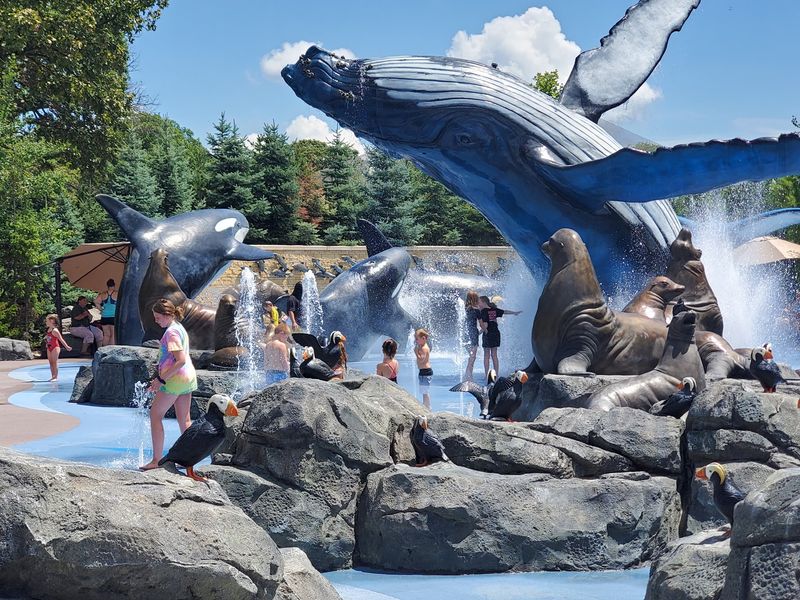
Swimsuits at a zoo? Pack them.
A large section of the grounds is dedicated to a splash park and shallow creeks, and it pulls kids in like a magnet on warm days.
Many families arrive unprepared and end up skipping the water, which leads to some very disappointed faces. Bring a towel, a change of clothes, and maybe water shoes for the rocky creek bottoms.
With that gear packed, the water area can fill an hour or more.
Playgrounds sit around the property too, giving kids a chance to burn off energy between exhibits. Combined with the splash pad, they turn a zoo trip into something closer to a full summer outing.
Great-grandparents, parents, and toddlers all find a spot here. Benches let adults rest while little ones run through the spray.
Nebraska summers can turn hot quickly, and misters along the pathways help too. Between the water play, shade, and air-conditioned exhibits, cooling off never requires leaving.
Just plan the splash break for midday, when the outdoor animals are napping anyway.
Food, Snacks, and Bringing Your Own Lunch
Good news for budgets: outside food and drinks are allowed. Packing a cooler bag with sandwiches and snacks can trim a lot off the cost of a long day.
Shaded seating areas appear throughout the park, so finding a spot for a picnic is easy. Water refill stations and drinking fountains sit near most restrooms, meaning reusable bottles are the smart move.
Buying food on site has its perks as well. Options run beyond typical fair food, with fresh-squeezed juices, burgers, wings, and those Himalayan dumplings near the Asian Highlands.
Several kiosks offer lighter choices like fruit cups and salads.
Concessions carry zoo pricing, which is no surprise, and the selection can feel smaller than the park’s size suggests. That makes the bring-your-own policy even more valuable.
The treetop restaurant inside the Lied Jungle is the standout for atmosphere. Eating while monkeys hop around nearby tends to become the story kids tell afterward.
For many families, the ideal plan mixes a packed lunch with one special snack purchase, keeping both wallets and appetites satisfied.
Built for Strollers, Scooters, and Sunscreen
Small details make big days easier. Free sunscreen dispensers sit near many restrooms, right alongside water refill stations, which feels like the zoo read every parent’s mind.
Restrooms are plentiful and clean, and most include family rooms. Paths suit strollers and wheelchairs, and the park is ADA friendly overall.
Stroller and wagon rentals are available for families who travel light.
Hills show up in a few spots, so scooter rentals help anyone who struggles with long distances. Benches and eating areas along the way offer frequent rest stops.
Several accessibility options exist to make the size of the grounds feel manageable.
Signage could be stronger in places, and some winding paths seem to wander more than necessary. Grabbing a map early helps avoid backtracking.
Parking lots are laid out well for easy access, although they can fill up by late morning. Staff members stay friendly and ready with directions or answers about the animals.
It all adds up to a place designed to keep a family comfortable from the first exhibit to the last.
Hours, Tickets, and Timing Your Omaha Trip
Early birds win here. Gates open in the morning and the zoo operates daily, so plan to arrive near opening, especially on weekends when lines can stretch longer.
Tickets cost more than many other Omaha activities, but a single admission can easily fill a full day. Downloading the Visit Omaha app can knock a little off each ticket, a handy savings for bigger groups.
Ticket kiosks tend to move quickly even on busy days.
Give yourself time. Five hours barely scratches the surface, and many families split the visit across two days.
Half a day works if you focus on the aquarium, dome, and jungle.
Weather matters less than you might think. Climate-controlled buildings connected by pathways keep the day moving through heat, cold, or rain.
Late summer can be intense outdoors, so spring and fall offer the most comfortable walking.
The zoo sits on South 10th Street near downtown Omaha, a straightforward drive from Lincoln and much of eastern Nebraska. Wear comfortable shoes, because the miles pile up quickly.
A Nebraska Point of Pride
Plenty of states brag about their coastal aquariums. Nebraska, hundreds of miles from any ocean, gets to point at a shark tunnel in Omaha and grin.
That contrast sums up the zoo nicely. It takes a landlocked prairie state and fills it with penguins, jellyfish, rainforest monkeys, desert birds, and gorillas.
The shark tunnel may pull people through the doors, but the rest of the property keeps them wandering for hours.
For families, the thoughtful comforts make a long day manageable. For day-trippers, it offers a full itinerary in one stop.
For anyone who grew up visiting on school trips, returning reveals just how much it has grown.
Some walkways meander, and big habitats occasionally hide their residents. Those small quirks barely dent the experience.
Standing in that tunnel, looking up as a ray passes like a slow cloud, it becomes easy to forget where you are. Then you step outside, hear the Nebraska wind, and remember.
That little jolt might be the best part of all.