10 New York Stops Between Buffalo And Rochester That Are Too Good To Miss
Jell-O was invented in 1897 by a carpenter. Not a chef, not a scientist, a carpenter.
Somehow that wiggly dessert got its start along the stretch of road between Buffalo and Rochester.
He sold the trademark rights in 1899 for $450. That might be the most painful business deal in dessert history. The buyer made out just fine.
That same corridor of western New York hides a lot more than gelatin trivia.
Wildlife refuges, cobblestone buildings, model trains, and sponge candy all sit within easy reach of the Thruway. Most drivers zoom right past them at highway speed.
So why race between two cities when the middle is this much fun? The carpenter clearly knew something about this part of the map.
1. Jell-O Museum
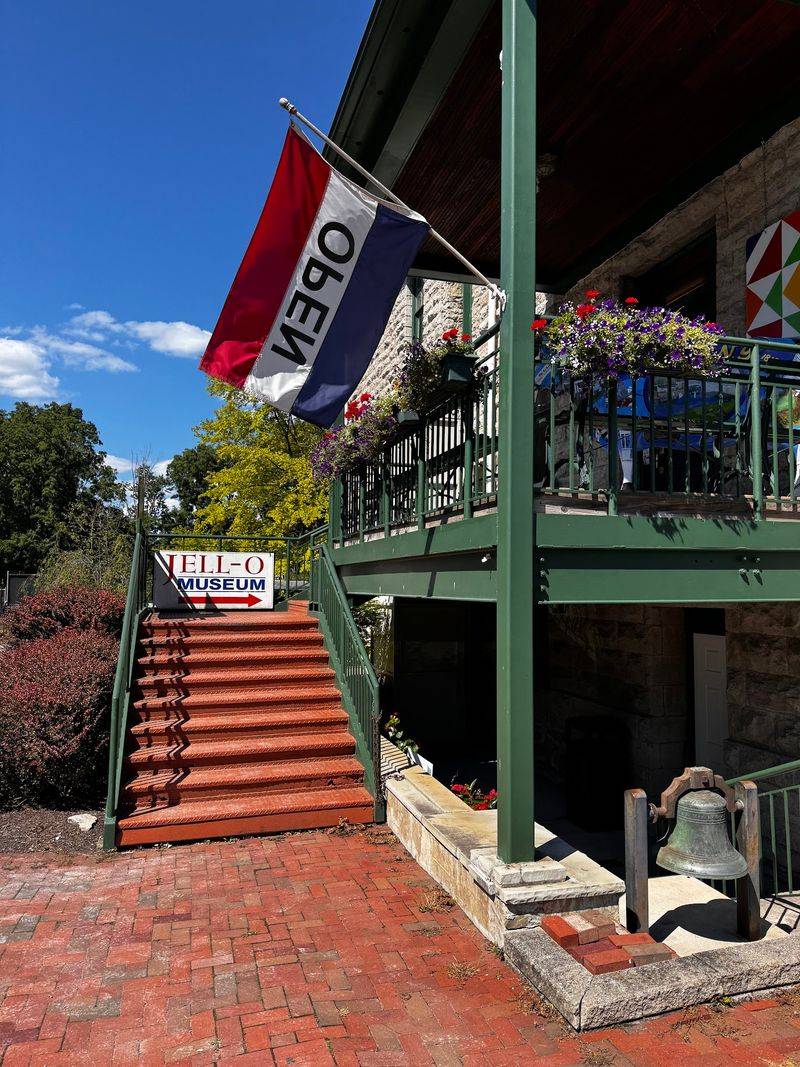
Few desserts get their own museum, but Jell-O has earned one in the village where it was born. Le Roy proudly claims the wiggly treat, and this small museum tells its whole jiggly story.
Inside, you’ll find vintage advertisements, packaging, molds, and exhibits following the dessert from kitchen experiment to national sensation. The Jell-O Gallery Museum sits behind the Historic LeRoy House at 23 E. Main St., Le Roy.
The central character is Pearle Wait, a carpenter who developed the flavored gelatin dessert in 1897.
His wife, May, is credited with naming it. In 1899, Wait sold the rights to businessman Orator Woodward, whose company built an enormous audience through imaginative advertising.
There’s another surprise downstairs. The transportation exhibit follows a century of local travel with an ox cart, carriages, sleighs, a reproduction Jell-O wagon, and even a 1908 Cadillac.
So you come for dessert history and leave knowing something about old-fashioned transportation, too.
The gallery is open Thursday through Sunday during its season, which runs from early May until the Sunday before Christmas. Sunday hours begin in the afternoon, making advance planning worthwhile.
A visit pairs nicely with a stroll through the village’s picturesque older streets. The museum’s displays are colorful, playful, and surprisingly detailed. Who knew a familiar dessert could lead to such an entertaining afternoon?
2. Genesee Country Village & Museum
Time travel isn’t real, but a day in Mumford comes pretty close. Genesee Country Village & Museum brings the nineteenth century to life with historic buildings and demonstrations of traditional skills.
This is a living history museum, which means interpreters show how everyday work was done. Depending on the day’s program, you might encounter a blacksmith, historic cooking, or another craft taking shape before your eyes.
The museum preserves 68 historic structures across a 600-acre property. It opened in 1976 after being founded a decade earlier, and celebrated its fiftieth season in 2026.
Farm animals, gardens, and old-fashioned shop interiors help the village feel like a community rather than a collection of display rooms. Children can discover how a school operated before today’s familiar gadgets.
A second stop is the John L. Wehle Gallery, featuring sporting and wildlife art. The Genesee Country Nature Center adds trails through woods, wetlands, and meadows.
The entrance along 1410 Flint Hill Rd., Mumford, is southwest of Rochester, making this a worthwhile countryside detour.
Operating days change with the season, and the regular autumn schedule ended November 15 in 2026. Special events and workshops may still provide opportunities to visit at other times.
Wear comfortable shoes and leave several hours for exploring. This is one stop where a quick peek could easily become the whole afternoon.
3. Medina Railroad Museum
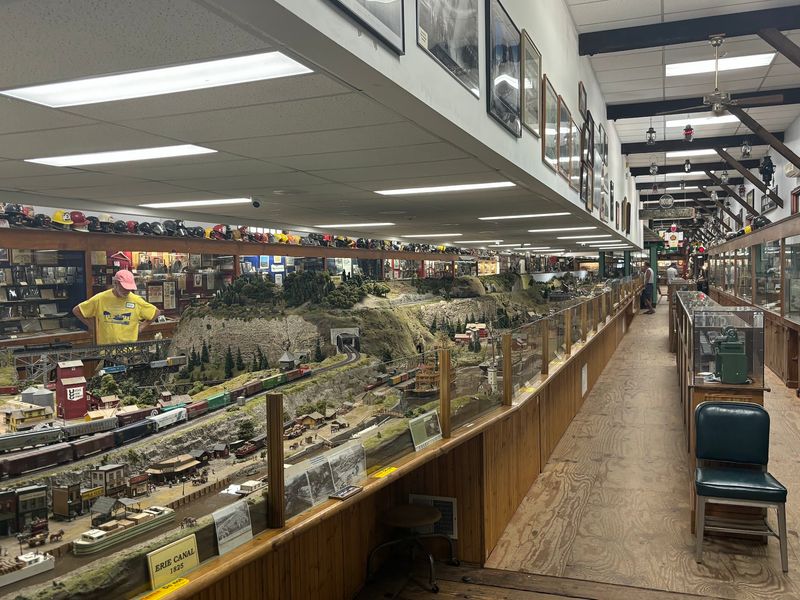
All aboard for one of the coolest model train layouts you’ll find anywhere in western New York. The Medina Railroad Museum fills its historic depot with tracks, tiny towns, and big train energy.
Its HO-scale layout stretches an astonishing 204 feet long and 14 feet wide. Miniature tracks trace the development of transportation in the region, and interactive buttons bring selected elements of the scene to life.
The museum occupies a wooden freight depot built in 1905 and 1906. Its long interior also houses railroad equipment, historic photographs, miniature trains, and other transportation memorabilia.
Here’s where it gets even better. The museum runs themed excursions in passenger cars, giving families a chance to experience a train trip beyond the model layout.
Seasonal rides include fall foliage outings and holiday journeys, with dates announced separately.
Medina itself sits along the Erie Canal. Spend a little time downtown after the exhibits, where historic buildings, canal views, and local shops add another side to the visit.
For your route, the museum’s address is 530 West Ave., Medina. Regular museum hours are Thursday through Saturday, 10 a.m. to 4:30 p.m., and Sunday from noon to 4:30 p.m.
The excursion schedule may affect opening times, so arrange train tickets in advance if riding is your priority.
Tiny locomotives, a genuine old depot, and a full-size train journey? That’s a pretty satisfying combination.
4. Oliver’s Candies
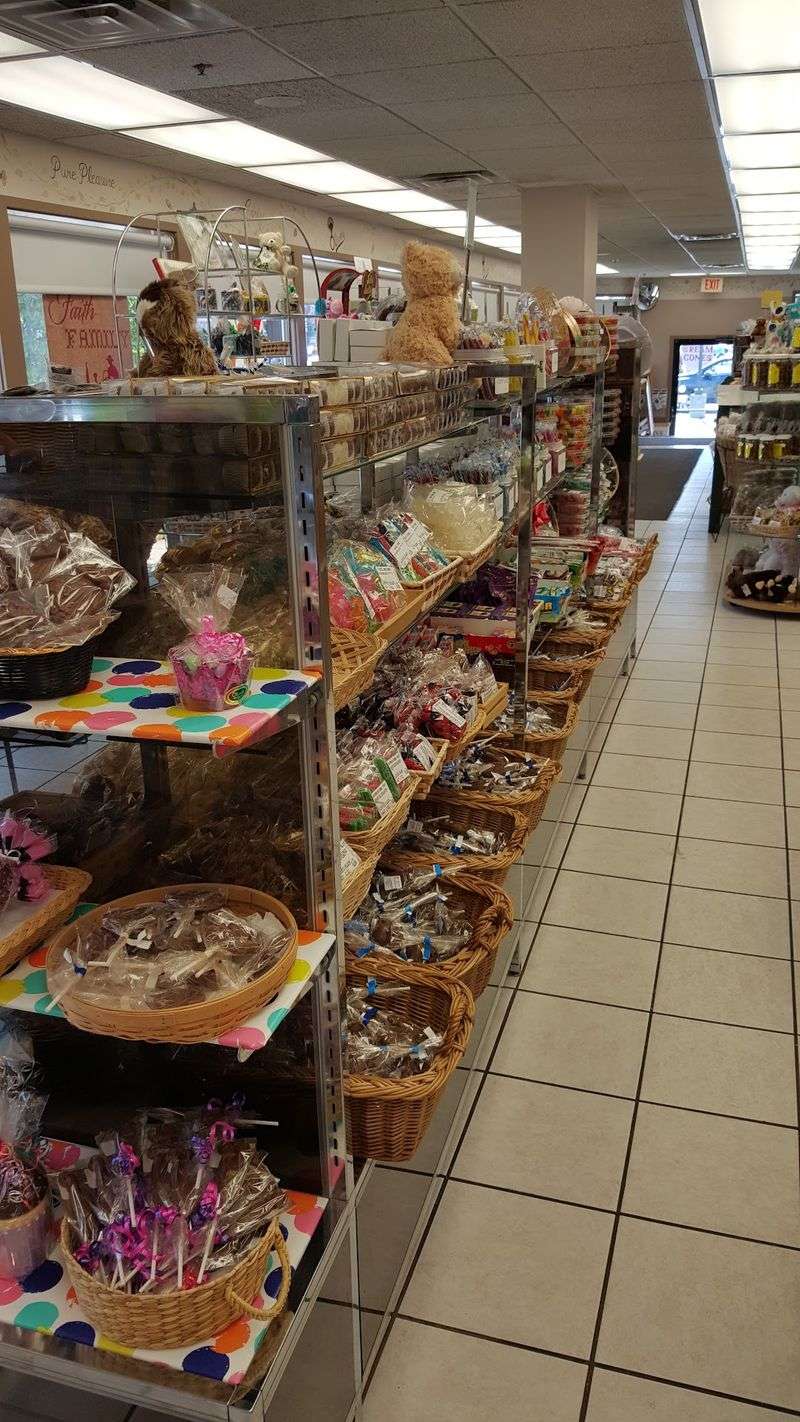
Sponge candy is serious business in western New York, and Oliver’s Candies has been part of Batavia since 1932. Its handmade confections have become a familiar stop for anyone traveling through Genesee County.
If you’ve never had sponge candy, you’re in for a treat. It’s a crisp, airy center wrapped in chocolate, with a texture that changes quickly from crunchy to delicate.
The shop also makes Cashew Glaze and Hostess Squares, two longtime specialties. French cremes, boxed assortments, and foil-wrapped candies give you plenty to compare before making a choice.
The business began when Joseph Boyd Oliver prepared peanuts at home and sold them to local shops. Over time, that small operation developed into the well-known candy company still operating today.
Not in a chocolate mood? The shop also serves ice cream and frozen custard during the warmer months.
Its distinctive chalet-style building stands at 211 W. Main St., Batavia, conveniently reached from the Thruway’s Batavia exit.
Oliver’s generally opens every day from 9 a.m. to 9 p.m., aside from a couple of major holidays. That’s useful flexibility for a road trip with several stops.
Take a look at the different sponge candy flavors before filling a box. The peanut butter and fruit-flavored varieties add their own twist.
Here’s a tip: buy a little extra sponge candy. It tends to vanish quickly in the car.
5. Cobblestone Museum
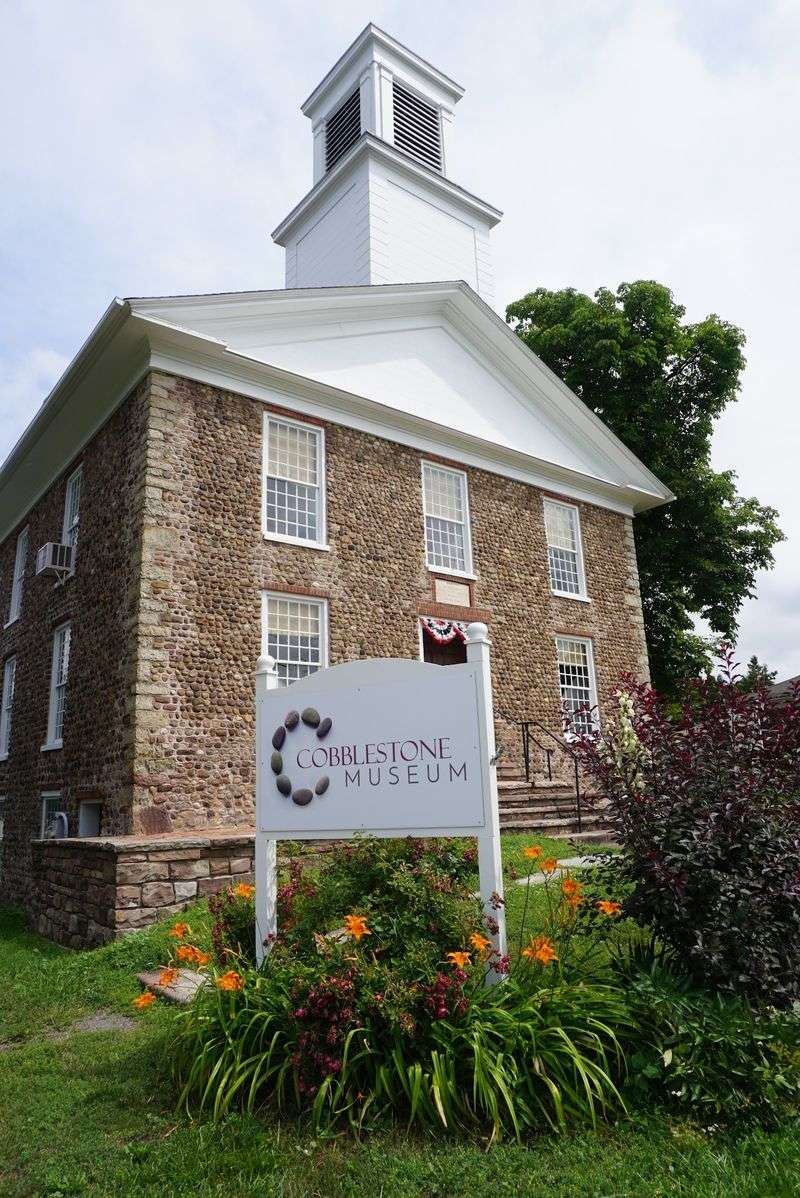
Most buildings use bricks or boards, but a whole style of architecture here was built from round stones. The Cobblestone Museum near Albion celebrates these unusual and beautiful structures.
This place is a National Historic Landmark. Its preserved buildings stand in the hamlet of Childs along historic Ridge Road, an old travel route across western New York.
The collection includes a cobblestone church from 1834, a cobblestone residence from 1836, and a schoolhouse completed in 1849. Additional wooden buildings contain exhibits on nineteenth-century trades and farm life.
What makes the walls fascinating is the careful arrangement of small, rounded stones in decorative rows. Look closely at the corners and doorways, where the craftsmanship is particularly easy to appreciate.
A guided tour generally takes about two hours and moves between several buildings. Many interiors involve steps, although the church’s lower level and an exhibit room offer more accessible options.
You’ll find the museum at 14389 Ridge Rd. W., Albion. Regular visiting days run Tuesday through Saturday, with guided tours scheduled in the morning and early afternoon.
The exhibits include a print shop, a harness shop, and a blacksmith shop, showing how local communities worked before modern factories became commonplace.
If you’re traveling with children, challenge them to compare the patterns in different walls. It’s a surprisingly absorbing way to appreciate the skill behind these remarkable buildings.
6. Iroquois National Wildlife Refuge
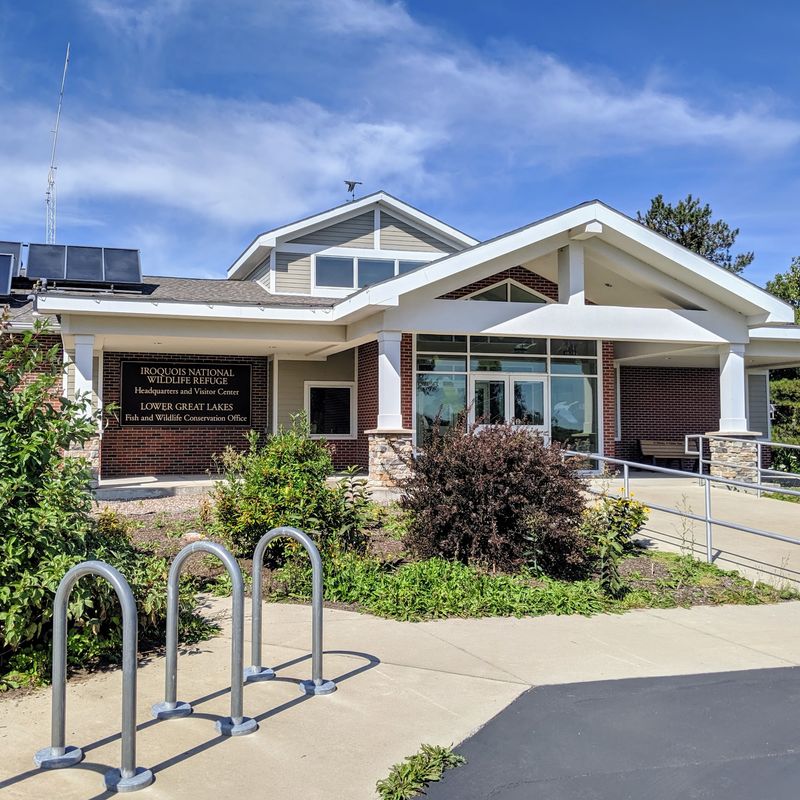
Bald eagles live here, and they don’t charge admission to show off. Iroquois National Wildlife Refuge in Basom is a peaceful stretch of marshes, ponds, and trails.
The refuge lies between the Oak Orchard and Tonawanda wildlife management areas, protecting wetlands, forests, and grasslands used by migratory birds and other animals. Spring migrations bring especially lively activity around the pools.
Bring binoculars for ducks, herons, and other waterbirds. Depending on the season, you might also spot turtles, frogs, butterflies, or a white-tailed deer moving through the surrounding vegetation.
Start at the visitor center, 1101 Casey Rd., Basom. It’s open Tuesday through Saturday, generally from 9 a.m. to 4 p.m., with exhibits, bird guides, and information on the trails.
The Headquarters Nature Trail follows an accessible gravel loop of about 1.1 miles through several habitats. Other overlooks offer chances to watch waterbirds without wandering into sensitive areas.
Outdoor trails are open from sunrise to sunset throughout the year, although winter snow isn’t cleared. From March through September, visitors must remain on designated public routes to protect wildlife.
Bringing your pup? Dogs may accompany you on a leash no longer than ten feet, with owners responsible for cleaning up afterward.
This is a lovely break from the highway. Take your time, listen to the birds, and let the wetlands set the pace.
7. Akron Falls Park
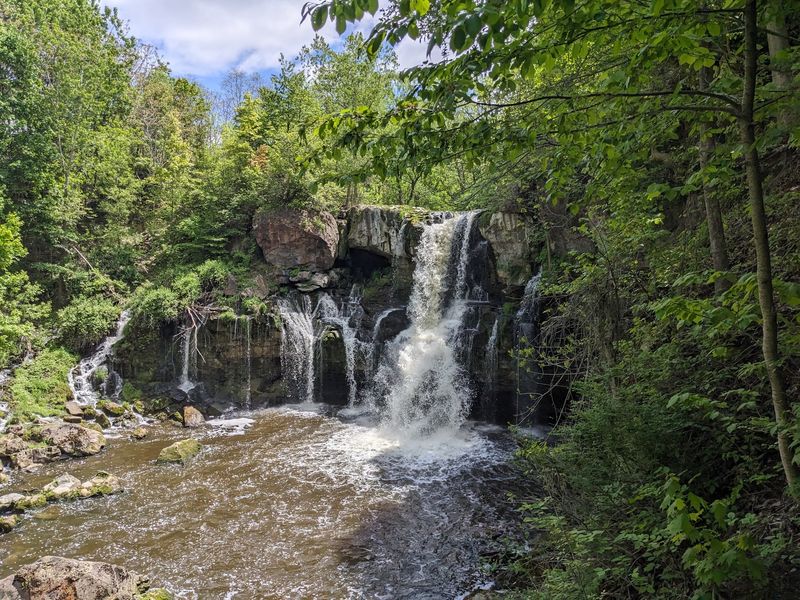
A 40-foot waterfall just a short walk from a village downtown sounds almost too easy. Akron Falls Park makes it happen in eastern Erie County.
The park covers about 284 acres, with woods, fields, and a dramatic gorge carved by the creek. Water spills over layered rock, especially in spring or after substantial rainfall.
There’s something wonderfully surprising about hearing the falls before seeing the cascade below the trees. The viewpoint can be reached on foot, though some approaches are uneven or steep, and the deeper gorge trails demand extra care.
Families have plenty of options away from the cliffs. Playgrounds, picnic shelters, and open lawns make the park a useful break during a long drive.
Sports facilities include courts and playing fields, while trails provide quieter opportunities to enjoy the woodland surroundings. Leashed dogs can join the outing, too.
A rock garden and older park structures add small discoveries beyond the waterfall itself. Winter brings opportunities for skating, sledding, and cross-country skiing when conditions cooperate.
The park entrance is off 44 Parkview Dr., Akron. Summer hours extend into the evening; during the colder season, access is from morning until dusk.
If you’ve been sitting in the car too long, this is an easy place to stretch your legs. The waterfall is the headline, but the greenery makes staying longer tempting.
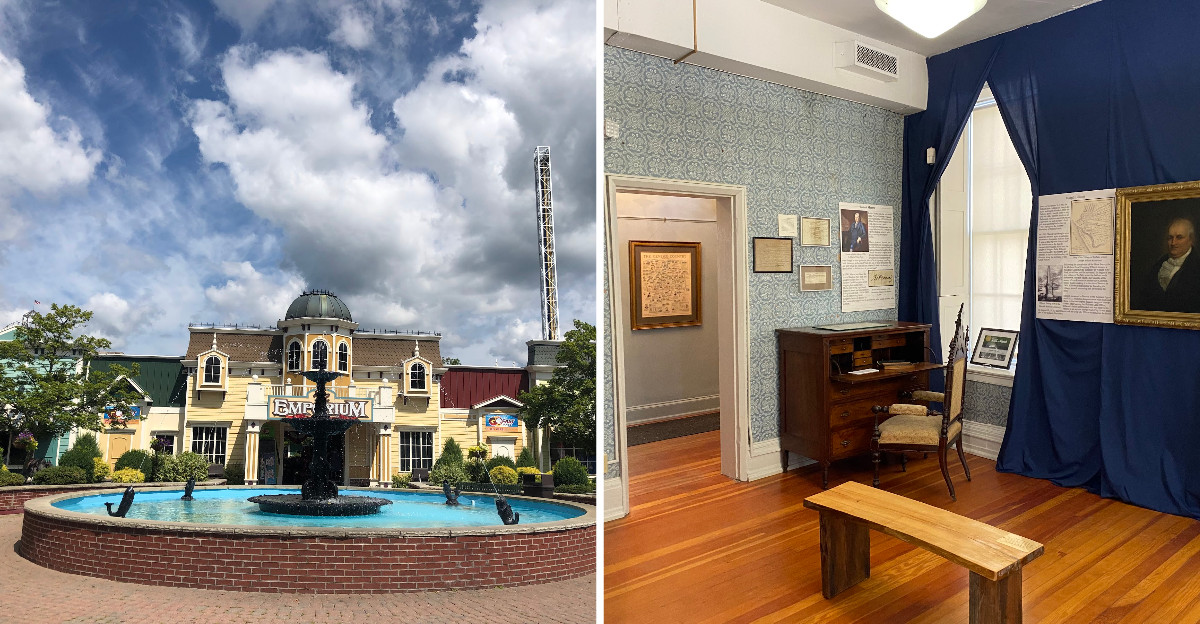
8. Six Flags Darien Lake
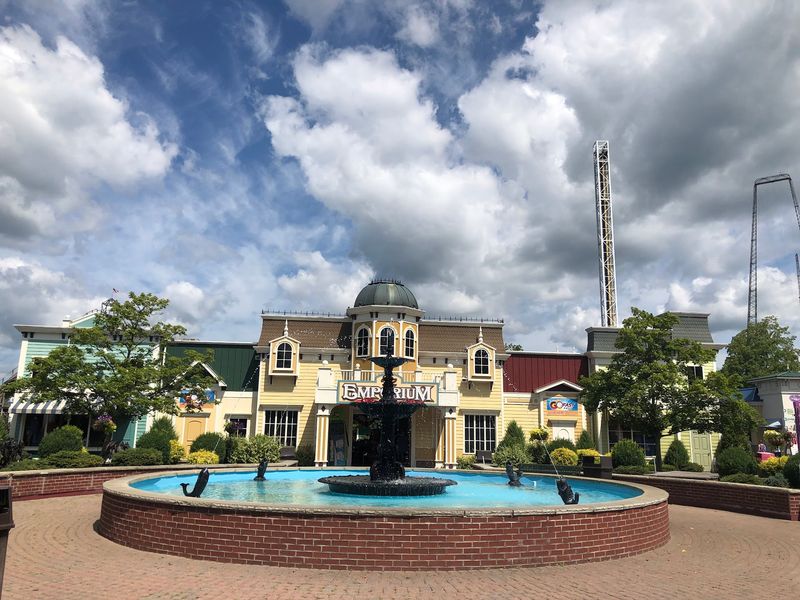
Screaming is completely acceptable at this stop. Six Flags Darien Lake packs roller coasters, water attractions, and family rides into the Genesee County countryside.
Thrill seekers should head straight for Ride of Steel. It climbs 208 feet and reaches speeds above 70 miles per hour, offering a sweeping view before the long first descent.
Then there’s Sky Screamer, a swing ride that lifts riders as high as 242 feet. Looking up at those circling seats may be exciting enough for anyone who prefers their feet on the ground.
Not everyone in your group wants enormous drops, and that’s fine. The park also has gentler rides for children and families, including its classic carousel.
On hot days, Hurricane Harbor adds wave pools, slides, and splash areas. The water park operates on a separate seasonal calendar, with the 2026 season running from late May into early September.
Want to stay longer? The resort has a lodge, campsites, and other overnight options, making it possible to build a weekend around the attractions.
Find the park at 9993 Alleghany Rd., Corfu, near the Thruway. The theme park operates seasonally rather than year-round, so choose a confirmed opening date before setting out.
Wear comfortable shoes, check ride height requirements, and build in breaks for the whole group. Save some energy for one last coaster before heading home.
9. Holland Land Office Museum
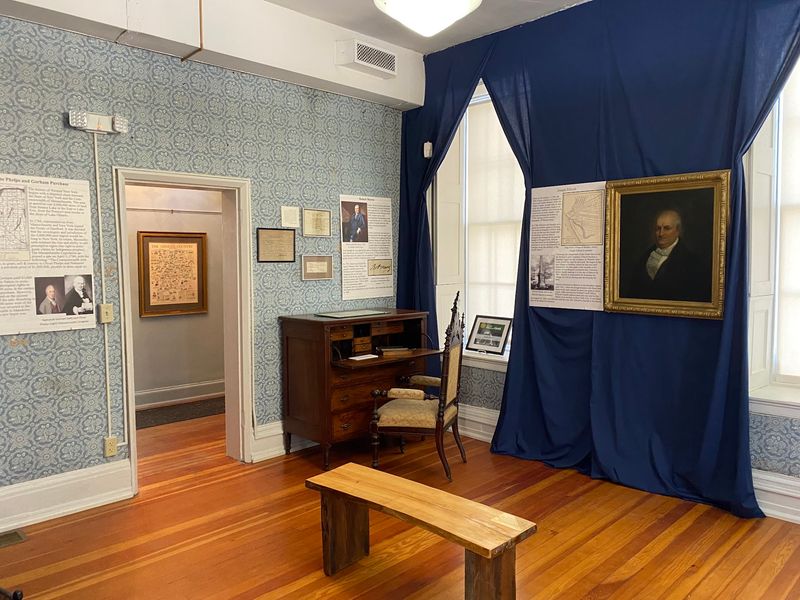
Western New York’s frontier story has a home base in downtown Batavia. The Holland Land Office Museum explores how the region developed through land surveys, settlement, and trade.
The building itself is part of that history. Constructed in 1815, it served as an office for the Holland Land Company, whose extensive holdings influenced the growth of western communities.
Historical maps, records, and artifacts connect the building to the early development of Batavia and the surrounding counties. A visit here normally reveals how an enormous tract of land became towns, farms, and roads.
Right now, there’s an important visiting detail. The museum building temporarily closed on November 2, 2026, for restoration, with reopening yet to be scheduled.
Work includes repairs to masonry, windows, the roof, and interior rooms. The historic exterior remains an interesting landmark to recognize along West Main Street, though construction may affect access around it.
Museum programs continue at other Batavia venues, including the Richmond Memorial Library and GO ART!, with locations announced for individual events.
The original museum address is 131 W. Main St., Batavia, close to several other historic downtown buildings.
It’s still worth including in a history-focused itinerary, especially when a museum event aligns with your travel date. For now, plan around the off-site programming rather than expecting to explore the exhibits inside.
10. Bent’s Opera House Hotel & Wedding Venue
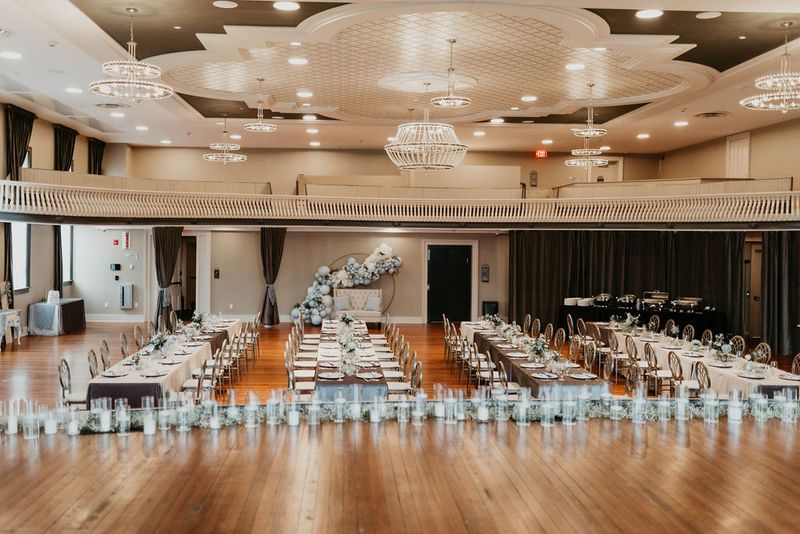
Opera houses used to be the main stage of small-town life, and Medina saved a beautiful one. Bent’s Opera House has been restored into a boutique hotel, event venue, and restaurant.
The sandstone building dates to 1865, when Don Carlos Bent created a grand entertainment space on the village’s Main Street. It later hosted performances and public gatherings that made it a centerpiece of community life.
A major restoration brought the property back into use in 2021. Original features such as the stage, balcony, hardwood floors, and box seating remain part of the upper-level opera hall.
Today, ten individually designed guest rooms occupy the second floor, while the restored ballroom provides a setting for weddings and special events.
You don’t have to spend the night to enjoy the place, though. Harvest restaurant occupies the ground floor, with dinner served Wednesday through Saturday and Sunday brunch.
The restaurant’s menu includes dishes such as French onion soup, stuffed banana peppers, and seasonal salads, with a polished dining room inside the historic structure.
Medina’s canal district is only a short walk away, making it easy to combine a meal with a stroll around town. The building’s address is 444 Main St., Medina.
Reservations are helpful for dining, while visits to event spaces depend on bookings. It’s a lovely example of historic architecture finding an entirely new role.