Nez Perce History Unfolds Across The Visitor Center Exhibits At Spalding, Idaho
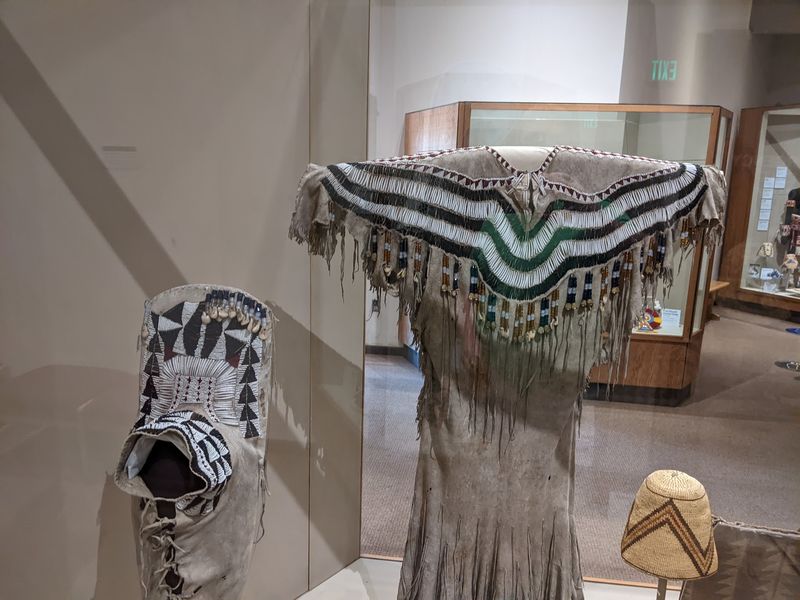
A traditional Nez Perce canoe sits inside a museum along a busy Idaho highway. Nearby, some artifacts from an ancient rock shelter dig are actually touchable.
The people who made this place home call themselves Nimiipuu. Their band lived on this ground for more than 11,000 years.
That number stopped me cold the first time I read it.
The exhibits trace beadwork, horse gear, fishing tools, and a traditional seasonal year. They also follow hard chapters, from treaties and land loss to the long journey of 1877.
I like how the story keeps going right up to the present day.
Outside, the grounds hold old cemeteries, mission remnants, and quiet river trails. A short film ties it all together in under half an hour.
So how much of this corner of Idaho have you actually seen?
A Park Headquarters That Sits Right On Highway 95
Most national parks have one big entrance gate. Nez Perce National Historical Park has 38 separate sites spread across Idaho, Montana, Oregon, and Washington.
The visitor center at Spalding serves as headquarters for that whole sprawling network. Think of it as the front desk for a park that refuses to stay in one state.
Spalding sits in north-central Idaho, close to the Clearwater River. It lies roughly 10 miles east of Lewiston and about 3 miles north of Lapwai.
That makes it an easy pull-off for anyone driving Highway 95. You don’t need a mountain expedition to reach real history here.
Congress created the park in 1965 to preserve Nez Perce history and culture. Spalding was chosen as the main hub from the start.
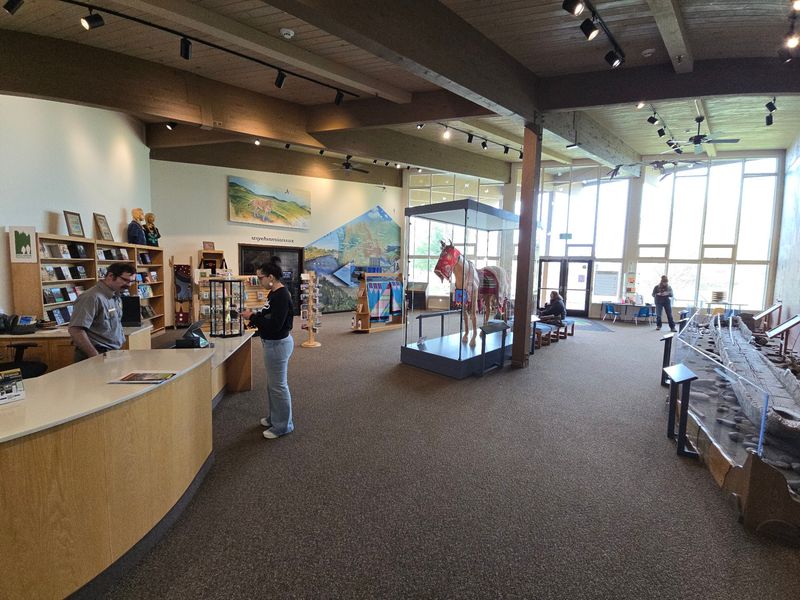
The modern building holds a museum, a theater, a park store, and a research center. The surrounding 99 acres add trails, historic buildings, and a large picnic area.
So one stop gives you an indoor museum and an outdoor walk. For a single exit off the highway, that’s a pretty generous deal.
Eleven Thousand Years Of Living Along The Clearwater
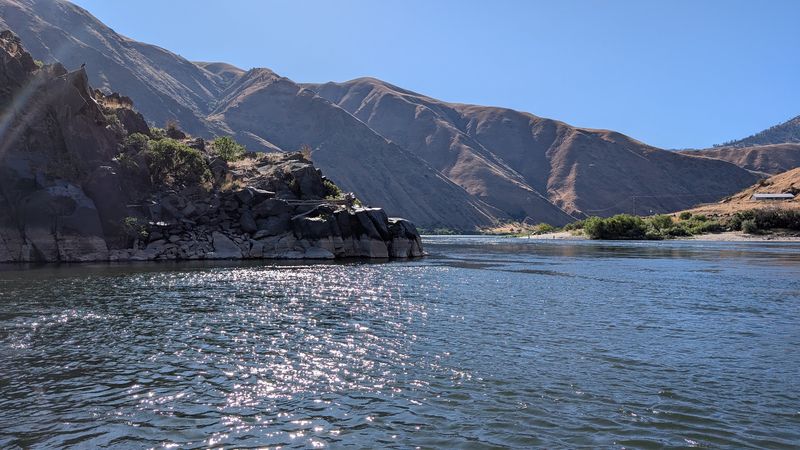
Long before anyone called this spot Spalding, it was Lapwai. The name changed officially in 1897, but the deeper story started far earlier.
The Thlep-thlep-weyma band of Nez Perce lived here for more than 11,000 years. That’s a timeline that makes most family histories look like a weekend trip.
In 1836, missionaries Henry and Eliza Spalding arrived and set up a mission. They built a home, meeting house, school, church, and blacksmith shop.
A sawmill and gristmill followed, along with irrigation systems. Those changes reshaped the land and the lives of the people already here.
The site went through more chapters after that. In 1935, the Idaho State Legislature preserved the old mission grounds as Spalding Memorial State Park.
Thirty years later, the national park took over the role. The layers of time stack up right on this single stretch of riverbank.
I believe knowing that backstory makes every exhibit inside feel heavier. You’re not reading about a faraway place on a placard.
You’re standing on the very ground the story describes.
Beadwork, Horse Gear, And Treasures Worth Leaning In For
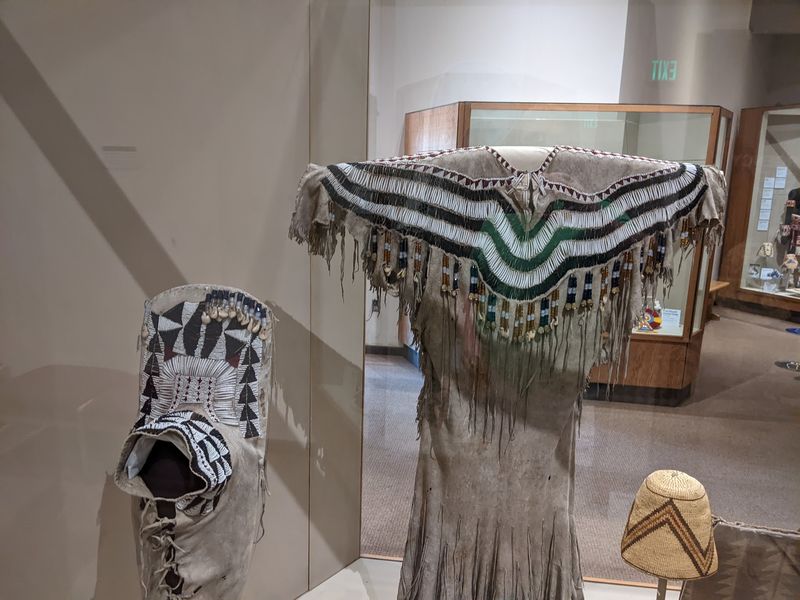
Bring your reading glasses, because the detail on these objects rewards a close look. The museum collection features Nez Perce clothing, tools, weapons, and ceremonial objects.
Beadwork and horse gear hold a special place among the displays. The Nez Perce were famous horse people, and the gear reflects real skill and pride.
Exhibits walk through a deep connection to the land first. Then they move into early encounters with the Lewis and Clark Expedition.
That meeting happened at Weippe Prairie in 1805, another of the park’s sites. The museum helps you understand why it mattered so much on both sides.
Later displays cover the arrival of missionaries and settlers. Treaties and land loss get honest attention, too.
The story does not stop in the 1800s. Displays carry the Nimiipuu story forward, showing a culture that continues today.
That choice makes a big difference. Instead of a dusty museum about the past, you get a living people telling where they’ve been.
Plan to spend more time here than you expect, because the cases keep pulling you back for one more look.
The Canoe, The Fish Traps, And A Year Measured In Seasons
Salmon season, root digging, hunting trips, winter villages. The traditional Nez Perce year moved with the land, and one exhibit lays out that rhythm.
It’s a clever way to see daily life as a full circle. Calendars on our phones suddenly feel a little less impressive.
A traditional Nez Perce canoe anchors part of the gallery. Fishing implements sit nearby, showing how rivers fed families for generations.
Seeing the tools makes the Clearwater outside feel different. That river wasn’t scenery.
It was a pantry, a highway, and a home all at once.
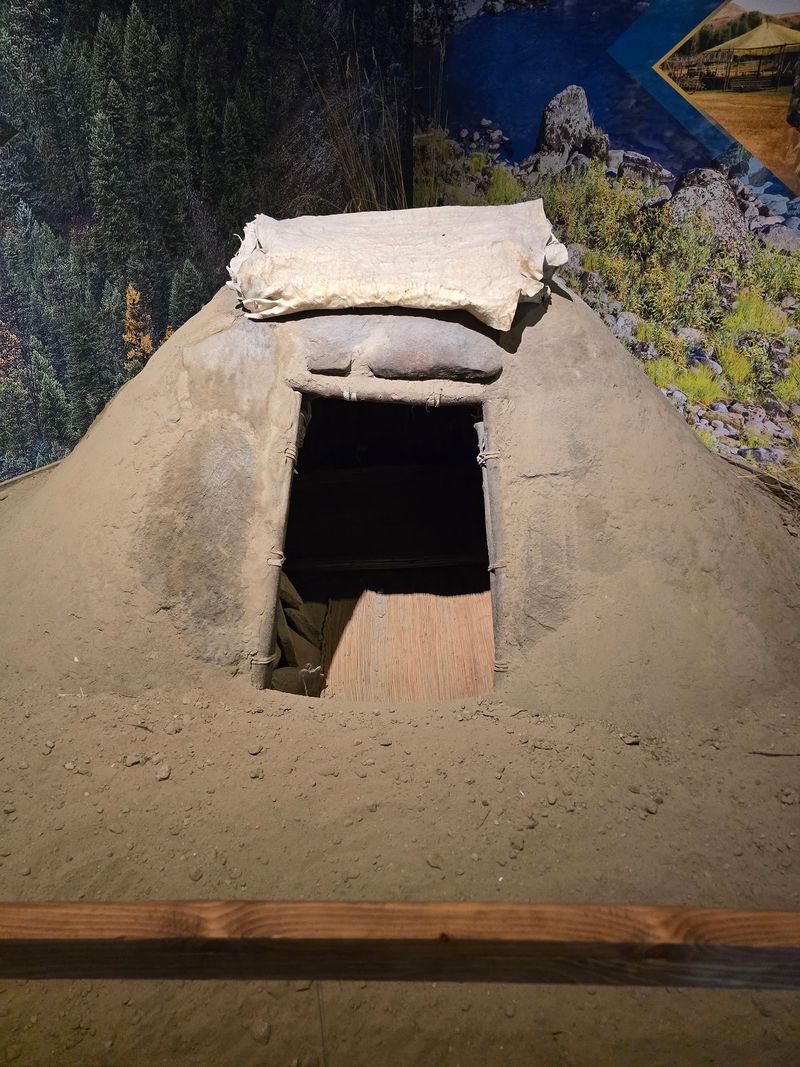
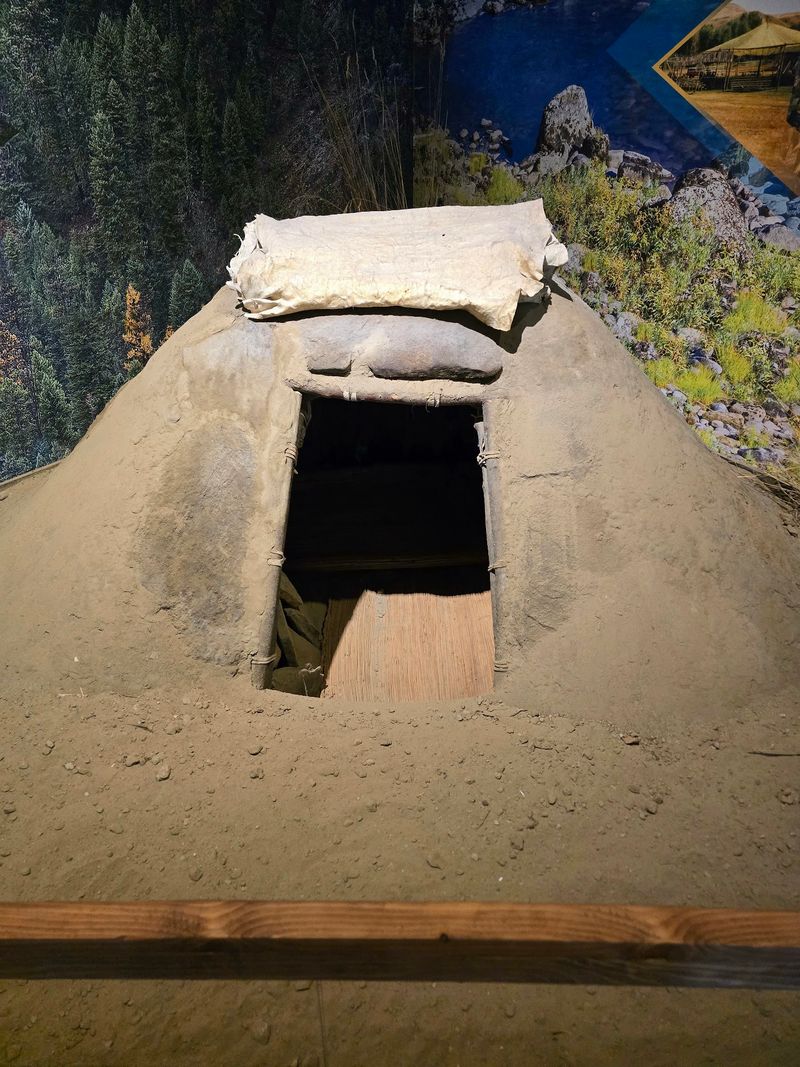
Then there’s the Weiss Rock Shelter material. Artifacts from that excavation appear in the exhibits, and some of them are touchable.
Kids will love that part, and honestly, so will the adults. Feeling an ancient object in your hand connects you to history faster than any sign could.
I can’t imagine a better hands-on lesson for young visitors. It turns a long timeline into something you can actually hold, just for a moment.
Twenty-Three Minutes That Tie The Whole Story Together
Short on time? The park film is the smartest 23 minutes you’ll spend at Spalding.
It goes by two titles, “Of One Heart” or “Nez Perce: Portrait of a People.” Either way, it covers the Nez Perce story from before Euro-American contact to the present.
The theater sits right inside the visitor center. That means you can watch first and explore the exhibits with fresh context.
I like that order best. Once the film lays out the big picture, every artifact case makes more sense.
The film also helps with the park’s tricky layout. With 38 sites across four states, it’s easy to feel lost about how the pieces connect.
A clear overview helps you decide which other sites to visit later. Maybe Weippe Prairie calls to you, or a battlefield further along the 1877 route.
Grandparents, curious teens, and history buffs can all sit together for this one. It’s a calm, shared starting point before everyone scatters toward the parts they love most.
Mission Ruins, Old Cemeteries, And Quiet River Trails
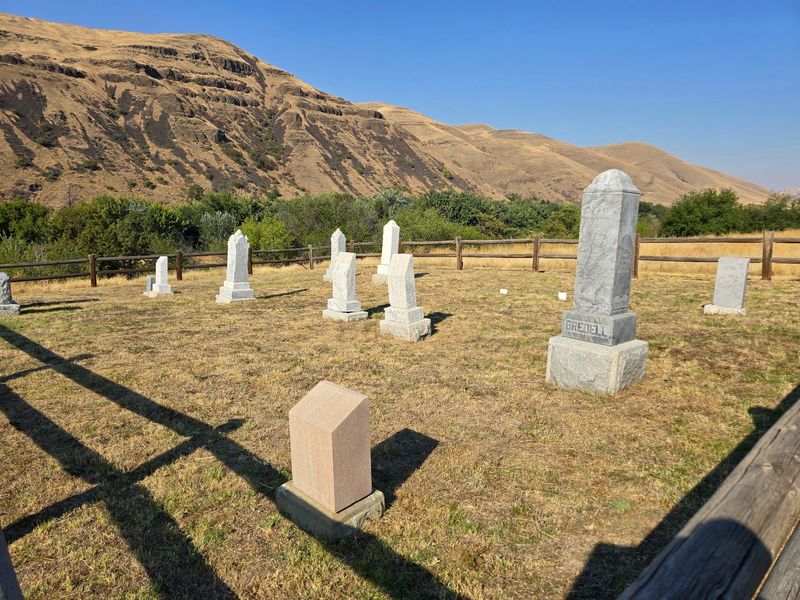
Step back outside and the history keeps going for 99 acres. Four short interpretive trails wind through the historic area, linked by signs that explain each stop.
Maps are available, along with a guide for the river trail. It’s an easy way to stretch your legs after the museum.
Watson’s Store stands among the historic buildings. You’ll also find the Indian Agency’s cabin and the agent’s residence.
Remnants of the 1836 Spalding Mission remain on the grounds. Archeological remains of the gristmill, sawmill, and millraces trace early industry along the water.
The Lapwai Mission Cemetery is one of the most moving stops. Henry and Eliza Spalding rest here, along with many Nez Perce people.
Please walk it gently and respectfully. It’s a reminder that the stories inside the museum belong to real families.
Dogs are welcome on the grounds, typically on a leash. That makes this a rare history stop where the whole household, four-legged members included, can tag along without anyone waiting in the car.
Summer Is When The Rangers Pitch Tipis
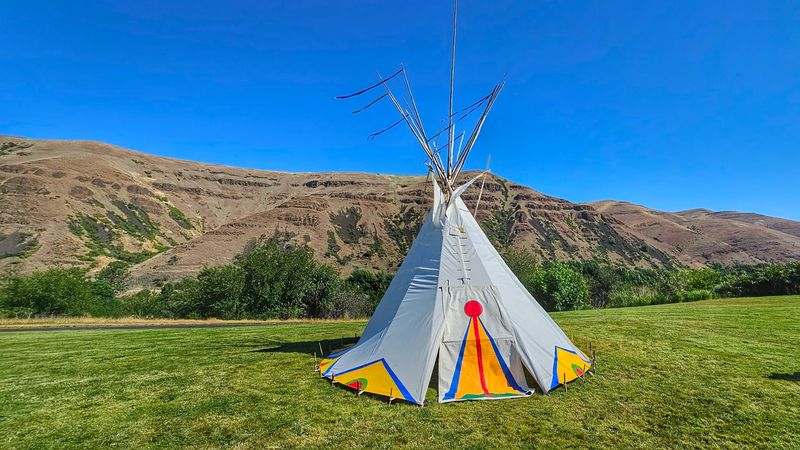
Timing matters here, and summer brings the extra goodies. From Memorial Day to Labor Day, park staff often lead guided walks, talks, and museum tours.
Tipi pitching demonstrations show up in that season, too. Watching one go up teaches more than a diagram ever could.
Ranger programs actually run throughout the year. Talks and demonstrations cover Nez Perce traditions, history, and the various park sites.
So winter visitors still get a chance to learn from staff. Summer just adds more variety and more time outdoors.
The picnic area makes summer visits even easier. Pack a lunch, catch a program, and let the kids burn off energy on the lawn.
Families with grandkids, school groups, and retirees on a slow road trip all fit right in. The pace is relaxed and nobody rushes you.
Programs can shift, so check the schedule before driving. A little planning could land you right in time for a demonstration instead of just missing it by an hour.
Everything You Need Before Heading To Lapwai
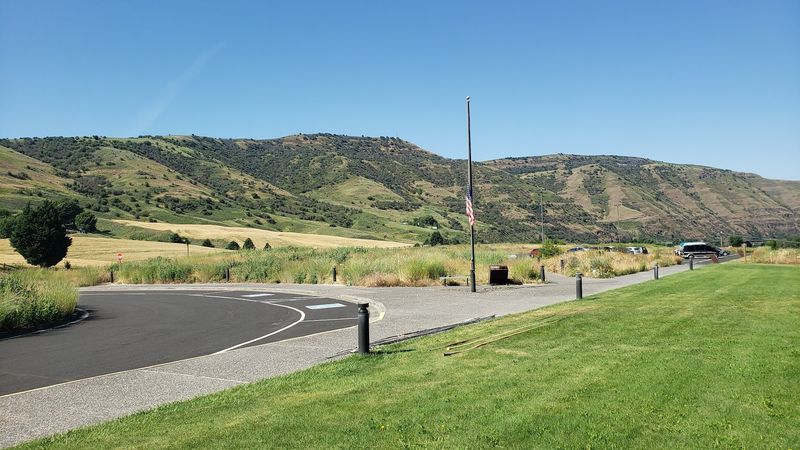
Plug 39063 US Hwy 95, Lapwai, ID 83540 into your map and you’re set. The turnoff sits right along the highway in north-central Idaho.
Parking works for cars, buses, and RVs. That’s welcome news for anyone hauling a camper through the Clearwater country.
Hours change with the seasons. Summer brings daily openings, while the colder months trim the schedule to five days a week.
The center also closes on several federal holidays and around Christmas and New Year’s. Check before driving so you don’t end up admiring a locked door.
Accessibility is solid. The site offers accessible restrooms, drinking water, picnic tables, and wheelchair access.
The park store is run by Discover Your Northwest, an official nonprofit partner of the National Park Service. It stocks books, media, and educational games tied to the park’s mission.
Scholars have a bonus stop, too. The research center inside holds about 3,000 non-circulating items, including theses, reports, and periodicals for on-site study.
Bring a notebook if you plan to dig deep.
Why This Stop Belongs On Your Next Idaho Drive
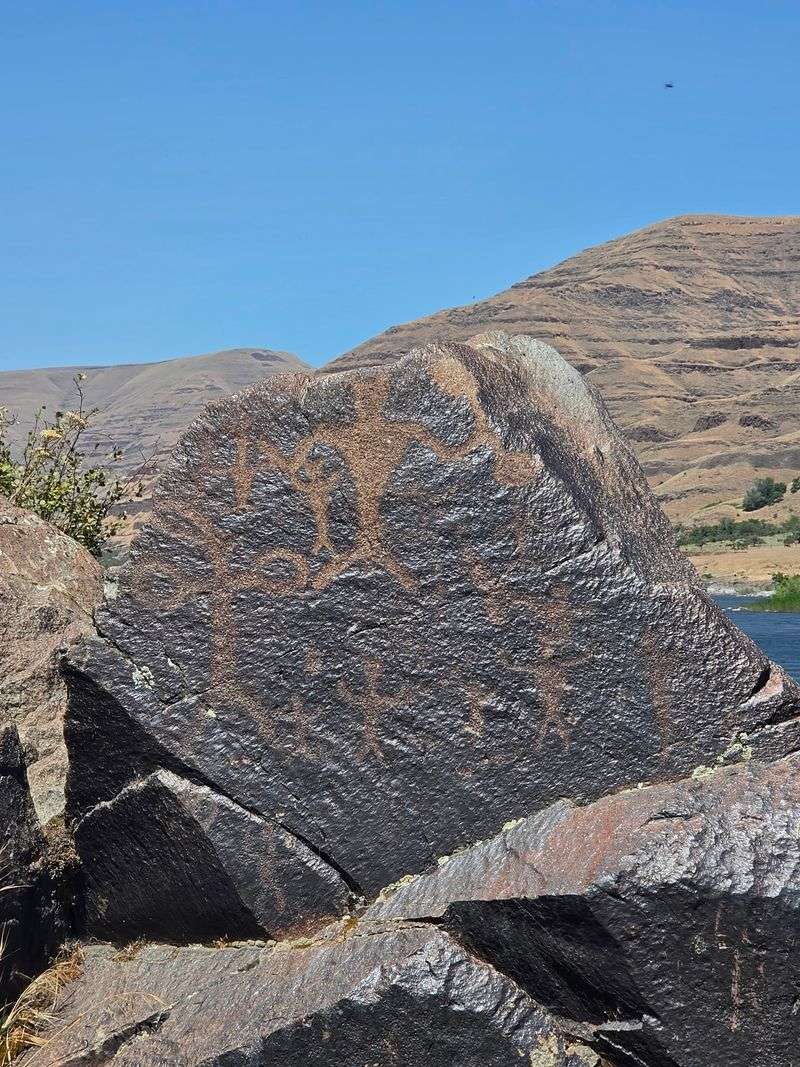
Plenty of road trips blur together into gas stations and fast food. A stop at Spalding gives yours an actual story.
Nez Perce National Historical Park packs thousands of years into one approachable visit. The museum, film, and trails each add a different piece.
It suits families looking for a low-key outing that still teaches something. It suits history lovers who want depth without a long hike.
Dog owners, picnic fans, and highway travelers all get something here. That’s a wide welcome for one small campus near the river.
The best part might be the honesty. Exhibits don’t skip the hard chapters, yet they celebrate a culture that’s very much alive.
For Idahoans, it’s a chance to understand the people who shaped this land first. That feels worth an afternoon, maybe more.
Once you leave, the other 37 sites start calling. Weippe Prairie, battlefields, and river spots stretch across four states.
Spalding just happens to be the perfect place to begin, and I suspect you’ll be planning the next stop before you reach the parking lot.