9 No-Reservation Campgrounds In Arizona For A Spontaneous Escape
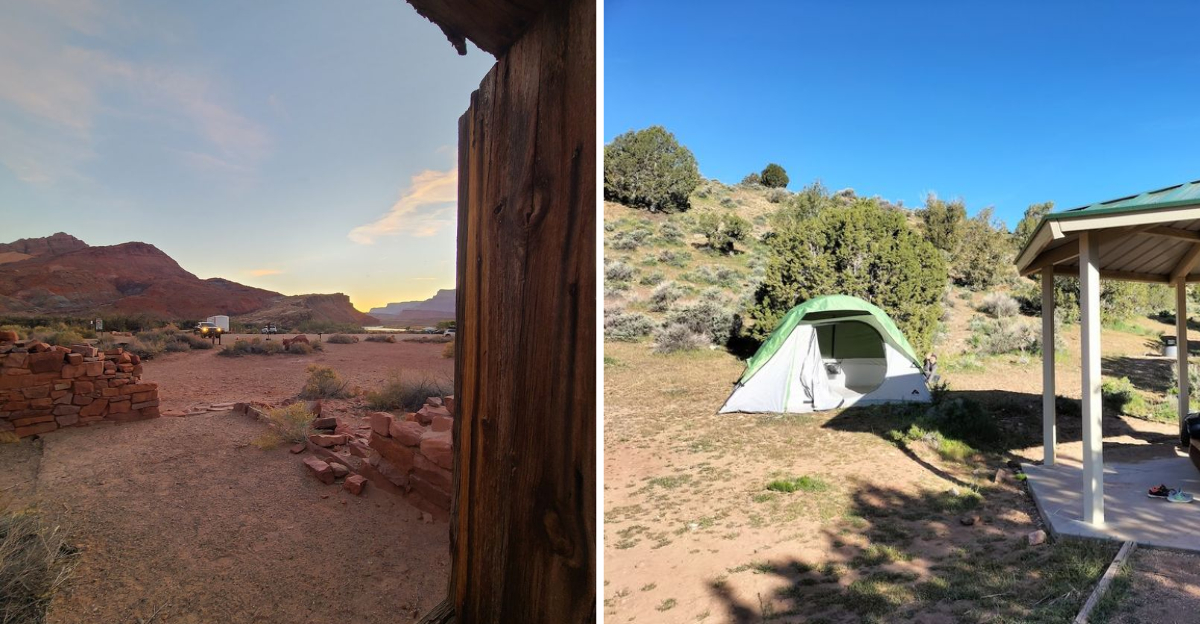
Friday afternoon, camping gear ready, absolutely nothing booked. I know that sounds risky, but it can still work.
Arizona has first-come campgrounds where spontaneous weekends can lead toward pine forests, canyon country, lakes, and wonderfully simple nights outdoors.
These spots offer something advance reservations cannot: the thrill of deciding to go and actually going.
Availability naturally varies, so arriving early can make a big difference during popular periods. Still, that flexibility is incredibly tempting.
A free weekend no longer has to stay empty just because planning started late.
Keep the camping gear organized and the cooler handy. Your next escape might begin with nothing more complicated than picking a direction.
1. Desert View Campground, Grand Canyon National Park
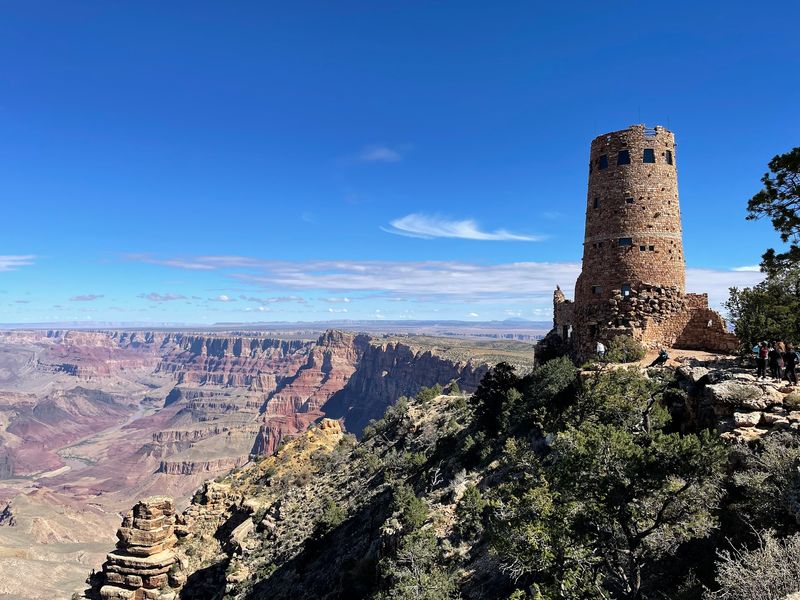
You can camp minutes from the Grand Canyon’s South Rim without booking a thing. Ten-X Campground sits in Kaibab National Forest, about 10 miles south of the park’s south entrance.
Most of its 70 sites run first-come, first-served, tucked among ponderosa pines and gambrel oaks. Two large-group sites are the only ones that require reservations.
The season usually runs from May through September. Arriving before noon gives you the best shot at a site during peak summer weekends.
What makes this corner special is the crowd size. Most day trippers cluster near Mather Point and Yavapai. Out east, the rim goes quiet after sunset.
Climb the watchtower before it closes for wide views toward the Painted Desert. The Colorado River makes a dramatic bend below. Sunrise from the nearby overlooks is worth setting an alarm.
Bring everything you need. A small general store sits nearby, but stock is limited. Fill water containers before you settle in for the night.
Elevation here tops 7,400 feet, so nights turn chilly fast. Even July evenings call for a jacket and a warm sleeping bag.
Campfires depend on current fire restrictions, which change often in dry years. Check the park website the morning you leave home.
Stargazing is the quiet headliner, since the park holds dark sky certification. Lie back and let the Milky Way do the entertaining.
2. Bear Canyon Lake Campground, Apache-Sitgreaves National Forest
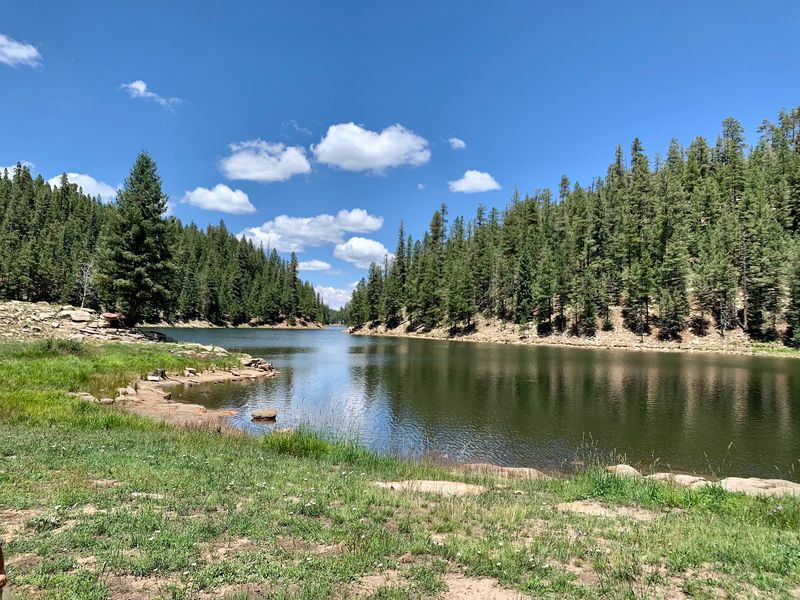
If you ask me, a lake hidden inside a narrow canyon beats a crowded shoreline every time. Bear Canyon Lake Campground sits roughly 25 miles west of Heber, tucked into the Apache-Sitgreaves National Forest.
Getting there means driving forest roads off the Rim Road. A high-clearance vehicle helps after rain. The last stretch is slow, dusty, and completely worth it.
Sites are simple and spread among tall pines. No hookups, no showers, no fuss. You park, you unload, you breathe.
The lake itself is long and skinny, carved between steep canyon walls. Only electric motors are allowed, which keeps the water calm and quiet. Anglers come for trout, and mornings on the water are glassy.
Elk wander through at dawn more often than you would expect. Wild turkeys show up too. Keep food sealed and stored, because black bears live in these woods.
A trail leads down from the rim to the shoreline, and it is steeper than it looks. Carry your gear in one trip if you can manage it.
Summer temperatures stay mild thanks to the elevation near 7,500 feet. Afternoon monsoon storms roll in during July and August, so pitch your tent on higher ground.
Cell service is basically nonexistent. Download maps before you leave pavement. Pack out everything, since trash service is minimal. Leave the canyon exactly as quiet as you found it.
3. Canyon Point Campground, Near Heber
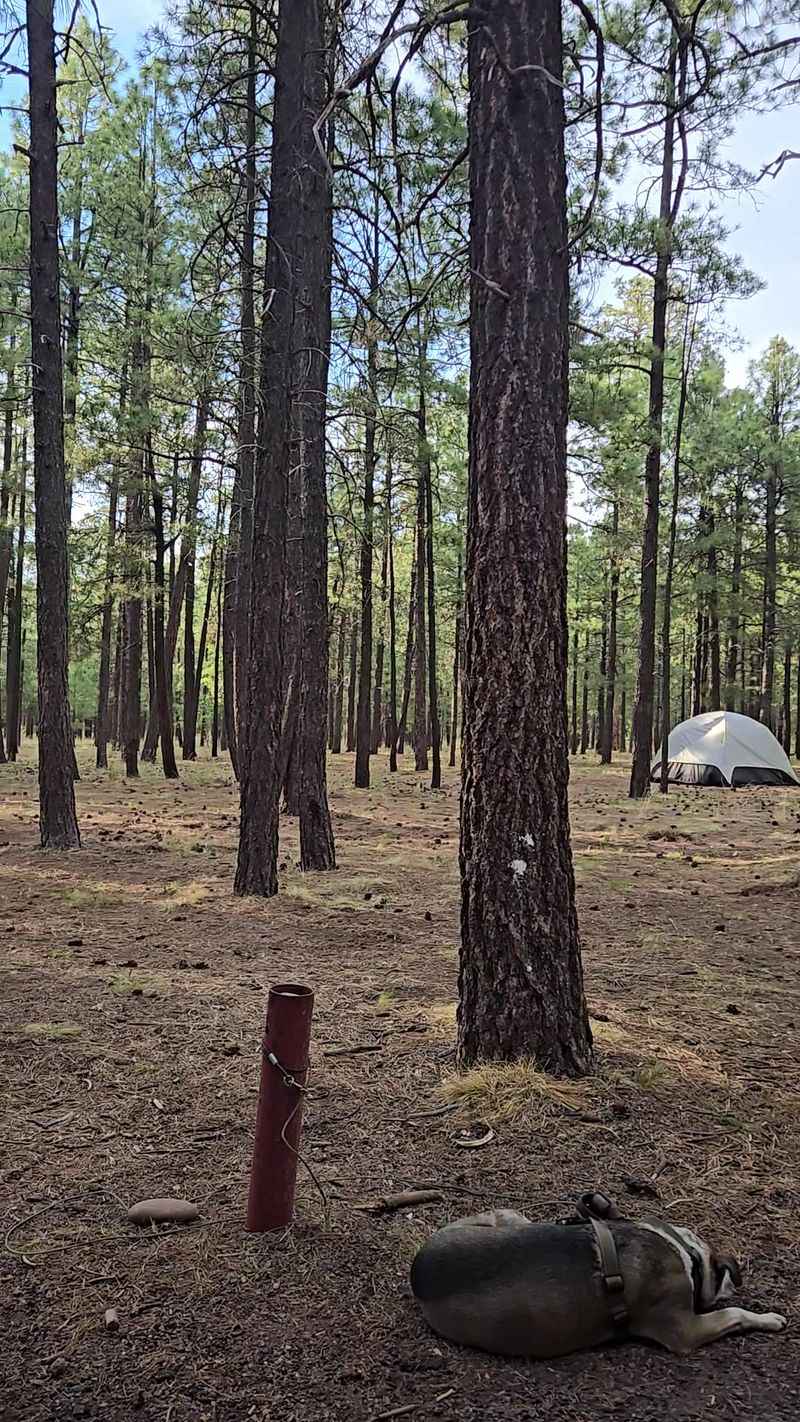
Sometimes you want pine trees without earning them on a rough road. Canyon Point Campground sits 19 miles west of Heber, right along Highway 260 near the Mogollon Rim.
Around 20 sites here skip the reservation system entirely. The rest can be booked, which means late arrivals still have options. Roll in on a Thursday and your odds improve dramatically.
Ponderosa pines tower overhead and the ground is soft with needles. The scent alone justifies the drive.
Amenities are better than most first-come areas. Restrooms, drinking water, and showers exist here, which is a small luxury in rim country. Some loops even have electric hookups.
Elevation sits near 7,600 feet, so summer days hover pleasantly in the seventies. Phoenix campers escape here by the carload every June.
The Rim Lakes Vista Trail is close by and delivers big views over the Mogollon Rim escarpment. Woods Canyon Lake sits a short drive away for fishing and kayaking.
Bring layers, because nights drop sharply once the sun disappears behind the trees. A beanie in August is not overkill.
Wildlife includes deer, Abert’s squirrels with their tufted ears, and plenty of birds. Mornings come with a full soundtrack.
The season generally runs May through September, closing once snow threatens the highway. Grab a site, string up a hammock, and let rim country handle the rest of your weekend.
4. Manzanita Campground, Oak Creek Canyon
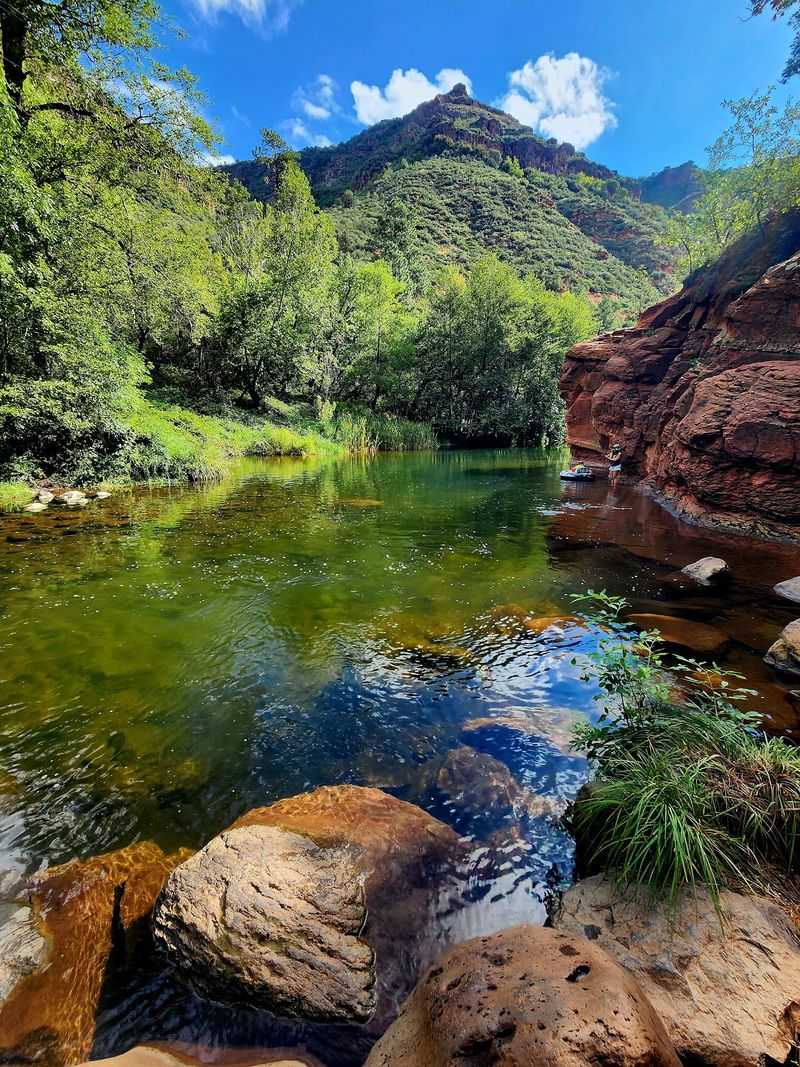
Seven sites. That is the entire inventory, so luck plays a starring role. Manzanita Campground rests in Oak Creek Canyon, just south of Slide Rock State Park along Highway 89A.
Every one of those sites is first-come, first-served. There is no waitlist and no phone call that helps. You show up early, or you keep driving.
RVs and trailers do not fit, plain and simple. The sites are compact and built for tents.
What you get in return is Oak Creek itself, flowing a few steps from your picnic table. Cottonwoods and sycamores shade the water. Red canyon walls rise on both sides.
Summer here is glorious because the creek keeps the air cool. Sedona sits about six miles south, close enough for a morning pastry run.
Wading in the creek is the main activity, followed closely by doing absolutely nothing. Bring water shoes, since the rocks are slick.
Slide Rock State Park is a short hop away and gets busy by mid-morning. Arrive before nine to avoid parking headaches.
Noise carries in a canyon this narrow, so the quiet hours matter. Neighbors will appreciate the courtesy.
The campground typically operates spring through fall, with vault toilets and drinking water available. Snag one of those seven sites and you have won the Oak Creek lottery for the weekend.
5. Pine Flat Campground, Oak Creek Canyon
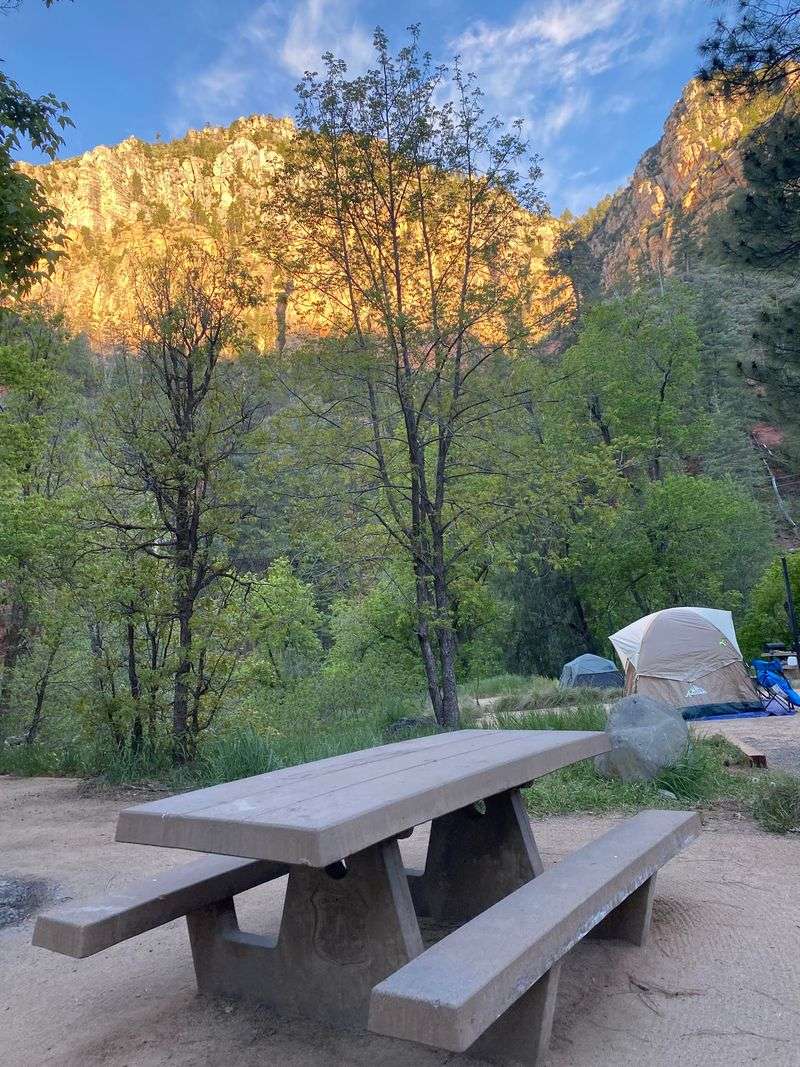
Here is a thought: a 56-site campground where most sites need no booking whatsoever. Pine Flat Campground sits in upper Oak Creek Canyon, close to the West Fork trailhead north of Sedona.
The majority of sites operate first-come, first-served. Weekends fill by Friday afternoon in peak season, so a weekday arrival is your friend.
Two loops sit on either side of Highway 89A. Both are shaded by ponderosa pines and towering canyon walls.
West Fork of Oak Creek is the headline hike nearby, a stream-crossing trail through a slot-like corridor. Expect wet feet and constant photo stops.
Drinking water and vault toilets are available, and some sites handle small RVs up to about 36 feet. No hookups, though.
Elevation near 5,400 feet keeps summer temperatures reasonable. Fall brings gold and crimson leaves to the canyon floor, which is the best-kept secret of the season.
Sterling Pass Trail climbs steeply from near the campground toward Vultee Arch. It is a leg-burner with a rewarding payoff.
Bears occasionally pass through, so use the food storage lockers where provided. The drive itself deserves credit, winding down switchbacks with pullouts that beg for a stop.
Set up camp, grab your trekking poles, and let the creek noise put you to sleep before nine.
6. Blue Ridge Reservoir Campground, Southwest Of Winslow
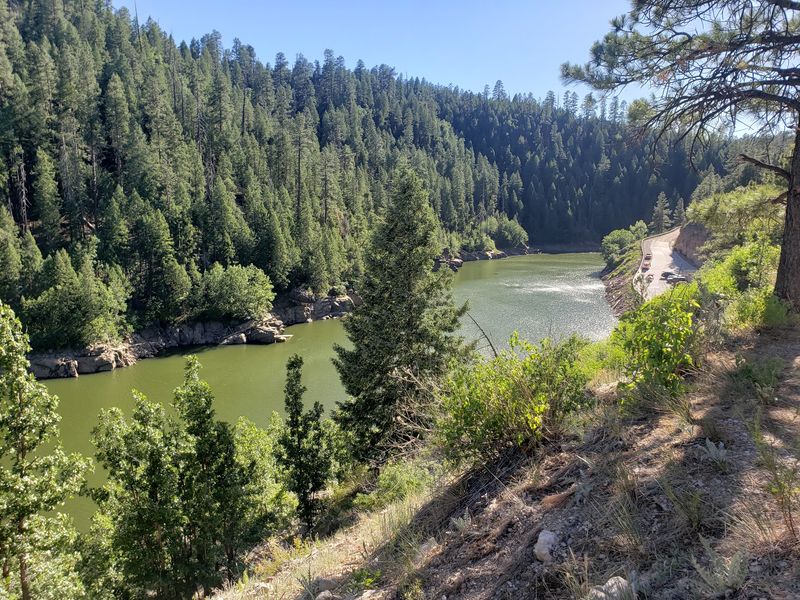
Ten sites and a reservoir shaped like a ribbon. That is the whole pitch, and it works. Blue Ridge Reservoir Campground sits about 40 miles southwest of Winslow, just off Highway 87.
Also known as C.C. Cragin Reservoir, the water snakes through a steep, forested canyon. Pine, oak, and aspen crowd the slopes above.
Sites are small and shaded, which makes them disappear quickly on summer weekends. Show up midweek and you might have the whole loop.
Boating is limited to small craft with low-horsepower motors. Kayaks and canoes rule here, gliding past canyon walls that block the wind.
Trout fishing draws anglers year-round when access allows. Early morning is prime time.
Hiking and biking trails thread through the surrounding Coconino National Forest. The Arizona Trail passes within reach for ambitious walkers.
Facilities are basic, with vault toilets and no hookups. Haul in your own water to be safe.
Autumn is the sleeper season, when aspens turn butter yellow against dark evergreens. Photographers quietly circle those weekends on the calendar.
The boat ramp road is steep and narrow, so take it slow with a trailer. Cell coverage fades quickly once you leave the highway, which honestly improves the experience.
Ten sites, one winding lake, and a forest that keeps its volume low. Get there early and claim your slice.
7. SB Cove Shoreline, Bartlett Lake
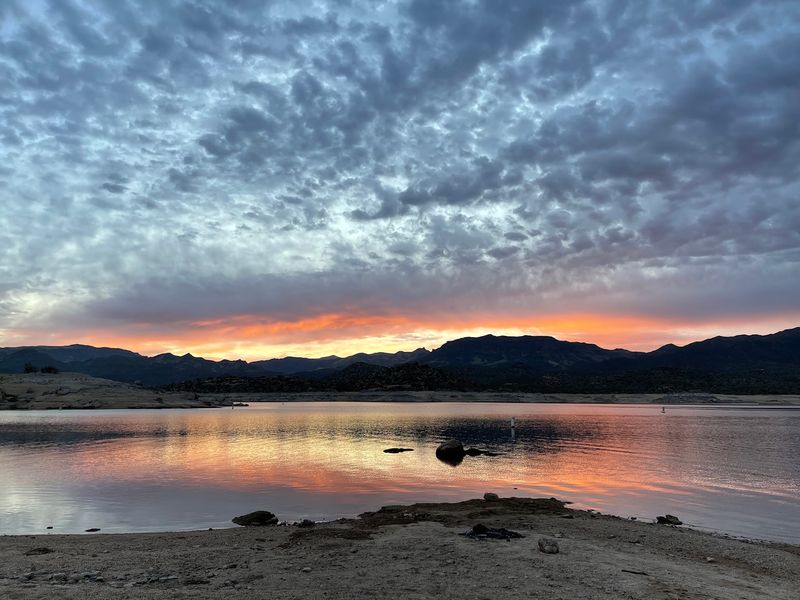
Beach camping in the Sonoran Desert sounds made up, yet here we are. SB Cove Shoreline sits along Bartlett Lake, northeast of Carefree and Scottsdale on Tonto National Forest land.
There are no numbered sites and no marked boundaries. You drive down toward the water and pick your patch of sand.
Quiet hours do not officially exist, which tells you something about the weekend energy. Boaters, families, and paddleboarders share the shoreline.
Saguaros stand on the hills behind you while the lake stretches out in front. The contrast is pure Arizona.
A Tonto Pass is required for parking, so buy one before you arrive. Vendors sell them in Cave Creek and nearby towns.
Facilities are minimal, meaning portable toilets at best. Pack a shovel, trash bags, and far more water than you think you need.
Spring is the sweet season, when wildflowers dot the desert and daytime highs stay comfortable. Summer heat is genuinely intense, so plan accordingly.
Water levels shift throughout the year, which changes how much beach exists. Check conditions before committing.
Sunsets here turn the lake copper and pink, and the reflection doubles the show. Shade is scarce, so bring a canopy or a large tarp.
Roll in with a cooler, a folding chair, and zero itinerary. The shoreline handles the rest without asking permission.
8. Stateline Campground, House Rock Valley Road
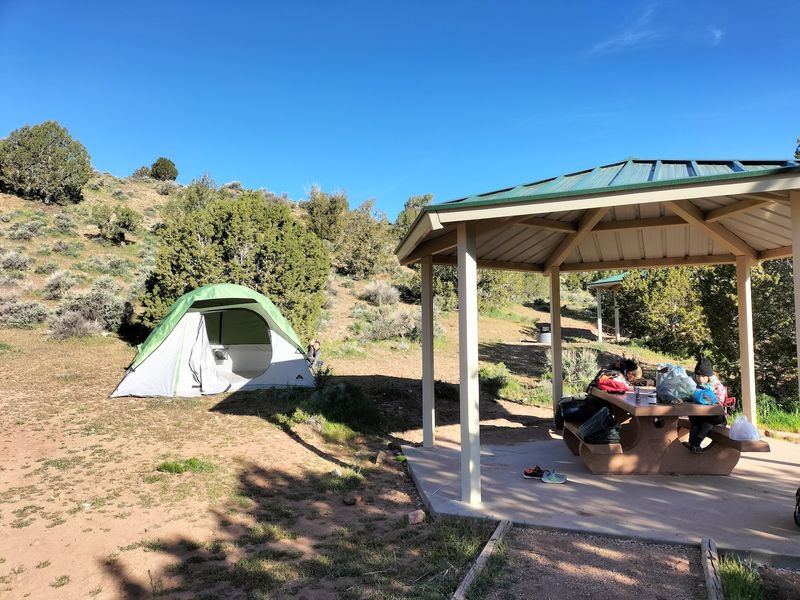
Four sites, no fee, and a plateau that looks sculpted by hand. Stateline Campground sits along House Rock Valley Road on the Arizona-Utah border near Kanab.
The campground straddles the state line, with a handful of sites on the Arizona side. Everything runs first-come, first-served.
Getting here requires driving several miles of dirt road. Rain turns that clay slick and treacherous, so watch the forecast closely.
The Paria Plateau rises nearby with striped sandstone cliffs. Coyote Buttes and the surrounding Vermilion Cliffs National Monument make this a hiker’s launchpad.
Permits are required for certain famous areas nearby, and they are competitive. Plenty of unpermitted trails still deliver spectacular scenery.
No water, no hookups, and vault toilets only. Bring every gallon you plan to drink and cook with.
Shade comes from scattered junipers and a few shelters. Wind can be relentless, so stake your tent seriously.
Spring and fall are the comfortable windows. Summer bakes and winter nights drop below freezing.
Night skies out here are ridiculous, with almost no light pollution in any direction. Bring a red headlamp and let your eyes adjust.
Wire Pass Trailhead sits just up the road for a taste of slot canyon walking. Four sites, endless red rock, and not a single reservation confirmation email. That is the appeal in a nutshell.
9. Colorado River Near Lees Ferry, Glen Canyon
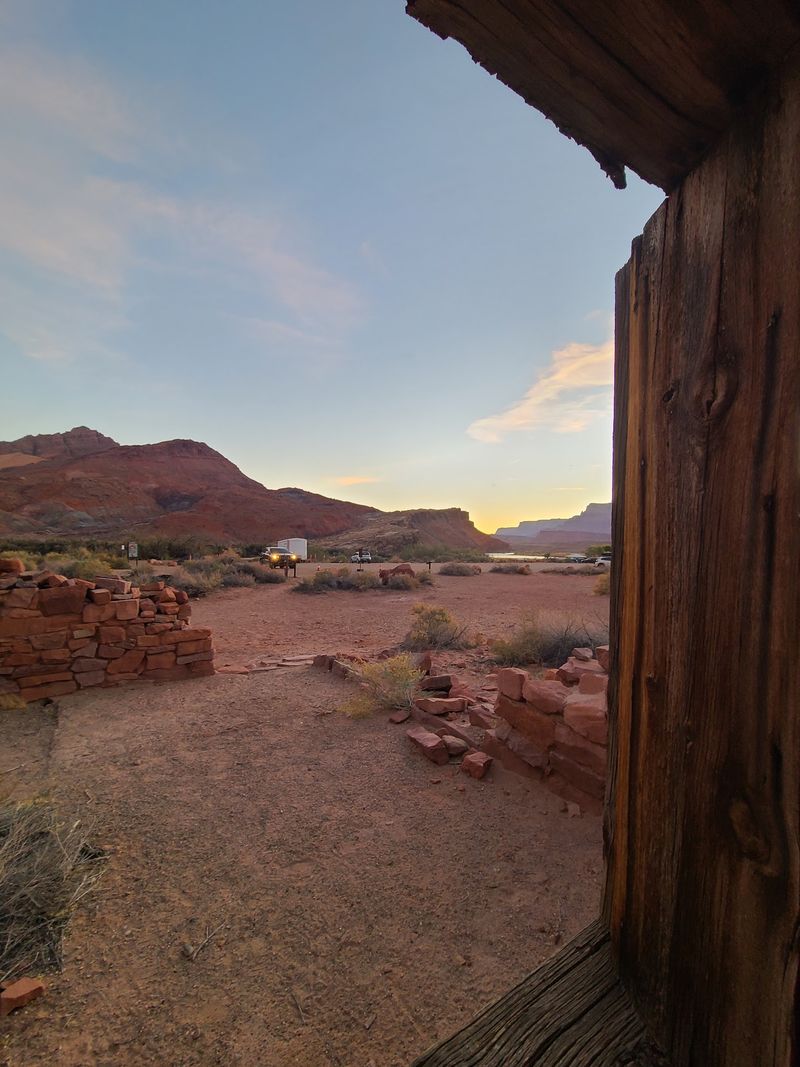
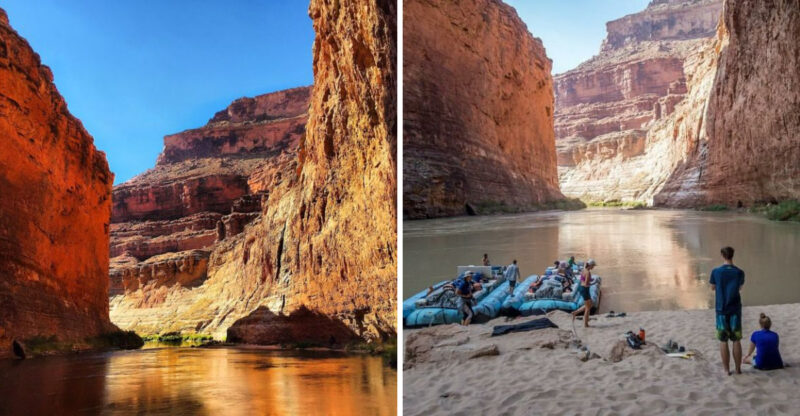
Turquoise water running between red walls, and hardly anyone around. The stretch of Colorado River between Glen Canyon Dam and Lees Ferry delivers exactly that in northern Arizona.
Camping options along this corridor lean primitive and uncrowded. Lees Ferry Campground itself runs first-come, first-served with 54 sites.
The river here is cold and clear, released from deep inside the dam. Rainbow trout thrive in it, making the area a fly-fishing favorite.
Boaters launch from the ramp for upriver trips toward Horseshoe Bend. Guided backhaul services drop paddlers upstream for a float back down.
Vermilion Cliffs glow at sunset above the valley. Condors sometimes ride thermals overhead, which is a genuine thrill for birders.
Facilities include restrooms and drinking water, but no hookups or showers. Generators have limited hours. Shade is thin, so a tarp setup pays off in summer. Nights cool down nicely thanks to the river.
Historic buildings from the old ferry crossing sit nearby, telling the story of pioneers who crossed here before bridges existed.
Entry falls under Glen Canyon National Recreation Area, so a fee applies at the gate. Marble Canyon and Page are the closest supply points for fuel and groceries.
Quiet mornings, cold water, and canyon walls turning orange at dawn. It beats fighting for a rim reservation any day.