North Carolina Has Mountain Towns So Perfect That Most People Assume They Only Exist In Movies
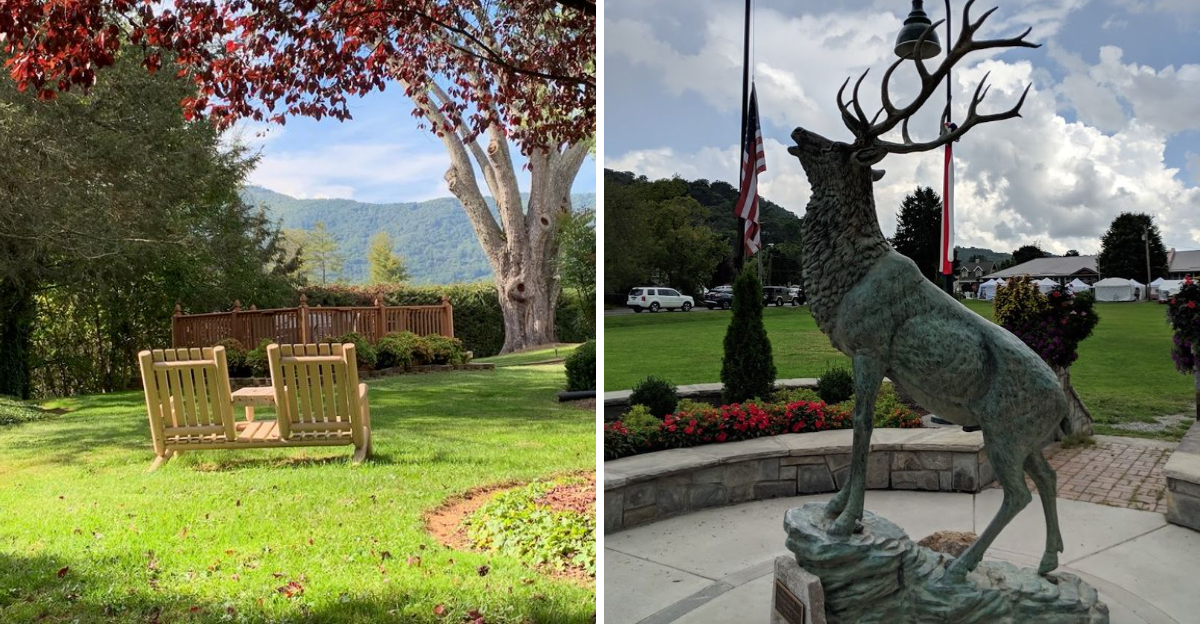
There is a version of North Carolina that most people never see from the highway. It is hidden behind the mist, up the winding roads, past the overlooks where you pull over not because you planned to but because you simply have no choice.
These mountain towns do not announce themselves. They just appear, impossibly charming and completely unhurried, as if the rest of the world agreed to leave them alone on purpose.
Some have cobblestone streets and front porches full of rocking chairs. Others have waterfalls within walking distance of the town square.
All of them will make you seriously reconsider your life choices the moment you have to leave. North Carolina has been hiding these places in plain sight, and this is your formal invitation to go find them.
1. Highlands
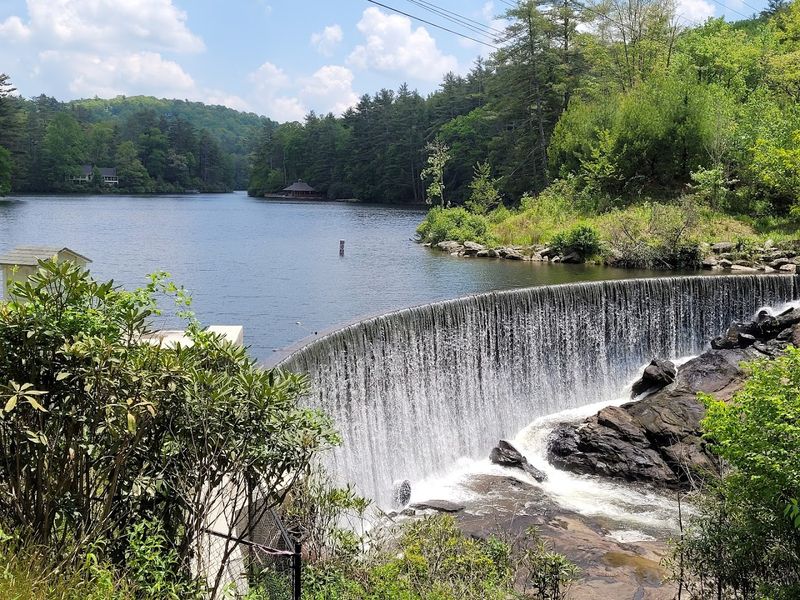
Standing at 4,118 feet above sea level, Highlands is basically living its best life at the top of the world. This tiny town sits higher than almost any other incorporated town east of the Mississippi, and it carries that altitude with serious style.
The main street is lined with boutique shops, art galleries, and restaurants that would feel right at home in a much bigger city.
What really sets Highlands apart is the waterfalls. Dry Falls is one of those rare waterfalls you can actually walk behind without getting soaked, which is a detail that sounds small until you are standing there with a grin on your face.
Glen Falls drops in three gorgeous tiers through a lush gorge nearby.
The town itself feels like someone froze a perfect autumn weekend and turned it into a permanent address. The air is crisp, the flowers are everywhere, and the locals are genuinely friendly.
Highlands attracts artists, nature lovers, and foodies all at once, which creates a surprisingly lively cultural scene for a town of under 1,000 permanent residents.
Plan to stay at least two nights because one is never enough here.
2. Black Mountain
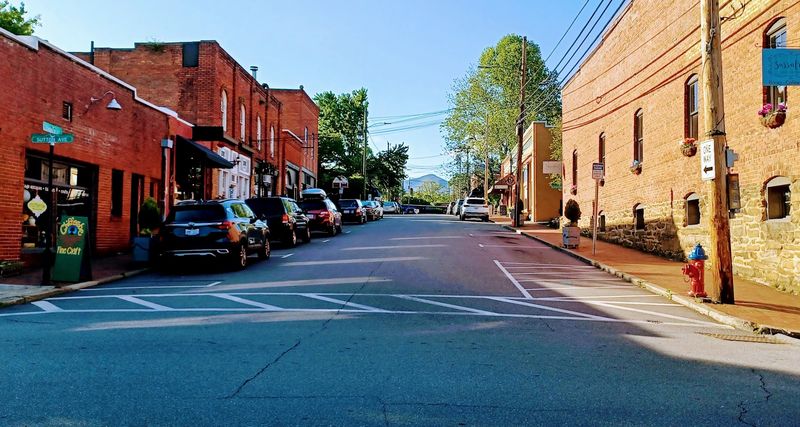
Black Mountain is the kind of town that artists dream about and then actually move to. Nestled just 15 miles east of Asheville, it has all the creative energy of a big city packed into a few delightful blocks.
The downtown area is bursting with pottery studios, live music venues, vintage shops, and farm-to-table restaurants that locals absolutely swear by.
Here is a fun fact that blew my mind. Black Mountain was home to the legendary Black Mountain College from 1933 to 1957, an experimental arts school that produced some of America’s most influential artists, poets, and architects.
That creative DNA is still very much alive in the town today. You can feel it in the murals, the galleries, and the weekly community events.
Outdoor lovers are equally well served here. The town sits at the base of Mount Mitchell, the highest peak east of the Mississippi at 6,684 feet.
Hiking trails range from easy family strolls to serious summit challenges that reward you with views so stunning they feel almost unfair.
Black Mountain manages to be both deeply rooted in history and refreshingly alive with modern energy, which is a rare and wonderful combination.
3. Blowing Rock
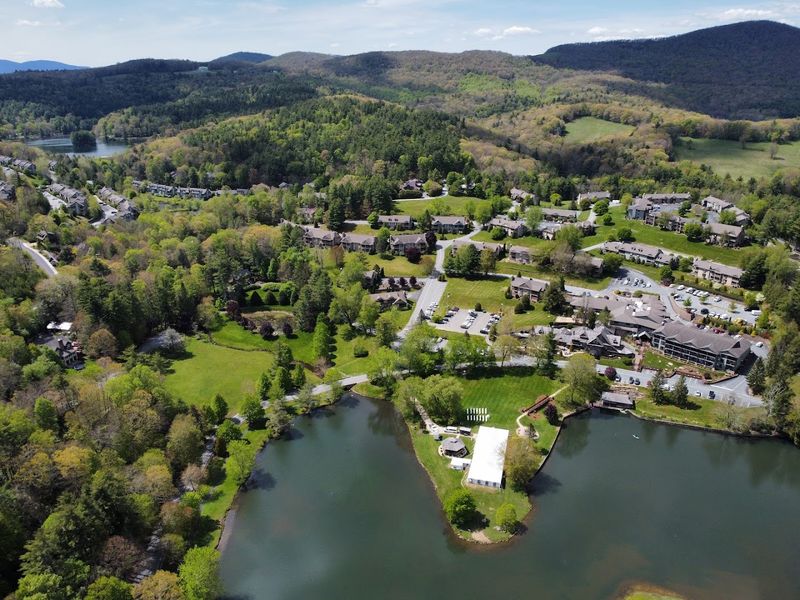
Blowing Rock earned its name from a geological quirk that actually sends lightweight objects flying back upward when tossed off the cliff, which is either magical or physics, depending on how you look at it.
The town itself sits at 3,500 feet and is one of the oldest tourist destinations in North Carolina, and honestly, it has only gotten better with age.
The village has a refined, storybook quality that makes it feel like it belongs in a European postcard.
Main Street is exactly what small-town dreams are made of: independent bookshops, chocolatiers, handmade jewelry stores, and cozy coffee houses tucked between historic buildings.
The Blue Ridge Parkway runs right alongside the town, giving you some of the most accessible and spectacular mountain views in the entire state. Autumn here is almost offensively beautiful.
Tweetsie Railroad, a historic Wild West theme park just outside town, is a surprisingly fun detour if you are traveling with kids or just love a good nostalgic adventure.
The Moses H. Cone Memorial Park offers miles of carriage trails through open meadows with mountain backdrops that make every photo look professionally staged.
Blowing Rock in North Carolina is small, but it punches well above its weight in charm and experiences.
4. Cashiers
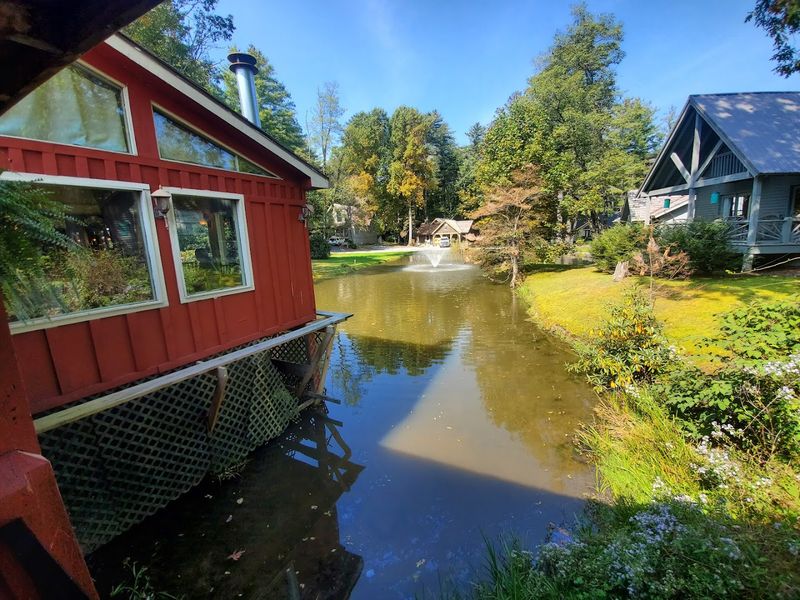
Cashiers is pronounced KAY-sherz by locals, and getting that right is basically your first test of whether you belong here.
Sitting at 3,484 feet in a natural bowl formed by surrounding mountain peaks, this village has a quieter, more refined personality than some of its neighbors.
Think less crowds, more nature, and a pace of life that feels genuinely restorative.
Silver Run Falls is one of the most accessible and photogenic waterfalls in all of Western North Carolina, and it sits just minutes from the town center.
The cold, crystal-clear water rushing into a shallow pool is the kind of scene you want to frame and hang in your living room. Whiteside Mountain offers a short but dramatic hike with sheer granite cliffs that drop hundreds of feet straight down.
The Cashiers Farmers Market is a beloved local institution where you can pick up mountain-grown produce, handmade goods, and baked treats that taste like they were made with love and altitude.
The village hosts outdoor concerts and community events throughout the warmer months, giving the whole area a neighborly, welcoming energy.
If you want to feel like you have genuinely escaped the modern world without giving up good food and comfortable lodging, Cashiers is your answer.
5. Bryson City
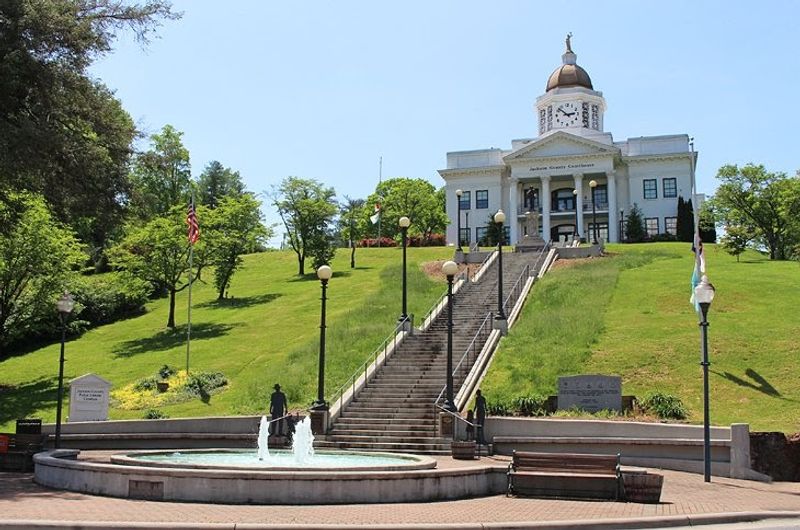
Bryson City is the kind of place where the river runs through town and nobody considers that anything other than completely normal and wonderful.
Nestled along the Tuckasegee River and sitting right at the edge of Great Smoky Mountains National Park, this little town of about 1,500 people is an outdoor adventure hub wrapped in small-town sweetness.
The moment you cross the bridge into downtown, the mountain air hits you like a friendly welcome hug.
The Great Smoky Mountains Railroad calls Bryson City home, and a ride on this historic train is genuinely one of the most scenic experiences in all of the Southeast.
Watching the gorges, forests, and rivers roll past from an old-fashioned rail car is the kind of memory that sticks with you for years. Families, couples, and solo travelers all find something to love about it.
Whitewater rafting on the Nantahala River is another massive draw, with the Nantahala Outdoor Center serving as a legendary base for paddlers of all skill levels.
The downtown area has evolved into a charming collection of breweries, bakeries, and locally owned shops without losing any of its authentic mountain character.
Bryson City proves that small towns can pack an enormous amount of adventure into a very small footprint.
6. Waynesville
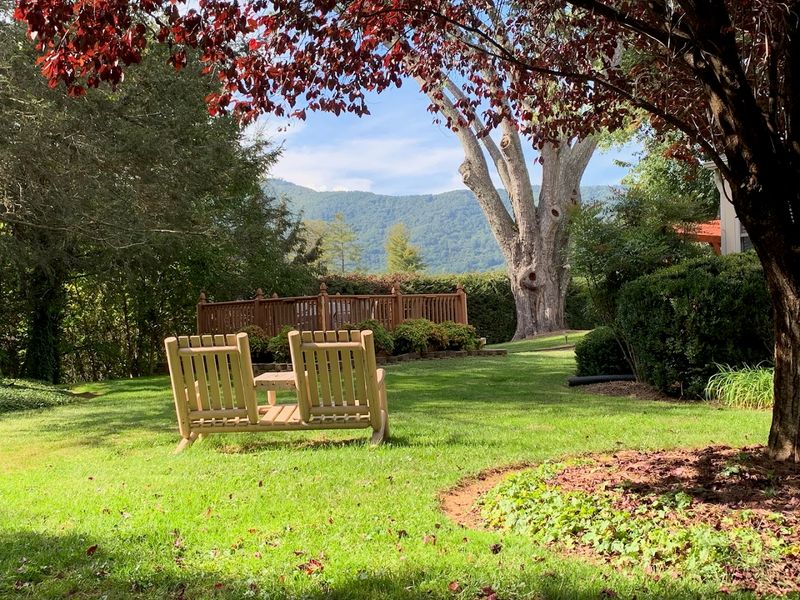
Waynesville has a secret that bigger, more famous mountain towns do not want you to know. It is just as beautiful, half as crowded, and twice as authentic.
The downtown historic district is a genuine delight, with over 50 locally owned shops and restaurants spread along a walkable Main Street that has been charming visitors since the 1800s.
The surrounding Haywood County landscape is absolutely jaw-dropping in every season.
The town sits at 2,644 feet and serves as a gateway to the Blue Ridge Parkway and the Great Smoky Mountains National Park, which means the scenery on every side of town is competition-level gorgeous.
Folkmoot USA, an international folk festival is held here every summer. It brings dancers and musicians from different countries to perform on outdoor stages, which is a surprisingly spectacular event for a town of this size.
Waynesville also has a thriving arts scene anchored by the Haywood Arts Regional Theatre and numerous galleries featuring Appalachian crafts and fine art.
The farmers market is one of the best in the region, and the surrounding farms produce everything from heirloom tomatoes to mountain honey.
I left Waynesville feeling like I had stumbled onto something the rest of the world had not quite discovered yet, and honestly, I am tempted to keep it that way.
7. Banner Elk
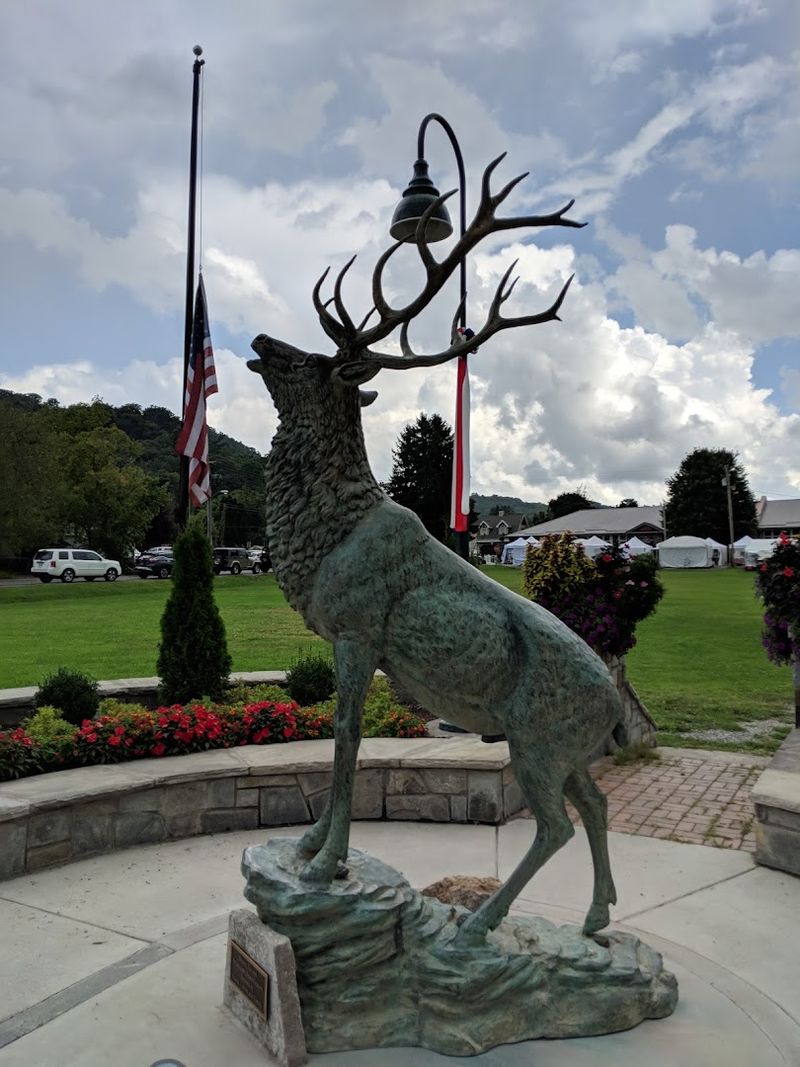
Banner Elk sits at a breezy 3,739 feet, which means it gets real snow in winter and real relief from summer heat, making it a year-round destination that keeps reinventing itself with every season.
The town is nestled between Beech Mountain and Sugar Mountain, two of the most beloved ski resorts in the Southeast, so winter here has an entirely different, energetic personality compared to the rest of the year.
Ski boots on Main Street are a perfectly normal sight from December through March.
Grandfather Mountain, one of the most iconic peaks in the entire Appalachian range, looms dramatically nearby and offers a mile-high swinging bridge experience that is equal parts terrifying and unforgettable.
The mountain is also a UNESCO World Biosphere Reserve, which tells you everything you need to know about how special the ecosystem here really is.
Wildlife sightings, including black bears and white-tailed deer, are genuinely common.
When the snow melts, Banner Elk transforms into a hiking, cycling, and fly-fishing paradise.
The Watauga River runs cold and clear through the surrounding valleys, and trout fishing here is considered among the finest in the state.
The annual Woolly Worm Festival each October draws thousands of visitors who come to watch caterpillar races and celebrate the quirky, joyful spirit that makes this mountain community so irresistible.
8. Maggie Valley
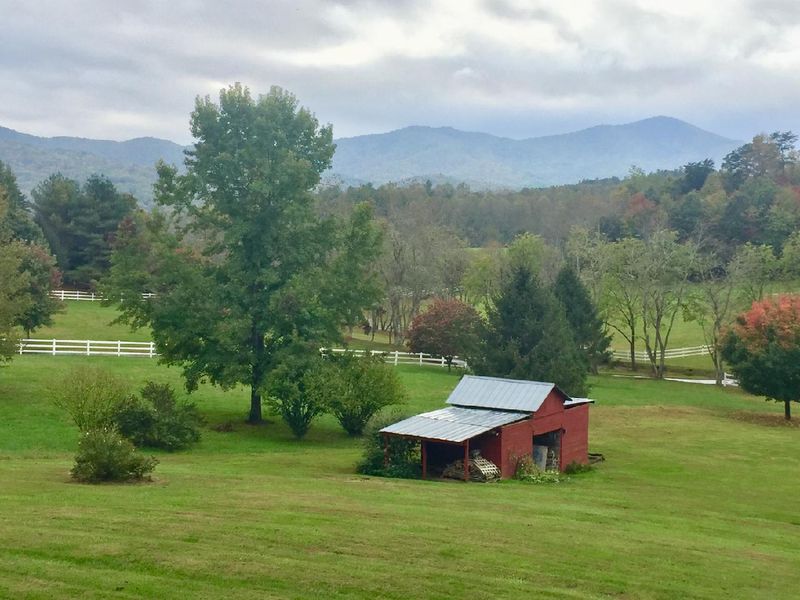
Maggie Valley is basically what happens when you take a gorgeous mountain cove and fill it with festivals, fun, and an irresistible old-school Americana vibe.
The valley stretches along a single scenic road flanked by towering ridgelines on both sides, and the effect is like driving through a painting that someone forgot to stop working on.
Every curve in the road reveals something new to admire.
Ghost Town in the Sky, the legendary mountaintop amusement park, has a fascinating and ongoing revival story that locals follow with genuine excitement.
The valley is also home to the Stompin Ground, a beloved clogging and mountain dancing venue that has been keeping traditional Appalachian culture alive and kicking since 1984.
Watching a live clogging performance for the first time is one of those experiences that sneaks up on you with how much fun it actually is.
Cataloochee Ski Area sits just above the valley and offers some of the most accessible skiing in Western North Carolina, with runs suitable for beginners and seasoned skiers alike.
In warmer months, the Cataloochee Valley section of Great Smoky Mountains National Park is one of the best places in the East to spot wild elk, which were reintroduced here in 2001.
Maggie Valley in North Carolina rewards curious travelers who look a little deeper than the main road.
9. Lake Lure
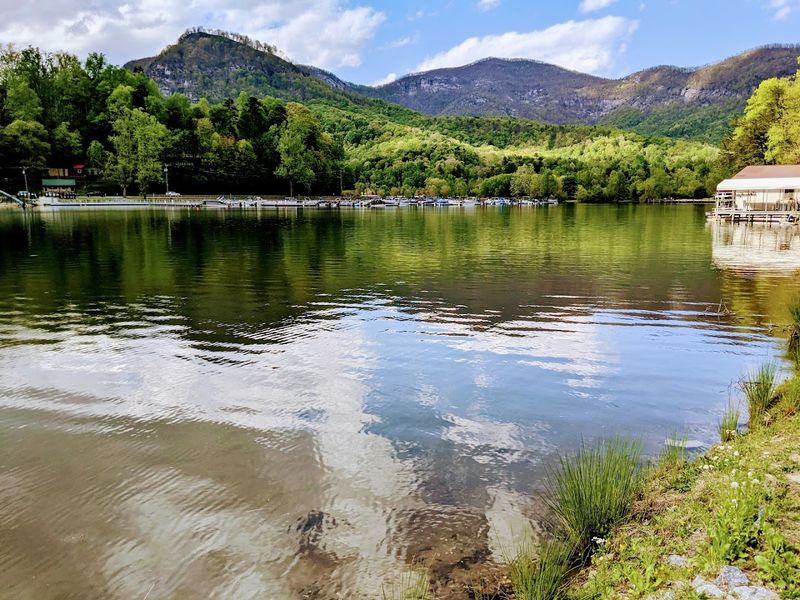
Lake Lure is where Dirty Dancing was filmed in 1987, and yes, the lake is every bit as dreamy in real life as it looks on screen.
Tucked inside the dramatic Hickory Nut Gorge, this man-made lake is surrounded by sheer mountain cliffs that rise nearly 2,000 feet straight out of the water, creating a setting so cinematic it almost feels like cheating.
The town wraps around the lakeshore with a laid-back charm that makes it incredibly easy to lose track of time.
Chimney Rock State Park is the crown jewel of the area, offering trails that wind up to a 315-foot granite monolith with views of the gorge and lake that are genuinely among the most spectacular in all of North Carolina.
The park has trails for all fitness levels, and the elevator inside the rock makes the summit accessible for almost everyone.
Waterfall lovers will find Hickory Nut Falls, the second-highest waterfall east of the Mississippi river, waiting at the end of a manageable trail.
The lake itself offers paddleboarding, kayaking, and boat tours that give you a whole new perspective on those towering cliffs.
The annual Lake Lure Dirty Dancing Festival celebrates the film’s legacy each August with outdoor screenings and dancing under the stars.
Lake Lure is living proof that some real places are simply more magical than fiction.