North Carolina Real Estate: 12 Home Types To Avoid & 11 Properties That Are Prime For 2026
North Carolina’s housing market is heating up in 2026, offering plenty of opportunities for buyers, investors, and anyone looking for a change of scenery.
From charming mountain retreats to sleek city condos, there’s a lot to love, but not all properties are created equal.
Making the right choice can save you thousands, while the wrong one could leave you stuck with regrets.
Whether you’re a first-time buyer or a seasoned investor, knowing which homes to avoid and which ones are primed for strong returns is key to making a smart move.
In this guide, we’ll walk you through some home types to skip and some properties that are set to thrive this year.
Ready to find your perfect spot in North Carolina without the headaches? Let’s dive in!
1. Pre-1980s Mobile Homes

Mobile homes built before 1980 carry significant risks that most buyers overlook until it’s too late.
These structures were constructed before modern building codes took effect, meaning they lack proper insulation, updated electrical systems, and hurricane-resistant features.
Many lenders won’t even finance them, making resale nearly impossible.
Maintenance costs can spiral out of control as aging materials deteriorate rapidly.
Foundation issues, roof leaks, and plumbing failures become routine expenses that drain your wallet.
Insurance companies either refuse coverage or charge astronomical premiums for these older units.
If you’re house hunting near 4310 S Miami Blvd in Durham, you might spot some of these relics in the surrounding areas.
Skip them entirely and focus on newer manufactured homes that meet current safety standards.
2. High-Rise Condos With Poor Resale Potential
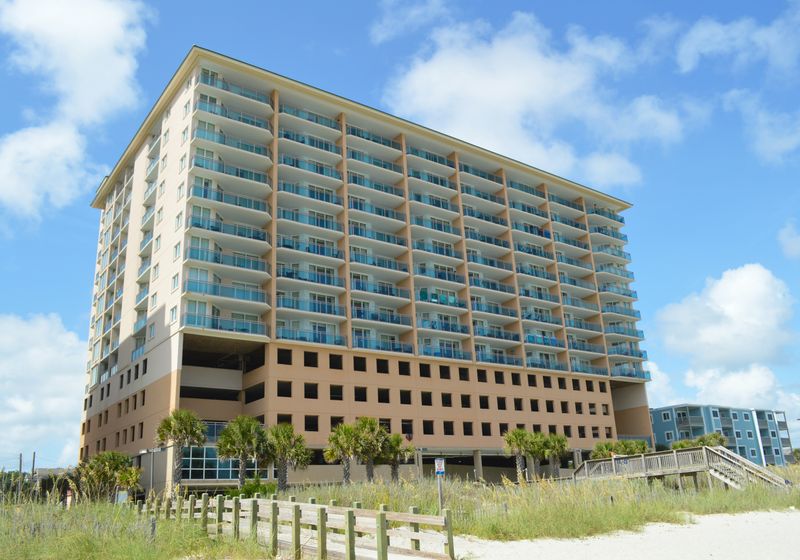
Urban high-rises seem glamorous until you try to sell them.
Many North Carolina cities have overbuilt condo towers that now flood the market with inventory.
Competition drives prices down while HOA fees continue climbing year after year.
Buyers today prefer single-family homes with yards over cramped vertical living spaces.
Parking challenges, elevator waits, and noise complaints make condo life less appealing than marketing brochures suggest.
Special assessments for building repairs can hit owners with surprise bills totaling thousands of dollars.
Rental restrictions limit your ability to lease the unit if you need flexibility.
Downtown locations might seem convenient, but the resale struggle isn’t worth the initial appeal.
Consider townhomes or low-rise developments instead for better long-term value and easier exit strategies.
3. Homes In Flood Zones

Flood zone properties come with hidden costs that can bankrupt unprepared homeowners.
Mandatory flood insurance adds hundreds or even thousands to your monthly housing expenses.
Standard homeowner policies won’t cover water damage from flooding, leaving you vulnerable to catastrophic losses.
Climate change is increasing storm frequency and intensity across North Carolina’s coastal and river regions.
What was once a 100-year flood event now happens far more regularly.
Resale becomes extremely difficult as buyers grow more educated about climate risks.
Lenders may impose stricter requirements or higher interest rates for flood zone properties.
Even if the house seems perfect, the financial burden and stress aren’t worth it.
Check FEMA flood maps before making any offers and walk away from properties in high-risk zones.
4. Older Homes With Extensive Foundation Issues
Foundation problems are the nightmare scenario every homeowner dreads.
Cracks, settling, and structural shifts can cost $20,000 to $100,000 or more to repair properly.
North Carolina’s clay-heavy soil expands and contracts with moisture changes, putting extra stress on older foundations.
Warning signs include doors that won’t close, uneven floors, and cracks in walls or ceilings.
Once foundation issues begin, they rarely stop without major intervention.
Inspectors might downplay minor cracks, but small problems grow into major disasters quickly.
Lenders often refuse to finance homes with significant foundation damage, limiting your buyer pool during resale.
Walking away from a charming older home with foundation issues saves you from years of expensive repairs and declining property value.
Prioritize homes with solid structural integrity over cosmetic appeal every single time.
5. Overpriced Historical Homes
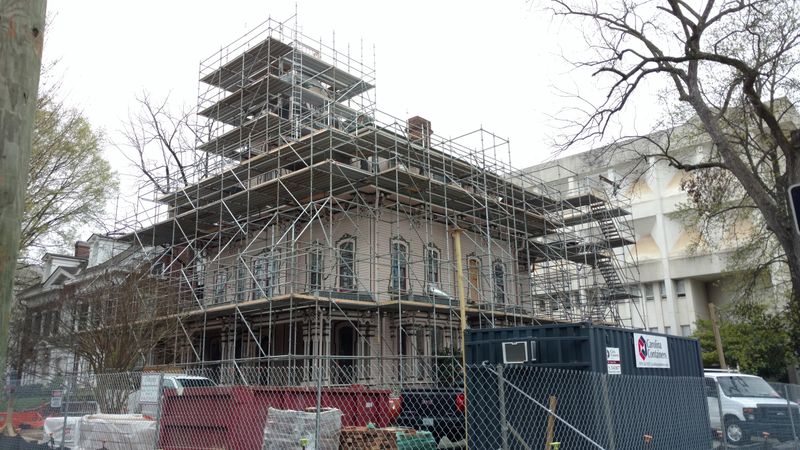
Historical homes drip with character but often come with inflated price tags that don’t match reality.
Sellers attach emotional value to period details and architectural significance that buyers simply won’t pay for.
Maintenance costs for historical properties exceed modern homes by substantial margins.
Specialized repairs require craftsmen familiar with vintage techniques and materials, driving labor costs through the roof.
Historical preservation rules may restrict renovations, limiting your ability to modernize the space.
Energy efficiency is typically terrible, leading to astronomical utility bills year-round.
Outdated plumbing, electrical systems, and HVAC require complete replacement, not just updates.
Unless you’re passionate about restoration and have deep pockets, overpriced historical homes become money pits.
Focus on reasonably priced properties that offer charm without the premium markup or endless renovation demands.
6. Homes With Obsolete Floor Plans
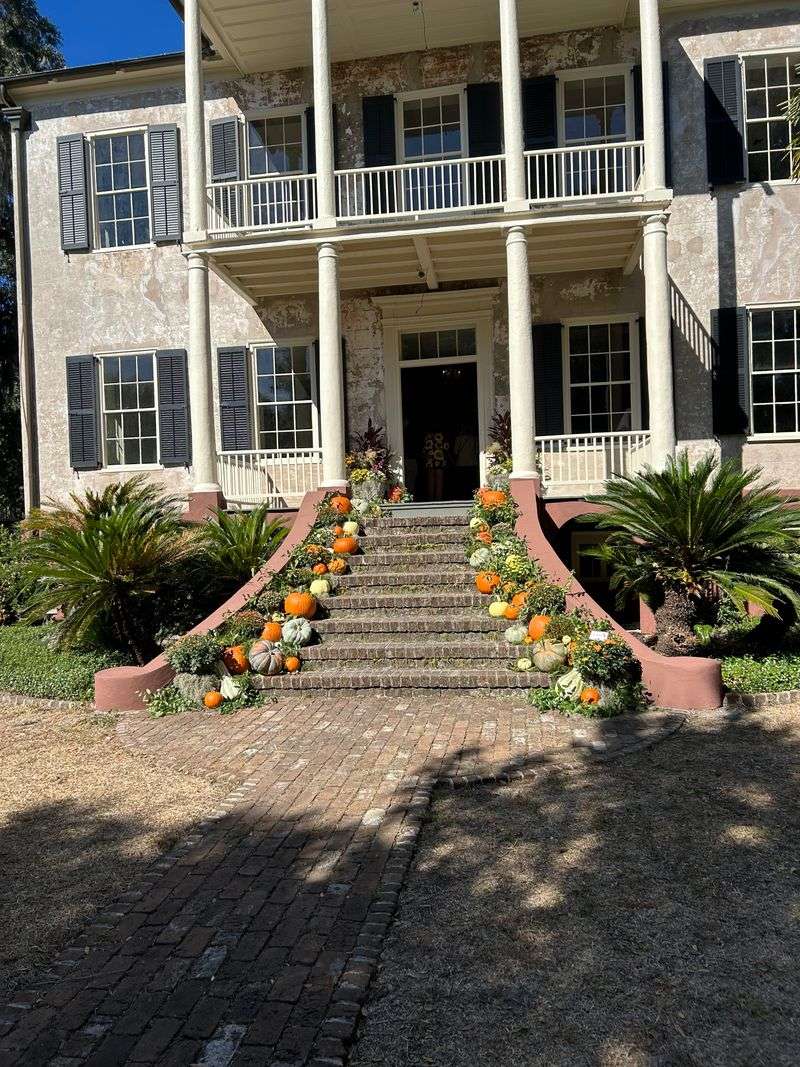
Floor plans matter more than most buyers initially realize.
Homes with tiny, choppy rooms and closed-off layouts feel cramped and dark compared to open-concept designs.
Today’s families want kitchen-living room flow, not isolated cooking spaces hidden behind walls.
Formal dining rooms and parlors sit unused while families crave casual, multifunctional spaces.
Bathrooms tucked awkwardly off kitchens or bedrooms positioned near noisy living areas create daily frustrations.
Renovating to modernize floor plans costs tens of thousands and may not be structurally feasible.
Resale becomes challenging as buyers compare your outdated layout to newer, more functional homes.
If a floor plan feels awkward during your first walkthrough, trust that instinct.
Pass on homes that require major reconfiguration and seek properties with layouts that already work for modern living.
7. Homes In Areas With Poor Schools
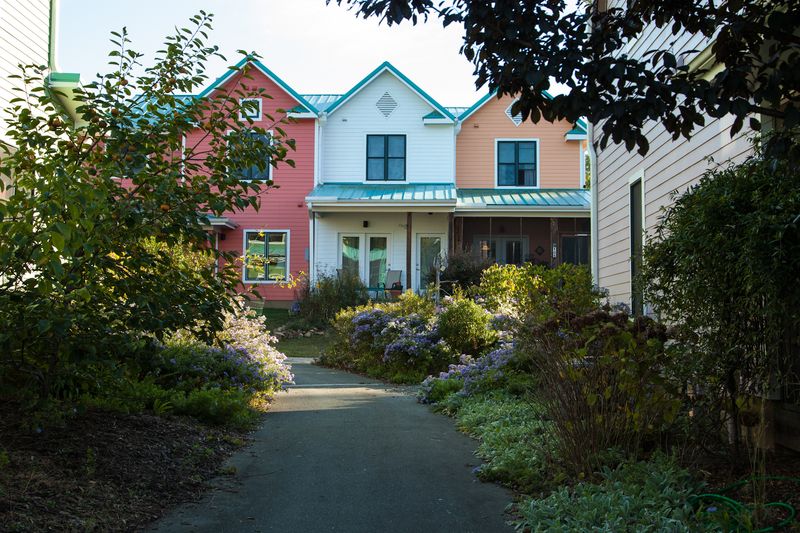
School quality dramatically impacts property values, whether you have children or not.
Homes in districts with struggling schools sell more slowly and appreciate less than properties in top-rated zones.
Families with kids won’t even consider neighborhoods with poor educational options, cutting your buyer pool significantly.
Test scores, graduation rates, and school rankings are readily available online, making it easy for buyers to research.
Even investors targeting rental properties prefer good school districts because they attract stable, long-term tenants.
Property taxes in these areas often remain high despite poor school performance, offering terrible value.
Neighborhood decline often follows educational decline as families with means move to better districts.
Always research school ratings before making offers, even if you don’t have children.
Strong schools protect your investment and ensure easier resale when life circumstances change.
8. Properties With Overgrown Yards
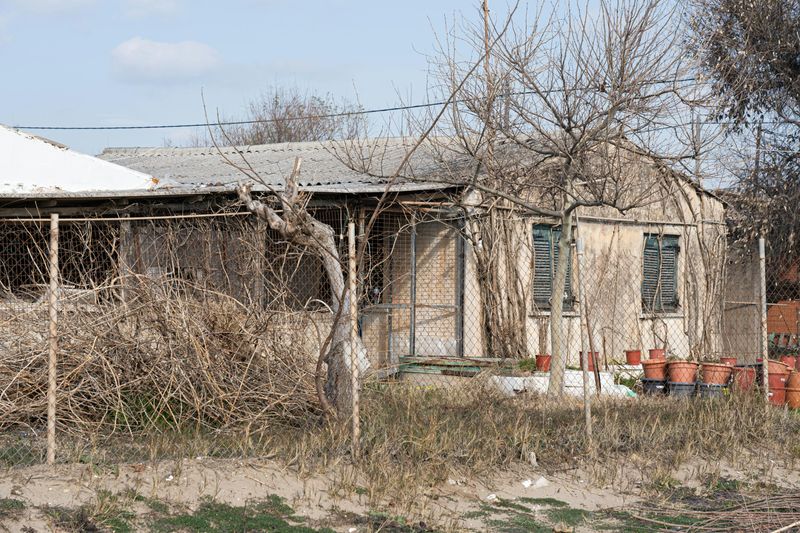
Overgrown yards signal deeper problems beyond just lazy landscaping.
Sellers who can’t maintain basic yard upkeep likely neglected interior maintenance as well.
Invasive plants, tree root damage, and pest infestations become your problems after closing.
Clearing severely overgrown properties costs thousands in professional landscaping and debris removal.
Foundation damage from tree roots or drainage issues from poor grading often hide beneath the jungle.
Neighbors may have complained about the eyesore, creating awkward relationships before you even move in.
Structural damage to fences, sheds, and outbuildings gets masked by vegetation until you start clearing.
While some buyers see opportunity in fixer-uppers, overgrown properties usually indicate abandonment or financial distress.
Unless you’re getting a massive discount, choose homes where current owners demonstrate basic property care and maintenance standards.
9. Foreclosed Properties In High-Crime Areas

Foreclosures seem like bargains until you factor in location risks.
High-crime neighborhoods make daily life stressful and dangerous, regardless of how cheap the property seems.
Property crimes, vandalism, and personal safety concerns outweigh any potential savings.
Insurance costs skyrocket in high-crime areas, often doubling or tripling standard premiums.
Resale becomes nearly impossible as most buyers won’t even tour homes in dangerous neighborhoods.
Foreclosed properties in these areas often suffer from vandalism, copper theft, and squatter damage.
Renovation costs multiply when you’re constantly dealing with break-ins and stolen materials during repairs.
Building equity becomes impossible when neighborhood crime keeps property values stagnant or declining.
Your safety and peace of mind matter more than any discount.
Focus on stable neighborhoods where your investment and family remain secure.
10. Homes With Extensive Unpermitted Additions
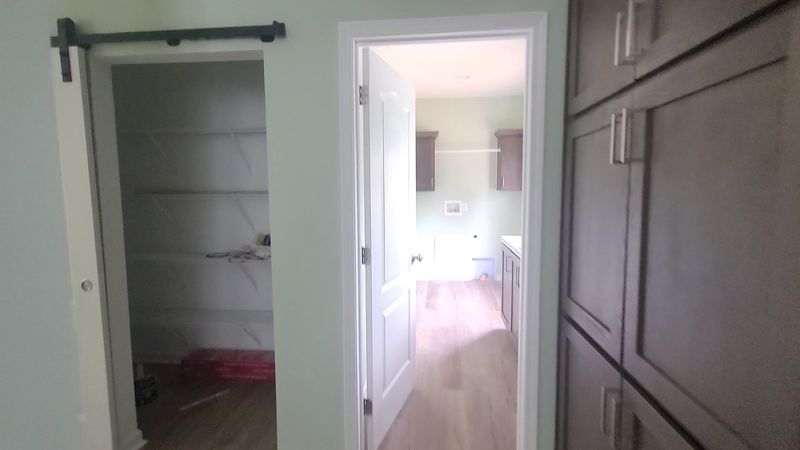
Unpermitted work creates legal and financial nightmares that follow you forever.
Additions built without proper permits violate building codes and create liability issues during resale.
Lenders may refuse financing until unpermitted work gets permitted or removed entirely.
Insurance companies can deny claims related to unpermitted structures, leaving you financially exposed.
Bringing unpermitted work up to code costs far more than doing it right initially.
Local building departments can force you to tear down unpermitted additions at your expense.
Property tax assessments may increase once unpermitted square footage becomes official, raising your annual costs.
Sellers often hide unpermitted work, but thorough inspections and permit research reveal the truth.
Home inspectors love checking permit histories at places throughout Durham and beyond.
Walk away from properties with extensive unpermitted additions unless sellers handle permitting before closing.
11. Properties In Subdivisions With Excessive HOA Fees
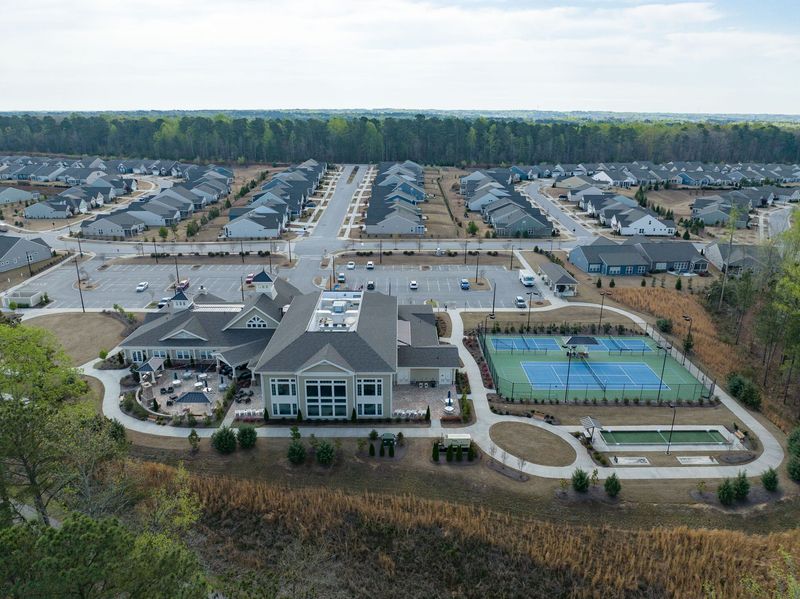
Homeowner associations can enhance communities or become financial burdens depending on fee structures.
Monthly HOA fees exceeding $300-400 dramatically reduce affordability and limit your buyer pool during resale.
Many associations raise fees annually, compounding the financial burden over time.
Excessive fees often indicate mismanagement, deferred maintenance, or upcoming special assessments.
Amenities like pools and clubhouses sound appealing, but require constant maintenance that drives costs higher.
HOA rules may restrict renovations, landscaping choices, and even vehicle parking on your own property.
Liens and foreclosure actions can result from unpaid HOA fees, putting your ownership at risk.
Review HOA financials, meeting minutes, and fee histories before making offers in managed communities.
Properties with reasonable HOA fees under $150 monthly offer better value and fewer restrictions on your property rights and lifestyle choices.
12. Overbuilt Homes In Rural Areas
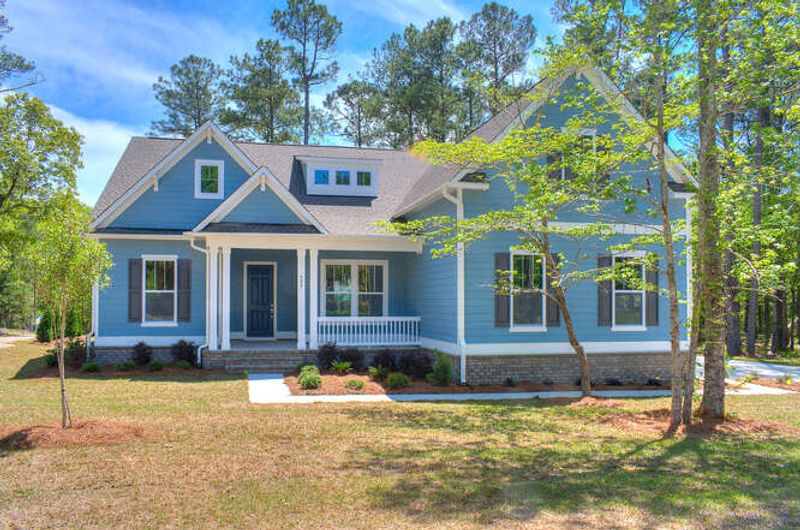
Building or buying the fanciest house on a rural block destroys investment potential.
Overbuilt homes priced far above neighborhood averages never recoup their construction or purchase costs.
Rural buyers typically seek affordability and simplicity, not luxury features and high price tags.
Comparable sales determine appraised values, and overbuilt homes can’t find appropriate comps nearby.
Lenders hesitate to finance properties that significantly exceed local market norms, limiting your buyer pool.
Maintenance costs for luxury features remain high even when surrounding properties sell for fractions of your price.
Property taxes based on inflated assessments continue year after year, regardless of resale challenges.
Rural areas appreciate more slowly than urban markets, making overbuilt homes even harder to justify financially.
Choose properties that fit comfortably within local market ranges rather than standing out as overpriced anomalies in modest communities.
13. Boomer-Era Ranch Homes (Pre-1980)

Ranch homes from the 1960s and 1970s represent golden opportunities for savvy investors.
These single-story layouts appeal to aging boomers, young families, and accessibility-focused buyers alike.
Solid construction from that era often surpasses modern building standards despite outdated aesthetics.
Renovation costs remain manageable since the bones are typically sound and layouts are straightforward.
Updating kitchens, bathrooms, and flooring transforms these homes into modern showpieces that command premium prices.
Suburban areas throughout North Carolina overflow with these properties as original owners downsize or relocate.
A Wilmington investor spent $150,000 renovating a 1960s ranch and sold it for $320,000, demonstrating the incredible return potential.
Large lots common in that era provide expansion possibilities and outdoor appeal that modern subdivisions can’t match.
Target these undervalued gems before the market fully recognizes their investment potential and profitability.
14. Newly Built Homes With Modern Floor Plans
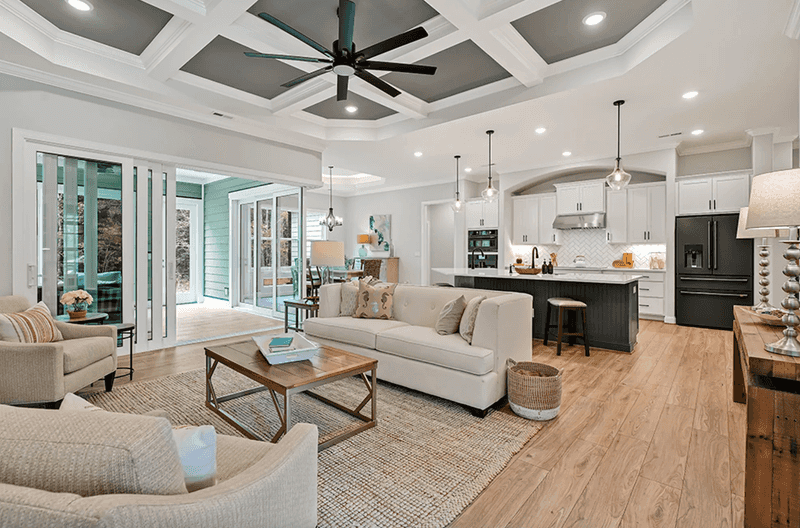
New construction homes with open floor plans dominate buyer wish lists across all demographics.
Modern layouts maximize space efficiency while creating bright, airy environments that families love.
Builder warranties protect you from major repairs for years, reducing ownership stress and unexpected expenses.
Energy-efficient features lower utility bills and appeal to environmentally conscious buyers increasingly common in the market.
Smart home technology integration comes standard in new builds, adding convenience and resale appeal.
Customization options during construction let you create exactly the home you want without renovation hassles.
New homes meet current building codes, reducing insurance costs and increasing safety compared to older properties.
North Carolina’s growing population drives demand for new construction in expanding suburban areas.
These homes appreciate steadily while requiring minimal maintenance, making them ideal for busy professionals and growing families seeking turnkey solutions.
15. Hip Roof Homes Built After 2020

Hip roof designs provide crucial insurance advantages that translate directly into monthly savings.
These four-sided roofs offer superior wind resistance compared to gable designs, reducing storm damage risk significantly.
Insurance companies reward hip roof construction with wind mitigation credits that lower premiums substantially.
North Carolina’s coastal areas particularly benefit from hip roof homes as hurricane season concerns drive insurance costs higher.
Homes built after 2020 incorporate modern building codes that further reduce risk and insurance expenses.
Structural integrity from hip roof design protects your investment during severe weather events that increasingly impact the region.
Resale value remains strong as educated buyers recognize the long-term financial benefits of reduced insurance costs.
Combining hip roofs with post-2020 construction creates the perfect storm of affordability, safety, and insurability.
Prioritize these homes when shopping in coastal or hurricane-prone areas throughout the state.
16. Properties In Emerging Markets Like Swansboro And Camden
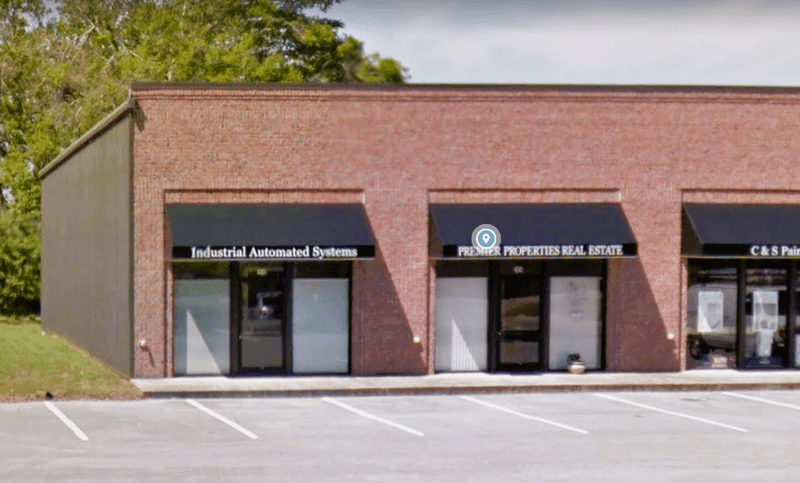
Swansboro and Camden represent the next wave of North Carolina real estate growth.
These emerging markets offer affordability while positioned near employment centers and coastal attractions that drive long-term demand.
Infrastructure improvements and business development signal upcoming appreciation as more people discover these hidden gems.
Properties remain undervalued compared to established markets, creating entry points for investors and homebuyers alike.
Small-town charm combined with modern amenities attracts families seeking quality of life without urban price tags.
Early investors in emerging markets capture the most significant appreciation as demand increases over time.
Local economies show steady growth indicators, including new businesses, school improvements, and population increases.
Waterfront access and recreational opportunities enhance appeal without the premium costs of established coastal markets.
Research these emerging areas thoroughly and position yourself ahead of the crowd for maximum investment returns and lifestyle benefits.
17. Urban Developments In Charlotte And Raleigh
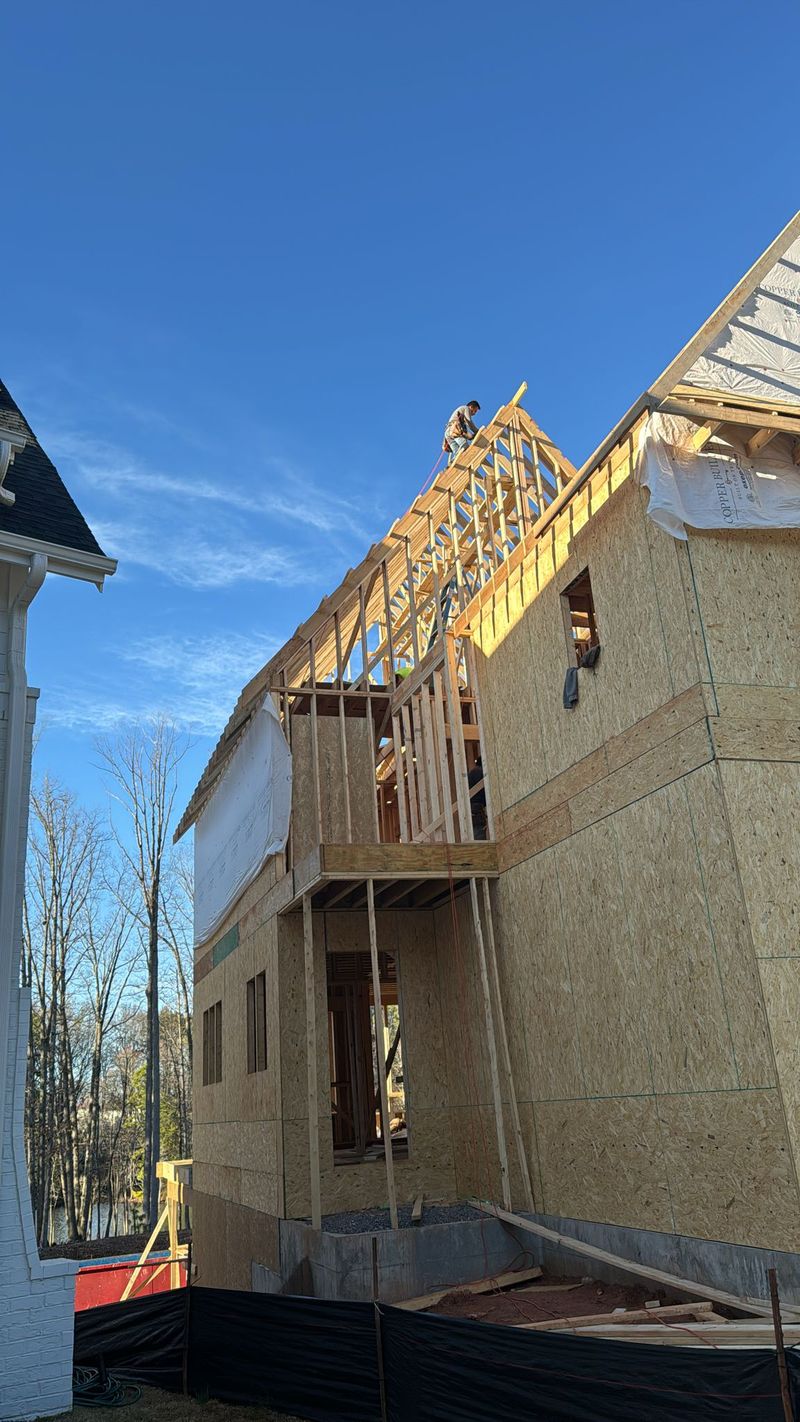
Charlotte and Raleigh continue leading North Carolina’s urban renaissance with explosive growth.
Corporate relocations and job growth drive housing demand that consistently outpaces supply in both metros.
Urban developments offer walkable lifestyles, cultural amenities, and professional opportunities that attract young professionals and empty nesters.
Property appreciation in these markets outperforms state averages year after year with no slowdown in sight.
Mixed-use developments combine residential, retail, and dining options that create vibrant communities within larger cities.
Public transportation improvements and infrastructure investments enhance urban living appeal and property values continuously.
Rental demand remains strong, providing investment opportunities for those seeking income-producing properties.
Both cities rank among the fastest-growing metros nationally, ensuring sustained demand for quality urban housing.
Focus on established neighborhoods and new developments near employment centers for the strongest investment potential and lifestyle satisfaction.
18. Homes Priced Below $300,000

The under-$300,000 price range remains the sweet spot for North Carolina real estate in 2026.
Over one-third of state inventory falls in this range, providing first-time buyers with accessible entry points.
Conforming loan limits and favorable financing terms make these properties easier to purchase than higher-priced alternatives.
Demand consistently exceeds supply in this price bracket, ensuring quick sales and steady appreciation over time.
Young families, first-time buyers, and investors target this range, creating multiple buyer pools for resale flexibility.
Affordability challenges in coastal and urban markets make sub-$300,000 homes increasingly rare and valuable.
Properties in this range require less down payment and carry lower monthly costs, reducing financial stress for buyers.
Market data shows this segment appreciates reliably while remaining accessible to median-income families.
Focus on well-maintained homes in good school districts within this price range for optimal investment performance and broad buyer appeal.
19. Properties In The $500K-$800K Range With Good Inventory
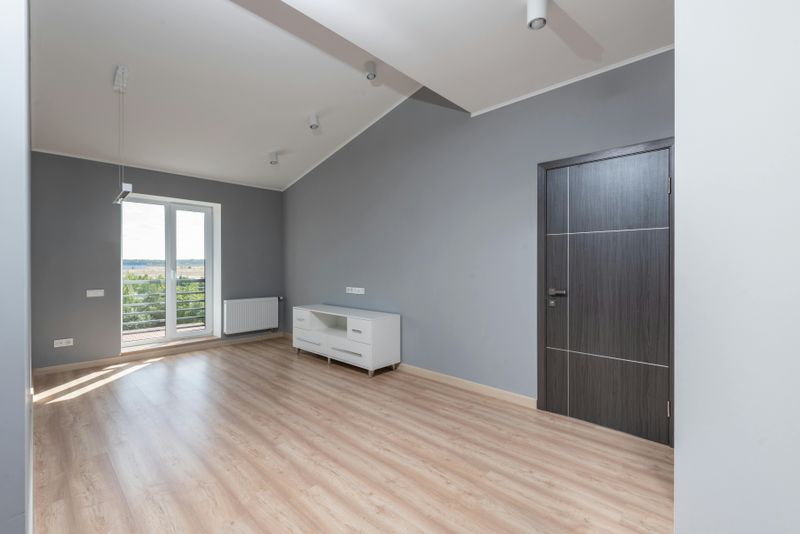
The $500,000-$800,000 range currently offers the best selection and negotiating power for buyers.
Inventory levels in this bracket provide 4-5 months of supply, creating balanced market conditions that favor informed purchasers.
Move-up buyers and established families target this range, ensuring steady demand without the feeding frenzy of lower price points.
Quality construction, desirable locations, and modern amenities characterize homes in this segment across North Carolina.
Sellers in this range often negotiate on price, closing costs, or repairs due to increased competition from inventory.
Conforming loan limit increases to $832,750, making financing these properties easier with favorable terms and lower down payments.
Homes in this bracket typically feature updated systems, larger lots, and better school districts than lower-priced alternatives.
Market conditions favor buyers willing to act decisively while taking time to find the perfect property.
This range offers the best balance of selection, quality, and value in today’s North Carolina market.
20. Homes With Renovated Kitchens And Bathrooms
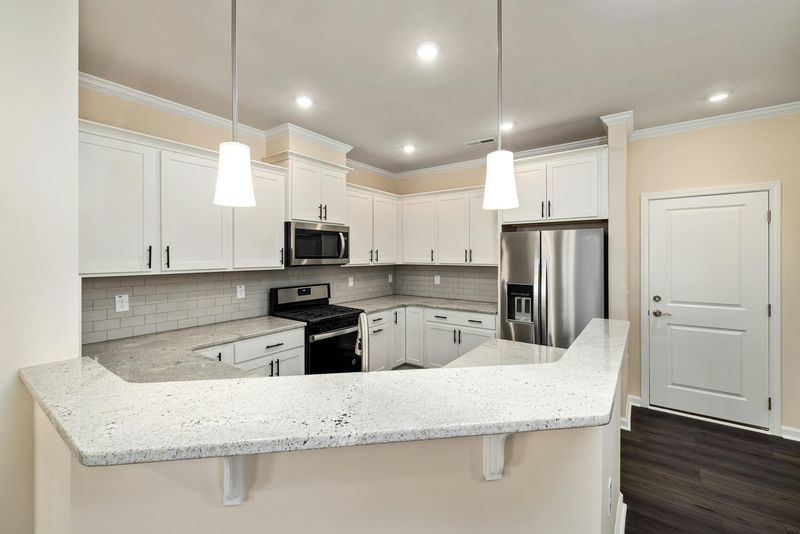
Kitchens and bathrooms sell homes faster and command higher prices than any other features.
Buyers prioritize these spaces because renovating them costs $20,000-$60,000 or more, making move-in-ready properties extremely attractive.
Modern finishes, quality appliances, and functional layouts eliminate immediate renovation expenses and stress for new owners.
Updated kitchens with granite or quartz counters, stainless steel appliances, and open layouts top every buyer’s wish list.
Renovated bathrooms with contemporary fixtures, proper ventilation, and attractive tile work add significant perceived value.
Homes with these updates sell faster and often above asking price in competitive markets throughout the state.
Professional renovations indicate overall home care and maintenance, giving buyers confidence in their purchase decisions.
Even if other areas need updating, renovated kitchens and bathrooms make homes feel modern and desirable.
Prioritize properties with these updates already completed to maximize your investment and minimize post-purchase expenses and headaches.
21. Properties With Large Lots In Suburban Areas
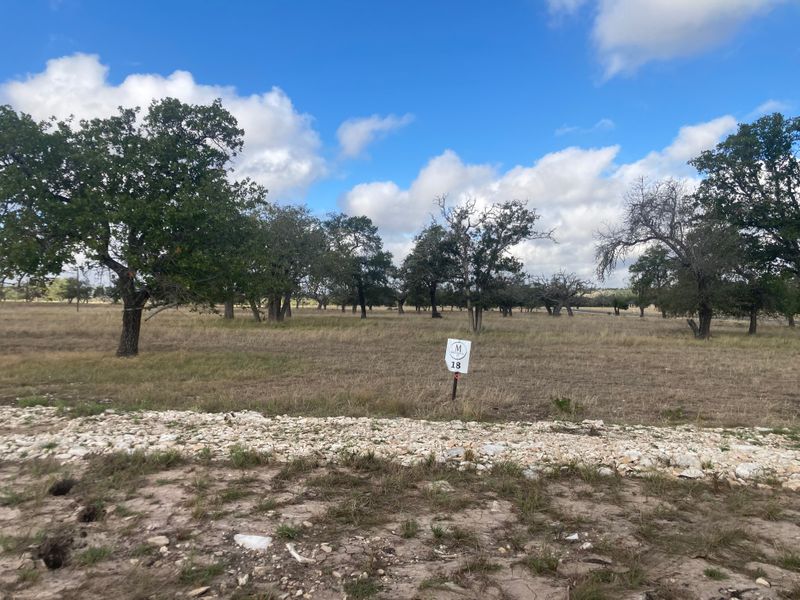
Large lots in suburban settings offer space and privacy that modern subdivisions simply cannot provide.
Families seeking room for children, pets, and outdoor activities prioritize properties with substantial acreage or oversized lots.
Gardening, recreation, and future expansion possibilities make large lots increasingly valuable as urban density increases.
Properties with significant land appreciate faster than similar homes on small lots in crowded developments.
Privacy from neighbors and reduced noise create peaceful environments that buyers pay premiums to secure.
Outdoor entertaining spaces, play areas, and workshop possibilities appeal to diverse buyer demographics and lifestyle preferences.
Large lots in suburban areas near Charlotte, Raleigh, and other growing cities offer the best of both worlds.
Development restrictions often protect these properties from future subdivision, maintaining their unique appeal and value.
22. Homes With Energy-Efficient Features And Solar Panels
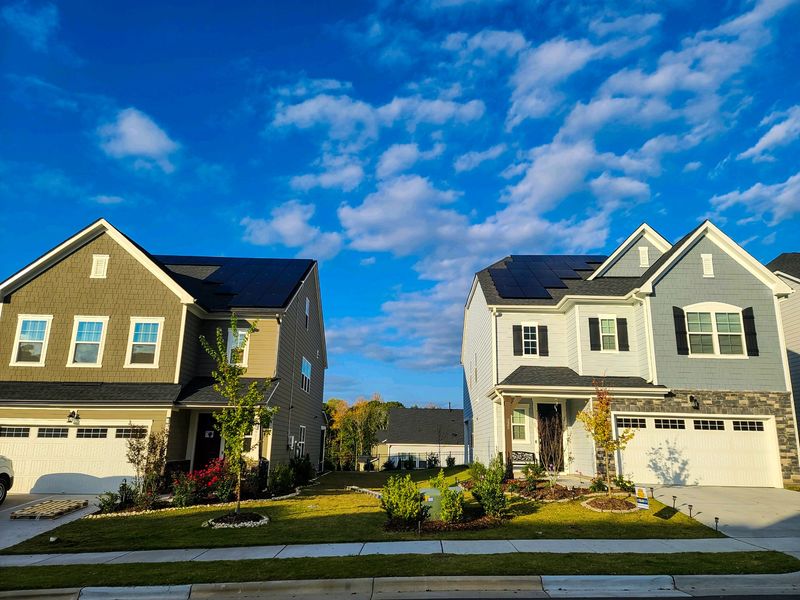
Energy efficiency transforms from nice-to-have into essential as utility costs continue climbing statewide.
Solar panels dramatically reduce or eliminate electric bills while increasing home values and buyer appeal significantly.
LED lighting, high-efficiency HVAC systems, and proper insulation lower operating costs and improve comfort year-round.
Environmentally conscious buyers actively seek energy-efficient homes, expanding your potential buyer pool during resale.
Tax credits and incentives for energy improvements make these features even more valuable financially and environmentally.
Modern windows, smart thermostats, and Energy Star appliances contribute to lower monthly expenses and higher resale values.
Homes with documented energy savings through utility bills command premium prices in competitive markets.
North Carolina’s climate makes cooling costs substantial, so efficiency features provide immediate and ongoing financial benefits.
Prioritize properties with proven energy-saving features to reduce ownership costs while supporting environmental sustainability and increasing long-term property value.
23. Properties Near Good Schools And Established Amenities
School quality and nearby amenities create the foundation for strong property values and community stability.
Top-rated school districts attract families willing to pay premiums for educational quality and opportunities.
Properties near good schools appreciate faster and sell quicker than similar homes in lower-rated districts consistently.
Established amenities, including parks, shopping, healthcare, and recreation, significantly enhance daily life and property desirability.
Walkability to amenities reduces transportation costs and improves the quality of life for residents of all ages.
Communities with strong schools and amenities maintain property values even during market downturns and economic uncertainty.
Rental demand remains high in these areas, providing investment flexibility and income potential for property owners.
Research school ratings, test scores, and amenity locations before making offers to ensure long-term value protection.
Properties combining excellent schools with convenient amenities represent the safest and most profitable real estate investments in North Carolina’s evolving market landscape.