One Connecticut Forest Comes Alive With The Calls Of Barred Owls Each Fall
College rankings can shuffle around every year, but reaching the very top still has a way of grabbing attention. One school has now landed in an especially enviable position among its regional peers.
And the result may surprise people who usually think of much bigger names first.
Rankings look at college life through a particular set of measures, so the story is more interesting when you dig past that shiny top spot. What helped push this school ahead of the competition?
Connecticut now has a college sitting at the top of a major ranking for regional colleges across the North.
That is quite a distinction in a part of the country packed with well-known schools. It also gives people another reason to look more closely at an institution they may not have considered before.
A top ranking may fit neatly into a headline, but the reasons behind it are where things start getting genuinely interesting.
1. Deep Woods Turn Especially Wild After Sunset
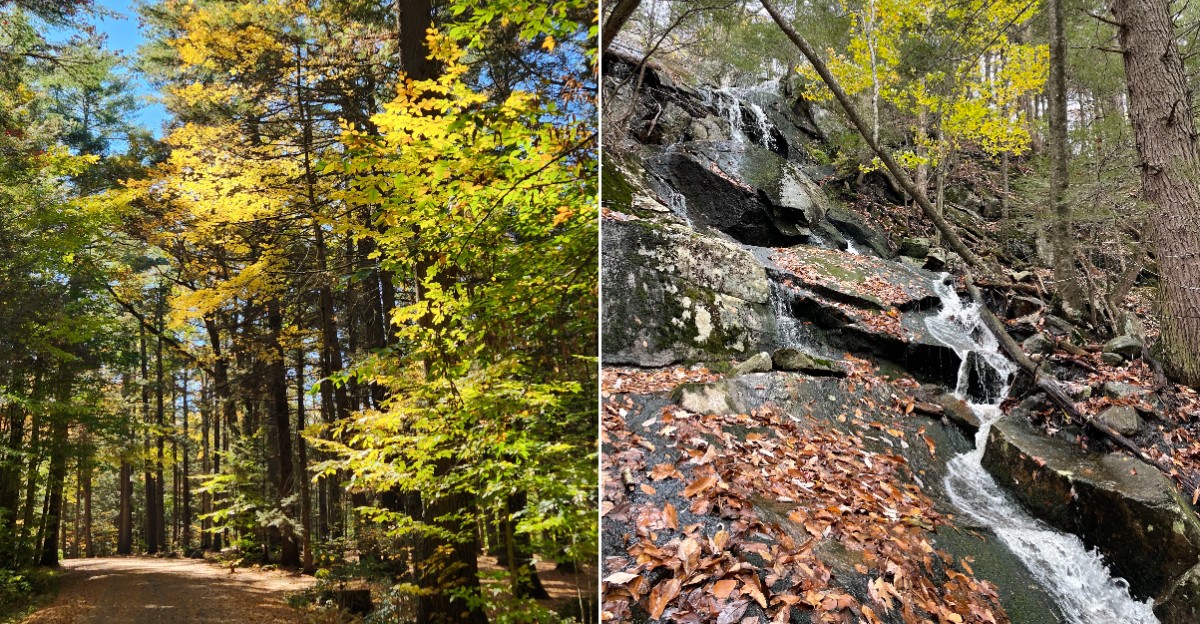
Most people pack up and head home once the light fades, and they miss the best part. Twilight in this forest works like a switch, quieting the daytime birds and handing the microphone to a completely different cast of animals.
Barred owls lead the lineup, using sharp night vision and remarkable hearing to track prey across the leaf litter. Coyotes join in from the ridges.
Raccoons rustle through the understory, and red foxes let loose vocalizations that include shrill screams startling enough to make a first-time listener freeze in place.
On milder autumn evenings, field crickets chirp from burrows and cracks in the soil, while spring peepers still call near small ponds and wet spots. Young barred owls add whistle-like screams that sound nothing like the hoots people expect.
If you want to experience it, plan to arrive before dark so you can see the trails while there is still daylight, then find a spot near the edge of the woods and simply stand still. Bring a headlamp, dress warmer than you think you need to, and let your ears adjust.
Five quiet minutes often reveal more than an hour of walking ever will.
2. Barred Owl Calls Echo Through The Trees
Who cooks for you? Who cooks for you all?
That rhythmic phrase is the classic barred owl call, and once you learn it, you will never mistake it for anything else.
Barred owls live in the state year-round and do not migrate, so the population here stays put through every season. They favor dense, mature woodlands and swampy pockets, which describes big sections of this forest almost perfectly.
Autumn turns into a genuine hooting season. Pairs begin or renew their bonds, reclaim nesting sites, and get ready for an early winter breeding season, while young adults stake out territory of their own.
The result is a forest full of conversation.
Their vocal range goes far beyond hooting. Barks, whoops, shrieks, and laughs all belong to the repertoire, and paired owls trading mating duets can produce something close to wild, cackling laughter rolling through the trees.
Here is the detail that surprises most visitors: barred owls fly in near silence. Specialized sound-absorbing feathers soften the air rushing over their wings, which helps them hunt in the dark.
You may hear one call, then hear absolutely nothing as it relocates to a branch directly above you.
3. East River Road Follows The Forest’s Scenic Edge
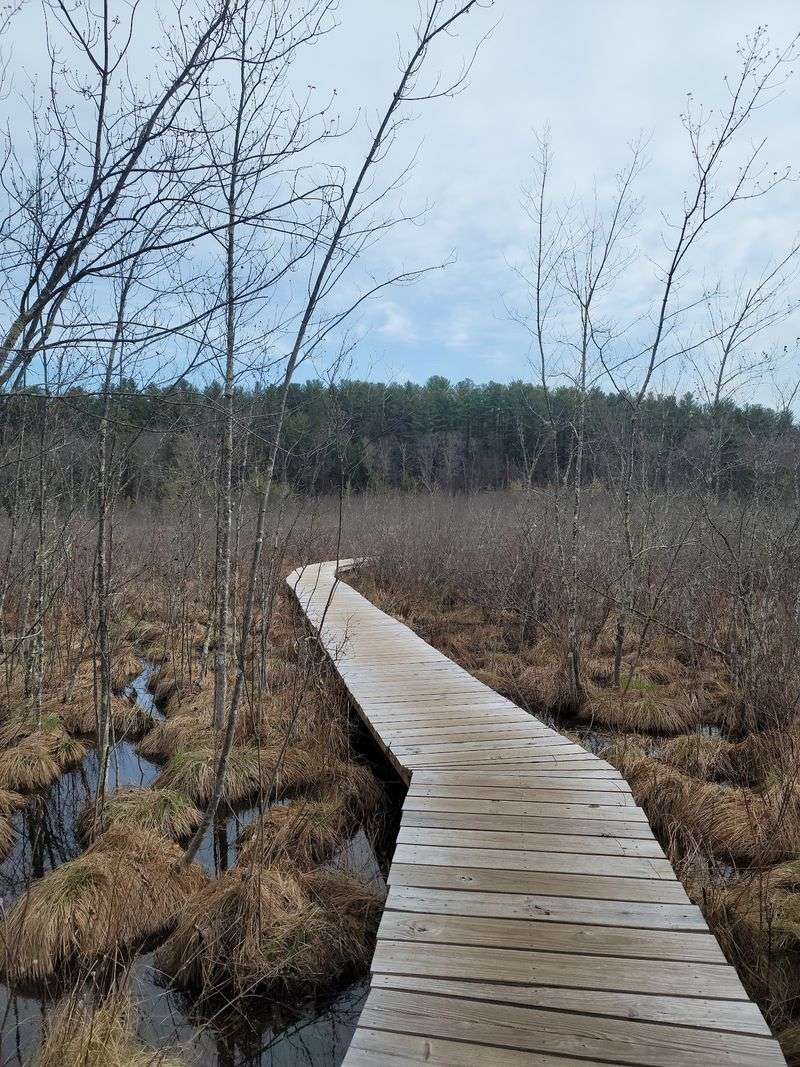
The adventure starts before the hike does. One turn onto East River Road, and the forest begins putting on a show.
Trees crowd the roadside while glimpses of the West Branch Farmington River appear through the foliage, making the drive feel like part of the day rather than simply the route in.
This road provides important access to Peoples State Forest, including recreation areas and several trailheads. The Jessie Gerard Trail begins from East River Road near the historic Barkhamsted Lighthouse site, climbing toward some of the forest’s most impressive overlooks.
Fall gives the approach extra personality. Bright foliage rises above the river valley, and pulling into a recreation area can quickly turn a scenic drive into an afternoon hike.
More than 11 miles of trails spread across the forest, so visitors have plenty of options once they park.
Getting there is straightforward from Route 318. After crossing the steel bridge in Pleasant Valley, drivers turn immediately onto East River Road, with the main recreation area roughly a mile ahead.
Peoples State Forest is in Barkhamsted, CT 06063, in the northwestern part of the state.
Once the car is parked, the real exploring can begin.
4. The Farmington River Winds Alongside The Woods
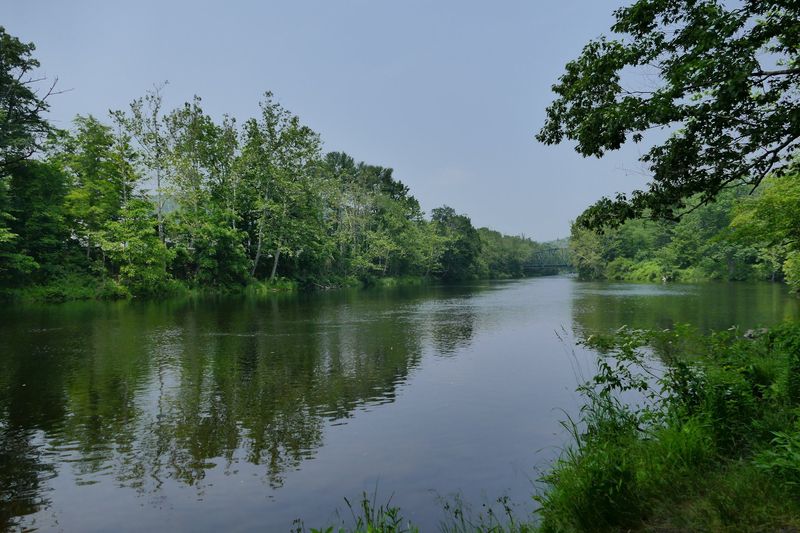
Water gives this forest its rhythm. The West Branch of the Farmington River, recognized as a National Wild and Scenic River, flows right along the property and forms the natural boundary between Peoples State Forest and American Legion State Forest across the way.
Anglers know it well. Trout fishing draws steady interest, and paddlers bring canoes and kayaks while warm-weather visitors float through on tubes.
Along the banks, Matthies Grove and Whittemore Recreation Areas offer picnic spots shaded by white pines estimated at around 200 years old. Sitting under trees that tall changes the scale of everything, and the sound of the current running over stone becomes the background to lunch.
One practical note for anyone planning river time: check water levels first. Conditions shift with rainfall and releases, turning a lazy float into a brisker ride or the reverse, and knowing before you go makes the whole trip smoother.
Evening adds another layer. Wetter areas near the river hold frogs and insects that feed the food chain owls depend on, which is part of why nocturnal activity concentrates in these lower, damper zones once darkness settles across the valley.
5. Historic Stonework Hides Among The Trails
The woods keep secrets here. Look closely, and pieces of the past begin appearing between the trees.
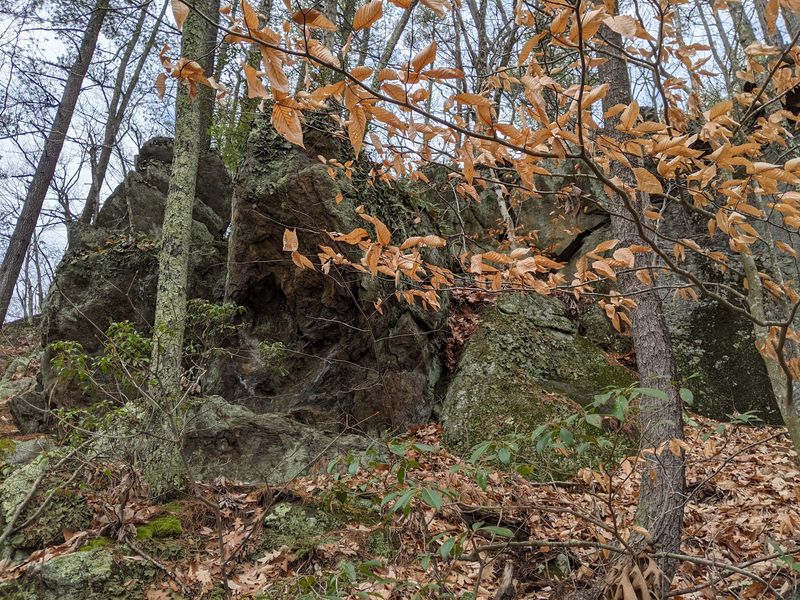
Old cellar holes, stonework, and archaeological sites turn an ordinary hike through Peoples State Forest into something closer to a history hunt.
The Jessie Gerard Trail begins near the Barkhamsted Lighthouse site, once home to a small community whose story reaches back centuries. The route quickly gets dramatic, climbing toward scenic overlooks with an impressive series of 299 stone steps.
Another surprise waits near the Walt Landgraf Trail. Native Americans quarried soapstone in this area for roughly 1,500 years, leaving behind an archaeological site now recognized as the Walt Landgraf Soapstone Quarry.
Elsewhere, the Charles Pack Trail passes an old cellar hole, another reminder that these woods have not always looked as they do today.
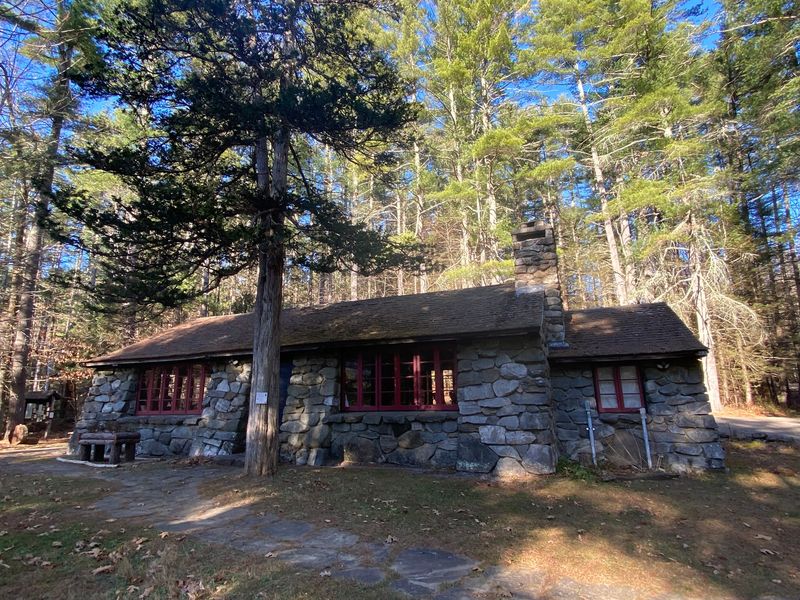
The forest’s human story continues at its seasonal Nature Museum. Built by the Civilian Conservation Corps in 1935, the historic stone building displays local artifacts, rocks, minerals, insects, and exhibits about native plants and animals.
It is also listed on the National Register of Historic Places.
Here, even a quiet trail can unexpectedly turn into a trip through centuries of local history.
6. Jessie Gerard Trail Climbs Toward Sweeping Views
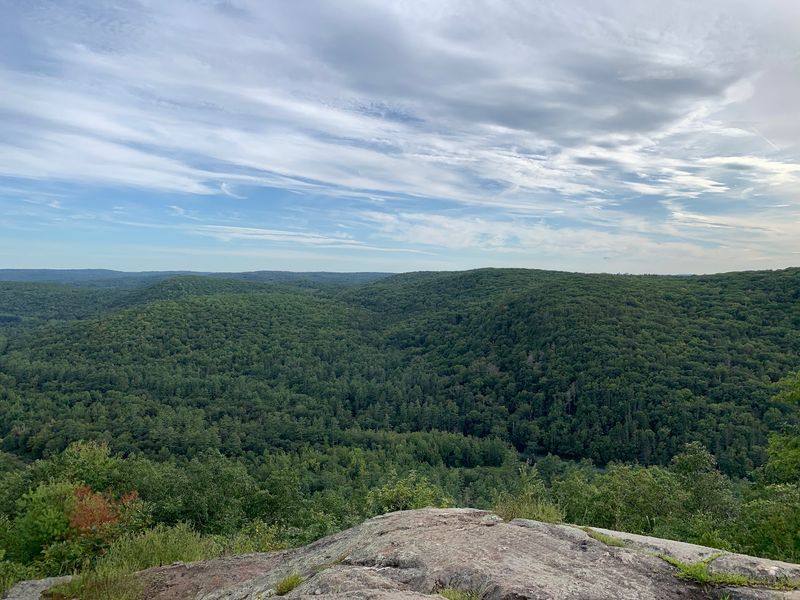
299 stone steps. That number alone tells you something about the Jessie Gerard Trail, the forest’s most celebrated climb and the one hikers talk about long after their legs recover.
The trailhead sits on East River Road near the Barkhamsted Lighthouse site. From there you can treat it as a 1.3-mile one-way ascent or stretch it into a 2.9-mile loop, with difficulty landing somewhere between moderate and genuinely challenging depending on your route.
Take the right fork and you wind through steep switchbacks past the Lighthouse Village Graveyard site before reaching overlooks including Chaugham’s Lookout. Choose the left fork instead and you get the direct, steeper option built around that famous stone staircase.
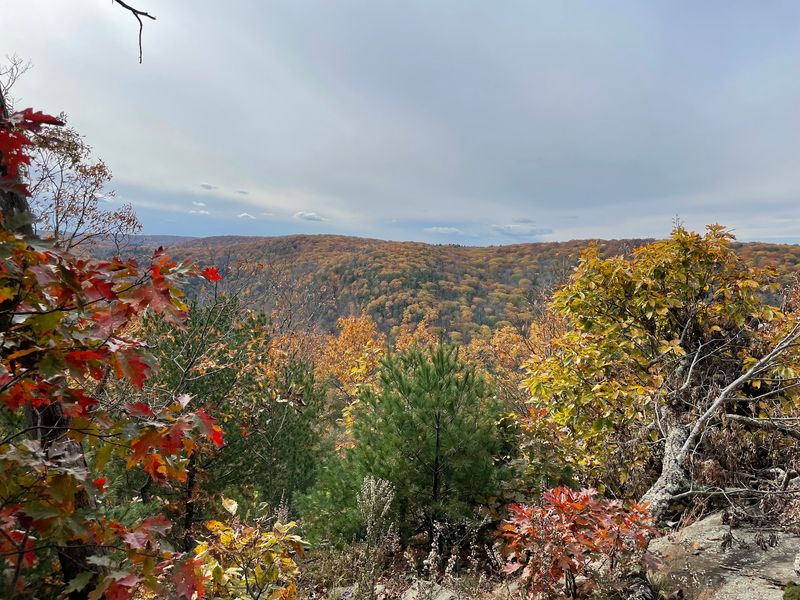
The payoff earns its reputation. Views from the top rank among the broadest in the state, including vistas over Riverton Village, and the trail also threads between the Veeder Boulders on its way up.
Footing deserves respect. Rocky sections turn slick after rain, so sturdy shoes with real tread matter more than speed.
April through October is generally the best window, and the route doubles as a favorite among birders and, later in the season, snowshoers. Benches along the way give tired hikers a place to catch their breath.
7. Autumn Colors Transform The Forest Canopy
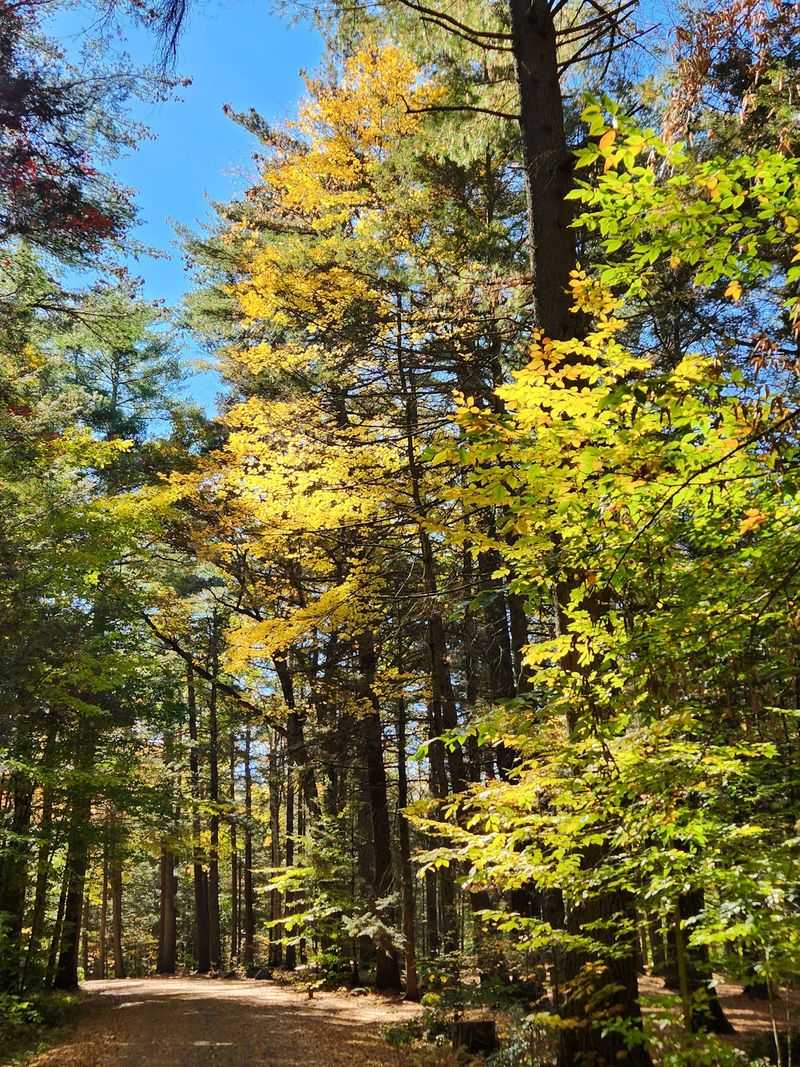
Fall arrives early in this part of the state. Because the forest sits in the western Litchfield hills, it counts among the first state areas to show real color, with the earliest hints appearing in the northernmost sections around late September.
Peak foliage in the Northwest Corner, Barkhamsted included, typically lands in early October, often somewhere between the 3rd and the 8th, though weather always nudges that window a little in either direction.
The stretch along the West Branch of the Farmington River earns particular praise during those weeks. Red maples reflect off the water, golden birches light up the understory, and the contrast against the evergreen white pines keeps the scene from ever looking flat.
With roughly ten miles of trails plus several lookouts, there is no single best vantage point, which is honestly part of the appeal. The Jessie Gerard Trail gets recommended most often for foliage hikes thanks to those wide-open views from the top.
Visitors regularly describe the atmosphere as peaceful, and autumn mornings deliver that in full: crisp air, low sunlight filtering sideways through the canopy, and leaves loosening overhead. Bring a camera, but plan to spend most of your time just looking.
8. Cool Fall Evenings Bring The Woods To Life
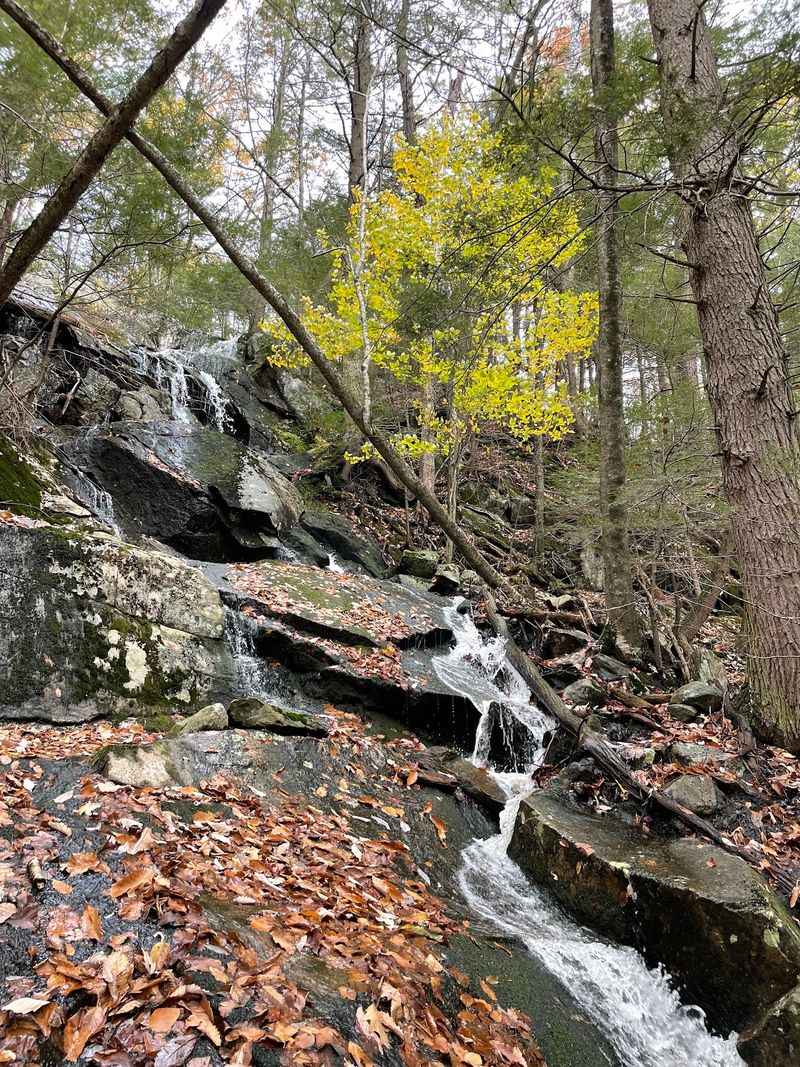
Cold air carries sound differently, and autumn nights in this forest prove it. As temperatures drop and darkness comes earlier, the woods take on a personality that daytime visitors never meet.
Barred owls turn especially vocal now. Their signature calls travel farther as leaves thin from the canopy, making the birds feel closer and far more present than they do in summer.
Younger owls contribute those whistle-like screams that catch newcomers off guard.
Red foxes add their own strange mix of vocalizations, including shrill screams. Eastern screech owls layer in trills and descending whinnies that sound almost like a soft, wavering song.
Warmer evenings keep crickets chirping and spring peepers calling near marshy ground. Every so often, a white-tailed deer lets out a sharp snort from the underbrush, a quick reminder that you are being noticed too.
To enjoy it comfortably, layer up, since valley air near the river cools fast after sunset. Keep noise low out of respect for wildlife and other visitors, park only in designated areas, and check current seasonal hours before planning an after-dark listen.
Standing still in that cold, hooting darkness is the kind of Connecticut experience that stays with you.