One Of North Carolina’s Most Underrated Escapes Is This Quiet Village
Sometimes you just need to get away from it all, but finding the right spot can be tough.
North Carolina has a lot of places to visit, but there’s this quiet village that most people skip over. It’s not flashy or crowded, and honestly, that’s what makes it special.
I stumbled across it almost by accident. Now I can’t stop thinking about how peaceful it was.
If you’re looking for a break from the usual tourist spots, this underrated escape might be exactly what you need.
Let’s take a look at what makes this little village worth your time.
A Village Frozen in Time
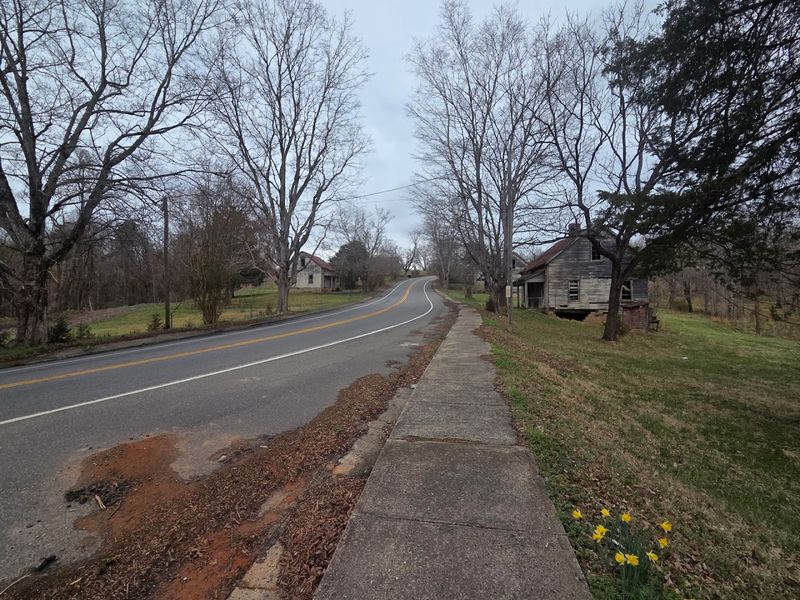
The atmosphere shifts noticeably as soon as you step past the entrance gate. It feels like a strange sensation where time begins moving sideways.
This settlement emerged during the early twentieth century to provide housing for laborers. They served a textile manufacturing company that once hummed with intense activity within Burke County.
Operations at this specific mill continued from roughly 1905 until the middle of the 1970s. Once the machines stopped, resident families slowly departed for other towns.
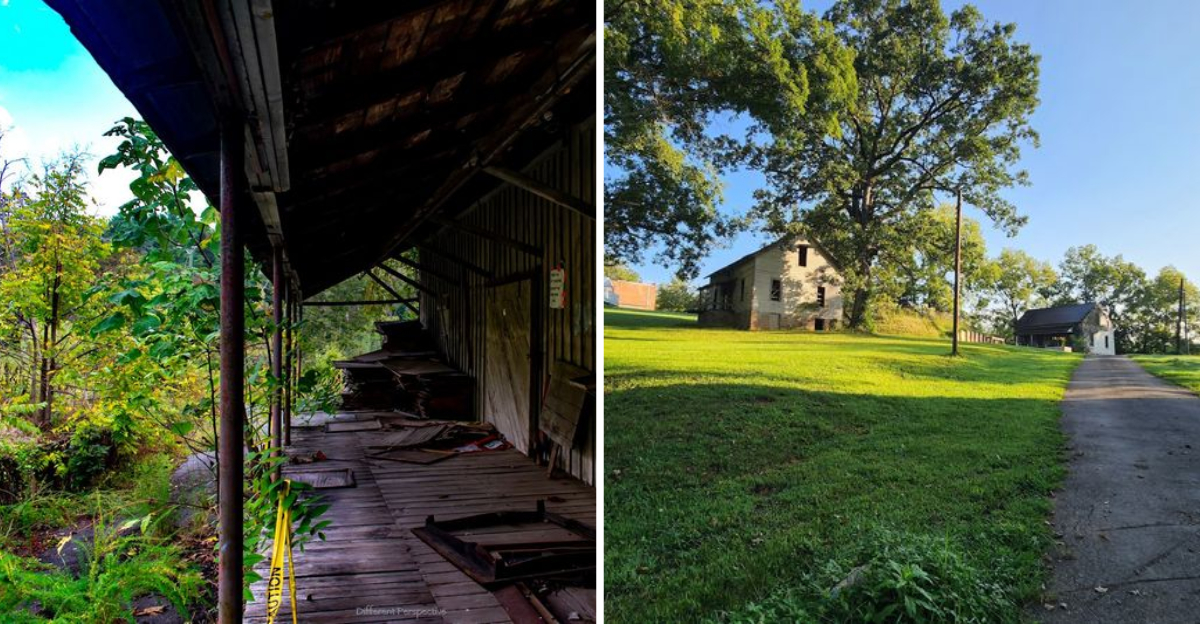
They left behind an incredibly preserved collection of wooden cottages and community buildings. Nobody ever bothered to tear these structures down over the passing decades.
Such a long period of neglect eventually transformed into a remarkable historical gift. You can locate the Henry River Mill Village at 4255 Henry River Rd, Hickory, NC 28602.
The site currently encompasses forty acres of land. It serves as one of the most authentic examples of a Southern industrial colony found anywhere in the state.
What captures your attention immediately is not the cinematic fame attached to the grounds. Instead, the sheer completeness of the entire landscape provides the greatest impact.
These are not fake facades or artificial museum dioramas built for tourists. These were actual homes where parents cooked meals and raised their children.
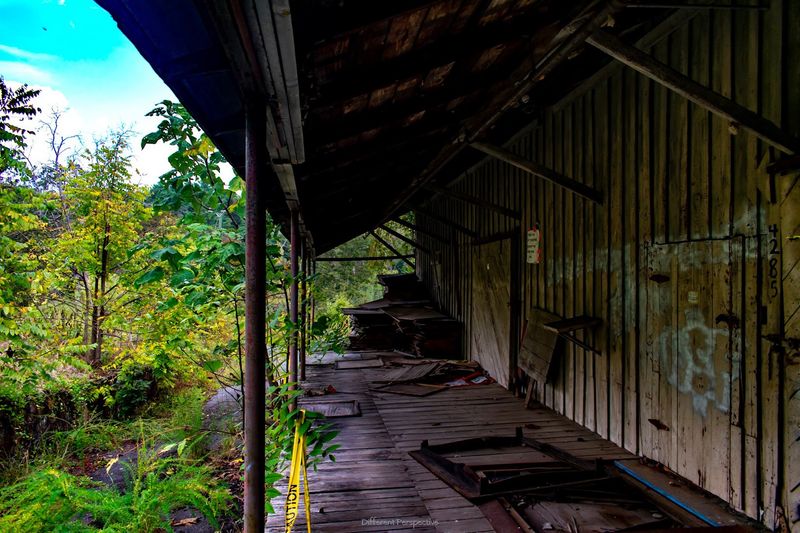
The buildings remain exactly as the passing years discovered them. Local vines and unpredictable weather are slowly reclaiming the ancient timber.
The Hunger Games Connection
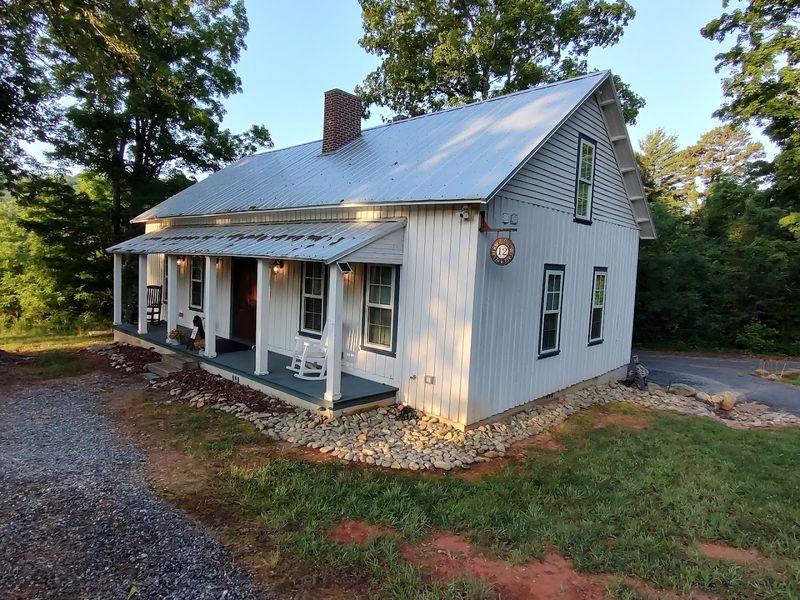
Can you believe how much this North Carolina place resembles a dystopian film set? You do not need to be a cinema enthusiast to value this unique location.
However, if you enjoy movies, prepare yourself for a massive hit of recognition. This occurs the moment you round the first sharp bend in the dusty road.
A production crew selected this spot in 2012 to portray a famous fictional community. It represented the impoverished mining district where a brave young protagonist grew up.
The crumbling storefronts and narrow unpaved lanes translated perfectly onto the big screen. Seeing the sagging porches in person creates a truly surreal experience for any traveler.
During my trek, I explored the specific structures that are believed to be the central family home and the small building used as a bakery in the story.
The Tour Experience
I was surprised by how much an informal guide can improve the day. The experience is personal and highly entertaining if your expectations are properly set.
This is not a polished museum walkthrough filled with automated audio devices. It resembles a knowledgeable friend showing you their favorite strange and wonderful discovery.
I visited the filming locations and the most important historical structures during this time. After that, I was free to roam the full forty acres alone.
That is honestly where the most exciting exploration typically happens for me.
I suggest bringing comfortable walking shoes for the uneven terrain. Carrying a fresh water bottle is also a smart move during the heat.
40 Acres To Explore
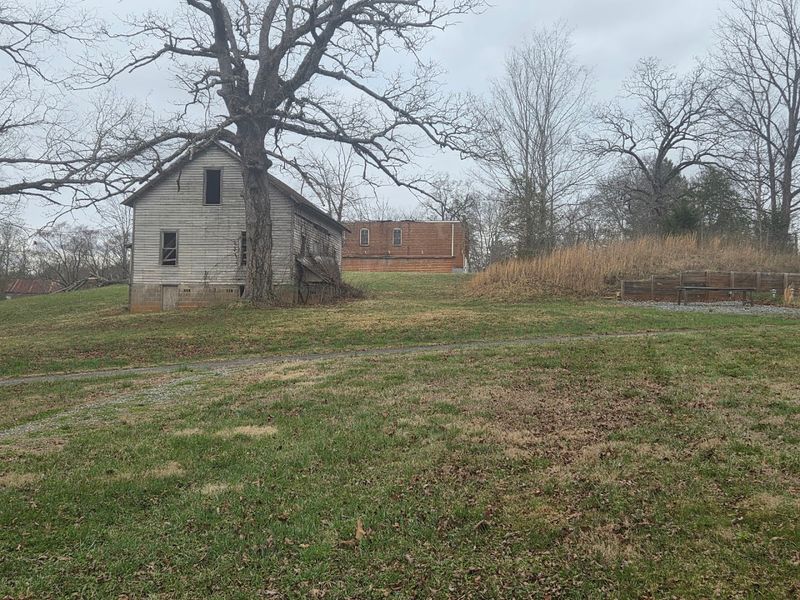
Once the formal walking portion concludes, the real adventure finally starts. Forty acres sounds like a massive area until you stand at the edge.
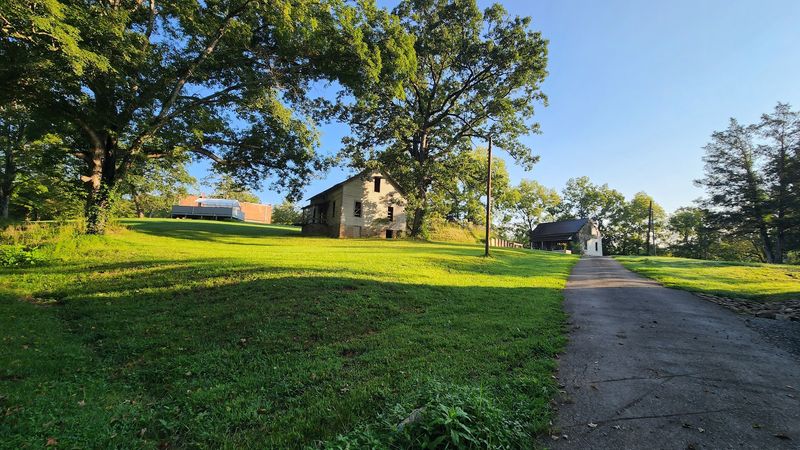
Having a clear afternoon ahead of you makes the scale feel just right. The grounds include a main road lined with small worker cottages.
There are also wooded trails and open fields to navigate. I found the remnants of the old mill structure down near the river.
I spent close to two hours just wandering through the tall grass. I kept doubling back on paths because the shifting light changed the scenery.
The late afternoon sun cuts through the trees at a sharp angle. This turns the weathered wood of the old cottages into something golden.
I noticed that the slow walking pace works well for families. There is always something new to see around every single bend.
Photographers and history buffs find their own unique version of this place. Everyone seems to appreciate the vast space for different reasons.
North Carolina has plenty of outdoor spots, but few feel this raw. The atmosphere is untouched and carries a heavy sense of human history.
Certain parts of the village feel wild and overgrown today. This only adds to the thrill of discovering a forgotten world.
Staying Overnight
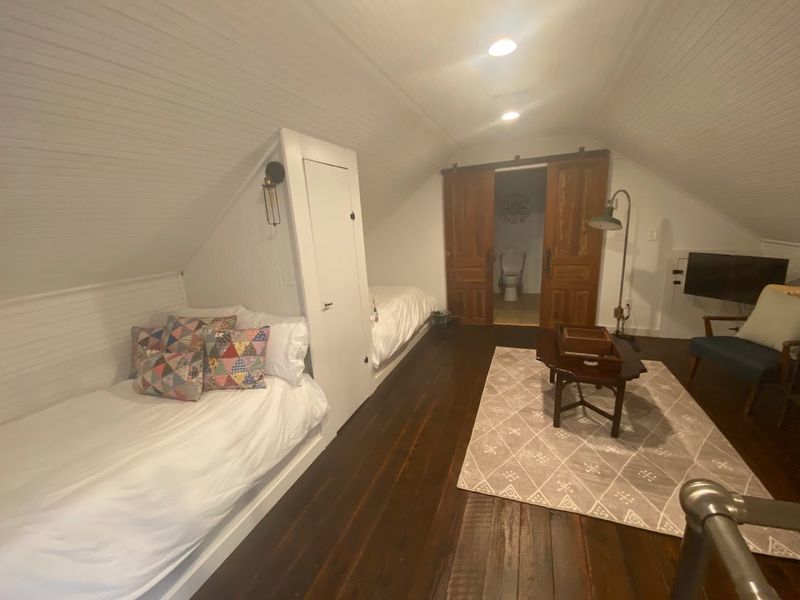
Spending a single afternoon is satisfying, but sleeping here is different. The property offers a restored cabin available through a popular booking platform.
This specific lodging has earned enthusiastic praise from many recent guests. I would describe this trip as one of my favorite travel memories.
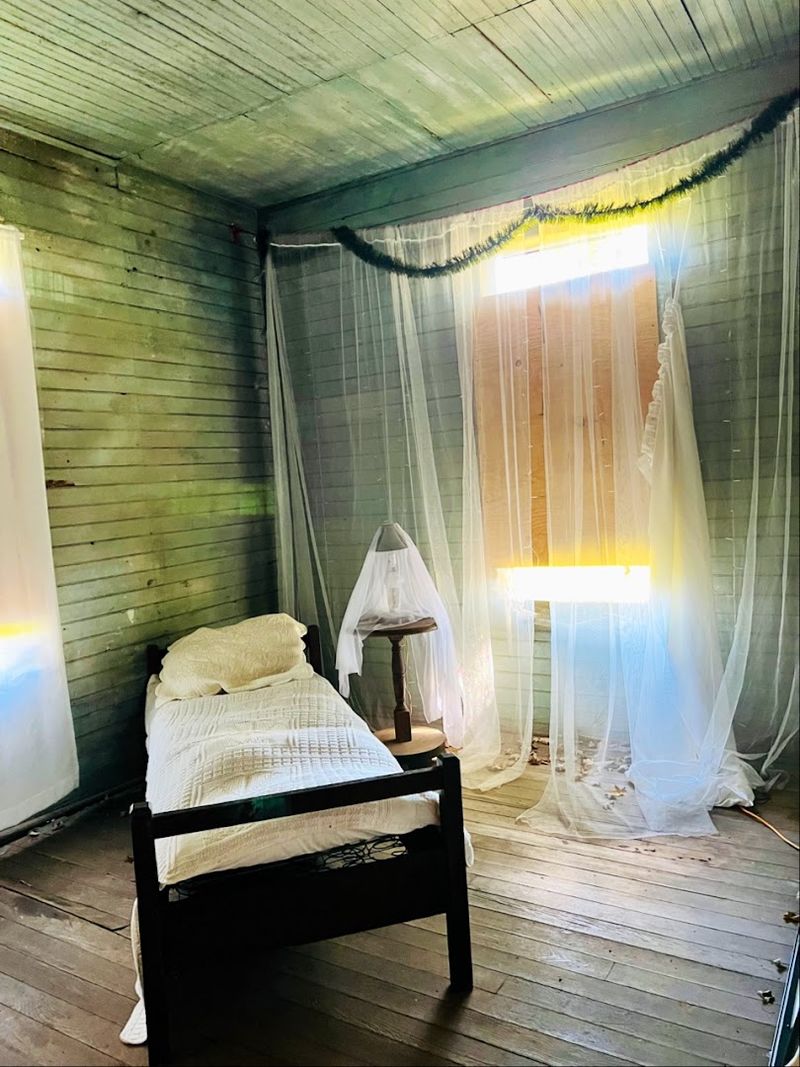
The interior was beautifully finished for modern comfort. However, the surrounding village remained delightfully eerie after the sun went down.
Having the whole place to yourself creates a significant shift. The daytime crowds vanish, leaving you alone with the quiet shadows.
Here’s a tip: if you arrive in an RV, confirm your booking very carefully. Clear communication with the staff makes the process run much more smoothly.
I find that the silence of the night brings out the spirit. It allows you to imagine the lives of the people who lived here.
History Beyond Hollywood
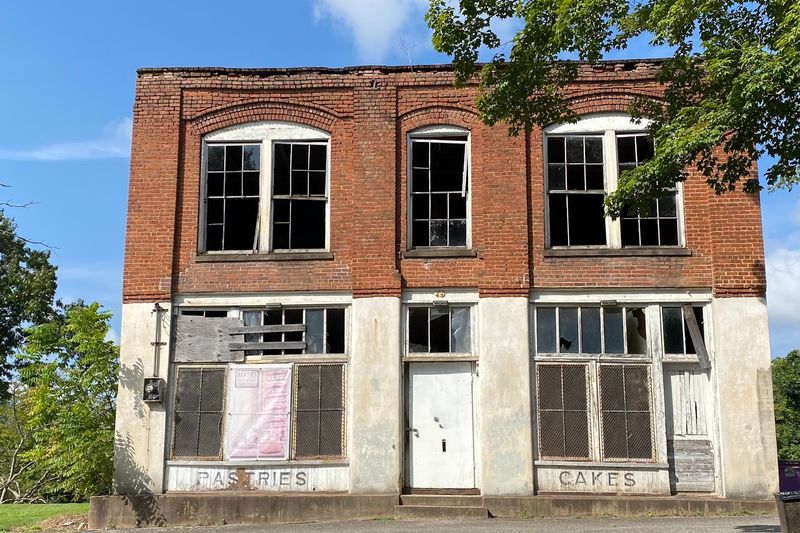
I was surprised to find that the local history is more compelling. The textile company started in 1905 thanks to several local investors.
The village that grew around it was a completely self-contained world. It included company-owned housing, a store, a church, and a schoolhouse.
Workers paid their rent directly to the manufacturing firm each month. They bought all their necessary supplies from the central company store.
Most people lived their entire daily lives within a few hundred yards. This kind of setup was extremely common throughout the American South.
Very few examples survive today in such an original condition. Most were torn down or renovated beyond any recognition long ago.
Neglect and luck conspired to preserve this specific location instead. Walking past these cottages provides a physical record of the past.
No museum reconstruction could replicate this specific feeling of age. I saw a few descendants of original workers visiting the property.
Some were present during a holiday weekend to share their memories. This living connection adds a layer of deep meaning to the site.
The film set is interesting, but the human story is better. It represents a working-class life that shaped the entire region.
Future Plans And Preservation
The plans in progress are worth knowing about before your trip. The main building might soon undergo a massive internal conversion.
A second structure is earmarked to become a proper local museum. It will cover textile manufacturing and the village’s role in industry.
There are also ongoing efforts to restore several more wooden cottages. Improving trail access and adding signs are also high priorities.
As of last year, the property was listed for sale. This introduces some uncertainty about whether these plans will actually move forward.
What is already in place remains genuinely impressive to me. The single restored cabin shows what thoughtful rehabilitation can truly achieve.
The guided tour operation provides a solid framework for future growth. North Carolina has a strong tradition of protecting its industrial heritage.
Visitor admission fees go directly toward the upkeep of the wood. This gives every ticket a tangible purpose beyond simple entertainment.
Supporting this place feels like an investment in the future. It ensures that the stories of the workers are never forgotten.
The value of the site will only increase as time passes. It is a rare survivor in a world that changes too fast.
Plan A Visit You’ll Love
A few practical notes will make your trip much more enjoyable. The property sits along a rural road in a quiet county.
The surrounding area is not densely developed or full of shops. You should plan your fuel and food stops before you arrive.
The nearest city with dining and services is a short drive away. It offers a full range of options for hungry travelers.
Wear shoes that you do not mind getting a bit dusty. The grounds are unpaved and can get muddy after a heavy rain.
Trails through the wooded sections get soft during the wet seasons. A water bottle is necessary during the humid summer months.
The property is open for tours during regular business hours. It is always worth calling ahead to confirm the daily schedule.
Hours and availability can vary depending on the specific season. Confirming your visit in advance saves you from potential frustration later.
Photography is a major reason why people visit this old town. The light in the late afternoon is particularly flattering for pictures.
It highlights the weathered textures and the overgrown greenery perfectly. Arriving three hours before sunset gives you the best timing.
You can enjoy the guided walk and still have a golden hour. This ensures you see the best of the forty-acre property.