One Of The World’s Best Night Markets Is Hiding Right Here In Los Angeles County, California
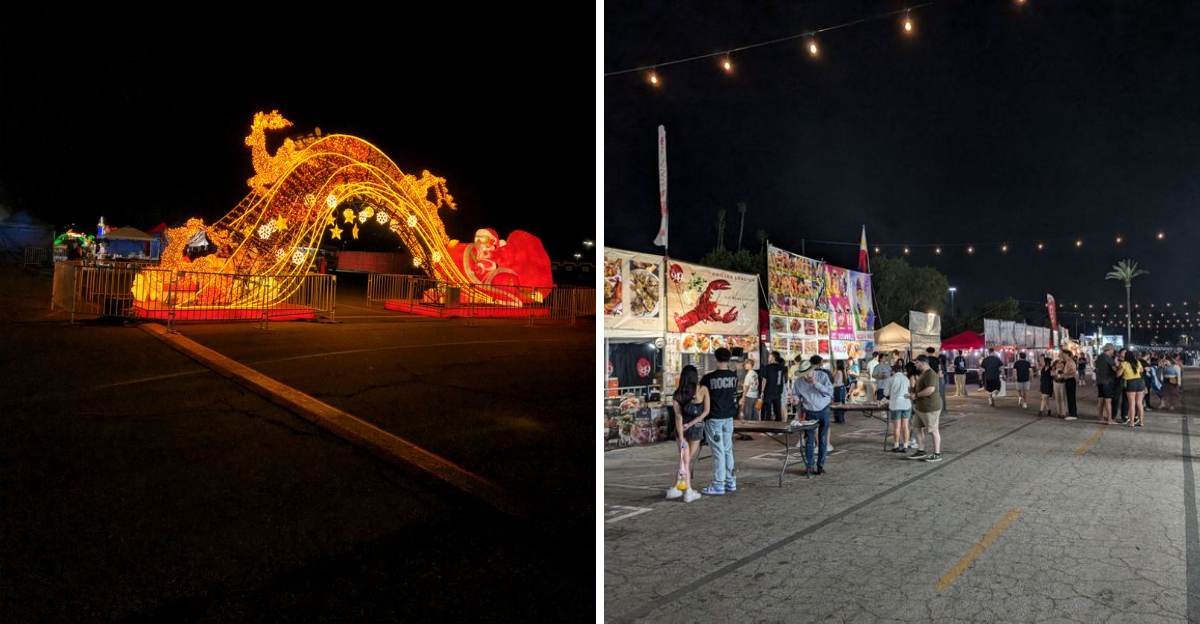
Night falls, and a parking lot stops feeling ordinary. Strings of lights switch on, smoke rises from grills, and the first bite hits with the kind of flavor that makes people pause mid-conversation.
The crowd keeps moving, yet every stall pulls attention in a different direction.
There are few events in California that turn weekend plans into a full-scale cultural adventure the way the 626 Night Market does.
Street food sizzles, vendors stack colorful merchandise, and live entertainment keeps the energy high from start to finish.
Regulars arrive with strategies, newcomers arrive wide-eyed, and everyone leaves with a new favorite dish. The experience feels like a global bazaar, yet it stays grounded in community and shared excitement.
Ranked among the world’s top night markets, it has grown from a modest gathering into one of the largest food festivals in the country.
Los Angeles County hosts crowds that can reach 100,000 over a single three-day weekend. Lines get long, patience gets tested, and the reward always feels worth it.
1. Born From A Vision In 2012
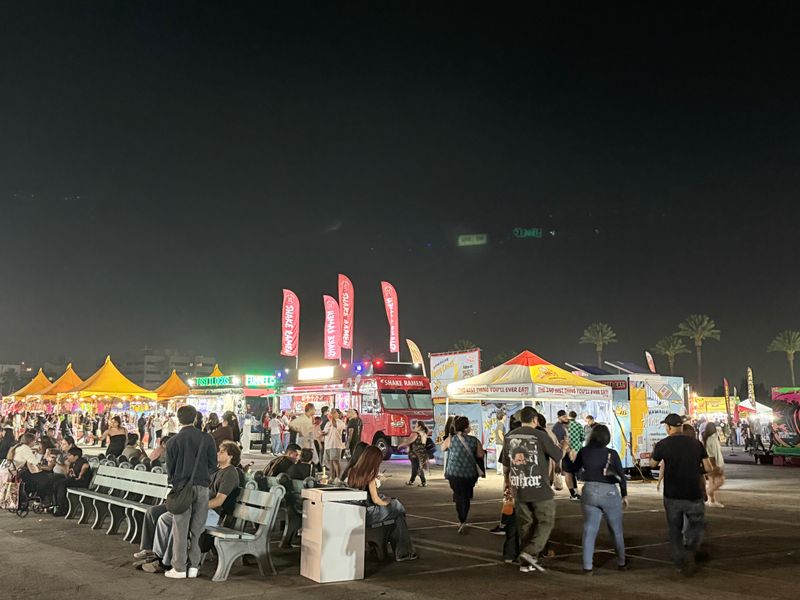
Jonny Hwang founded the 626 Night Market in 2012 with a simple dream of bringing the energy and flavor of Asia’s open-air bazaars to Southern California.
His vision took root in the San Gabriel Valley, an area known for its vibrant Asian American communities and rich cultural diversity.
The market’s name comes from the 626 area code, which covers much of the San Gabriel Valley region.
What started as a small gathering has transformed into a cultural movement that celebrates food, art, and community in ways that traditional festivals rarely achieve.
The founders wanted to create a space where local chefs, artists, and entrepreneurs could showcase their talents while giving families an affordable and entertaining weekend destination.
Each event became a platform for cultural exchange, blending traditional Asian street market traditions with modern American festival energy.
The market’s rapid growth surprised even its creators, as word spread through social media and local communities about the unique experience waiting at each event.
Vendors from across California began applying for booth space, eager to share their culinary creations and handmade goods with enthusiastic crowds.
The 626 Night Market proved that Southern California was hungry for authentic cultural experiences that went beyond typical food truck gatherings or county fairs.
2. Santa Anita Park Becomes The Flagship Home
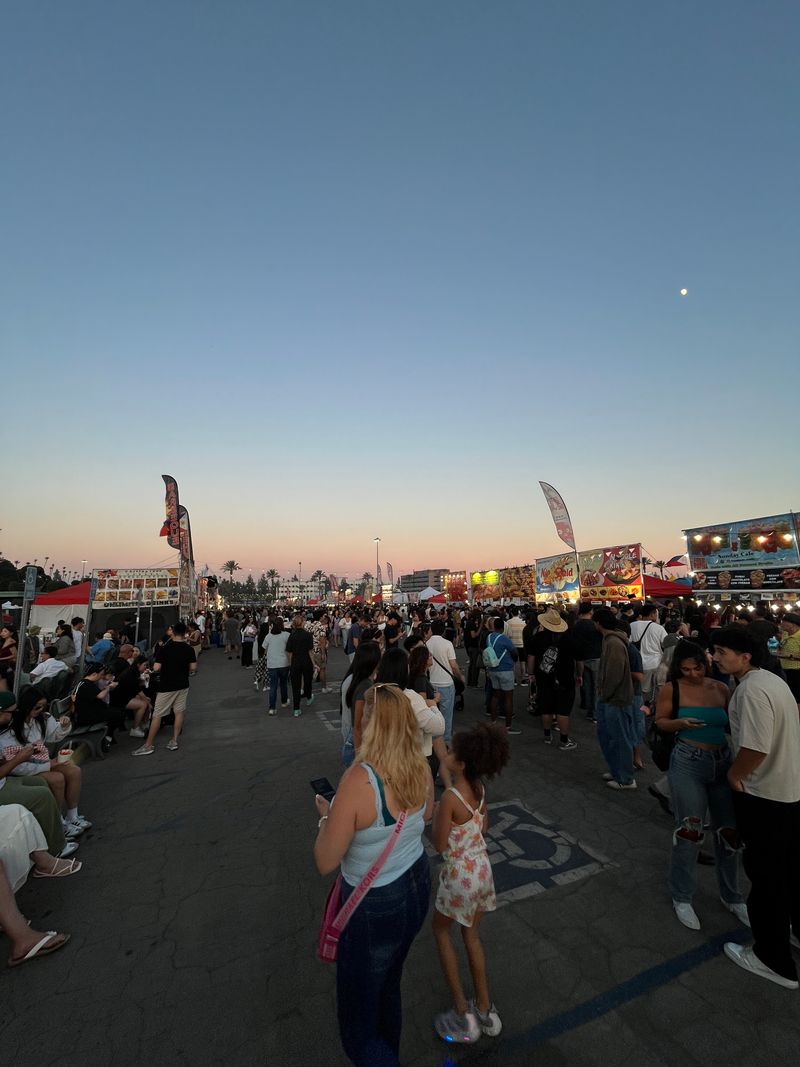
Santa Anita Park in Arcadia serves as the flagship location for the 626 Night Market, providing the massive space needed to accommodate the festival’s impressive scale.
The historic racetrack at 285 W Huntington Dr, Arcadia, CA 91007 opens its parking areas several times each year to host this cultural celebration.
The venue’s central location in the San Gabriel Valley makes it accessible to visitors from throughout Los Angeles County and beyond.
Transforming a racetrack parking lot into a bustling night market requires careful planning and coordination, with organizers setting up hundreds of vendor booths, stages for live performances, and seating areas for thousands of guests.
The wide-open spaces allow for smooth crowd flow even when attendance reaches peak numbers on Saturday evenings.
Parking becomes a consideration during busy sessions, with attendees often arriving early to secure convenient spots.
The partnership between Santa Anita Park and the night market has created a unique seasonal tradition that breathes new life into the venue during non-racing periods.
Visitors walking through the transformed grounds experience a complete sensory shift from the racetrack’s usual atmosphere to a vibrant Asian bazaar filled with aromatic food stalls and colorful merchandise displays.
The location’s familiarity to local residents combined with its ample size has made it the perfect permanent home for the market’s largest events.
3. Over 250 Vendors Create Endless Variety
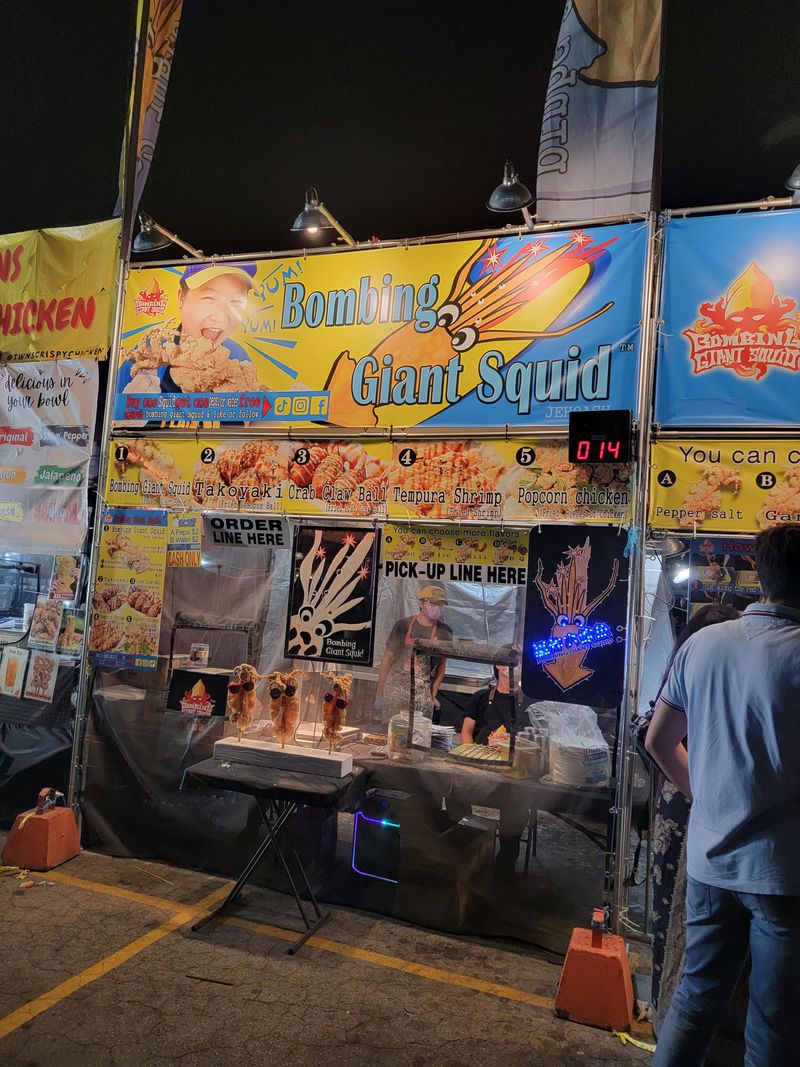
Each 626 Night Market event brings together more than 250 vendors, creating a marketplace so diverse that visitors often need multiple trips to experience everything available.
Food stalls dominate the landscape, offering everything from traditional Asian street snacks to creative fusion dishes that blend cultures in unexpected ways.
Merchandise vendors fill the gaps between food booths, selling clothing, accessories, artwork, toys, and handmade crafts that reflect both Asian heritage and contemporary trends.
The vendor selection process ensures a constantly rotating mix of established favorites and exciting newcomers, preventing the market from feeling repetitive to regular attendees.
Small business owners and aspiring entrepreneurs find opportunities to test new products and build customer bases without the overhead costs of permanent storefronts.
Artists showcase original paintings, prints, and sculptures while craftspeople demonstrate traditional techniques that connect modern audiences with cultural heritage.
Game booths and entertainment attractions add playful elements throughout the market grounds, giving families with children interactive experiences beyond eating and shopping.
The sheer number of vendors means that even locals who attend every session discover something new each time they visit.
This variety has become one of the market’s defining characteristics, setting it apart from smaller food festivals that offer limited selections.
4. Asian Street Food Reaches New Heights
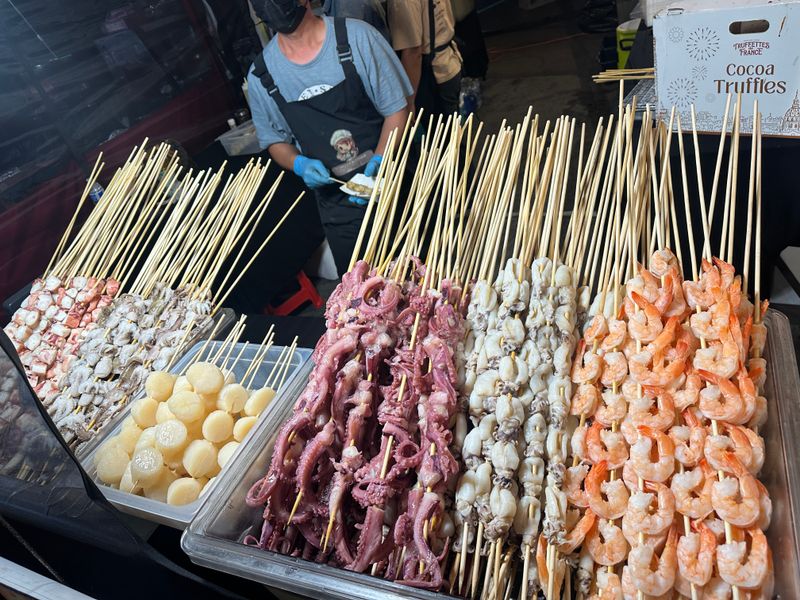
The culinary offerings at the 626 Night Market represent the festival’s main attraction, with food vendors serving dishes that range from authentic regional specialties to wildly creative fusion inventions.
Traditional items like stinky tofu, meat skewers, takoyaki, and bubble tea share menu boards with modern creations such as pho tacos, ramen burgers, and desserts that combine Asian and Western flavors.
The aromatic blend of grilling meats, frying oils, and sweet treats creates an intoxicating atmosphere that makes resisting temptation nearly impossible.
Lines form quickly at popular stalls, especially during peak evening hours when crowds reach their densest points.
Vendors prepare food in open-air setups that allow customers to watch the cooking process, adding visual entertainment to the dining experience.
Portion sizes typically fall into the shareable category, encouraging groups to sample multiple dishes rather than committing to single large meals.
Pricing remains relatively affordable compared to sit-down restaurants, though costs add up quickly when trying numerous items across different vendors.
The market environment encourages culinary adventurousness, with many visitors stepping outside their usual comfort zones to try unfamiliar ingredients or preparation styles.
Vegetarian and dietary-restricted options have expanded over the years, though the selection still leans heavily toward meat-based dishes and fried preparations that define traditional Asian street food culture.
5. Ranked Ninth Best Worldwide In 2026
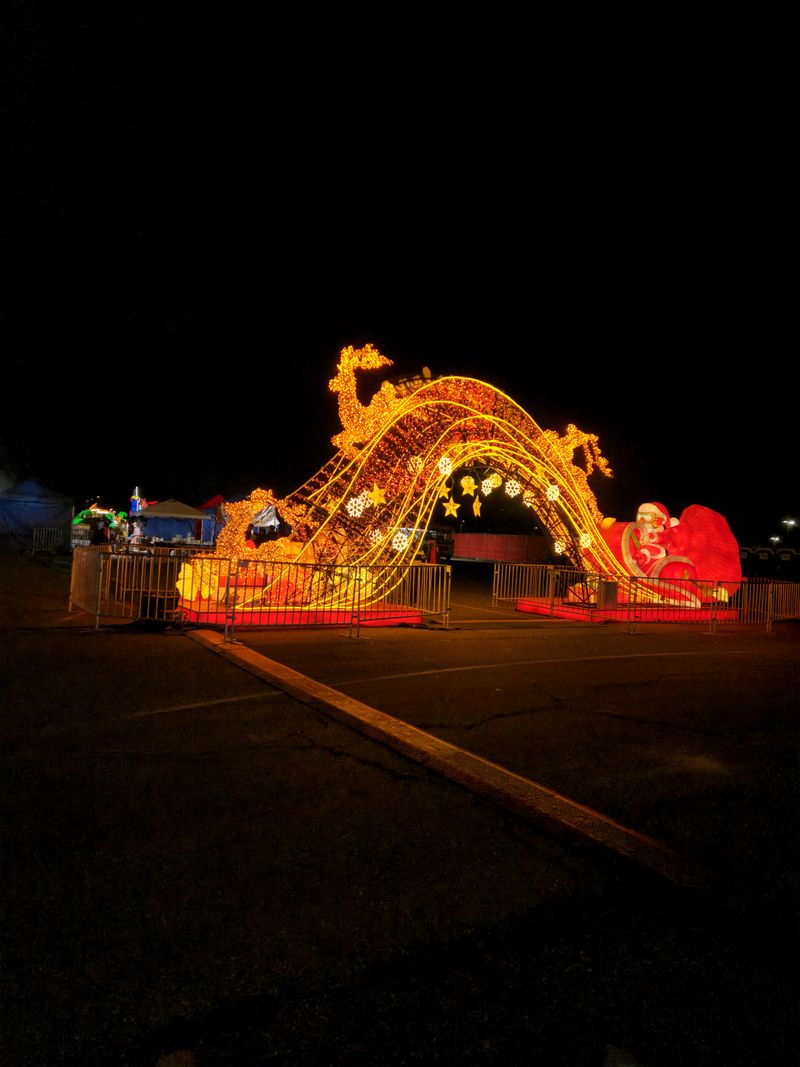
International travel company Travelbag released a ranking in January 2026 that placed the 626 Night Market as the ninth-best night market in the entire world, a remarkable achievement for an event barely over a decade old.
The recognition brought global attention to what many Southern California residents already knew: their local night market could compete with legendary Asian markets that have operated for generations.
The ranking considered factors including size, cultural authenticity, food quality, entertainment value, and overall visitor experience.
Being listed alongside famous markets in Taiwan, Thailand, and other Asian nations validated the 626 Night Market’s mission to recreate authentic bazaar atmospheres on American soil.
The announcement generated renewed interest from travelers planning California visits, with the night market joining theme parks and beaches as must-see Los Angeles County destinations.
Local media coverage of the ranking sparked community pride, particularly among Asian American residents who saw their cultural traditions receiving mainstream recognition.
The global ranking also increased pressure on organizers to maintain high standards and continue innovating to justify their position among the world’s elite night markets.
Comparisons to international counterparts became more frequent, with visitors who had experienced markets in Asia offering opinions on authenticity and execution.
The recognition transformed the 626 Night Market from a regional favorite into an international destination that draws visitors specifically planning trips around event dates.
6. Expansion Beyond The San Gabriel Valley
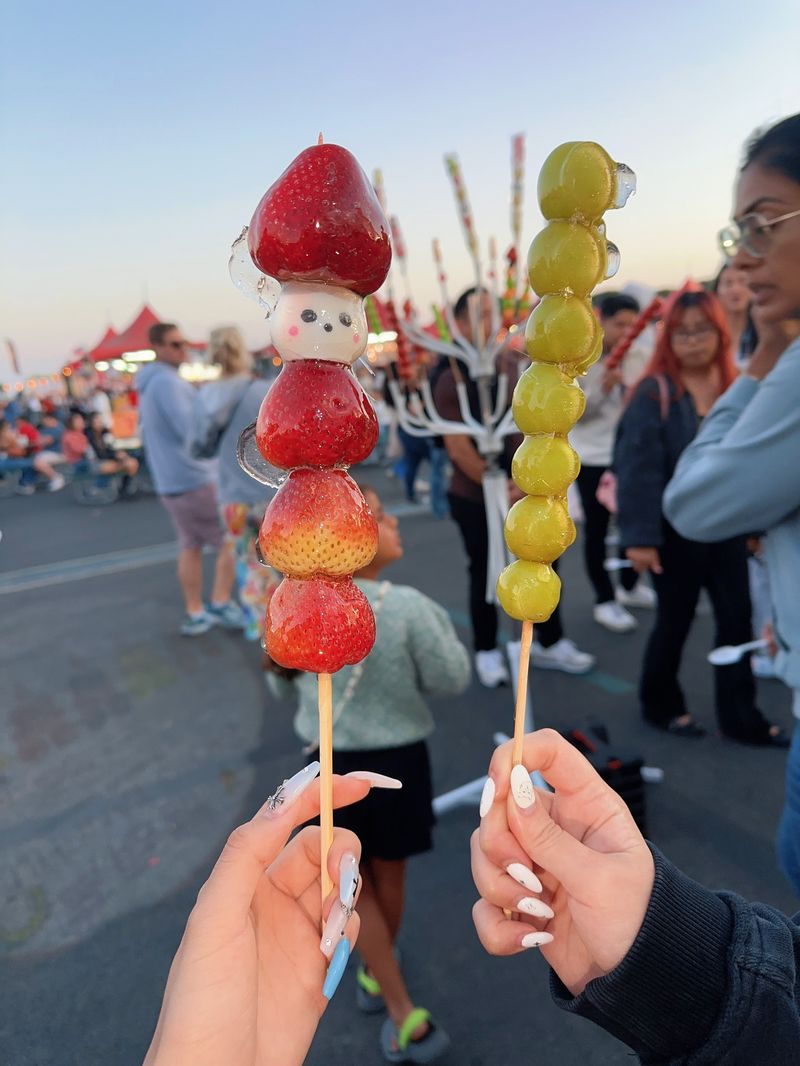
The success of the Arcadia flagship location inspired the 626 Night Market to expand into other California regions, bringing the experience to communities throughout the state.
Costa Mesa in Orange County now hosts regular sessions, offering Southern California residents south of Los Angeles County easier access to the market atmosphere.
Santa Monica on the westside provides a coastal setting that attracts different demographics than the inland San Gabriel Valley location.
Northern California received its own version when the market expanded into the Bay Area, recognizing the region’s large Asian American population and thriving food scene.
Each location maintains the core elements that made the original successful while adapting to local preferences and venue characteristics.
The multi-city approach allows the organization to operate nearly year-round by rotating between locations rather than concentrating all events in a single area.
Different cities attract different vendor mixes, with some food entrepreneurs following the circuit to maximize their exposure across California.
The expansion has created jobs and economic opportunities beyond the original San Gabriel Valley community while spreading awareness of Asian culture and cuisine to broader audiences throughout the state.
7. Cultural Platform For Local Talent
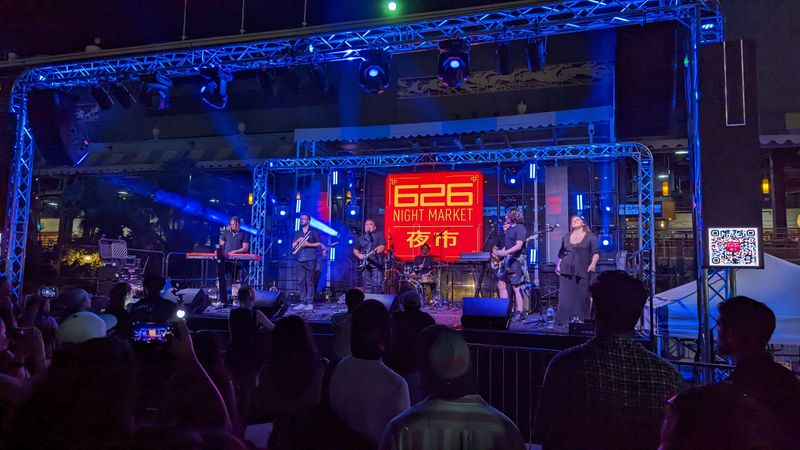
Beyond serving as a food festival, the 626 Night Market functions as a cultural stage where chefs, artists, musicians, and entrepreneurs can share their talents with massive audiences.
Live concerts feature both established Asian American performers and emerging artists looking to build fan bases through festival exposure.
The stages host everything from traditional dance performances to contemporary music acts that reflect the diverse tastes of the market’s multigenerational audience.
Visual artists find gallery-like exposure as thousands of potential customers pass their booths each evening, creating sales opportunities that would take months to achieve through traditional art show circuits.
Culinary entrepreneurs test menu concepts and gather customer feedback in real-world conditions without the financial risk of opening permanent restaurants.
The market has launched several successful food businesses that started as single-booth operations and grew into brick-and-mortar establishments or expanded vendor operations.
Cultural organizations use the market as an educational platform, sharing information about Asian heritage, traditions, and community resources with attendees who might not otherwise engage with such content.
The intergenerational nature of the crowds means that younger Asian Americans connect with cultural elements their parents and grandparents remember from their own experiences.
This cultural exchange happens organically through food, art, and entertainment rather than formal educational settings, making the learning feel natural and enjoyable rather than instructional.
8. Three-Day Events Throughout Summer Months
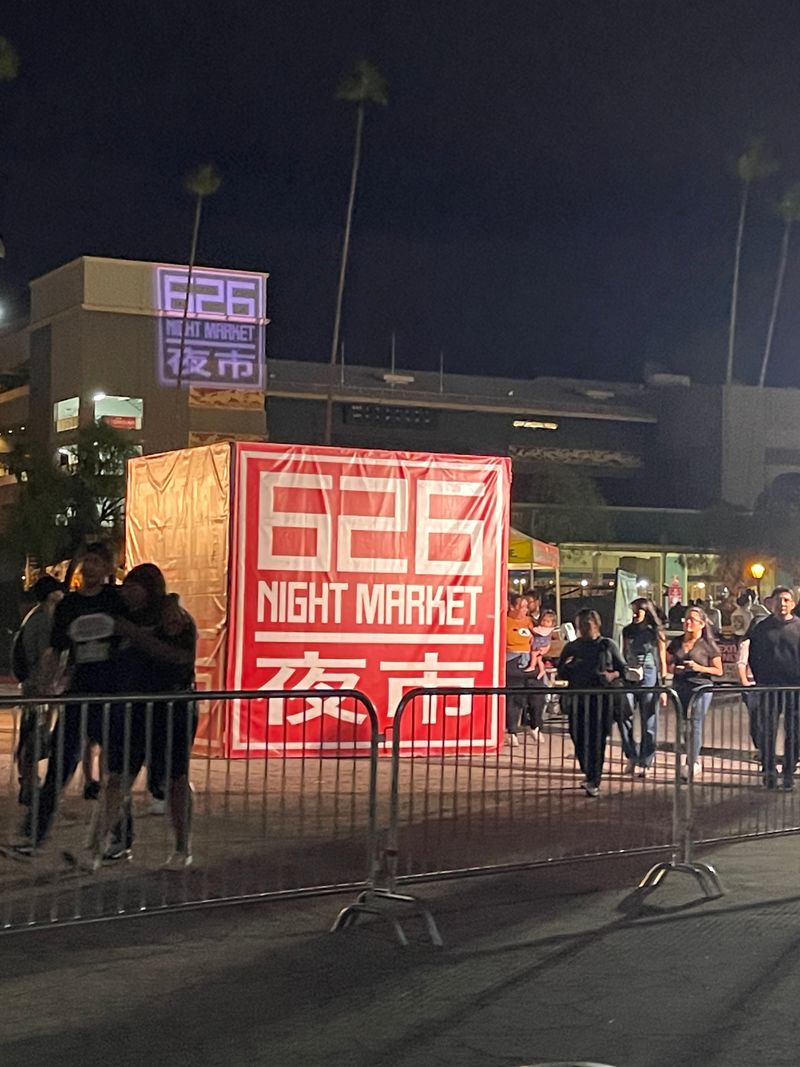
The 626 Night Market operates on a seasonal schedule, with events typically running from May through September (and early October in Pleasanton) when warm California evenings make outdoor gatherings most comfortable.
Each market session spans three consecutive days, usually Friday through Sunday, allowing working professionals weekend access while also accommodating Friday evening crowds.
The multi-day format means that even if one session feels too crowded, visitors can return on different days or times to experience varying atmosphere levels.
Multiple events occur throughout the summer at the Arcadia location, giving locals several opportunities to attend without feeling pressure to catch a single annual occurrence.
The schedule gets posted on the official website months in advance, allowing families and groups to plan their visits around other summer commitments.
Different sessions sometimes feature special themes or highlighted vendors, creating reasons to attend multiple events rather than treating one visit as sufficient.
Friday evenings typically draw smaller crowds than Saturdays, making them ideal for visitors who prefer easier navigation and shorter lines.
Sunday sessions often see families with young children taking advantage of the final day before the work week resumes.
The seasonal nature of the market creates anticipation each spring as the community awaits the announcement of the year’s schedule and any new vendors or features being introduced for the upcoming season.
9. Ticketing And Admission Details
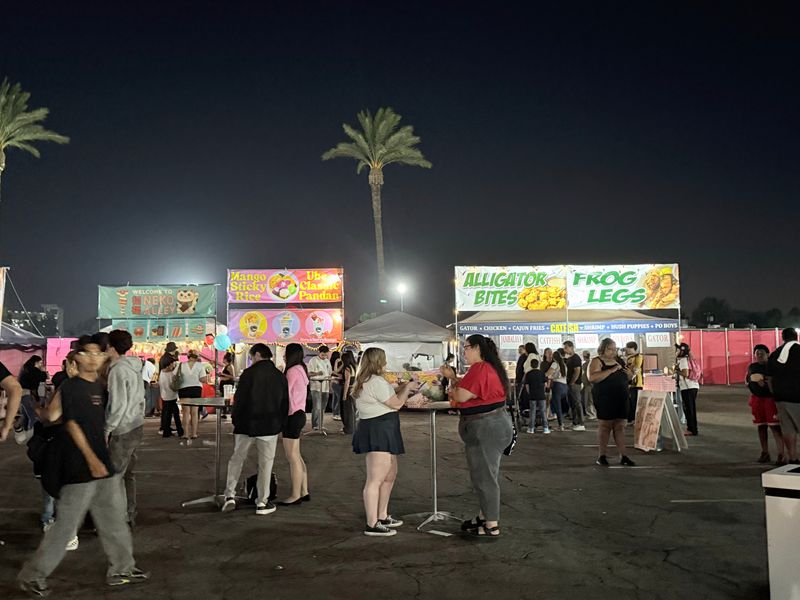
Admission to the 626 Night Market requires purchasing tickets, with pricing that varies depending on the specific event date and time of purchase.
Early bird discounts reward planners who buy tickets weeks before event dates, while last-minute purchases or gate admissions typically cost more.
Some sessions offer different pricing for different days, with Friday evenings sometimes priced lower than peak Saturday sessions.
Children under certain ages often receive free or discounted admission, making the market an affordable family outing compared to theme parks or other major attractions.
Online ticket purchases have become the standard, allowing organizers to manage capacity and provide attendees with faster entry through digital ticket scanning.
The ticket price covers only admission, with all food, merchandise, and game purchases requiring additional spending once inside the market grounds.
Season passes or multi-session tickets occasionally become available for dedicated fans who plan to attend multiple events throughout the summer.
The admission fees help cover the substantial costs of venue rental, security, entertainment bookings, and operational expenses that come with hosting events of this scale.
Refund policies vary by event, with weather-related cancellations typically handled differently than personal schedule changes.
Checking the official 626 Night Market website before each event ensures access to the most current pricing information and any special promotions being offered for specific sessions.
10. Safety Protocols And Visitor Comfort
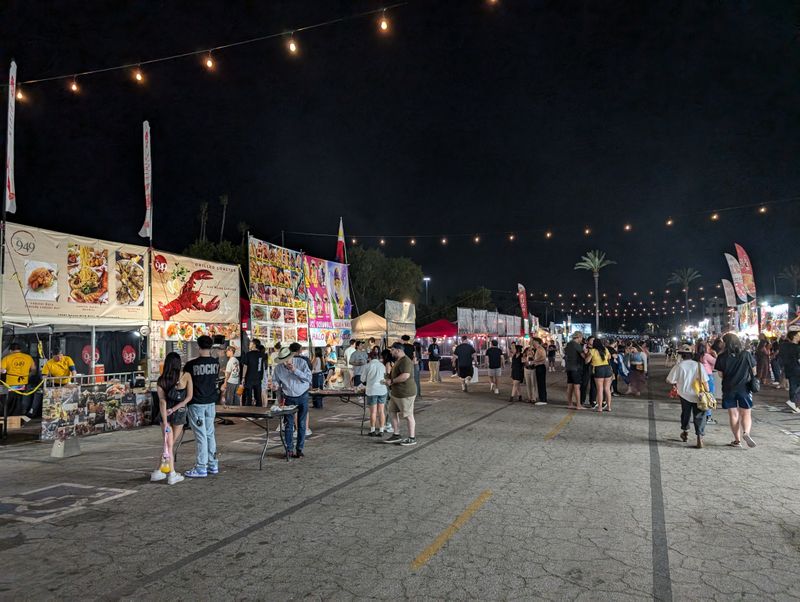
The 626 Night Market has implemented various safety measures to ensure comfortable and secure experiences for the tens of thousands of visitors who attend each session.
Security personnel monitor the grounds throughout operating hours, with clearly marked entry and exit points that help manage crowd flow and emergency access if needed.
The open-air nature of the venue provides natural ventilation that became particularly valued during health-conscious periods when outdoor gatherings offered advantages over indoor events.
Wide pathways between vendor rows allow for reasonably comfortable navigation even during peak attendance times, though Saturday evenings still require patience when moving through the most popular sections.
First aid stations provide medical assistance for minor injuries or health concerns that arise during visits.
The market’s location at Santa Anita Park means that parking lot lighting and established infrastructure support safe evening events better than improvised venues might manage.
Organizers have adapted protocols over the years in response to various public health and safety concerns, demonstrating flexibility in maintaining operations while prioritizing visitor wellbeing.
Clear signage throughout the grounds helps first-time visitors orient themselves and locate restrooms, ATMs, and information booths.
The family-friendly atmosphere reflects conscious efforts to create welcoming environments where multiple generations can enjoy themselves without concerns about inappropriate content or unsafe conditions that might plague less carefully managed large gatherings.