Only The Bravest Souls Should Explore This Terrifying Virginia Asylum After Dark
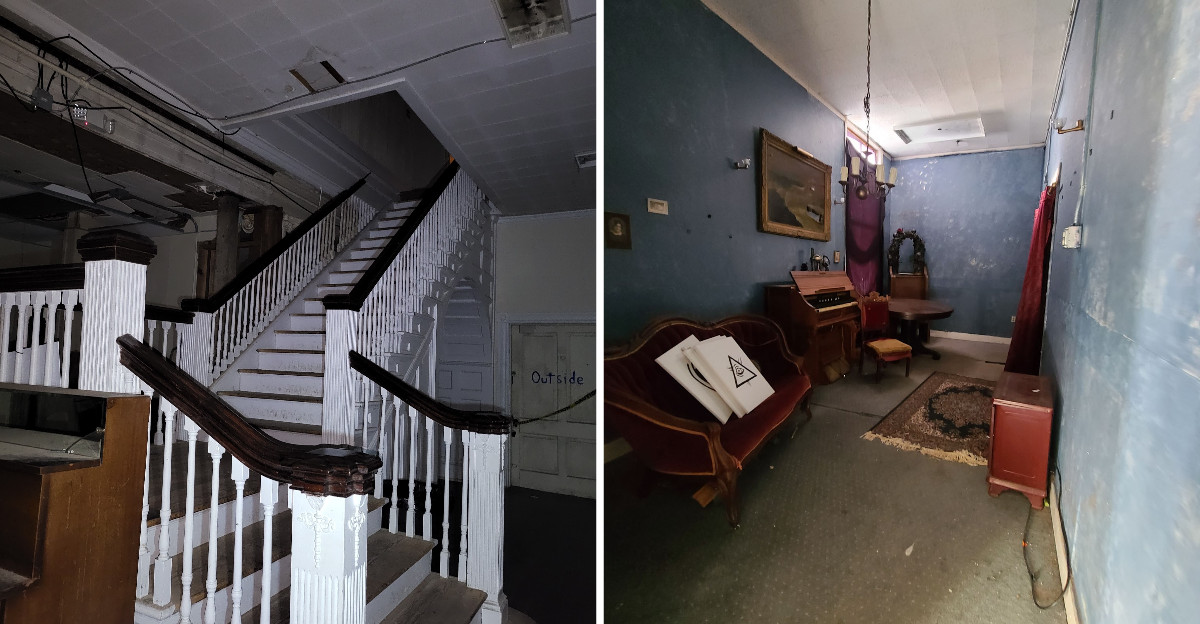
Daylight does this building a lot of favors. Once the sun goes down, those peeling corridors and heavy doors start feeling considerably less friendly.
This Virginia landmark began as a boys school before becoming a psychiatric hospital, and its long history now fuels ghost hunts, flashlight tours, and fall scares. That is already unsettling enough.
Then somebody mentions footsteps when nobody is there. Great!
The best part, though, is that the eerie atmosphere has real history behind it rather than manufactured spooky decor.
You are walking through rooms that have seen more than a century of change. Suddenly, every dark doorway deserves a second look.
A Hilltop With Stormy Roots
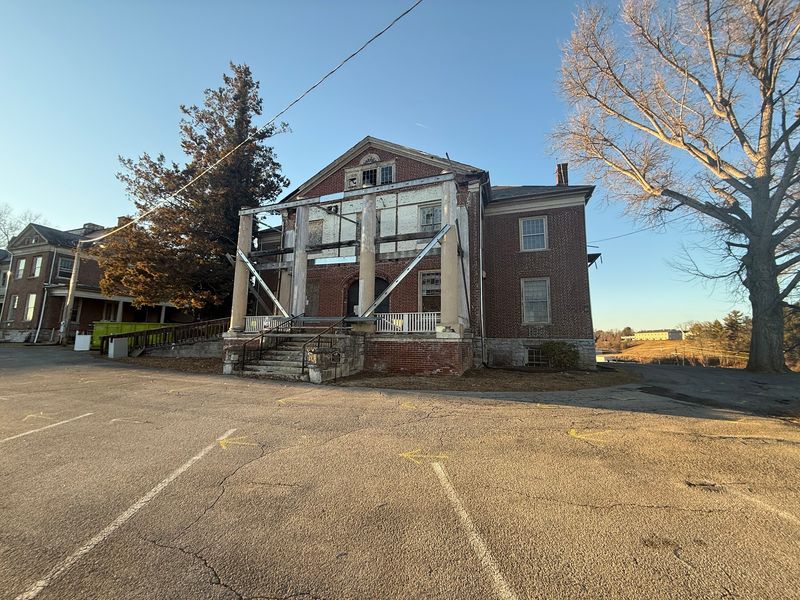
The site was chosen for its commanding position above the New River.
The original 1892 buildings still occupy the bluff, with broad views toward Radford and the surrounding valley.
The setting was intentionally removed from the busiest parts of town. Fresh air and distance from city distractions were considered advantages for students living on campus.
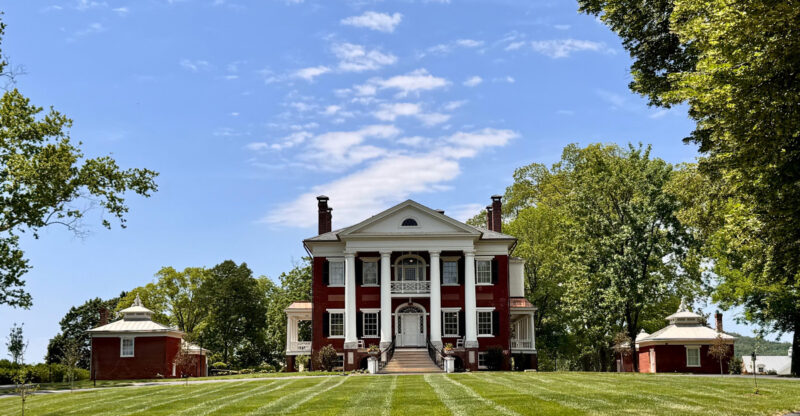
The surviving complex reflects several periods of construction. Two main school buildings date to 1892, a connecting section was added in 1916, and later wings expanded the institution as its needs changed.
The architecture is more significant than the weathered appearance may suggest. St. Albans is a locally important example of Classical Revival institutional design, with Flemish-bond brickwork, slate roofs, dormers, and an elaborate interior staircase.
That significance earned the property a place on the Virginia Landmarks Register in 2019 and the National Register of Historic Places in 2020.
The site is privately owned, so access is limited to scheduled events and authorized visits. The current public entrance is at 6248 University Park Drive in Radford.
When It Was A Boys School
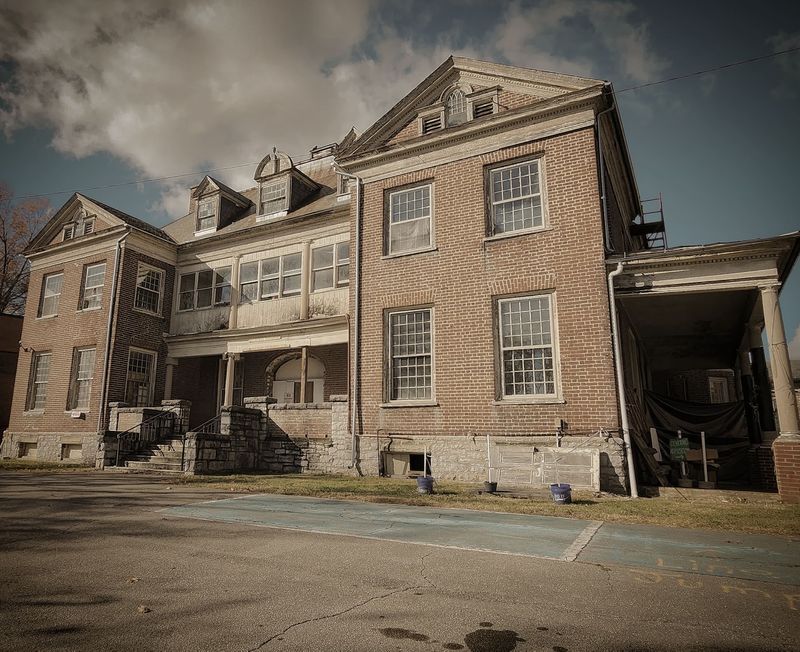
The story begins in 1892, when educator George W. Miles opened St. Albans School as a private preparatory school for boys.
The campus was designed to prepare students for university or business while placing heavy emphasis on athletics.
The first school year brought students from well-connected families across the South, and the program quickly built a strong reputation.
The school also became part of early regional athletic history. Its football team faced what is now Virginia Tech during that institution’s first official football season in 1892.
After the founder stepped away from daily leadership, discipline problems and bullying damaged the school’s standing. Enrollment dropped, the school closed for a period, reopened, and finally ended operations in 1911.
Those changes are better documented than many dramatic legends now attached to the building. Surviving yearbooks, property records, and archival material provide a clearer picture of the school years.
The two principal 1892 buildings remain central to the complex today. Their original function can still be understood through old academic spaces, dormitory areas, staircases, and the overall layout.
A New Chapter Began In 1916
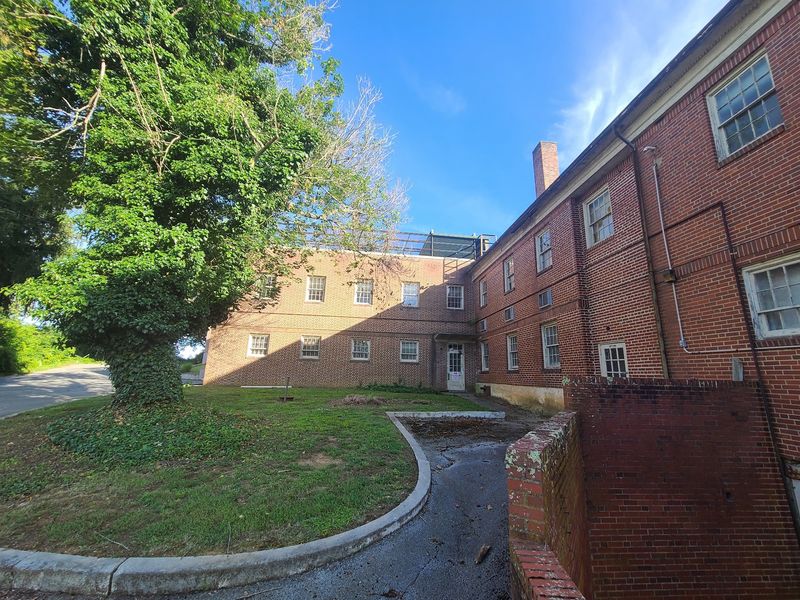
The empty school property entered a completely different chapter when physician J. C. King acquired it in 1915.
He had previously worked at Southwestern State Hospital and wanted to establish a private institution with a broader approach to mental health care.
Remodeling connected the original buildings, added modern utilities for the period, and prepared dozens of rooms for the new use.
St. Albans Sanatorium opened on January 16, 1916, with 32 beds and a small staff. Its reach soon extended beyond Radford because the surrounding region had few comparable medical facilities at the time.
The early plan included more than indoor care. A neighboring farm supplied fresh food and provided structured activity, while gardens, orchards, and outdoor recreation were incorporated into daily life.
That farm eventually grew to about 44 acres and remained active into the mid-1960s. A sunken garden dating to about 1920 also survives as part of the historic landscape.
The institution expanded repeatedly as demand increased. New patient areas appeared in the 1920s and 1950s, followed by a large service addition in 1969.
By then, the former school had become an important medical institution in southwest Virginia.
Mental Health Care Changed Over Time
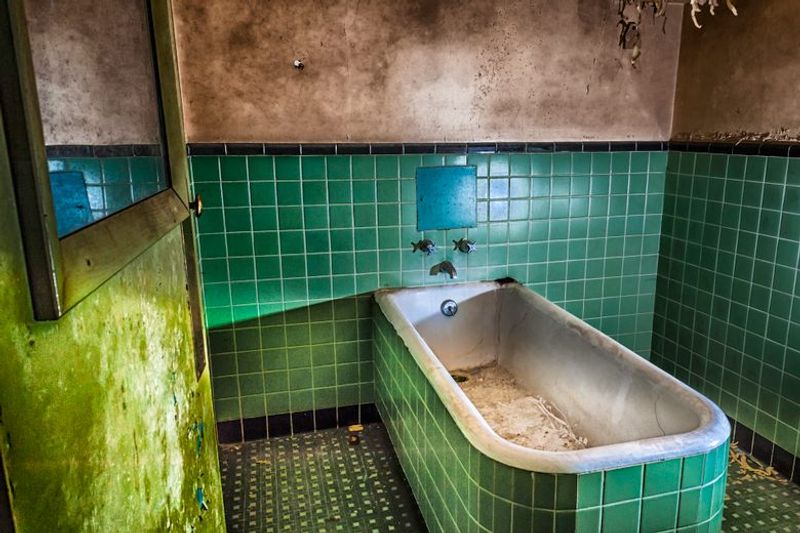
It is tempting to summarize decades of hospital history with a few dramatic stories, but the documented record is more complicated.
Approaches to psychiatric care changed considerably during the institution’s long operation.
Archival material records individual and group psychotherapy, recreation programs, milieu-based care, and other clinical methods used during later decades.
The hospital also changed organizationally. It became a nonprofit institution in the 1950s, gained accreditation by 1960, and employed about 170 full-time staff at that point.
A new hospital building opened beside the historic complex in 1980. The older 1892 buildings then shifted largely to administrative use rather than continuing in their original role.
During the 1990s, the hospital became part of a larger regional health system. A newer St. Albans facility later opened elsewhere in the New River Valley, leaving the historic buildings without their former medical function.
That distinction matters when visiting today. The worn rooms belong to several different eras, and not every story attached to them can be verified through historical records.
A good history tour focuses on what is documented while explaining how the building’s modern reputation developed.
Rooms With The Spookiest Reputations
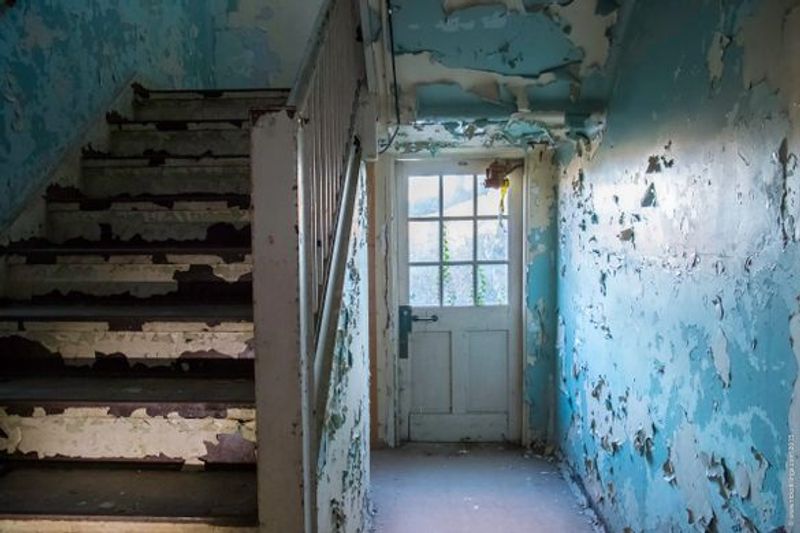
The modern identity of St. Albans is closely tied to paranormal tourism.
Flashlight tours lead groups through dim sections of the building while combining historical background with stories of unexplained experiences associated with different rooms.
The basement, old patient areas, long corridors, staircases, and former treatment spaces are among the sections most often included in that modern folklore.
Claims have included unexplained footsteps, voices, temperature changes, shadows, and equipment reactions. None should be treated as established historical fact, but they have become part of the property’s public identity.
That distinction keeps the history and entertainment from blurring together. Visitors can appreciate the aged architecture and unusual atmosphere without accepting every paranormal claim.
Public investigation nights go further by allowing participants to bring their own equipment and spend additional time inside selected areas.
The building itself does much of the atmospheric work. Narrow passages, layered additions, old finishes, and limited lighting make navigation feel very different after dark.
Famous On Ghost Hunting TV
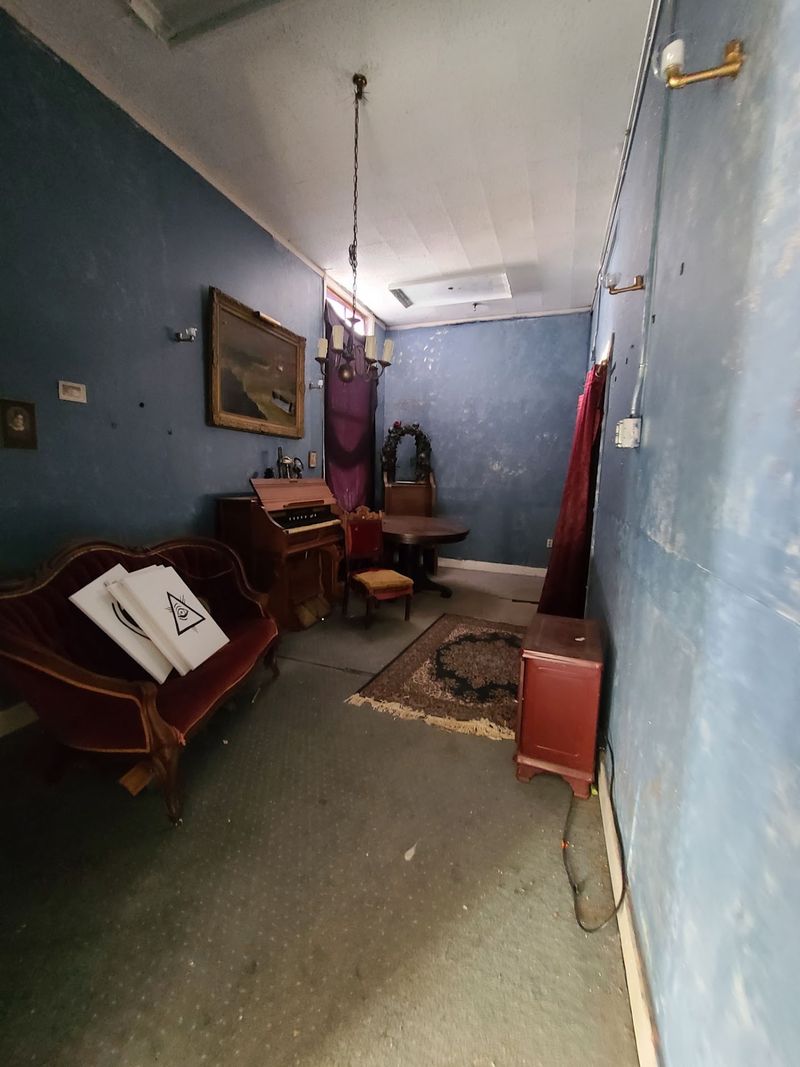
Television helped move St. Albans from a regional curiosity into a nationally recognized paranormal destination.
Programs including The Dead Files, Haunted Collector, Destination Fear, Ghost Hunters, and The R.I.P. Files have featured or investigated the property over the years.
Those appearances introduced viewers to recognizable spaces inside the complex and strengthened its association with organized paranormal investigation.
The media attention should still be kept separate from documented history. Television programs are built for entertainment, while the National Register record focuses on architecture, institutional history, and the site’s role in regional health care.
That contrast makes the property more interesting. A visitor can come for the television connection and still leave with a clearer understanding of the building’s real timeline.
Few historic properties combine surviving school architecture, a long medical history, and modern paranormal programming in quite the same way.
The screen reputation draws interest, but the verified history stands on its own.
Tours For Every Nerve Level
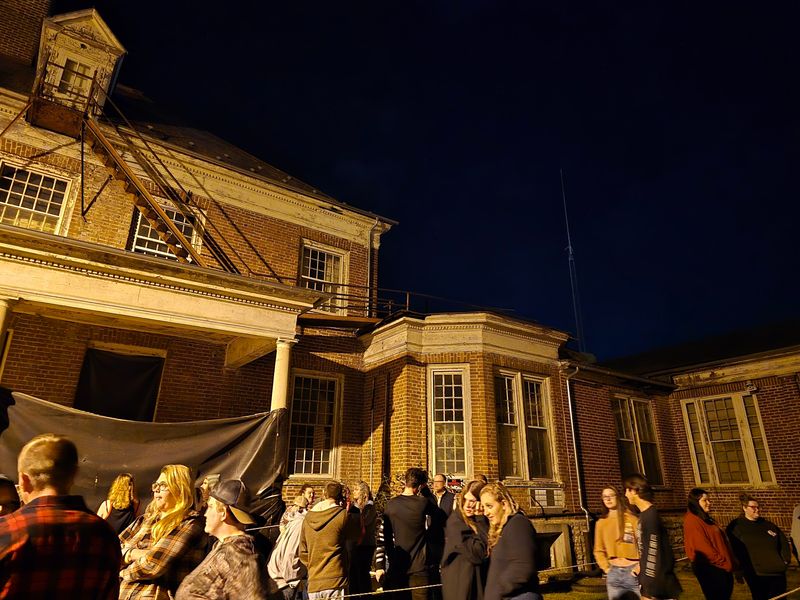
Current programming gives visitors several ways to experience the property without committing to the same kind of night.
Guided historical tours focus on the building’s school years, sanatorium period, architecture, and later changes. These daytime events also allow photography during the visit.
Flashlight tours add darker conditions and paranormal storytelling while remaining guided. In 2026, scheduled flashlight tours have continued alongside public investigation nights.
Longer public and private investigations are designed for visitors who want more time inside the building. Participants may use their own investigation equipment during designated events.
Fall brings a separate seasonal attraction. In 2026, House of Shadows operates on selected Friday and Saturday nights from late September through October, using performers and themed scenes for an entertainment-focused experience.
That event should not be confused with a historical tour. One is built around seasonal scares, while the other is designed to explain the real property and its past.
Practical preparation matters for every option. Closed-toe shoes are required for current tours, comfortable footwear is useful, and the building is not climate controlled.
Age rules and access areas vary by event, so the current schedule is worth checking before making the drive.
An Atmosphere You Will Remember
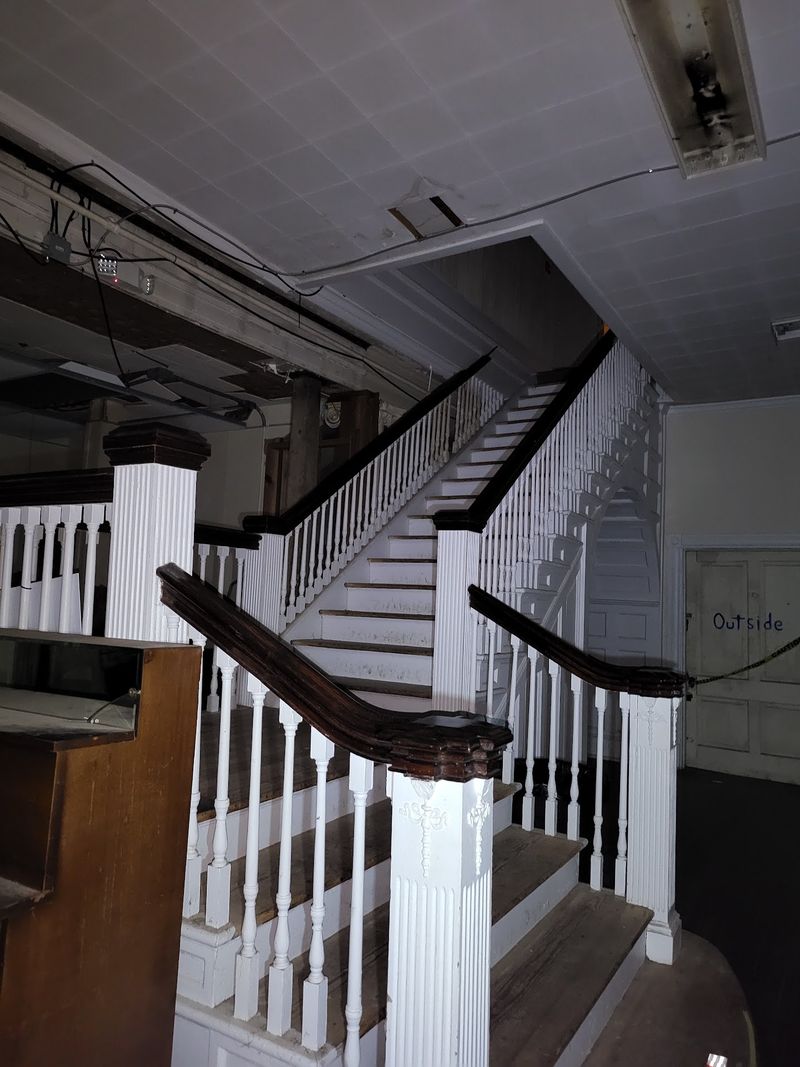
Silence feels different inside a building assembled over more than a century.
The oldest sections still show their school-era proportions, while later additions reveal how the property changed as the institution expanded.
Worn finishes and long connecting corridors make those layers visible without elaborate decoration.
One personal impression is hard to avoid: the building feels larger from the inside than it appears from the road. The additions connect in ways that can make the floor plan surprisingly complex.
That is another reason organized access matters. Visitors should remain with their group, follow event instructions, and stay within areas opened for that particular program.
Preservation is part of the current story. Scheduled tours and events keep people engaged with a property that might otherwise be known mainly through photographs and local memory.
The strongest reason to visit is the chance to enter a National Register property where a boys school, a regional hospital, and a modern tourism site occupy the same physical space.
For history fans, architecture enthusiasts, and visitors curious about after-dark experiences, this corner of Virginia offers plenty to examine before a flashlight ever becomes necessary.