13 Oregon Home Styles Forecasted To Be Less Desirable By The End Of The Decade
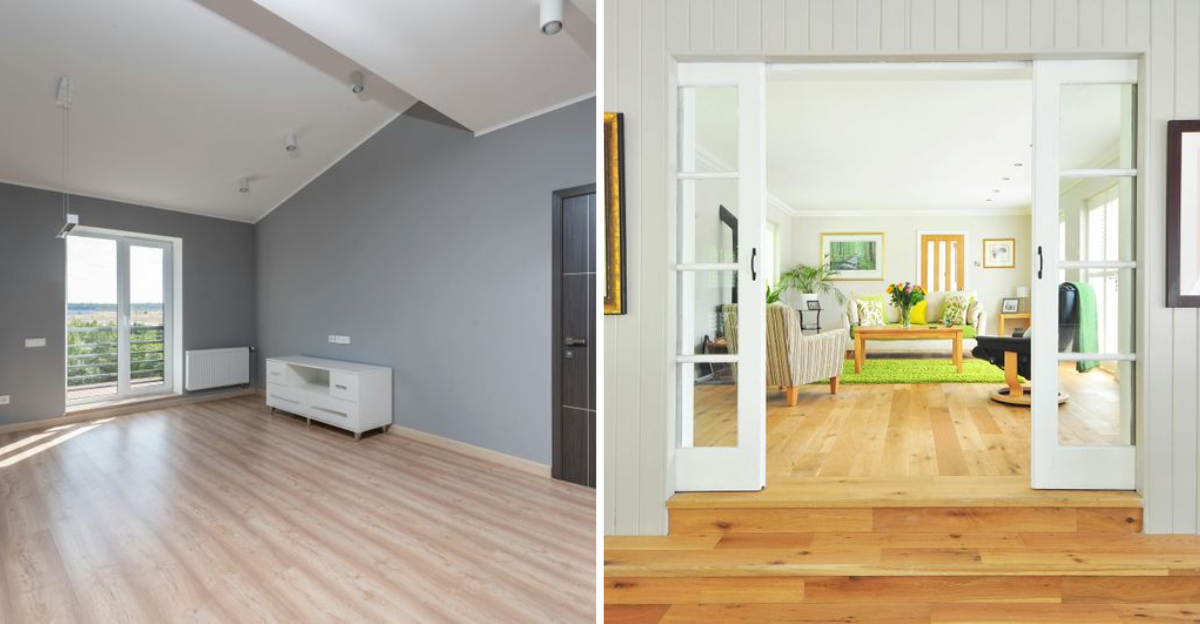
Housing trends change faster than you might think. What looks modern and exciting today could feel outdated and impractical tomorrow.
I’m exploring the home styles across Oregon that experts predict will lose their appeal before 2030 arrives, and understanding these shifts can help you make smarter decisions whether you’re buying, selling, or renovating your space.
1. Open Concept Floor Plans
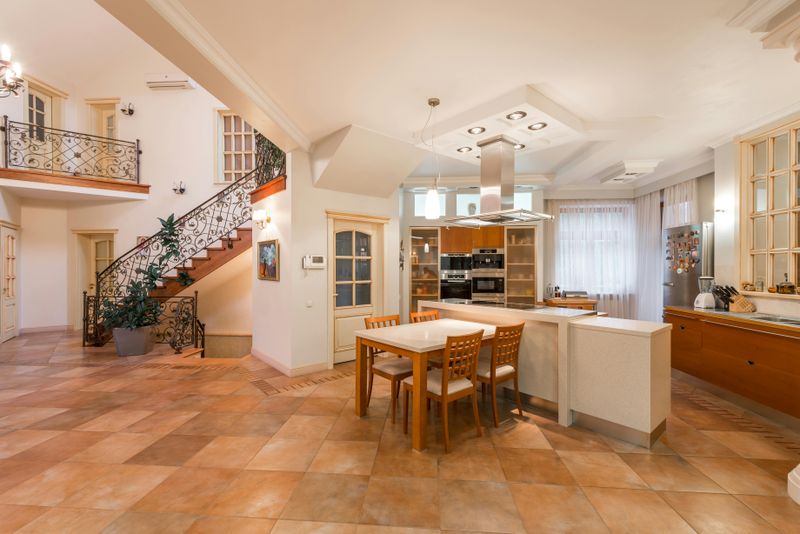
Privacy matters more than ever. Homes without walls between rooms seemed perfect until everyone needed their own space for Zoom calls and homework.
The pandemic changed everything about how we use our houses.
Separate rooms for working, studying, and relaxing became essential rather than optional luxuries.
Noise travels freely through open spaces.
Cooking smells drift into living areas while television sounds interrupt concentration in makeshift home offices.
Buyers now want defined spaces with actual doors.
Thoughtfully separated rooms offer flexibility that flowing layouts simply cannot provide, making closed-off designs the new standard for practical living.
2. Cookie-Cutter Suburban Developments
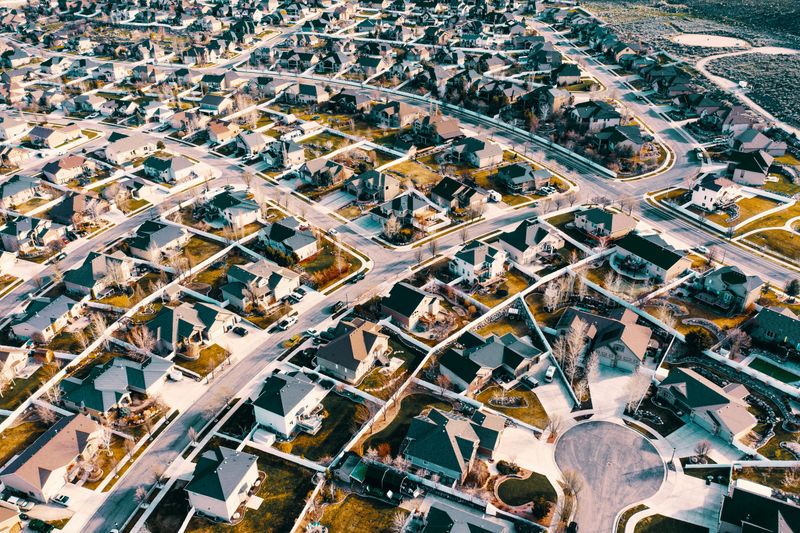
Character wins over conformity every single time.
Neighborhoods where every house looks identical feel soulless and uninspiring to modern buyers seeking individuality.
Younger generations especially crave uniqueness in their living spaces.
They want homes that reflect personality rather than assembly-line efficiency and corporate sameness.
Environmental concerns add another layer to this decline.
Large-scale developments often ignore sustainability principles while damaging natural habitats and creating sprawl.
Communities with diverse architectural styles feel more authentic and welcoming.
The shift toward varied, sustainable designs reflects growing awareness about both personal expression and ecological responsibility in housing choices.
3. Tuscan-Inspired Kitchens
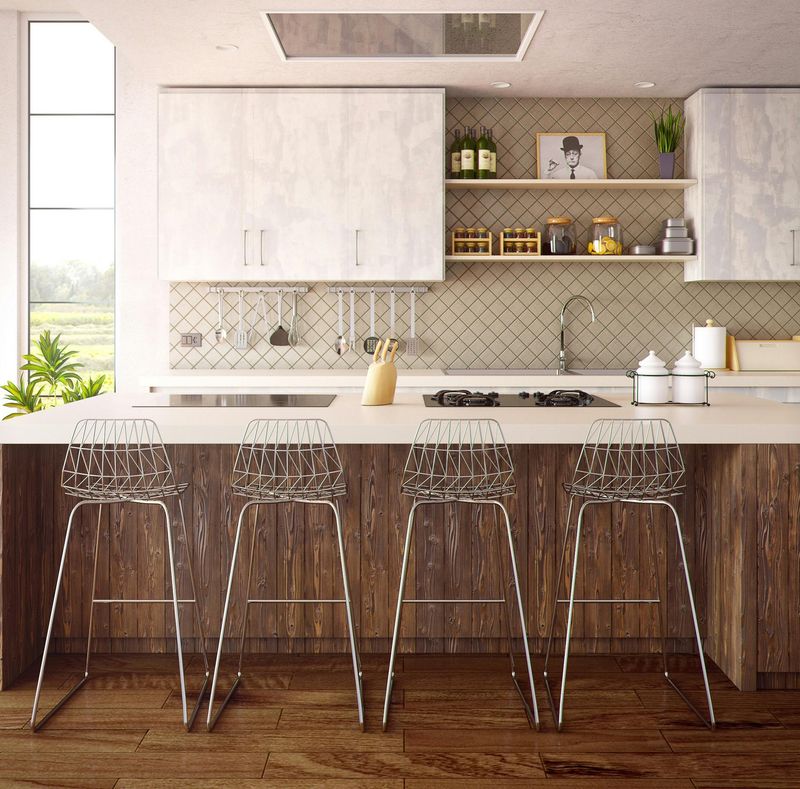
Heavy ornamentation feels suffocating in modern homes.
Dark cherry cabinets with elaborate corbels and faux-aged finishes clash with Oregon’s natural aesthetic and contemporary sensibilities.
These kitchens require constant maintenance to keep looking presentable.
Intricate details trap grease and dust while dark surfaces show every fingerprint and water spot.
Lighter woods and cleaner lines connect better with surroundings.
Oregon’s landscape inspires designs that feel fresh, organic, and connected to nature rather than transplanted from another continent.
Replacing these dated elements costs thousands of dollars.
Buyers subtract renovation expenses from their offers, making Tuscan kitchens financial liabilities that drag down property values significantly.
4. Tiny Houses Without Functionality
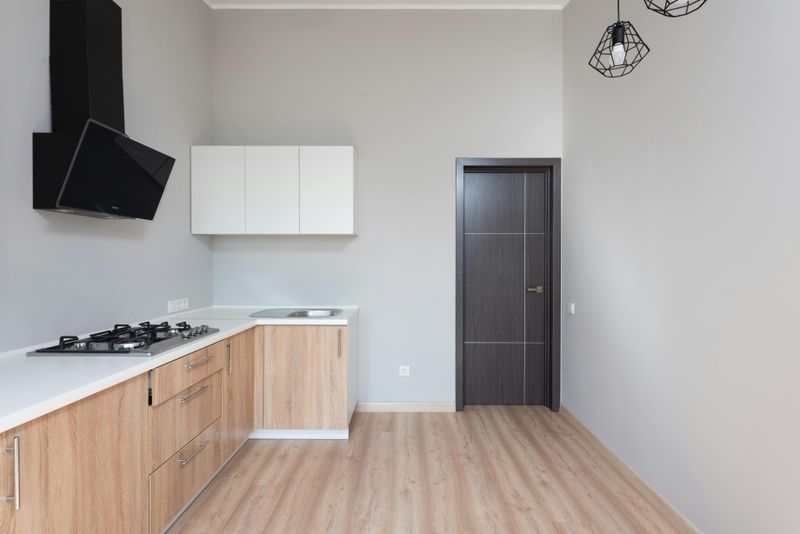
Cute concepts don’t always translate to livable reality.
Early tiny houses looked adorable but failed to address Oregon’s wet climate, leading to mold, mildew, and structural problems.
Impractical layouts make daily life frustrating rather than simplified.
Ladders to sleeping lofts, composting toilets that don’t work properly, and zero storage create constant headaches.
Smart micro-homes prove you can downsize successfully.
Proper insulation, thoughtful storage solutions, and realistic bathroom setups make smaller spaces genuinely comfortable and functional.
Size matters less than intelligent design choices.
Buyers now recognize the difference between trendy tiny houses and well-planned compact homes that actually enhance quality of life.
5. Craftsman Knockoffs
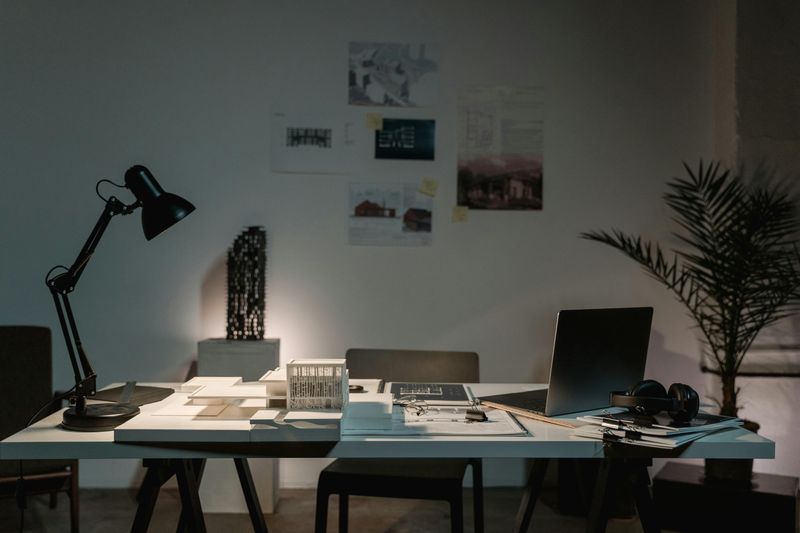
Authentic craftsmanship cannot be faked convincingly.
Builder-grade houses with Craftsman-style trim glued onto standard construction fool nobody who knows the difference.
Real Craftsman bungalows feature quality materials and genuine joinery.
Knockoffs use thin veneers and foam moldings that deteriorate quickly while looking cheap from the start.
Details matter enormously in traditional architecture styles.
Proportions, materials, and construction methods all contribute to authenticity that mass-produced versions completely miss.
Original Craftsman homes hold their value beautifully.
Imitations age poorly and require expensive updates to achieve the quality they pretended to have initially.
6. Excessive Bonus Rooms
Wasted space costs money without providing value.
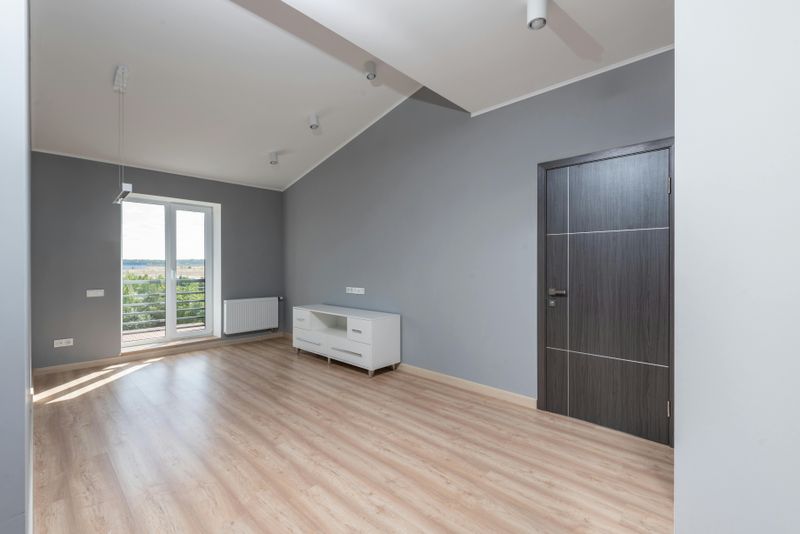
Oversized bonus rooms above garages typically end up as cluttered storage areas rather than functional living spaces.
Temperature control becomes nearly impossible in these areas.
Poor insulation means they’re too hot in summer and freezing in winter, making them uncomfortable year-round.
Awkward shapes and low ceilings limit usefulness dramatically.
Sloped rooflines and odd angles make furniture placement difficult while creating dead zones nobody wants to occupy.
Buyers prefer homes where every square foot serves a purpose.
Paying to heat, cool, and maintain unused space makes no financial or practical sense in today’s market.
7. Gray-Everything Interiors
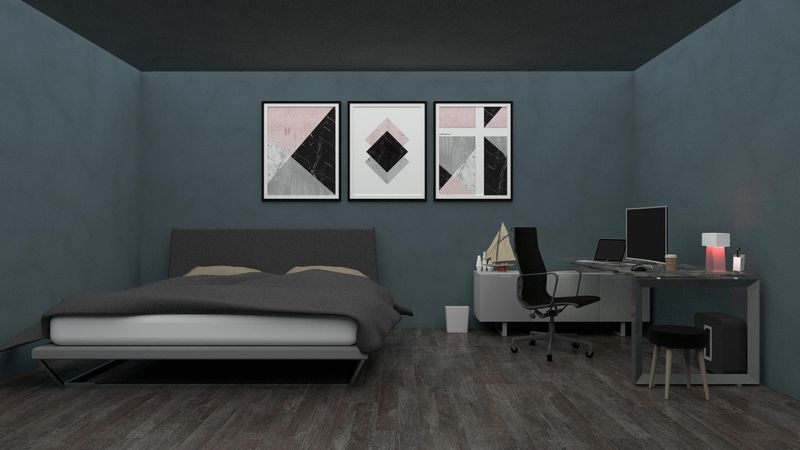
Monochrome schemes date homes instantly to the previous decade.
Gray walls, gray floors, and gray furniture create time capsules that scream 2015 rather than timeless design.
Oregon’s naturally gray climate makes these interiors feel depressing.
Long rainy seasons amplify the coldness of all-gray spaces, draining energy and mood from inhabitants.
Warmer neutrals and actual color bring life back indoors.
Buyers want homes that feel inviting and cheerful, especially during months of overcast skies and constant drizzle.
Updating gray-heavy homes requires significant investment and effort.
Repainting, replacing flooring, and adding color throughout takes time and money that reduces appeal to budget-conscious buyers.
8. Ultra-Modern Glass Boxes
Sleek aesthetics clash with practical climate realities.
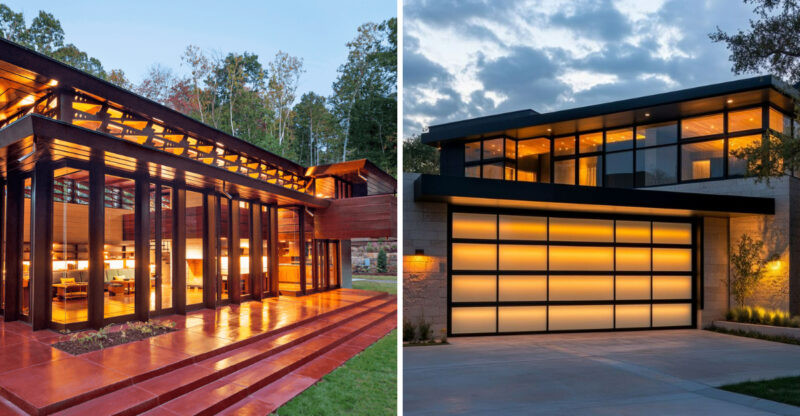
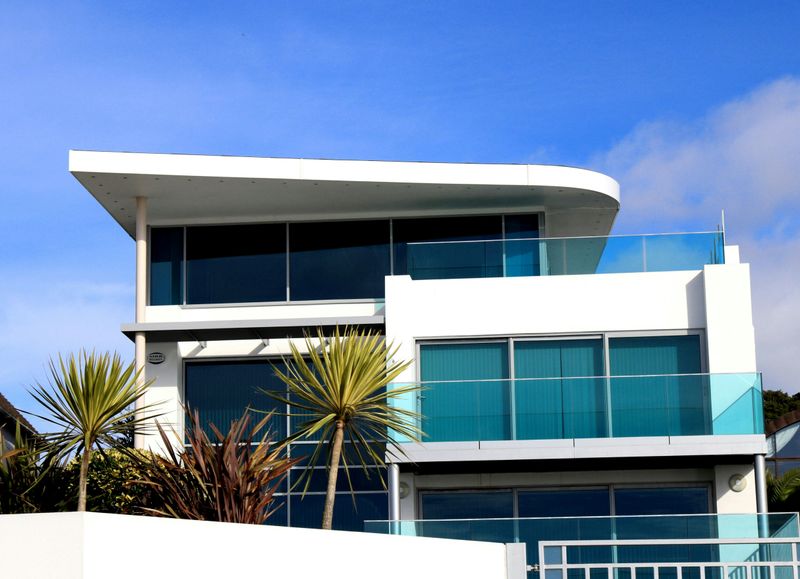
Glass-walled modern homes look stunning in magazines but struggle with Oregon’s rain, requiring constant maintenance and cleaning.
Heating efficiency becomes a nightmare with extensive glazing.
Even triple-pane windows lose heat faster than insulated walls, driving up energy bills throughout chilly, damp winters.
Privacy concerns grow as neighborhoods become denser.
Floor-to-ceiling windows that felt liberating on large lots become uncomfortable when houses sit closer together.
Cold, stark interiors feel unwelcoming to many buyers now.
The shift toward warmth, natural materials, and cozy spaces makes minimalist glass boxes seem impractical and uncomfortable.
9. Carpet-Dominated Homes
Practicality trumps softness in Oregon’s muddy climate.
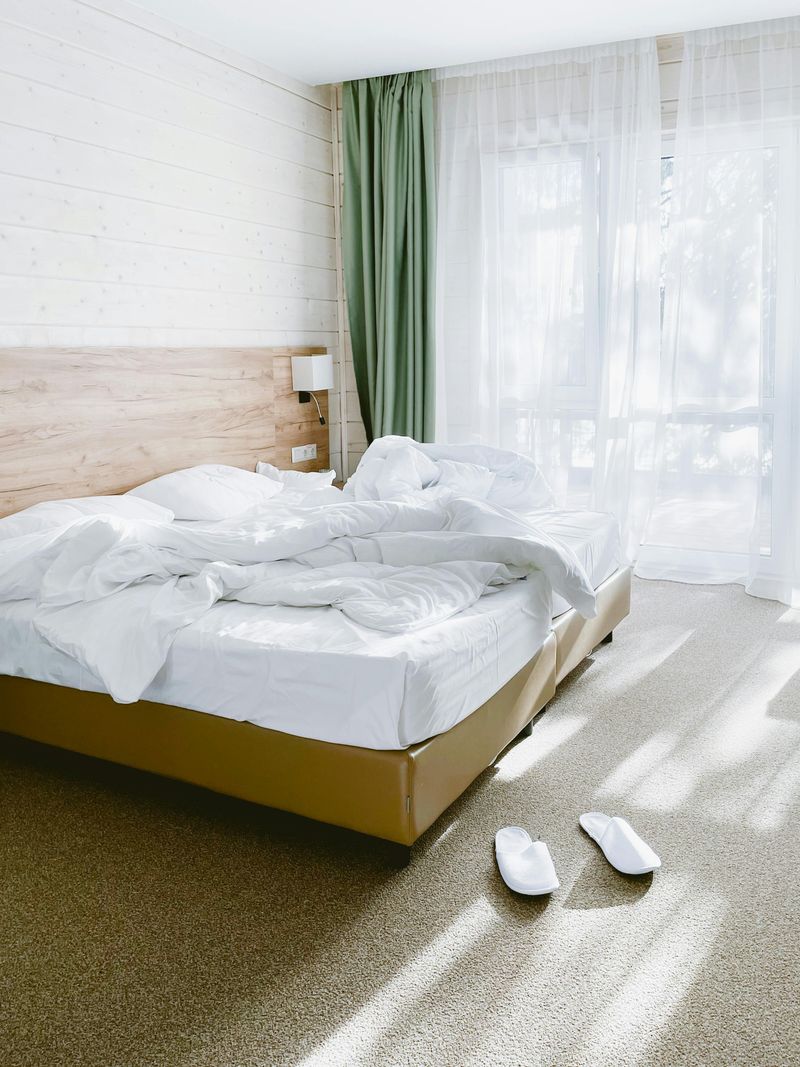
Wall-to-wall carpeting throughout living spaces becomes a maintenance nightmare when rain tracks in constantly from outdoors.
Allergy concerns make carpet increasingly unpopular among health-conscious buyers.
Dust, pollen, and moisture trapped in fibers create air quality issues that hard surfaces avoid completely.
True deep cleaning proves impossible with carpeting.
Even professional cleaning cannot remove everything embedded in fibers over years of use and spills.
Hard surface flooring stands up to Oregon’s outdoor lifestyle beautifully.
Wood, tile, and luxury vinyl handle wet shoes, muddy paws, and active families without showing damage or harboring allergens.
10. Dated Colonial Revivals

East Coast formality feels misplaced in Pacific Northwest settings.
Colonial Revivals with their symmetrical facades and formal layouts don’t match Oregon’s relaxed, nature-focused lifestyle and culture.
Brick exteriors require maintenance that many buyers want to avoid.
Repointing mortar, addressing water infiltration, and cleaning brick surfaces add ongoing costs and effort.
Formal entertaining spaces sit unused in modern households.
Today’s families prefer casual, multi-functional areas over separate dining rooms and parlors that serve limited purposes.
Regional architecture that reflects local character sells better consistently.
Homes that embrace Oregon’s natural materials and informal style resonate more strongly with buyers seeking authentic connections to place.
11. Homes With Popcorn Ceilings
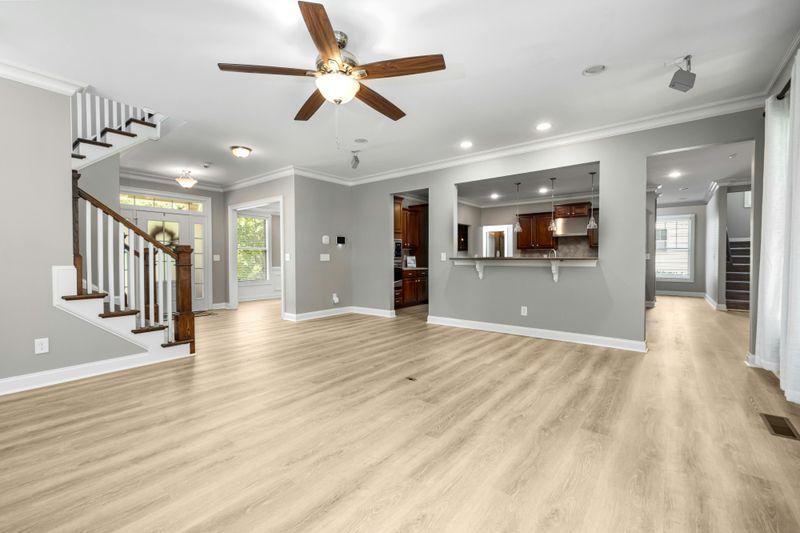
Textured ceilings scream outdated louder than almost anything else.
Popcorn finishes instantly date homes to the 1980s while collecting dust and making spaces feel older than they are.
Removal requires professional help due to potential asbestos concerns.
Testing and abatement add costs that buyers factor into their offers, reducing what sellers ultimately receive.
Smooth ceilings brighten rooms and modernize spaces dramatically.
The difference feels transformative, making homes appear cleaner, fresher, and more contemporary immediately.
Painting over popcorn texture only postpones the inevitable update.
Buyers recognize this band-aid solution and still deduct removal costs from their purchase price calculations.
12. Homes With Sunken Living Rooms
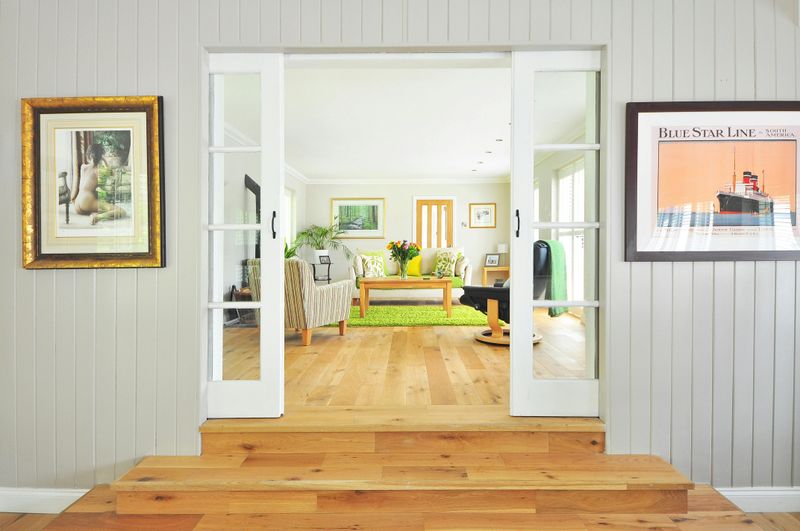
Conversation pits seemed sophisticated decades ago but create problems today.
Sunken living rooms pose tripping hazards, especially for elderly visitors and young children navigating steps.
Accessibility concerns make these features increasingly undesirable to buyers.
Aging homeowners want single-level living without unexpected elevation changes throughout their homes.
Furniture arrangement becomes complicated in sunken spaces.
Limited flexibility frustrates homeowners who want to rearrange rooms or accommodate different uses over time.
Leveling floors costs thousands of dollars in renovation expenses.
Buyers either avoid these homes entirely or negotiate significant price reductions to cover modification costs before purchasing.
13. Homes With Laminate Countertops
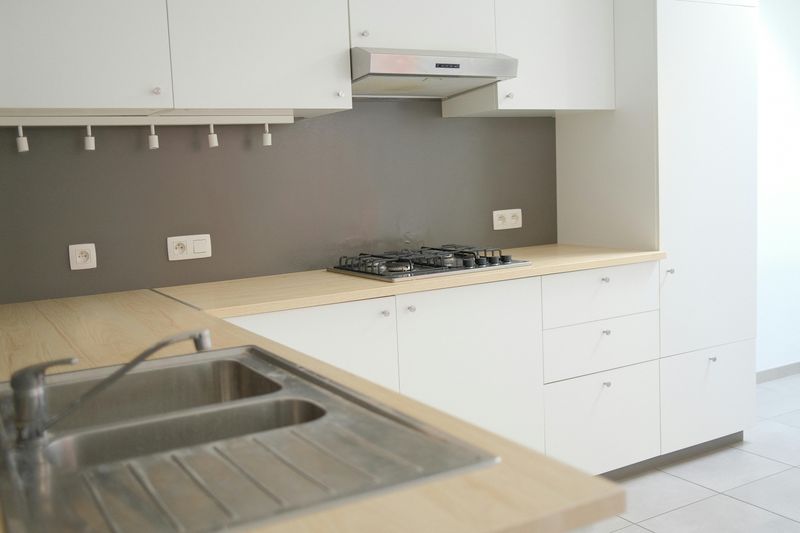
Kitchen surfaces reveal a home’s age and care level immediately.
Laminate countertops with visible seams, worn edges, and outdated patterns signal deferred maintenance to potential buyers.
Durability issues make laminate less appealing than modern alternatives.
Scratches, burns, and water damage show easily while repairs look obvious rather than blending seamlessly.
Quartz, granite, and butcher block offer better value long-term.
These materials withstand daily use beautifully while adding aesthetic appeal that laminate simply cannot match.
Upgrading countertops ranks among the most impactful kitchen improvements.
Buyers pay premium prices for updated kitchens, making laminate surfaces a negotiating point that reduces final sale prices.