Oregon Restaurants Are Rethinking Dining In 2026, One Sustainable Choice At A Time
Dining in Oregon has always been tied closely to the land, but by 2026, that connection is shaping restaurants in more deliberate ways than ever before.
Sustainability is no longer a background conversation or a bonus feature on a menu.
It’s becoming part of how dining decisions are made, from the kitchen to the table.
Across the state, restaurants are paying closer attention to where ingredients come from, how they’re grown, and what happens after a meal is served.
Menus are adjusting to seasonal availability, portions are becoming more thoughtful, and waste is being treated as something to manage carefully rather than ignore.
These changes don’t feel forced, however.
They feel practical, rooted in Oregon’s long-standing respect for its environment and communities.
The result is a dining experience that feels more connected and intentional without losing warmth or creativity.
As 2026 unfolds, sustainability is expected to further (re)define Oregon’s dining scene.
It’s predicted to shape not just what’s on the plate, but how people think about eating out altogether, creating a future where good food and responsible choices comfortably coexist.
Find out how this is planned to happen!
James Beard Public Market: A Downtown Engine For Local Food

Downtown Portland is getting a spark in 2026 with the James Beard Public Market, and it is more than a place to grab lunch.
Picture 40 vendors under one roof, a full-sized restaurant, and a rooftop event space that doubles as a stage for community, chefs, and growers.
The goal is crystal clear: connect you directly with Oregon producers while building a resilient, local-first supply chain.
What makes this exciting is how transparent the sourcing will feel.
You will see seasonal produce from the Willamette Valley beside Pacific Northwest seafood alternatives and grains milled nearby, all curated to reduce long-haul miles.
Vendors are selected for sustainable practices, so your choices support soil health, fair work, and resource efficiency.
The market also functions like an incubator for small food businesses.
New makers get steady foot traffic and mentorship, and diners discover regionally unique flavors without the guesswork.
Expect cooking demos, waste reduction programs, and composting baked into operations, making sustainability the norm, not the novelty.
The DEQ’s 2025 Food Strategy Puts Soil And Carbon On The Menu

Oregon’s Department Of Environmental Quality launched an ambitious plan in 2025 to shrink food impacts across production, consumption, and waste.
You benefit when farms reduce chemical inputs, improve soil health, and sequester carbon, because those practices ripple through flavor, nutrition, and climate resilience.
Think cover crops, compost, and sap-smart water management turning fields into carbon sinks.
The strategy is not abstract policy. It nudges suppliers and restaurants toward regenerative sourcing by highlighting lifecycle footprints and aligning incentives.
When a chef chooses grains from a farm building organic matter, the plate in front of you becomes part of a larger climate solution.
Expect more menus to call out soil-positive practices alongside familiar origin notes.
Transparency invites better choices, from pantry staples to tasting menus.
And because the plan tackles waste too, distributors and kitchens are streamlining inventory, standardizing donations, and dialing in cold-chain efficiency.
The cumulative effect is simple: less pollution, better yields, and food that tastes like the landscape it came from.
Food Waste Prevention Week Goes From Event To Everyday Habit
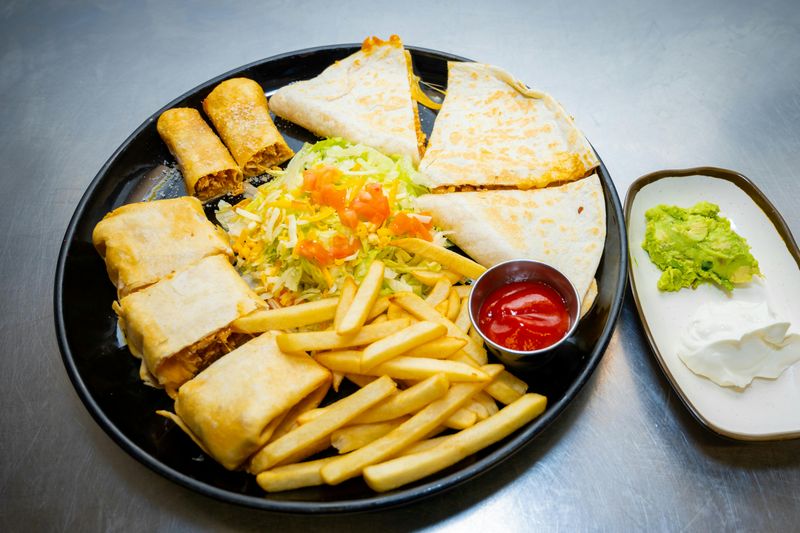
Every spring, Oregon turns learning into action during Food Waste Prevention Week, and the 2025 edition showed how powerful community can be.
Workshops, challenges, and school contests proved that small changes scale, from mastering fridge zones to reviving tired produce.
You save money, eat better, and keep methane-heavy landfill waste out of the atmosphere.
In 2026, restaurants are folding these lessons into daily service.
Expect right-sized portions, flexible sides, and bonus menus that showcase surplus ingredients while still feeling special.
QR codes can walk you through storage tips and recipes for leftovers, because the sustainability story does not end at the table.
Behind the scenes, kitchens are tracking trim, optimizing prep, and partnering with food banks to ensure edible surplus gets into homes.
Composting and anaerobic digestion pick up the rest.
You will notice cleaner menus, smarter pricing, and a shared pride in doing the right thing.
Waste reduction stops being a campaign and becomes a culture you can taste.
Farmers Markets As Resilience Hubs, Not Just Weekend Baskets
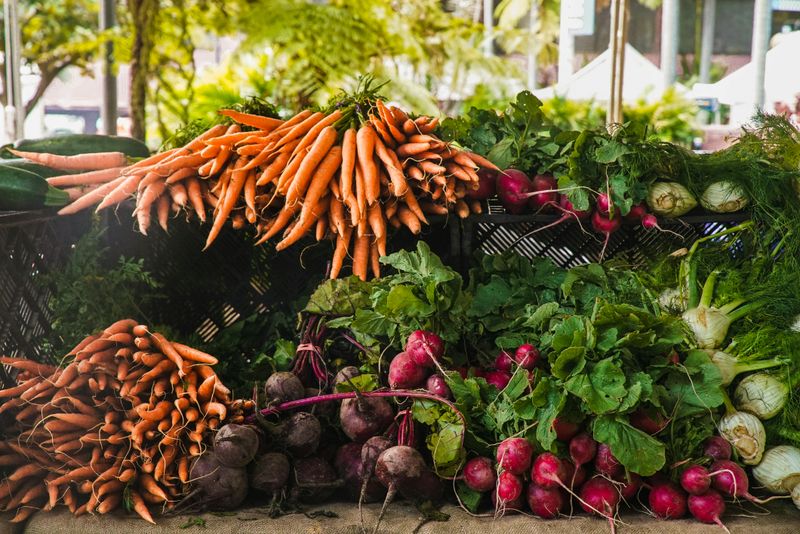
Oregon’s farmers markets have always been delicious, but in 2026 they function like resilience hubs.
You get seasonal produce, yes, but also local grains, mushrooms, and value-added foods that shorten supply chains and steady prices.
Vendors practice water-smart irrigation, soil-first farming, and low-input cultivation that keeps flavor high and runoff low.
Markets curate diversity on purpose, making it easier to discover drought-tolerant varieties and heritage crops that thrive as the climate shifts.
Those choices support growers who invest in biodiversity and pollinator habitat.
For restaurants, market days are a pipeline for menu creativity.
For you, it is a weekly ritual that connects names and faces to your food.
Add in bike access, zero-waste service ware pilots, and chef demos, and markets feel like a living syllabus for sustainable eating.
The result is a food system that knows its neighbors and feeds them well.
Plant-Forward Menus Without The Lecture

Portland already leads with plant-forward dining, but 2026 refines the approach with flavor-first creativity.
You do not get a lecture, you get bold bowls of legumes, nutty Oregon grains, seaweed accents, and umami-rich ferments.
Chefs pair smoked mushrooms with hazelnut miso or build shareable feasts around squash, brassicas, and foraged greens.
It is not about strict rules, though.
Menus spotlight vegetables as stars because they are efficient with land and water, and they scale beautifully with local supply.
Seasonal tasting flights let you explore produce at peak, which reduces waste and boosts nutrition.
Behind the plate, kitchens are designing prep to minimize scraps, turning peels into crisps and stems into sauces.
You will notice satisfying textures, deep marinades, and spice mixes inspired by global traditions while staying rooted in Oregon farms.
The takeaway is simple: plants can be thrilling, and when they lead, the footprint shrinks, your choices widen, and dinner becomes a conversation worth having.
Regenerative Grain Revivals And Regional Milling
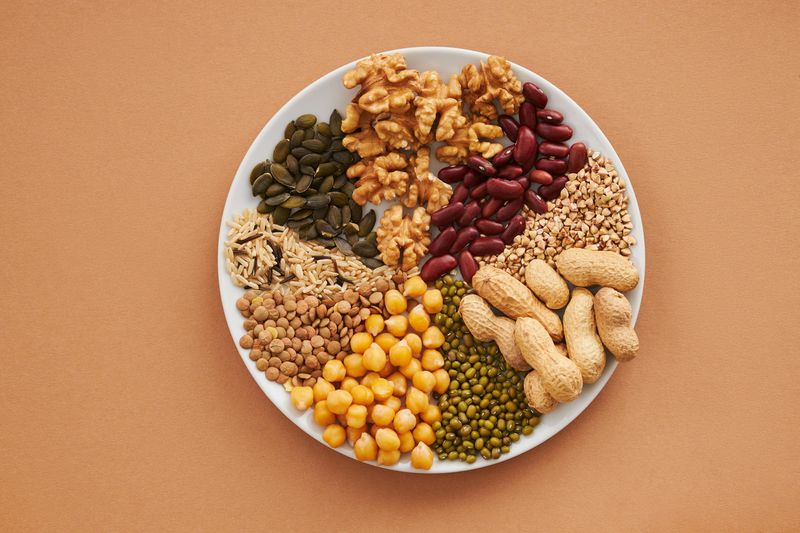
Grains are quietly transforming the plate in Oregon, thanks to regenerative farming and regional mills.
You taste the difference in nutty flours, sprouted grains, and heritage wheats that thrive without heavy inputs.
Local milling cuts transport miles and preserves flavor, giving bakers and chefs a fresher, more nutritious canvas.
These grains do more than bake great bread.
Fields with cover crops and diverse rotations build soil structure, hold water through dry spells, and pull carbon into the ground.
That resilience shows up in consistent harvests and prices that help small farms survive.
Restaurants are weaving barley, rye, and einkorn into pastas, porridges, and pastries that feel both modern and old-soul.
You can find flour provenance on menus and even buy bags to take home at markets.
The loop closes with spent bran in crackers and sourdough discard in desserts, keeping waste low and creativity high.
Seafood Alternatives And Kelp-Fueled Innovation

With ocean pressures and climate shifts, Oregon diners are exploring ocean-friendly alternatives that still deliver coastal flavor.
Kelp farming offers fast-growing, low-input nutrition, and chefs are turning it into noodles, broths, and crispy garnishes.
Smoked mushrooms and tofu with seaweed dashi give you the briny, savory notes you crave while easing strain on fish stocks.
Innovation springs from collaboration along the coast.
Producers share data on yields and water quality, while restaurants test textures and preparations that meet expectations without compromise.
You get dishes that feel familiar but tread lighter.
Kelp’s carbon uptake and habitat benefits make it a quiet hero.
Paired with local grains and vegetables, these plates celebrate Oregon’s marine identity in a future-minded way.
Expect educational notes on menus about sourcing and ecosystems, helping you choose deliciously and responsibly.
The payoff is a seafood experience that respects the ocean and keeps its biodiversity in mind.
Electrified Kitchens And Low-Carbon Dining Rooms
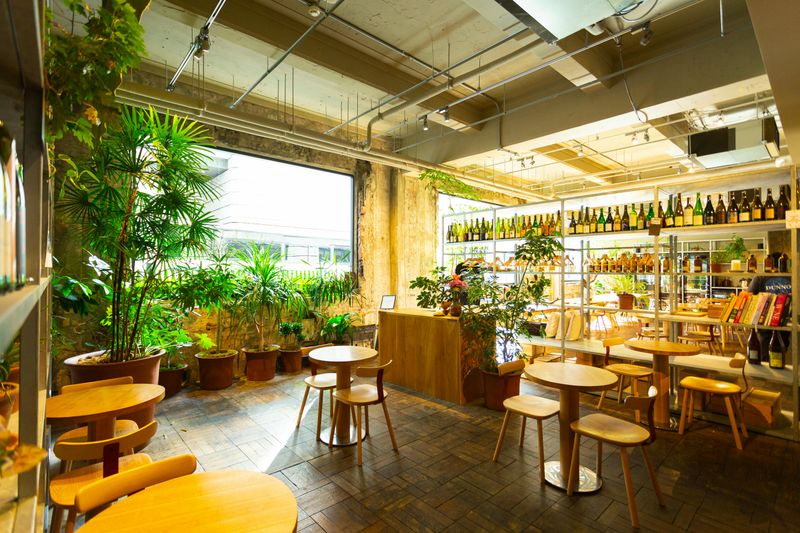
The back of house is going electric, and you can feel the precision on the plate.
Induction ranges give chefs control and speed while cutting indoor air pollution, and electric ovens bake evenly without gas spikes.
Pair that with heat pump water heaters and smart ventilation, and kitchens run cooler and cleaner for staff.
Dining rooms are upgrading too.
LED lighting, demand-controlled ventilation, and reclaimed materials reduce operational footprints while creating a calm, modern vibe.
You might notice energy dashboards near host stands that show real-time savings, turning sustainability into an open conversation.
Suppliers join the loop with consolidated deliveries and EV vans, while restaurants align with local utilities for incentives.
The result is a smoother service, better air, and meals that carry fewer hidden emissions.
You still come for taste and hospitality, but leave knowing the entire experience ran on smarter power.
Culturally Rooted, Locally Sourced Menus
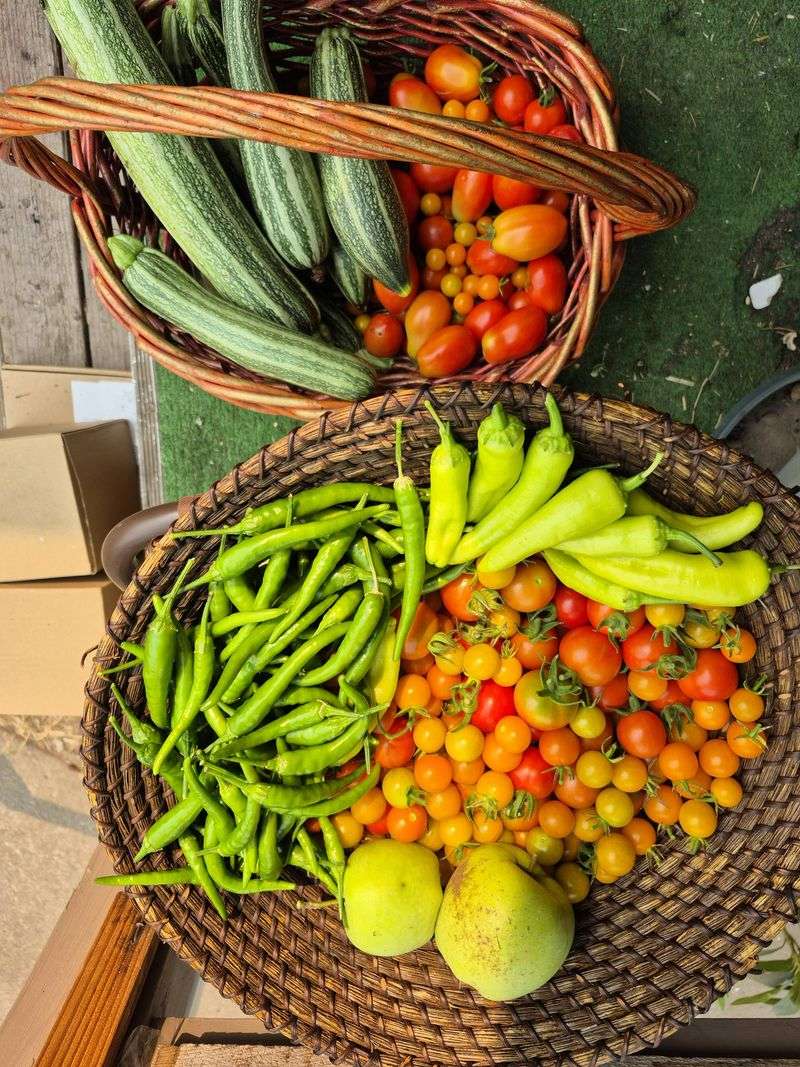
Sustainability thrives when it respects culture, and Oregon’s dining rooms are leaning into that truth.
Chefs are showcasing heritage techniques with local ingredients, building menus that honor memory while embracing seasonal availability.
You taste West African stews with Oregon beans, Lao herbs grown in community gardens, and Pacific Northwest produce folded into Middle Eastern spreads.
This approach extends the local food movement beyond geography.
It supports immigrant farmers, specialty seed growers, and markets that keep diverse crops in circulation.
You get authentic flavor without importing everything across oceans.
By matching tradition with nearby harvests, kitchens reduce transport emissions and keep dollars in local ecosystems.
Menus credit farms and share short origin stories, giving you a window into how food travels from soil to plate.
It is not fusion for novelty, it is community building with a pantry that belongs to everyone.
Tech For Traceability And Smarter Menus
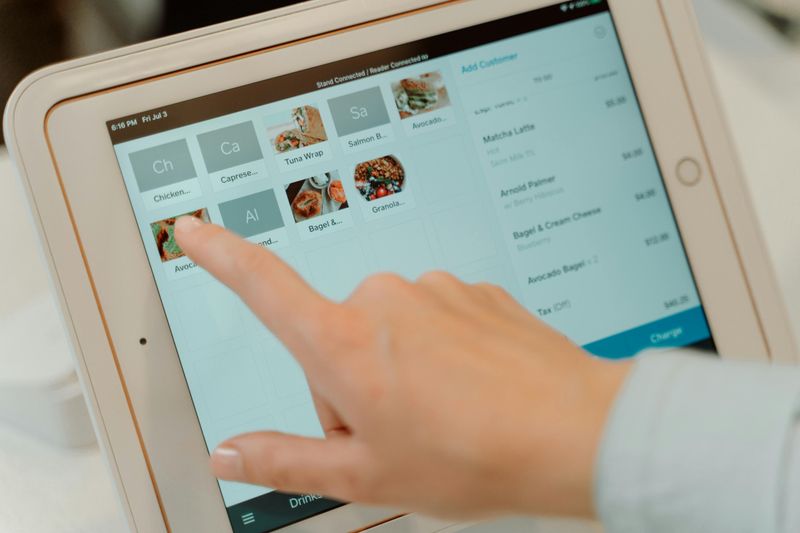
By 2026, tech is the quiet backbone of sustainable dining in Oregon.
You scan a QR code and see the farm, fishing method alternatives, and estimated footprint of your dish.
That transparency builds trust and nudges better choices without heavy-handed messaging.
On the back end, inventory apps track shelf life and suggest specials to move produce before it spoils.
Predictive ordering pares down overstock, and donation integrations route surplus to community partners quickly.
Staff training becomes interactive, keeping teams aligned and nimble.
Even small cafes can participate with low-cost tools and shared data from distributors.
The result is a menu that updates with reality: weather, harvest, and demand.
You get freshness, kitchens cut loss, and the system saves resources.
When the tech fades into the background, the food has room to shine.