Pioneers Hauled Red Sandstone By Hand To Build The Paris Tabernacle In Paris, Idaho, And It Still Stands Today
Pioneers once dragged blocks of red sandstone across a frozen lake to build one grand meeting hall.
The stone came from a canyon on the far side of the water. Winter ice made the shortcut possible.
That building still stands in a small southeastern Idaho town.
It’s tall, rusty red, and far bigger than you’d expect for such a quiet main street. Its wooden ceiling even gets compared to an upside-down ship.
I like how ordinary people pulled this off without cranes or trucks.
Teams of horses and oxen did the heavy lifting. Families and congregations from across the valley chipped in.
I can’t imagine the patience that took. Years of gathering supplies came before construction even started.
So how does a building like that end up in a town this small, and why does it still welcome visitors today?
A Red Stone Giant On A Small-Town Main Street
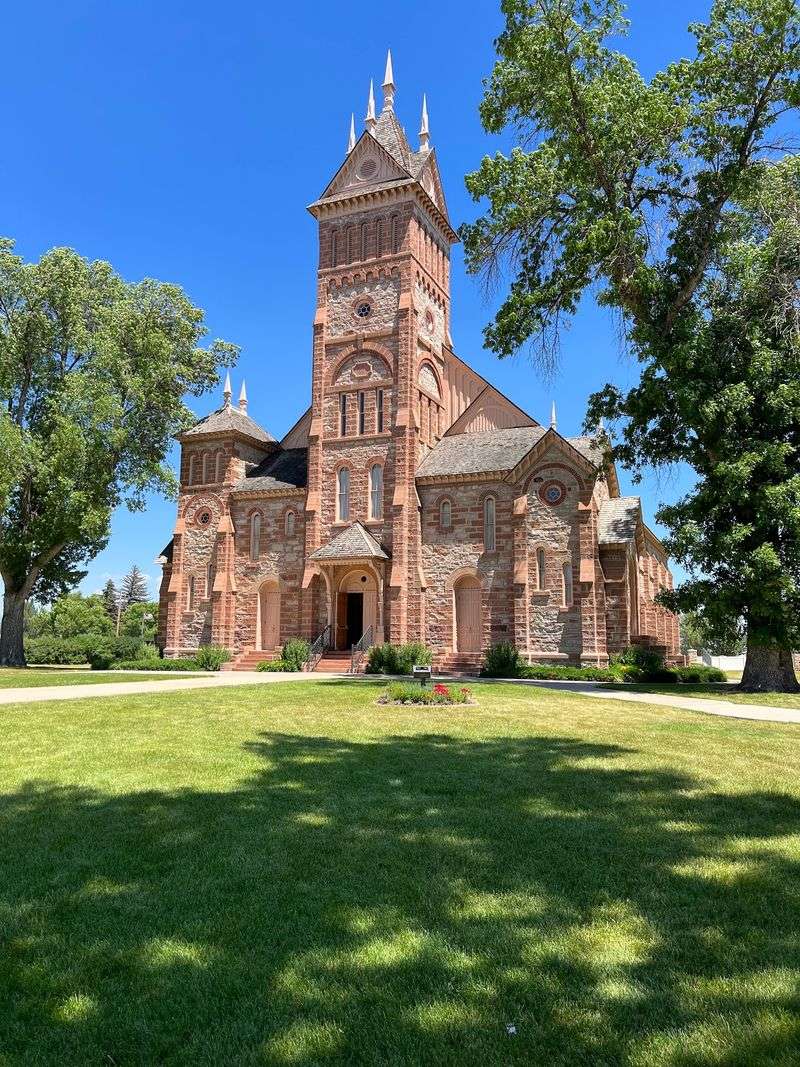
Few small towns can claim a building quite this bold. The Paris Tabernacle rises in red sandstone right along Main Street in Paris, Idaho, and it’s hard to miss.
The Church of Jesus Christ of Latter-day Saints owns and operates it. The building is also known as the Bear Lake Stake Tabernacle, a nod to its role for the wider valley.
Paris sits in the Bear Lake Valley of southeastern Idaho. U.S.
Highway 89 runs through town, so plenty of travelers roll right past it.
The style is Romanesque, with heavy stone walls and rounded arches. Its scale feels almost surprising for a rural community, which is half the fun.
The tabernacle earned a spot on the National Register of Historic Places in 1972. That listing recognizes both its architecture and its pioneer story.
It isn’t a closed-up relic, either. The building still hosts meetings and conferences, and visitors can head inside for tours.
Some travelers simply admire it from the sidewalk at first. Once you notice the stonework up close, though, curiosity tends to win.
A quick stop easily becomes a story you’ll repeat on the drive home.
Stone Pulled Across Frozen Bear Lake
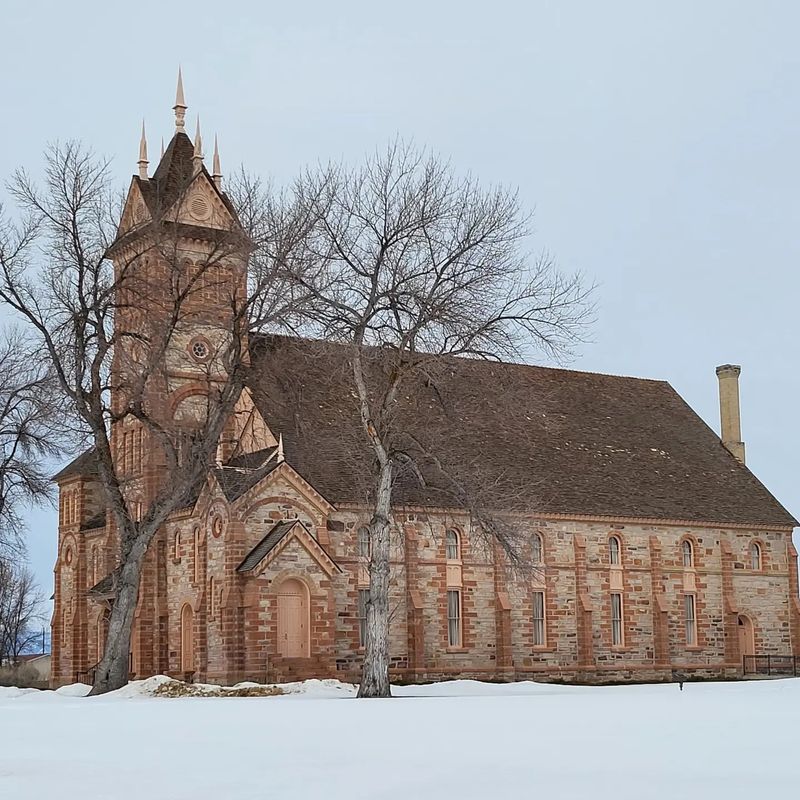
Ice made the job easier, which says a lot about the job. The red sandstone came from a quarry at Indian Creek on the east side of Bear Lake.
Sources place that quarry roughly 18 to 24 miles from Paris. Pioneers moved the massive blocks with horse and ox teams, and nothing more.
In winter, the crews took a clever shortcut. They hauled stone straight across frozen Bear Lake, trimming miles off the trip.
That detail sticks with people. Bear Lake doesn’t reliably freeze over the same way today, so the shortcut feels even more remarkable now.
The effort didn’t happen in a single season. Supplies were gathered for about 20 years before serious construction began.
Think about that for a moment. Kids who watched the first loads arrive could have been grown adults by the time the walls went up.
Every block in those walls represents cold mornings, tired animals, and determined people. The patience alone deserves a little applause.
Standing beside the building, the walls look sturdy and calm. Knowing how each stone got there changes the way you see them.
Suddenly, it’s less a wall and more a long, chilly group project.
Brigham Young’s Son Drew Up The Plans
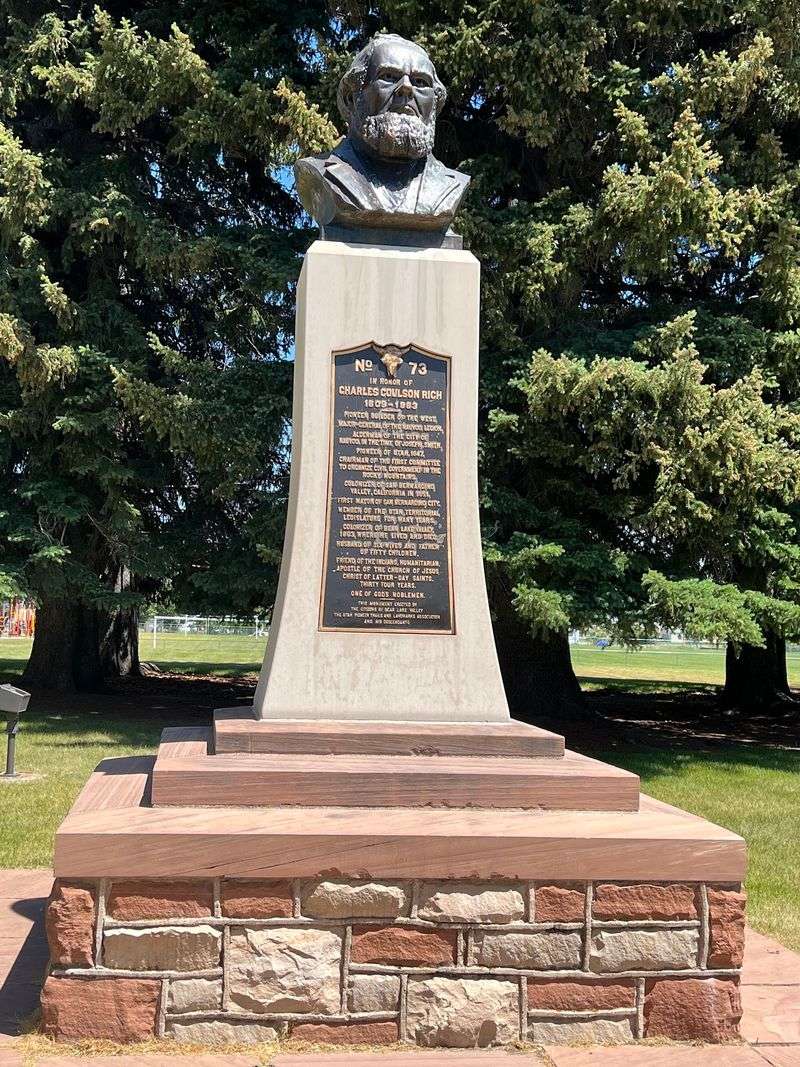
Here’s a family connection worth knowing. The architect was Joseph Don Carlos Young, a son of Brigham Young and a professionally trained engineer.
Construction began in 1884. It came after other major church projects, including the Logan Tabernacle and Salt Lake Temple work, freed up resources.
The building was dedicated on September 15, 1889, by George Q. Cannon.
From start to finish, that’s about five years of building after decades of preparation.
Many of the skilled craftsmen were immigrants. Sources mention workers from Switzerland, England, and Australia bringing their trades to this remote Idaho valley.
Their skill shows in the woodwork and stone details. Careful carving and fitting turned rough quarry blocks into a polished landmark.
Look closely at the front, too. Different types of stone and brick appear in the decorative areas above the windows.
Those variations tell a neat story. Different congregations across the region contributed materials, reaching all the way to Star Valley in Wyoming.
So the facade works almost like a signature wall. Each material quietly records a community that pitched in.
It’s teamwork, written in stone.
That Upside-Down Ship Overhead
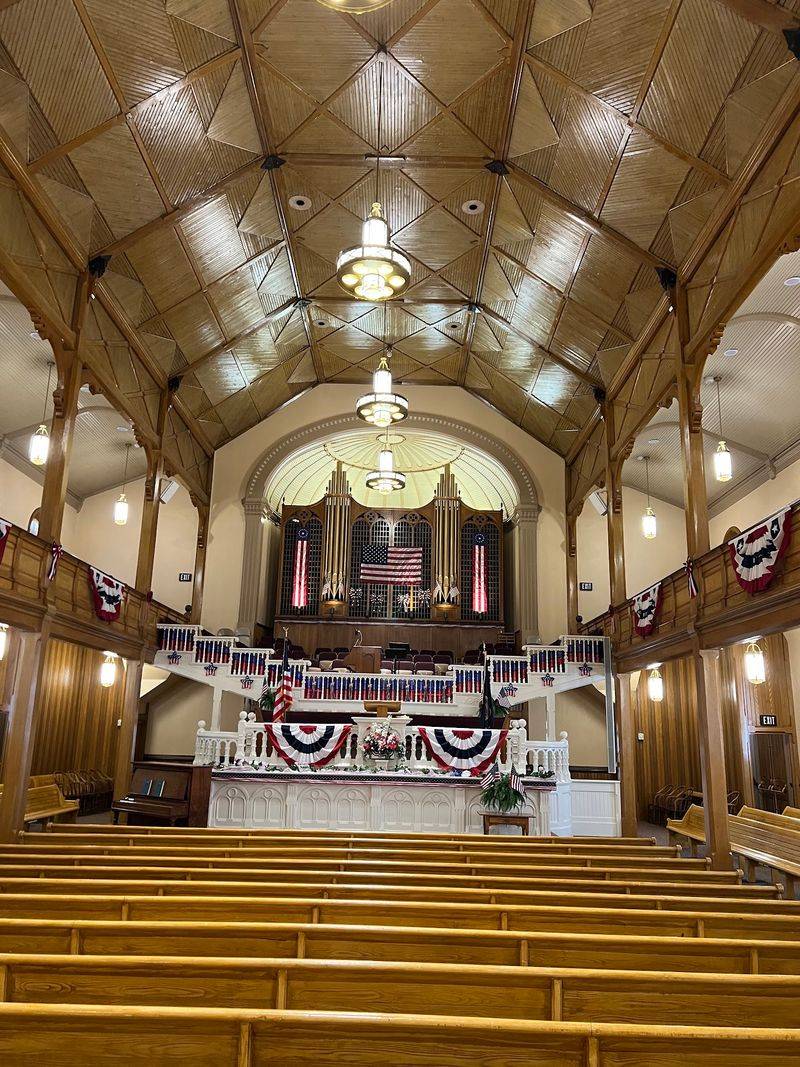
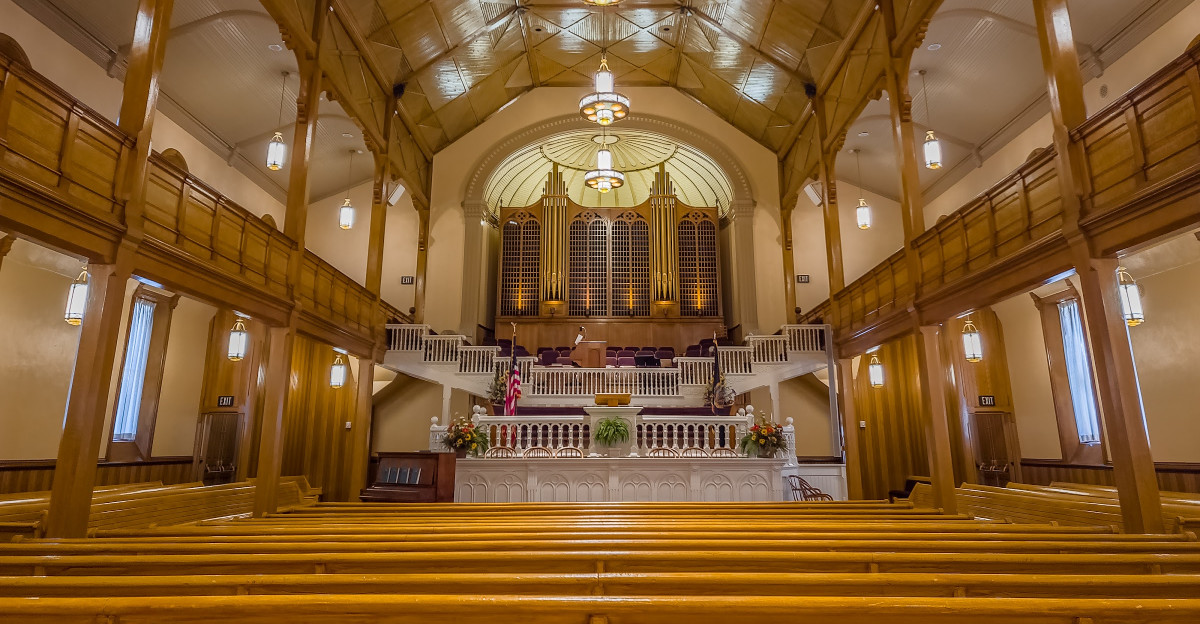
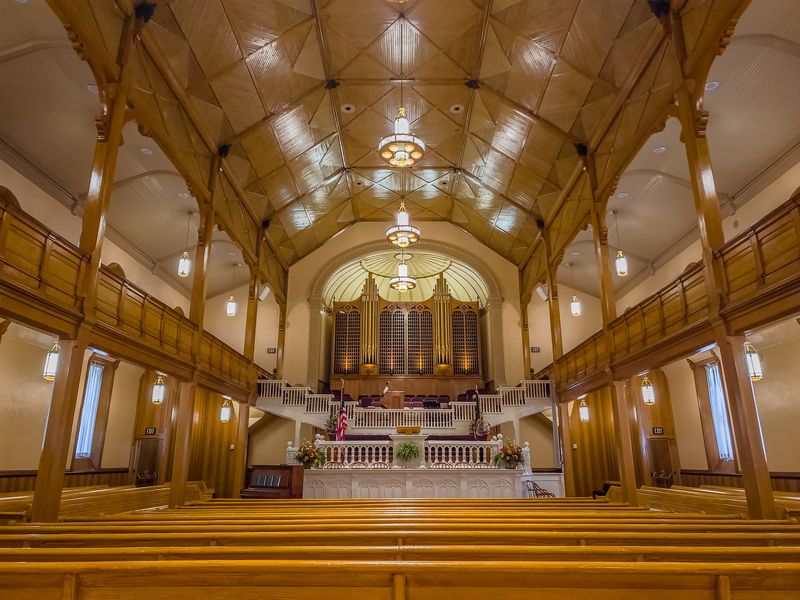
Look up. That’s the first and best advice for anyone stepping inside the main hall.
The wooden ceiling often gets compared to the inverted hull of a ship. Long, narrow planks curve overhead in an elaborate arrangement.
A popular story says shipbuilding methods shaped it. Church accounts suggest the architect used typical building techniques of his era instead.
Either way, the effect is striking. You can enjoy the legend and the facts at the same time.
The assembly hall was built to seat a big crowd, with estimates ranging from 2,000 to 3,000 people. A balcony wraps around three sides.
The floor slopes gently toward the front. That design gives seats a clear view of the pulpit, which was smart planning for the 1880s.
Smaller touches catch attention too. Door handles sit lower than many modern ones, a reminder of older building standards.
Stained-glass windows add color to the room. One legend says some glass crossed the plains packed in molasses, though that remains a tale rather than a confirmed fact.
It’s a room built for gathering. Even empty, it feels ready for a crowd.
Six Hundred Twenty-Nine Reasons To Listen
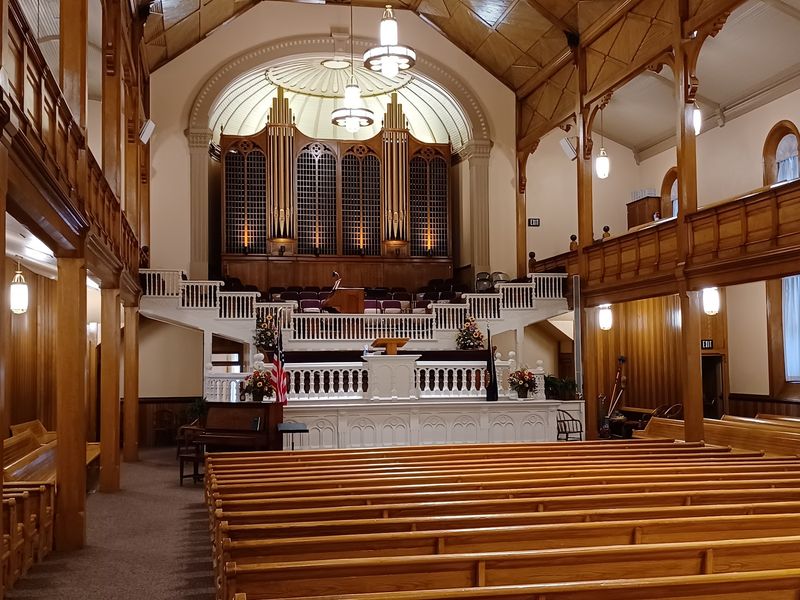
Music fans, this part’s for you. The tabernacle’s pipe organ dates to 1928 and holds 629 pipes.
That’s a lot of sound waiting in one corner. In a hall this size, the organ was built to fill the room.
The instrument sits as a focal point of the interior. Its pipes add vertical drama alongside the curving wood above.
Music isn’t just a museum piece here, either. The building has hosted community events, including an Independence Day concert.
Summer holidays bring extra flair. Around the Fourth of July, the hall has been decorated in patriotic colors.
That timing makes for a fun summer outing. A historic hall, festive decor, and live music make a pretty good combination.
Event schedules change from year to year. Checking ahead before planning a concert trip saves disappointment.
Even without a performance, the organ is worth a long look. Picture the pipes as part of the building’s voice, connecting nearly a century of music to pioneer stone.
Not bad for an instrument older than most people’s grandparents. It still holds center stage with ease.
Pioneer Heirlooms In A Small Museum
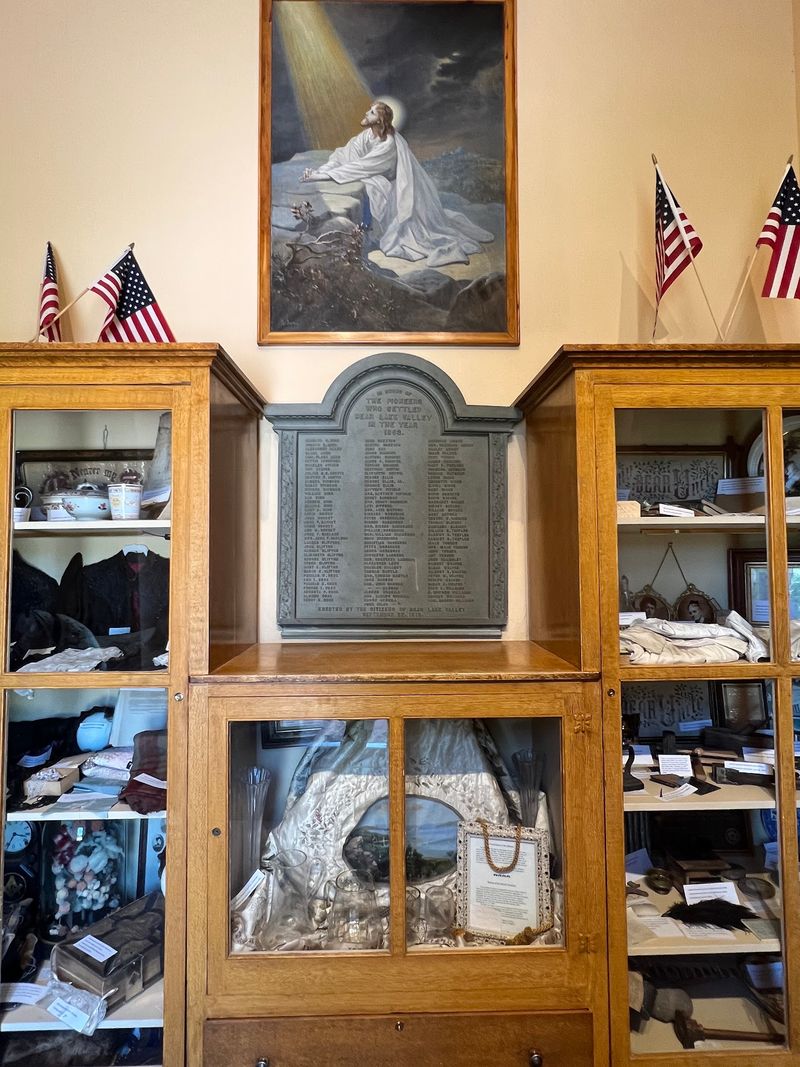
Big halls get the attention, but small rooms hold the personal stories. The Paris Tabernacle includes a small museum with heirlooms from early Bear Lake Valley settlers.
These artifacts give the giant building a human face. You get a glimpse of the families behind all that hauling and carving.
The town’s own backstory adds flavor. Charles C.
Rich led settlement here in 1863.
Early settlers thought Paris belonged to Utah. A later survey confirmed the town sat in Idaho, which surely sparked some dinner-table conversation.
For many families, this place feels like a link to their roots. Descendants of valley pioneers visit to see what their ancestors helped create.
Even without family ties, the displays connect the dots. Tools and keepsakes make the five-year build feel real.
The building also had major renovation work in the mid-2000s. Crews updated systems like heating and electrical while preserving its 1880s look.
That balance matters. It means today’s visitors see history without the drafty discomfort pioneers probably tolerated.
Small museum, big context. Give it a few minutes before heading back out.
Free Tours, Friendly Guides, Easy Stop
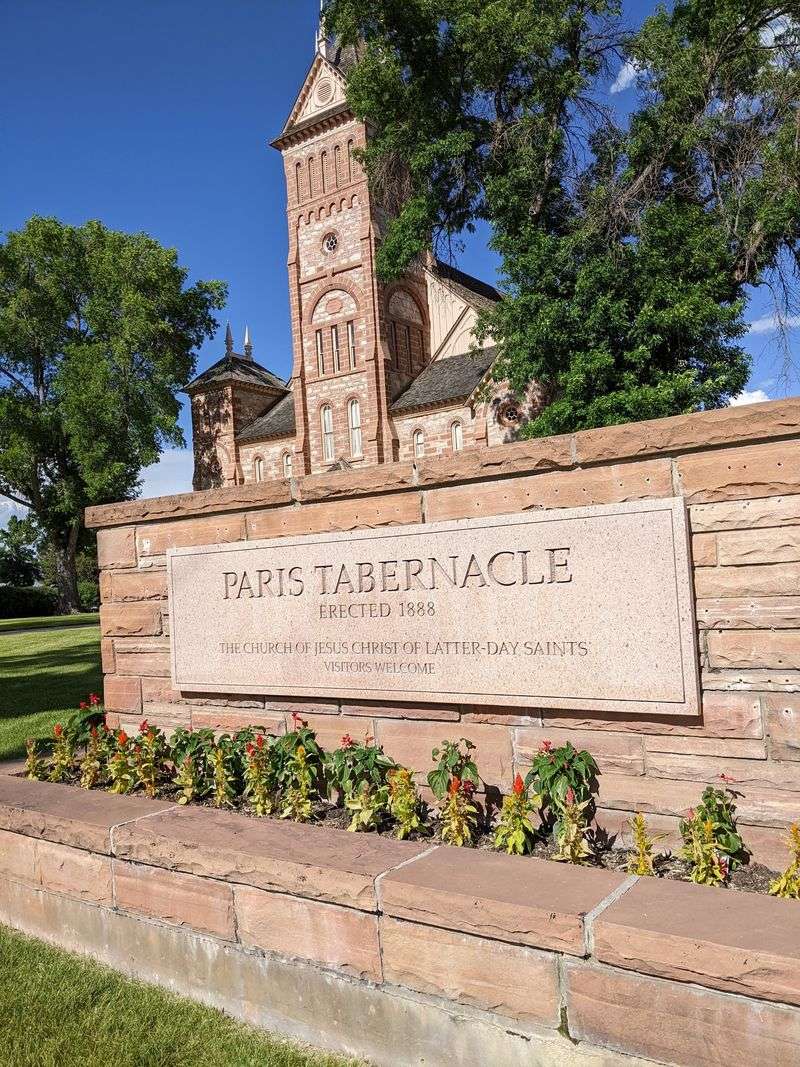
Good news for budget trips. Tours of the Paris Tabernacle are free, with guided and self-guided options.
Guided tours tend to run short, often around 15 to 20 minutes. That makes it an easy add-on to a Bear Lake day.
Missionaries usually lead the tours and share the building’s history. If you’d rather wander, exploring on your own is also an option.
Families with young kids can handle it comfortably. The short length keeps little attention spans from running out.
History lovers of any background will find plenty here. The story centers on engineering, community effort, and pioneer life.
The building also still serves active congregations. It hosts meetings and conferences for members of the church.
That double life gives it an interesting feel. It’s both a working gathering place and a preserved landmark.
Respectful clothing and a quiet voice make sense inside. Treat it like the historic and active space it is.
Bring questions, especially about the frozen-lake shortcut. Guides get that one a lot, and for good reason.
It remains the story everyone wants to hear twice.
Plan Your Summer Detour Here
Timing is everything with this stop. Tours typically run daily in summer, from Memorial Day weekend through Labor Day weekend.
Hours can shift by season and special events. Checking the church’s historic sites page before driving out is a smart move.
You’ll find the tabernacle at 109 S Main St, Paris, ID 83261. It sits right on U.S.
Highway 89, so getting there is simple.
Bear Lake lies just south, making this an easy pairing with a lake day. Raspberry season fans already know this stretch of highway well.
Visits outside summer can be hit or miss. Some travelers have driven by more than once before finding the doors open.
So aim for the warm months if possible. Summer holidays may bring decorations and occasional events too.
Is it worth the detour? For anyone curious about Idaho history, I believe it absolutely is.
Few places show pioneer grit so clearly. Red stone, a ship-like ceiling, and a winter shortcut across a lake make quite the package.
Bring the family, bring your camera, and leave some time to look up.