Quilters Drive Across Nebraska For The Flannel And Batik Bolts Inside This Small-Town Shop
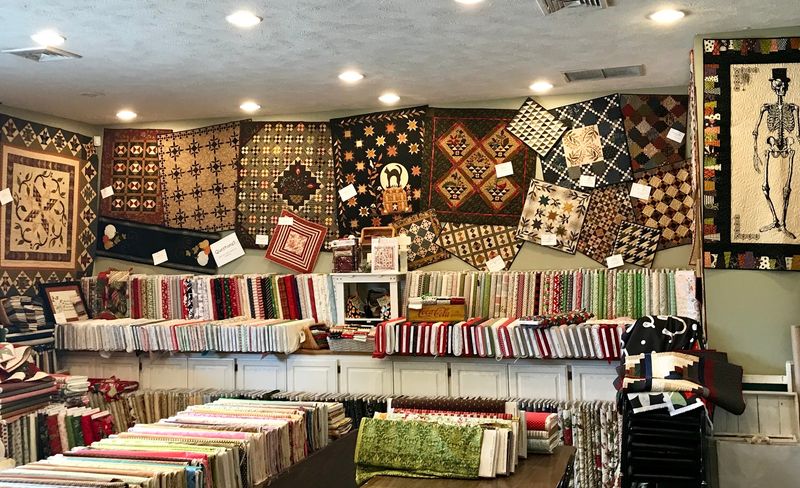
Some of the best stops in Nebraska sit in buildings that look like they could just as easily hold an insurance office or a plumbing supply company. You pull into a small lot off a side street, push open a glass door, and suddenly the wall in front of you is stacked floor to shoulder with fabric in every shade imaginable.
Quilters have been driving hours across the state for exactly this feeling, and once you see the flannel wall and the batik section, the mileage makes sense. What follows is a look at what makes this particular shop worth putting on the map.
A Sarpy County Quilt Shop off Enterprise Drive
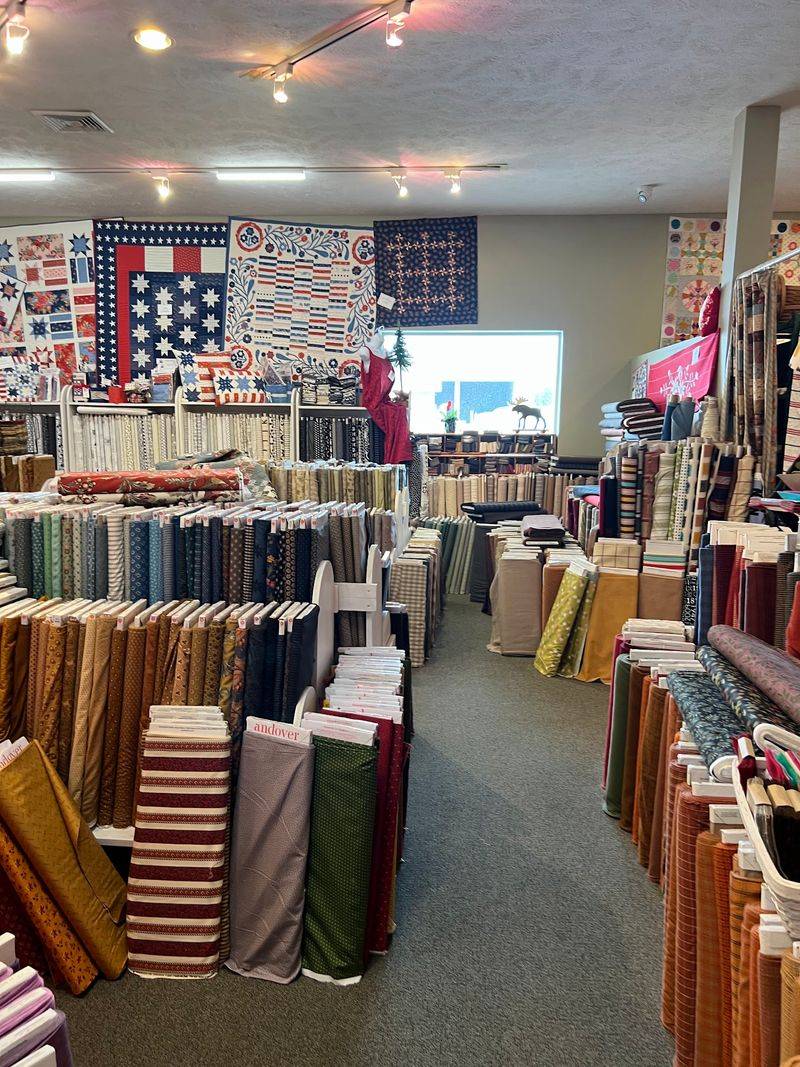
Bolts of cotton stacked to shoulder height greet you before your eyes adjust to the light. The Quilted Moose sits in Gretna, a growing Sarpy County town just southwest of Omaha where new subdivisions press up against old farm ground.
From the outside, the building blends into its surroundings. There’s no elaborate sign, no window display engineered to stop traffic.
The quilting happens on the inside, which is exactly how the regulars seem to prefer it.
Gretna makes an easy landing spot for anyone traveling the Interstate 80 corridor between Lincoln and Omaha. The shop is close enough to the highway that a detour costs you minutes, not an afternoon, yet far enough into town that you feel like you’ve arrived somewhere rather than pulled into a strip center.
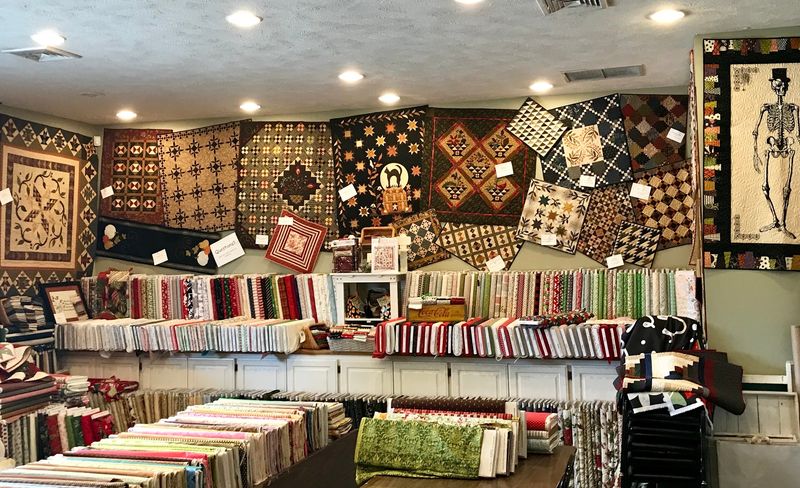
What waits inside is a full-scale fabric operation. Cottons, wools, flannels, batiks, threads, patterns, kits, and finished samples hanging where you can study the stitching up close.
Quilters have driven three and a half hours to get here, and they keep repeating the trip.
The Flannel Wall That Earns the Mileage
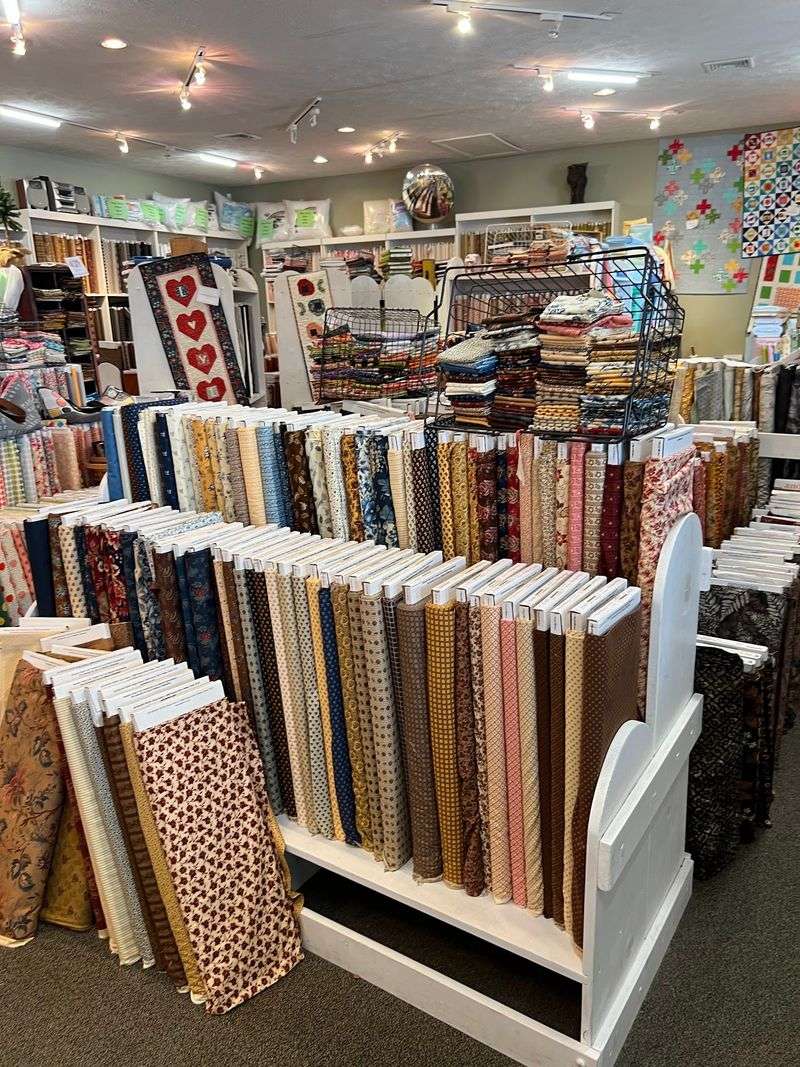
Run your hand across a bolt of good flannel and you understand why people make special trips for it. The brushed nap catches slightly against your fingertips, softer than quilting cotton and heavier in the hand.
Flannel comes up again and again among the people who shop here, and the selection around Omaha is hard to beat. Plaids, brushed prints, and coordinating solids sit alongside minky, the plush fabric that turns a simple baby quilt into something a toddler drags around for years.
Timing matters with flannel. Mills release it heaviest in late summer and fall, which means autumn is when the shelves look their fullest and the bolts you want are still there.
By deep winter, the popular plaids have often been cut down to remnants.
Nebraska winters make the case for flannel better than any sales pitch could. A flannel-backed quilt weighs more, holds heat, and feels right when the wind comes across open ground in January.
Quilters here plan accordingly.
Batiks, Wovens, and the Color Wall
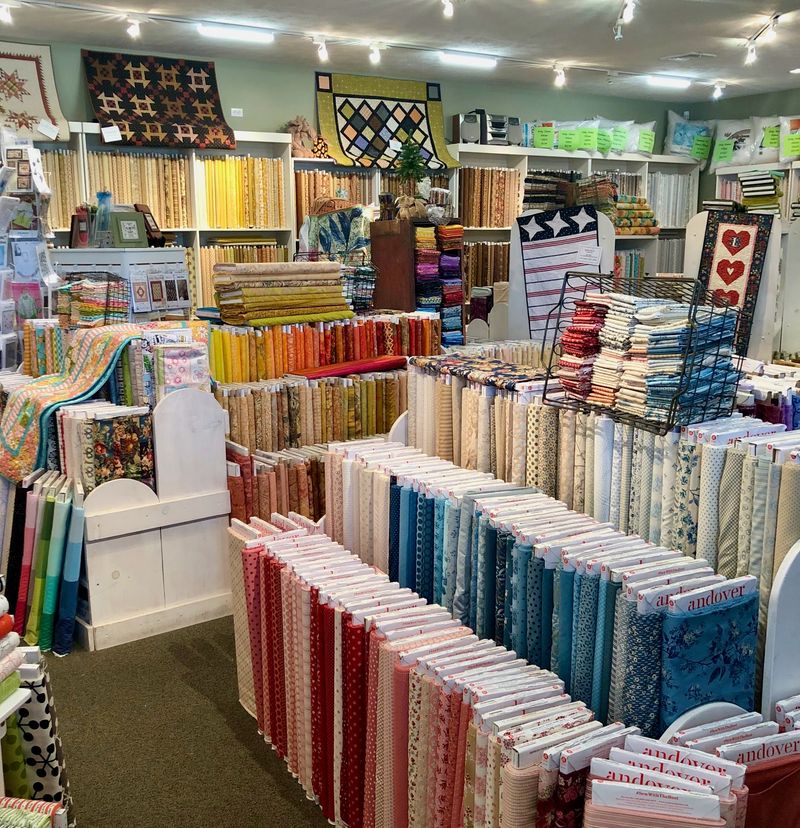
Batiks behave differently than printed cotton, and quilters who work with them will tell you the difference is in the weave. The fabric is dyed rather than surface-printed, which gives it a tighter hand, a subtle mottled depth, and edges that fray less when you cut them.
At the Quilted Moose, the batik section pulls people across the store almost by gravity. Deep indigos, rust oranges, mossy greens, and colors that shift depending on how the light hits them are arranged so you can see the whole range at once.
Wovens sit nearby, along with a strong run of traditional prints that form the backbone of the inventory. The lean here is toward classic quilting styles, but modern prints hold their own ground, so a scrappy contemporary top and a reproduction-style sampler can both be sourced in one visit.
Choosing among them takes a while. Most people who come in for one specific batik leave with three, plus a coordinating solid they hadn’t planned on buying.
Wool, Cottons, and Fabrics You Don’t Find Everywhere
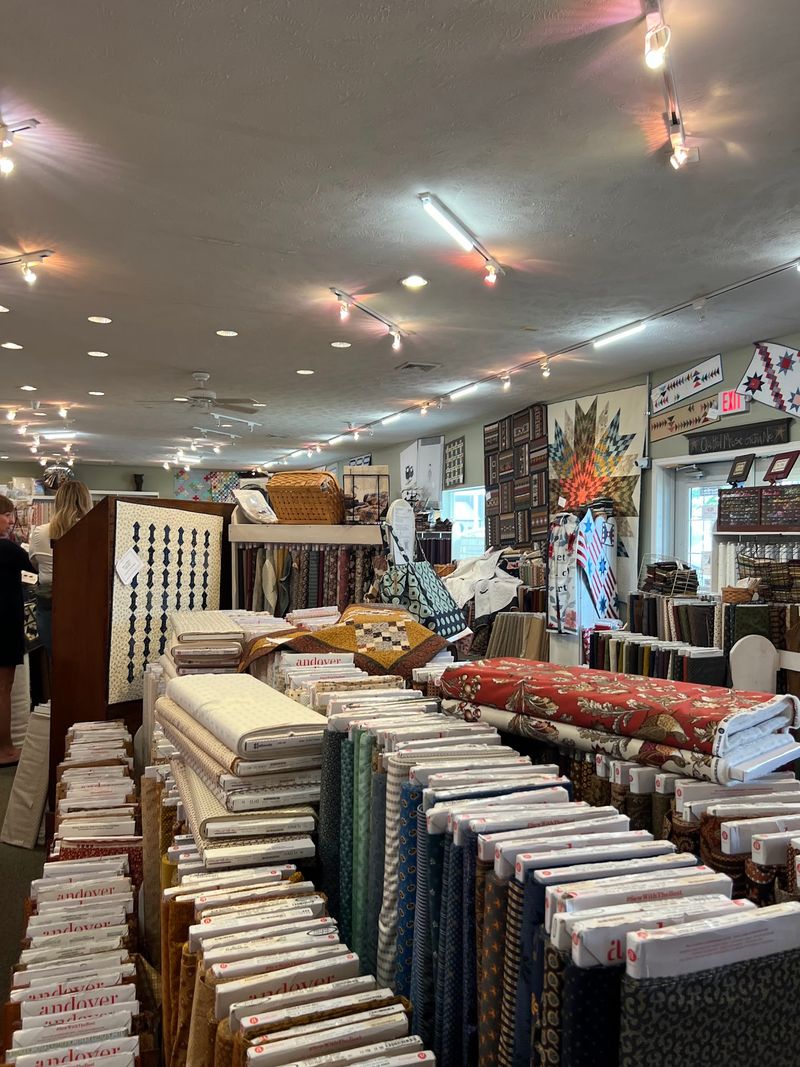
Wool is a specialty item in the quilting world, and plenty of shops skip it entirely because it moves slowly and takes up shelf space. Not here.
The wool selection stretches wide enough that a shopper from Texas found options she hadn’t seen back home.
Wool applique has quiet staying power. The fabric holds a stitch without fraying, sits flat on a background, and gives a project texture that cotton simply cannot replicate.
Penny rugs, table mats, and wool-on-cotton wall hangings all start with the bundles kept in this section.
Heavier cottons round out the inventory, suitable for jackets, shirts, skirts, and tops rather than strictly for piecing. That opens the door to garment sewers who might otherwise assume a quilt shop has nothing for them.
Christmas fabric stays out year-round, which sounds like a small detail until you’re trying to finish a holiday quilt in March. Plenty of shops box it up in January.
This one doesn’t, and that’s a practical advantage when a project runs long.
Thread, Notions, and the Small Stuff That Saves a Project
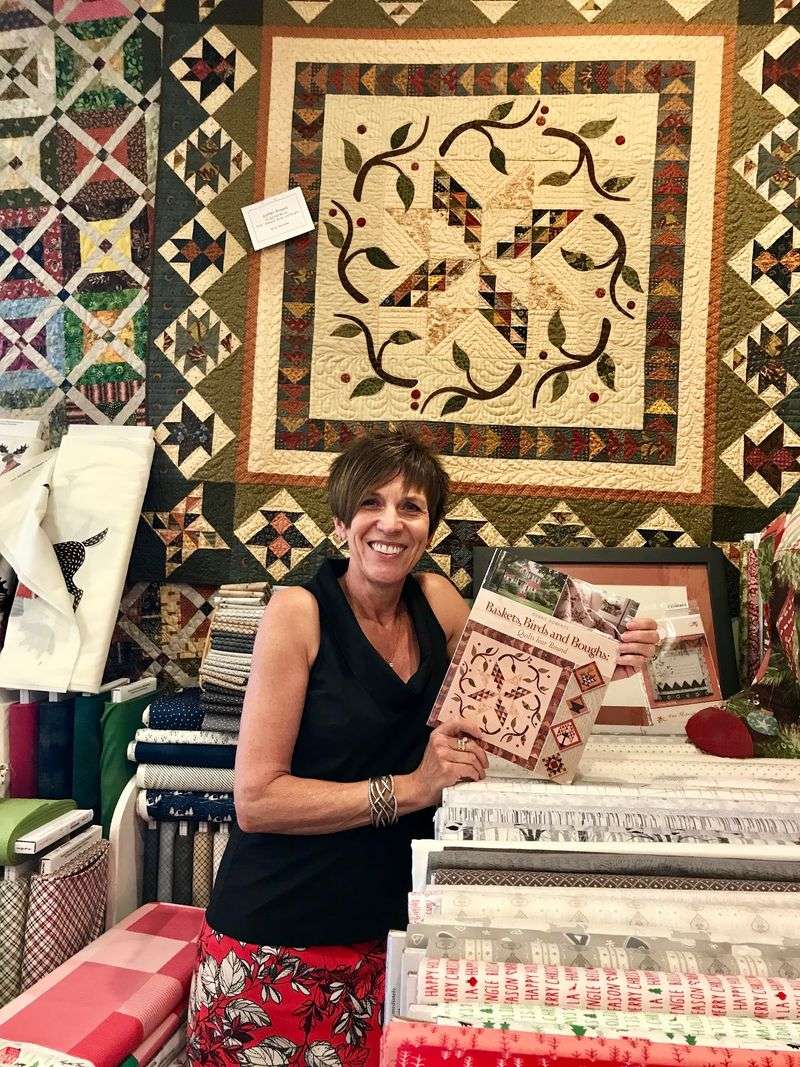
A project rarely fails because of the fabric. It fails because the thread was wrong, the needle was dull, or the ruler you grabbed was a quarter inch off from the one the pattern assumed.
Thread gets real attention at the Quilted Moose, including silk thread and other high-quality options that chain stores rarely stock. For hand applique and fine machine work, that distinction shows up in the finished piece.
Notions fill the racks between the fabric bays: rotary blades, marking tools, rulers, pins, specialty feet, and the odd gadget that solves exactly one problem extremely well. Staff can point you toward the right one instead of leaving you to guess.
Here’s a detail that says something about the place. Fly-tiers shop here too, because the threads, fine fabrics, and tools that build a quilt also build a trout fly.
Anglers wandering a quilt shop for materials is a small, genuine Nebraska crossover, and nobody behind the counter blinks when it happens.
Kits, Patterns, and Blocks of the Month
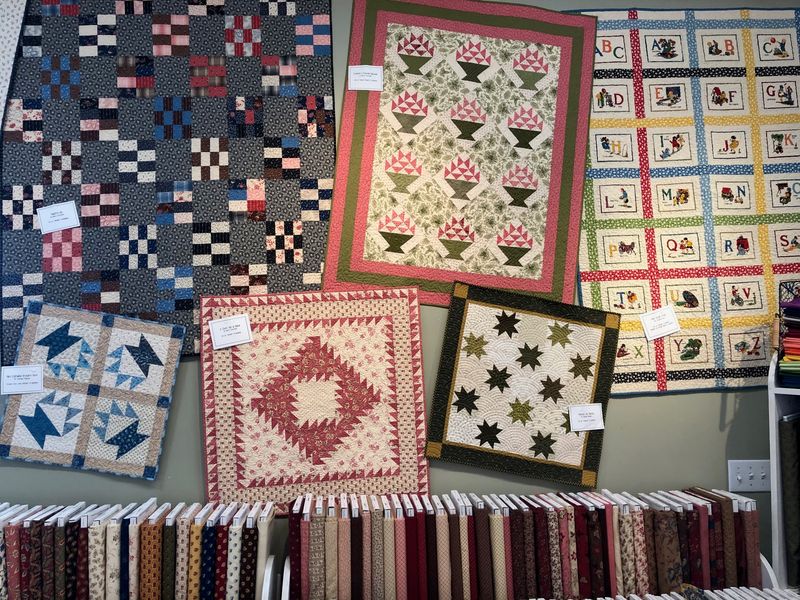
Patterns are the single most talked-about thing in this store, mentioned more than any other category. Racks of them line the walls, from simple beginner layouts to intricate designs that take a winter to finish.
Kits take the guesswork out entirely. Someone has already pulled the fabrics, checked that the values contrast properly, and bundled the yardage so you walk out with a complete project instead of a maybe.
For anyone who has ever stood paralyzed in front of a color wall, that service alone justifies the drive.
Blocks of the month run here as well, along with sew-alongs that stretch a project across a season and give quilters a reason to come back monthly. It’s a structure that keeps a long project moving when motivation dips in February.
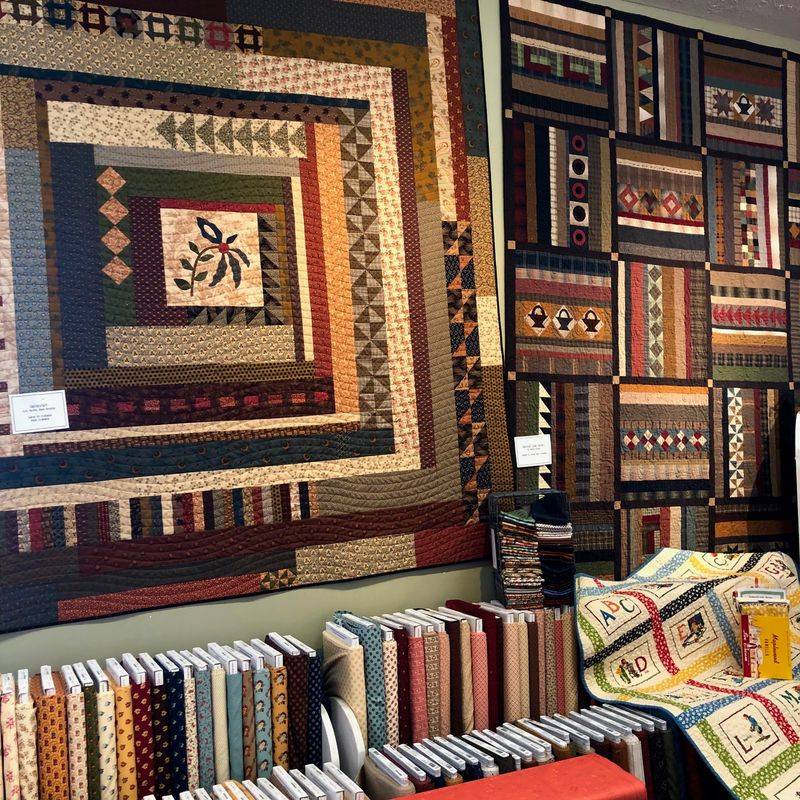
Store samples hang throughout the shop, sewn up and finished, so you can see how a pattern actually reads in fabric rather than trying to imagine it from a flat photo on the front of the envelope. That’s where most people find their next project.
Help at the Cutting Table
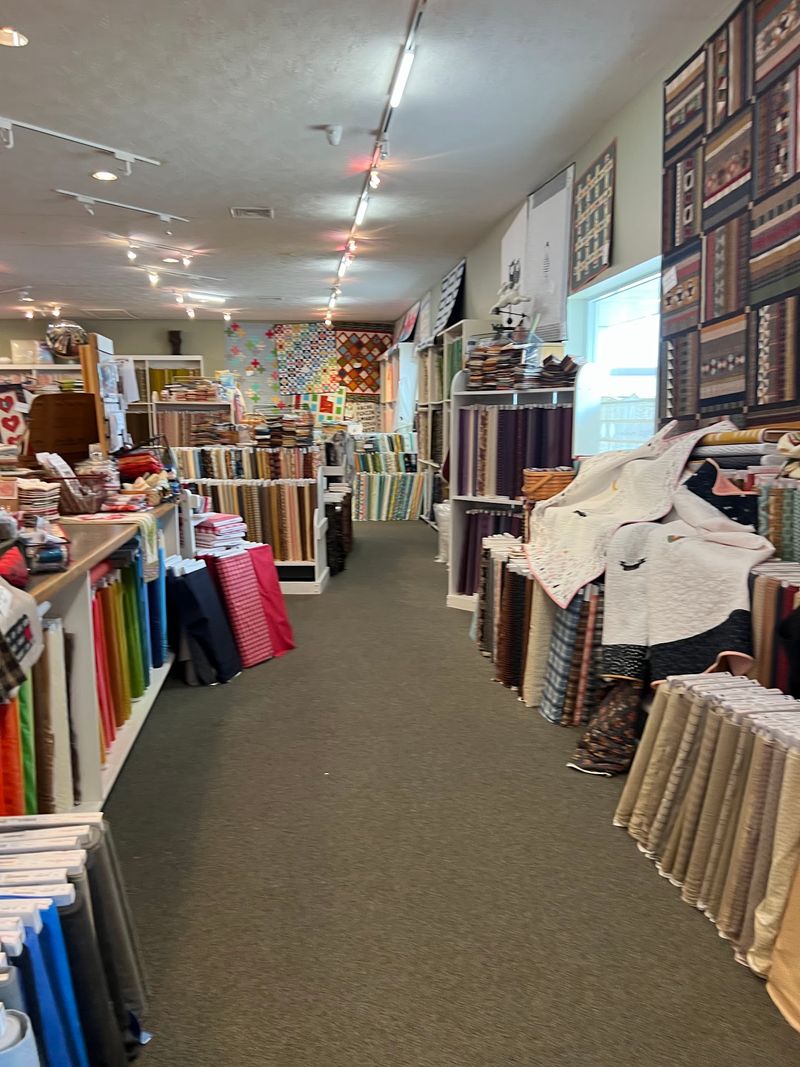
Fifteen separate mentions of friendly staff show up in the feedback for this shop, which is a lot for a business this size. The cutting table is where that reputation gets built.
Debbie owns the place, and Michelle is among the names that come up repeatedly from people who have been helped through a tricky color decision or a pattern that didn’t quite make sense on paper. Staff will spend serious time with a single customer working out fabric combinations, and they’ll climb after a high bolt and carry it over for you.
Beginners get patience rather than jargon. Someone brand new to quilting can walk in without a plan and leave with a workable one, which is not the case at every fabric counter.
Phone orders work too. People hunting hard-to-find fabrics have called in and had them tracked down, then shipped out, without ever setting foot in Gretna.
That kind of legwork keeps long-distance customers loyal for years.
Classes and the Friday Sew-In
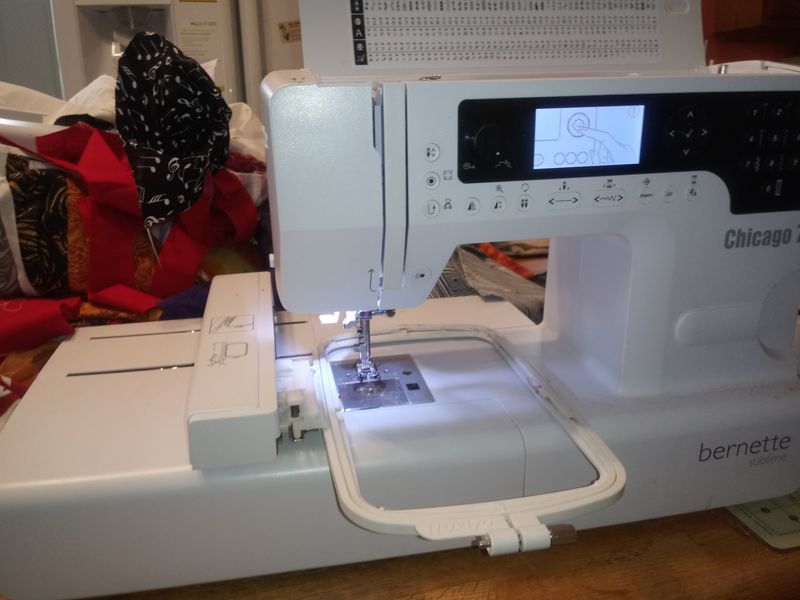
Sewing machines humming in a row, a table covered in half-finished blocks, and somebody’s project spread out for advice. That’s the scene at the sew-in sessions the Quilted Moose has hosted for years, running Friday afternoons and giving quilters a set time and place to actually work instead of intending to.
Classes run here as well, covering technique for people who want more than a pattern sheet can teach. Embroidery projects, piecing methods, and construction questions all get worked out with staff on hand when someone hits a wall.
Sew-ins solve a real problem. Quilting at home means laundry, phone calls, and a dozen other interruptions.
Sewing in a room full of people doing the same thing means the block actually gets finished.
Group visits happen too. A busload of quilters once rolled in together and spent the afternoon working through the aisles, which the shop handled without breaking stride.
Check ahead before planning around a specific class or session, since schedules shift through the year.
Pairing the Stop With the International Quilt Museum in Lincoln
Lincoln holds the International Quilt Museum on the University of Nebraska campus, home to one of the largest publicly held quilt collections anywhere. Gretna sits almost exactly on the drive back toward Omaha.
Stringing the two together makes a full day that any Nebraska quilter can manage without an overnight stay. Spend the morning looking at antique quilts under museum glass, then spend the afternoon touching fabric you can actually take home and cut into.
The mileage between them runs under an hour on I-80. Getting off the interstate at Gretna adds only a few minutes, and the route back into Omaha picks right back up afterward.
Quilters have come at this from farther out, too. Families in town for the College World Series have built shopping stops into the trip, and travelers passing through the state have pulled off specifically to restock.
Plan the Lincoln museum first and the shop second. Carrying yardage through a museum all day is nobody’s idea of a good time.
Who Fits Right In Here
Picture someone who has never threaded a machine standing next to a quilter with forty years of finished tops behind her. Both get taken seriously at this shop, and that balance is harder to strike than it sounds.
Newcomers benefit most from the kits and the willingness of staff to explain things plainly. Experienced quilters come for the depth of selection, particularly in flannel, batik, and wool, where the range goes past what general craft retailers carry.
Garment sewers find the heavier cottons and wools useful for jackets and skirts. Embroiderers have the thread selection.
Even people who just like fabric without any project in mind end up walking the aisles for a while.
A note of fairness: service has occasionally fallen short for a few people over the years, with a quilting-service policy and a quiet weekday visit both landing wrong. Those instances are outliers against overwhelmingly positive experiences, and the shop holds a 4.7-star average across 72 reviews.
Bring your pattern and a fabric swatch if you have one. It helps.
Planning Your Drive to Gretna
Address first: 109 Enterprise Drive, Gretna, Nebraska, in Sarpy County. Set your navigation to that and you’ll find it without circling.
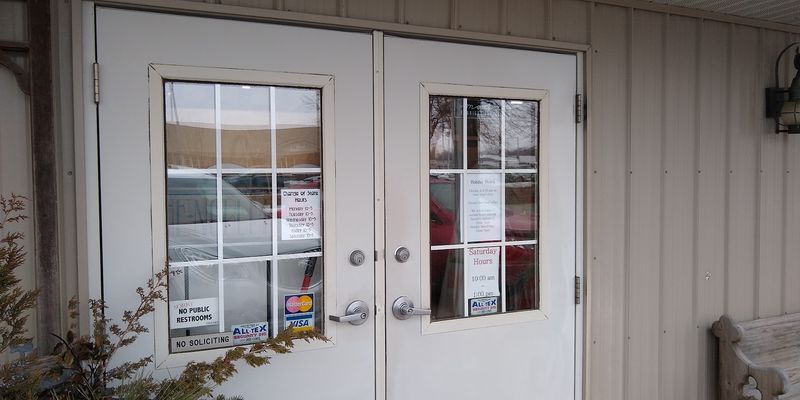
The shop keeps a midweek-into-Saturday schedule, closed at the start and end of the week, with a short Saturday that wraps up around midday. Anyone driving in from central or western Nebraska should aim for a weekday and start early, because a half-day Saturday and a three-hour drive don’t pair well.
Hours can change seasonally or around holidays, so a quick check before you leave saves a wasted tank of fuel. That’s true of any independent shop this size.
Parking sits right out front, which matters more than you’d think when you’re loading bolts of backing fabric into the back seat.
Give yourself more time than you expect to need. People routinely plan on twenty minutes and lose an hour, and the cutting table can back up when a group comes through.
Rushing a fabric decision usually leads to a second trip.
What Keeps Quilters Coming Back
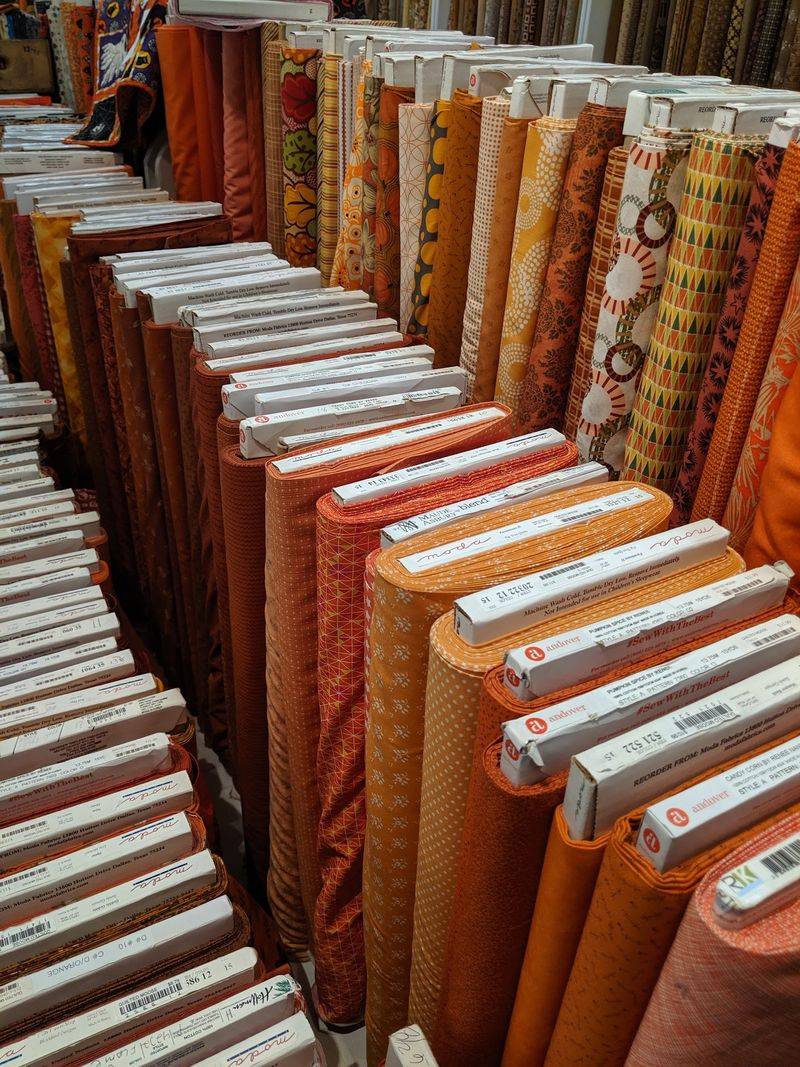
Fabric shopping online has never quite worked. Screens lie about color, they tell you nothing about weight, and you cannot feel whether a flannel is properly brushed or thin and disappointing.
That’s the case for a shop like this one holding its ground while big retailers thin out their fabric departments. Standing in front of six hundred bolts and pulling three that work together is a different activity than clicking through thumbnails, and quilters know it.
The Quilted Moose has the inventory depth to make the drive pay off and the staff knowledge to make it productive. Flannel and batik are the headline draws, wool is the surprise, and the patterns and kits keep projects moving through the year.
Nebraska quilters have been treating it as a destination for well over a decade, some of them logging hours each way. Regulars get greeted by name at the door, which explains the return trips as much as the fabric does.
Go in fall when the flannel is deepest. Bring a list, and expect to ignore it.