10 Small North Carolina Towns That Turn Colorful With Wildflowers Every Spring
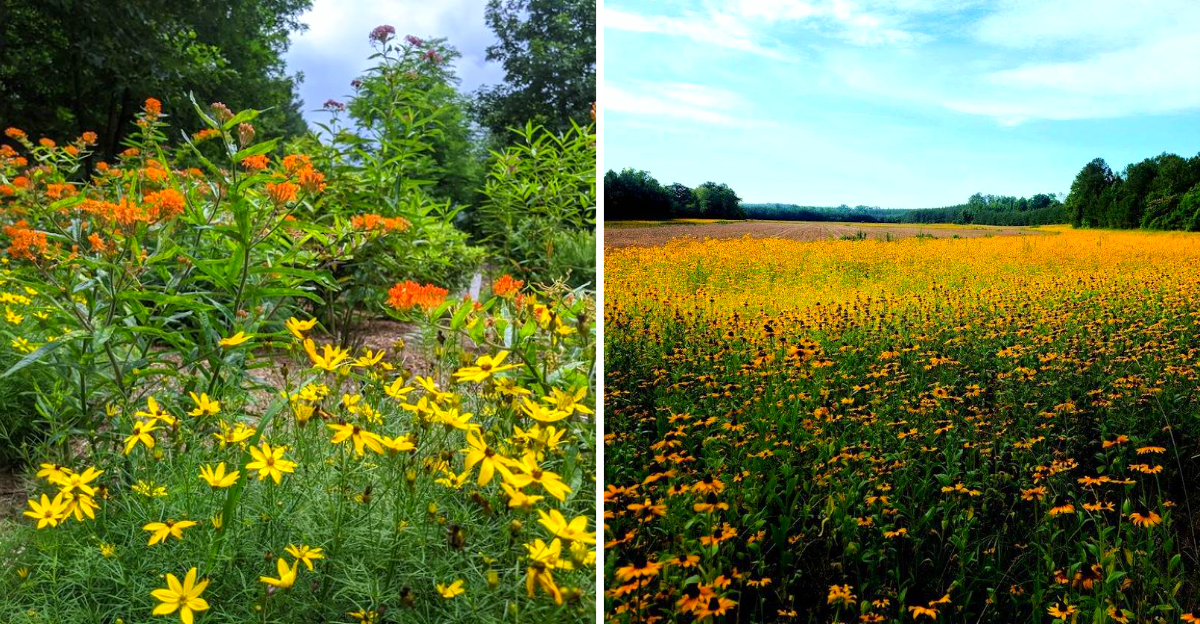
Spring does not ease its way into places like this. It arrives with color, movement, and the kind of beauty that makes you slow down.
Across North Carolina, small towns change fast once the season turns. Roadsides brighten.
Creek banks fill in.
Open fields begin to glow with purple, yellow, pink, and white. What looked plain a few weeks earlier suddenly feels impossible to ignore.
Part of the appeal is how unexpected it can feel. A side road becomes the highlight.
A quiet neighborhood starts looking like a postcard. Even the most familiar stretch of town can seem new again once the blooms arrive.
Wildflowers do more than decorate the landscape. They change the whole mood of a town.
A quiet drive feels more memorable. A short walk turns into the best part of the day.
North Carolina has towns that wear spring especially well. Some draw hikers.
Others reward anyone willing to take the scenic route.
Keep reading, because once the blooms take over, the hardest part is choosing where to go first.
1. Old Fort
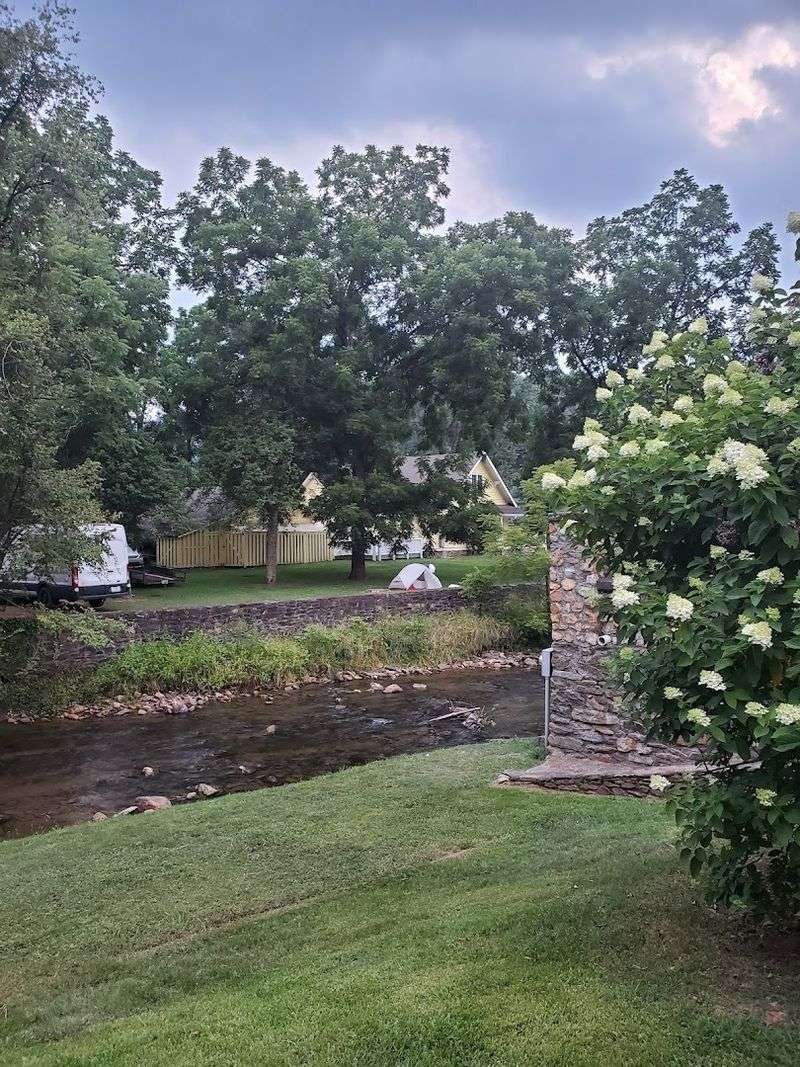
Spring doesn’t need to try too hard in Old Fort. The season finds it anyway and makes the whole valley look like it has been keeping a secret.
As temperatures warm up in April and May, the roadsides and creek banks around town fill with trillium, wild phlox, and clusters of violet dame’s rocket.
The Andrews Geyser Park area tends to draw visitors who want to combine a short walk with a view of wildflowers reflected in the water nearby.
Old Fort sits along the historic route of the old Western North Carolina Railroad, and the surrounding hills make for scenic backdrops when flowers are in full bloom.
The pace here is genuinely slow, and there are no large crowds pushing through narrow trails or competing for parking spots.
Visitors can walk along the creek paths or simply pull off the road to take in the color without feeling rushed.
Spring mornings in Old Fort tend to be cool and misty, which gives the wildflower fields a soft, almost dreamlike quality in the early light.
The town itself is small enough to explore on foot, with a few local shops and a historic train depot that adds context to the landscape.
Families with children often find the area comfortable since the terrain near town is relatively flat and easy to navigate.
2. Burnsville
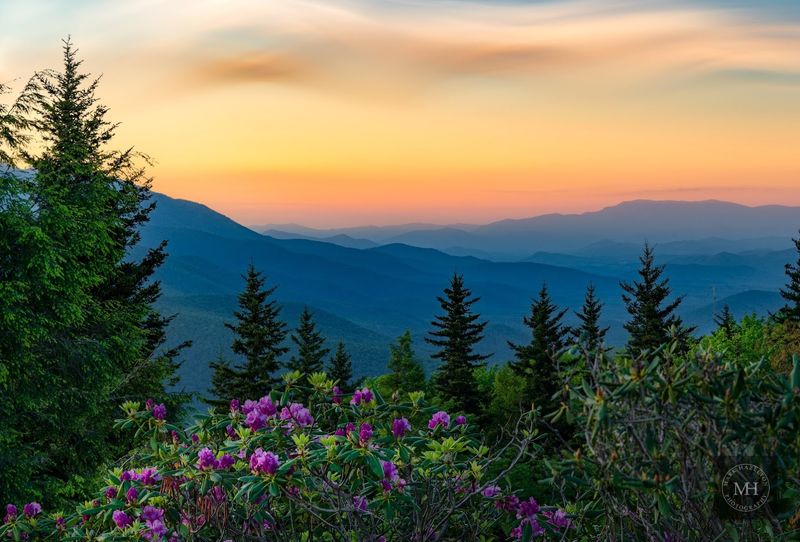
Burnsville seems to get the kind of spring that knows better than to rush, lingering a little longer over Yancey County’s higher ground.
The cooler mountain air means wildflowers tend to linger a bit longer here, giving visitors a wider window to catch them at their peak.
Spring beauties and wild geranium appear along the trails and forest edges surrounding the town as early as late March.
The town square in Burnsville has a classic small-town feel with a central green and local businesses that have been part of the community for generations.
Nearby Cane River County Park offers accessible walking paths where wildflowers appear in abundance during the spring months.
The park is a practical starting point for anyone who wants a relaxed outing without committing to a strenuous hike.
Artists have long been drawn to Burnsville for its scenery, and the spring wildflower season gives that creative energy an extra boost.
The surrounding countryside along the Blue Ridge Parkway corridor features open meadows and forest understories that fill with color in ways that feel effortless and unplanned.
Weekend visits can bring more foot traffic through town, so weekday mornings tend to offer a quieter experience for those who prefer solitude with their scenery.
Comfortable walking shoes and a camera with a macro setting are two practical items worth having along for a spring visit to Burnsville.
3. Mount Gilead
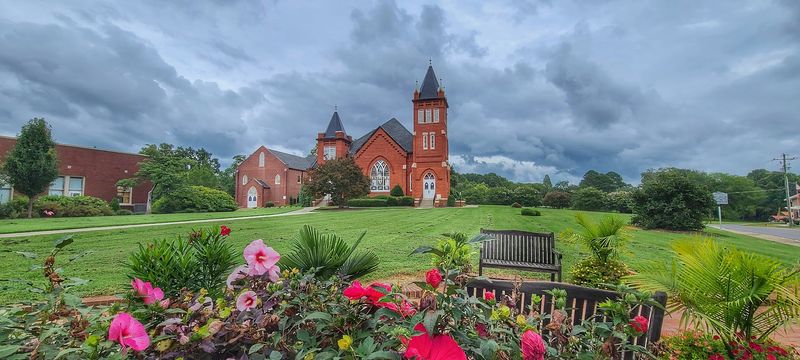
Few places in the North Carolina Piedmont offer as surprising a wildflower experience as the area around Mount Gilead in Montgomery County.
The town sits near Morrow Mountain State Park, which is one of the best-kept secrets for spring wildflower viewing in the entire state.
The park’s trails pass through hardwood forests where hepatica, wild ginger, and jack-in-the-pulpit emerge from the leaf litter in early spring, creating a quiet, woodland display that rewards patient observers.
Morrow Mountain itself rises gently above the Pee Dee River valley, and the views from its summit offer a sweeping look at the surrounding countryside as it wakes up from winter.
The park has a network of trails ranging from short loops to longer routes, making it accessible for visitors with different energy levels and time constraints.
Spring mornings here tend to be pleasantly cool with low humidity, which makes for comfortable walking conditions.
Mount Gilead as a town carries a relaxed, unpretentious character that suits the kind of visitor who enjoys nature without a lot of fanfare.
There are no large tourist facilities near the trailheads, so bringing snacks, water, and any needed supplies before heading into the park is a smart approach.
The surrounding farmland also shows off wildflowers along fence rows and field edges in spring, adding to the visual experience even before reaching the park entrance. Early April tends to be one of the most rewarding times to visit for peak bloom.
4. Franklin
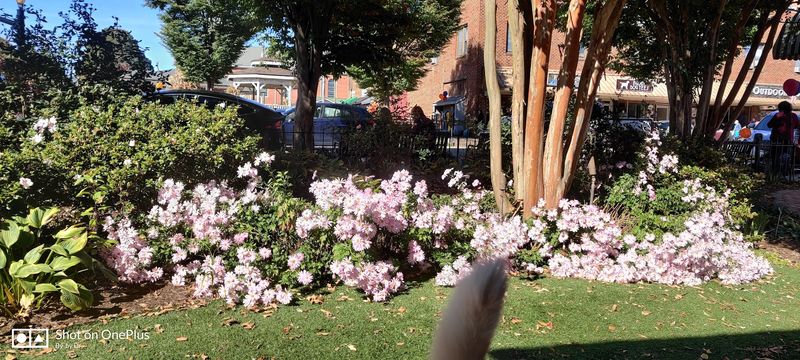
Known for gem hunting, this area reveals a different kind of treasure each spring as wildflowers blanket the mountain valleys and forest floors.
Located in Macon County near the southern end of the Blue Ridge, Franklin sits in a broad river valley where spring arrives with a particular warmth and color.
Trout lilies, bloodroot, and wild azalea appear along creek banks and forest trails as early as late March, depending on the year.
The trails around the Wayah Bald area and the Nantahala National Forest offer some of the most spectacular wildflower scenery accessible from Franklin.
These higher-elevation routes see spring blooms arrive a bit later, which means visitors can actually chase the season upward through April and into May by exploring different trail systems at different elevations.
The variety of flowering species in this part of the mountains is genuinely impressive and well-documented by local naturalist groups.
Franklin’s small downtown has a friendly, easygoing character with local shops and diners that make it easy to plan a full day around wildflower exploration and a relaxed meal.
The town is a practical base for exploring the surrounding national forest without needing to drive long distances between sites.
Spring weekends can bring more visitors to popular trailheads, so checking trail conditions and starting early in the day tends to make for a smoother experience.
Layered clothing is helpful since mountain temperatures can shift noticeably between morning and afternoon.
5. Dillsboro
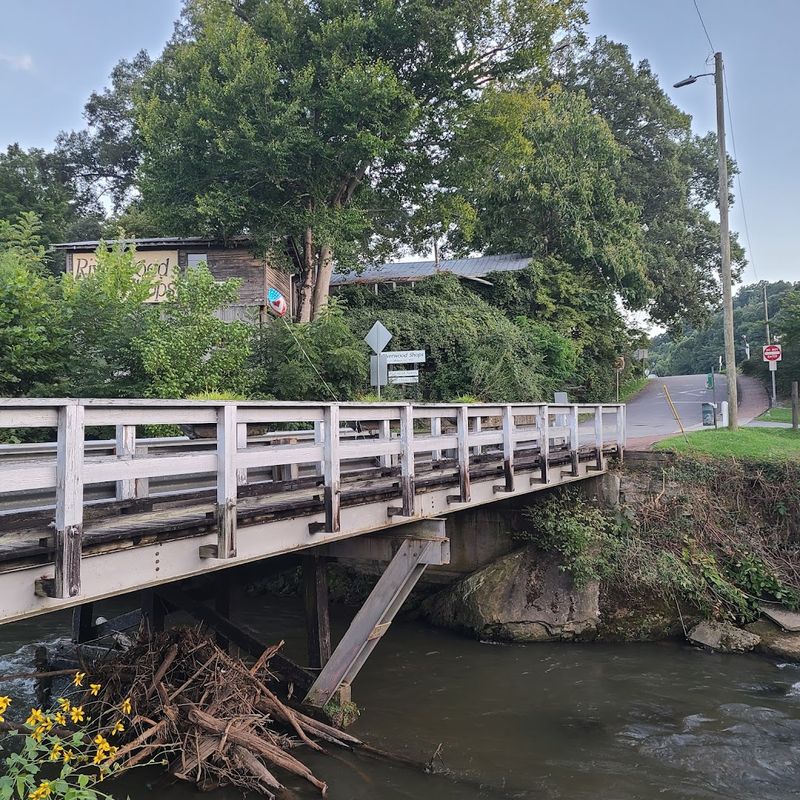
This is the kind of small town made for slow, unhurried visits, and spring wildflowers add an extra layer of charm. Situated along the Tuckasegee River in Jackson County, the town is surrounded by mountain slopes that soften into color each spring as wildflowers emerge along the riverbanks and forest understories.
Wild columbine, trillium, and native violets appear in clusters near the water’s edge during April and into early May.
The river itself is a natural corridor for wildflower growth, and walking along its banks during spring can feel like moving through a garden that nobody planned but everyone benefits from.
The town’s compact size means visitors can park once and explore on foot without needing to move the car between stops.
Local artisan shops and studios add a creative dimension to a visit, making it easy to combine a wildflower walk with an afternoon browsing handcrafted goods.
Dillsboro sits close to Great Smoky Mountains National Park, which means it can serve as a quieter base for exploring both the park’s wildflower trails and the town’s own natural surroundings.
Spring weekends can bring more visitors through the area, but the town itself rarely feels overwhelmed due to its small scale.
The Tuckasegee River area is generally accessible and does not require strenuous hiking to enjoy the seasonal blooms. Wearing comfortable shoes with good grip is useful since riverbank paths can be uneven in spots.
6. Lillington
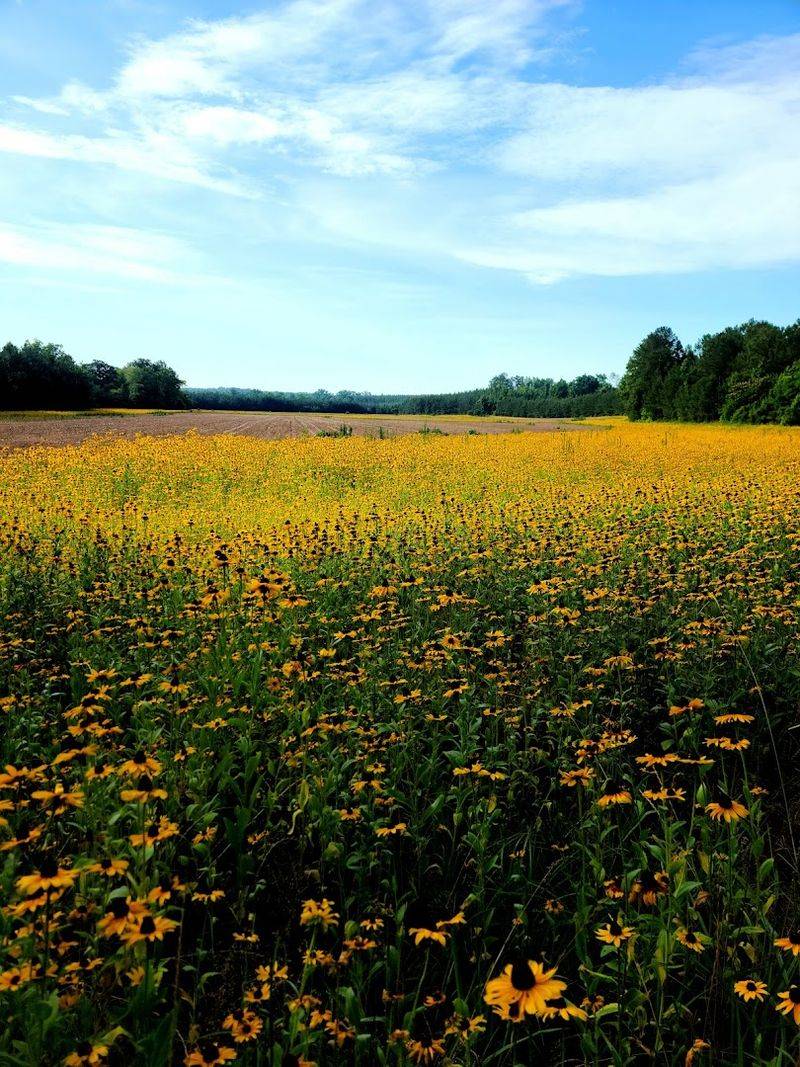
Not every wildflower town in North Carolina sits in the mountains, and Lillington is proof that the piedmont has its own version of spring beauty.
Located along the Cape Fear River in Harnett County, the area around Lillington fills with Carolina jessamine, wild blue indigo, and patches of native coreopsis as spring settles in.
The river corridor provides a natural habitat that supports a wide variety of flowering plants, and the colors tend to peak in April when the weather is mild and consistent.
Raven Rock State Park, located just outside of town, is one of the most rewarding spots in the region for wildflower walks.
The park features several miles of trails that wind through mixed forests and rocky outcroppings where spring wildflowers appear in unexpected pockets of color.
Trail conditions are generally well-maintained, and the terrain varies enough to suit both casual walkers and more determined hikers.
Lillington itself has a quiet, community-focused atmosphere that feels welcoming without being overly touristy.
The town is small enough that visitors can get a feel for local life while spending a day exploring the natural surroundings.
Spring weekends near the park can attract families and outdoor enthusiasts, so arriving earlier in the morning tends to offer a more peaceful experience.
7. Sylva
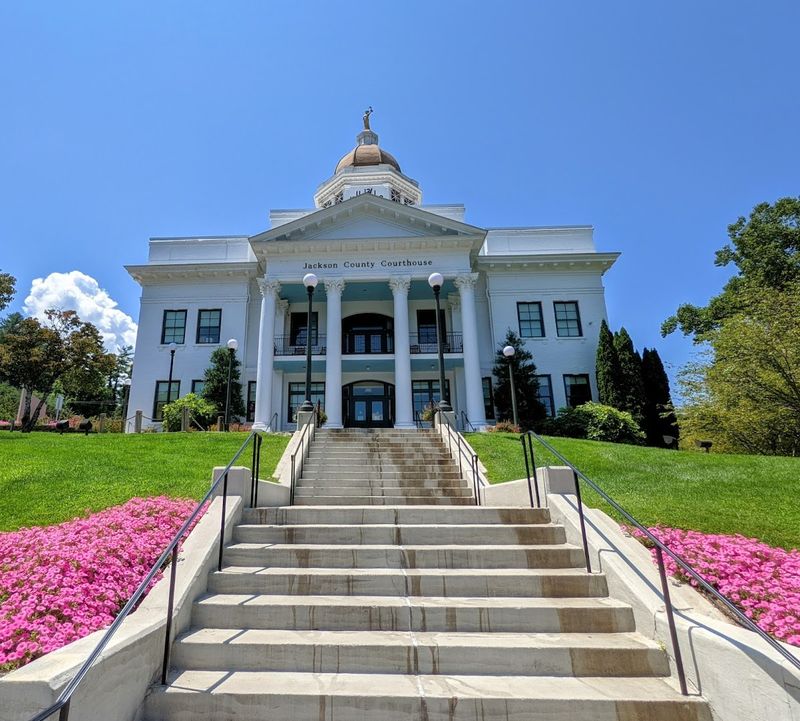
First impressions here are anything but forgettable. Its hillside main street rises toward the old county courthouse and gives the whole town postcard energy.
When spring arrives, the hillsides around town and the creek corridors below fill with native wildflowers that add color to an already scenic setting.
Wild bergamot, fire pink, and patches of native azalea appear along the slopes and roadsides surrounding the town from April onward.
The Pinnacle Park trail system, accessible from town, winds through forested slopes where spring wildflowers appear in the understory as the canopy begins to leaf out.
The trails range from moderate to more challenging, offering options for different fitness levels and time commitments.
Early morning visits to the upper trail sections can reward hikers with quiet forest scenes where wildflowers catch the filtered morning light in particularly striking ways.
Sylva has developed a lively local culture with independent bookstores, coffee shops, and restaurants that make it easy to spend a full day in town before or after a wildflower walk.
The downtown area is walkable and has a genuinely lived-in feel rather than a tourist-only atmosphere. Spring in Sylva tends to be mild with occasional afternoon showers, so carrying a light rain layer is a practical habit during April visits.
The combination of accessible trails and a vibrant small-town core makes Sylva one of the more well-rounded wildflower destinations in the region.
8. Hot Springs
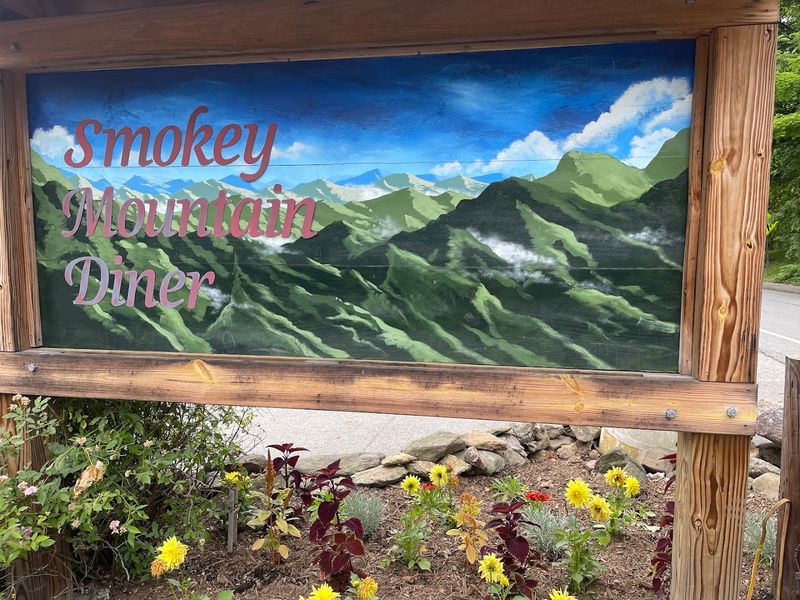
Best known for its natural springs, this spot also draws hikers and nature lovers each spring.
Spring tends to show up early here and waste no time making itself known. Set in Madison County along the French Broad River, the town starts seeing trillium, wild ginger, and mayapple as early as late March.
The Appalachian Trail passes directly through the center of Hot Springs, making it one of the few towns in the country where thru-hikers walk right down the main street.
This gives the town an adventurous energy that mixes naturally with the spring wildflower season, as hikers and day visitors alike move through the same riverside corridors where flowers are in bloom.
The French Broad River greenway area offers easy walking with good views of the surrounding hillsides as they shift from bare to fully colored during April.
Hot Springs is small enough that it takes only a short time to walk through the entire downtown, but the surrounding trail network extends the experience considerably for those who want more.
Spring mornings here tend to be cool and quiet before day visitors arrive, making early starts a rewarding choice.
The combination of river scenery, trail access, and genuine small-town character gives Hot Springs a distinct personality during wildflower season that is hard to find elsewhere in the state.
9. Boone
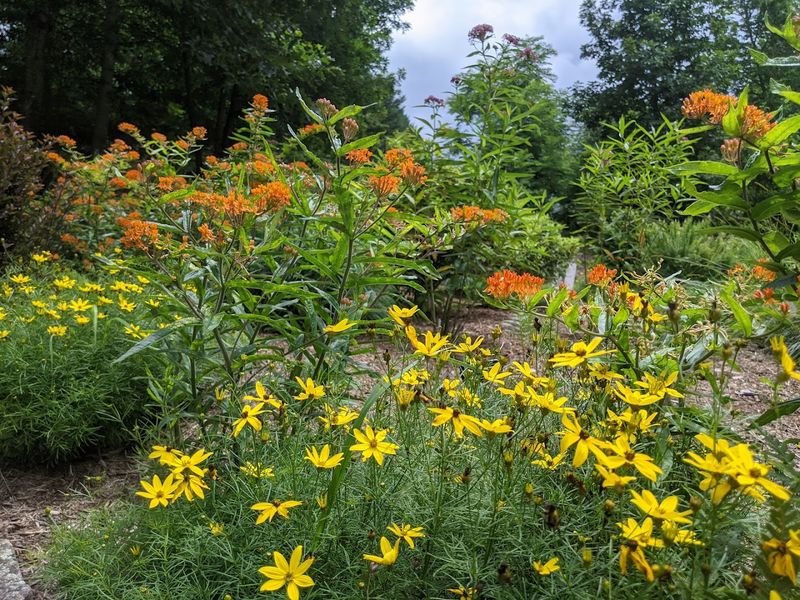
Spring takes its time here, but the payoff is worth it, with wildflowers arriving late and lingering well into May.
The high country around Boone in Watauga County is known for its dramatic scenery, and the spring wildflower season adds a layer of color to landscapes that are already striking year-round.
Bluets, spring beauties, and wild iris appear in the meadows and along the creek corridors surrounding the town as the season progresses.
Near Boone, the Blue Ridge Parkway makes wildflower season almost unfairly easy to enjoy. Pullouts and short walking paths lead straight into flower-filled meadows without requiring a long hike.
The parkway’s open meadows and forest edges are particularly rewarding in May when higher-elevation species come into their own.
Visiting on weekdays tends to offer a calmer experience along the parkway since weekends can bring more traffic through popular overlooks.
Boone itself has a lively small-city atmosphere shaped in part by Appalachian State University, which gives the town a mix of local character and youthful energy.
Downtown has a range of independent shops and eateries that make it easy to plan a full day combining outdoor exploration with time in town.
Spring here likes to keep visitors on their toes. Cool mornings and surprise afternoon showers can show up even in May, so layers and a rain jacket are smart to have on hand.
10. Blowing Rock
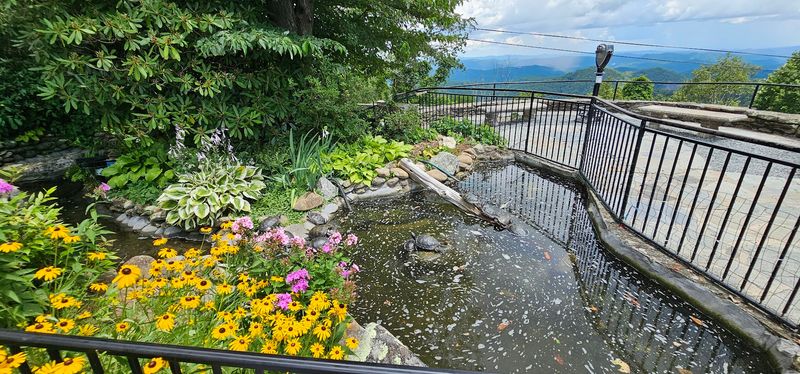
Known as one of the most charming small towns in the North Carolina mountains, it becomes even more inviting during spring wildflower season.
Sitting at an elevation of about 4,000 feet along the Blue Ridge, the town sees spring arrive with a slow, deliberate beauty that feels different from lower-elevation destinations.
Wild azalea, trout lily, and mountain laurel begin their seasonal show in the forests and meadows surrounding the town from late April through May.
The town’s main street is famously lined with hanging flower baskets and window boxes that complement the natural wildflowers blooming in the surrounding landscape.
The park is free to access and offers one of the most pleasant walking experiences in the region during the spring season.
Blowing Rock also sits near Bass Lake, where the flat, easy path around the water makes for a comfortable wildflower walk suitable for most visitors including those with limited mobility.
The combination of accessible trails, a well-preserved main street, and genuine mountain scenery gives Blowing Rock a spring experience that feels both polished and naturally beautiful.
Spring weekends tend to be popular here, so arriving by mid-morning on a weekday offers the best balance of good conditions and manageable crowds along the parkway and in town.