Snow Buried The Panhandle In The Great Blizzard And These 9 Nebraska Museums Still Tell The Story
In the winter of 1949, the military flew hay to stranded cattle in an effort called Operation Haylift. Pilots dropped bales from the sky because trucks simply could not get through the snow.
The storms started in November 1948 and kept coming into February. One brutal stretch from January 2 to 5 buried roads, rail lines and whole ranches across western Nebraska.
Towns sat cut off for days. Families waited for plows, planes and neighbors to reach them.
I love that the people who lived through it left so much behind for us to see.
Today, county museums and history centers hold the farm tools, school rooms, newspapers and family records from that hard era. Some sit right in the heart of blizzard country.
So which ones still carry the story of the winter that buried the plains?
1. Legacy Of The Plains Museum
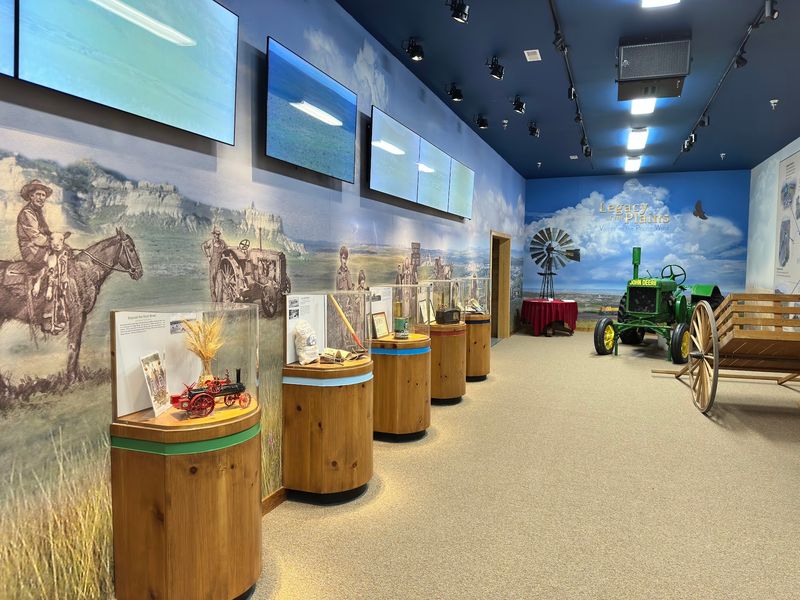
Few museums sit on a street named after a pioneer trail, and fewer keep files on the Blizzard of 1949. The Legacy of the Plains Museum in Gering does both.
That archive detail alone makes it a natural first stop.
Inside, exhibits trace the people and farms of the North Platte Valley and the High Plains. Displays stretch from the late 1800s to the mid 1900s, which lands right on the blizzard years.
You get interactive pioneer artifacts and a big agricultural story told through real objects. A large machinery barn shows the equipment families leaned on when weather turned rough.
It’s easy to see why a snowed-in tractor mattered so much in 1949.
Static displays also spread across the property outdoors. Plan time to wander between buildings instead of rushing the main hall.
The museum has a theater and a gift shop too. Staff lead tours, and active military visitors get a discount.
Families are welcome here, and kids tend to find plenty to poke at. Exhibits are shaped by people with deep family roots in this valley.
That local touch gives the region’s hard winters a human face.
Address: 2930 Old Oregon Trail, Gering, NE 69341
2. Alliance Knight Museum
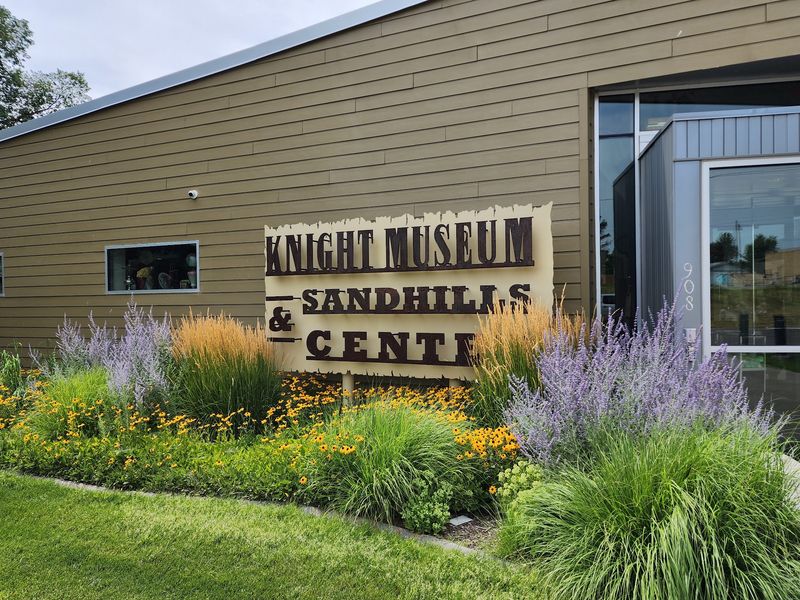
Free admission and a Sandhills story told by the people who lived it? Alliance makes that an easy yes.
The Knight Museum leans on local citizens to tell how the region grew. That approach fits a blizzard story well, since 1949 was survived one ranch and one neighbor at a time.
You follow Alliance through the last century, from early settlers to a busy railroad town.
Native American history gets a strong share of the space. Settler artifacts fill the rest, along with displays on Sandhills life and the land itself.
Railroads were a lifeline when snow shut down the Panhandle. In Alliance, the tracks shaped the town long before the storms tested them.
Seeing that history in one place helps you picture how stuck things got.
Historical records add depth for anyone tracing family roots. Plan a little extra time if you like digging through old local names.
The building also has a theater and a gift shop. Parking is free in the lot and on the street.
That makes a quick stop painless, even on a cold Nebraska afternoon.
Check the schedule before you go, since Sundays are closed.
Address: 908 Yellowstone Ave, Alliance, NE 69301
3. Cheyenne County Historical
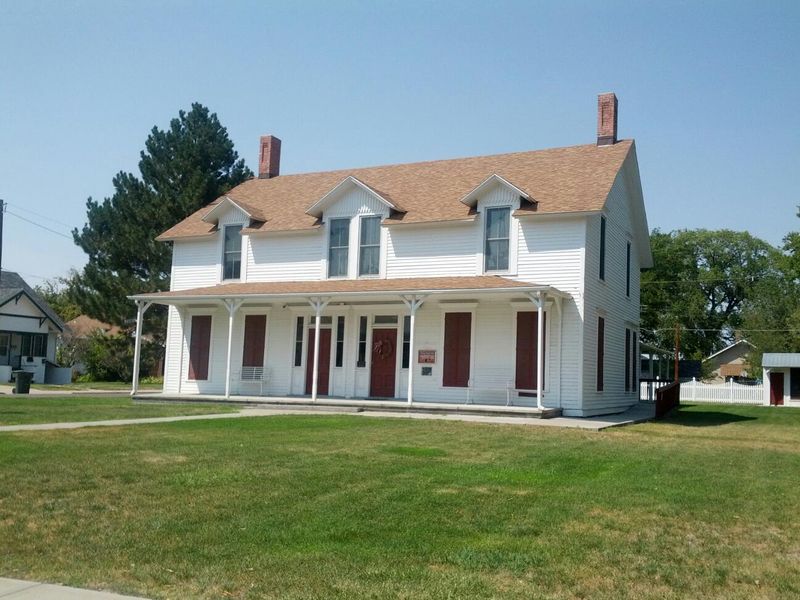
Sidney saw the first snow and sleet of that endless 1948 to 1949 winter. So it feels right that the county’s history keepers work from here.
Cheyenne County Historical operates out of Jackson Street in Sidney. Its work connects to the old Fort Sidney story, and its archives cover the county’s frontier past and beyond.
You can book tours, which helps in a place packed with layers. A guide can connect the dots between early military days and later ranch and town life.
Blizzards were never a one-time event in this corner of Nebraska. The southern Panhandle sits wide open to wind, and old records show how residents coped.
Reading those accounts makes modern snow days feel almost cute.
History buffs will appreciate the research side of things. Local records can fill in what a single exhibit case cannot.
Weekend hours run shorter than weekday hours. A weekday visit gives you more breathing room to look around.
Kids are welcome, and on-site parking keeps things simple. Pair it with a walk around downtown Sidney for a full afternoon of history.
You’ll leave knowing why locals still talk about the weather here.
Address: 544 Jackson St, Sidney, NE 69162
4. Dawes County Historical Museum
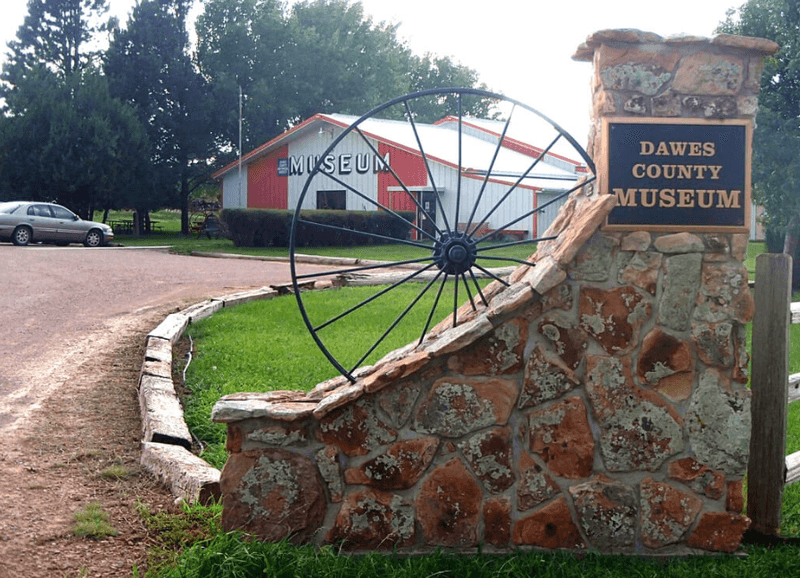
Chadron sat isolated for weeks during the 1949 storms. Its county museum now holds thousands of objects donated by the families who rode out winters like that.
The Dawes County Historical Museum runs on donations and local pride. You’ll find several buildings to explore, including a church, a school, a frontier cabin and a home.
Step into the old schoolhouse and think about kids who couldn’t reach class for days. That’s a small detail, but it makes the blizzard feel real.
The main collection is huge and wonderfully varied. Toys, military items, railroad pieces and clothing share space with cars and machinery.
There’s even a pen and pencil collection. Odd?
A little. Charming?
Absolutely.
Western fans should look for displays on the 1000 mile horse race. Guns, knives, models and a giant antique toy collection round out the visit.
Kids have their own areas, so younger visitors stay busy. Multiple restrooms help on longer stops too.
Staff know the collection well and are happy to share it. With so much ground to cover, give yourself a couple of hours.
Dawes County packed a lot of living into its history.
Address: 341 Country Club Rd, Chadron, NE 69337
5. Rushville Sheridan County Historical Museum
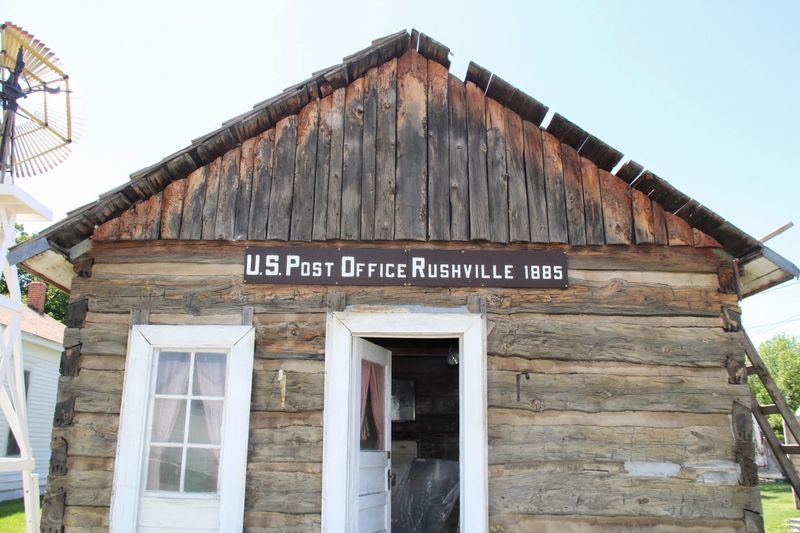
Mail, school and cattle were the big worries when snow closed the roads. Rushville’s county museum keeps a piece of each.
The Sheridan County Historical Society runs this museum right on US-20. Inside, an old post office stands as a reminder of how news traveled before phones were everywhere.
In a blizzard, a late mail delivery meant the outside world went quiet.
An old school setting adds another layer. Farming and ranching equipment fills out the picture of daily work in this part of Nebraska.
Sheridan County is cattle country through and through. Feeding animals during deep snow was a real struggle, which is why hay drops made such big news in 1949.
The newer family history library is a real bonus. If your people ranched or farmed around here, records may help you trace them.
Plan for a weekday trip, because weekends are closed. The museum suits a slower pace, so bring curiosity and some patience for reading.
Families with kids are welcome to look around. Since US-20 runs right past, it slides easily into a Panhandle road trip.
Highway history and ranch history, all in one tidy stop.
Address: 438 US-20, Rushville, NE 69360
6. Banner County Museum
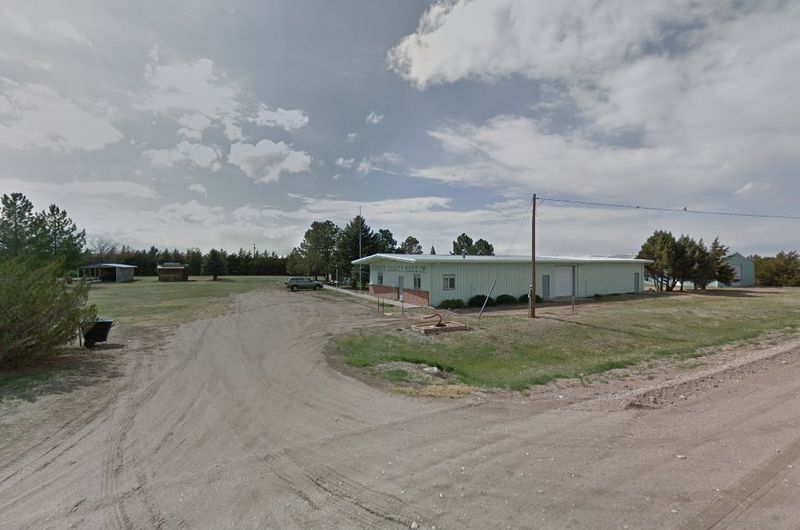
Harrisburg is a tiny place with a big job. It’s home base for the Banner County Historical Society and its museum.
Banner County is among the most rural spots in the Panhandle. Winter here meant long distances, open ground and very few neighbors close by.
The museum complex preserves historical buildings, equipment and records tied to settlement in the county. That mix shows how families built a life far from any big town.
You can almost hear the wind rattling the windows.
Small museums like this often hold the most personal stories. Records kept by a county society can name the families, farms and schools that weathered rough seasons.
If 1949 fascinates you, this is a place to picture isolation at its most extreme. Snow on these roads didn’t just slow travel.
It stopped it.
Hours can be limited at small county museums, so contact the historical society before driving out. That quick check saves a long trip for nothing.
On-site parking makes arrival easy once you’re there. Kids are welcome too.
Pair the visit with a drive across Banner County, and you’ll understand why winter here earned its reputation.
Address: 110 Illinois Ave, Harrisburg, NE 69345
7. Mari Sandoz High Plains Heritage Center
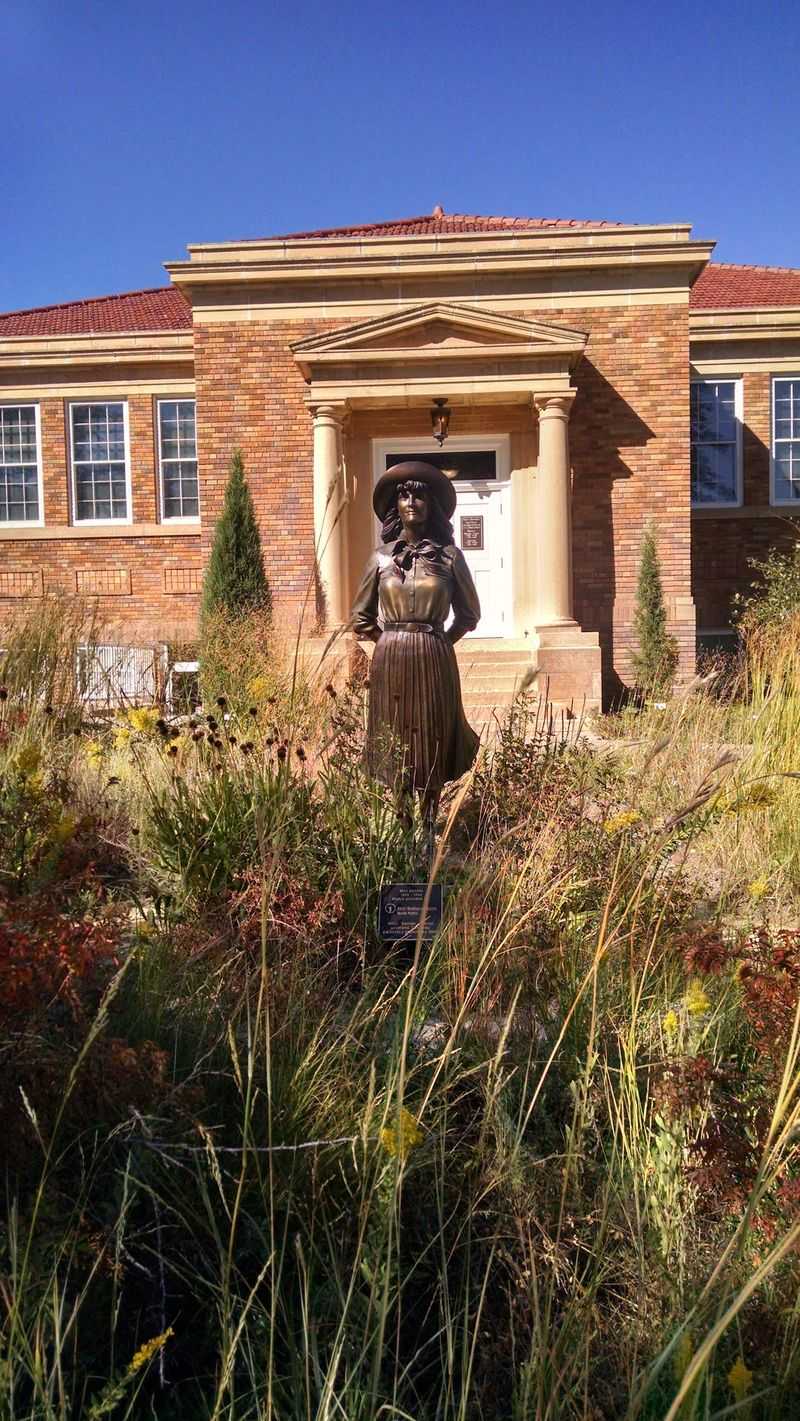
Nebraska’s most prolific author knew exactly how mean a High Plains winter could be. Her heritage center sits on the Chadron State College campus.
Mari Sandoz wrote about the frontier and the people who scraped out a living there. Exhibits here walk you through her life and times.
The bigger story is the High Plains itself, seen through her eyes.
That lens works well for blizzard history. Sandoz grew up in the Sandhills, where storms shaped every season and every plan.
Step outside and the gardens join the story. Front and back, plants of the Panhandle grow alongside heritage plants brought by her father, Old Jules, a Swiss immigrant.
A bookstore offers a chance to take her writing home. Reading her work after a visit makes the exhibits click even more.
Staff give tours and clearly enjoy sharing what they know. The museum is small, which makes for a focused, unhurried visit.
Hours run weekdays only, with a midday break. Time your stop with that in mind.
Then go grab a book, find a quiet chair, and let a Nebraska winter come alive on the page.
Address: 1000 Main St, Chadron, NE 69337
8. Tri-State Oldtime Cowboys Memorial Museum
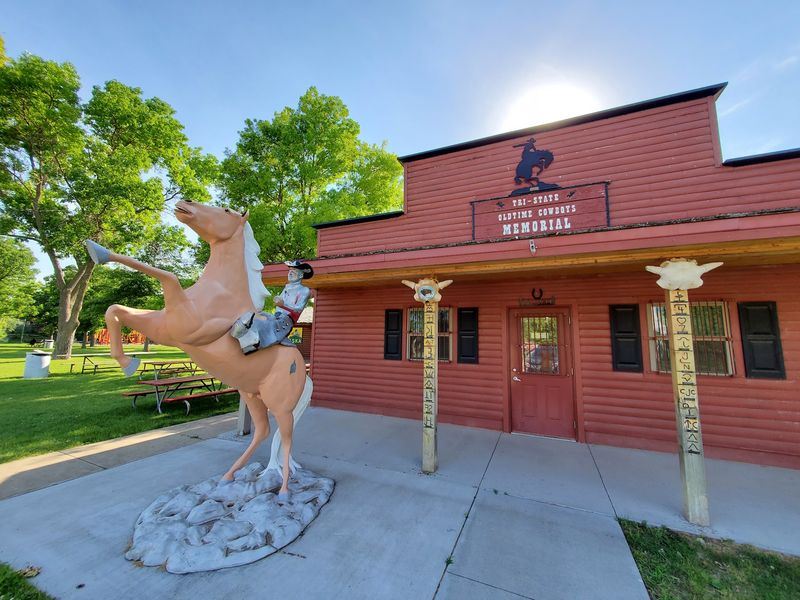
Cowboys took the hardest hit when cattle went hungry under the snow in 1949. Gordon built a whole museum to honor them.
The Tri-State Oldtime Cowboys Memorial Museum focuses on ranchers and riders from this corner of the plains. Gordon sits deep in Sheridan County ranch country, close to where Nebraska meets the Dakotas.
History covers the walls here, quite literally. Rifles and ranch keepsakes line the space and tell the story of working cowboys.
Think about what a blizzard meant for these folks. They had to reach stranded herds on horseback or on foot, often in bitter cold.
That kind of grit is exactly what this museum celebrates.
Books are part of the experience too. You may leave with one for your own shelf, which is a fine souvenir for Western history fans.
Hours are short, running weekday afternoons only. Plan your drive so you arrive with time to look around.
It’s a good fit for kids who love horses and the Old West. Combine it with stops in Rushville and Chadron for a full Highway 20 history loop.
Saddle up, metaphorically speaking.
Address: 314 N Oak St, Gordon, NE 69343
9. Nebraska History Museum
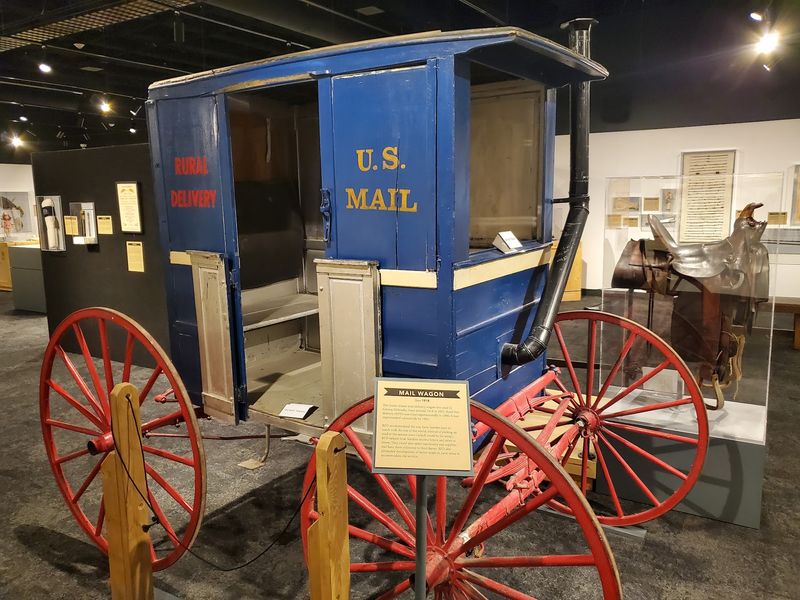
Yes, Lincoln is a long way from the Panhandle. But the statewide story of 1949 lives with History Nebraska, and its main museum sits on Centennial Mall.
The Nebraska History Museum is run by the state’s historical agency. That agency holds archive materials on the 1949 blizzard, which makes this a fitting final stop.
Exhibits are very, very focused on Nebraska, and that’s the point. You’ll see cultural artifacts and history displays that cover the state’s big moments, including a showcase of 150 items from its past.
Families get a hands-on learning room. Kids can touch, try and explore instead of just reading labels.
Admission is free, which makes it an easy add to any Lincoln trip. Parking is paid, through nearby garages or street meters.
Tours are available if you’d like some guidance. A gift shop rounds out the visit with Nebraska-themed finds.
The museum closes Sundays and Mondays, so plan around that. After seeing small county collections out west, this place connects them to the bigger picture.
The snow fell in the Panhandle, but the whole state remembers.
Address: 131 Centennial Mall N, Lincoln, NE 68508