10 Tennessee Craft Schools And Workshops Keeping Traditional Skills From Disappearing
In Tennessee, a beginner blacksmithing class often goes by the name Green Coal. I love that.
It’s a cheeky nod to rookies, and it tells you right away that nobody expects you to know a thing.
Someone clearly gave this some thought. One school traces its roots to a settlement school from 1912.
One woodshop still works apprentice and intern roles into its daily routine. A folk school teaches spoon carving and fermentation on a working farm.
Honestly, I appreciate the thinking behind that. These old skills aren’t stuck behind museum glass.
They’re getting handed over at forges, pottery wheels, and glass tables to anyone curious enough to sign up. Which one would you try first?
1. Arrowmont School Of Arts And Crafts
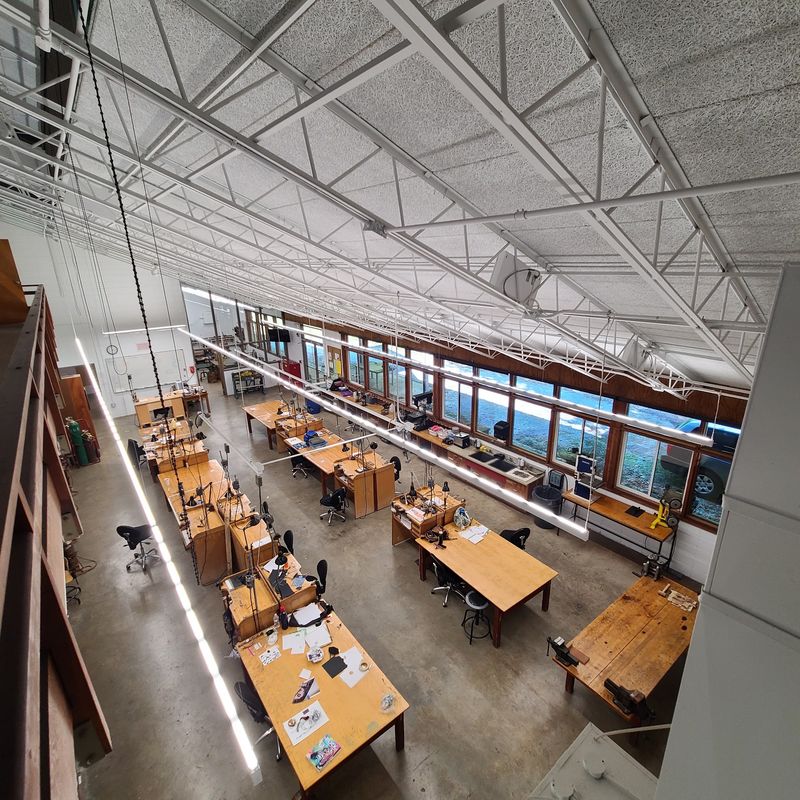
Long before Gatlinburg filled up with pancake houses, a settlement school opened here in 1912. That school grew into Arrowmont, which took its current name in 1968 and still teaches hands-on craft today. Find the school at 150 Baskins Creek Bypass, Gatlinburg.
The program ranges from basketry and ceramics to woodworking, metalwork, textiles, painting, book arts, and sculptural projects.
Weeklong classes give participants time to practice a technique repeatedly, while shorter workshops suit people testing a new interest.
Instructors come from many different artistic backgrounds, and professionally equipped studios support serious work as well as experiments by beginners.
Its craft education dates to 1945, when summer workshops began at the former settlement school.
That makes the present campus part of a much longer tradition of sharing skills in the Smokies. The school also offers an eleven-month artist residency and programs for young makers.
Even without enrolling, you can explore changing exhibitions when public spaces are open. The campus features galleries, outdoor installations, and an art supply shop.
The wooded grounds sit a short distance from the busy Parkway. Public office hours are generally weekdays, and campus gates require an access code, so coordinate your arrival before visiting.
Between the mountain setting and the active studios, a single class can become an entire creative getaway. Bring a notebook for ideas.
2. Appalachian Center For Craft
Few classrooms come with a view of Center Hill Lake, but this one sits on a wooded hillside above the water.
Not a bad spot to learn how to shape metal or work at a pottery wheel. The address is 1560 Craft Center Dr, Smithville.
The Appalachian Center for Craft is part of Tennessee Tech University, combining college-level education with public workshops.
Blacksmithing, clay, fibers, glass, metals, and woodworking all have dedicated space. Classes range from single-day sessions to weekends and full weeks, allowing beginners and experienced makers to choose a suitable commitment.
One seasonal workshop teaches participants to forge ornaments, while others introduce woodturning, ceramics, and glass techniques.
The program uses professional studios and instructors with specialized experience. Students can spend a full day practicing rather than watching a demonstration from the sidelines.
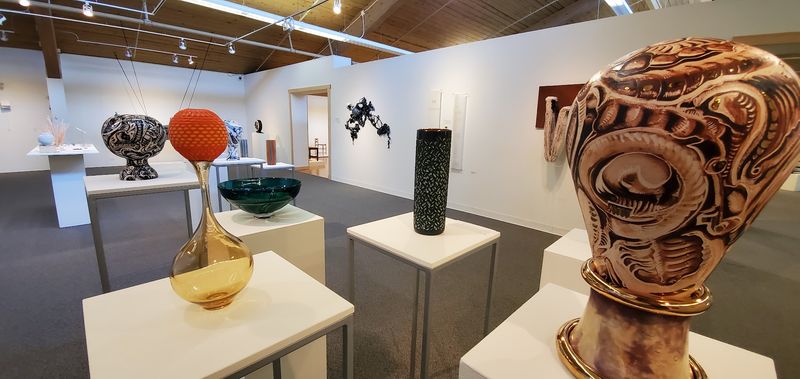
A public gallery carries handcrafted work from regional and national artists. Its exhibitions and retail displays give you an opportunity to examine finished objects before deciding which skill you’d like to learn.
The gallery is open Monday through Saturday from ten until five and Sunday from noon until five.
It’s also worth allowing time for the woodland setting and views outside the galleries. Workshops require advance registration and follow their own calendars, so a gallery visit and a class should be planned separately. The distinction matters.
3. Appalachian Arts Craft Center, Inc
Since 1970, a nonprofit in Clinton has kept mountain crafts in steady hands.
Appalachian Arts Craft Center brings together instruction, studio space, and a market devoted to handmade work. For the drive, use 2716 Andersonville Hwy, Clinton, across from the Museum of Appalachia.
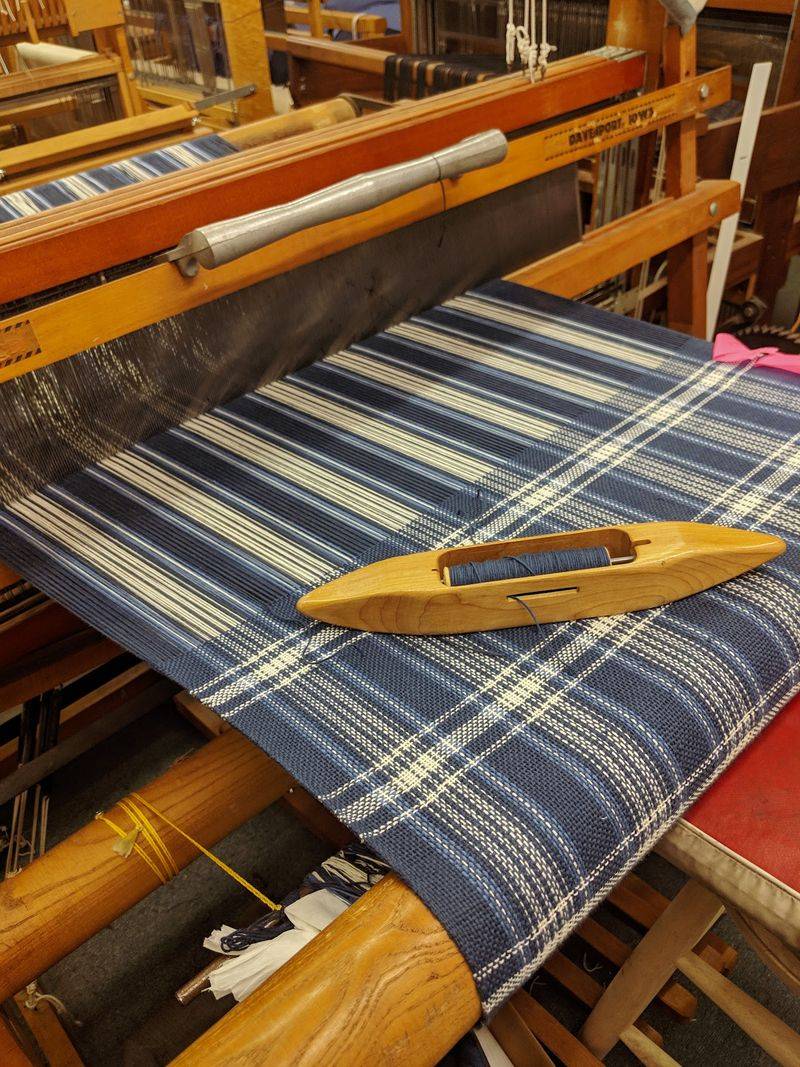
Pottery, weaving, needlework, woodworking, and stained glass have all appeared in its program. Classes change through the year, with single-session introductions and longer courses offering different ways to learn.
A beginner pottery workshop, for example, introduces students to shaping clay on the wheel; completed pieces require firing and later collection.
The center also offers practical fiber projects. Upcoming sessions include learning crochet stitches to make a winter hat and adding decorative embroidery to a tote bag.
These projects make it easier to understand what you’ll be learning before signing up. Its retail market carries creations by regional artisans, including ceramics, textiles, jewelry, and wooden pieces.
The displays make a natural companion to a workshop: first admire a finished object, then discover how much attention goes into making one.
The market is generally open Monday through Saturday from ten until five, though classes can take place at other times.
Registration is handled separately for each course, and age requirements vary. It’s a friendly place to begin with one technique and return for another. The next skill might surprise you.
4. Cumberland Folk School
Where else can you carve a spoon in the morning and shop for farm eggs on the way home?
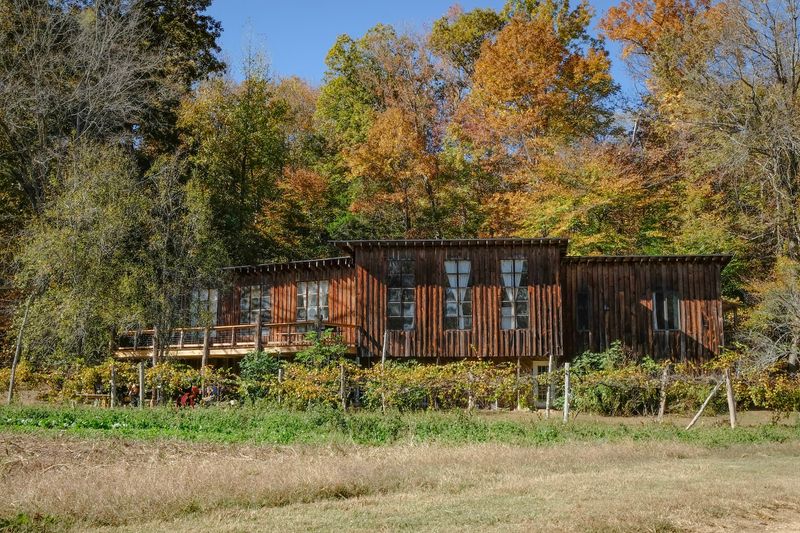
Cumberland Folk School teaches traditional skills at Sequatchie Cove Farm, a working farm surrounded by the Cumberland Plateau’s rural landscape. The school meets at 320 Dixon Cove Rd, Sequatchie.
Workshops began in 2021 and range from basket weaving and broom making to natural dyeing, bookbinding, sewing, and woodcarving. Food-centered sessions explore bread baking, fermentation, and preservation.
Nature-focused classes may venture outdoors to identify trees, study plants, or observe birds. The calendar changes with the season rather than following a daily drop-in schedule.
Many classes include a shared meal prepared with farm ingredients and food from nearby producers.
That gives the experience a different rhythm from a conventional classroom: spend time learning a craft, gather for lunch, and return to the project with fresh energy.
Afterward, the farm’s Trading Post offers seasonal produce, eggs, cheese, and other farm goods. Its regular public shopping time is Saturday morning; workshop visits follow the class schedule instead.
Look for directions toward the Trading Post after entering the farm. Classes require advance booking, and some fill quickly.
A handmade broom or carved spoon is a useful reminder of a day spent learning something deliberately, patiently, and by hand. You may also return with new friends.
5. Tennessee River Artist Blacksmith Association
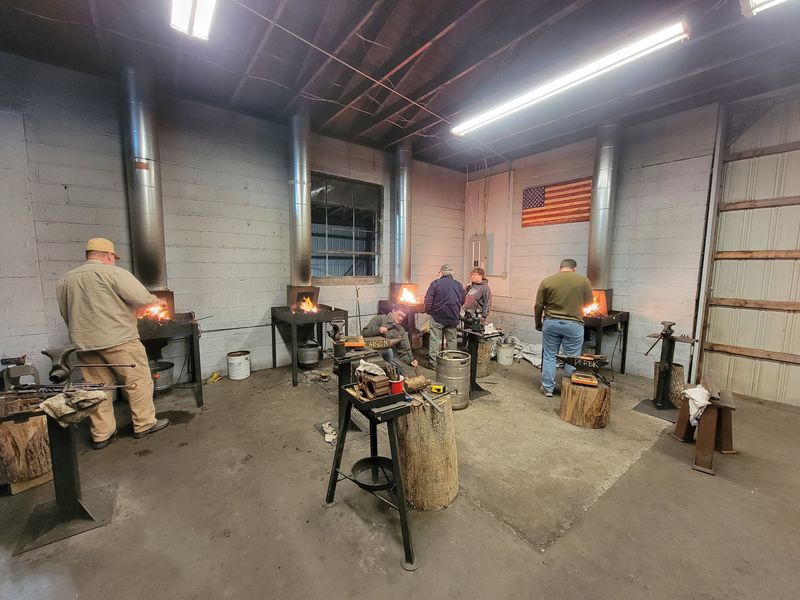
Green Coal sounds like an energy drink. Here in McKenzie, it’s the name of a beginner blacksmithing program, and it starts with the basics of making useful things from heated metal.
The association is a volunteer-driven group affiliated with the Appalachian Area Chapter of Blacksmiths.
Members share forging techniques, hold demonstrations, and offer newcomers a way to learn beside more experienced makers. The goal is to keep traditional metalworking knowledge in active use. Its forge is at 14988 Highland Dr, McKenzie, TN 38201.
Beginners learn to work safely around a forge, control a hammer, and recognize how steel changes as it heats and cools.
A simple hook may be a more realistic first project than an elaborate decorative piece. That is part of the appeal: you can see exactly how a flat or straight piece of metal gradually becomes something practical.
The association gathers for an open forge on the first Saturday of each month, beginning around nine in the morning.
Other instruction and member activities follow separate schedules, so contact the group before arriving to take part. Dress for hands-on work in sturdy closed shoes and clothing suited to a workshop environment.
6. Barber Woodworking
Apprenticeships sound like something from a history book.
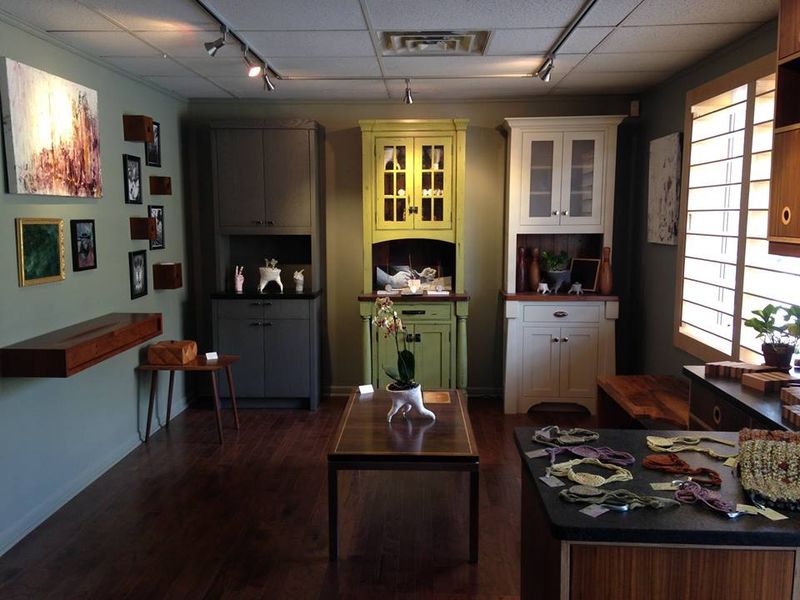
Barber Woodworking still builds apprentice and intern roles into its everyday work, alongside making custom furniture and cabinetry in Nashville. You’ll find Barber Woodworking at 1911 Nolensville Pike, Nashville.
The shop has served the area since 2006, concentrating on tailored solutions for homes and challenging interior spaces.
Its educational approach brings practical instruction into a business where woodworking is already happening. That connection can make a lesson about accurate measurements or careful joinery feel immediately relevant.
Classes and training opportunities are intended for hobbyists as well as working woodworkers. A beginner may be curious about tools and basic technique, while an experienced maker might want to strengthen a particular skill.
The business also uses apprentice and intern positions to pass on knowledge through daily practice rather than a single classroom exercise. This is a working shop, so tours and classes aren’t automatic walk-in activities.
The business posts education updates and encourages interested students to register for announcements when sessions become available. Check the current schedule before setting aside a day.
The address puts it within the city’s established commercial workshop landscape. The interesting part isn’t a grand showroom; it’s the continuing connection between professional craftsmanship and learning.
Watching a joint fit precisely during a lesson can be just as compelling as admiring a finished cabinet.
7. Scenic City Clay Arts
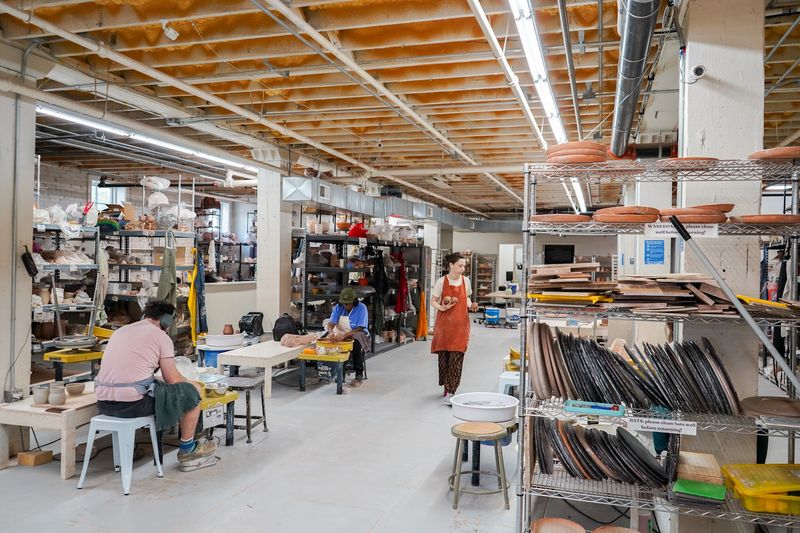
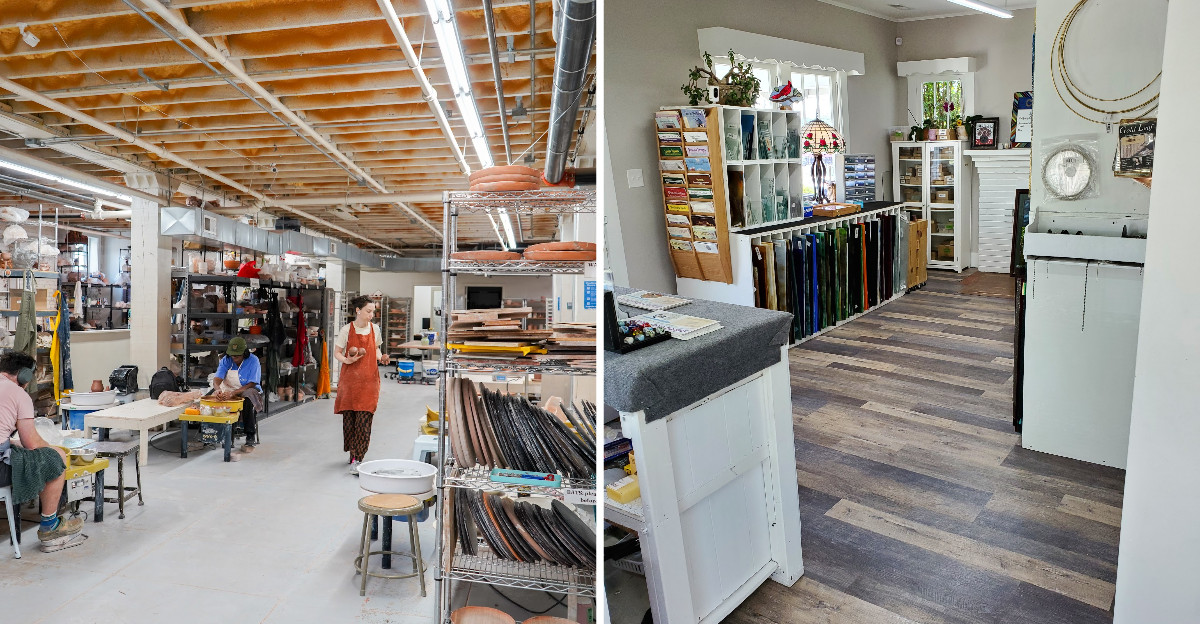
Head down to the basement of ArtsBuild in Chattanooga and you’ll find a studio devoted to clay.
Scenic City Clay Arts is a nonprofit where classes, memberships, and community programs make ceramics accessible to many different learners.
Wheel throwing and handbuilding form the foundation of its instruction. Beginners can learn to center clay and build simple shapes, while more experienced potters explore glazing and further techniques.
Youth and family workshops offer another route into the craft, and community outreach takes pottery education beyond the main building.
Studio members have access to equipment and creative space, while the Mug Shop sells handmade ceramics produced by members, instructors, and staff.
The shop isn’t limited to mugs: coasters, tumblers, and other useful pieces show how varied the finished work can be.
The main studio occupies 301 E 11th St, Suite 100, Chattanooga. Enter ArtsBuild from 11th Street and take the elevator to the basement level. A separate classroom at 1271 Market Street opens for scheduled classes or by appointment.
Main studio hours extend until 8:30 on Tuesday, Wednesday, and Thursday, with shorter Friday and Saturday hours and a Sunday opening. Monday is closed.
Classes require preregistration, so the open studio schedule shouldn’t be mistaken for unrestricted drop-in instruction. Every handmade bowl begins as a lump of clay and several careful decisions.
8. Fountain City Stained Glass
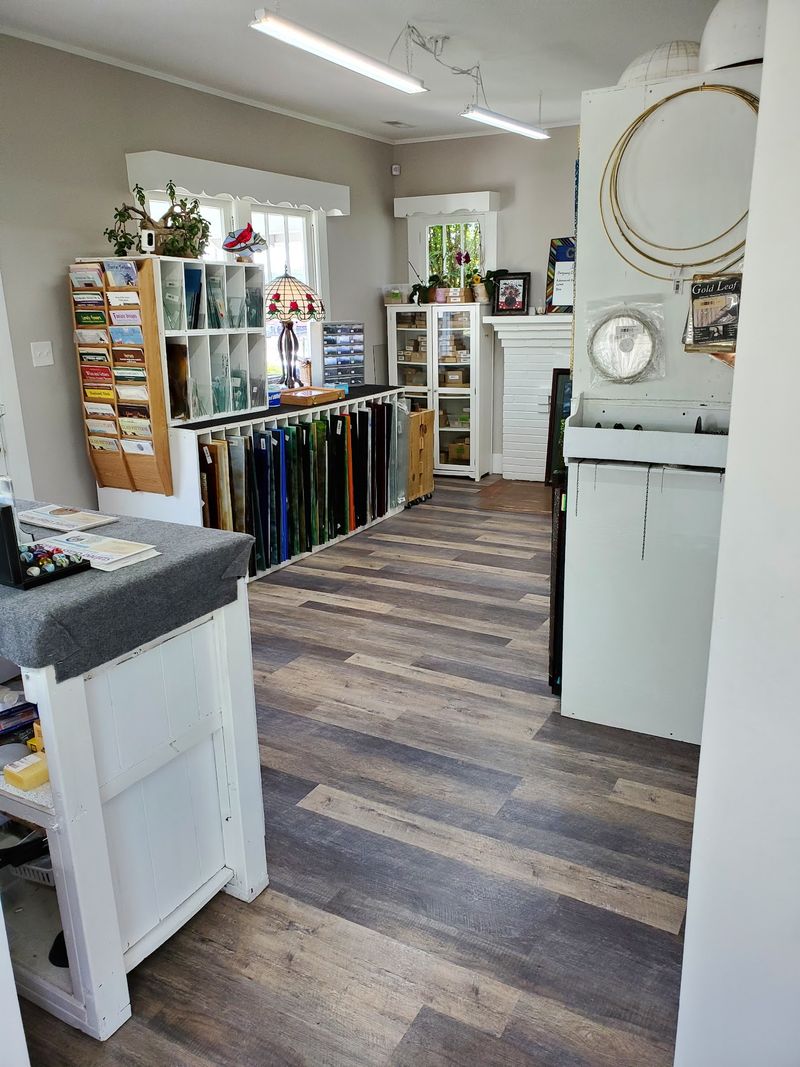
Stained glass windows have glowed in churches for centuries. In Knoxville, Fountain City Stained Glass gives beginners a chance to learn the techniques behind those intricate designs.
The studio offers both copper foil and lead-based construction classes, along with mosaics, suncatchers, and decorative projects.
Its beginner foil class meets once a week for four weeks, introducing the steps needed to create a small stained glass piece.
Longer advanced courses explore more complex patterns and assembly methods. Visit the workshop at 1324 Buchanan Ave, Knoxville.
The process requires patience. Students begin with a pattern and selected glass colors, cut individual shapes, smooth the edges, and join the pieces into a finished design.
Each step influences the next, which is why good instruction makes such a difference. Supplies and tools are available through the shop, giving students a place to continue learning after their initial class.
There’s also a practical side to the business. The studio creates custom stained glass for homes and other buildings and undertakes restoration work, keeping established techniques connected to everyday projects.
Class places and schedules are arranged in advance; the four-week and six-week programs aren’t casual drop-in sessions.
The finished suncatcher might be small, but knowing how every piece was cut and joined makes its colors seem that much more remarkable. Each shape earns its place.
9. Glassville TN

One Nashville studio handles three glass crafts under one roof. Glassville teaches stained glass, fused glass, and mosaics, so beginners can choose among very different ways of working with color.
Glassville operates inside Studio 615, at 276 Broadmoor Dr, Building B, Suite 109, Nashville.
In stained glass sessions, individual pieces are cut and fitted into a design before being joined. Fused glass takes another approach, arranging compatible glass shapes and heating them in a kiln so they become one piece.
Mosaic work uses smaller fragments to build an image or pattern across a surface. The tools differ, but each process rewards careful choices about shape and color.
The studio also makes commissioned glass art, connecting its classes with professional creative work. Workshops are designed for different experience levels, with individual projects and schedules varying through the year.
Because kiln-fired pieces may require cooling and finishing, collection arrangements can differ from one session to another.
Current public hours are Wednesday through Saturday from eleven until five, with Sunday through Tuesday closed. Book a workshop ahead of time rather than assuming an instructor will be available throughout store hours.
For anyone curious about glass as more than a window material, this Tennessee studio offers three possible starting points. You can begin with one small project and discover how much thought goes into every curve, color, and joining line.