The Abandoned Connecticut Mill That Locals Avoid After Dark Because Of Its Eerie History
An abandoned factory looks completely different after sunset. During the day, it’s an old building with broken windows.
After dark, every shadow suddenly seems a little more suspicious.
And your imagination starts doing a remarkable amount of work.
One abandoned Connecticut mill has an eerie history that adds another layer of mystery to its deteriorating industrial remains.
I find these places fascinating because the real stories are often more interesting than the spooky rumors surrounding them.
Imagine how busy the building must have been when machinery was running and workers were arriving for their shifts.
Now the silence tells a completely different story.
Of course, abandoned industrial buildings can be dangerous, and there’s no reason to risk entering one to appreciate its history.
But the contrast between a once-busy workplace and its present condition is difficult to ignore.
And when a place develops a reputation for being unsettling after dark, it’s worth asking how much comes from history and how much comes from imagination.
1. Three Centuries Of Busy Machines Went Quiet In These Woods
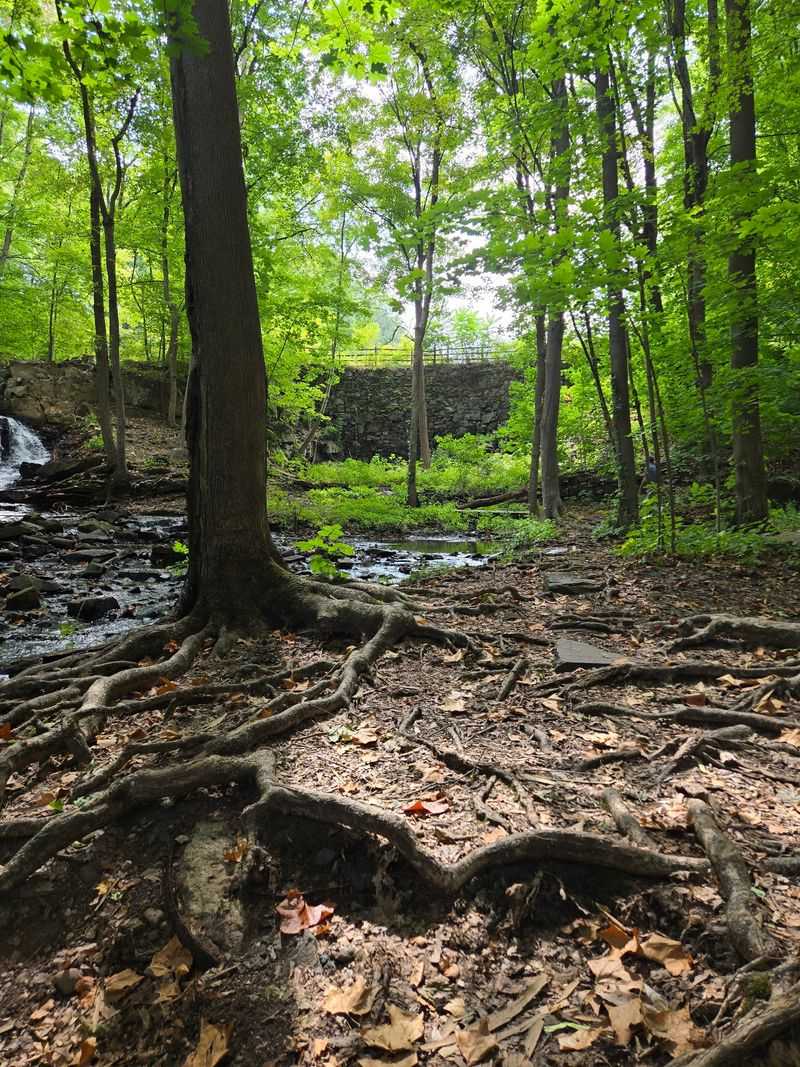
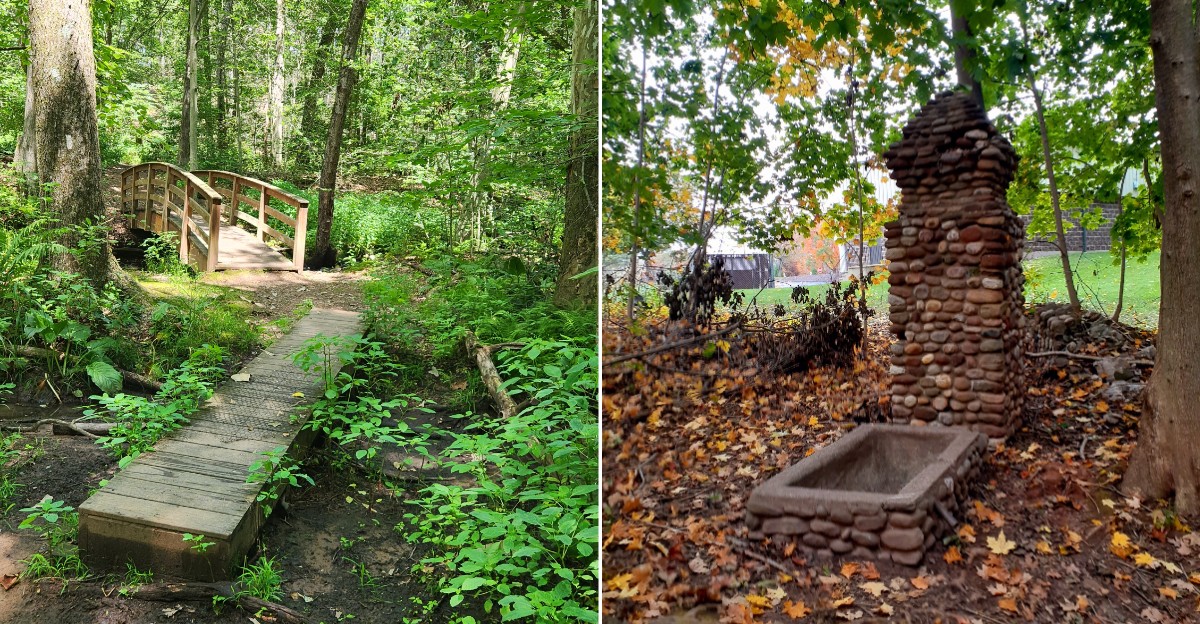
Something unusual is hiding among these trees. Old stone foundations and forgotten industrial ruins make an ordinary woodland walk feel like a trip into another century.
At Dividend Pond and Ruins in Rocky Hill, nature has slowly reclaimed what was once the town’s first industrial center.
The story goes all the way back to 1667, when water-powered businesses began using the brook to keep their machinery running. Industrial activity continued into the early 1900s, leaving behind traces of more than two centuries of work.
Today, the 68-acre park feels worlds away from those busy days.
Its wooded trails pass remnants of stone walls and old foundations, with 10 archaeological sites and four dams scattered throughout the grounds.
The area also goes by the more formal name Dividend Pond Trails and Archaeological District, while the historic industrial site is known as the Dividend Brook Industrial Archaeological District.
What makes the walk especially interesting is how little separates the ruins from the surrounding forest.
Moss-covered stones and empty foundations remain outdoors, right where generations of workers once spent their days.
There’s even a slightly mysterious feeling to some of the quieter corners.
And with so much history scattered among the trees, every bend in the trail offers another reason to look a little closer.
2. The Night A Scissor Factory Went Up In Flames
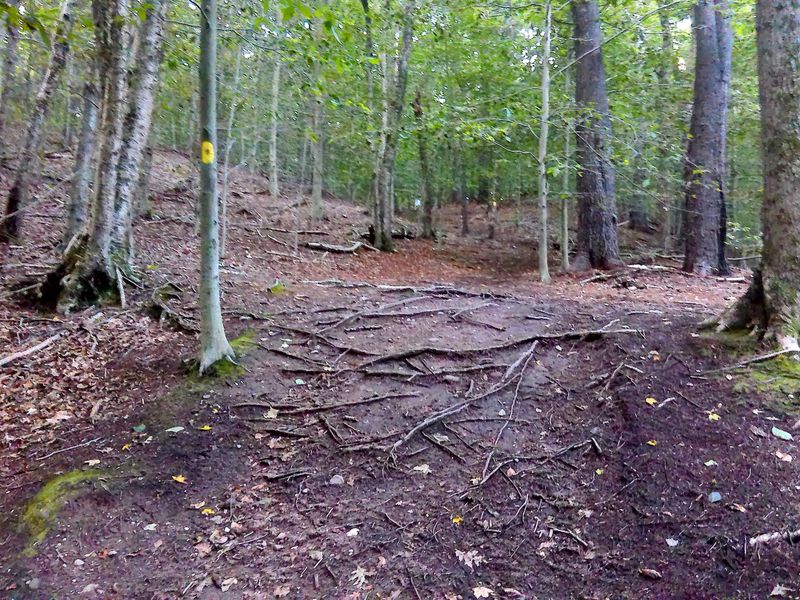
October 8, 1865, marks a dramatic chapter in the site’s industrial history. On that day, the Butler-Sugden Shear Factory was destroyed by a fire believed to have been deliberately set.
The factory had a pretty impressive story before the fire. William Butler and Robert Sugden Jr. founded it in 1854, along with a foundry, and they pioneered cast iron shears.
Shears are basically heavy-duty scissors. Back then, making them from cast iron was a fresh idea, and this little brook helped power that work.
The factory was rebuilt after the 1865 fire, and remnants of the foundry furnace and other industrial structures remain at the site.
Standing near a dam with a story like that does feel a little haunting. No ghost tale is needed when the real event already sounds like the opening of a mystery novel.
Here’s my honest take on the spooky reputation. No reliable source ties ghosts or local legends to this spot, so the eerie feeling comes straight from history.
That actually makes it more interesting to me. You get a true, documented drama instead of a campfire story someone dreamed up last week.
3. Sailors Once Crunched On Biscuits Baked Right Here
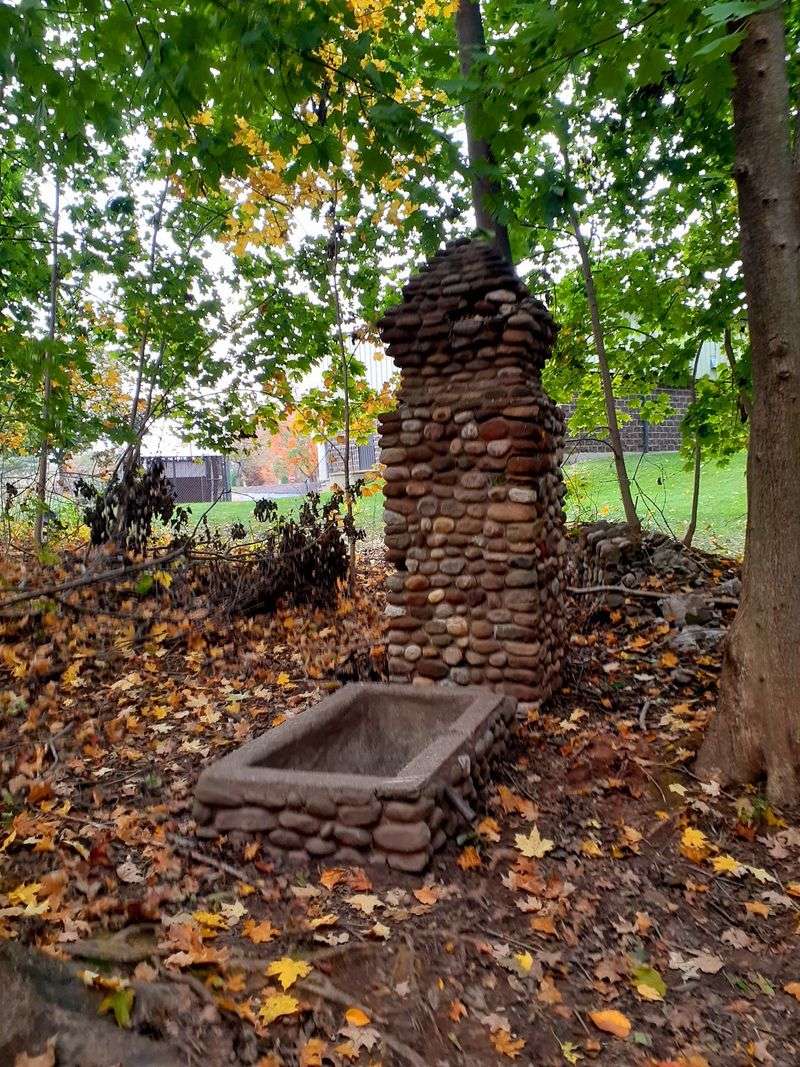
Hard bread for ships might be the most surprising thing ever made in these woods. By 1758, a ship’s bakery stood beside the old gristmill here.
It all started with Reverend Bulkeley. He built his gristmill at this spot in 1667, using the brook’s power to grind grain.
His descendants later added the bakery. They produced hard bread and biscuits meant for vessels heading out on long trips.
Those biscuits weren’t fluffy treats. Ship bread had to last a long time at sea, so it was famously tough to chew.
It’s a fun reminder that Rocky Hill had close ties to the water and the ships that traveled it. A grain mill feeding sailors makes the town’s early history feel very connected.
Keep an eye on the old stonework as you walk. Each wall hints at a time when this brook was a working neighborhood, not a peaceful escape.
4. Toys, Tools, And A Horseshoe Worth Bragging About
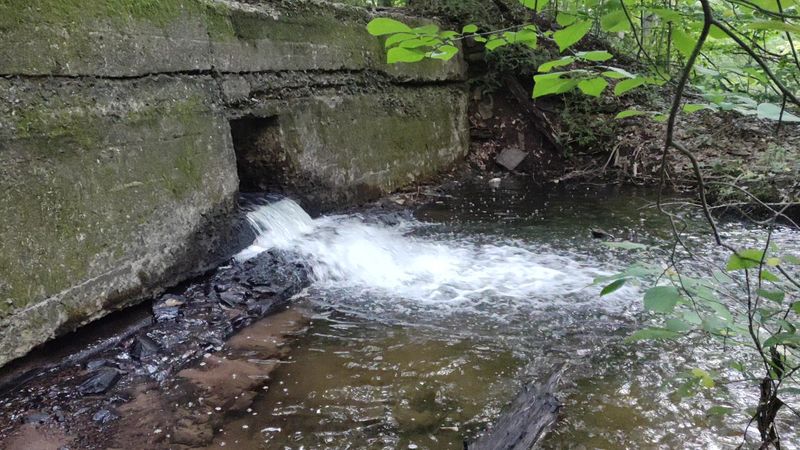
Horses everywhere owe this brook a small thank-you. The first non-slip horseshoe was invented right here, and its patent sold for $10,000 around 1866.
That was serious money back then. You can still spot the foundations of the horseshoe drop forge along the trails today.
A toy factory also made its home beside the water. Steven’s Toy Factory was operating around 1865, and its foundation is another ruin you can find.
The list of products made here is almost funny in its variety. Workers turned out chisels, hoes, toys, chandeliers, and lumber, plus flour from the gristmills.
Picture a brook that powered both garden tools and fancy lights. Not many streams in Connecticut can claim a résumé that wide.
Look for a sluiceway too. That’s a channel that guided water toward the machines, and it shows how cleverly the builders used every drop.
Kids especially might enjoy hunting for the toy factory remains. It’s way more fun than a history worksheet, and nobody has to take notes.
5. Follow The Sound Of Rushing Water To The Falls
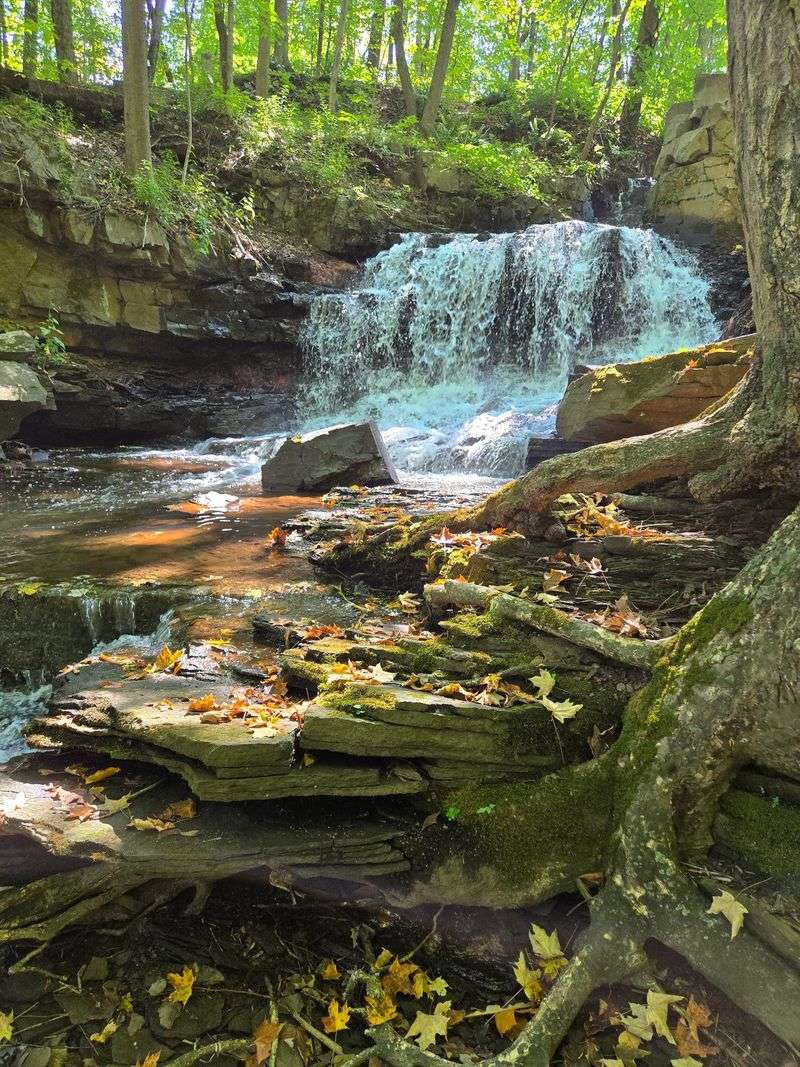
Twenty-eight feet of tumbling water steals the show at this park. Dividend Falls drops that total height as it spills down toward the lower area.
You get two ways to see it. A rock staircase leads down for a closer look, while a dirt path offers a gentler route.
I like having that choice. Stairs can feel fun and adventurous, but a softer path makes the view easier for more people to enjoy.
The falls make a great spot to pause and listen. Rushing water and old stone walls together create a mood that’s peaceful and a little mysterious.
Remember why this brook mattered in the first place. That same flowing water once powered mills and factories, so the falls are part of the history, not just the scenery.
Wet rocks can get slick, so wear shoes with good grip. Leaves and ice can make the stone steps tricky in fall and winter.
Photographers will want extra time here. The cascades, the stonework, and the changing seasons give you plenty of reasons to snap a few more pictures.
6. Pick A Color And Start Exploring
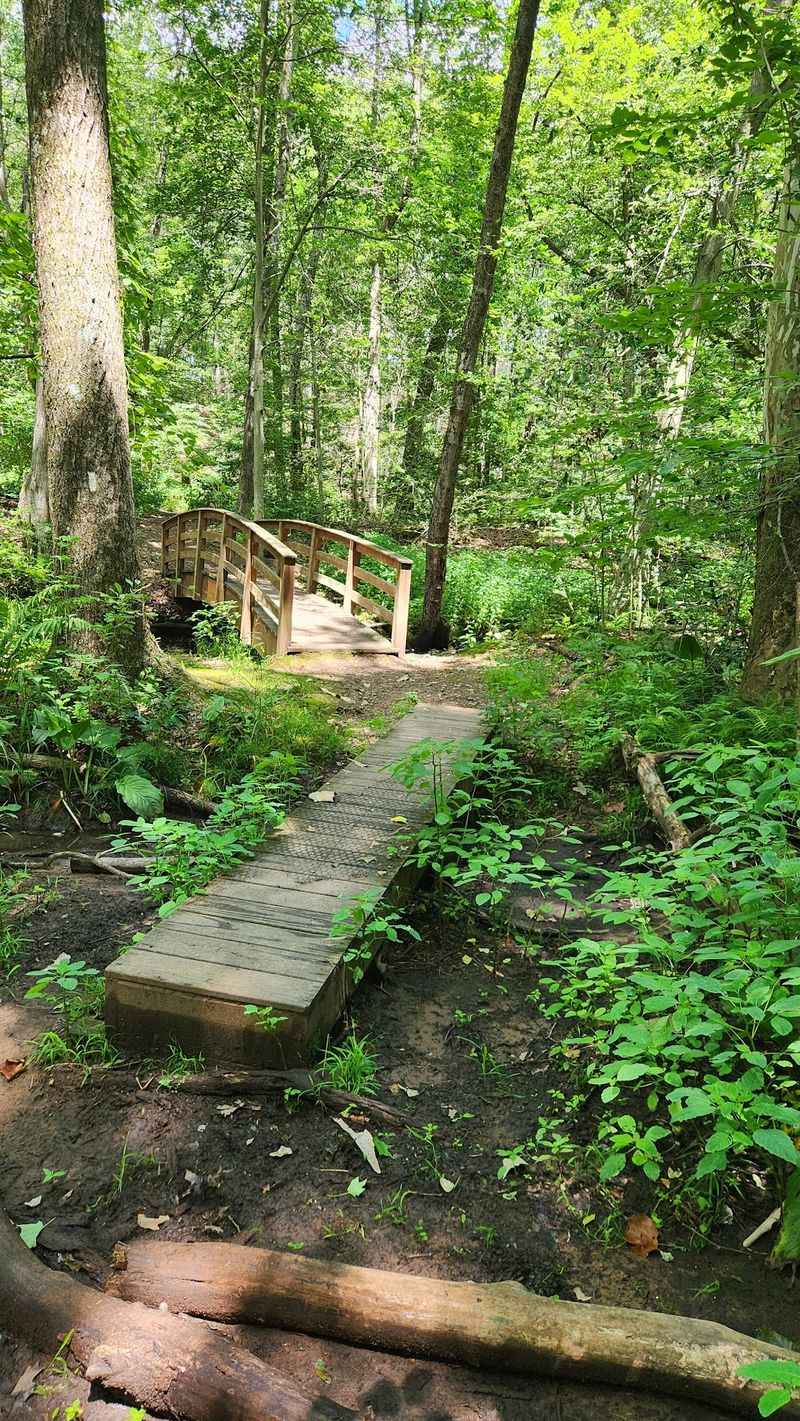
White, yellow, and green blazes mark the way through these woods. Altogether, Dividend Pond And Ruins offers about 3 miles of marked trails.
The paths loop around the Upper and Lower Dividend Ponds. Dividend Brook connects them, so water stays close by for much of the walk.
The green-blazed path has a special story. It’s called June’s Trail, named for June Cooke, an avocational archaeologist who helped save this site.
Avocational simply means she studied archaeology out of passion, not as her paid job. I believe that makes her trail even more meaningful.
June’s Trail passes additional mill sites, so it’s a smart pick for history fans. You’ll see more ruins and get a better sense of how busy this valley once was.
Short side paths can lead to old remnants too. Peeking down a few of them often rewards you with stonework you’d otherwise miss.
Bring a trail map or snap a photo of one before you go. With several colors crossing the woods, a quick check helps you stay on the loop you planned.
7. Rocky Hill Voted To Preserve This Historic Site As Open Space
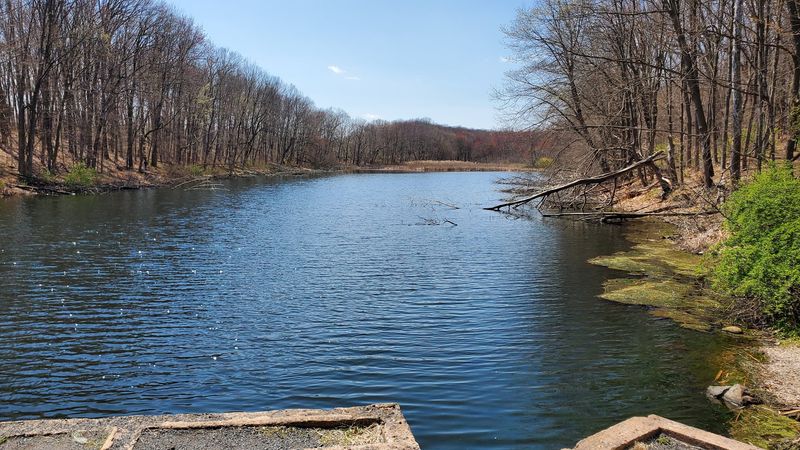
Saving old ruins doesn’t happen by accident. Rocky Hill took real steps over several decades to keep this land safe.
The town obtained the Dividend land in 1973. Then in 2004, residents voted to preserve all 68 acres as open space in perpetuity, which means forever.
Two years later came another big moment. In April 2006, the area became a State Archaeological Preserve and was listed on the State Historic Register.
June Cooke of the Rocky Hill Historical Society made that happen through her research. Her work turned forgotten foundations into protected pieces of state history.
Because it’s a preserve, a few rules matter a lot. Digging, metal detecting, and collecting are prohibited, and motorized vehicles aren’t allowed either.
So leave that old nail or stone chip right where it sits. Every small piece helps archaeologists understand what happened here.
I love that a whole community decided its past was worth keeping. Next time you walk past a crumbling wall here, remember that people voted to make sure you could see it.
8. Wheels, Fishing Lines, And A Trail Called Pit Viper
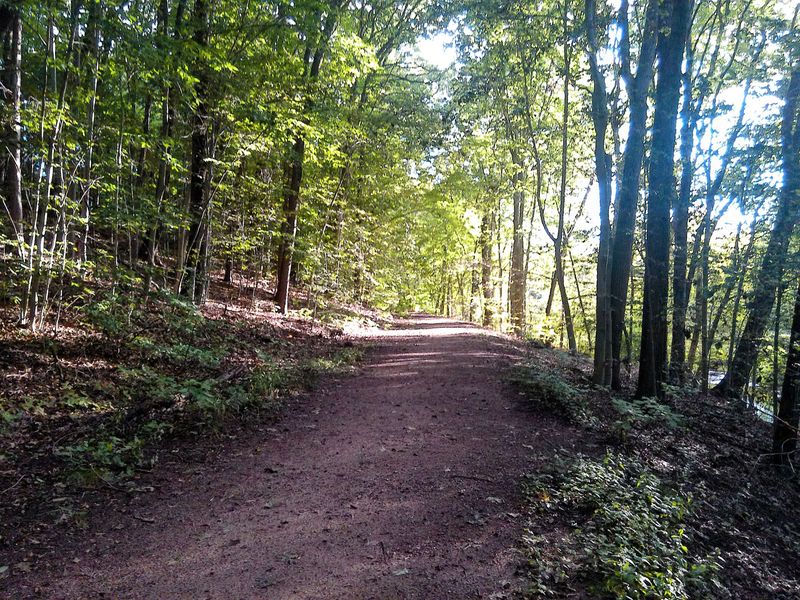
Cyclone and Pit Viper sound like roller coasters, but they’re actually mountain biking trails. Both are newer additions to the park’s network.
Riders get a fun twist on a history walk. You can roll past centuries-old mill country while focusing on roots, rocks, and turns.
Hikers and bikers share the woods here, so courtesy goes a long way. A friendly heads-up when passing keeps everyone smiling.
Not into wheels? Fishing is another activity the park supports, thanks to the Upper and Lower Dividend Ponds.
Casting a line beside old dams feels pretty special. Those dams once held water for factories, and now they help create calm spots for anglers.
Remember that motorized vehicles are off-limits in the preserve. Pedal power is welcome, but engines need to stay in the parking lot.
I like how one park can serve so many moods. A history buff, a speed-loving rider, and a patient angler could all spend a happy afternoon here without ever getting bored.
9. Plan Your Visit For Daylight And Good Shoes
Getting here is easier than you might expect. The park sits about eight miles south of Hartford, right next to the Cromwell town line.
Look for Dividend Road and Old Forge Road, Rocky Hill, CT 06067. Main parking is on Old Forge Road, with a second lot on Pleasant Valley Road.
Rocky Hill Parks and Recreation manages Dividend Pond And Ruins. The park is listed as open 24 hours a day, every day of the week.
Still, I’d save this visit for daylight. Rock steps, wet stones, and branching trails are much easier to handle when you can actually see them.
Daylight also helps you spot the ruins, which is the whole point. Those foundations and sluiceways blend into the forest fast once shadows grow long.
Bring water, sturdy shoes, and a little patience for side trails. Winter can bring ice, so extra caution makes sense in colder months.
This corner of the state proves that history doesn’t need a museum. Sometimes it’s just a quiet brook, a few old stones, and a story that stays with you on the drive home.