The Bathroom Upgrades California Homeowners Regret Most
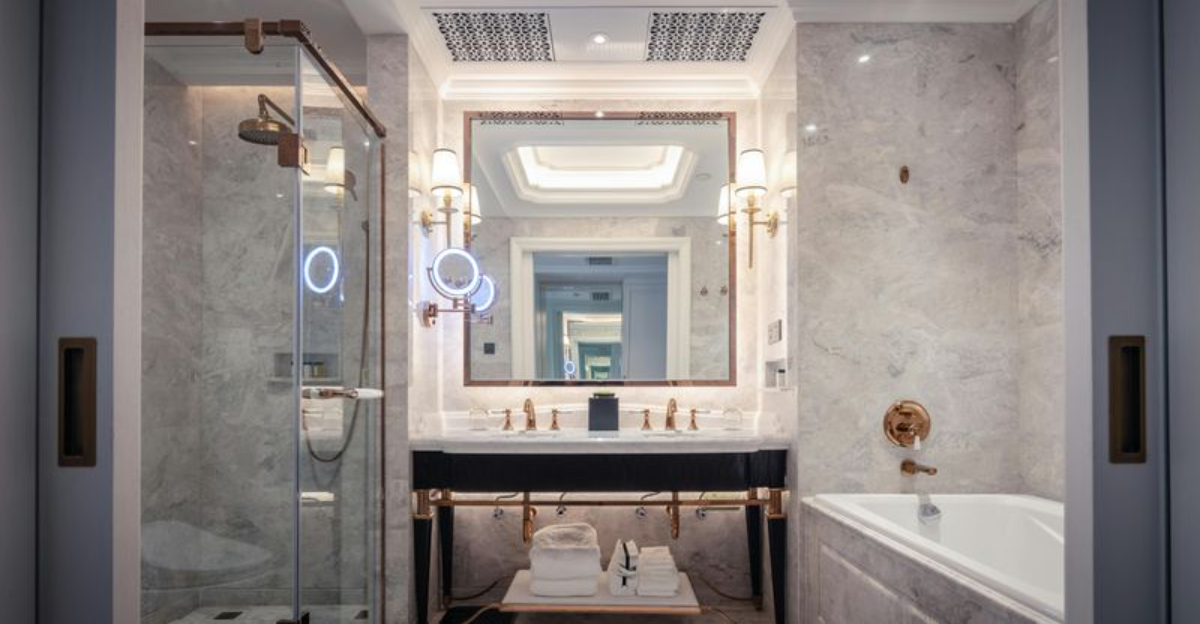
Bathroom renovations promise to transform tired spaces into personal sanctuaries, but not every upgrade delivers the dream outcome California homeowners hope for.
Some choices look stunning in magazines yet prove impractical in daily life, while others drain budgets without adding real value.
From trendy fixtures that quickly lose their appeal to materials that demand constant upkeep, certain decisions can turn a bathroom remodel into a source of frustration rather than joy.
Understanding which upgrades commonly lead to regret helps homeowners make smarter choices that balance style, function, and long-term satisfaction.
Freestanding Bathtubs
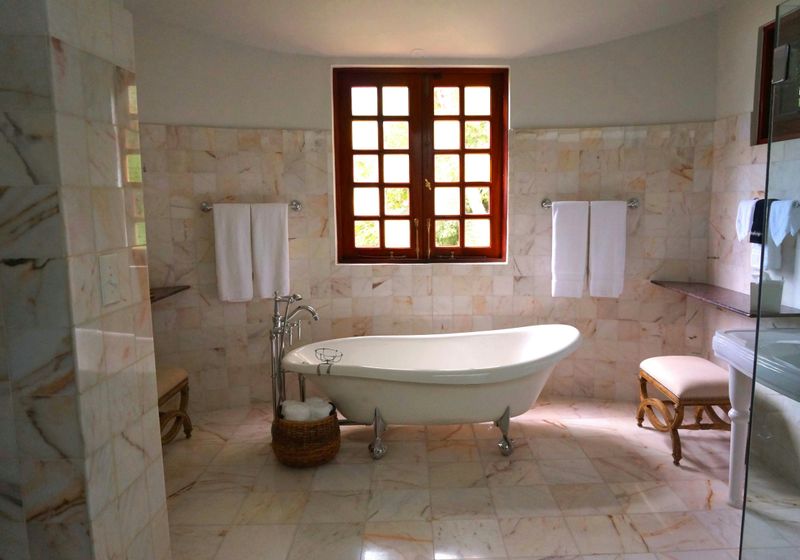
Freestanding tubs deliver an undeniable wow factor that makes any bathroom feel like a luxury spa retreat.
Their sculptural presence creates a focal point that commands attention and elevates the entire room’s aesthetic appeal.
Many California homeowners install these statement pieces dreaming of long, relaxing soaks after busy days.
Reality sets in when cleaning day arrives and reaching the tight spaces around the tub becomes a weekly challenge.
Dust, hair, and grime accumulate in areas that require awkward bending and stretching to access properly.
The floor space consumed by these tubs often comes at the expense of storage options that busy households genuinely need.
Plumbing requirements can complicate installation, especially in older California homes where floor joists may need reinforcement.
The exposed pipes beneath some models collect dust and create visual clutter that contradicts the clean aesthetic homeowners initially wanted.
Water temperature also drops faster without surrounding walls to retain heat, making those dream soaks shorter than anticipated.
Overly Trendy Tile Designs
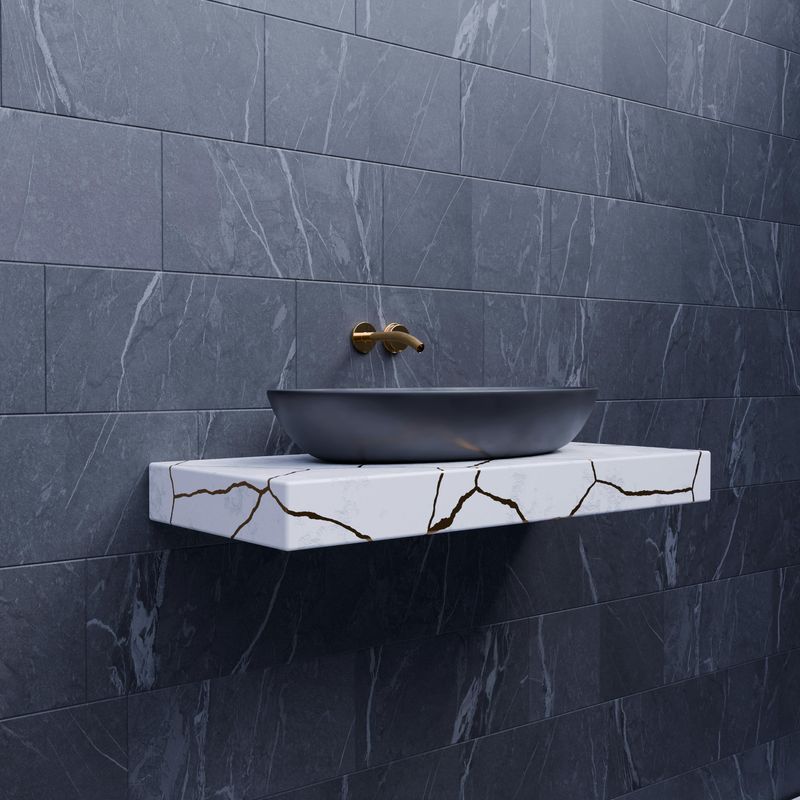
Bold geometric patterns and vibrant tile designs seem like the perfect way to inject personality into a bathroom space.
Instagram-worthy installations featuring intricate Moroccan motifs or eye-catching hexagonal arrangements inspire homeowners to embrace maximalist design.
California’s design-forward culture encourages experimentation with these statement-making surfaces.
The problem emerges within just a few years when today’s hottest pattern becomes tomorrow’s dated look.
What felt fresh and exciting during installation can quickly tire the eye with daily exposure to busy visuals.
Resale concerns grow as potential buyers struggle to envision their own style in a bathroom dominated by highly specific design choices.
Replacement costs sting particularly hard since tile removal and reinstallation represent one of renovation’s most labor-intensive tasks.
Neutral, timeless tile selections offer far more flexibility for updating other bathroom elements without clashing.
California’s real estate market rewards bathrooms that appeal to broad tastes rather than niche aesthetic preferences that limit buyer pools.
Open Showers Without Doors
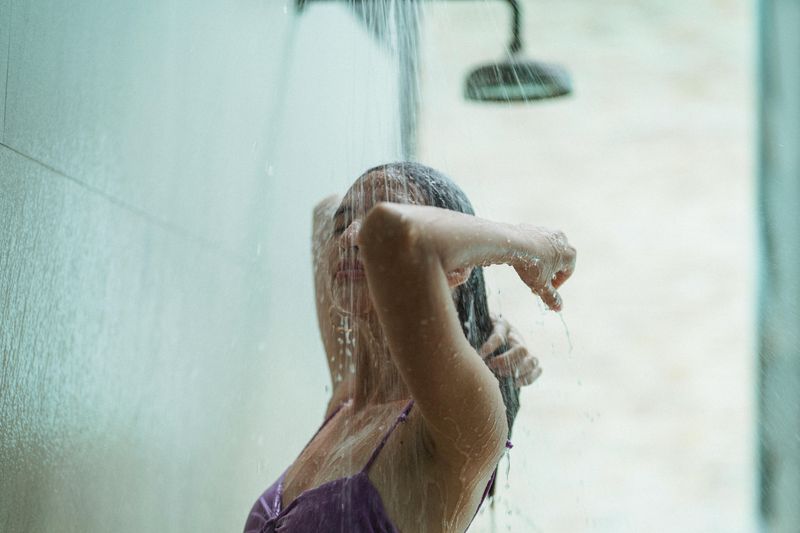
Walk-in showers without doors or curtains create an airy, spa-like atmosphere that makes small bathrooms feel more spacious.
The seamless design eliminates visual barriers and simplifies cleaning by removing tracks and frames that collect soap scum.
European-inspired wet room aesthetics appeal to California homeowners seeking contemporary minimalism.
Water containment becomes the primary headache as spray escapes the designated shower area with surprising regularity.
Even with careful positioning of showerheads and strategic tile slopes, wet floors become a daily nuisance requiring extra mopping.
California’s cooler coastal regions present additional challenges when cold air rushes into the open shower, making winter mornings particularly uncomfortable.
Proper installation requires meticulous attention to waterproofing and drainage that extends well beyond the shower footprint.
Inadequate floor slopes or undersized drains lead to standing water that threatens bathroom flooring and creates slip hazards.
The substantial square footage needed for effective open showers often proves impractical in standard California home bathrooms where space comes at a premium.
Wall-Mounted Toilets
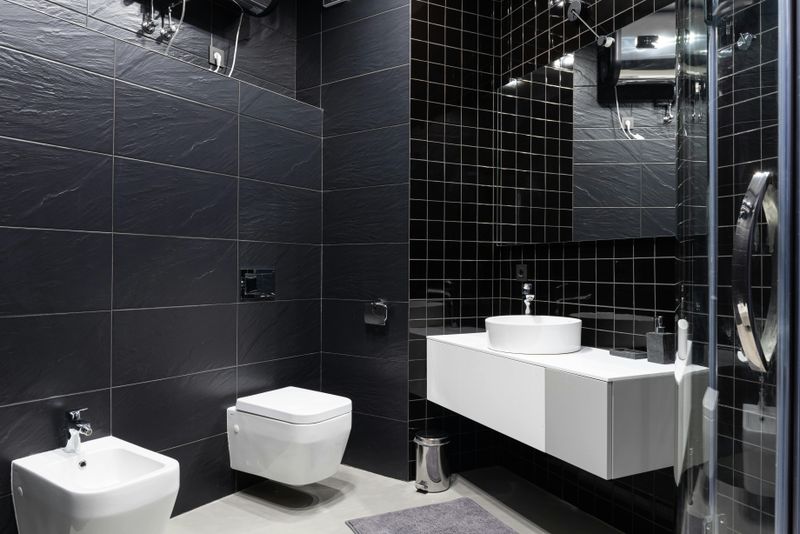
Floating toilets deliver sleek, modern aesthetics that make bathrooms appear larger and floor cleaning remarkably easier.
The concealed tank creates clean lines that satisfy minimalist design preferences while maximizing visual space.
California’s contemporary architecture trends have made these fixtures increasingly popular in upscale renovations.
Maintenance nightmares begin when repairs become necessary and accessing the hidden tank requires opening walls.
Simple part replacements that take minutes with traditional toilets can demand professional help and wall reconstruction for wall-mounted models.
Installation costs run significantly higher than standard toilets, sometimes doubling or tripling the expense for both materials and specialized labor.
Weight capacity concerns arise for households with larger family members or guests, though quality installations typically handle normal use without issues.
The supporting framework must meet strict building codes that require reinforced wall studs capable of bearing substantial loads.
California homeowners discover too late that future bathroom layout changes become complicated when plumbing sits embedded within walls rather than accessible through floor connections.
High-Maintenance Materials

Marble countertops and natural stone surfaces radiate timeless elegance that elevates bathroom luxury to museum-quality levels.
The unique veining patterns ensure no two installations look identical, providing genuine one-of-a-kind character.
California’s appreciation for natural materials makes stone selections particularly tempting during bathroom renovations.
Daily reality involves constant vigilance against stains from common bathroom products like toothpaste, makeup, and acidic cleaners.
The porous nature of marble demands regular sealing to maintain protection, adding recurring maintenance tasks to household routines.
Water spots, soap residue, and hard water deposits show prominently on polished stone surfaces, requiring immediate attention to prevent permanent etching.
Scratches accumulate from everyday items like jewelry, hairbrushes, and cosmetic containers placed carelessly on delicate surfaces.
Repair costs for damaged stone can rival the original installation expense, especially when matching replacement pieces to existing material proves difficult.
California homeowners often wish they had chosen engineered alternatives that deliver similar aesthetics with dramatically reduced upkeep demands and greater durability for busy family bathrooms.
Poor Lighting Choices
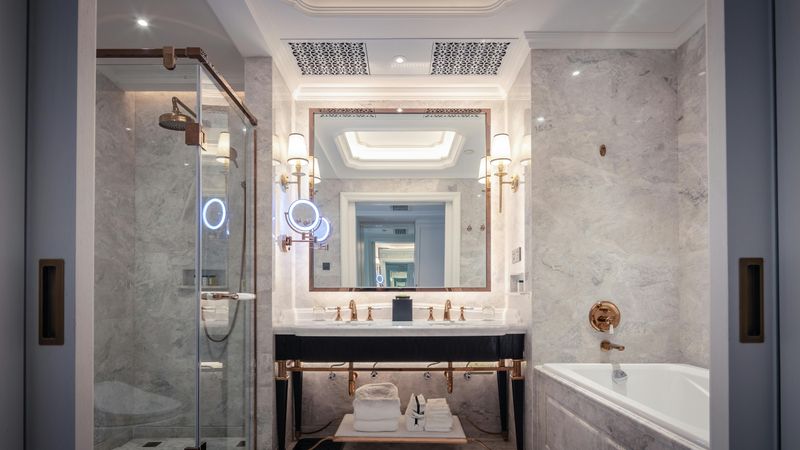
Atmospheric mood lighting creates relaxing ambiance perfect for unwinding in a soaking tub after long California workdays.
Single overhead fixtures offer simple, budget-friendly solutions that seem adequate during initial planning stages.
Recessed ceiling lights provide clean, modern aesthetics that align with contemporary design preferences.
Functional frustrations surface immediately when attempting detailed grooming tasks in insufficient light.
Applying makeup, shaving, or styling hair becomes guesswork under dim or poorly positioned fixtures that cast unflattering shadows.
Morning routines suffer when lighting fails to simulate natural daylight needed for accurate color perception and precise personal care.
Layered lighting plans incorporating task, ambient, and accent sources prove essential for bathrooms serving multiple purposes throughout the day.
Vanity sconces positioned at face level eliminate shadows while dimmers allow adjustment for different activities and times.
California’s energy efficiency standards encourage LED fixtures that provide excellent illumination while minimizing electricity consumption, though initial planning must address placement rather than simply adding more fixtures later when walls are finished and wiring inaccessible.
Floating Vanities
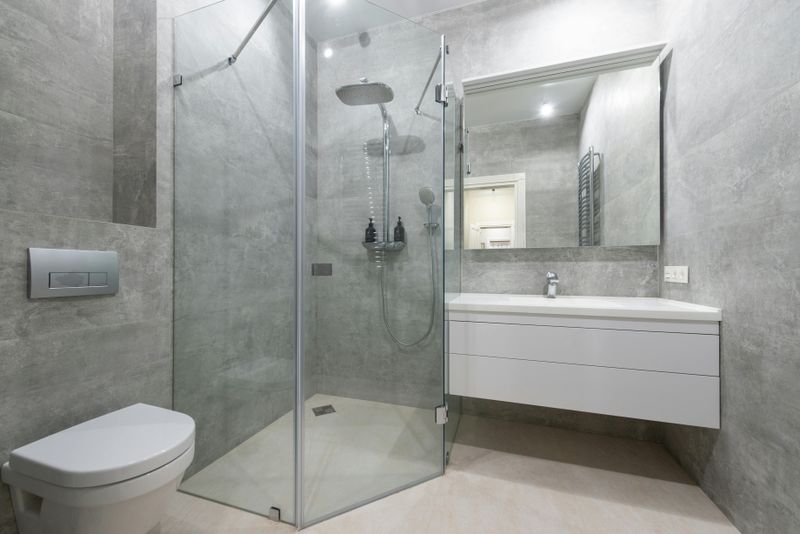
Wall-mounted vanities create impressive visual lightness that makes bathrooms feel more spacious and contemporary.
The open floor space beneath simplifies cleaning and allows design flexibility with rugs or baskets.
California’s modern design aesthetic embraces these streamlined fixtures that reject traditional bulky cabinetry.
Storage capacity takes a serious hit compared to traditional vanities that extend to the floor with multiple drawers and cabinets.
Families quickly discover that bathroom essentials exceed the limited space provided by shallow floating units.
Exposed plumbing beneath the vanity creates visual clutter that contradicts the clean minimalism homeowners hoped to achieve.
Installation demands solid wall backing and professional expertise to ensure safe weight distribution for daily use.
The gap beneath floating vanities becomes a magnet for dust, lost items, and cleaning challenges that negate some convenience benefits.
California households with children find these vanities particularly impractical when toy storage and family bathroom supplies require more robust organizational solutions than sleek design allows, leading to cluttered countertops that undermine the intended aesthetic entirely.
All-White Bathrooms
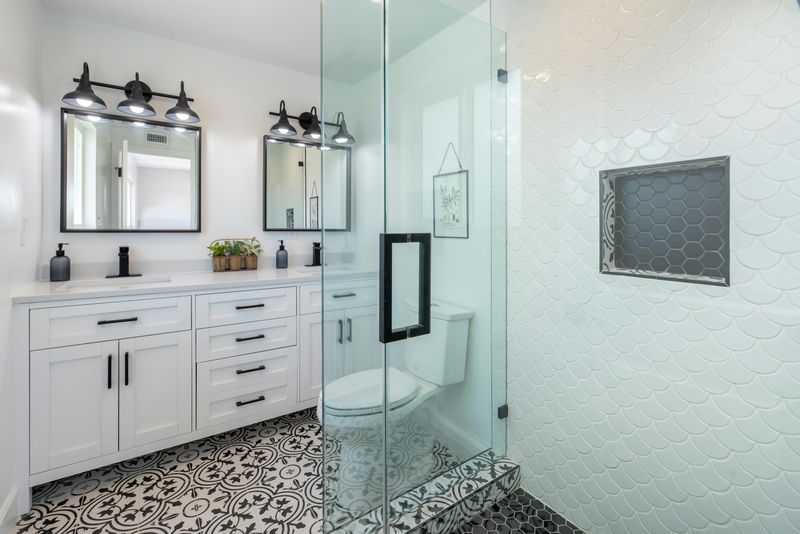
Crisp white bathrooms promise spa-like serenity and timeless appeal that transcends passing design trends.
The bright, clean aesthetic maximizes natural light reflection and creates an impression of spaciousness in compact California bathrooms.
White’s neutral palette theoretically allows easy accent changes through towels, accessories, and artwork.
Maintenance reality proves far more demanding than anticipated as every speck of dirt, hair, and water spot shows prominently against stark white surfaces.
Daily cleaning becomes necessary to maintain the pristine appearance that initially attracted homeowners to this color scheme.
Grout lines between white tiles yellow over time despite diligent scrubbing, creating dingy appearances that undermine the fresh aesthetic.
The sterile, clinical atmosphere can feel cold and uninviting rather than relaxing, especially in California’s naturally warm climate where warmer tones might feel more appropriate.
Lack of visual interest makes all-white bathrooms feel generic rather than personalized, offering little character or warmth.
Homeowners eventually crave color, texture, and contrast that provide visual relief and create genuine personality rather than magazine-perfect blandness that feels impersonal and institutional.
Removing The Bathtub Entirely
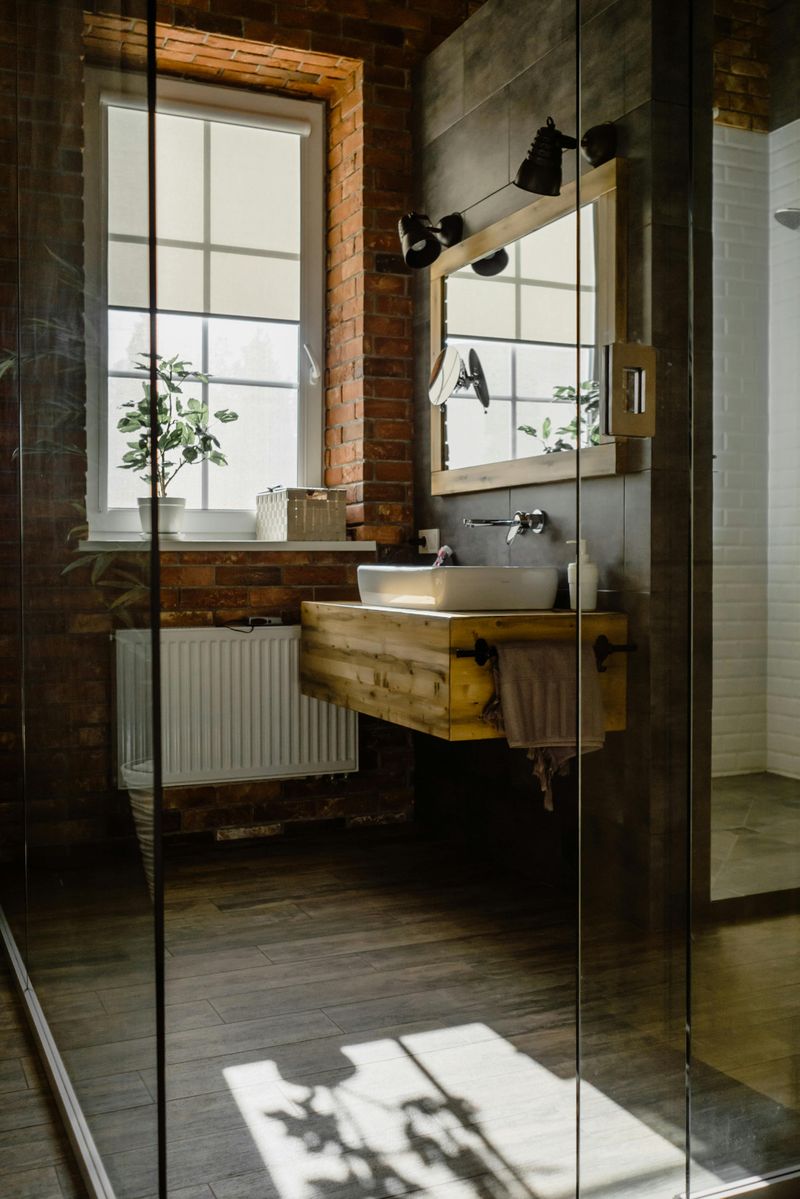
Converting tub space into luxurious walk-in showers seems practical for households where adults rarely take baths.
The additional shower square footage allows bench seating, multiple showerheads, and spa-like features that enhance daily routines.
California’s casual lifestyle and water conservation concerns make quick showers more appealing than long baths.
Resale challenges emerge when families with young children tour homes and find no bathtub for kids’ bath time.
Real estate professionals consistently advise keeping at least one tub in the home to avoid limiting buyer pools.
Bathing pets, hand-washing delicate items, and soaking sore muscles all become impossible without a tub.
California’s multigenerational households often include elderly family members who find bathing safer and easier in tubs equipped with grab bars.
The permanence of removing a tub means future owners must undertake expensive renovations to restore this feature if needed.
Market data shows homes without any bathtubs sell slower and sometimes at lower prices than comparable properties offering bathing flexibility, making this upgrade one that potentially costs money rather than adding value.
Cheap Fixtures

Budget-friendly faucets, showerheads, and hardware allow homeowners to stretch renovation dollars toward other bathroom priorities.
The initial savings feel significant when comparing prices between basic and premium fixture lines.
California’s high cost of living makes economizing on bathroom details particularly tempting during expensive remodels.
Quality issues surface quickly as finishes tarnish, handles loosen, and internal mechanisms fail within months of installation.
Leaky connections waste water and cause damage to surrounding cabinetry and flooring that far exceeds original fixture savings.
Cheap showerheads deliver poor water pressure and inconsistent spray patterns that make daily showers frustrating rather than refreshing.
Replacement cycles accelerate dramatically with low-quality fixtures that require changing every few years instead of lasting decades.
The cumulative cost of repeatedly purchasing and installing budget fixtures eventually surpasses investing in quality products initially.
California’s hard water exacerbates problems with inferior materials that corrode and develop mineral buildup faster than better-quality alternatives designed to withstand challenging water conditions, making this false economy particularly regrettable for homeowners who must address failures repeatedly.
Overly Bold Paint Or Tile Fixtures
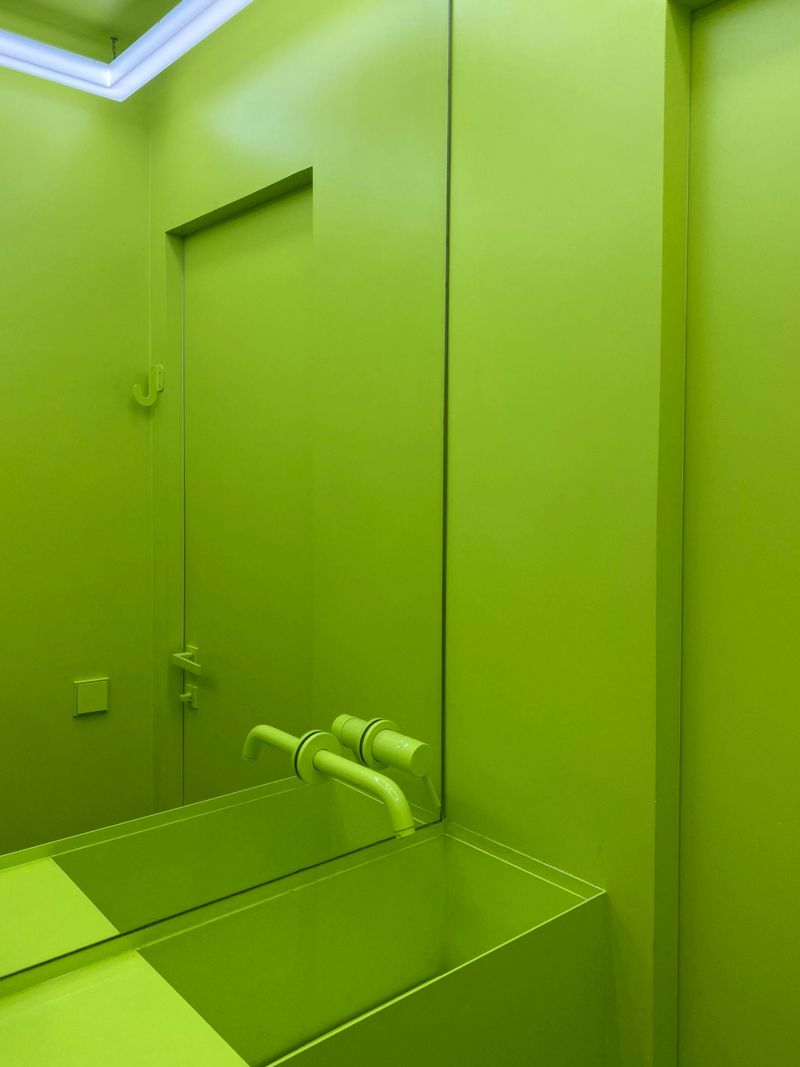
Jewel-toned toilets, vibrant colored sinks, or boldly painted fixtures promise personality and design courage that sets bathrooms apart.
The initial excitement of unconventional color choices feels fresh and individualistic in California’s creative design culture.
Statement-making fixtures create conversation pieces that guests notice and comment on during visits.
Color fatigue sets in surprisingly fast when facing the same intense hue multiple times daily during routine bathroom visits.
What felt bold and exciting during selection quickly becomes tiresome or even irritating with constant exposure.
Coordinating towels, accessories, and future updates around permanent colored fixtures severely limits decorating flexibility.
Resale concerns mount as potential buyers struggle to envision their style in bathrooms dominated by previous owners’ specific color preferences.
Replacing colored fixtures represents significant expense since these items cannot be easily painted or refinished like walls.
California’s competitive real estate market penalizes homes with polarizing design choices that reduce appeal to mainstream buyers seeking neutral foundations for personalizing spaces themselves, making bold fixture colors a renovation decision many homeowners wish they could reverse.
Not Installing Proper Ventilation
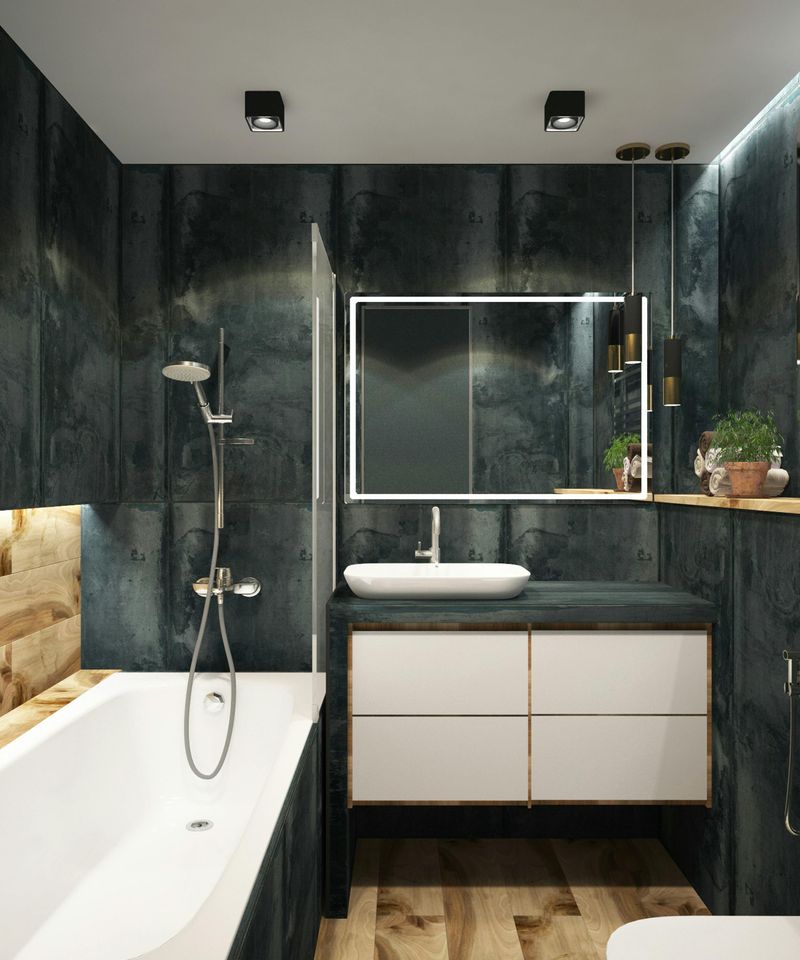
Ventilation often gets overlooked during bathroom renovations when budgets tighten and homeowners prioritize visible upgrades over invisible infrastructure.
Existing windows seem adequate for moisture control, especially in California’s generally mild climate.
Skipping exhaust fan installation or accepting undersized units saves money during construction that can go toward more exciting finishes.
Moisture damage appears gradually as steam from hot showers saturates bathroom air with nowhere to escape efficiently.
Mildew grows along grout lines, ceiling corners, and behind cabinets where damp conditions persist.
Paint peels, wallpaper loosens, and wood trim swells from constant humidity exposure that proper ventilation would prevent.
Health concerns arise when mold spores multiply in poorly ventilated bathrooms, affecting indoor air quality throughout the home.
Musty odors permeate despite cleaning efforts when moisture lingers instead of being actively exhausted outside.
California building codes specify minimum ventilation requirements, yet undersized fans running ineffectively fail to meet functional needs even while technically complying with regulations, leaving homeowners facing expensive remediation for damage that could have been prevented with proper ventilation planning.