The Best Beach Towns In North Carolina For Sun, Scenery, And Coastal Charm
Choosing just one beach town in North Carolina feels almost unfair.
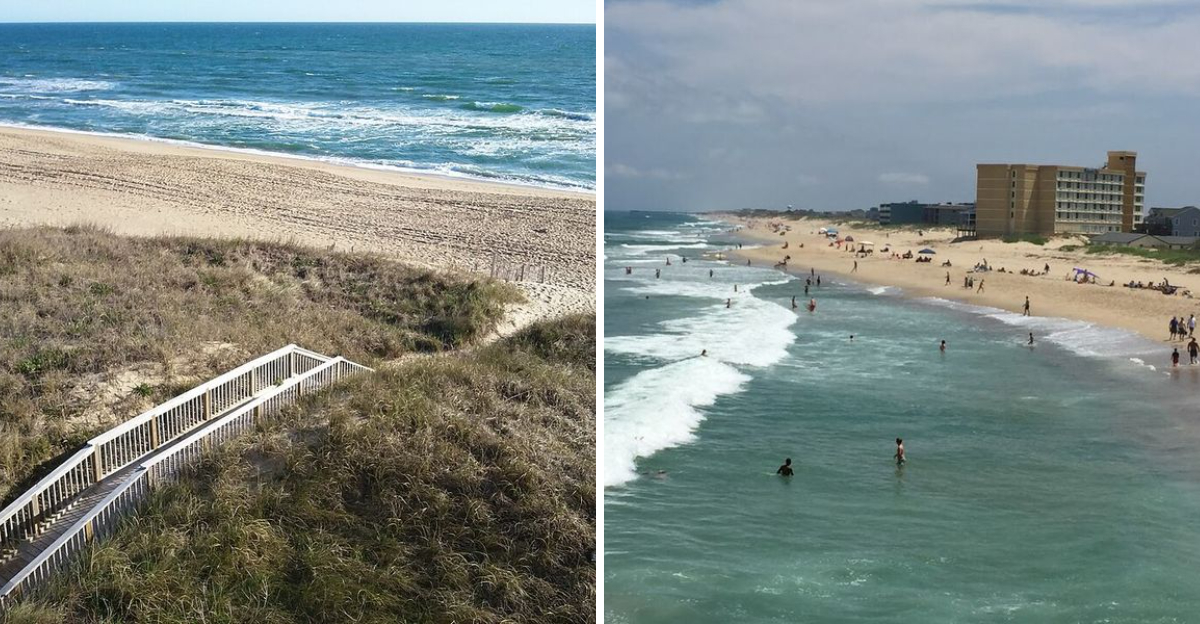
I can head toward the Outer Banks for windswept dunes and long stretches of shoreline, then travel south and find an entirely different coastal mood near the Brunswick Islands.
Every stop brings its own pace, scenery, and personality.
Certain towns feel made for early surf sessions and salty afternoons. Others draw me in with historic streets, quiet waterfronts, or beaches where the biggest decision is how long to stay.
That variety is what makes this coastline so easy to love. I never feel as though I am repeating the same trip twice.
North Carolina keeps changing the experience as the road moves from island communities to relaxed seaside escapes.
Eight destinations stand out for reasons that go far beyond a pretty view.
Each one offers a different way to enjoy the coast, and several may leave you reconsidering which beach town deserves the top spot on your summer list.
1. Corolla, Currituck County
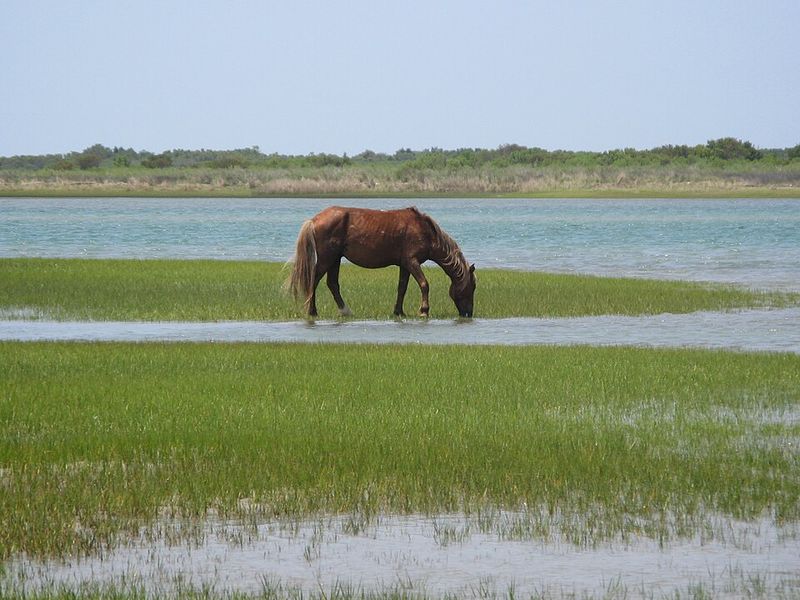
Wild horses give Corolla one of the most memorable identities on North Carolina’s coast. Descendants of Colonial Spanish Mustangs continue to live in the northern Outer Banks, where guided four-wheel-drive tours help visitors see them while respecting the animals and the protected dunes they inhabit.
Watching the horses move across the sand can become the highlight of a trip, but Corolla offers far more than wildlife.
Currituck Beach Lighthouse rises above the surrounding landscape, and visitors willing to climb its 220 steps are rewarded with broad views across the Atlantic Ocean, Currituck Sound, and nearby maritime forest.
Historic Corolla Park provides another reason to slow down. Its grounds include the restored Whalehead mansion, waterfront paths, open lawns, and peaceful spaces suited to walking or picnicking.
Wide beaches generally feel calmer than those near larger resort areas, especially outside the busiest summer weeks. Corolla sits in Currituck County at the northern end of the Outer Banks, where development gives way to remote shoreline farther north.
Local restaurants such as Uncle Ike’s Sandbar & Grill and Mike Dianna’s Grill Room add seafood, sandwiches, and family-friendly meals to the experience.
Visitors can spend the morning near the lighthouse, explore the park in the afternoon, and finish with sunset beside the sound.
History, scenery, wildlife, and a quieter pace work together here, creating a destination that feels polished without losing the natural character that makes this corner of the Outer Banks so distinctive. Repeat visits reveal new viewpoints, paths, and quiet stretches of sand.
2. Duck, Dare County
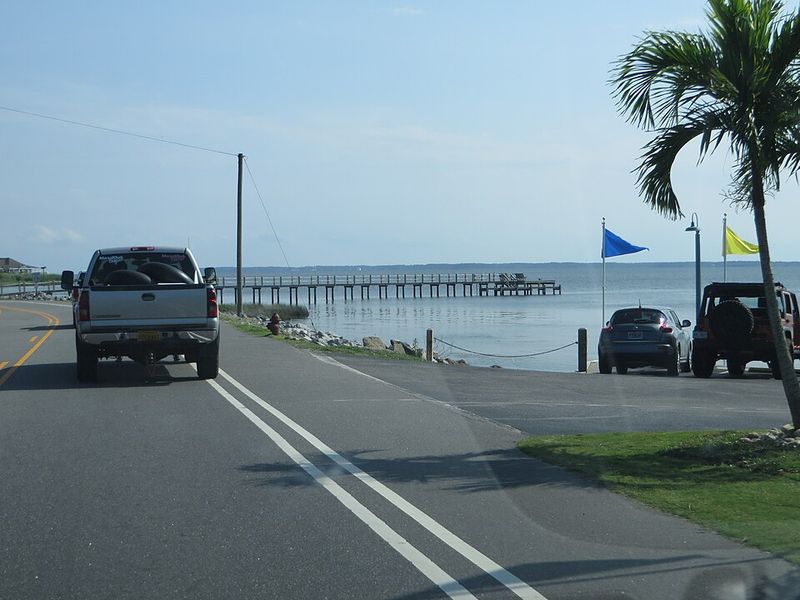
Duck invites visitors to experience both the Atlantic Ocean and Currituck Sound within one compact, walkable community.
Its best-known feature is the soundside boardwalk, which runs for nearly a mile and links locally owned shops, restaurants, shaded seating areas, green spaces, and public gathering points.
Morning walks bring calm water and an easy pace, while sunset transforms the same route into one of the town’s most scenic evening spots. Ocean beaches remain close by, allowing travelers to move between surf and sound without spending much of the day in the car.
Paddleboarding, kayaking, and crabbing are especially popular on the protected sound, where gentler water can suit beginners and families.
Duck lies in Dare County between Corolla and Southern Shores, making it convenient for visitors exploring several northern Outer Banks communities.
Restaurants such as NC Coast Grill & Bar, Coastal Cantina, and The Village Table & Tavern serve seafood, sandwiches, and broader coastal fare in settings that match the town’s relaxed style.
Seasonal concerts, community programs, and summer events add energy without overpowering the village atmosphere.
Duck feels more polished than some neighboring destinations, yet it still keeps the pace casual and welcoming. A day might include coffee near the boardwalk, time on the beach, an afternoon paddle, and dinner beside the sound.
That balance of convenience, scenery, recreation, and small-town charm explains why Duck remains a favorite for travelers who want comfort without the busier feel of a larger resort community. Its layout makes spontaneous stops easy during getaways.
3. Nags Head, Dare County
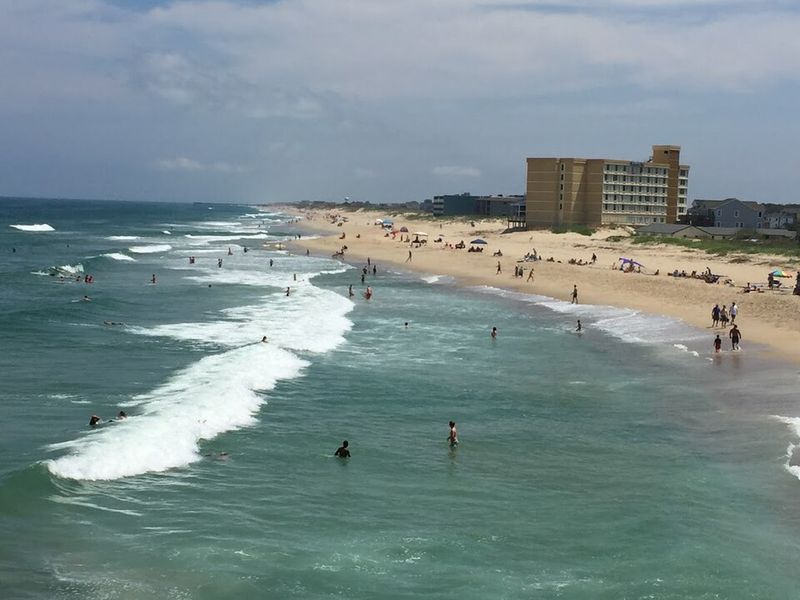
Towering dunes make Nags Head one of the most visually distinctive destinations on the North Carolina coast. Jockey’s Ridge State Park protects the tallest living sand dune system on the Atlantic Coast, drawing hikers, photographers, kite flyers, and hang gliding enthusiasts throughout the year.
Wind continually reshapes the landscape, so the dunes can look noticeably different from one visit to the next. Beyond the park, broad beaches and fishing piers continue the town’s long connection with the ocean.
Families return for swimming, surf fishing, beach walks, and simple afternoons spent near the water.
Nags Head occupies a central position in Dare County, giving travelers a practical base for exploring nearby attractions such as Bodie Island Lighthouse, Roanoke Island, and surrounding sections of the Outer Banks.
Historic beach cottages still stand beside newer vacation homes, helping preserve part of the community’s traditional coastal character. Restaurants range from casual seafood spots to cafés serving sandwiches, local catches, and familiar regional favorites.
Outdoor recreation appears in nearly every direction. Visitors can kayak on Roanoke Sound, cycle local paths, climb the dunes, browse beach shops, or watch the sunrise over the Atlantic.
The town offers enough activity for a full itinerary while remaining easy to enjoy at a slower pace.
Natural scenery, family traditions, and easy access to nearby landmarks give Nags Head broad appeal. Travelers can enjoy a classic Outer Banks experience without limiting the trip to one beach or a single type of attraction.
Dramatic landforms and traditions meet throughout this town.
4. Kill Devil Hills, Dare County
Few beach towns combine recreation and world-changing history as naturally as Kill Devil Hills.
Wilbur and Orville Wright completed the first successful powered flights near this stretch of coastline in December 1903, and the Wright Brothers National Memorial preserves that achievement through exhibits, reconstructed camp buildings, monuments, and markers showing the early flight paths.
Walking the grounds gives visitors a clearer sense of the wind, open space, and difficult conditions that shaped the brothers’ experiments. Beaches remain equally important to the town’s identity.
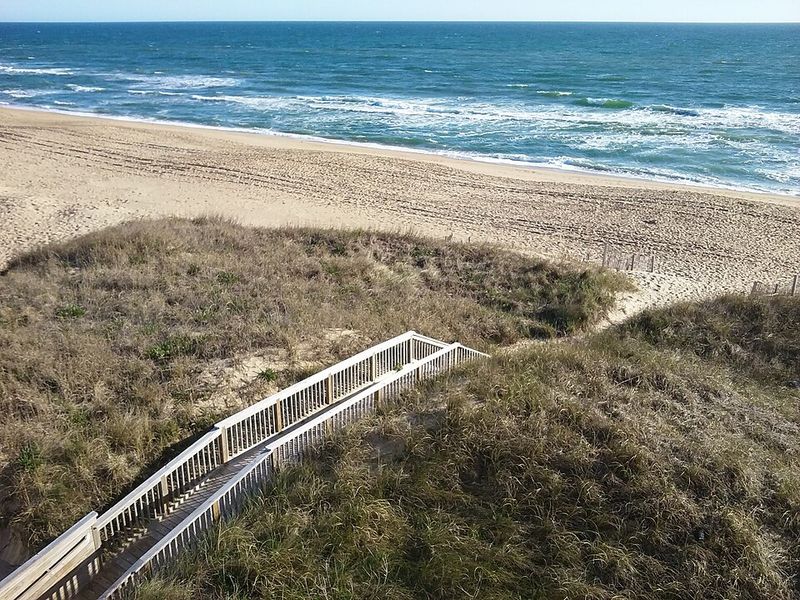
Wide sandy areas support swimming, surfing, fishing, and long walks beside the Atlantic, while local surf shops help newcomers learn the basics and experienced riders find suitable conditions.
Kill Devil Hills lies in Dare County near the center of the Outer Banks, making it convenient for trips to neighboring towns and attractions.
Public beach access points appear throughout the community, offering practical entry without relying only on oceanfront lodging.
Dining options include longtime favorites such as Kill Devil Grill, Henry’s Restaurant, and Colington Café, where seafood and regional dishes share menus with familiar comfort food.
Families can spend the morning at the memorial, head to the beach after lunch, and finish the day at a local restaurant without driving far. That mix of history, recreation, and accessibility gives Kill Devil Hills broad appeal.
Visitors come for the aviation story, but many return because the town also delivers the easy beach days, casual meals, and coastal scenery expected from a memorable Outer Banks vacation. History complements the experience.
5. Ocracoke, Hyde County
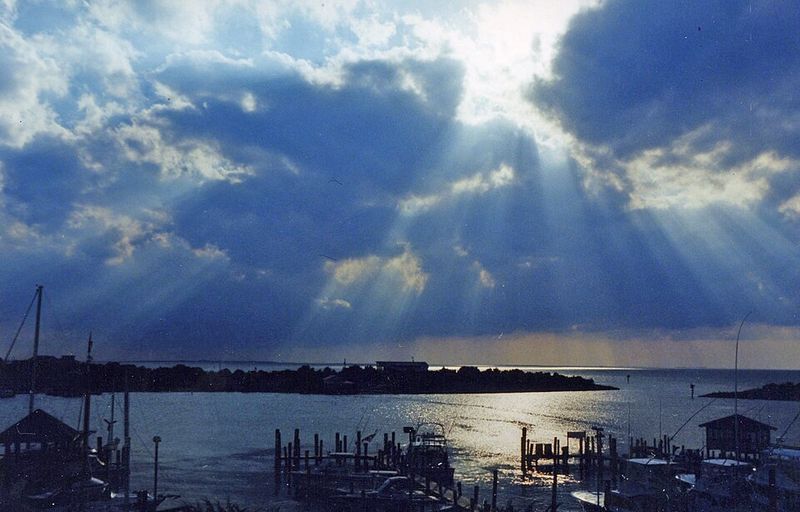
Reaching Ocracoke changes the pace of a trip before visitors even step onto the island. Most arrive by ferry, and the journey across open water creates a natural transition from busy routines to a slower coastal rhythm.
Once ashore, bicycles, golf carts, shaded lanes, maritime cottages, and views around Silver Lake Harbor shape daily life. Ocracoke Lighthouse, completed in 1823, remains North Carolina’s oldest operating lighthouse and one of the village’s most recognizable landmarks.
The British Cemetery commemorates British sailors remembered there from World War II, while local history also includes Blackbeard, who was killed nearby in 1718.
Ocracoke sits in Hyde County at the southern end of Cape Hatteras National Seashore, surrounded by miles of protected beaches and undeveloped shoreline.
That setting supports shell collecting, kayaking, birdwatching, cycling, fishing, and long walks with very little development nearby.
Restaurants such as Pony Island Restaurant, Jason’s Restaurant, and SmacNally’s Waterfront Café give visitors several relaxed places to refuel after time on the beach or near the harbor.
The village does not depend on large attractions or constant entertainment. Its appeal comes from quiet streets, maritime history, remote scenery, and the feeling of being separated from the mainland.
Travelers who enjoy a slower schedule often find that Ocracoke rewards unplanned time best. A ferry ride, a bicycle loop, a lighthouse stop, and an evening beside Silver Lake can fill the day without ever making it feel crowded or rushed.
Ordinary moments feel special when the village, harbor, and shoreline remain closely connected.
6. Emerald Isle, Carteret County
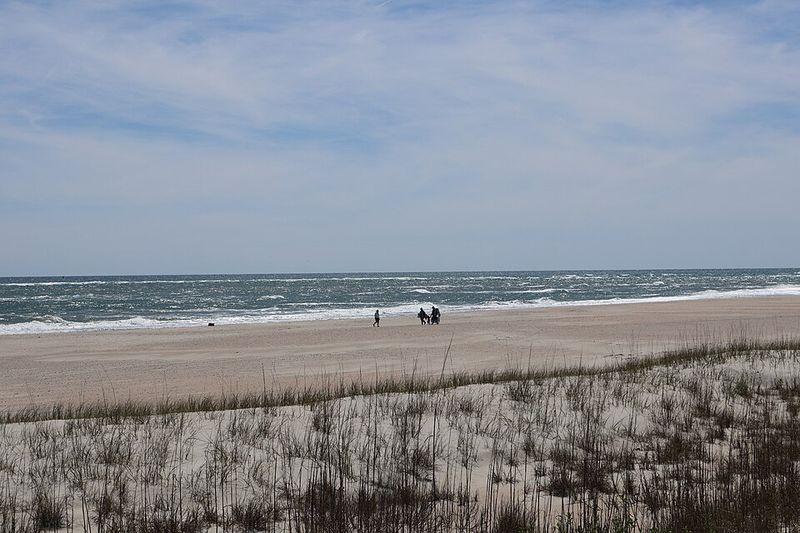
Soft sand, family-friendly amenities, and access to both ocean and sound have helped Emerald Isle become one of the Crystal Coast’s most popular beach destinations.
The town stretches along Bogue Banks, where public beach access points, walking paths, bicycle routes, parks, and residential neighborhoods create a comfortable setting for longer stays.
Swimming conditions can vary with weather and surf, but many families appreciate the broad shoreline and practical access. Bogue Inlet Pier attracts anglers and sightseers, while boating, paddleboarding, kayaking, and dolphin cruises introduce visitors to the surrounding coastal waters.
Emerald Isle lies in Carteret County, giving travelers easy access to other Crystal Coast communities and attractions while maintaining a quieter feel than larger resort areas.
Dining ranges from casual lunches to more polished evening meals.
Caribsea, Gaffer’s Restaurant, and Surf’s Up Grill each offer their own approach to seafood, sandwiches, and coastal favorites.
Restaurants connected with the Carteret Catch program highlight locally harvested seafood when available, giving visitors a stronger link to the region’s working waterfront.
Nearby parks and natural areas add opportunities for birdwatching, wildlife photography, and quieter walks away from the busiest beach entrances. A day can be as active or relaxed as visitors choose.
Cycling through town, fishing from the pier, reading beneath an umbrella, or paddling on the sound all fit easily into the same trip.
Scenic water, convenient recreation, and a welcoming atmosphere make Emerald Isle especially appealing for families seeking a dependable coastal getaway with enough variety to keep several generations entertained. Naturally.
7. Surf City, Pender And Onslow Counties
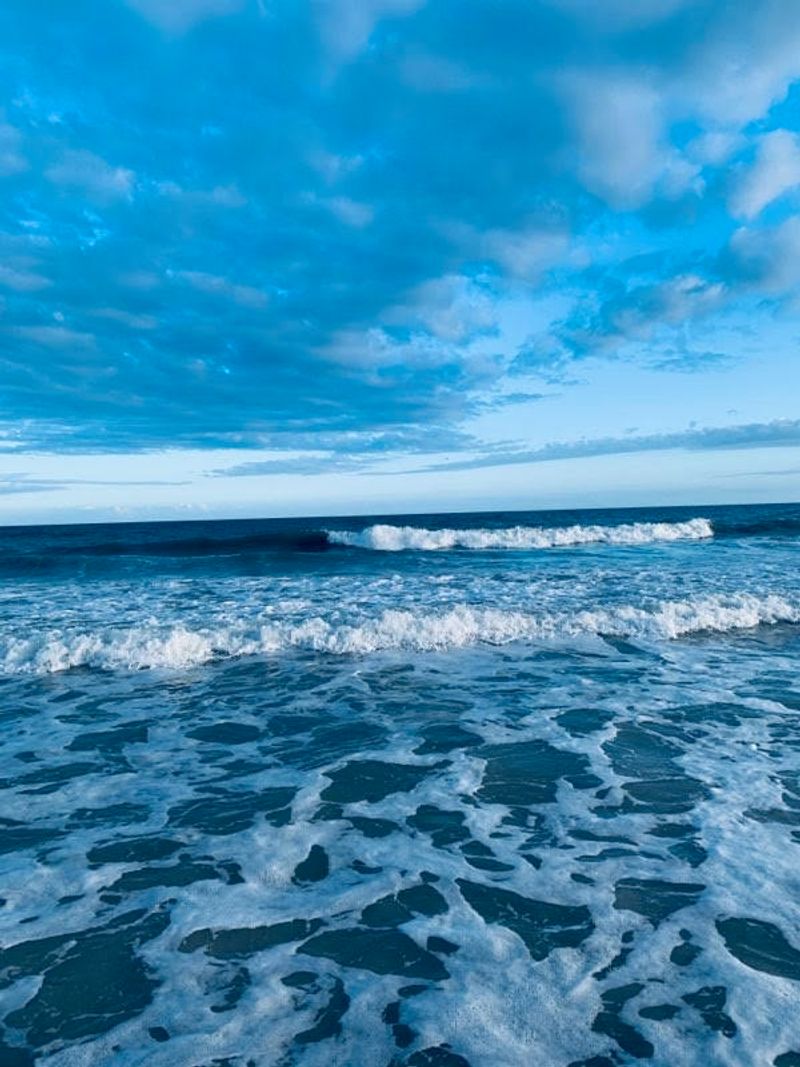
Water shapes nearly every part of life in Surf City. Atlantic beaches line one side of the community, while the Intracoastal Waterway and soundside areas create calmer options for fishing, paddling, and sunset views.
Surf City Ocean Pier remains one of Topsail Island’s defining landmarks, drawing anglers, photographers, and visitors who simply want an elevated look across the ocean.
Soundside Park offers a contrasting experience with boardwalks, green space, fishing access, playground features, and broad views over gentler water.
Families often add the Karen Beasley Sea Turtle Rescue and Rehabilitation Center to their plans, where educational programs explain the work involved in protecting and rehabilitating injured sea turtles.
Kayaking and paddleboarding remain popular around the sound, especially for visitors who prefer conditions that are generally calmer than the open Atlantic.
Surf City spans parts of Pender and Onslow counties and serves as one of the main gateways to Topsail Island. Dining options include waterfront seafood at JM’s on the Water, longtime favorites at Daddy Mac’s Beach Grille, and casual local meals at Surf City Barbeque.
Seasonal events, live music, and community activities bring extra energy during warmer months without overwhelming the town’s relaxed character.
Visitors can fish from the pier, walk beside the sound, learn about marine conservation, and finish with dinner near the water.
That combination of recreation, education, scenery, and easygoing coastal dining makes Surf City a strong choice for families and travelers who want more than a basic day on the sand. Each return visit feels different.
8. Sunset Beach, Brunswick County
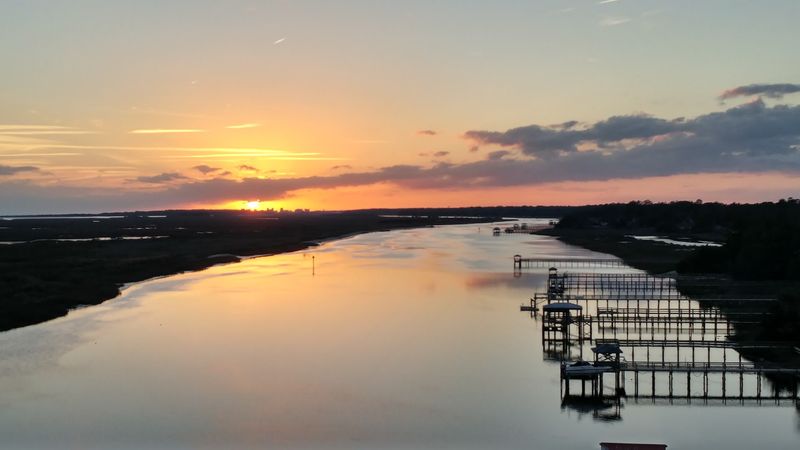
Sunset Beach earns its name through evening views that often become the most memorable part of a visit. The shoreline’s orientation allows visitors to watch changing light spread across the coast, while broad sand, gentle scenery, and a slower pace encourage long walks and unhurried afternoons.
Bird Island Reserve protects dunes, maritime habitat, and quiet shoreline near the South Carolina border, supporting birdwatching, wildlife observation, and a more natural beach experience.
Many travelers walk toward the Kindred Spirit Mailbox, where notebooks invite visitors to leave thoughts, memories, and reflections for strangers to discover.
The tradition adds a personal element to the landscape without changing its peaceful character. Sunset Beach lies in Brunswick County and provides easy access to nearby coastal communities, golf courses, waterways, and local restaurants.
Jinks Creek Waterfront Grille, Twin Lakes Seafood Restaurant, and House’s Patio Bar & Grill serve seafood, Southern favorites, and casual meals in relaxed settings.
Boating, fishing, shell collecting, and photography fit naturally into days that do not require a crowded schedule.
Visitors can spend hours on the sand, explore the reserve, or simply wait for evening light to change across the water. The town appeals most strongly to travelers who value quiet scenery over nonstop attractions.
Its charm comes from protected nature, reflective traditions, open shoreline, and the freedom to let the day unfold slowly.
Sunset Beach continues to draw returning visitors because its atmosphere feels calm, personal, and deeply connected to the landscape around it.
Evening light makes the shoreline especially peaceful.