The 10 Michigan Places Where You Can Learn Old School Skills
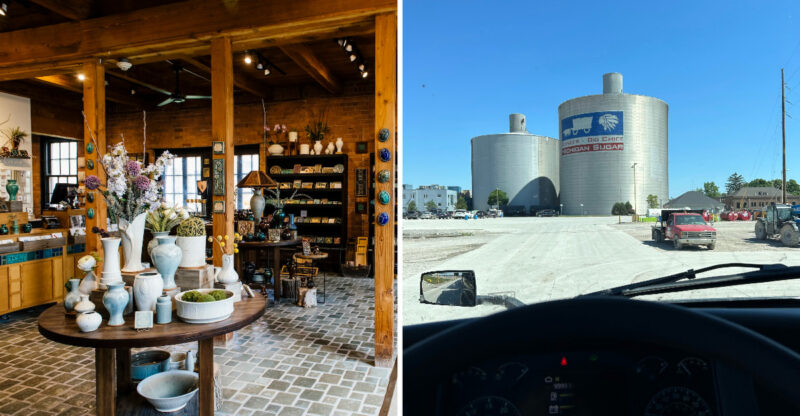
A Detroit pottery studio has been making ceramics for well over 100 years, and it still teaches classes.
Honestly, that one fact was enough to send me down a rabbit hole.
Then I learned there’s a school in Michigan where students build their own boats by hand.
And a farm-country school that teaches skills common in rural America between 1860 and 1920. Well, my standards just got a little higher.
Apparently, you can also forge a knife from a railroad spike, make paper from scratch, and learn traditional egg decorating.
These aren’t museum displays behind glass. You get to pick up the tools yourself. Which forgotten skill would you try first?
1. Michigan Folk School
Few schools can put blacksmithing, weaving, and stained glass in the same class catalog. The Michigan Folk School does it with a straight face.
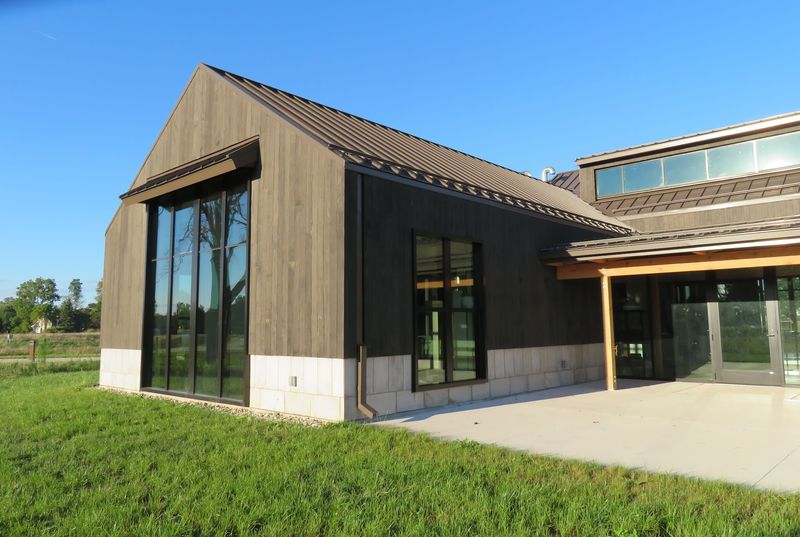
Instead of ordinary classrooms, its lessons unfold at Staebler Farm County Park, where agricultural buildings, fields, and a historic workshop make the setting part of the experience.
The property preserves the character of a Washtenaw County farmstead from the late nineteenth and early twentieth centuries.
What can you learn? Crafts have included metalworking, fiber arts, woodworking, and food preservation, with individual workshops changing throughout the year.
The aim is to practice useful skills rather than simply hear about how earlier generations worked.
The school campus is at 7734 Plymouth Road in Ann Arbor, on the public side of the farm park south of the road. Historic barns, a chicken coop, an apiary, and other agricultural structures give the grounds a rural personality.
You can also find natural-surface walking trails and places to observe wildlife. That makes the trip feel less like a conventional classroom visit and more like spending time on a working piece of local history.
There’s a larger idea behind the activities: preserving traditional crafts while caring for farmland and forest. Classes run according to a separate workshop calendar, and the grounds welcome exploration.
Come for a practical skill. Leaving with a new appreciation for an ordinary handmade object is a pretty good bonus.
2. Tillers International
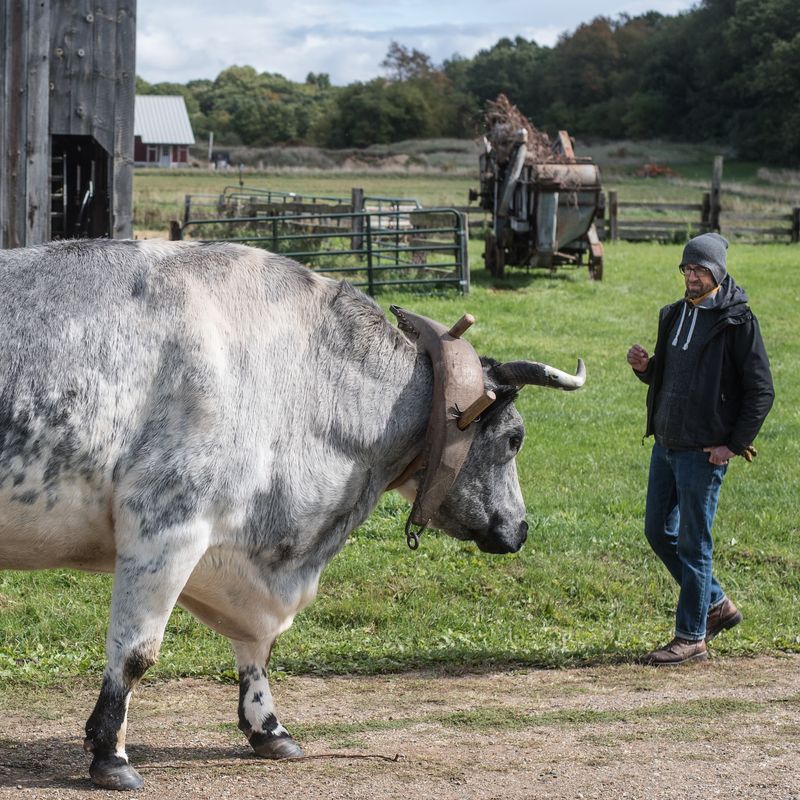
Ever wanted to learn farming the way it was done with oxen instead of tractors? Out in rural Kalamazoo County, that’s a real class option.
Tillers International brings traditional agricultural and building skills together at its Cook’s Mill learning site in Scotts.
Its teaching draws especially on methods used in rural Michigan and elsewhere in America between 1860 and 1920, when many tasks depended on people, animals, and hand tools.
You’ll find the learning center at 10515 E OP Avenue in Scotts, surrounded by the farm-country landscape that gives these lessons context. The goal is understanding why each method worked.
The offerings cover an impressive amount of ground. Blacksmithing, timber framing, stone masonry, toolmaking, woodworking, and coopering are part of the educational program.
Coopering is the craft of shaping wooden staves into barrels, a job requiring careful fitting and patience.
For a different kind of hands-on afternoon, workshops also explore broom making, foraging, and practical homesteading skills.
Classes centered on draft animals connect directly to the school’s agricultural mission, which includes sharing sustainable farming techniques.
Some workshops last a day; others stretch across a weekend or longer. Check individual class dates rather than treating the site as a walk-in attraction.
There’s something wonderfully satisfying about understanding the joints inside an old timber barn. A few lessons here might change how you look at ordinary buildings forever.
3. Marine Trades Institute
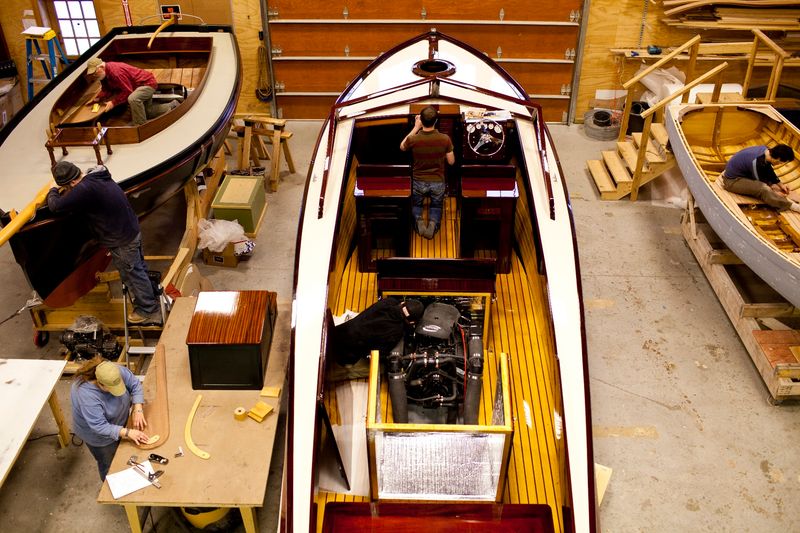
Building your own boat sounds like a retirement daydream. In Cedarville, students actually learn how to do it.
Marine Trades Institute began in 2005 as the Great Lakes Boat Building School, a name that reflected its original emphasis on traditional wooden boats. It took its present name in 2025 as training expanded.
The school’s address is 485 South Meridian Road, Cedarville, where tools, timber, and marine projects fill the workshops.
The campus sits in the Les Cheneaux Islands region of Michigan’s eastern Upper Peninsula, where boats are a familiar part of waterfront life. That connection makes lessons in hull construction feel especially appropriate.
Its comprehensive boatbuilding program runs for twelve months across three semesters. Most of the instruction is hands-on, covering basic woodworking, planking, hull shaping, composite repairs, and mechanical installation.
Students also study workshop and boatyard safety.
Small classes allow instructors to demonstrate techniques and guide students through demanding tasks. Traditional methods share space with modern materials because working on today’s boats calls for both approaches.
There are also shorter training options, including lofting, the process of turning boat plans into full-size patterns used during construction. Those experiences suit people exploring a particular skill without enrolling in the full career program.
Picture tracing a shape on paper, building its structure, and eventually seeing the result on the water. That’s a classroom achievement with real momentum.
4. Sam Beauford Woodworking Institute
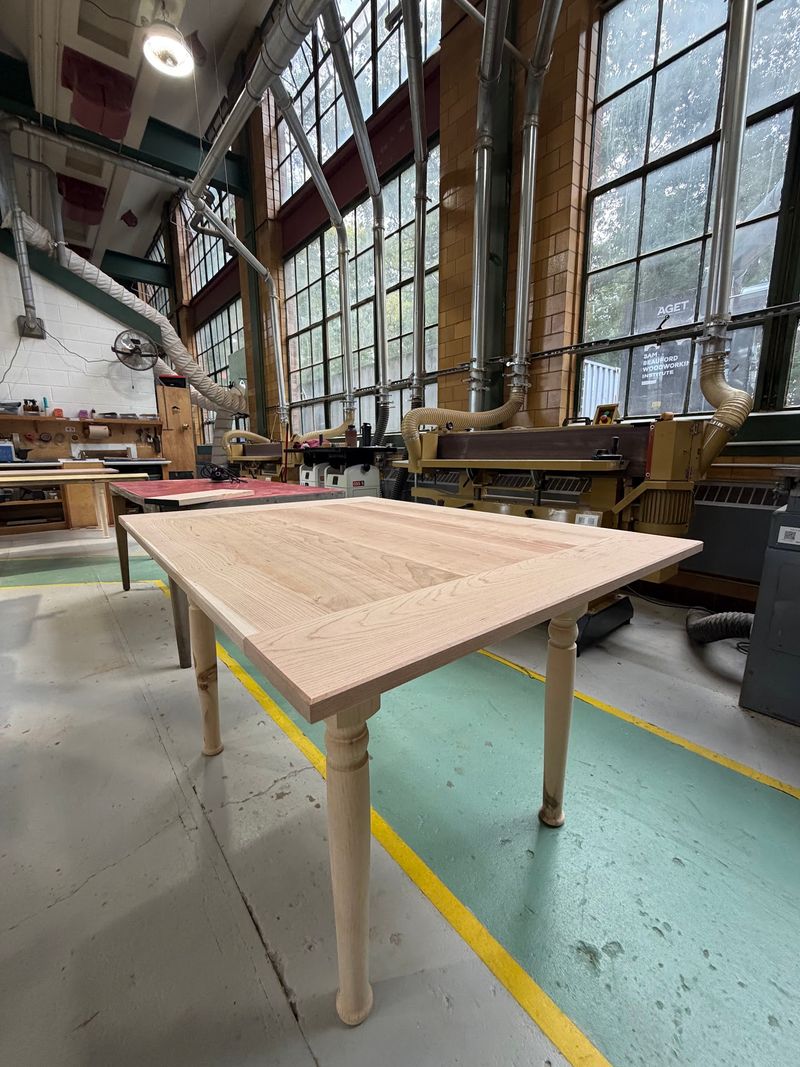
Windsor chairs, 19th-century windows, and bent wood all share one address in Adrian. Woodworkers, this might be your happy place.
Sam Beauford Woodworking Institute is an accredited trade school where traditional hand tools meet serious furniture design.
Its roots go back to small chairmaking classes, and the organization became a nonprofit in 2017.
The established full-time Furniture Design program teaches drawing, joinery, design history, and the careful use of hand and machine tools. Students develop original pieces and a portfolio, making this much more than an occasional craft session.
Head to 1375 North Main Street, Building 41, in Adrian for the current workshop location. The tools and woodshop equipment are central to the experience, but careful measurement remains the skill that ties everything together.
Shorter workshops provide another route in. Windsor chairmaking can begin with logs and move through carving, shaping, and steam bending.
Other classes explore timber framing, woodturning, and constructing or repairing historically styled windows and doors.
The school is also preparing full-time Carpentry and Timber Framing and Architectural Carpentry and Preservation programs for fall 2027. Its continuing education classes already introduce several related techniques.
Learning to shape a chair spindle or fit an old-fashioned window sash takes concentration. One slightly crooked joint can teach more than an entire afternoon of watching demonstrations.
Bring patience. Sawdust in your hair is basically a graduation sticker.
5. Pewabic Pottery
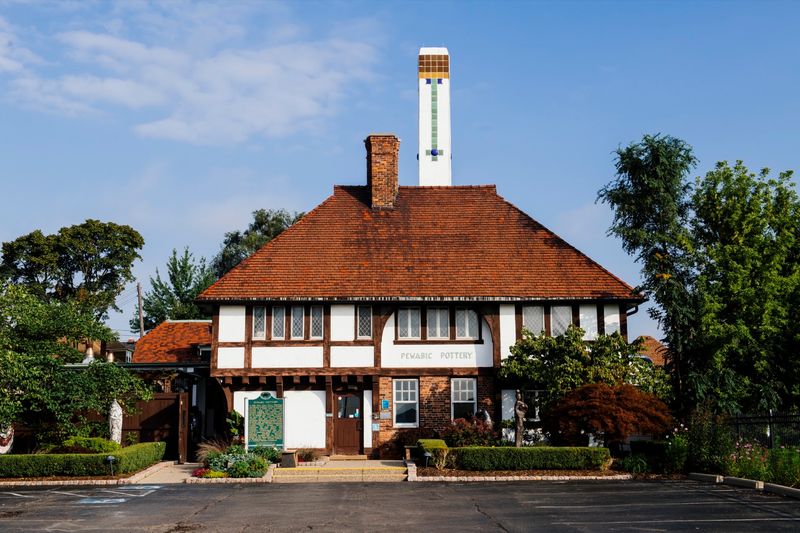
Over a century of clay, fire, and glaze has happened inside this Detroit landmark. And you can still sign up for a class.
Pewabic Pottery began in 1903 in a carriage house before moving to its East Jefferson Avenue home in 1907. The Tudor-style building remains an active ceramics studio and a National Historic Landmark.
Its distinctive ceramic tiles are as much a part of the story as its pottery. Glazes and hand-finished surfaces connect this work to the Arts and Crafts movement and architectural decoration nationwide.
Want to try the process yourself? Scheduled workshops teach participants to glaze a tile, while longer ceramics classes offer opportunities to work with clay. Production areas show how forms are made and fired.
Visitors reach the studio at 10125 East Jefferson Avenue in Detroit, where the museum and shop fill the historic campus. Upstairs galleries hold examples of earlier ceramic work, adding context to what makers produce today.
Guided tours are available by registration, and self-guided production visits are offered on designated Fridays. There’s also an outdoor courtyard with ceramic art and a tiled fountain, a fitting place to admire the material in another form.
This is one of Michigan’s longest-running pottery traditions, still centered on making things rather than simply preserving them.
Fair warning, though. Once you try glazing a tile, ordinary kitchen backsplashes might start looking like missed artistic opportunities.
6. Factory Two
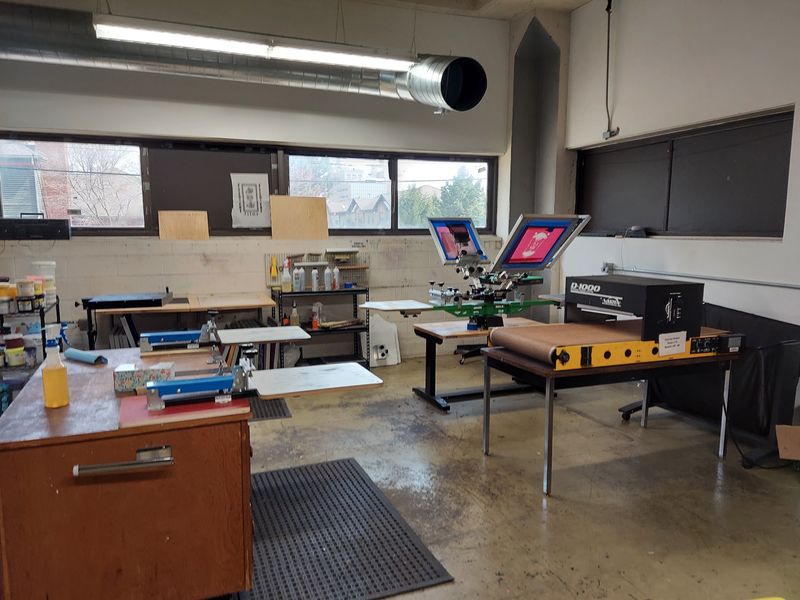
Where else can you go from blacksmithing to bike repair under one roof? Flint has that covered.
Factory Two is a community makerspace where handwork meets modern fabrication. Members build and repair projects, while classes welcome the public.
The address is 129 North Grand Traverse Street in Flint, where one building accommodates a surprising number of ways to make something.
There’s even a bicycle maintenance station for projects that need a different kind of hands-on attention.
A beginner blacksmithing session teaches how to heat and shape metal into a useful hook. Woodturning classes introduce the lathe, and screen-printing workshops show how a design transfers onto fabric.
Sewing, leatherworking, and stained glass add even more possibilities. Beyond those older crafts, the equipment includes laser cutters, three-dimensional printers, CNC machines, and electronics tools.
The combination makes it possible to learn a traditional technique and then discover a modern method for tackling another part of a project.
Classes and memberships serve different purposes. Public workshops offer guided introductions, while independent equipment use requires the appropriate membership and, for many machines, safety certification.
Factory Two operates Wednesday through Sunday, with longer sessions on selected days. Check the individual class calendar, since a workshop may fill before the day arrives.
Go in curious about one tool. You may leave wondering where to put an entire new collection of handmade projects.
7. ButterHog Forge
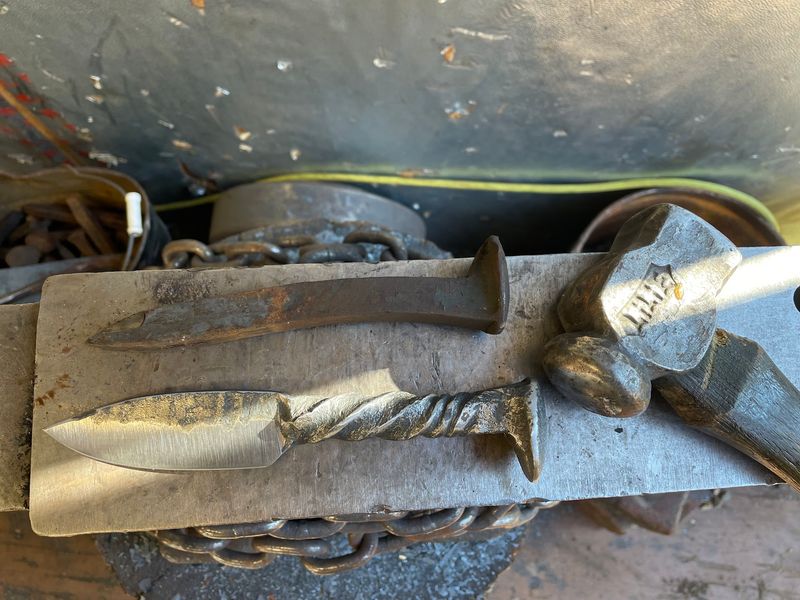
A railroad spike walks in, and a knife walks out. That’s the basic plot of one popular class in Kalamazoo.
ButterHog Forge teaches traditional blacksmithing through small, hands-on workshops. The railroad spike session begins with steel hardware and follows its transformation through heating, hammering, grinding, and quenching.
You don’t need previous experience to join that class. Instruction covers the forge, basic hammer technique, and finishing tools. Groups are kept small, giving participants plenty of direct guidance.
A different introductory option focuses on forging an S-hook from square metal stock. Students learn how to hold tongs, twist heated metal, and bend it into a useful shape.
For the railroad spike activity, allow a couple of hours rather than planning a quick stop. Closed-toe shoes and long pants are part of the preparation, since working close to a forge requires sensible clothing.
Find the workshop at 722 Forest Street in Kalamazoo. Classes are booked in advance, and session lengths depend partly on the project and the number of people taking part.
The appeal is in understanding every stage of the process. A plain piece of metal gradually becomes something shaped by your own hands.
Your finished project won’t come with a store tag. It’ll come with a story, which is far better.
8. LLForge
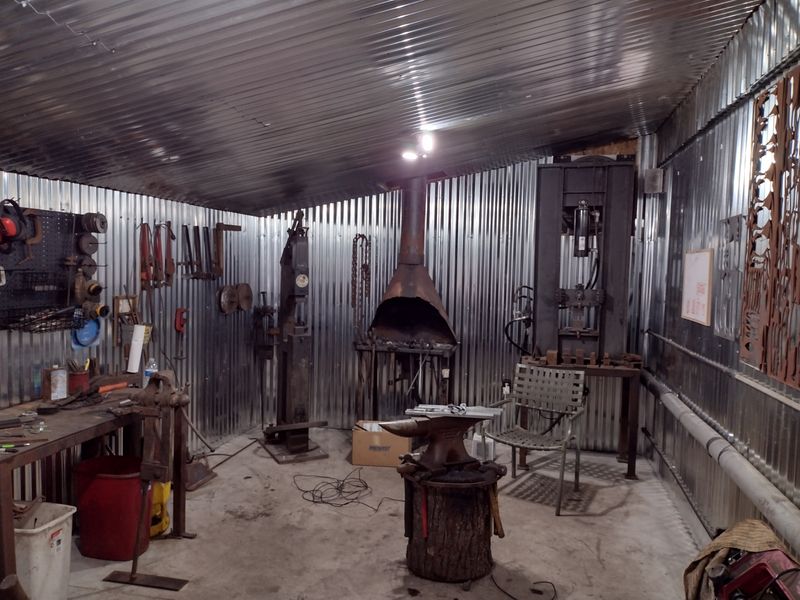
Leprechaun Lair Forge sounds like a fairy tale. The hammer work, though, is very real.
LLForge is a working blacksmith studio near Shelby. Beginners try traditional metal shaping, while the shop creates custom ironwork and blades.
One introductory experience starts with square steel stock and turns it into a wall hook. The railroad spike knife workshop follows a different path, using heat and hand tools to transform old rail hardware into a finished object.
There’s more than one way to approach the craft. Other experiences involve making a copper calla lily, designing metal wall art, or working with a prepared knife blank.
A longer workshop introduces the layered steel techniques used to produce Damascus blades.
Modern equipment plays a part, too. CNC plasma cutting produces detailed metal signs and shapes, while powder coating gives suitable pieces a durable finish. Traditional forging and precision machinery operate side by side here.
The most interesting part is seeing how much control a maker needs over temperature, pressure, and shape. A few hammer strokes can change the entire direction of a project.
The studio stands at 1711 East Zimmer Road, Shelby, where quiet countryside contrasts with the working forge. Individual experiences have their own booking arrangements, so plan the project before traveling.
Leave the lucky charms at home. Here, you make your own luck with a hammer and anvil.
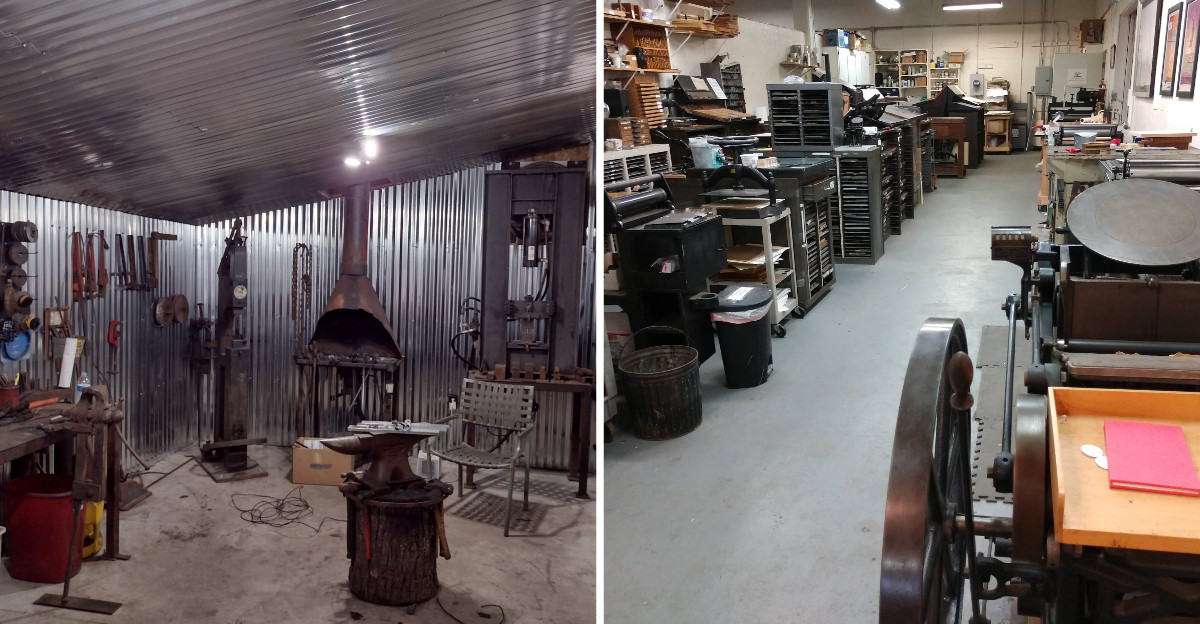
9. Kalamazoo Book Arts Center
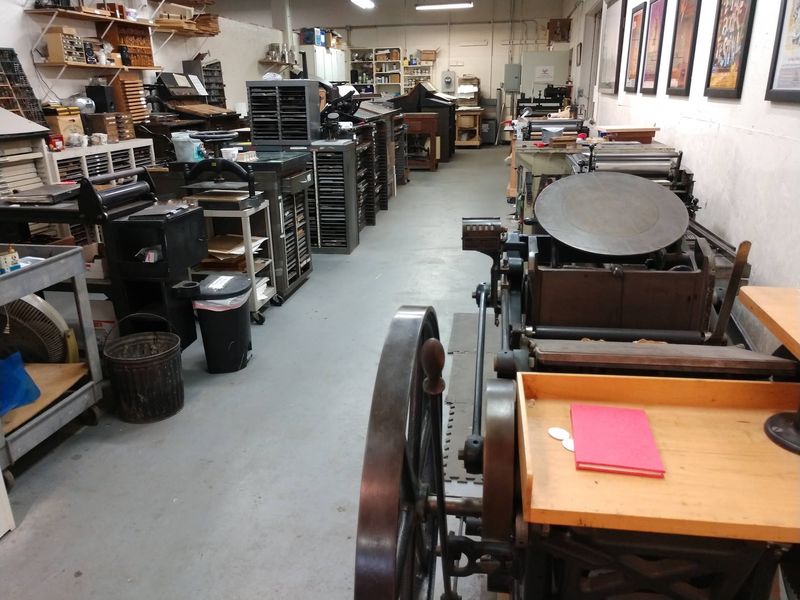
Paper, it turns out, doesn’t have to come from a store. In downtown Kalamazoo, you can make it by hand.
Kalamazoo Book Arts Center explores the traditional crafts behind books, from preparing paper to printing pages and joining them into a finished volume.
It operates inside the Park Trades Center, a former manufacturing building that once produced ledgers and waxed paper.
The studio occupies Suite 103A at 326 West Kalamazoo Avenue. Enter through the building’s central doorway on Kalamazoo Avenue, and the center is the first studio to the right.
Papermaking workshops introduce the process of turning fibers into sheets. Bookbinding classes focus on folding, stitching, and assembling pages, while letterpress sessions let students discover how type transfers ink onto paper.
Calligraphy, marbling, and printmaking broaden the possibilities. Alongside teaching, the organization maintains a gallery and shop featuring creative work.
Exhibitions and literary events bring another dimension to a place where writing and physical materials naturally meet.
Gallery hours are generally on weekdays, but classes can take place on Saturdays and Sundays. Some workshops also happen online, so check the format and date of the specific activity before visiting.
Small group instruction gives beginners a chance to practice delicate techniques rather than simply watching someone demonstrate them.
You may never look at a notebook the same way again. Fair warning, you might start judging books by their bindings.
10. MI Craft House
A bluish-green house on Grand River Avenue hides looms, wool, and decorated eggs. Howell’s craft lovers know where to look.
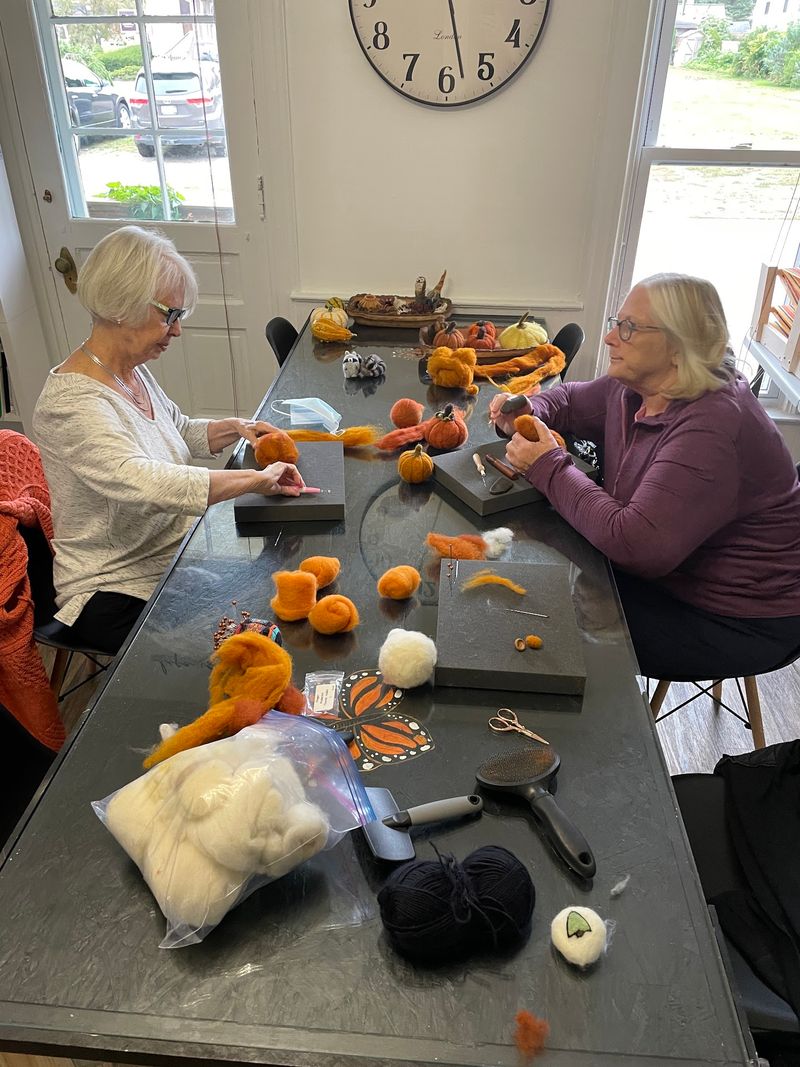
MI Craft House is a creative studio where fiber arts and folk traditions become hands-on projects. Workshops explore weaving, needle felting, wet felting, basketry, and pysanky, the traditional Ukrainian art of decorating eggs with wax-resist patterns and dye.
The egg-decorating process is especially fascinating. Designs are applied with wax before layers of color build up on the shell. Each stage calls for attention to detail, and the finished patterns can carry traditional symbolic meanings.
Fiber workshops offer an entirely different texture. Needle felting uses a specialized needle to shape wool into small figures or decorations; wet felting works the fibers together with moisture and movement.
Weaving introduces the satisfying rhythm of threads crossing on a loom.
The workshop occupies 516 East Grand River Avenue, Suite B, in Howell, near the city center. A scheduled class can become an afternoon exploring the shops and streets of downtown Howell.
The studio also carries supplies for crafts such as pysanky and felting, so participants can continue practicing afterward. Shopping hours are tied to workshops and appointments rather than a fixed daily retail schedule.
Small towns across Michigan keep traditions going in places like this. And honestly, nothing says old school quite like weaving your own placemat.