These Are The 10 Best Missouri Towns Where Time Feels Like It Stopped Decades Ago
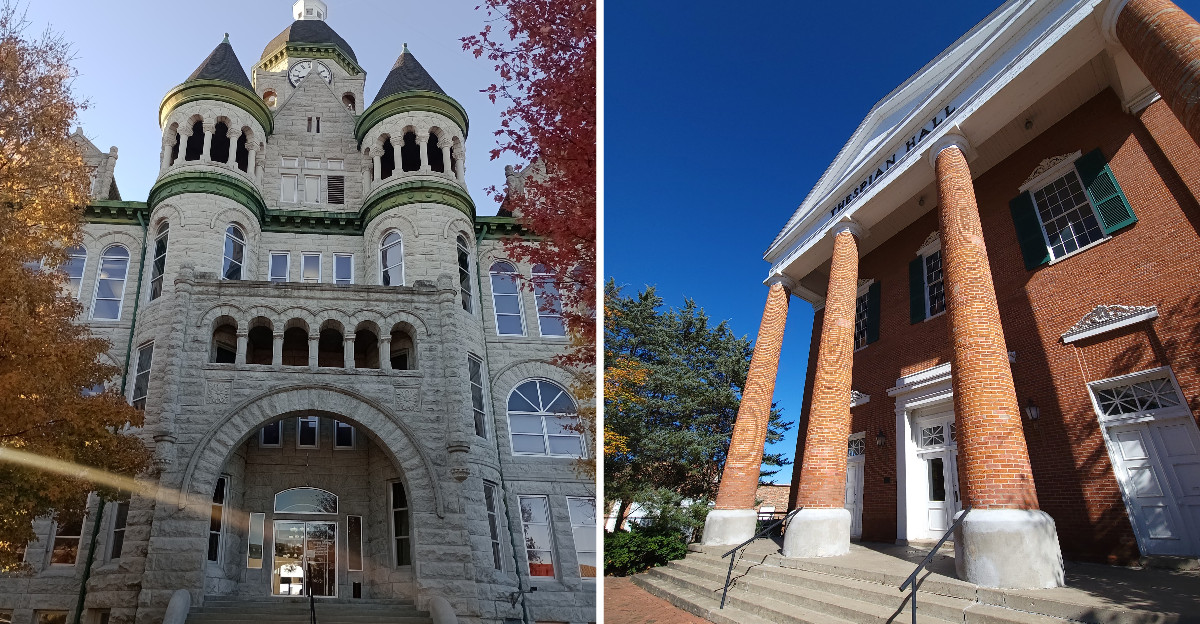
The clock still works here. It just seems less bossy.
Across Missouri, historic towns hold onto brick sidewalks, old storefronts, river views, local traditions, and the kind of everyday pace that makes wandering feel like a perfectly valid plan.
No rush! You can spend an afternoon browsing, eating something homemade, or simply watching the light change over the water.
The past is visible, but these places do not feel frozen like museum sets. People still live here. That is what makes the charm feel real.
For a few hours, your phone can wait and the church bell can handle timekeeping instead.
1. Ste. Genevieve
Just imagine for a second a town older than the United States itself. Picture wooden homes built when kings still ruled France.
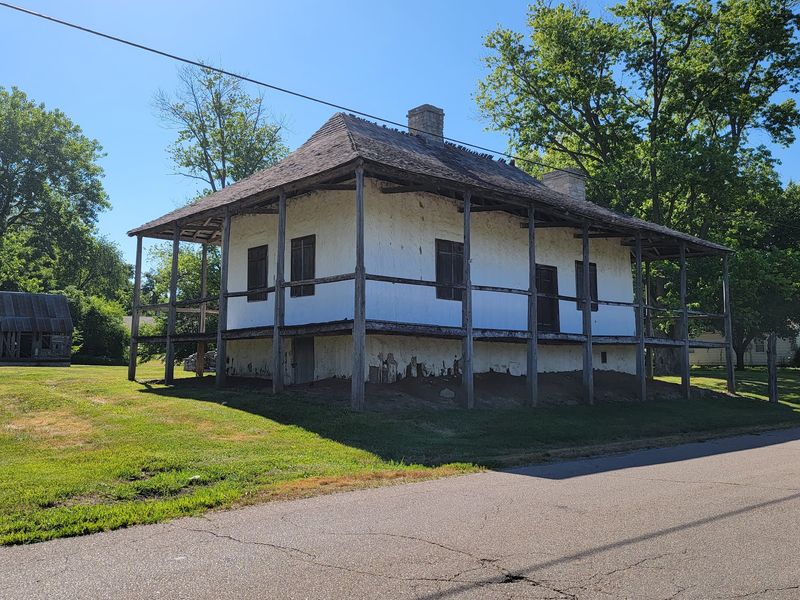
Ste. Genevieve was established by about 1750 and became the first permanent European settlement in Missouri.
By the late 1780s, residents had shifted the community to higher ground, where its French Colonial character remains unusually visible.
The National Park Service now preserves three important properties here: the Bauvais-Amoureux House, Green Tree Tavern, and Jean Baptiste Vallé House.
Free ranger programs offer access to the interiors, while the grounds and welcome center can be explored without an admission charge. Several surviving buildings use vertical-log construction that is rare in the United States.
History continues beyond the park boundaries. The Sainte Geneviève Museum Learning Center mixes local heritage with natural-history displays, fossils, and large prehistoric replicas.
Downtown also supports working artisans, galleries, boutiques, and shops inside older buildings, so the district feels active rather than sealed off.
Start at the Welcome Center at 66 South Main Street for maps and same-day information about house tours. From there, the historic core is easy to explore at a relaxed pace.
Fall adds cooler air and changing leaves, but the architecture does most of the work in every season. Ste. Genevieve feels less like a reconstructed village and more like a town that simply kept carrying its oldest layers forward.
2. Hermann
Hermann sits along the Missouri River, and German settlers founded it in 1837.
They wanted a home that felt like the old country. Nearly two centuries later, that wish still shows.
The German Settlement Society of Philadelphia planned the community as a place where language, architecture, and traditions could remain visible.
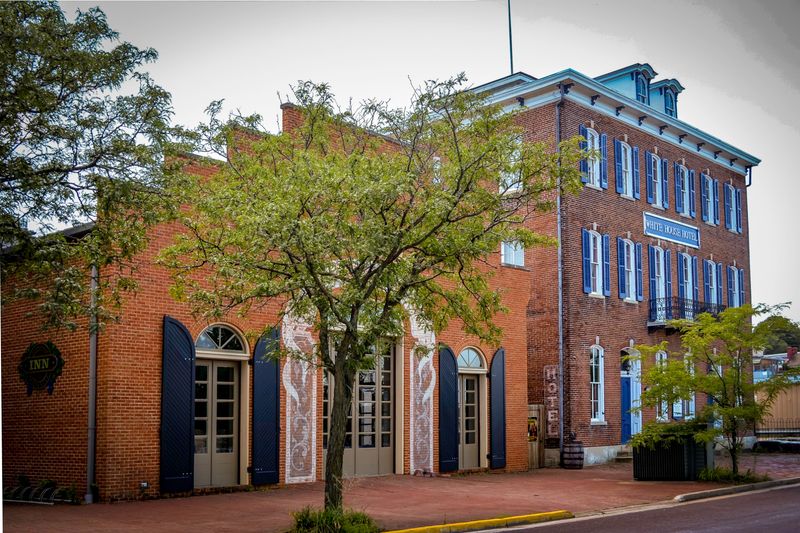
The steep river hills did not match the neat city plan drawn on paper, yet the setting helped give Hermann its distinctive streetscape of brick buildings, hills, church towers, and river views.
Deutschheim State Historic Site offers one of the clearest introductions to that heritage. Guided tours move through 19th-century homes, a historic print shop, period furnishings, and a traditional kitchen garden.
The site operates year-round, with a fuller daily tour schedule from spring through October.
Downtown works well on foot. Independent shops, museums, restaurants, galleries, and historic buildings sit close together, while self-guided audio walks cover the riverfront, city park, and older neighborhoods.
The nearby Katy Trail adds another easy way to see the Missouri River landscape without turning the day into a long drive.
Seasonal festivals can make the streets much busier, so quieter travelers may prefer an ordinary weekday.
Start near the visitor information center at the Amtrak station, then let the hills set the pace. Hermann still feels carefully rooted in its German-American past without becoming a static display of it.
3. Arrow Rock, Saline County
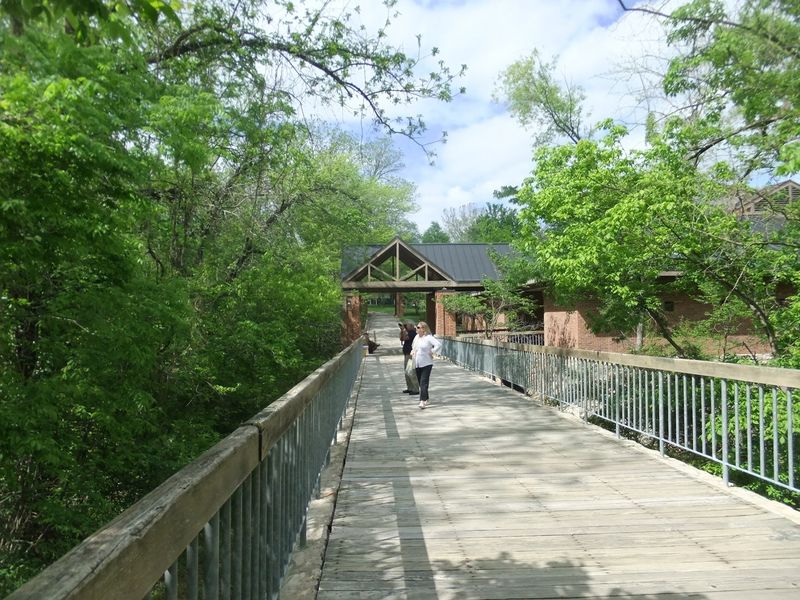
Are you seeing what I am seeing, or did the calendar just flip backward? Boardwalks and old brick buildings make that question hard to answer.
Arrow Rock is a Missouri River village with an outsized preservation story.
The community became a National Historic Landmark in 1963 for its importance to migration, trade, and the Santa Fe Trail. The old ferry crossing nearby once helped travelers move west from the river.
Begin at Arrow Rock State Historic Site’s visitor center, where nearly 9,000 square feet of exhibits introduce the village and the wider Boone’s Lick region.
From there, streets lead toward preserved homes, the old courthouse, museums, antique shops, and seasonal businesses inside historic structures.
The J. Huston Tavern dates to 1834 and remains the oldest continuously serving restaurant west of the Mississippi River.
Its brick rooms anchor the state historic site, while nearby buildings show how the village changed from a transportation point into a quieter community.
Walking is part of the experience, although some streets and pathways are steep or uneven. Seasonal tram tours provide another way to see the village. The historic site grounds remain open daily, while building hours vary by season.
Arrow Rock works best without a rushed checklist. A few blocks can hold hours of architectural detail, small museums, and storefront browsing, which is why the village can feel far removed from modern traffic.
4. Weston, Platte County
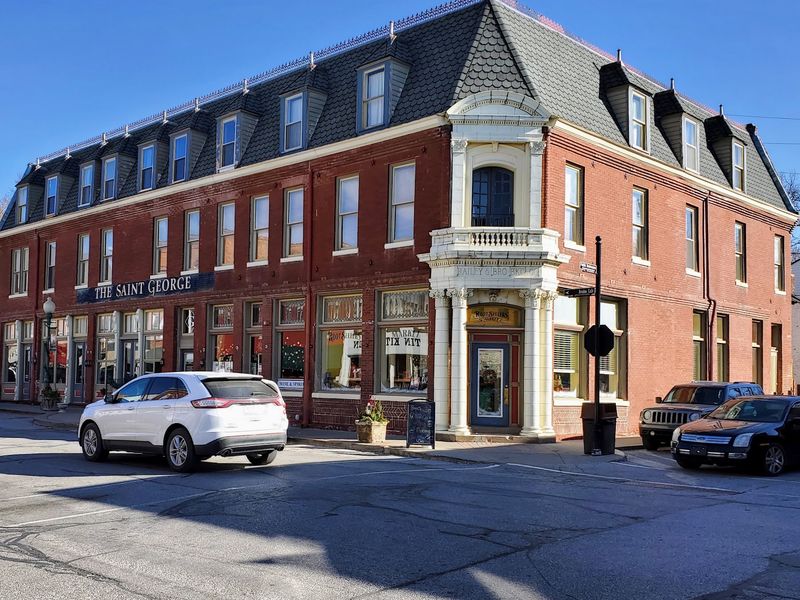
A wandering river can completely change a town’s future. When the Missouri shifted away from Weston, the old river port entered a very different chapter.
Weston was established in 1837 and quickly grew as a Missouri River port. As transportation patterns changed, the boom eased, leaving behind a concentration of 19th-century buildings.
The Weston Historic District joined the National Register of Historic Places in 1972.
It covers 16 full blocks and portions of eight more, with Federal and Late Victorian architecture through the commercial core and residential streets.
Main Street remains the easiest place to begin, with independent shops and historic storefronts close together.
The Weston Historical Museum occupies a former church building and is open seasonally from March through December in 2026. Admission is free.
Exhibits trace the town’s river, business, and community history, while driving-tour booklets connect landmarks beyond the central blocks.
Near the foot of Main Street, the old railroad depot contains a self-guided Lewis and Clark exhibit and serves as the trailhead for the three-mile Weston Bluffs Trail.
That route follows the Missouri River and adds a quieter landscape to a day centered on architecture.
Weston is close enough to Kansas City for an outing, yet the historic district rewards slowing down. Preserved streets, small museums, local shops, and river scenery make the town feel older without pretending the present disappeared.
5. Rocheport, Boone County
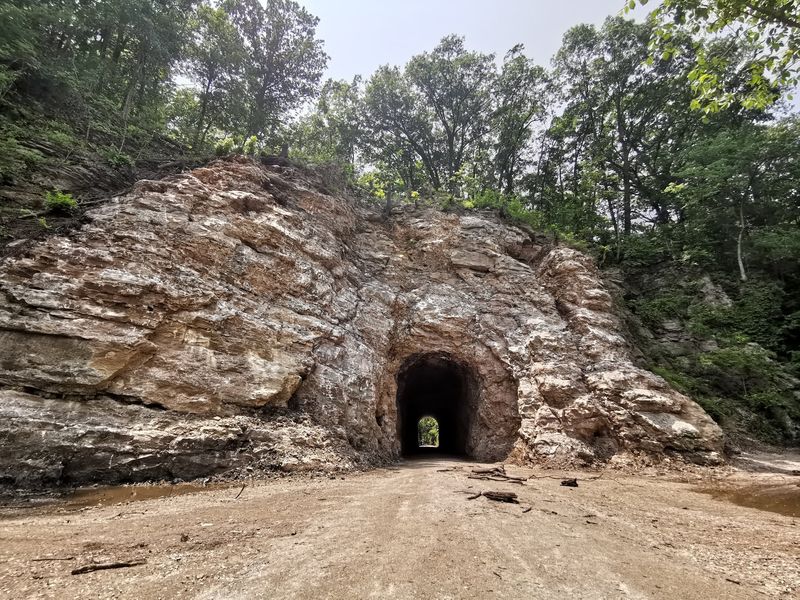
Here is a crazy thought: the best way to explore a town might be on two wheels. Leave the car parked and let the trail do the guiding.
Rocheport is a compact Missouri River community where the Katy Trail runs along the edge of town.
The state park stretches 240 miles across Missouri and remains the longest developed rail-trail in the country, making this stop a natural base for walkers and cyclists.
One memorable feature sits just outside town. The trail passes through a 243-foot stone-arched railroad tunnel built around 1893, then continues beside limestone bluffs and river scenery.
The mostly level crushed-limestone surface suits casual outings as well as longer rides.
Back in town, older buildings now hold galleries, artisan spaces, antique shops, lodging, and places to eat.
The scale makes it easy to move between the trail and downtown without repeatedly using the car. Rocheport sits at Katy Trail mile marker 178.3 and only a short drive from Interstate 70.
Current Missouri tourism material also highlights Rocheport as an appealing tiny town for travelers who want scenery without a packed itinerary.
Fall brings cooler trail weather and changing leaves along the bluffs, while spring adds fresh green to the river corridor.
Rocheport does not need attractions competing for attention. The trail, tunnel, historic streets, and quiet pace already give the town a strong sense of place.
6. Lexington, Lafayette County
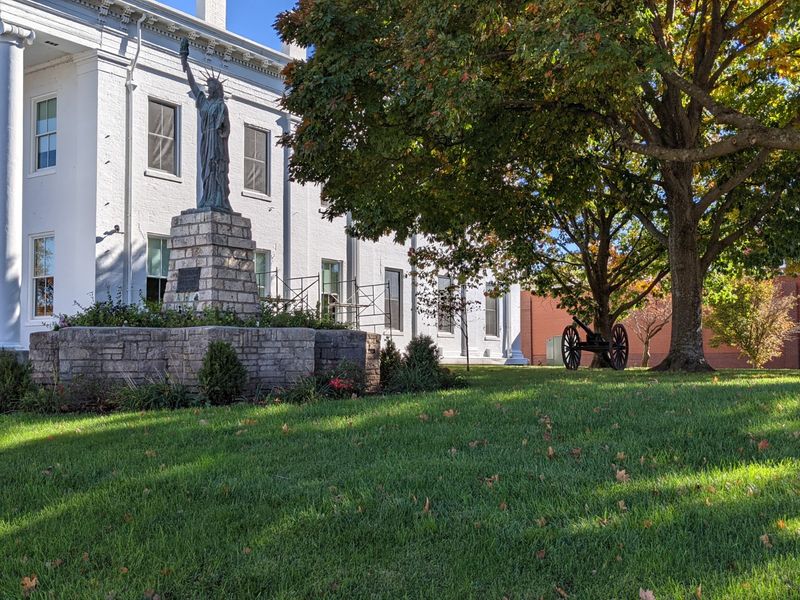
Lexington, a river town in western Missouri, became an important crossroads early in the state’s development.
Today, the past is easy to see in its streets, public buildings, and preserved neighborhoods.
The city was platted in 1822 on the bluffs above the Missouri River and became the Lafayette County seat the following year.
Its Greek Revival courthouse, begun in 1847, is the oldest courthouse in Missouri that remains in continuous use.
Architecture gives visitors plenty to explore without entering a museum. Lexington offers self-guided audio routes through four National Historic Districts, with homes and public buildings ranging from Greek Revival to Queen Anne.
Several routes are roughly a mile long, making it easy to build a relaxed walking day downtown.
Another layer comes from the Santa Fe National Historic Trail. The historic route passed through Lexington, where merchants supplied travelers heading west.
A modern driving route follows portions of that corridor, while markers and surviving buildings connect the trade route to the present street grid.
The Lexington Historical Museum adds local material on transportation, business, and community development. Riverfront Park and the historic downtown district provide quieter places to slow down between stops.
Spring and fall are especially comfortable for walking the sloped streets. Comfortable shoes matter more than a strict schedule.
Lexington works best when the architecture, river setting, and old transportation routes are allowed to unfold gradually.
7. Boonville, Cooper County
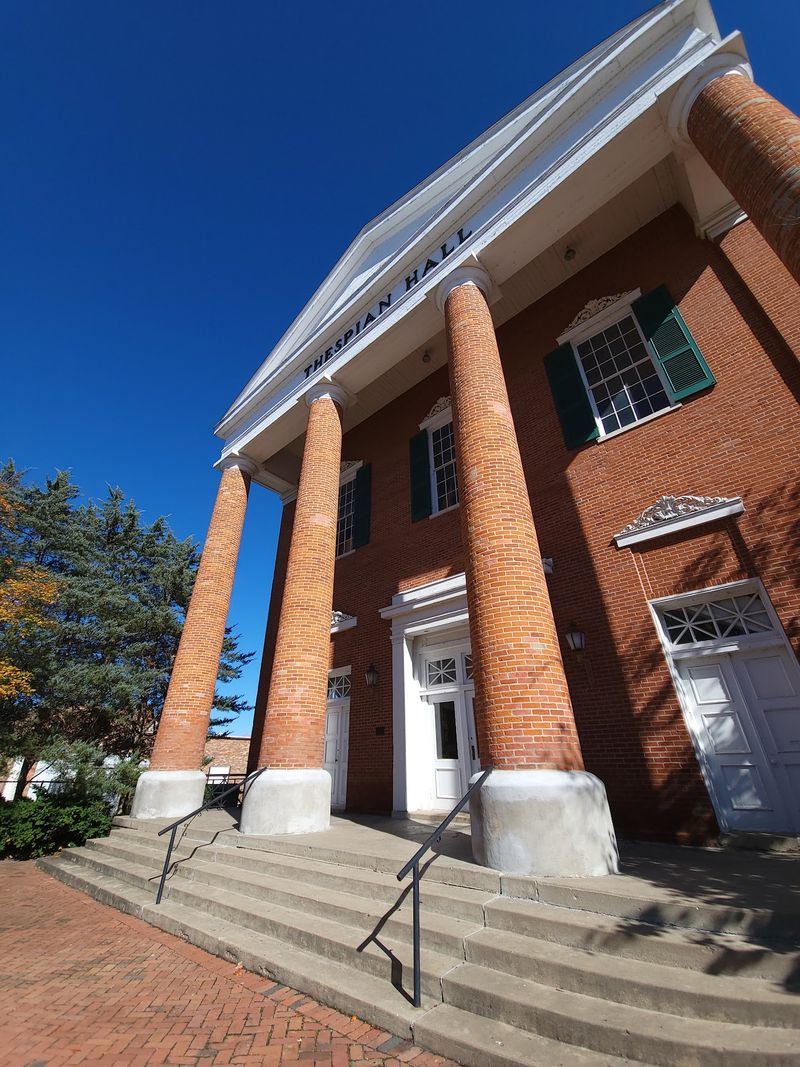
Old buildings can make a small town feel much bigger than its map suggests. Boonville delivers an overload of historic charm.
Boonville overlooks the Missouri River and has more than 400 historic properties listed on the National Register of Historic Places.
That concentration gives the central streets a layered look, with preserved homes, commercial buildings, civic structures, and transportation landmarks within a compact area.
A self-guided historic walking tour highlights 23 key buildings and sites.
Guides are available through the visitor center, allowing travelers to set their own pace. The River, Rails and Trails Museum adds exhibits on river travel, railroads, early overland routes, and local development.
Outdoor time is easy to add. Katy Trail State Park passes directly through Boonville, using the former Missouri-Kansas-Texas railroad corridor.
The mostly level trail provides river scenery and an easy way to extend a downtown walk into the surrounding landscape.
A short drive outside town leads to Warm Springs Ranch, where guided experiences introduce visitors to famous Clydesdale horses.
Advance reservations are recommended because tours operate on scheduled times rather than continuous walk-in access.
Back downtown, restored buildings support shops, restaurants, events, and arts programming. The city still functions as a working community rather than a collection of preserved facades.
Give the walking tour a few hours, add the museum or trail, and Boonville can fill a day without feeling crowded or overplanned.
8. Kimmswick, Jefferson County
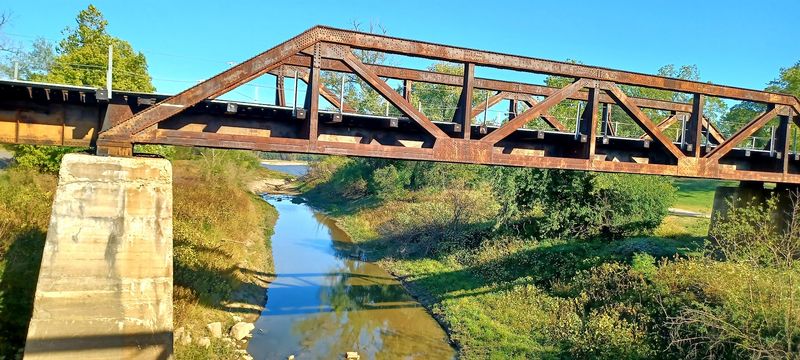
A whole town can work like a living museum. Every storefront here seems to have a story waiting to be told.
Kimmswick was founded in 1859 on the Mississippi River, about 25 miles south of downtown St. Louis. Its historic buildings and shops keep the center compact enough for an afternoon on foot.
The Kimmswick Historical Society Museum adds context before or after browsing.
Established in 1997, the museum displays objects connected to the community’s early years and offers free weekend admission during its March-through-December season.
Nearby streets hold specialty shops, restaurants, and preserved buildings that give the town its old-fashioned scale.
The river remains part of the setting, although Kimmswick’s strongest walking experience is in the historic commercial blocks rather than along an extensive waterfront promenade. Seasonal events bring the biggest changes in atmosphere.
The Apple Butter Festival fills the town each fall, while the Christmas Festival returns in early December.
Event weekends can be busy, so visitors seeking a slower pace may prefer a weekday or nonfestival weekend. Current merchant schedules generally run Tuesday through Sunday, with many businesses closed on Monday.
Kimmswick is small enough that there is little reason to hurry. Park once, browse the shops, stop at the museum, and let the historic streets connect the day.
Its appeal comes from preserved buildings still being used, not from pretending the town stopped functioning decades ago.
9. Carthage, Jasper County
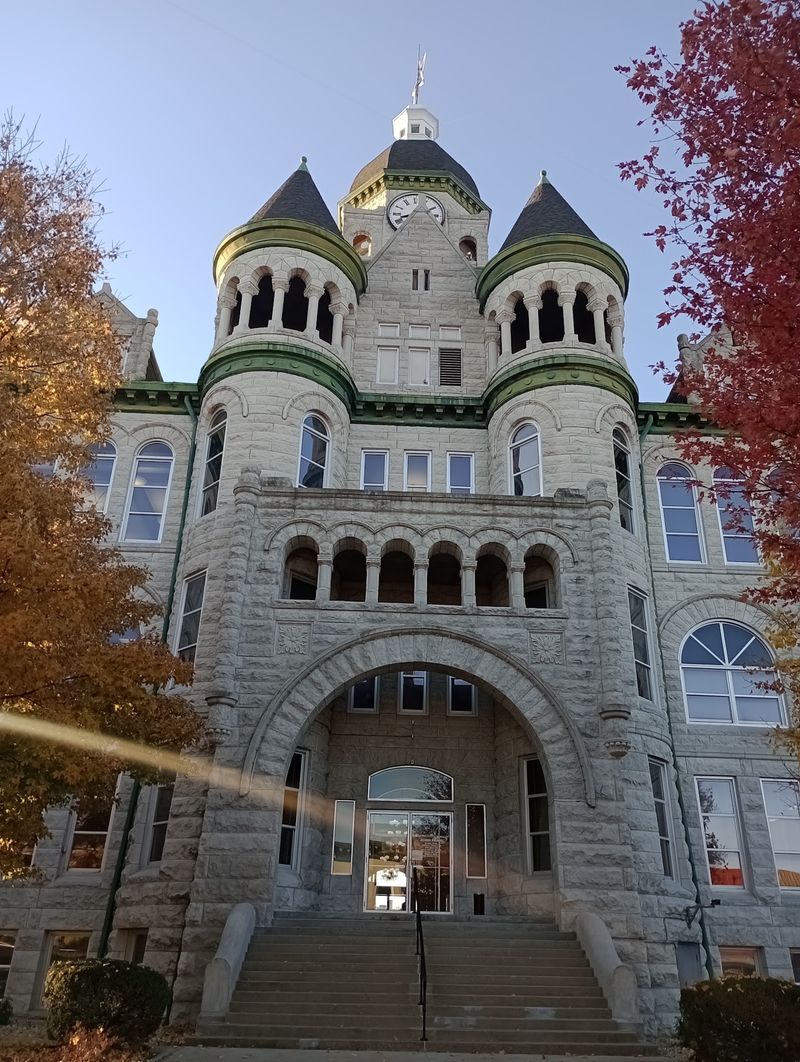
Let’s look at it from this angle: who needs a time machine when you have Victorian porches? Turrets, towers, and fancy trim wait on nearly every block.
Carthage expanded rapidly during the late 19th and early 20th centuries, leaving southwest Missouri with a rich collection of residential architecture.
The Carthage South Historic District alone contains 491 contributing buildings, most developed between about 1875 and 1925.
Late Victorian houses share the streets with American Craftsman bungalows and prominent public buildings.
Because many remain private homes, the best approach is a respectful walk or slow drive focused on porches, rooflines, masonry, windows, and neighborhood patterns.
Route 66 adds a different era. The restored Boots Court, opened in 1939, is operating again, and the adjacent Carthage Visitor Center occupies a restored former service station.
Maps and local information make it a practical starting point for exploring historic districts and roadside architecture.
The Phelps House at 1146 Grand Avenue adds another layer. Built in 1895, the restored residence opens for tours by appointment and special events, giving visitors a closer look at period interiors.
Spring flowers and fall foliage complement the older neighborhoods without changing what makes them interesting.
Carthage is not just one picturesque square or famous road. Its appeal comes from several architectural periods overlapping across town, making a patient drive or long walk more rewarding than rushing between isolated landmarks.
10. Cole Camp, Benton County
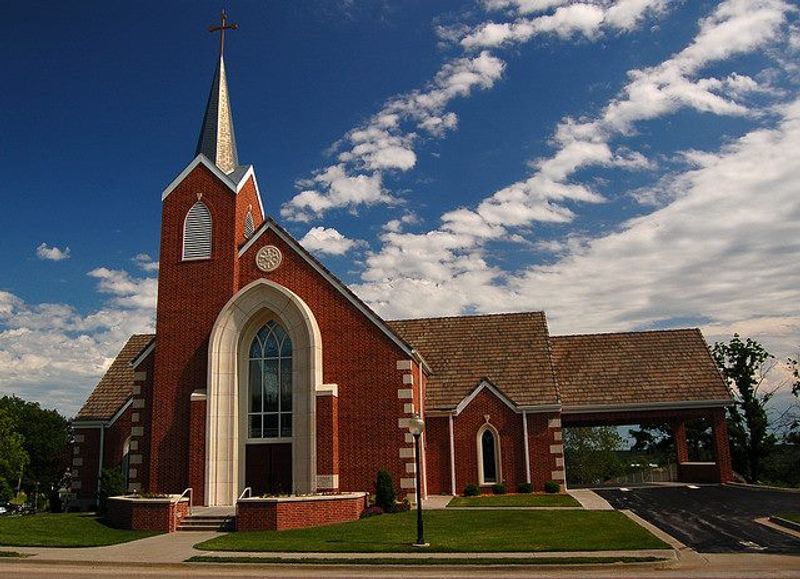
Let us look at it from this angle: who needs a time machine when you have Victorian porches? Turrets, towers, and fancy trim wait on nearly every block.
Carthage expanded rapidly during the late 19th and early 20th centuries, leaving southwest Missouri with a rich collection of residential architecture.
The Carthage South Historic District alone contains 491 contributing buildings, most developed between about 1875 and 1925.
Late Victorian houses share the streets with American Craftsman bungalows and prominent public buildings.
Because many remain private homes, the best approach is a respectful walk or slow drive focused on porches, rooflines, masonry, windows, and neighborhood patterns.
Route 66 adds a different era. The restored Boots Court, opened in 1939, is operating again, and the adjacent Carthage Visitor Center occupies a restored former service station.
Maps and local information make it a practical starting point for exploring historic districts and roadside architecture.
The Phelps House at 1146 Grand Avenue adds another layer. Built in 1895, the restored residence opens for tours by appointment and special events, giving visitors a closer look at period interiors.
Spring flowers and fall foliage complement the older neighborhoods without changing what makes them interesting.
Carthage is not just one picturesque square or famous road. Its appeal comes from several architectural periods overlapping across town, making a patient drive or long walk more rewarding than rushing between isolated landmarks.