These 10 Georgia Places Are Known For Their Eerie Paranormal Legends
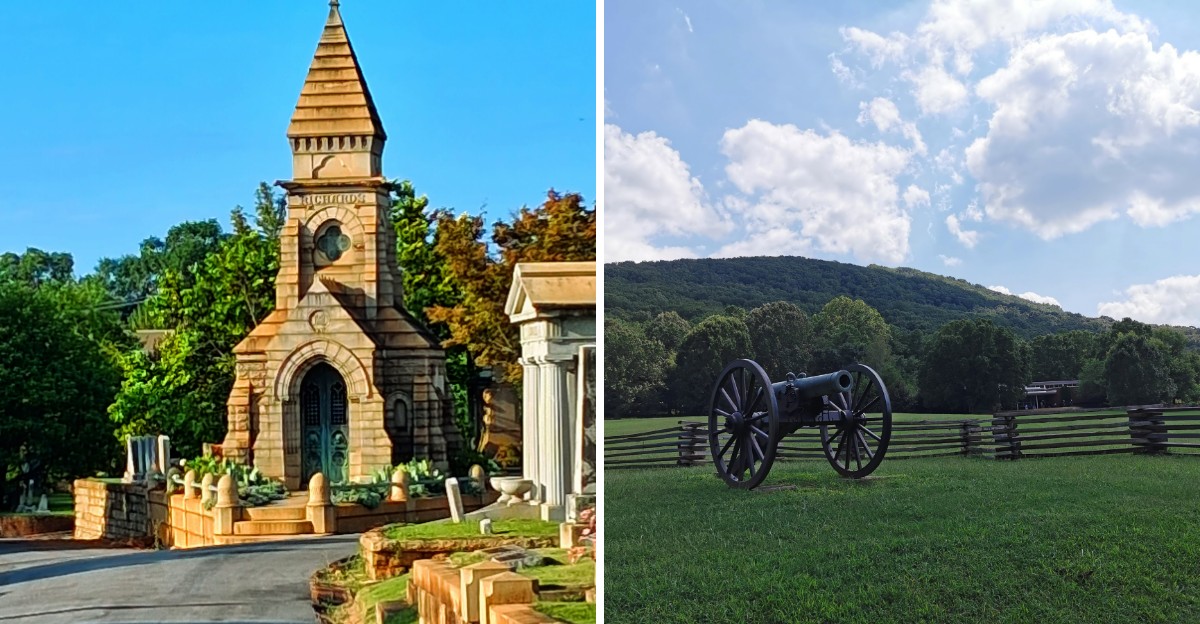
The lights flickered twice before anyone said a word. Nobody in the room seemed surprised.
That’s when I knew this trip would be different. I came looking for old buildings and good history, not cold spots and unexplained footsteps, yet both found me anyway.
Staff at these places don’t whisper about the stories, they hand you a laminated sheet listing them by room number. Guests report voices upstairs when nobody else is home.
Doors close on their own. Photos come back with shapes nobody remembers seeing.
Georgia has more of these spots than most people realize, scattered between quiet inns and busy restaurants that serve dinner like nothing strange ever happened there. I don’t scare easily, but I slept with a light on twice during this trip.
Every stop across Georgia was convinced it had a story worth telling, whether you believe it or not.
1. The Marshall House
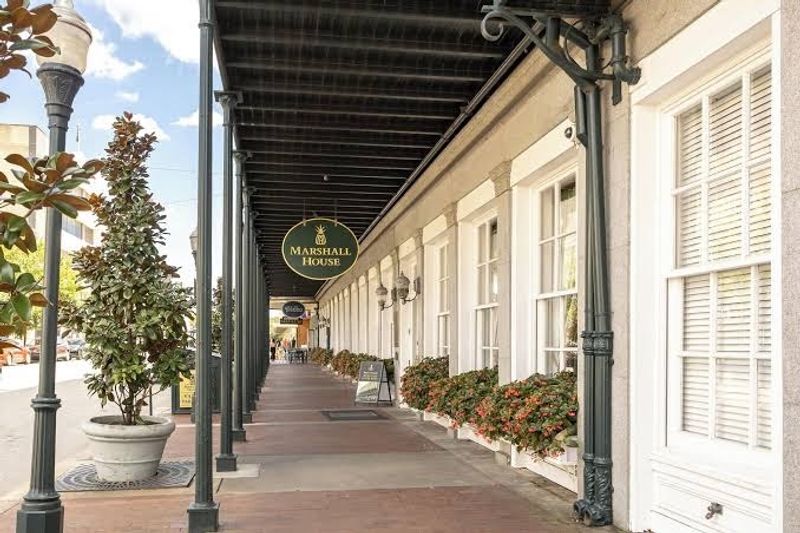
Few hotels can say their renovation crew found bones under the floorboards. That is exactly what was reported here during the 1990s restoration, and the building has never shaken the story.
Guests describe soldiers walking the halls in period uniforms. Some figures appear to be missing limbs, and one in the lobby reportedly asks for a surgeon.
Children seem to be part of the picture too. Laughter drifts down corridors, and small apparitions have been seen skipping past doorways.
The smaller details get people talking the most. Doorknobs wiggle on their own, and bathroom faucets turn themselves on without warning.
A ghostly nurse is said to check pulses with a cold touch on the wrist. That single detail has launched a thousand ghost tour scripts.
Room 414 gets the most attention from paranormal fans. Book early if you want it, because word travels fast among curious travelers.
Mary Marshall, who built the place, is also believed to linger. Her presence is described as watchful rather than unsettling.
You will find it at 123 E Broughton St in the historic district. The location puts shops, squares, and restaurants within an easy stroll.
2. The Pirates’ House
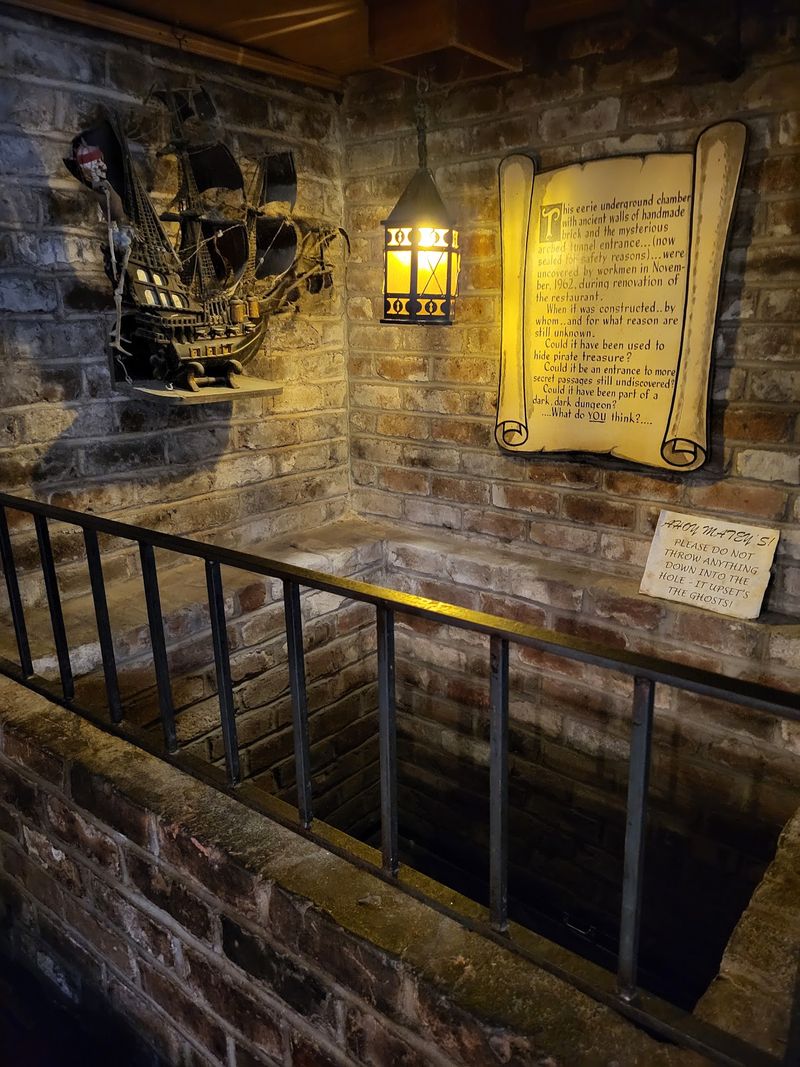
Robert Louis Stevenson name dropped this inn in Treasure Island. Not many restaurants can put that on a plaque and mean it.
Part of the property dates to 1734 and ranks among Savannah’s oldest surviving structures. The site later became associated with an inn serving visiting sailors.
Shadow figures are reported moving between the dining rooms. Footsteps echo across wooden floors when the rooms are empty.
The ghost of Captain Flint, the fictional pirate from Stevenson’s novel, is tied to the building by legend. Locals have kept that tale alive for generations.
Tunnels once ran from the basement toward the river. Heavy footsteps and shouting have been reported from those passageways.
Glasses and bottles occasionally fly off shelves with no one nearby. Staff working alone often describe a watchful presence behind them.
A woman in an eighteenth century blue dress appears now and then. So does a small boy who reportedly tosses coins at visitors.
The food is genuinely good, which surprises people expecting a tourist trap. Southern classics, warm bread, and honeyed biscuits keep the dining rooms full.
Find it at 20 E Broad St, right near the eastern edge of the historic squares. Ask for a seat in one of the older rooms if you want atmosphere with your meal.
3. The Olde Pink House
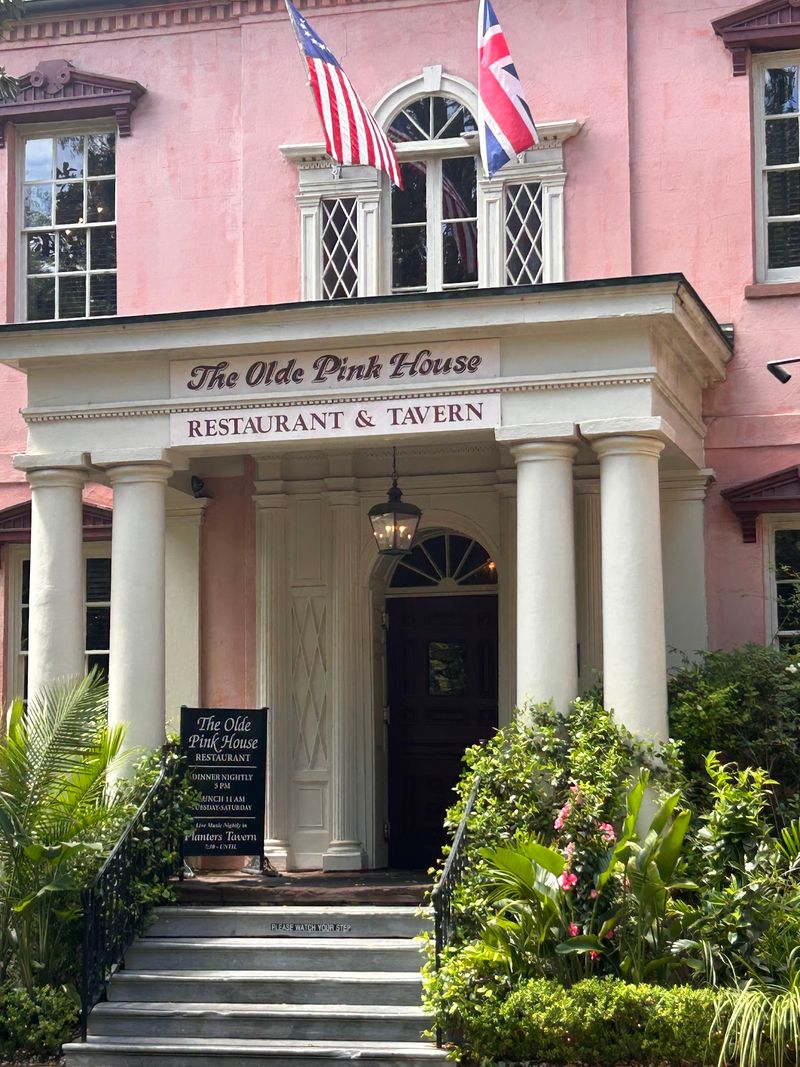
A bright pink mansion sounds cheerful until you meet the man who built it. His apparition still makes the rounds.
James Habersham Jr. finished the house in 1771 as a family residence. Over the years it has been a home, a bank, and now a much loved restaurant.
His ghost appears in colonial clothing, most often in the basement tavern. He reportedly interacts with diners and drifts through the dim rooms.
Occasionally he seems to be tidying up, which is oddly polite. Tables have been found neatened after closing.
A Revolutionary War veteran, possibly Joseph Habersham, is said to visit the bar. Legend has him raising a toast before vanishing.
Child spirits play in the tavern as well. Their signature trick is locking stalls in the women’s restroom.
A sorrowful woman’s crying has been heard on the upper floors. Lights also flick on and off without anyone touching a switch.
The food holds its own against the ghost stories. Crispy scored flounder and fried green tomatoes are the dishes people talk about for years.
The address is 23 Abercorn St, facing Reynolds Square. Reservations fill quickly, especially in the cozy downstairs rooms where the fireplaces glow.
Come for the history and stay for dessert. The pink exterior alone is worth the photo.
4. Kehoe House
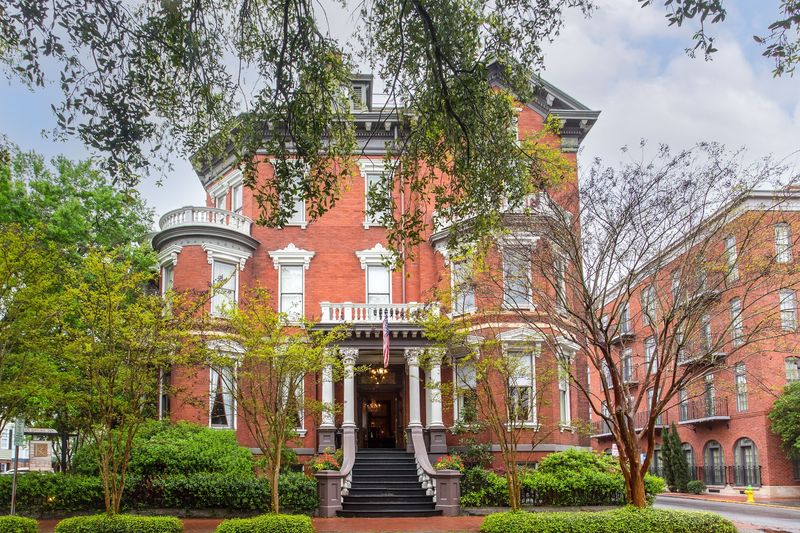
Ten children once filled this mansion with noise. Guests say a little of that noise never left.
Built in 1892 for William and Anne Kehoe, the Queen Anne home is a showpiece of ironwork and detail. It later served as a funeral home before becoming an elegant bed and breakfast.
Laughter and light footsteps are the most common reports. Some guests wake to gentle caresses from small hands.
Tiny handprints have been found where none should be. Local legends have long connected stories about the Kehoe children with the house.
Anne Kehoe is rumored to visit as well. An old-fashioned perfume scent sometimes drifts through the hallways.
William is associated with his former study. Shadowy figures move along the corridors after dark.
Piano music from the 1890s era has been heard with no piano playing. Objects shift positions overnight.
The third floor was once a playroom and remains the most active area. The grand staircase draws reports of orbs and misty shapes.
Lights flicker, doors lock and unlock, and the doorbell rings with nobody outside. Breakfast the next morning tends to be a lively conversation.
You will find the house at 123 Habersham St, facing Columbia Square. The wraparound porch is a fine place to sit and rethink everything.
5. Bonaventure Cemetery
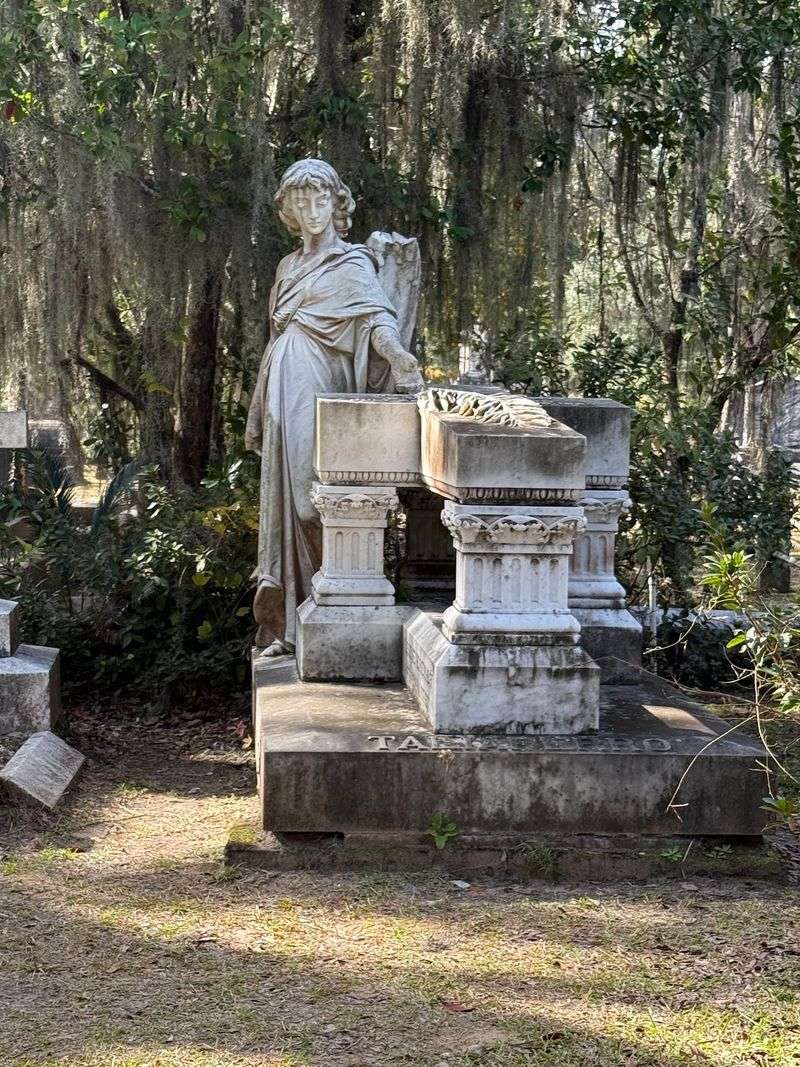
The name means good fortune, which is a bold choice for a burial ground. It started as a plantation in the mid 1700s.
It became a private cemetery in 1846 and was purchased by the city in 1907. Moss draped oaks and marble angels created the look that photographers chase today.
Many rank it among the most haunted cemeteries in the country. The reputation rests largely on one small statue.
Gracie Watson passed away at six years old in 1889. Her lifelike marble likeness became the cemetery’s most visited spot.
Visitors report tears on the statue’s face. Some describe childlike laughter and subtle changes in her expression.
A young girl’s spirit has been seen near the monument. Other figures appear solid among the headstones, then vanish when approached.
Odd sounds drift through the oak branches. A feeling of being watched settles over certain sections.
There are even accounts of Johnny Mercer appearing and singing under a full moon. The songwriter rests here, so the story fits.
The entrance sits at 330 Bonaventure Rd. Go early, bring water, and respect that people still visit family here.
6. The Ellis Hotel
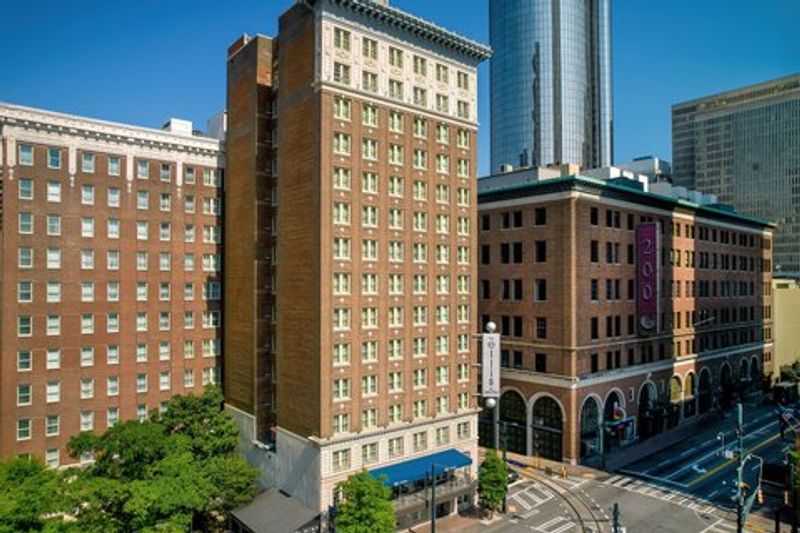
A smoke alarm that activates at 2:48 in the morning is hard to explain away. That happens here, and the time matters.
The building opened in 1913 as the Winecoff Hotel. On December 7, 1946, it became the site of the worst hotel fire in American history, with 119 lives lost.
After years sitting empty, it was carefully restored. It reopened in 2007 under its current name.
Many believe the spirits of that night remain. Flickering lights and sudden temperature drops are commonly reported.
Figures in 1940s clothing have been seen in hallways. A young girl called Sarah reportedly giggles and plays with toys.
Guests sometimes feel a gentle tug on their clothing. Others describe faint smoke where no fire exists.
The switchboard has received calls from unoccupied rooms. That detail alone keeps front desk staff alert.
Renovation workers reported tools going missing and footsteps in empty rooms. Voices carried through unoccupied floors.
From the sidewalk, faces have been seen in upper windows. Elevators occasionally travel between floors on their own.
The hotel stands at 176 Peachtree St NW, steps from Woodruff Park. Modern rooms, warm service, and a deeply serious history share the same address.
Treat the story with respect. The staff certainly do.
7. Historic Oakland Cemetery
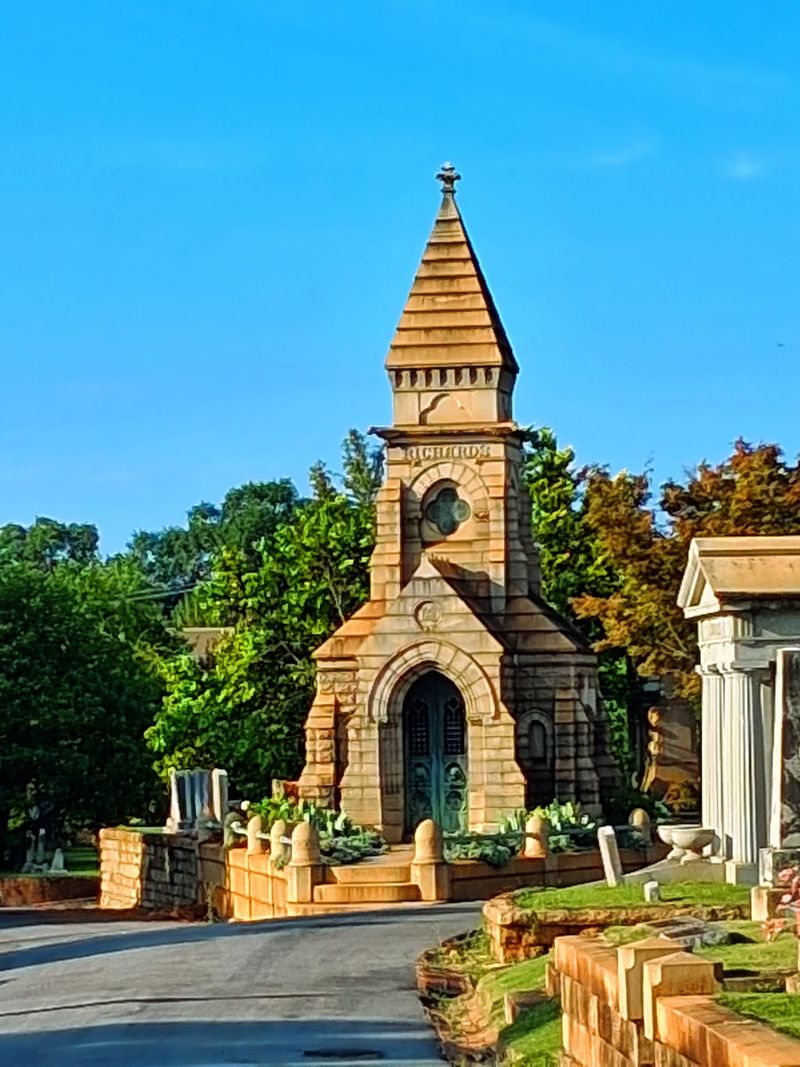
Picture a cemetery that doubles as a public garden. Then picture a roll call echoing through it in November.
Founded in 1850, this is the oldest and largest burial ground in the city. More than 70,000 people rest here, including 6,900 Confederate soldiers.
Phantom soldiers are reported in the Confederate section. They tend to vanish between the headstones.
Muffled weeping and distant cannon fire are described as residual echoes. The sounds fade as quickly as they arrive.
A figure nicknamed The Captain is linked to the Confederate obelisk. He is said to keep watch nearby.
Areas with unmarked graves produce whispers and erratic EMF readings. Cameras have been known to fail without warning.
Some visitors feel a tug or touch along quieter paths. The sensation is usually brief.
Roll calls with voices answering names have been reported, most often in November. That is the detail that sticks with people.
Jasper Newton Smith’s marker shows him seated in a chair. Legend says he rises and watches over the grounds.
An invisible pacer has been heard in the visitor center office at night. Staff have simply learned to live with it.
Enter at 248 Oakland Ave SE. The Victorian statuary and brick walkways make daytime visits genuinely lovely.
8. Rhodes Hall
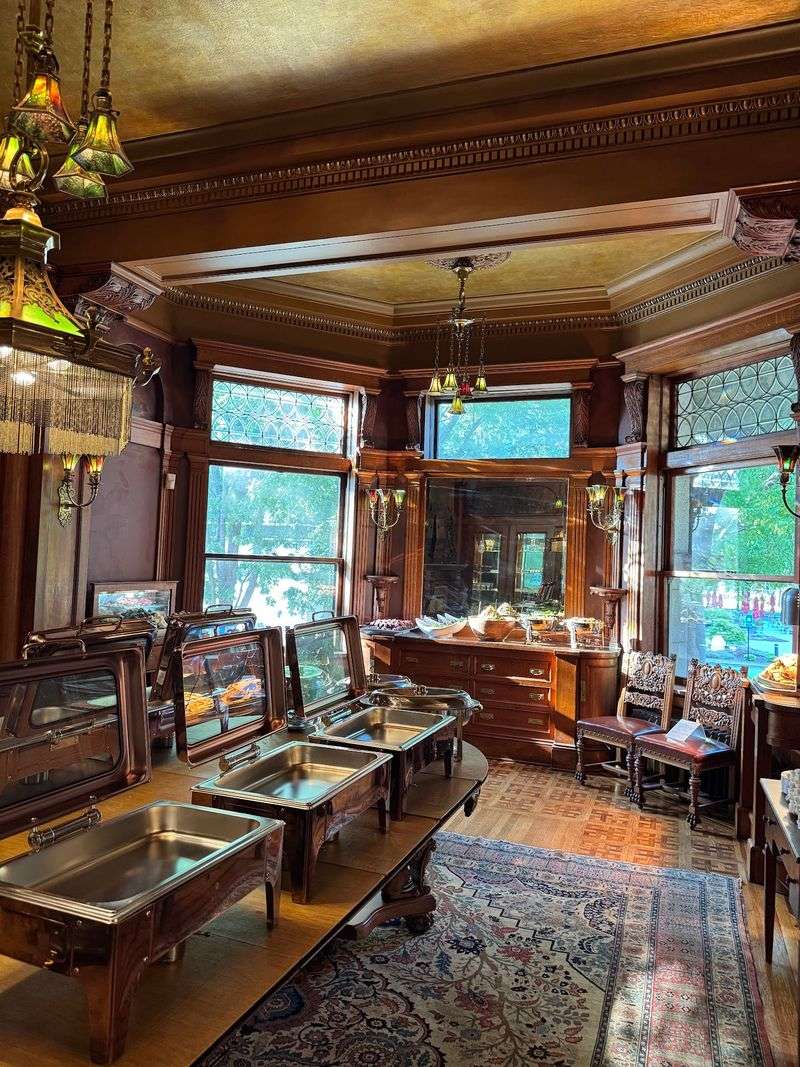
A stone castle on a busy city street sounds like a movie set. Amos Rhodes built this one in 1904 and meant every turret.
The Romanesque Revival mansion earned the nickname the castle on Peachtree. Granite walls and arched windows make the description fair.
Today it houses The Georgia Trust for Historic Preservation. It also operates as a popular event venue for weddings and gatherings.
The spirit most often mentioned is that of Amos Rhodes’s wife. She passed away in the home and is believed to play with the lights.
Footsteps with no source are heard throughout the building. Voices carry through rooms that are clearly empty.
Giggling children have been reported as well. Their apparitions tend to appear briefly and then fade.
The basement has produced sightings of dark shadowy figures. Staff and visitors both describe the same area.
What makes this stop different is the daylight appeal. The stained glass windows telling Confederate history are remarkable craftsmanship.
A grand mahogany staircase anchors the interior. Tours run regularly, so you do not need a ghost hunt to get inside.
The address is 1516 Peachtree St NW in Midtown. Parking is limited, so plan ahead and arrive a few minutes early.
9. The Windsor Hotel
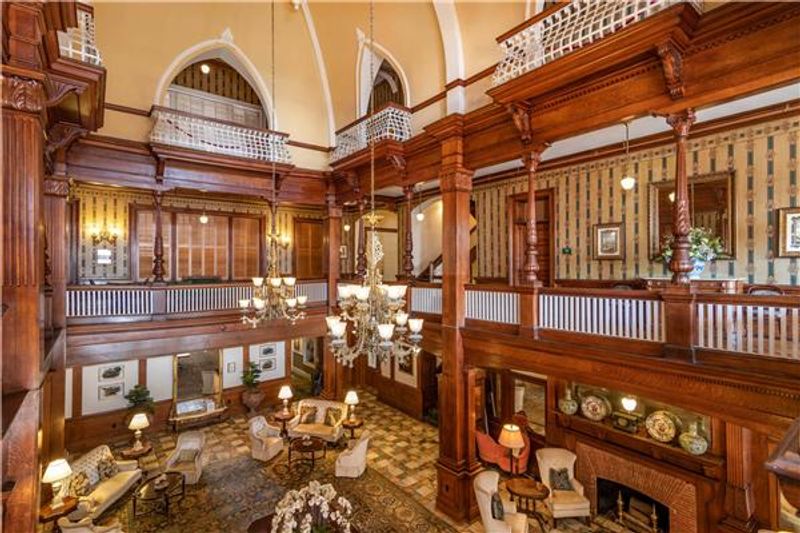
A doorman who worked for more than four decades apparently never clocked out. Guests still spot him near the entrance.
Built in 1892, this five story Victorian landmark was designed to draw wealthy winter visitors. Its tower, balconies, and three story atrium lobby remain showstoppers.
The hotel closed in 1972 and later reopened after major restoration. That rescue is a real preservation success story.
Emily and Emma Mae, a former housekeeper and her daughter, are the best known spirits. Legend ties them to an elevator shaft accident.
A giggling girl is reported running on the third floor. A woman in black has been seen as well.
Floyd Lowery, the longtime doorman, is remembered warmly. Floyd’s Pub carries his name, and guests have seen a man resembling him ready to help.
Room 333 is considered the most active. Kitchen staff report pots shifting and the radio switching on by itself.
The former staff elevator has been felt rocking as though in use. Some visitors describe a pull toward the atrium railing after midnight.
Maud Heinz, a guest who passed in Room 209 in 1906, has reportedly been seen peering over beds. That story circulates among regulars.
Visit at 125 W Lamar St in this quiet southwest town. The lobby alone justifies the drive.
10. Kennesaw Mountain
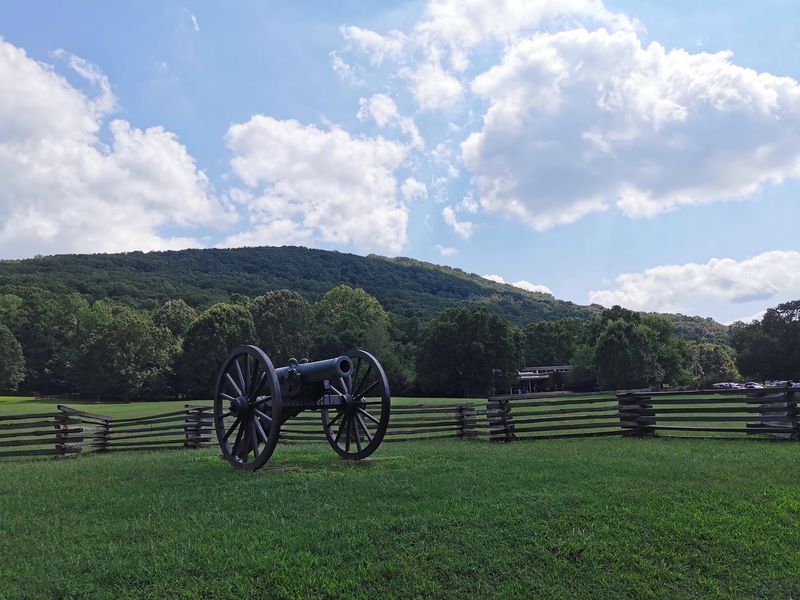
The word Kennesaw comes from a Cherokee term meaning burial ground. That fact sets the tone before you park the car.
This 2,923 acre national battlefield preserves ground from the 1864 Atlanta Campaign. The battle here was fought from June 18 to July 2 of that year.
Congress established the park in 1935. Today it draws hikers, history buffs, and the occasional paranormal investigator.
Ghostly soldiers are reported wandering the trails. Some appear maimed or missing limbs.
Distant cannon fire and gunshots are heard where no reenactment is scheduled. Voices of men in battle drift through the woods.
The odor of gunpowder has been detected on still days. Cheatham Hill is considered the most active area.
Ghost deer have reportedly run toward witnesses before vanishing. That one is unusual even for a battlefield.
A hazy soldier on horseback was seen inside a bedroom by someone living on the battlefield. Another account describes a Union cavalry officer with a saber crossing a road and passing through a fence.
Disembodied yelling has come from empty woods. Residents nearby have encountered figures in old-fashioned uniforms.
The visitor center sits at 900 Kennesaw Mountain Dr. Bring good shoes, because the trails climb more than the map suggests.