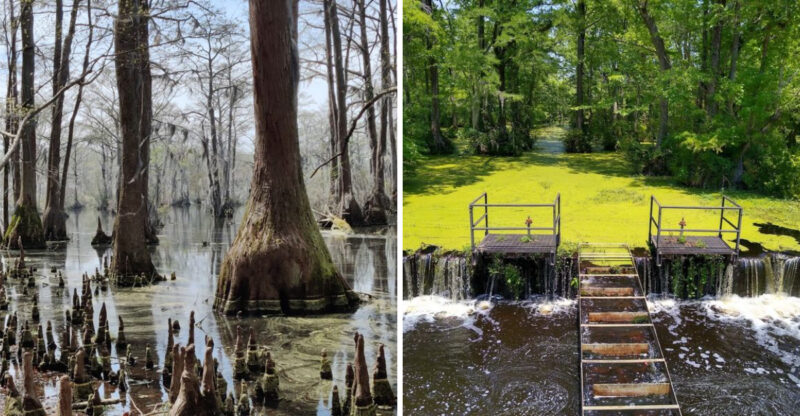
These 7 North Carolina Springs Where You Can Sip Fresh Water Straight From Nature
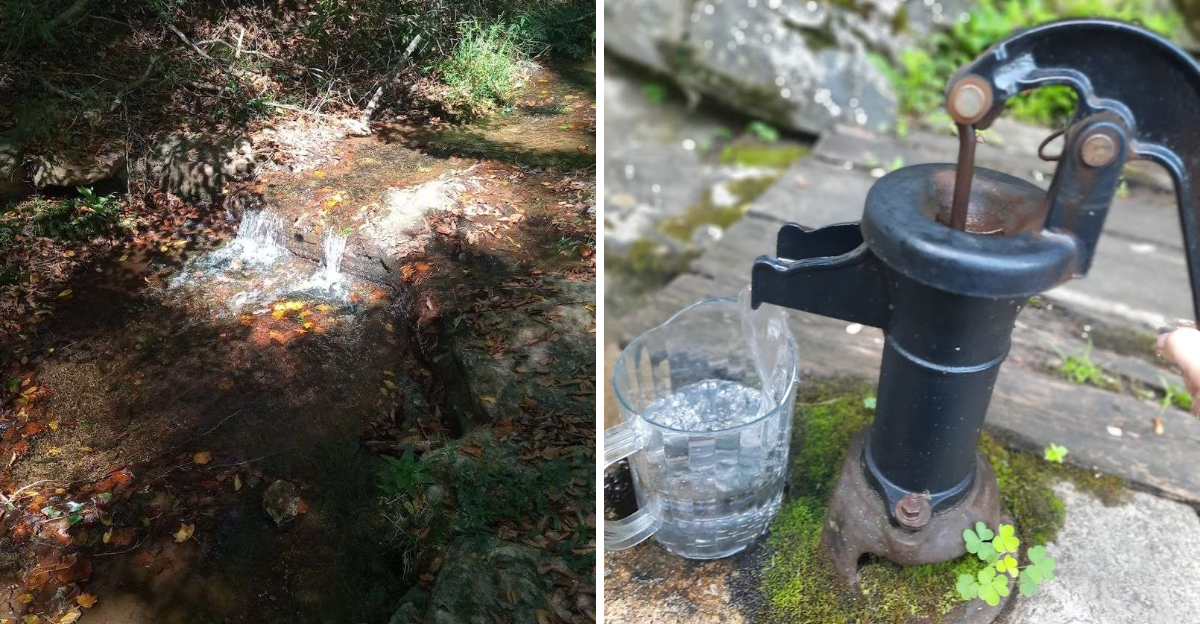
Fresh water bubbling straight from the ground has a way of making a person feel very dramatic, like they have just discovered nature’s original refrigerator.
Across North Carolina, these springs carry a quiet kind of wonder that feels older than any roadside attraction could ever pretend to be.
Some have drawn visitors for generations, while others still feel like small local secrets hiding in plain sight.
The appeal is simple, but it is not ordinary.
You stand there, hear the water moving, and suddenly a plain sip feels connected to something far deeper than thirst.
For curious travelers, these springs offer a rare chance to meet the landscape at its source.
Before drinking from any natural spring, check current local guidance or water-testing information, because spring water can change with runoff, weather, and contamination risk.
1. Fuquay Mineral Spring Park
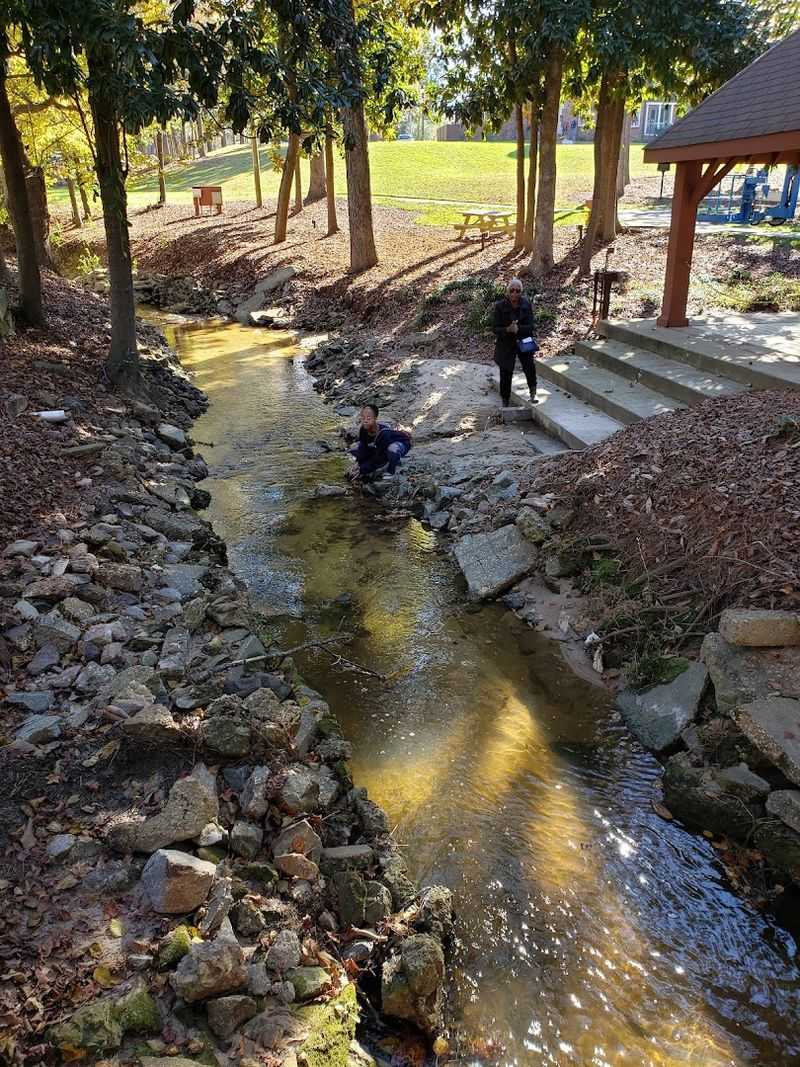
Bubbling water helped shape an entire town at Fuquay Mineral Spring Park, where history still sits quietly beneath the shade trees.
The spring was discovered in 1858 by local farmer Davey Crocket Fuquay, and its reputation grew during an era when mineral springs drew visitors seeking rest, refreshment, and supposed health benefits.
Today, the park at 104 Spring St, Fuquay-Varina, NC 27526, gives visitors a peaceful way to connect with that past without needing a long hike or complicated plan. Benches, walking paths, historic markers, and a relaxed downtown setting make the stop easy to fold into a local afternoon.
The spring itself remains the centerpiece, even though visitors should not assume the water is safe to drink without current public testing confirmation. That caution does not make the place less interesting.
It simply shifts the visit toward history, scenery, and small-town identity. Fuquay-Varina still carries the spring’s legacy in its name and story, which gives this little park more meaning than its size suggests.
Come for the quiet, read the history, and let the water remind you how one natural source helped put a North Carolina community on the map.
2. Mount Vernon Springs

Quiet roads give Mount Vernon Springs its appeal before you even start thinking about the water. The small community near the Siler City and Bonlee area took its name from natural springs that once helped draw people into this part of the Piedmont.
In the 19th and early 20th centuries, spring communities often became gathering places. Many people believed mineral water could restore health, ease discomfort, or offer a cleaner, fresher drink than other sources.
Mount Vernon Springs fits into that broader North Carolina pattern.
Today, the area along Mount Vernon Springs Road feels more like a historic landscape than a developed attraction, so visitors should arrive with the right expectations. There may not be a polished visitor center, marked tasting station, or public drinking setup waiting at the roadside.
What you do get is a slower drive through countryside shaped by old farms, local memory, and the kind of place-name history that still lingers after the original attraction has faded. That makes Mount Vernon Springs best for travelers who enjoy quiet context more than obvious spectacle.
Bring curiosity, not a bucket list. The reward is a thoughtful look at how natural water once gave small communities identity, purpose, and a reason for people to come looking.
3. The Cabins At Healing Springs
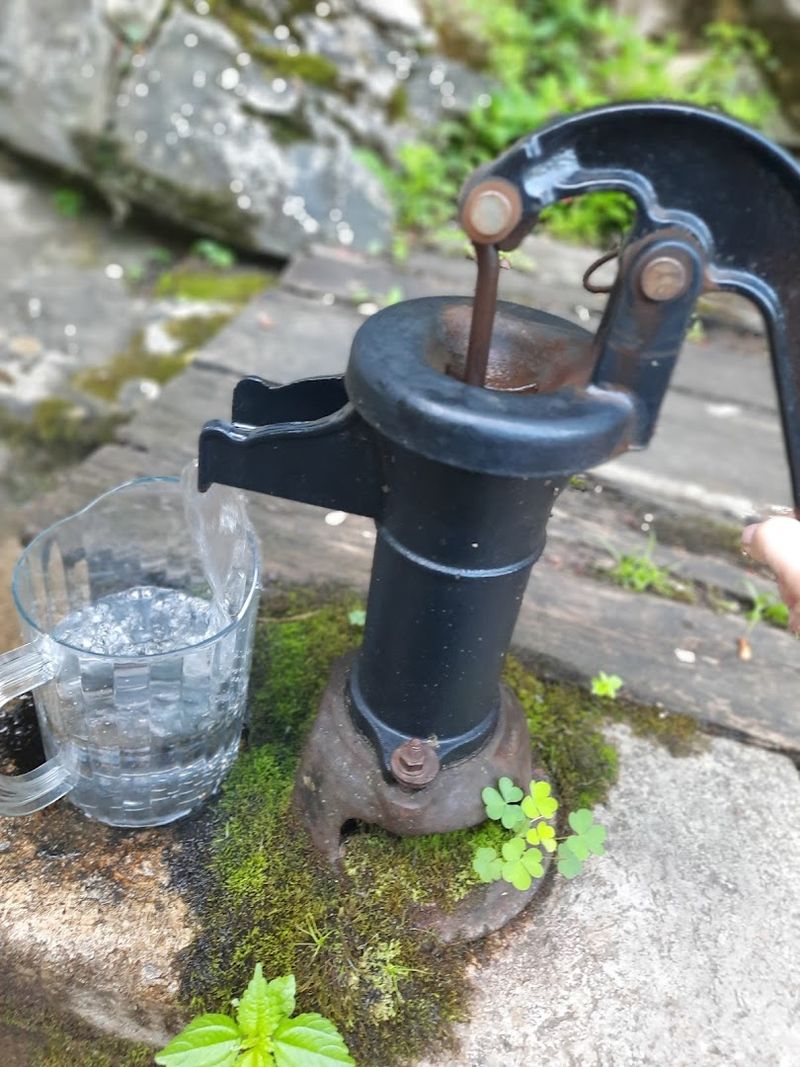
Mountain air and old spring lore meet at The Cabins at Healing Springs, one of Ashe County’s most memorable water-centered stops. The property sits at 1097 East Healing Springs Road, Crumpler, North Carolina, where visitors can stay near a spring whose reputation dates back to the late 1800s.
Healing Springs was discovered in 1883 and became known for water that people believed carried curative qualities. During the late 19th century, the water was even bottled and shipped beyond the mountains, which says a lot about how strongly people once trusted these natural sources.
Modern visitors may come with more practical expectations, but the setting still feels restorative. Rustic cabins, wooded hills, quiet roads, and the sound of water all help create a slower mood.
Guests and visitors have traditionally been able to access the spring, often filling bottles or taking a careful sip. As with any natural source, checking current guidance and using common sense matters.
The real draw is not making a medical claim about the water. It is standing in a place where generations came seeking renewal and understanding why they were drawn here.
Even without the old promises, the peace of the setting does a convincing job.
4. White Sulphur Springs
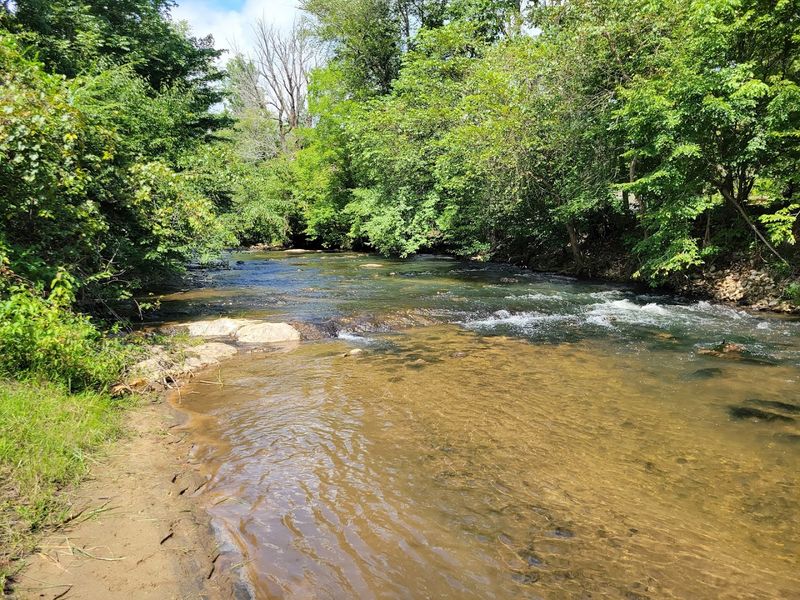
Mineral scent announces White Sulphur Springs before the story even has to explain itself.
Near Mount Airy, this spring belongs to a long North Carolina tradition of sulphur waters that drew curious visitors during the 19th century, when mineral springs were treated like natural wellness destinations.
The distinctive aroma may surprise first-timers, especially anyone expecting plain mountain water with no personality. Sulphur springs often carry an earthy smell because of their mineral content, and that sensory detail is part of what made places like this feel unusual and memorable.
White Sulphur Springs Road preserves the name and points to the area’s history, though visitors should treat the site more as a historic and scenic stop than a guaranteed public drinking destination.
Mount Airy’s broader charm makes it easy to pair the spring area with a slow day of exploring local streets, foothill scenery, and regional history.
Not every spring has to be an active attraction with signs and crowds to be worth knowing. Some matter because they reveal what earlier travelers valued, feared, and hoped water could do.
White Sulphur Springs offers that kind of glimpse. It is quiet, mineral-rich in memory, and tied to an era when nature’s strangest flavors carried serious appeal.
Find it at 133 White Sulphur Springs Rd, Mt Airy, NC 27030.
5. Cold Spring At Cold Springs Church
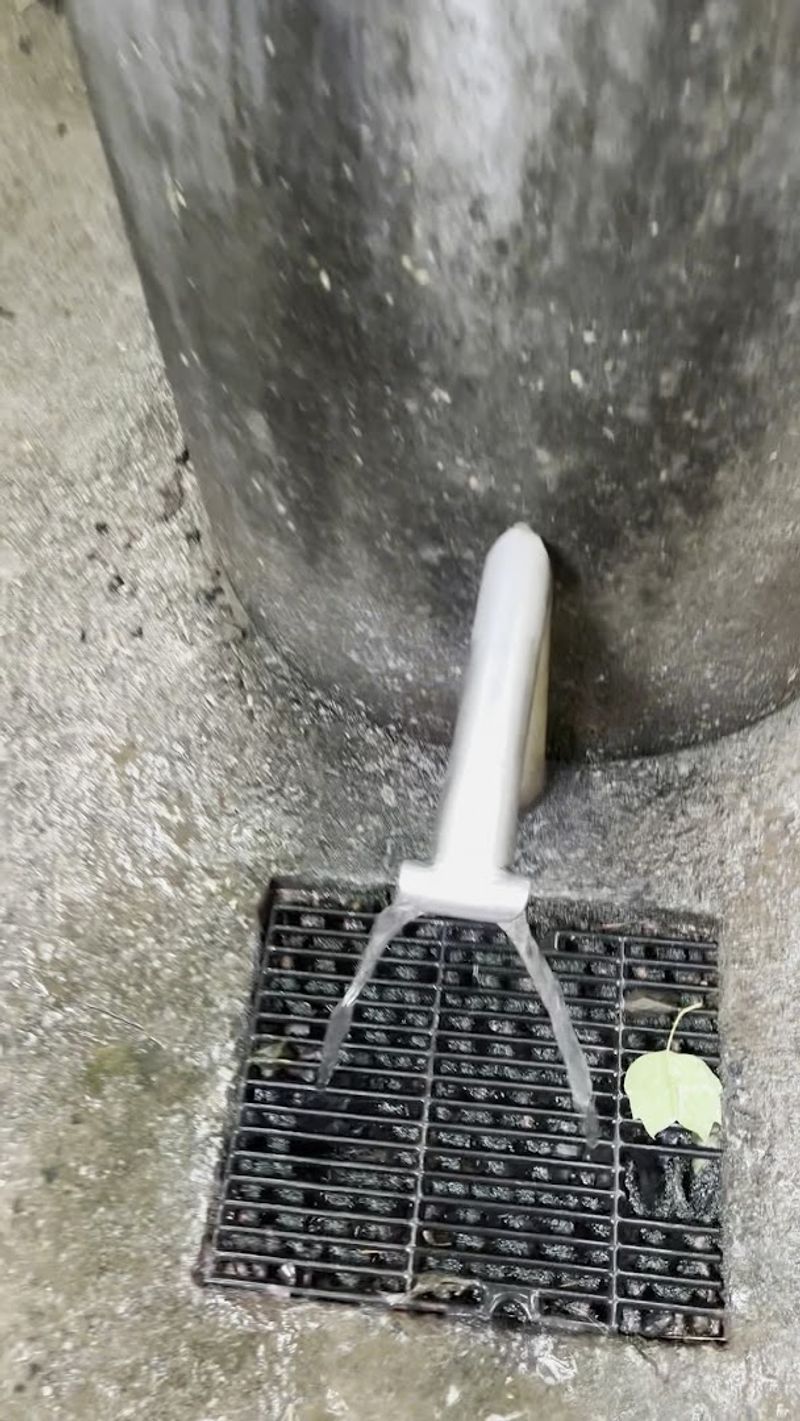
Community care gives Cold Spring at Cold Springs Church a special kind of trust. Found behind the church at 2550 Cold Springs Road, Concord, North Carolina, this spring has long been a local water source tied to church grounds and regional memory.
Unlike some historic springs that are mostly symbolic today, this one is still known as a place where people have come to fill containers and drink from the source. That living use makes it feel less like a relic and more like a small shared responsibility.
The church has taken that responsibility seriously over the years, with water testing and community attention helping preserve confidence in the spring. Visitors should still look for current information before drinking, because natural water sources can change with weather, runoff, and time.
Even with that practical caution, the stop feels meaningful. A spring behind a church carries a different mood than one beside a busy park or roadside.
The setting is quiet, respectful, and connected to generations of people who trusted the same flow. Bringing a jug here can feel like participating in a local ritual rather than sightseeing.
Cold Spring reminds visitors that some of North Carolina’s most enduring landmarks are humble, useful, and cared for by neighbors.
6. Lithia Springs
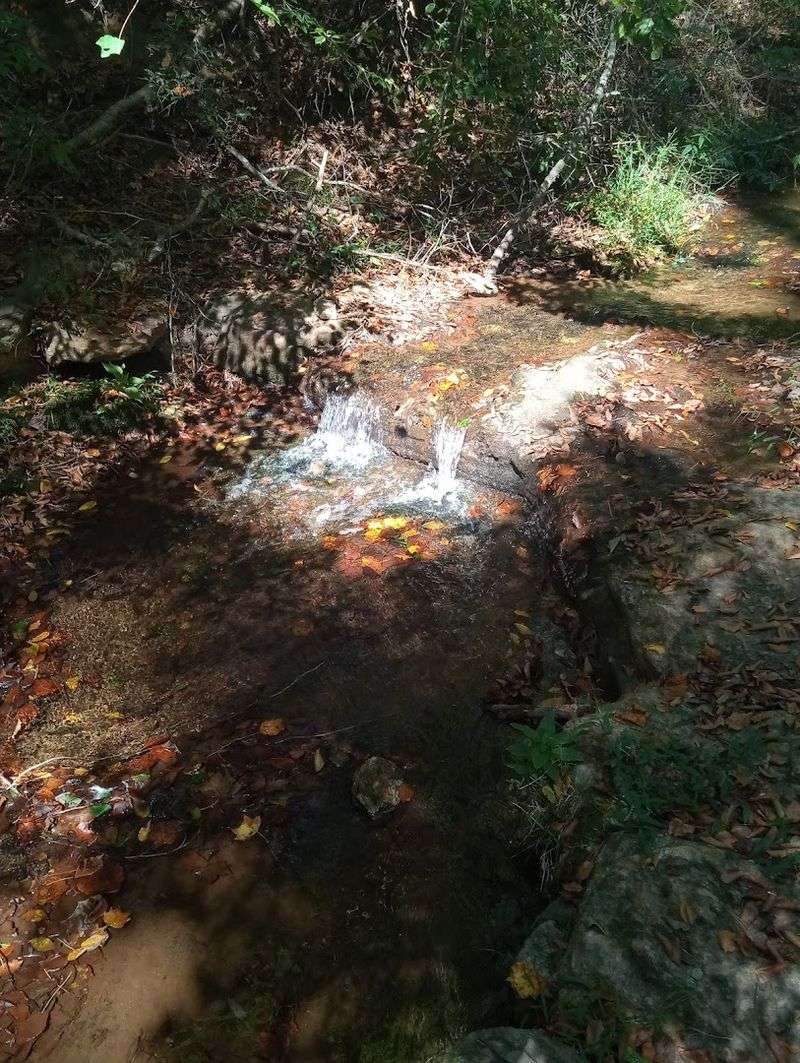
Local loyalty keeps Lithia Springs in Shelby from feeling forgotten. This no-frills water source along Springbrook Drive does not need a polished attraction setup to matter to the people who use it.
For years, locals have filled jugs here, passing along the habit through families, neighbors, and word of mouth. The spring’s practical appearance is part of its charm.
Water flows from a simple pipe, and the experience feels more like a community errand than a tourist stop. That honesty makes it interesting.
Lithia springs are associated with mineral content, and visitors may notice a slight sulphur-like quality at first. Regulars often say the smell fades after the water sits or aerates.
Still, public testing information is not always easy to confirm, so anyone planning to drink the water should use caution, check current local guidance, or test it independently. The best way to appreciate Lithia Springs is to understand its role in daily life.
This is not a manicured park built for photos. It is a small, enduring source that people continue to value because it has been part of their routines for so long.
Shelby’s spring shows how natural water can become a quiet neighborhood tradition, one refill at a time. The location is at 199 Springbrook Dr, Shelby, NC 28150.
7. Connelly Springs
Foothill history runs right through the name Connelly Springs. Found in Burke County, this small community grew around mineral springs that once attracted visitors looking for rest, water, and relief from daily strain.
During the late 19th and early 20th centuries, spring towns across the South often became modest resort destinations. Hotels, boarding houses, and local businesses developed around the belief that mineral water could refresh the body.
Connelly Springs belongs to that story, even if the modern community feels quieter than the old resort-era imagination might suggest.
Today, visitors should approach it as a historic place-name destination rather than an active public spring attraction. Driving through the area offers a sense of how the Piedmont begins to rise toward the mountains, with Burke County’s landscape giving the town a pleasant foothill character.
Pairing a stop here with other nearby historic or natural sites can make the visit feel fuller. Connelly Springs may not deliver a dramatic roadside fountain or busy tasting pavilion, but its name preserves an important clue about how water shaped settlement and travel in North Carolina.
Sometimes the spring itself fades from public view, while the community it inspired keeps telling the story.
Disclaimer: Natural springs can look clean, cold, and inviting, but that does not always mean the water is safe to drink. Spring water can change over time.
Heavy rain, flooding, nearby development, animal activity, aging pipes, runoff, and underground contamination can all affect water quality.
Visitors should never assume that water from a natural spring is safe just because people have used it for years. Clear water can still contain bacteria, parasites, chemicals, or other contaminants that are not visible.
A fresh taste or cold temperature does not prove that the water is safe.
Before sipping, filling bottles, or taking water home, check current local guidance when available. Look for posted signs, recent water-testing information, county health updates, or property-owner rules.
Some springs may be historic landmarks rather than active drinking sources. Others may be privately maintained or located on property with specific access rules.
Anyone with a weakened immune system should be especially cautious. Children, older adults, and pregnant people should also avoid untreated spring water unless it has been properly tested and confirmed safe.
Boiling, filtering, or treating water may reduce some risks, but it may not remove every possible contaminant.
This article is meant for travel inspiration and general information. It is not a safety guarantee.
Conditions at natural springs can change quickly. When in doubt, enjoy the scenery, learn the history, and bring your own drinking water.