These 12 Under-The-Radar California Towns Have A Way Of Stealing Hearts
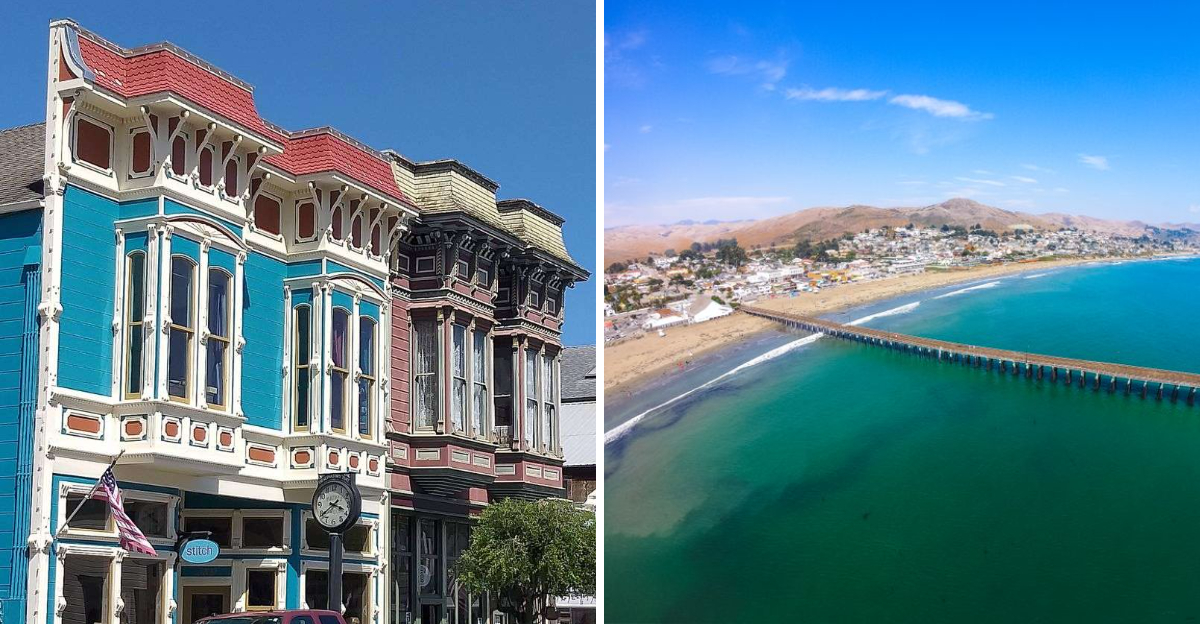
California hides small towns that feel frozen in time. Turn off the main highway and the atmosphere shifts fast. Crowds disappear. Noise fades.
Historic streets unfold block by block. Victorian storefronts line quiet avenues. Coastal bluffs stretch for miles without interruption. Mountain air feels crisp, still, almost untouched.
These places don’t chase attention. They reward curiosity.
Each town reveals character slowly through art galleries, weathered facades, and locally run cafés that have served the same recipes for generations.
The pace changes the moment you arrive. Mornings feel longer. Sunsets linger. Conversations replace schedules.
California’s hidden towns offer something rare in a fast-moving state – authenticity without spectacle, beauty without crowds, and landscapes that feel personal the longer you stay.
Venture beyond the familiar routes and an entirely different Golden State begins to unfold.
1. Ojai
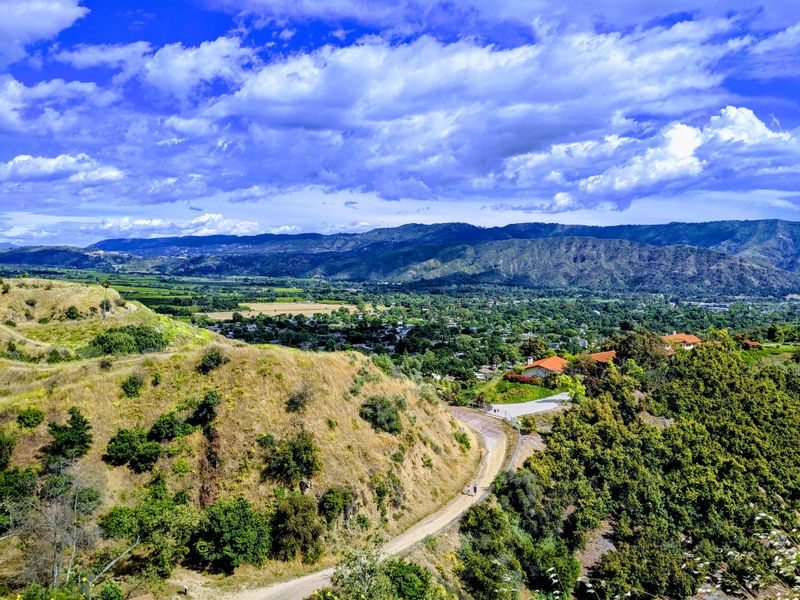
Tucked into a valley surrounded by the Topatopa Mountains, Ojai offers a quiet retreat that feels removed from the rush of nearby cities.
The town’s main street features local shops, art galleries, and cafes that reflect a laid-back creative spirit.
Visitors often mention the quality of light here, which has drawn artists and photographers for decades. The downtown area remains walkable and compact, making it easy to explore without feeling hurried.
Sunday mornings bring a farmers market that showcases local produce and handmade goods. The arcade along Ojai Avenue provides shaded walkways that add to the town’s unhurried feel.
Hiking trails in the surrounding hills offer views of the valley and access to oak woodlands and seasonal streams.
Timing a visit during weekdays tends to offer a quieter experience. Parking along the main street can fill up on weekends, though side streets usually have availability.
The town’s arts community remains active year-round, with galleries hosting rotating exhibitions. Libbey Park serves as a central gathering space with shaded benches and open lawns.
The overall atmosphere leans toward relaxation rather than activity, which suits those looking for a slower pace.
2. Nevada City
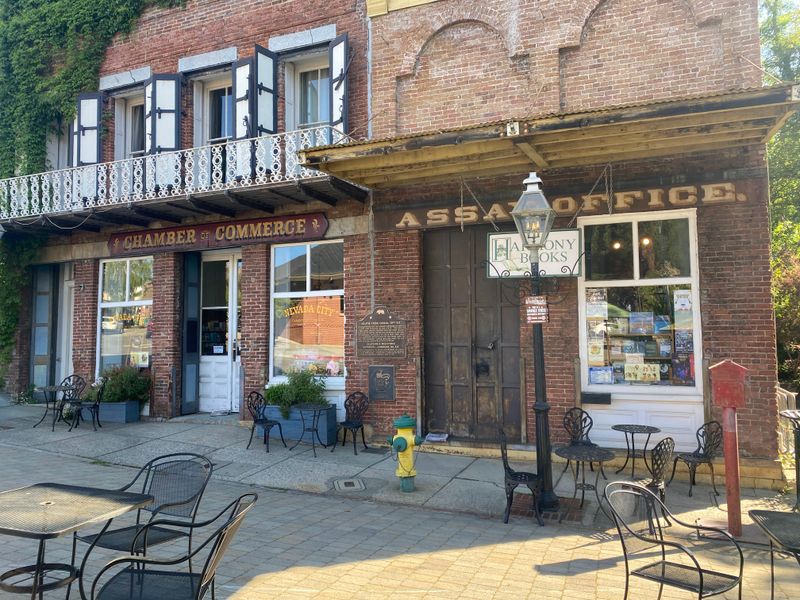
Gold Rush history lives on in Nevada City through its preserved Victorian storefronts and narrow streets that climb hillsides above downtown.
The town’s commercial district centers around Broad Street, where brick buildings house independent bookstores, cafes, and small theaters. Architecture here reflects the prosperity of the mid-1800s mining era.
Walking the downtown area reveals details like iron balconies and painted trim that have been maintained over generations.
The National Hotel, still operating since 1856, anchors one end of the main street. Side streets branch off steeply, leading to residential neighborhoods with equally historic homes.
Local restaurants focus on seasonal ingredients, and menus tend to change based on what’s available.
The town’s cultural scene includes live music venues and a historic theater that hosts films and performances.
Weekday visits offer easier parking and a more relaxed browsing experience in shops. Surrounding pine forests provide hiking access, though trails closer to town can be steep.
The overall feel remains grounded in history without feeling overly polished or tourist-focused. Summer afternoons can be warm, while evenings cool down noticeably due to the elevation.
3. Mendocino
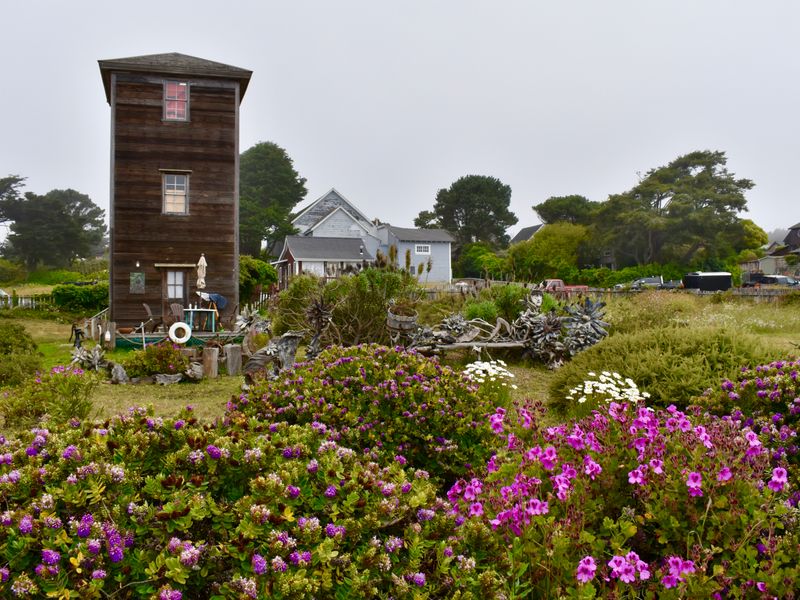
Perched on bluffs overlooking the Pacific, Mendocino’s collection of Victorian homes and weathered wooden buildings creates a striking contrast against the wild coastline.
The town’s layout follows the cliff edge, with pathways leading to viewpoints where waves crash against rocky outcrops.
Fog often rolls in during mornings and evenings, softening the light and adding to the atmosphere. Art galleries and small studios occupy many of the historic structures, reflecting a longstanding creative community.
The main street remains compact, with locally owned shops and cafes that close earlier than urban counterparts.
Parking spaces line the streets, though finding one may require patience during weekends. Trails along the headlands offer sweeping ocean views and access to quiet coves.
The terrain stays relatively flat near town, making walks accessible without steep climbs. Seating areas near the cliffs provide places to rest and watch the water.
Restaurants emphasize local seafood and produce, with menus that shift seasonally. Service tends to be unhurried, matching the town’s overall pace.
Visiting during weekdays or shoulder seasons brings fewer crowds and more availability at lodging options.
4. Cambria
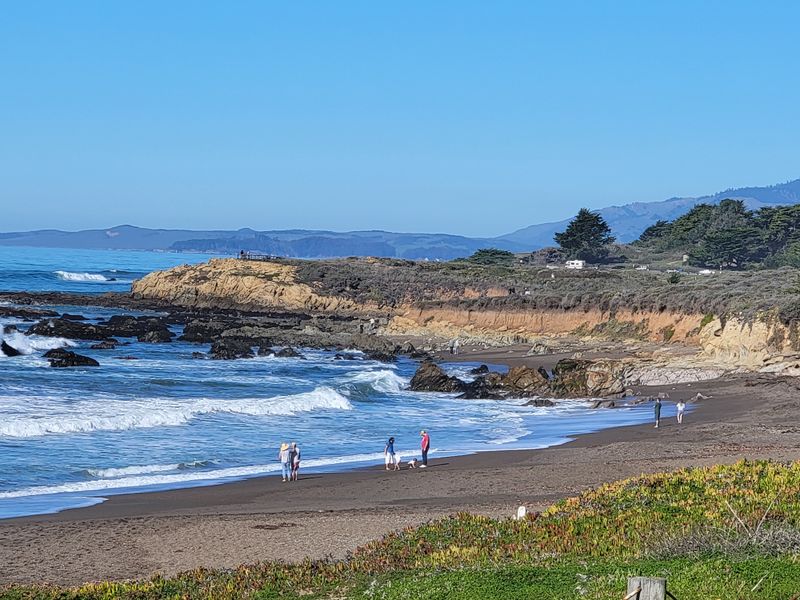
Nestled between pine forests and the ocean, Cambria offers a balance of coastal access and woodland quiet.
The town splits into two main areas: the East Village and the West Village, each with distinct character.
East Village features antique shops and galleries, while West Village leans more toward dining and lodging.
Moonstone Beach provides a long stretch of shoreline with a boardwalk that runs above the sand and rocks.
The path remains flat and accessible, suitable for leisurely walks with frequent benches. Tide pools appear during low tide, revealing small marine life among the rocks.
Downtown streets are lined with Monterey pines that create a canopy effect, keeping the area shaded even on sunny days.
Parking lots serve both village areas, though spaces fill up during holiday weekends. Local restaurants range from casual to more refined, with seafood appearing prominently on most menus.
The town’s pace stays relaxed throughout the week, with most businesses closing by early evening. Weekday visits offer a quieter experience and easier access to popular spots.
The climate remains mild year-round, though coastal fog can linger into late morning during summer months.
5. Ferndale
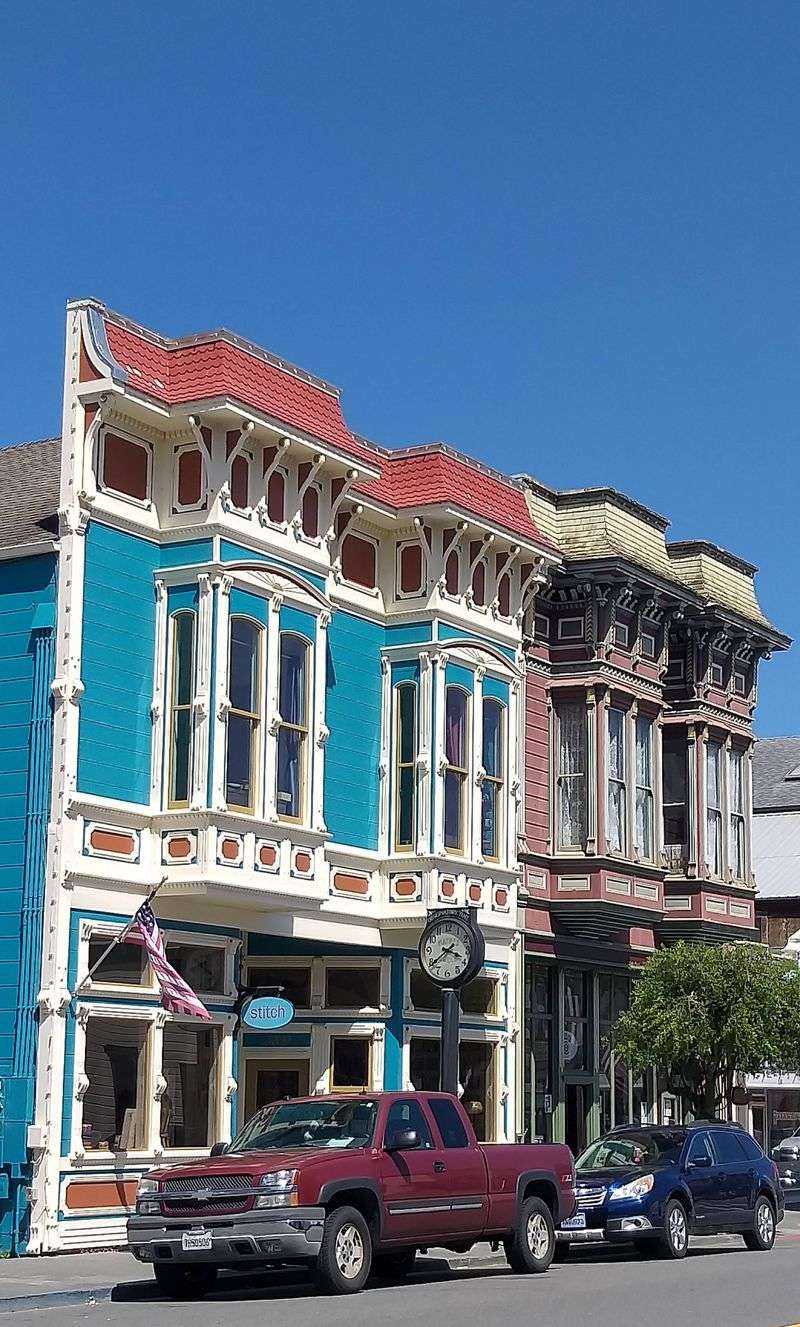
Victorian architecture dominates Ferndale’s main street, where brightly painted storefronts line both sides of the road in what feels like a preserved 19th-century town.
The buildings feature ornate trim, turrets, and detailed woodwork that have been carefully maintained.
Walking through downtown feels like stepping into a different era, though the shops and restaurants remain fully operational.
The town earned the nickname “Victoriana” due to its concentration of well-preserved homes and commercial buildings from the 1880s and 1890s.
Many structures gained their wealth from the dairy industry that once thrived in the surrounding valleys.
Today, those same buildings house art galleries, gift shops, and local eateries. Main Street stretches for several blocks, remaining flat and easy to navigate on foot. Parking is available along the street and in small lots behind buildings.
The town hosts the Kinetic Grand Championship each year, a three-day race of human-powered art sculptures that draws participants and spectators from across the region.
Restaurants offer a mix of American comfort food and more contemporary options. Service tends to be friendly without being rushed.
Visiting on weekdays provides a quieter experience, as weekends can bring day-trippers from nearby areas.
6. Julian
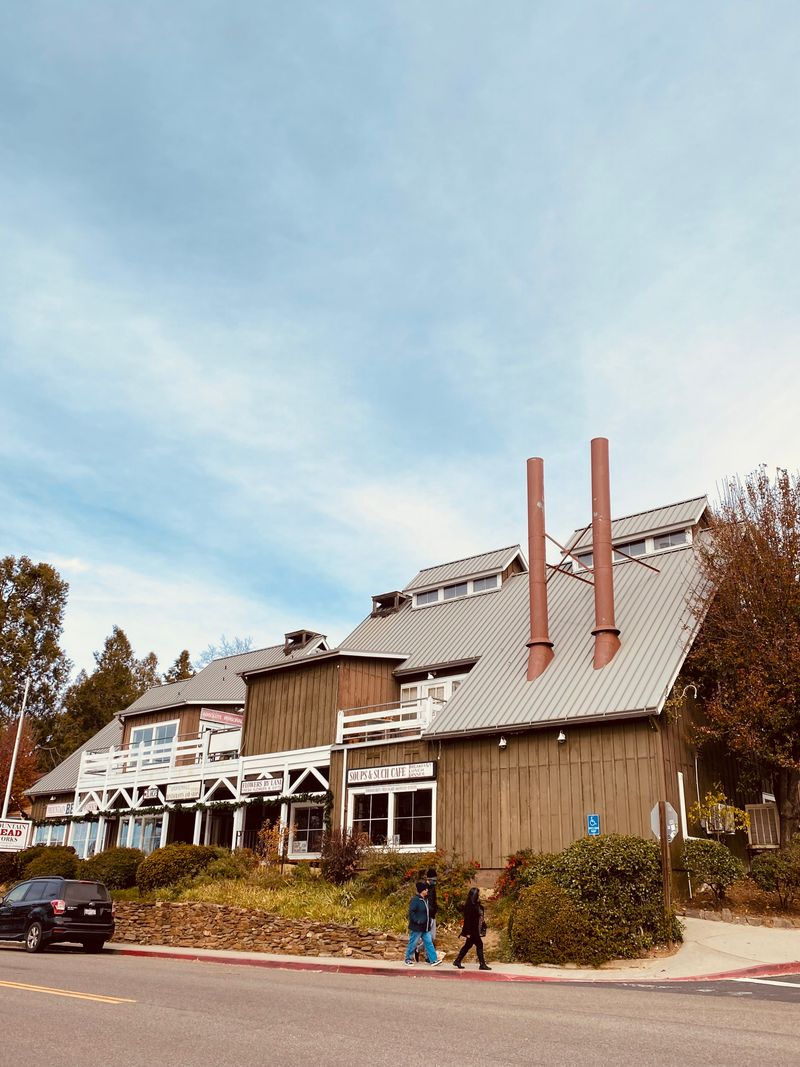
Known primarily for its apple orchards and pie shops, Julian sits at 4,200 feet in the Cuyamaca Mountains east of San Diego.
The town’s main street preserves its Gold Rush origins with wooden sidewalks and false-front buildings.
Fall brings the busiest season when apples ripen and visitors arrive for harvest-related activities. Several pie shops line the main street, each with its own recipes and loyal following.
Lines can form outside these establishments on autumn weekends, though weekday visits tend to be calmer. The pies are made fresh daily, and some shops sell out by mid-afternoon during peak season.
Historic sites include the Eagle and High Peak Mine, which offers tours through tunnels dug during the 1870s gold rush.
The Julian Pioneer Museum displays artifacts from the town’s mining and ranching past. Both venues provide context for understanding how the town developed.
Surrounding areas offer hiking trails through oak woodlands and pine forests. The climate stays cooler than nearby desert regions, making summer visits more comfortable.
Winter occasionally brings snow, which transforms the town’s appearance and attracts visitors unfamiliar with mountain weather in Southern California.
7. Murphys
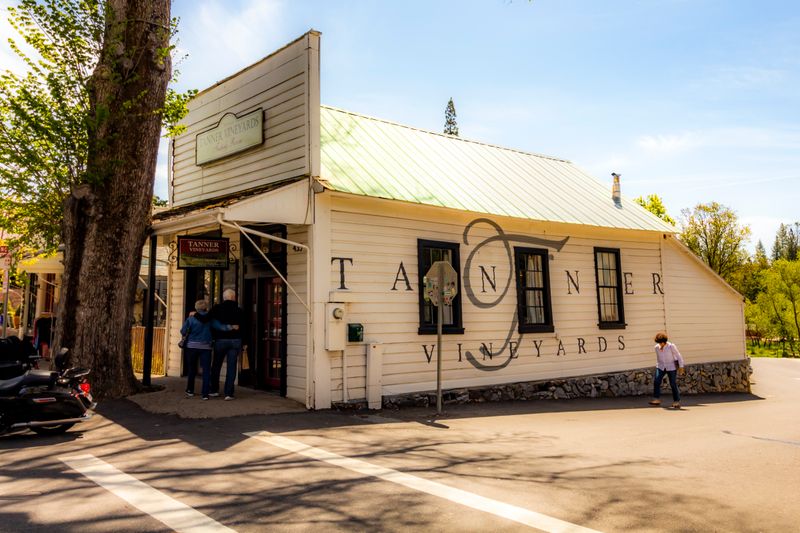
Gold Rush history and wine tasting rooms coexist in Murphys, a foothill town that has shifted from mining to viticulture over the past century.
The main street features stone and brick buildings from the 1850s, many now housing tasting rooms for local wineries. The town’s compact layout makes it easy to visit multiple venues on foot.
More than two dozen tasting rooms operate within walking distance of each other, offering samples of Calaveras County wines.
The region specializes in varieties suited to the Sierra foothills climate. Tasting room atmospheres range from casual to more formal, with most maintaining a relaxed approach to service.
Historic sites include the Murphys Historic Hotel, which has hosted guests since 1856 and displays a register with signatures from notable 19th-century figures.
The Ironstone Amphitheatre nearby hosts concerts during warmer months. Downtown shops sell local crafts and specialty foods alongside wine-related merchandise.
Parking along Main Street fills quickly on weekends, though additional lots sit within a short walk. Weekday visits offer a quieter experience and more personalized attention at tasting rooms.
The surrounding countryside features oak-covered hills and access to Calaveras Big Trees State Park, where giant sequoias grow in protected groves.
8. Cayucos
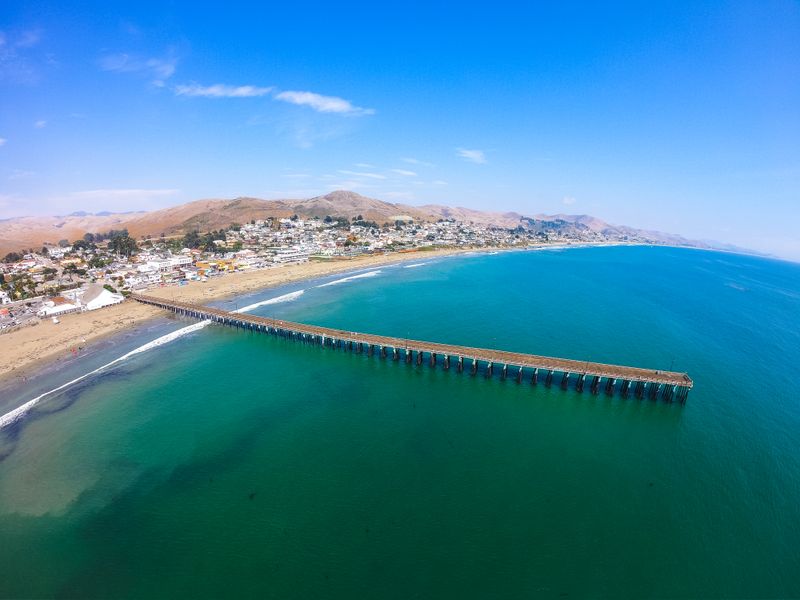
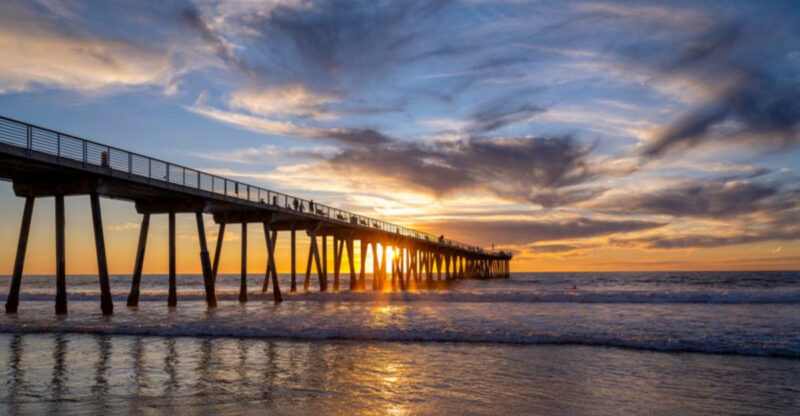
A wooden pier stretches into the Pacific from Cayucos Beach, serving as the town’s most recognizable landmark and a gathering spot for fishing and sunset watching.
The beach itself remains relatively undeveloped, with open sand and gentle waves that attract swimmers and surfers.
The town’s layout centers around a few blocks of Ocean Avenue, where shops and restaurants maintain a low-key presence.
The pier, built in 1872 and rebuilt several times since, extends more than 940 feet into the water and remains open to the public year-round.
Benches along its length provide resting spots with ocean views. Early mornings often bring fishermen, while afternoons see families and couples walking its length.
Downtown businesses include surf shops, antique stores, and casual eateries. The Sea Shanty restaurant has operated near the pier since 1985, serving seafood in a no-frills setting.
Parking along Ocean Avenue and side streets usually accommodates visitors, though summer weekends can fill available spaces.
The town’s atmosphere stays decidedly unhurried, with little pressure to move quickly or follow a schedule. Weekday visits offer even more tranquility and easier access to the beach.
The climate remains mild throughout the year, though morning fog is common during summer months before clearing by afternoon.
9. Truckee
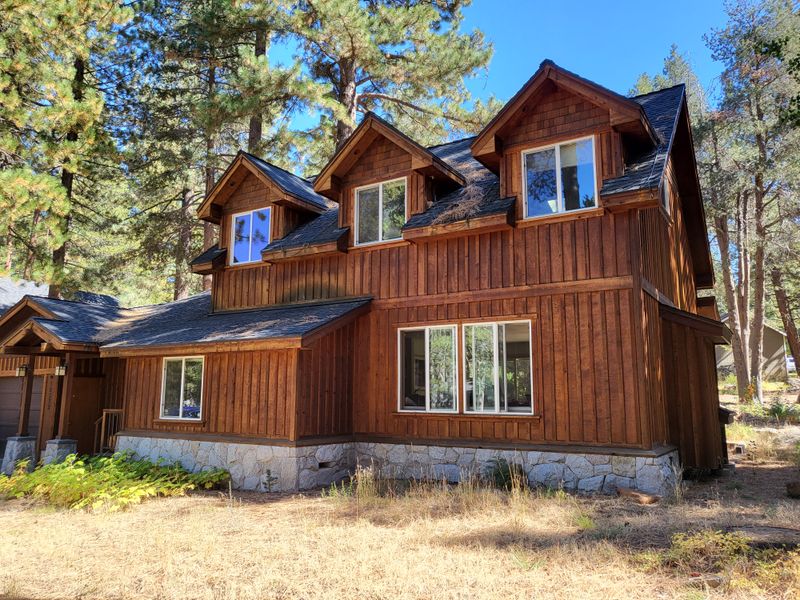
Railroad history and mountain recreation define Truckee, a town that sits along Interstate 80 in the Sierra Nevada at 5,817 feet elevation.
The historic downtown preserves buildings from the 1860s when the transcontinental railroad brought commerce and growth.
Brick and wood structures line Donner Pass Road, now filled with restaurants, outdoor gear shops, and galleries.
The town serves as a gateway to nearby ski resorts and Lake Tahoe, though it maintains its own identity separate from those destinations.
Winter brings significant snowfall, transforming the area into a ski-focused hub. Summer offers hiking, mountain biking, and access to the Truckee River, which flows through town.
Donner Memorial State Park sits just west of downtown, commemorating the Donner Party’s tragic 1846-47 winter and providing historical context through its museum.
The park also offers lake access and picnic areas. Downtown restaurants range from casual pizza spots to more upscale dining, with menus often featuring locally sourced ingredients.
Parking downtown can be challenging during peak ski season weekends, with visitors competing for limited spaces. Weekday visits or summer trips offer easier access and a more relaxed pace.
The town’s elevation means cooler temperatures year-round compared to lower elevations, and afternoon thunderstorms occur regularly during summer.
10. Dunsmuir
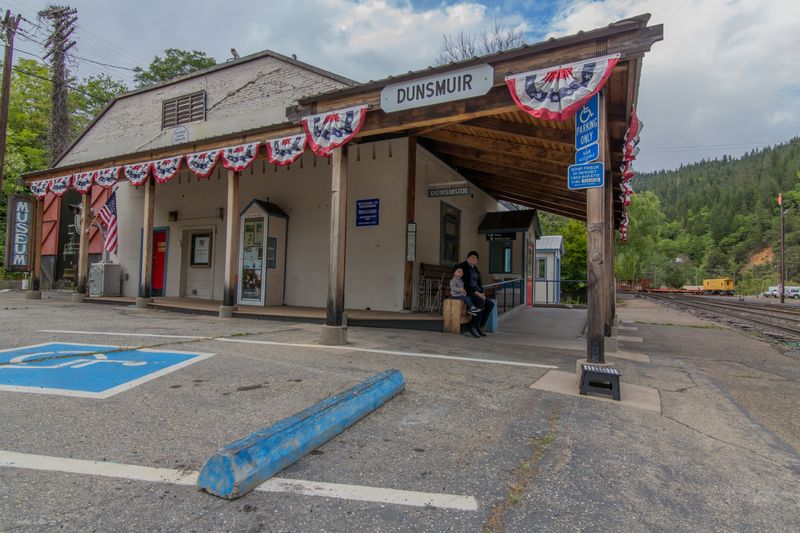
Railroad history runs deep in Dunsmuir, a town that developed as a division point on the Southern Pacific line through the Shasta Cascade region.
The Sacramento River flows directly through town, creating a natural corridor that shaped the community’s layout. Mount Shasta rises to the north, visible from many points in town when weather permits clear views.
Downtown Dunsmuir Avenue features a mix of older buildings housing cafes, antique shops, and outdoor recreation stores.
The town’s elevation of 2,300 feet brings cooler temperatures than surrounding valleys. Railroad tracks run parallel to the main street, with occasional freight trains passing through as a reminder of the town’s origins.
Mossbrae Falls, accessible via a trail that follows the railroad tracks, offers a unique waterfall experience where springs emerge from the canyon wall and cascade down moss-covered rock.
The trail requires walking along active tracks, which demands attention and caution. Access rules may change, so checking current conditions before visiting proves worthwhile.
Local restaurants tend toward casual dining, with menus featuring burgers, sandwiches, and comfort food.
The town’s atmosphere remains quiet most of the year, with outdoor enthusiasts stopping through on their way to surrounding wilderness areas. Summer brings the most visitors, while winter can see snow at this elevation.
11. Harmony
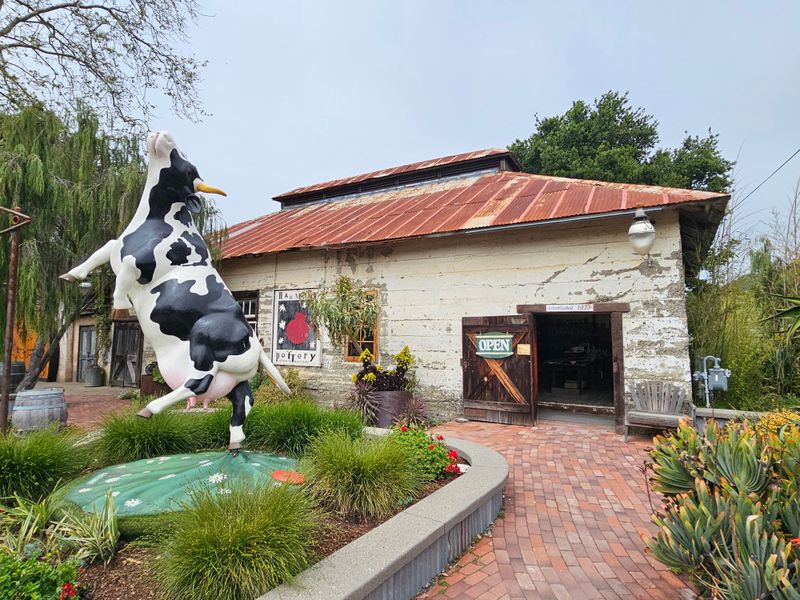
With a population that hovers around 18 residents, Harmony claims the title of one of California’s smallest towns.
The community sits along Highway 1 between Cambria and Cayucos, occupying what was once a dairy cooperative.
Today, the handful of buildings house artisan shops, a glassblowing studio, and a small restaurant. The glassblowing studio allows visitors to watch artists shape molten glass into finished pieces.
The process happens in real-time when artists are working, offering an unscripted look at the craft. Finished pieces are available for purchase in the adjacent shop.
Harmony Cellars operates a tasting room in one of the historic buildings, pouring wines from their nearby vineyard.
The setting remains intimate, with space for only a small number of visitors at a time. Other shops sell pottery, jewelry, and local crafts created by area artists.
The town’s size means a visit can last anywhere from 15 minutes to an hour, depending on interest in the shops and studios.
No lodging exists in Harmony itself, though nearby Cambria and Cayucos offer accommodation options.
The location along Highway 1 makes it an easy stop for those traveling the coast, though its small size means it can be easily missed without intentional planning.
12. Idyllwild
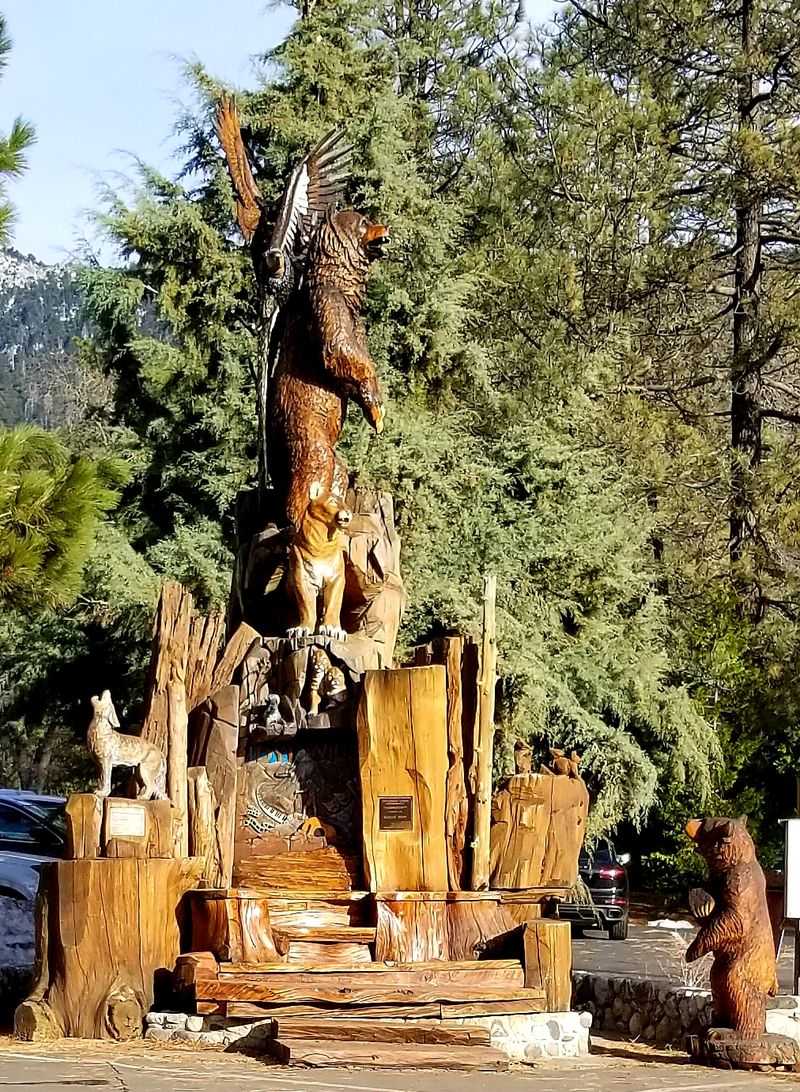
Pine forests surround Idyllwild, a mountain community at 5,400 feet in the San Jacinto Mountains.
The town’s artistic character shows through numerous galleries, studios, and craft shops that line the village center.
A mix of full-time residents and weekend visitors creates a community that values both creativity and outdoor recreation.
The town gained attention for electing a golden retriever named Max as mayor, a tradition that continues with Max III currently holding the honorary position.
The gesture reflects the community’s lighthearted spirit and love of dogs, which are welcome in many local establishments.
Hiking trails radiate from town into surrounding wilderness, including routes to San Jacinto Peak and Tahquitz Rock.
Trail difficulty ranges from easy nature walks to strenuous climbs requiring preparation and proper equipment. The Pacific Crest Trail passes near town, bringing through-hikers during spring and early summer.
Restaurants and cafes offer a range of options from coffee shops to sit-down dining, with outdoor seating common during warmer months.
The town’s elevation brings snow in winter, transforming the area and attracting visitors interested in snow play and cross-country skiing.
Summer weekends bring the most crowds, while weekdays and off-season visits offer a quieter experience with more parking availability along village streets.