This Abandoned Alabama Town Was Once The State Capital And Locals Say It’s Haunted
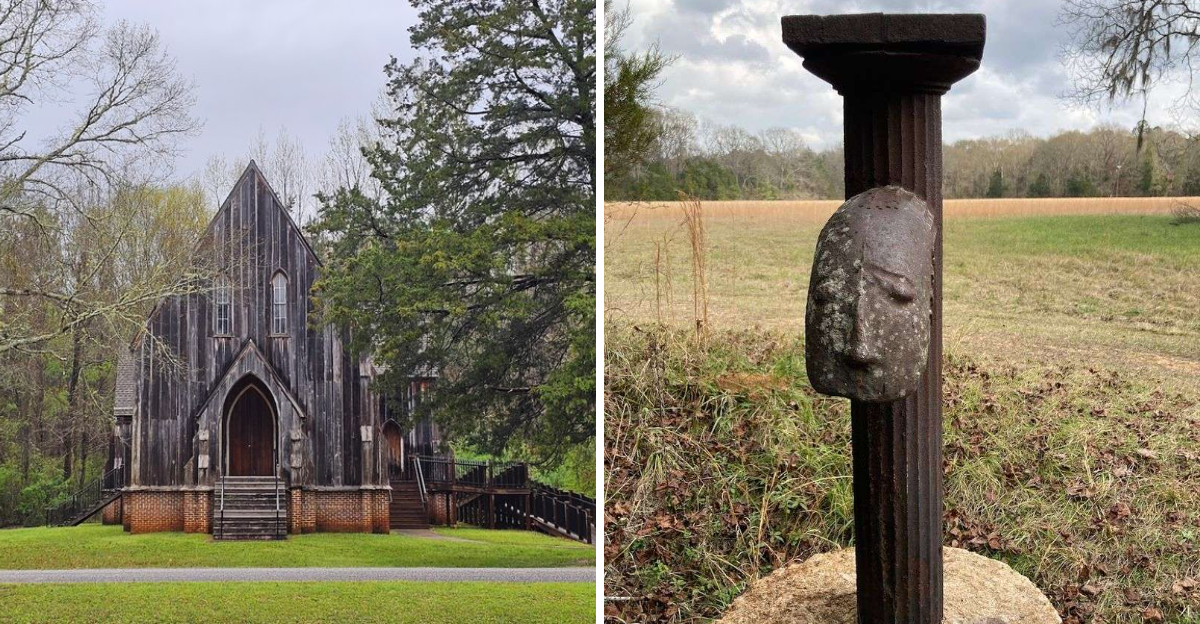
Picture a place that was once the center of an entire state, then simply emptied out. That is the strange story here.
This Alabama town served as the state’s first capital back in the 1820s, buzzing with politicians, grand plans, and big ambitions.
Then the river kept flooding, the capital moved away, and people slowly gave up on it. Today the streets are mostly gone, swallowed by trees and quiet.
What remains feels frozen and a little eerie. Crumbling columns, old cemeteries, and empty roads where a busy town used to stand.
Locals will tell you it is haunted, and honestly, the place does little to argue otherwise. Visitors report strange lights, odd sounds, and that prickly feeling of being watched.
You do not have to believe in ghosts to feel something here. So bring your curiosity and maybe a brave friend.
This is history and mystery sharing the very same ground.
Alabama’s Forgotten First Capital
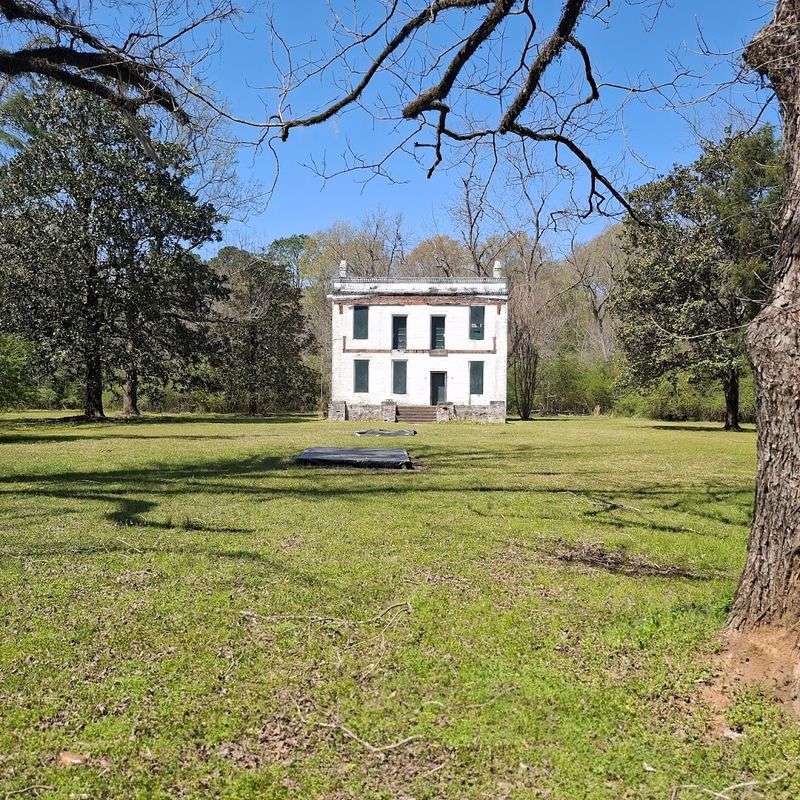
Old Cahawba Archaeological Park carries a story that most Alabamians never learned in school.
From 1820 to 1826, Cahawba was the first permanent capital of the state of Alabama. That is not a rumor.
That is a fact carved into history books and buried beneath the Alabama soil.
The town was built at the spot where the Cahaba River meets the Alabama River, which sounds romantic until you realize those same rivers flooded the place repeatedly.
The legislature eventually packed up and moved the capital to Tuscaloosa. Cahawba limped along for decades before finally fading into the landscape.
What remains today is a 180-acre archaeological park managed by the Alabama Historical Commission. You can walk the original street grid, spot old foundations, and read markers that explain what once stood there.
Old Cahawba Archaeological Park sits at 9518 Cahaba Rd, Orrville, Alabama and the sense of scale is surprising. This was not a small settlement.
It was a real, functioning city that the land simply reclaimed over time.
The Ghost Stories That Keep People Coming Back
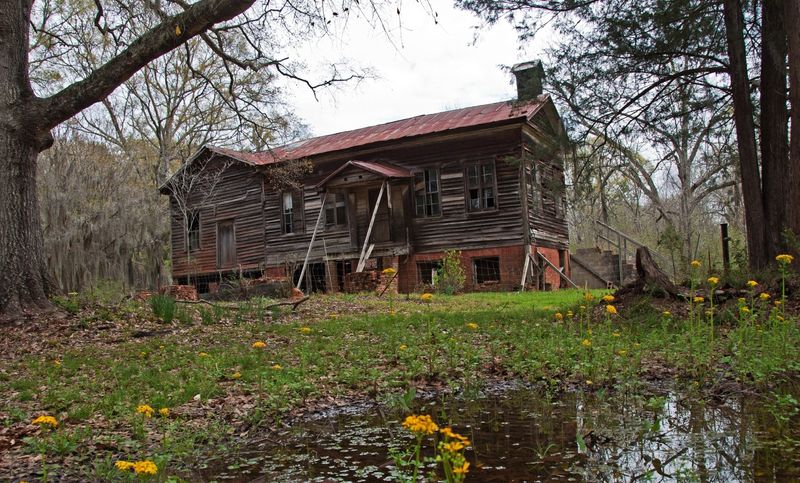
Every good ghost town needs good ghost stories, and Cahawba delivers. Locals around Orrville have been telling tales about this place for generations.
The most famous involves a mysterious light that floats through the ruins at night, often spotted near the old cemetery. People call it the Cahawba Light, and sightings go back well over a century.
Nobody has fully explained it. Some say it is swamp gas.
Others insist it is something far less scientific.
Former residents who visited before the park was established reported the light appearing near the water’s edge, bobbing slowly before vanishing. It is the kind of story that sounds silly in daylight and a lot less silly after dark.
The park staff do not discourage the legends. They lean into the history honestly, letting visitors form their own opinions.
Ghost tours have been organized at the site, drawing curious visitors from across the state.
Whether you believe in the supernatural or not, standing in a place where thousands of people once lived and now nothing remains creates a feeling that is genuinely hard to shake.
What The River Giveth, The River Taketh Away
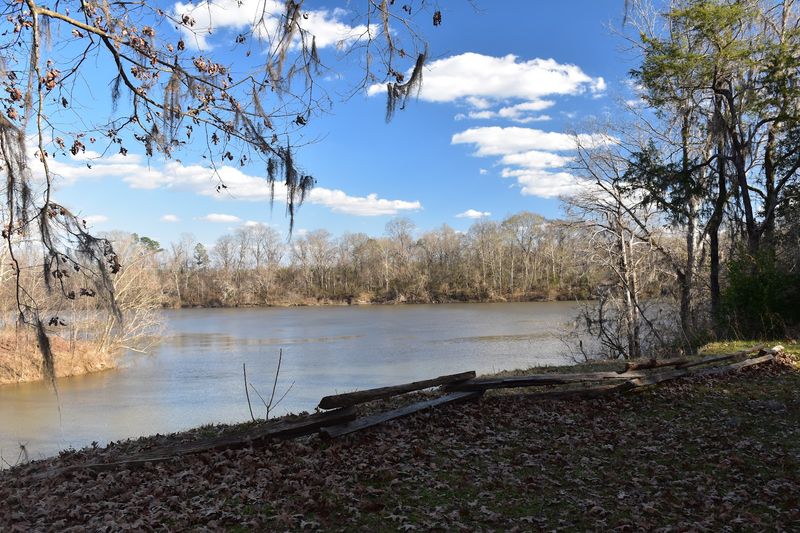
The location of Cahawba was both its greatest asset and its biggest problem.
Positioned at the junction of two major Alabama waterways, the town had natural transportation advantages that made it an obvious choice for a capital city in 1820.
Goods, people, and political influence could flow in and out with relative ease.
But those same rivers had no respect for real estate. Flooding was a persistent and devastating problem.
The 1825 flood was particularly brutal, sending water through streets and buildings that were supposed to represent the dignity of a new state government.
After that, the argument for moving the capital became very hard to counter.
Even after the government left, the rivers kept coming.
Then the floods returned, along with economic decline, and Cahawba emptied out for good. The rivers are still there today, calm and wide, moving past the ruins without any apparent guilt.
Visiting the confluence is genuinely beautiful, and it helps you understand why someone looked at this spot in 1818 and thought it was a perfect place to build a city.
Walking The Original Street Grid Still Intact
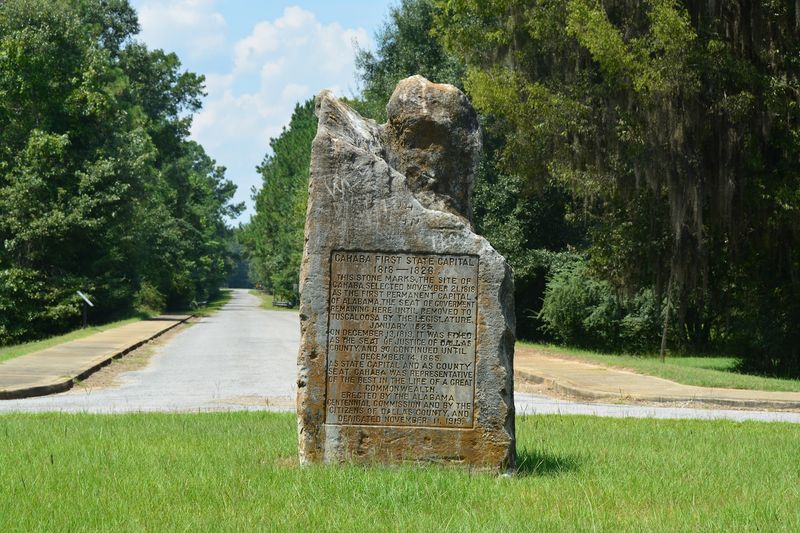
One of the genuinely surprising things about visiting Old Cahawba is that the original street layout is still readable on the ground.
The Alabama Historical Commission has done careful archaeological work to identify and mark where the streets, lots, and major buildings once stood.
Walking those routes gives the place a strange kind of order that pure ruins usually lack.
You can trace where the capitol building stood. You can find the footprint of the hotel, the courthouse, and private residences.
The markers are informative without being overwhelming, and the self-guided tour format lets you move at your own pace. On a quiet weekday, you might have the whole park to yourself, which is both peaceful and a little eerie.
The landscape itself does a lot of storytelling. Columns still stand in a few spots, half-consumed by vegetation.
Old brick surfaces push through the soil in unexpected places.
Spanish moss drapes over everything, softening the visual but adding to the atmosphere. It does not feel like a museum.
It feels like a place that is still in the process of disappearing, and you caught it mid-vanish.
The Cemetery That Outlasted The Town
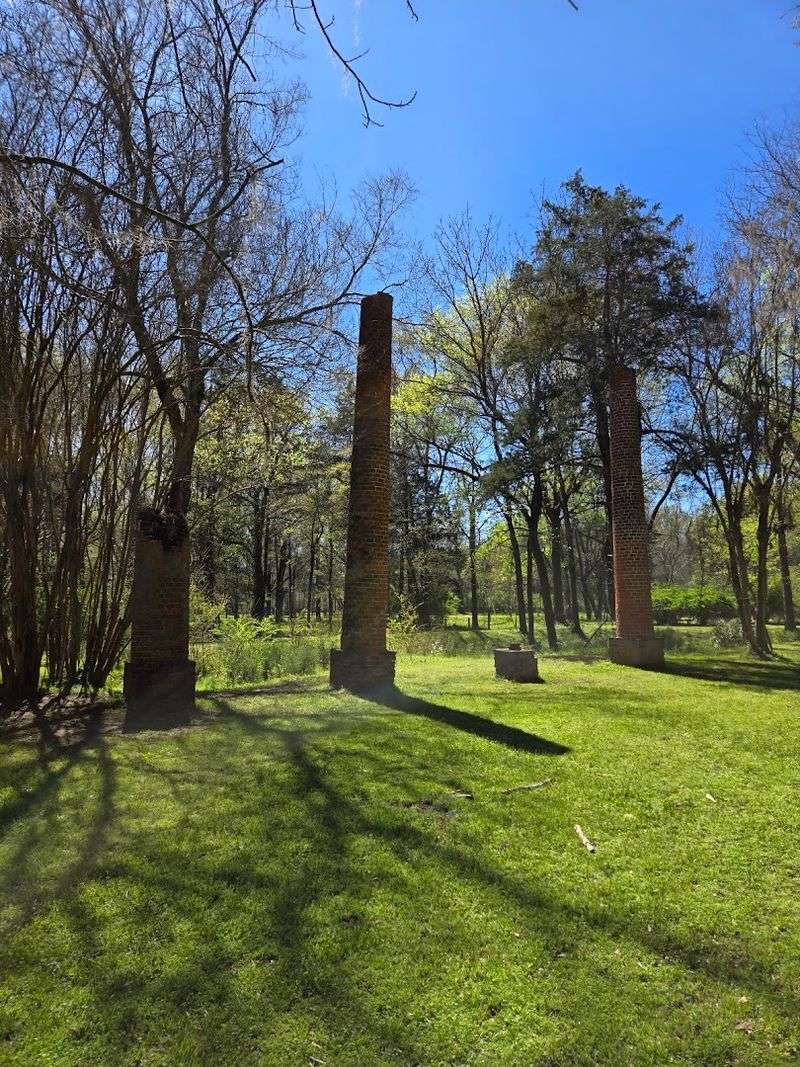
Cemeteries tend to outlast everything else, and Cahawba is no exception. The old cemetery at the site is one of the most visited and most photographed features of the park.
Headstones from the 1800s stand in various states of preservation, some still legible, others worn smooth by time and weather. It is a sobering reminder that real families built their lives here.
Many of the graves belong to people who were prominent in early Alabama history. Politicians, merchants, and landowners rest there alongside ordinary residents.
The cemetery was maintained by local families long after the town dissolved, which is why it survived in better condition than most of the built structures.
Visiting the cemetery feels respectful rather than morbid. The Alabama Historical Commission keeps the grounds clear and accessible, and informational markers provide context for several of the notable graves.
Standing among headstones from the 1820s and 1830s, you realize that Cahawba was not a failed experiment. It was a real community with real people who invested their futures in this spot.
That the town did not survive does not diminish what they built. It just makes the quiet feel heavier.
How To Get There And What To Expect
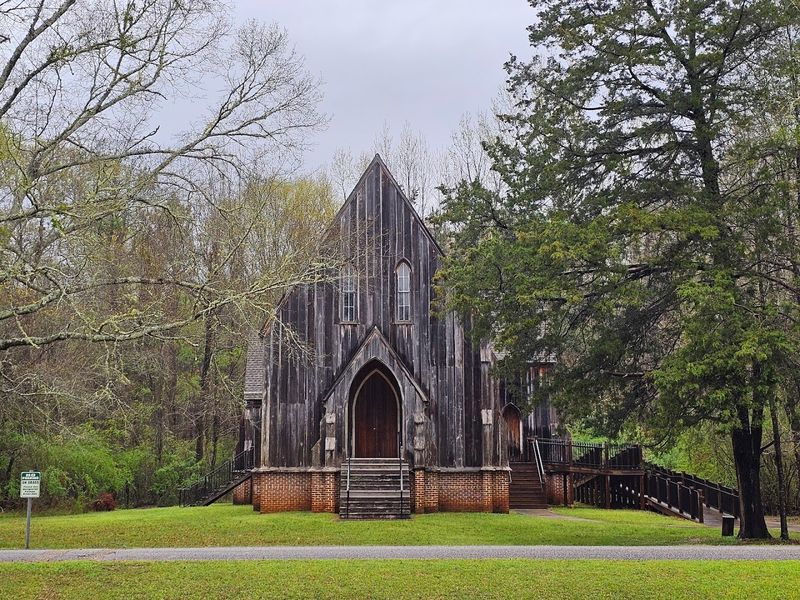
Getting to Old Cahawba requires a little commitment, which is part of its charm. The drive involves rural Alabama roads that get progressively narrower as you approach the site.
A standard car handles the route fine, but pay attention to your navigation because cell service gets spotty in the area.
Admission is inexpensive, with a small entrance fee supporting access to the archaeological park. Spring and fall are the most comfortable times to visit.
Summer in Alabama is genuinely intense, and the humidity at a river confluence takes things to another level. Wear layers you can shed, bring water, and apply sunscreen before you get out of the car.
The park has a small visitor center with exhibits, restrooms, and staff who are genuinely enthusiastic about the history.
The self-guided walking trail covers the major points of interest and takes about an hour at a relaxed pace.
There are no food vendors on site, so eat before you arrive. The nearest town with services is Selma, about 12 miles away.
Plan accordingly, and you will have a smooth, memorable visit.
The Archaeological Discoveries That Changed What We Knew
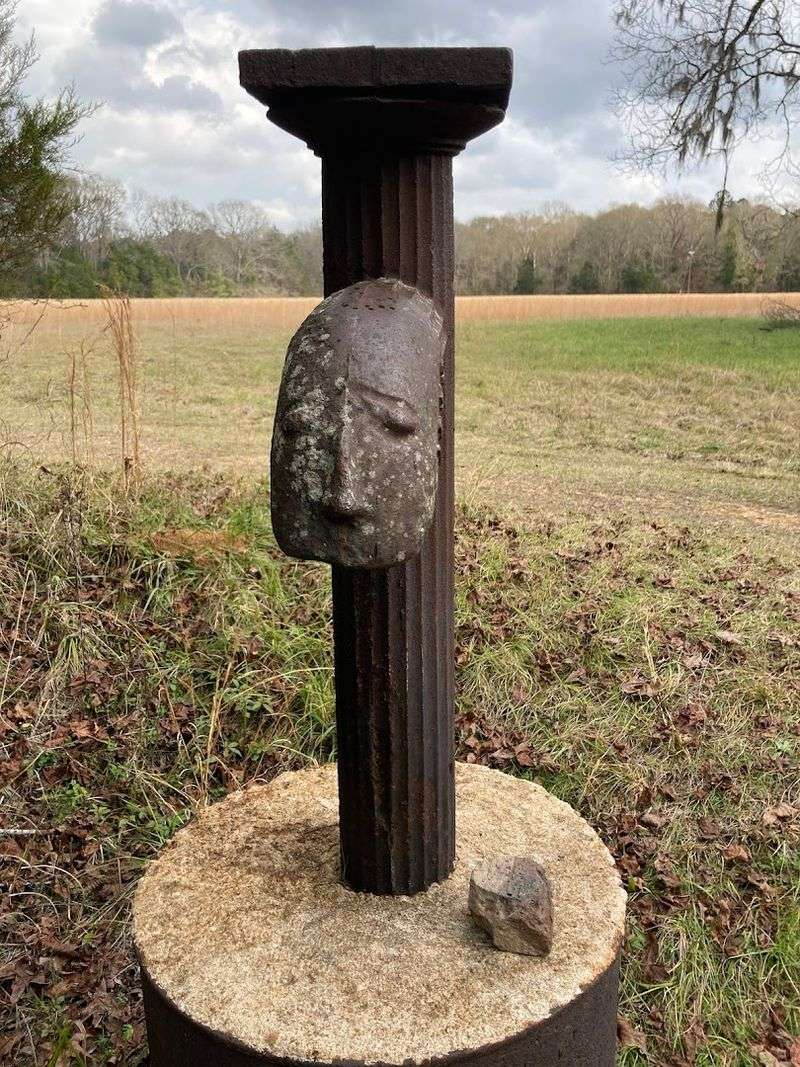
Archaeology at Cahawba has been ongoing for decades, and the findings have repeatedly surprised researchers.
Ground-penetrating radar and careful excavation have revealed building foundations, artifact deposits, and infrastructure that maps from the era did not fully document.
The town was larger and more complex than early records suggested.
Among the notable finds are ceramics, personal items, and structural remnants that shed light on daily life in early 19th century Alabama.
These objects help fill in the human story behind the political history.
Knowing that people drank from certain cups, cooked in certain pots, and lived in buildings of a specific construction style makes the place feel inhabited in a way that text alone cannot achieve.
The Alabama Historical Commission continues to support research at the site, and new discoveries occasionally make local news.
If you visit during an active research period, staff may be able to share what is currently being studied. The park treats archaeology as an ongoing conversation rather than a closed chapter.
That approach keeps the site intellectually alive and gives repeat visitors a reason to come back. There is always something new being learned about a place that most people thought was simply forgotten.
Why This Place Deserves More Visitors Than It Gets
Honestly, Old Cahawba should be on every Alabama road trip itinerary, and the fact that it is not is one of the state’s better-kept oversights.
The combination of genuine historical significance, archaeological depth, natural beauty, and locally beloved ghost lore makes it a layered experience that few places can match.
Most visitors leave saying they had no idea any of this existed.
The park draws history enthusiasts, ghost hunters, photographers, and curious families who just happened to see a sign. All of them tend to leave with the same slightly stunned expression.
There is something about standing in a place that was once the seat of government for an entire state and is now silent except for birdsong that recalibrates your sense of time.
Events at the park include guided tours, educational programs for school groups, and occasional special events tied to Alabama history.
The staff is small but dedicated, and their knowledge of the site goes deep. If you have a specific question about the archaeology or the history, ask.
You will likely get a better answer than anything available online.
Cahawba rewards the curious, and it asks very little in return beyond your attention and a comfortable pair of shoes.