This Ancient Monastery In Florida Looks Straight Out Of The Middle Ages, But Hardly Anyone Knows About It
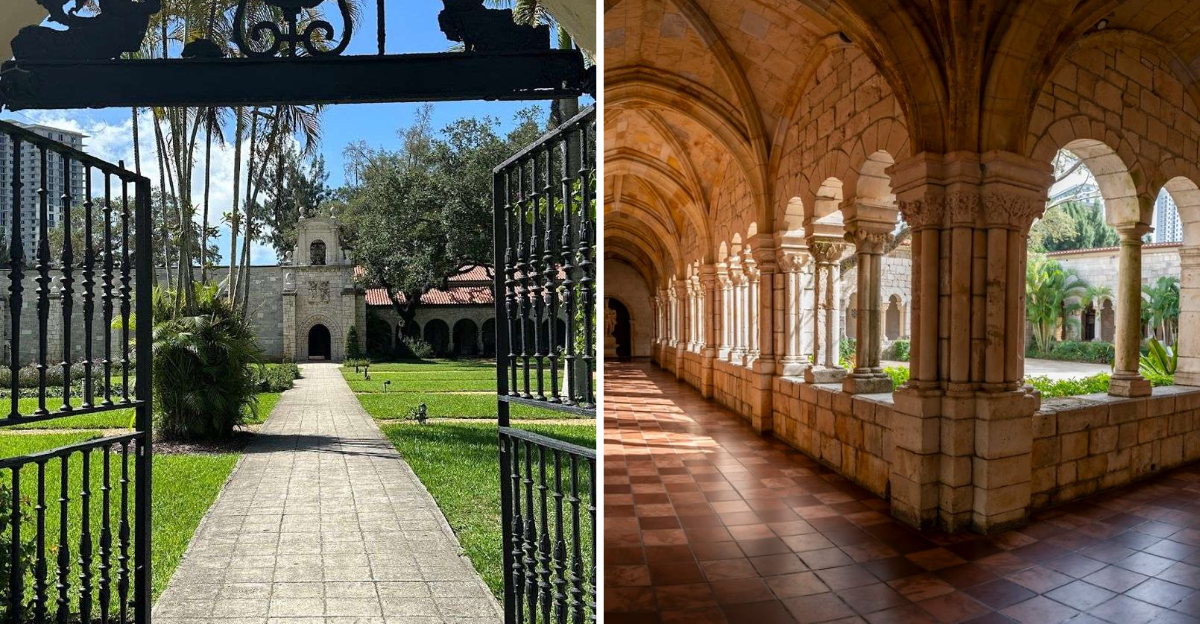
Beaches and skylines come to mind first. So a medieval monastery feels impossible here. Yet one stands quietly behind old stone walls.
Builders first raised it in Spain centuries ago. Then crews took it apart, stone by stone. They shipped every piece across the Atlantic.
So the whole thing rose again down south. Florida hides this strange treasure in plain sight. I almost drove past without a clue.
The arches and quiet cloisters stop you cold. Most locals never knew it existed at all.
History this old rarely sits this near you. The sheer mystery alone earns a visit.
A Monastery With A Wild Origin Story
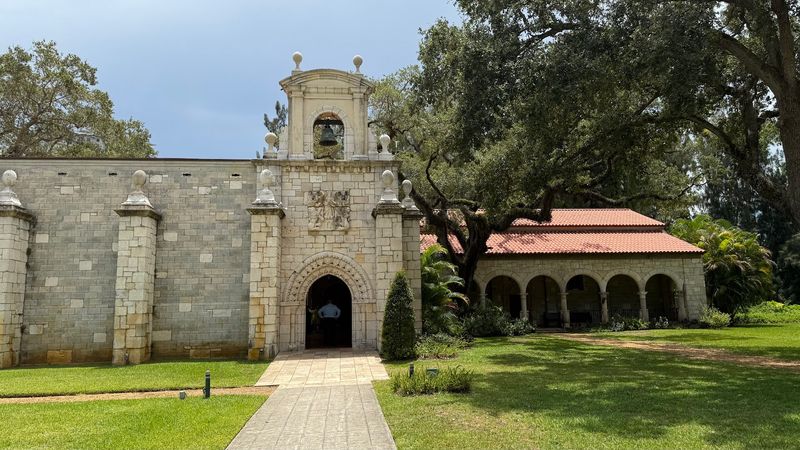
Few buildings in the Western Hemisphere carry a story quite like this one.
The Ancient Spanish Monastery was originally constructed between 1133 and 1141 AD in the village of Sacramenia, in northern Spain.
For over 700 years, Cistercian monks called it home, using it as a place of worship, reflection, and daily community life.
Then came a dramatic turning point. A social revolution in Spain led to the monastery being seized from the monks.
It was repurposed as a granary and stable, a far cry from its original sacred function. The building sat in this state for years before its next chapter began.
That next chapter brought it all the way to Florida. The entire structure was carefully dismantled, stone by stone, and packed into thousands of wooden crates.
Time magazine famously called it the largest jigsaw puzzle ever assembled.
The crates crossed the Atlantic and eventually, after years of complicated storage and reassembly, the monastery found its permanent home in North Miami Beach.
Romanesque Architecture You Can Touch
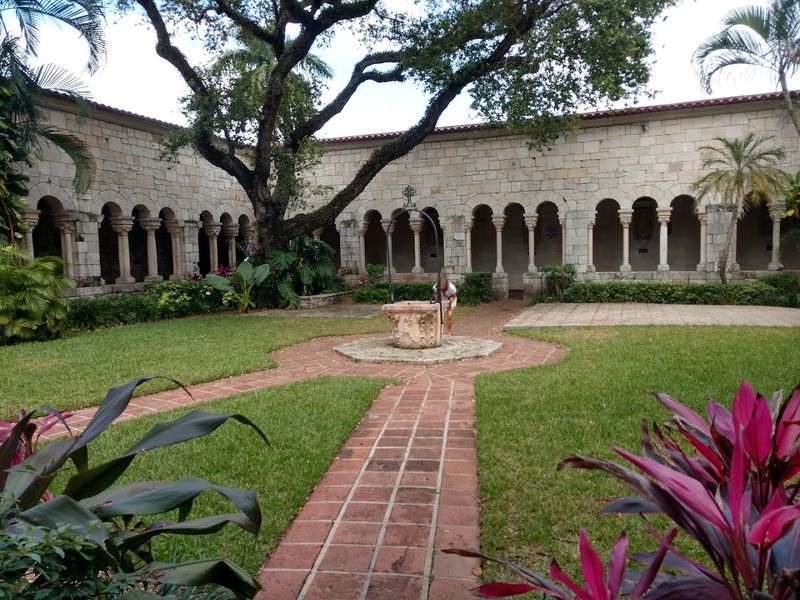
Architecture fans, prepare to be floored. The moment you walk through the entrance of the Ancient Spanish Monastery at 16711 W Dixie Hwy, the visual impact is immediate.
Rounded Romanesque arches line the cloister walkways, each one carved from stone that is nearly 900 years old. The craftsmanship is precise and deliberate, showing just how skilled medieval builders truly were.
The column capitals throughout the cloister are especially worth studying up close. Each one features different carved details, from geometric patterns to small figurative scenes.
No two are exactly alike, and standing there examining them feels more like visiting a museum than a churchyard in Florida.
What makes this experience so rare is that you can actually get close to these structures. You are not separated from the stonework by barriers or glass.
Running your hand along a carved arch that was built in 12th-century Spain is an oddly moving experience.
The preservation of the stonework is impressive, with much of the original material still intact after centuries of use and a transatlantic journey.
Gardens That Invite You To Slow Down
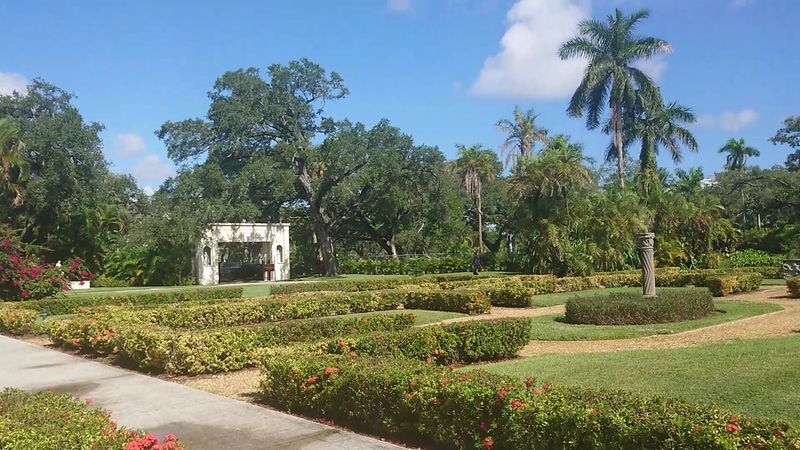
Beyond the cloisters, the outdoor gardens at the Ancient Spanish Monastery offer one of the most calming spots in all of Florida.
The grounds are carefully maintained, with a blend of tropical plants and more traditional greenery that somehow feels right at home alongside the medieval stonework.
Palm trees rise above the ancient walls, creating a visual contrast that is uniquely South Florida.
Stone pathways wind through the garden areas, giving visitors a chance to explore at their own pace. There are quiet corners perfect for sitting and taking in the surroundings without any rush.
The noise of the city fades quickly once you settle into the rhythm of the place.
One charming and unexpected feature of the gardens is the small community of stray cats that roam the property. They have become a beloved part of the monastery experience.
Many visitors bring cat food as a donation to support the resident felines, and the staff actively looks after them. It adds a warm, lived-in quality to the grounds that you would not find at a typical historical site.
Inside The Chapel, Peaceful And Preserved
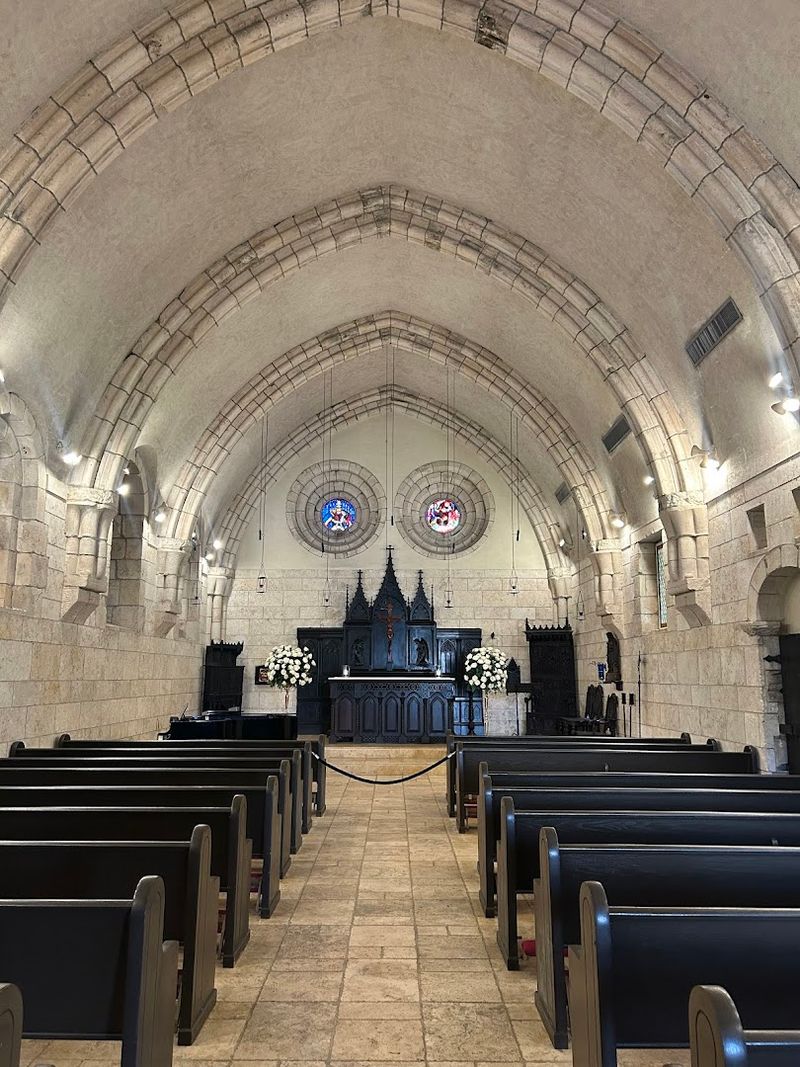
The interior is simple and uncluttered, which only amplifies the sense of age and reverence that the space carries.
Stone walls, wooden pews, and a modest altar come together to create an atmosphere that is genuinely peaceful.
One of the highlights of the chapel interior is the medieval stained glass. The colors are rich and deep, and when sunlight filters through them, the effect is quietly stunning.
These are not modern reproductions. The glass itself carries real historical weight, and visitors often spend several minutes just standing and observing how the light shifts across the stone floor.
Sunday mass is still held here, which means this is an active place of worship and not just a preserved relic. That living quality adds something meaningful to the visit.
Knowing that people still gather here for the same purpose the building was originally designed for connects the present to the past in a very direct way.
Tours, History, And What To Expect
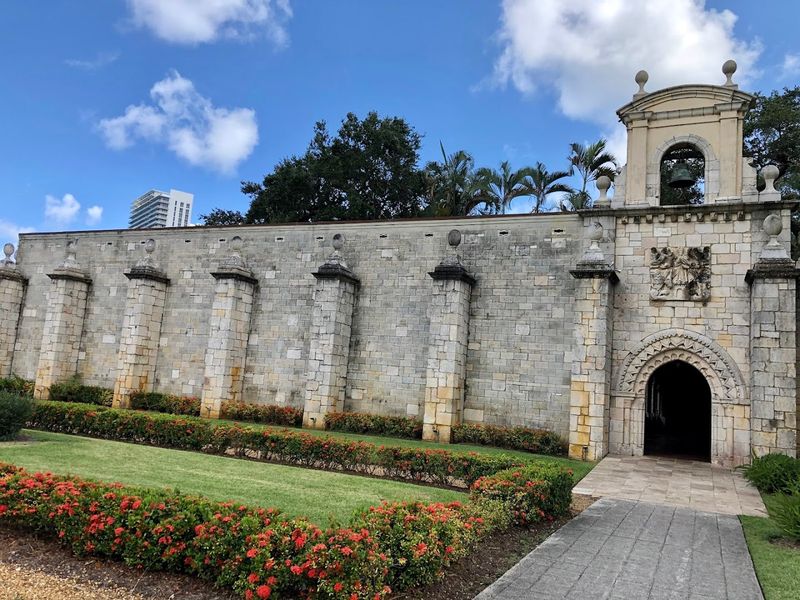
Knowing a bit about what to expect before your visit makes the whole experience much richer.
Near the entrance, there is a small but informative museum area that provides background on the monastery’s origins, its dismantling in Spain, and the complicated process of rebuilding it in Florida.
Picking up the paper brochure available at the ticket counter is a smart move, as it helps you follow along and understand what you are looking at as you walk the grounds.
Guided tours are available and well worth taking. A knowledgeable guide walks you through the key areas of the property and explains the historical context behind the architecture and the site’s journey from Spain to North Miami Beach.
Coming prepared with a few questions of your own tends to lead to more detailed and satisfying conversations with the guide.
The site is not enormous, but there is genuinely a lot to absorb. Most visitors spend between one and two hours exploring at a comfortable pace.
Parking is easy and there are plenty of spaces available nearby.
Photography At Every Turn
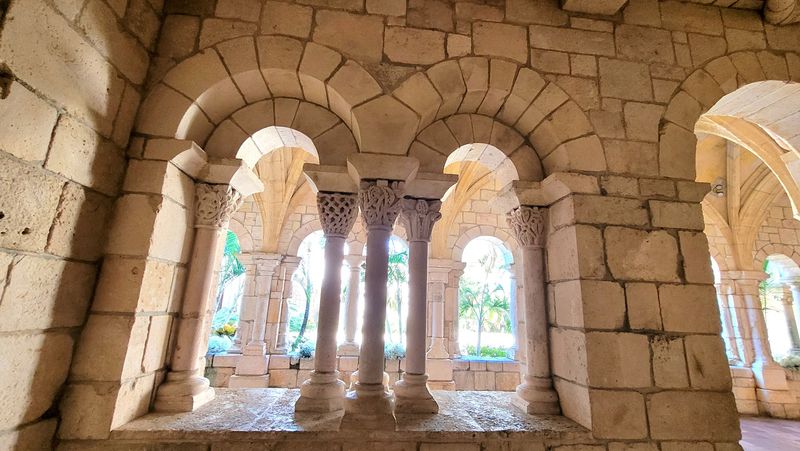
Photographers, both professional and casual, tend to leave the Ancient Spanish Monastery with a very full memory card.
The variety of visual subjects on this relatively compact property is genuinely impressive. From the textured close-ups of carved stone capitals to wide-angle shots of the full cloister arcade, there is always something worth framing.
The interplay between the medieval architecture and the surrounding Florida landscape creates compositions that feel unique and unexpected.
A palm tree rising above a Romanesque arch, or a cat lounging on a centuries-old stone step, are the kinds of images that look almost too good to be real.
Natural light works especially well here in the mornings, when softer angles bring out the texture of the aged stone without harsh shadows.
The garden areas offer their own photographic appeal, with flowering plants, moss-covered walls, and quiet pathways that photograph beautifully in almost any light.
The chapel interior, with its stained glass and stone surfaces, rewards patience and a willingness to experiment with available light.
A Surprisingly Perfect Wedding Venue
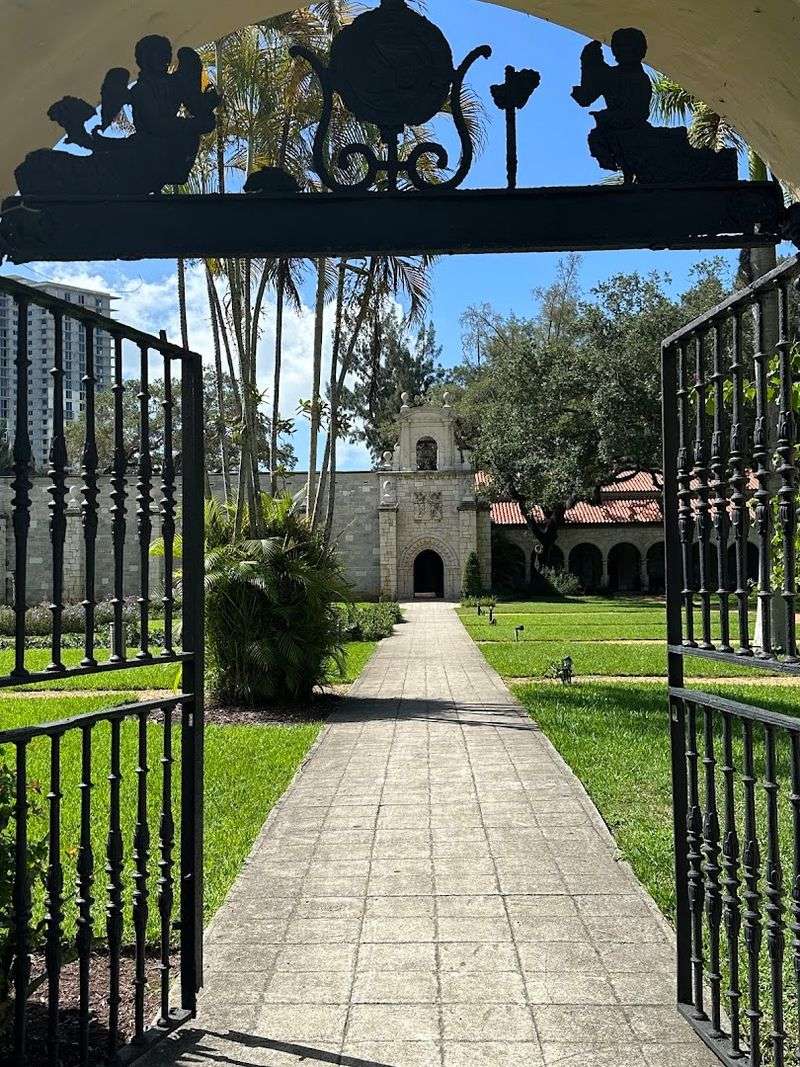
Not many wedding venues can claim medieval Spanish credentials, but the Ancient Spanish Monastery pulls it off effortlessly.
The combination of stone archways, lush garden settings, and the overall sense of timeless atmosphere makes this one of the most distinctive event spaces in all of Florida.
Couples looking for something beyond a typical ballroom or beachside ceremony have found a genuinely special alternative here.
The property has hosted countless weddings and special celebrations over the years. The cloisters provide a naturally dramatic backdrop for photographs, and the garden areas offer softer, more romantic settings for ceremonies and receptions.
Beyond weddings, the monastery has also hosted masquerade parties, food events, and other private gatherings. The versatility of the space is impressive given how ancient and historically sensitive it is.
The staff coordinates events with care, ensuring that the integrity of the site is always respected. If you are planning a special occasion in South Florida and want a venue that will genuinely surprise your guests, this is a strong contender.
What Makes This Place Truly Rare
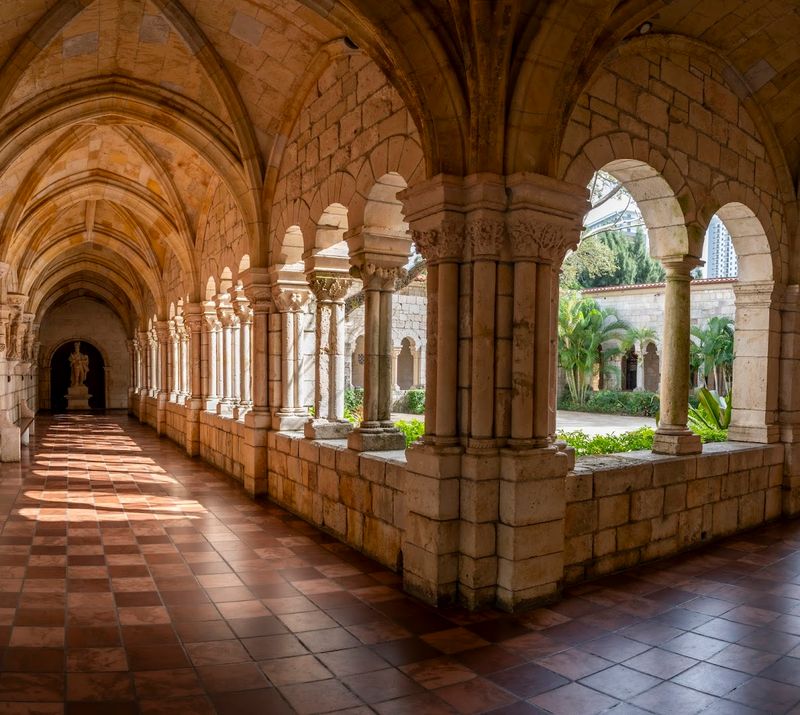
Context matters when you visit the Ancient Spanish Monastery. Standing in a state known for its modern cities, theme parks, and coastline, this structure represents something entirely different.
It is the oldest building in the Western Hemisphere of European origin, a fact that takes a moment to fully register when you are standing inside it. The combination of factors that brought it here is almost improbable.
A medieval monastery built in 12th-century Spain, used by monks for centuries, seized during a revolution, repurposed as a stable, then purchased, dismantled, shipped across the ocean, and finally rebuilt in Florida over several decades.
There is also something refreshing about how understated the whole experience is. This is not a heavily commercialized attraction with loud branding or long lines.
The monastery sits quietly in a North Miami Beach neighborhood, easy to miss if you do not know to look for it. That low-key quality is part of what makes discovering it feel so rewarding.
Florida has no shortage of things to see and do, but the Ancient Spanish Monastery occupies a category entirely its own.