This Arizona Slot Canyon Offers One Of The Most Unique Walks In The Southwest
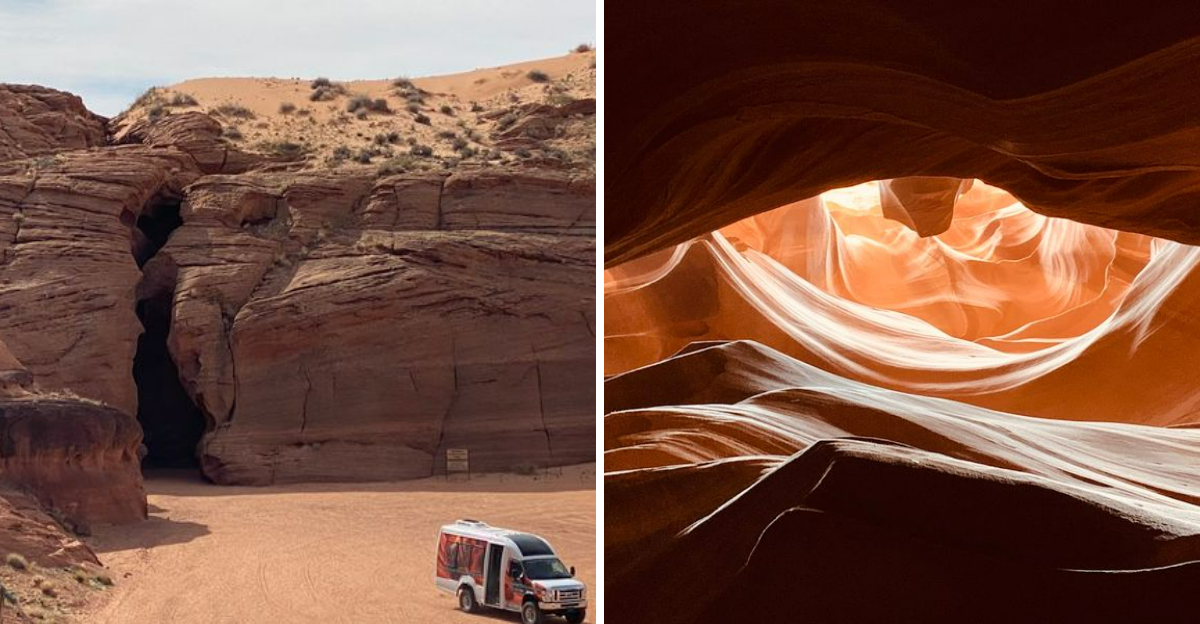
I have stood in a lot of beautiful places. Nothing prepared me for this one.
Deep in the Arizona desert, there is a narrow crack in the earth that looks like it was painted by hand. The walls curve and ripple in shades of orange, red, and purple.
When sunlight hits just right, the whole thing glows. This state has no shortage of jaw-dropping landscapes, but this slot canyon is something else entirely.
It feels less like a walk and more like slipping into another world. Arizona has earned its reputation as a hiker’s paradise, but this place plays by completely different rules.
You are not climbing anything. You are not sweating through miles of trail.
You are simply moving through one of the most surreal corridors nature has ever carved.
The Geological Story Behind The Walls
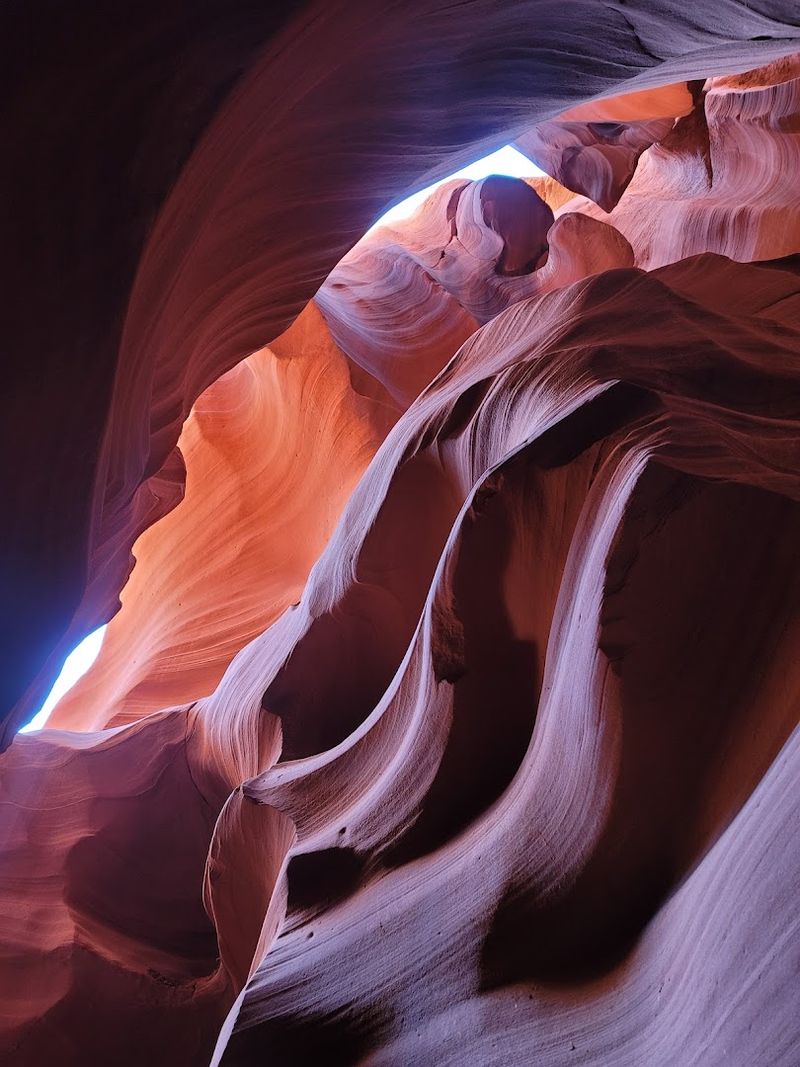
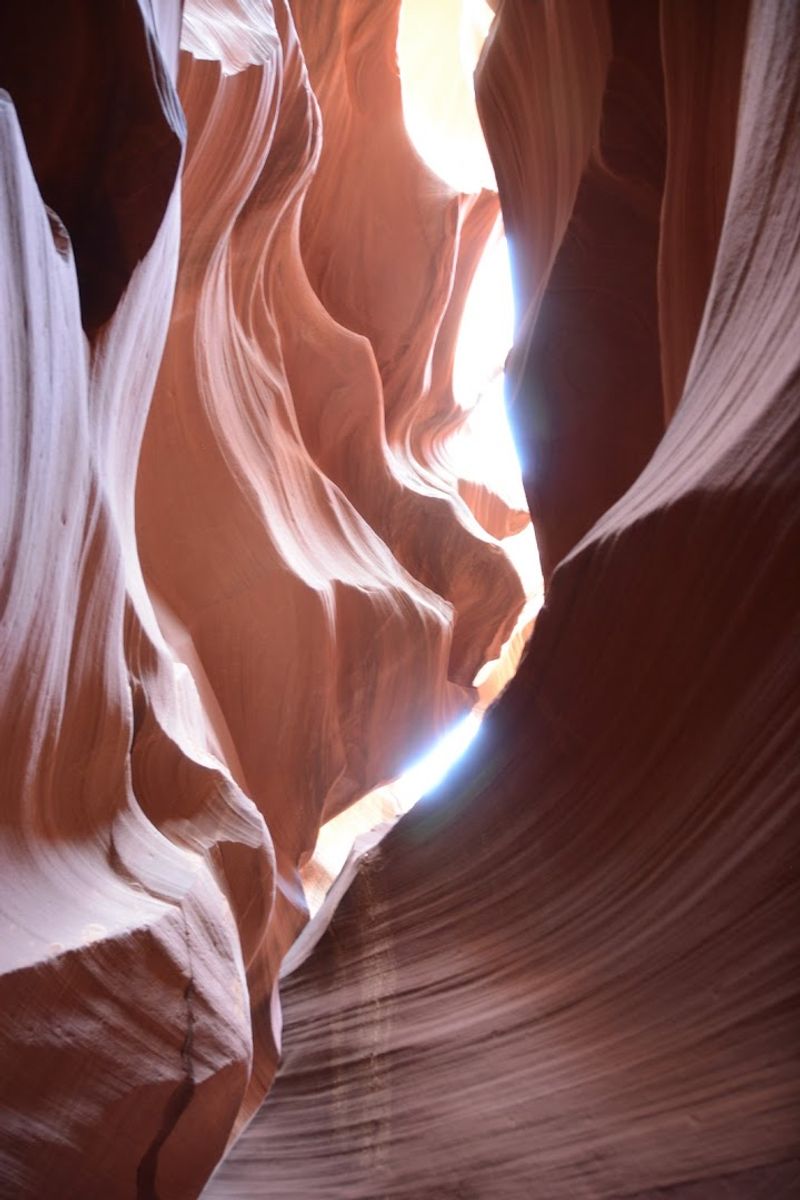
Few places on Earth make you feel like you are standing inside a sculpture. The walls of Antelope Canyon were carved by flash floods and wind over millions of years.
The rock itself is Navajo sandstone, dating back roughly 190 million years to the Jurassic period.
Water rushed through narrow cracks, slowly widening and smoothing every surface it touched. Wind followed, polishing the stone until it looked almost liquid.
The result is a canyon with walls that flow and curve like frozen waves.
Each stripe in the rock tells a chapter of geological history. Some layers are soft orange, others deep crimson, and a few shift into surprising purple tones.
Running your eyes along the walls feels like reading a timeline written in stone.
What makes it even more remarkable is how compact the canyon is. You are not hiking for miles to find the beauty.
It surrounds you immediately, from floor to ceiling. Located on Navajo Nation land near Page, Arizona 86040, USA, the canyon carries the weight of deep time in every inch of its walls.
Standing there, even briefly, makes the world outside feel very small and very young.
Upper Antelope Canyon And Its Famous Light Beams
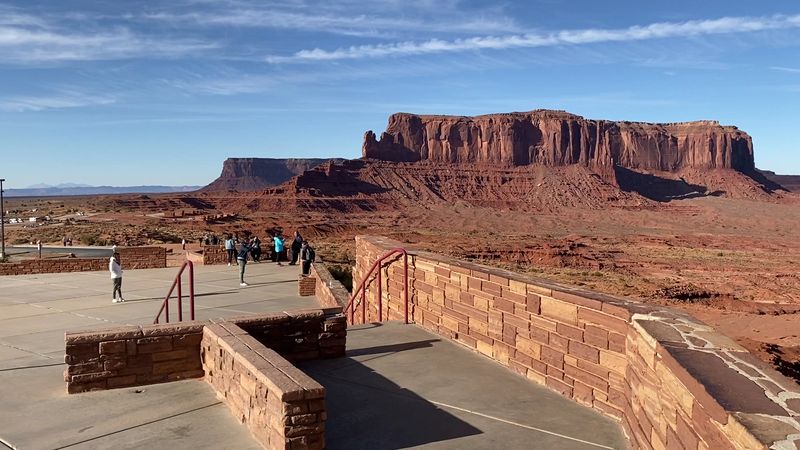
Nothing quite prepares you for the moment a beam of sunlight drops straight down through the rock ceiling. Upper Antelope Canyon, known locally as The Crack, is where that magic happens most dramatically.
The canyon entrance sits at ground level, making it easy to walk straight in.
From May through October, sunlight is most likely to hit the narrow openings at midday and create the canyon’s famous shafts of light. Photographers plan entire trips around these moments.
The beams usually appear strongest between 11 a.m. and 1 p.m. on sunny days.
The walls around those beams shift through warm oranges, deep reds, and soft golds. Colors change depending on where you stand and how the sun moves.
No two visits produce exactly the same light show.
Upper Antelope Canyon tends to attract larger crowds, especially during peak season. Booking your tour well in advance is strongly recommended.
Tours often sell out days or even weeks ahead. The guided experience lasts roughly one hour, and your Navajo guide will point out the best photo angles along the way.
Bringing a camera with good low-light settings makes a real difference here.
Lower Antelope Canyon And The Adventurous Descent
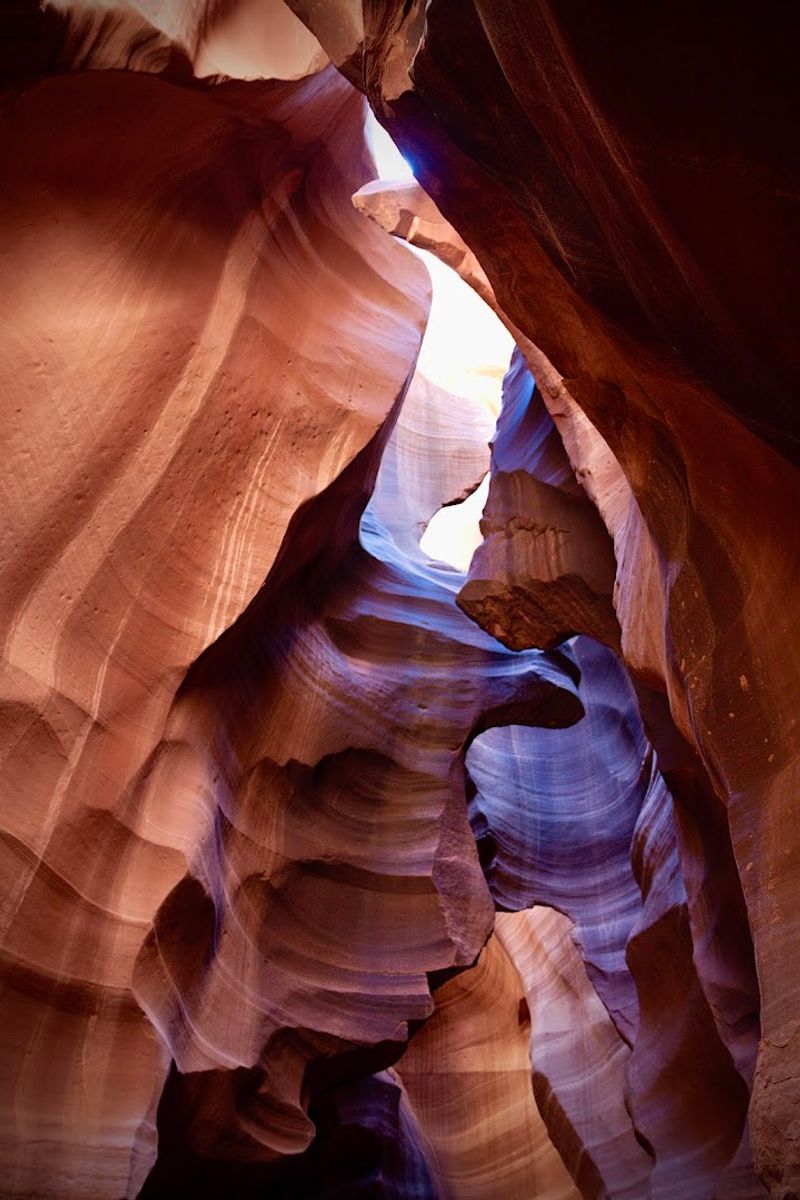
Lower Antelope Canyon goes by another name among Navajo guides: The Corkscrew. That nickname tells you exactly what to expect before you even step onto the first ladder.
The entry point drops you down into the earth, and the adventure starts immediately.
The passage is narrower than the upper section, which means the colors feel more intense and concentrated. Deep reds, burnt oranges, and unexpected lavender tones press in from both sides.
Every turn reveals a new shape that the water carved over centuries.
Navigating the lower section involves stairs and metal ladders at several points. It is not a difficult hike, but comfortable shoes with good grip make a real difference.
The trail runs longer than the upper section and feels more like genuine exploration.
Crowds tend to be slightly smaller here, especially during off-peak months like November and February. Visiting in winter means fewer people and a more relaxed pace through the passages.
Some visitors say the lower canyon feels more personal and immersive as a result. Both sections are located near Page, and many tour operators offer a combined ticket if you want to experience the full contrast between the two canyons in a single day.
Antelope Canyon X For A Quieter Experience
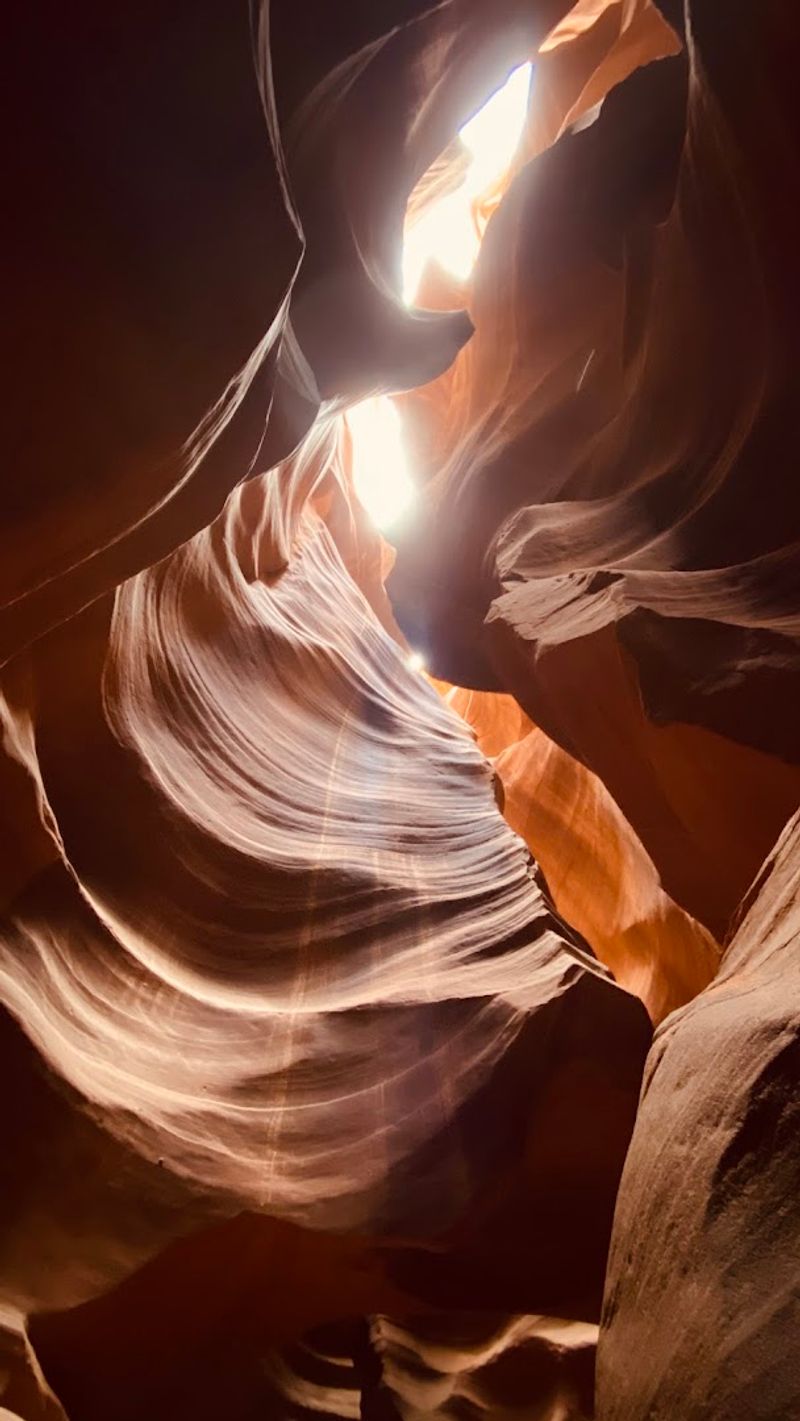
Not everyone wants to share their canyon moment with a hundred other visitors. Antelope Canyon X was created specifically for people who prefer a slower, more personal pace.
Tour groups here are noticeably smaller, which changes the entire atmosphere inside the canyon.
The formations in this section are just as striking as the more famous areas. Smooth curves, deep shadows, and walls that shift from amber to rust depending on the light.
The experience feels unhurried and genuinely exploratory.
Because it receives less foot traffic, Antelope Canyon X offers photographers more breathing room. You can actually stop, reframe, and wait for the light to shift without feeling rushed.
That patience pays off in images that look far more personal than the typical canyon shot.
Booking for this section is generally easier than for Upper or Lower Antelope Canyon. It is a smart option if you are visiting during peak summer months when the main sections fill up fast.
Bringing a small water bottle and wearing closed-toe shoes is always a good idea, regardless of which section you choose. The experience here is quieter, but the canyon itself is no less extraordinary.
The Navajo Cultural Significance Of The Canyon
The canyon has a name that goes far deeper than any travel brochure. In the Navajo language, it is called Tsé bighánílíní, which translates to the place where water runs through rocks.
That name carries centuries of cultural memory and spiritual meaning.
Access to Antelope Canyon is only permitted through authorized Navajo guides, and that rule is not simply a formality. The Navajo people consider this land sacred, and guided tours ensure both visitor safety and respectful engagement with the site.
Guides share stories, point out formations with cultural names, and bring the canyon to life in ways a solo walk never could.
Some guides play traditional Navajo flute inside the canyon. The sound bounces off the sandstone walls and fills the narrow passage with something that feels genuinely moving.
It is one of those unexpected moments that turns a sightseeing trip into something more memorable.
Understanding the cultural context adds real depth to the visual experience. The canyon is not just a pretty rock formation.
It is a living part of Navajo heritage that has been protected and shared responsibly for generations. Approaching the visit with curiosity and respect makes the whole experience richer and more meaningful for everyone involved.
How To Book Your Tour And What To Expect
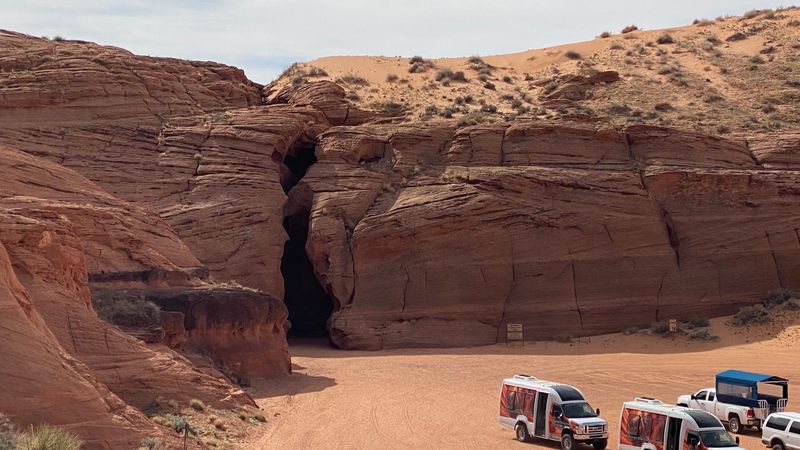
Planning ahead is the single most important thing you can do before visiting. Tours for Upper Antelope Canyon sell out weeks in advance, especially from spring through early fall.
Waiting until the last minute almost always means disappointment at the ticket booth.
Several authorized Navajo tour operators run guided walks through the canyon. Prices vary by section, operator, season, and tour time, so checking the official tour operator before booking is the safest approach.
Some operators charge an additional entry fee on top of the tour price, so reading the fine print before booking is worth your time.
Walk-in tickets are sometimes available at on-site booths, but availability depends entirely on the day. Arriving early in the morning gives you the best shot at a same-day spot if you have not pre-booked.
Peak season crowds move through quickly, so the experience can feel brisk during busy periods.
Tours last approximately one hour for most sections. Guides lead the group at a steady pace, stopping at key formations and helping everyone find the best photo angles.
Backpacks and large bags are generally not permitted inside the canyon. A small water bottle, comfortable closed-toe shoes, and a charged camera are the only essentials you truly need for this walk.
Best Time Of Year To Visit The Canyon
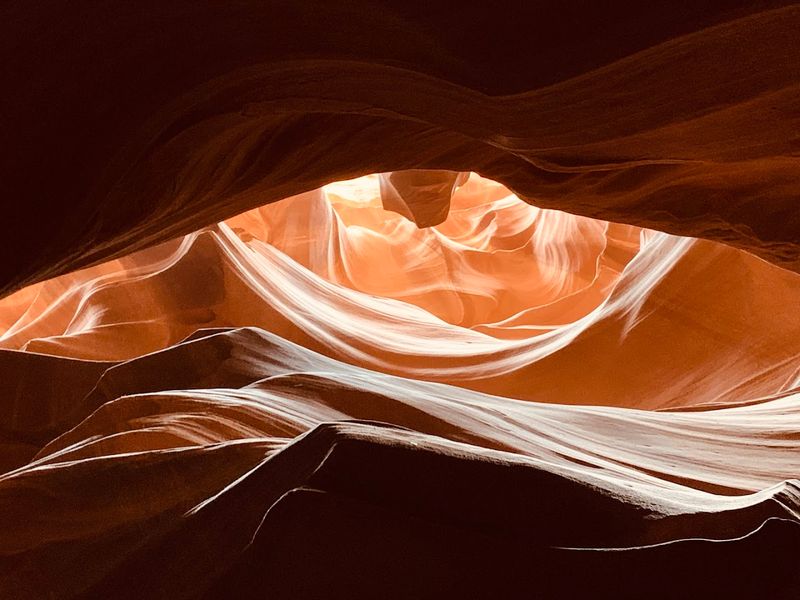
Timing your visit correctly makes a surprisingly large difference in what you actually experience inside the canyon. The light beam phenomenon in Upper Antelope Canyon is usually most reliable from May through October, with the strongest midday light around late spring and summer.
That is when the sun sits high enough to send shafts of light straight down through the narrow ceiling openings.
Summer brings the most dramatic light but also the largest crowds. If waiting in line and moving through the canyon quickly does not appeal to you, consider visiting in late spring or early fall.
Shoulder season offers a solid balance between good lighting and manageable crowd sizes.
Winter visits have their own quiet appeal. Crowds drop significantly from November through February, giving you more space and a more relaxed pace.
The light beams are less prominent during these months, but the canyon walls are no less beautiful. Colors remain vivid, and the cooler temperatures make the walk genuinely comfortable.
Flash flood risk is real in this part of the Southwest, and tours are sometimes cancelled during or after heavy rainfall. Checking weather forecasts before your visit is always a good idea.
The area around Page experiences monsoon conditions in late summer, which can affect tour availability on short notice.
What To Bring And How To Prepare For The Walk
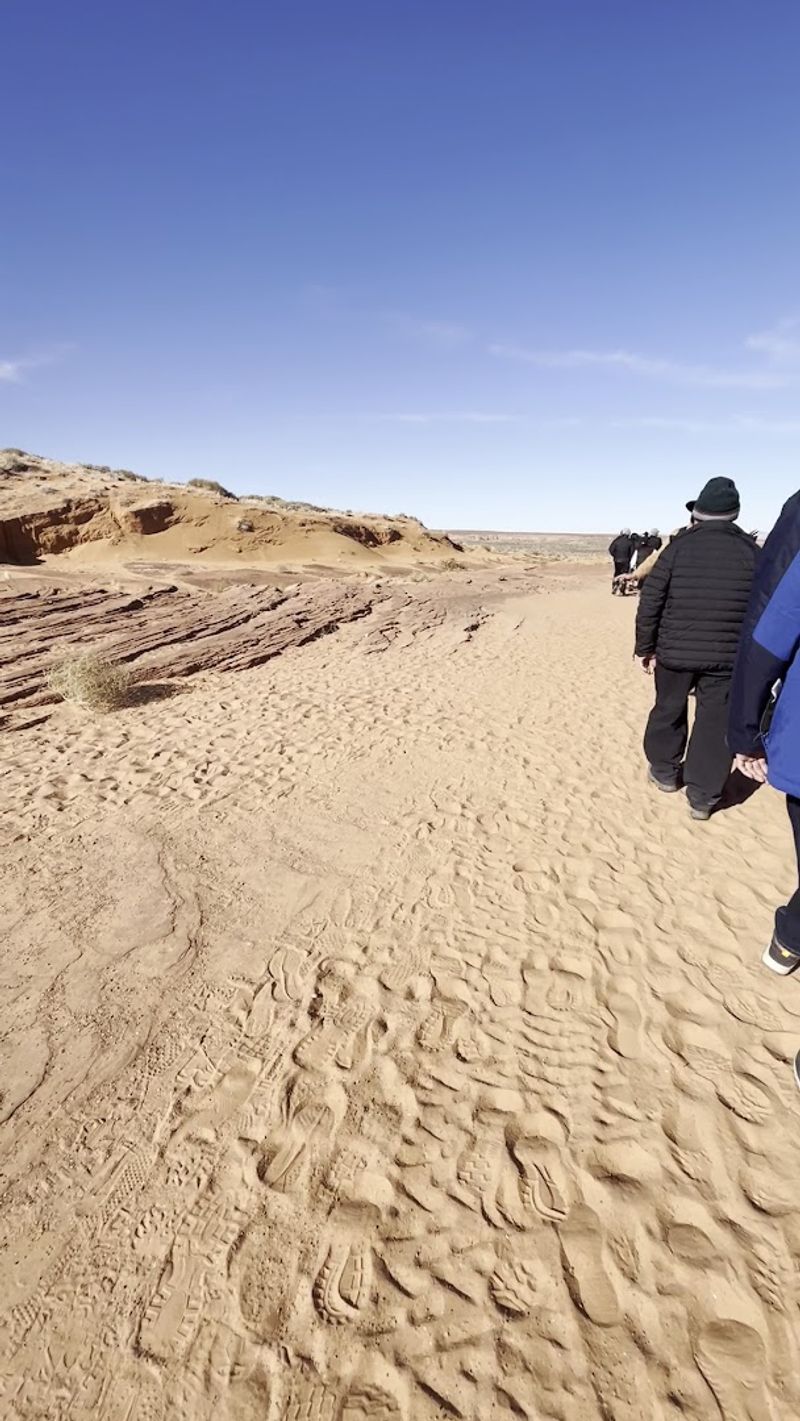
Packing smart for Antelope Canyon is easier than most outdoor adventures. The walk itself is short, flat in most sections, and entirely guided.
But a few small preparations make the difference between a comfortable visit and an avoidable headache.
Water is non-negotiable, even in cooler months. The desert air around Page is dry, and the canyon interior can feel surprisingly cool in winter or warm in summer depending on conditions.
A small, handheld water bottle is enough since large bags and backpacks are not allowed inside most sections.
Footwear matters more than most people expect. The sandy floor inside the canyon shifts under your feet, and some sections require climbing metal stairs or ladders.
Closed-toe shoes with a decent sole grip keep you steady and comfortable throughout the tour. Sandals and flip-flops are a poor choice for this walk.
Dress in layers if you are visiting in fall or winter. The canyon interior can be noticeably cooler than the desert outside, and a light jacket makes the experience much more enjoyable.
Sunscreen is essential for the walk between the parking area and the canyon entrance. Hand sanitizer is worth bringing too, since restroom facilities at the site are basic and limited.
Arriving prepared means you spend the entire hour focused entirely on the canyon itself.