This California Apple Orchard Is Easy To Miss, And Families Keep Coming Back
Blink at the wrong driveway and you might pass it. That low-key arrival is part of the charm.
There is no giant spectacle announcing what is ahead, just the feeling that you have found a place people return to because they already know what waits beyond the road.
This California apple orchard has built that kind of loyalty over time.
Families come back for the simple pleasure of picking fruit and spending a few hours somewhere that feels pleasantly removed from the louder side of fall tourism.
The appeal is in the familiarity, the seasonal routine, and the sense that the visit can become one of those traditions that quietly sticks around for years.
Some places advertise themselves loudly. Others get passed down by recommendation.
A Nine-Acre Orchard Tucked Along Oak Glen Road
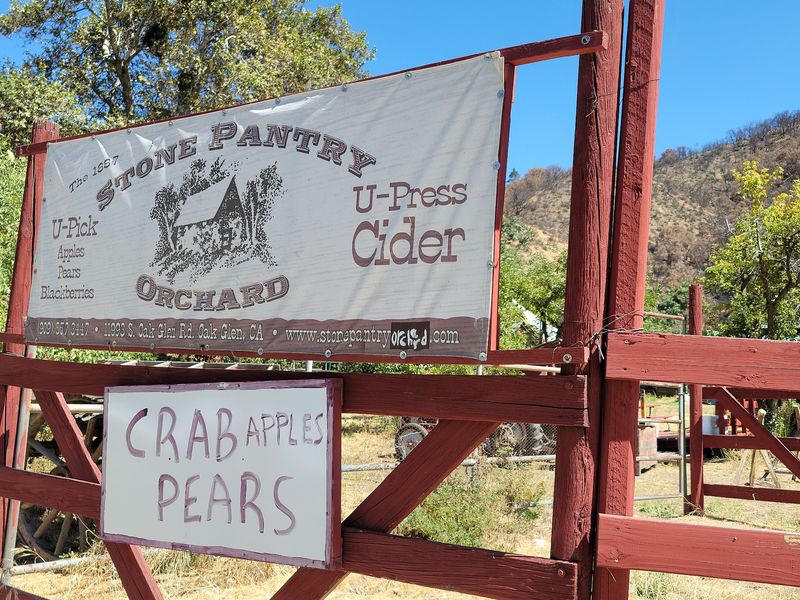
Plenty of drivers cruise right past the entrance without realizing an orchard sits behind those trees.
The property covers about nine acres, which is small enough to feel personal but large enough that kids can wander between rows without bumping into everyone else.
Oak Glen sits above the valley floor, so the temperature usually drops several degrees compared to the flatlands below.
Autumn actually looks like autumn here, with cooler air and changing leaves that feel unusual for Southern California.
The setting stays rustic rather than polished, meaning dirt paths, working farm equipment, and trees that clearly earn their keep.
Anyone expecting a theme-park style attraction should adjust expectations before arriving. What visitors get instead is a real working orchard where the main activity is walking, looking up, and choosing fruit.
The scale makes it easy to cover the whole place in an afternoon without anyone getting worn out. Grandparents and toddlers can move at their own pace on the same visit.
Because the orchard is easy to overlook, weekday appointments and later afternoon hours often feel quieter than the busiest weekend stretches.
That low-key quality is exactly why so many families make the drive back year after year.
Stone Pantry Orchard can be found at 11993 S. Oak Glen Rd., Yucaipa, CA 92399, up in the foothills of the San Bernardino Mountains.
U-Pick Apples That You Twist, Not Yank
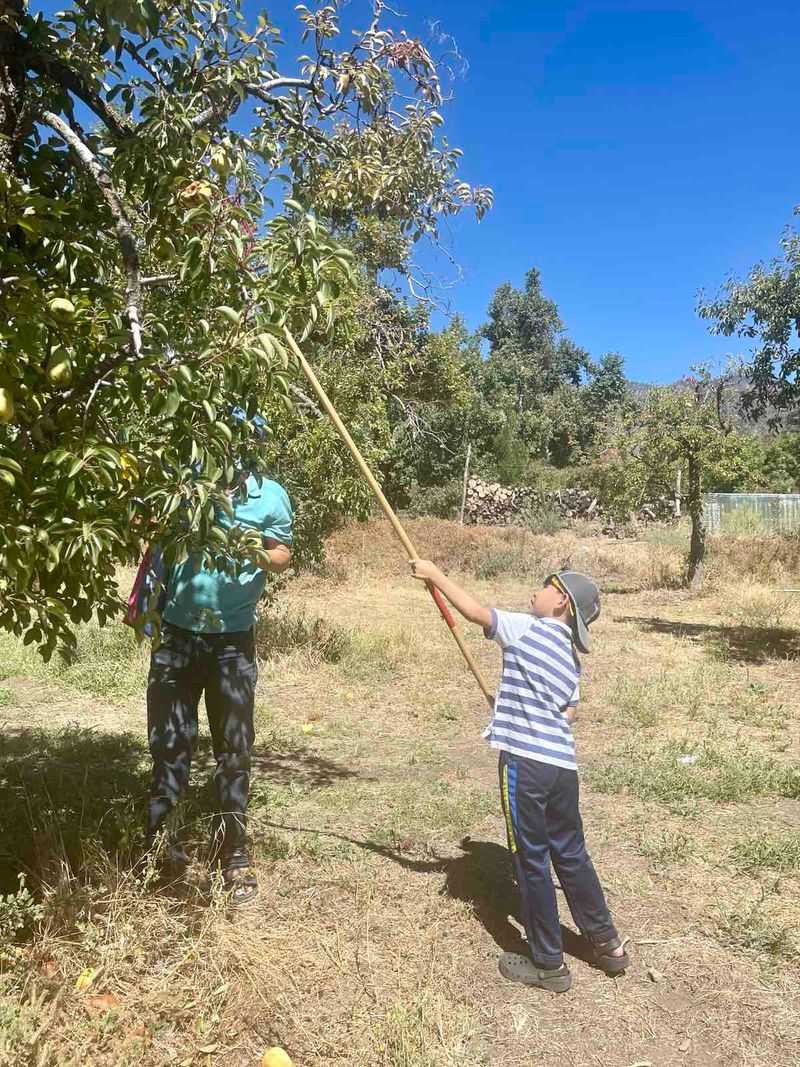
There is a right way to take an apple off a tree, and staff here will happily explain it.
Gently twisting the fruit upward works far better than pulling straight down.
Twisting protects the spur wood, which is the small stubby growth where next season’s apples form. Yanking can snap that spur off and cost the tree fruit the following year.
Kids usually catch on within a minute or two, and it gives them a small job to feel proud of.
Apples are sold by the pound for U-pick, with a past price noted around $3.50 per pound. Prices can shift from season to season, so checking ahead is a smart move before loading up bags.
Picking poles and bags are provided, which saves families from hauling their own gear up the hill. The poles help reach the higher fruit that everyone else has already walked past.
Lower branches get picked over quickly on busy days, so looking up often pays off.
There is also a spot on the property for washing apples right away.
Rinsing and eating one on-site is part of the fun, and the crisp snap of a just-picked apple beats anything wrapped in plastic.
Bring a bag or box for the car ride home so fruit does not roll around loose.
Pressing Your Own Cider From Apples You Gathered
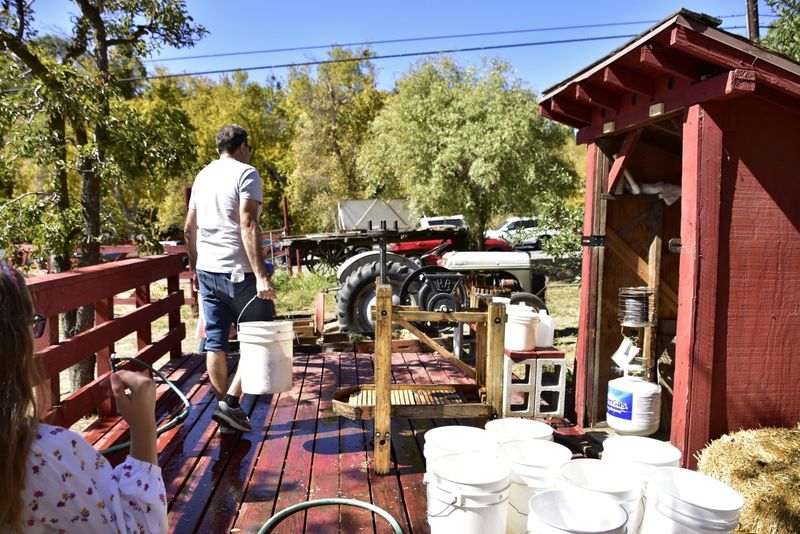
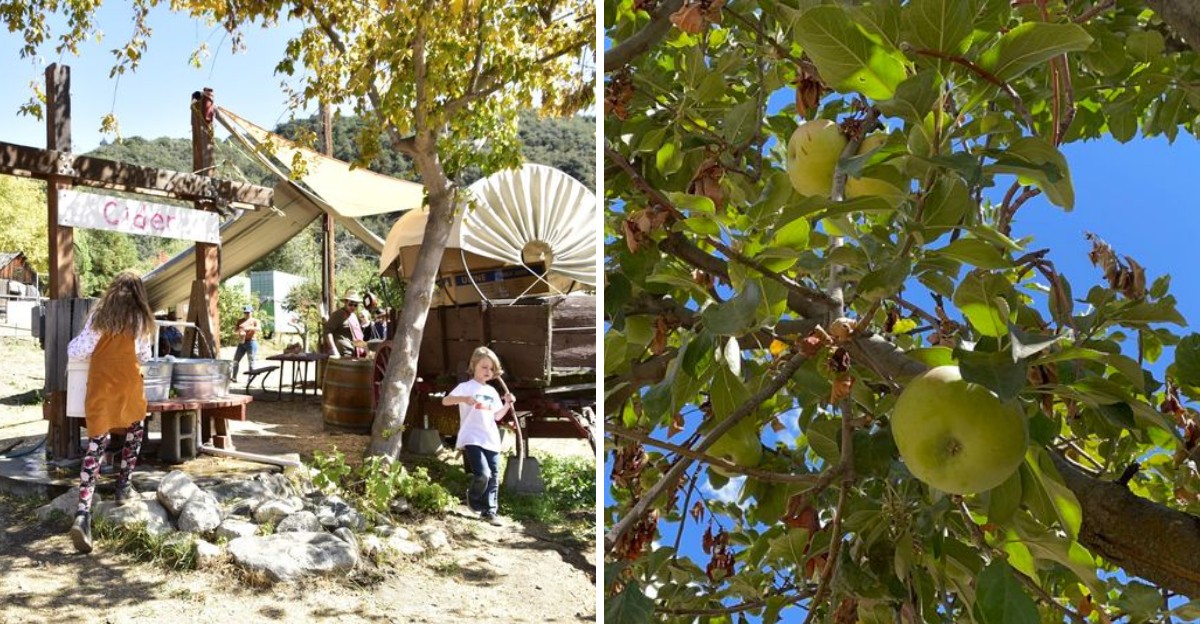
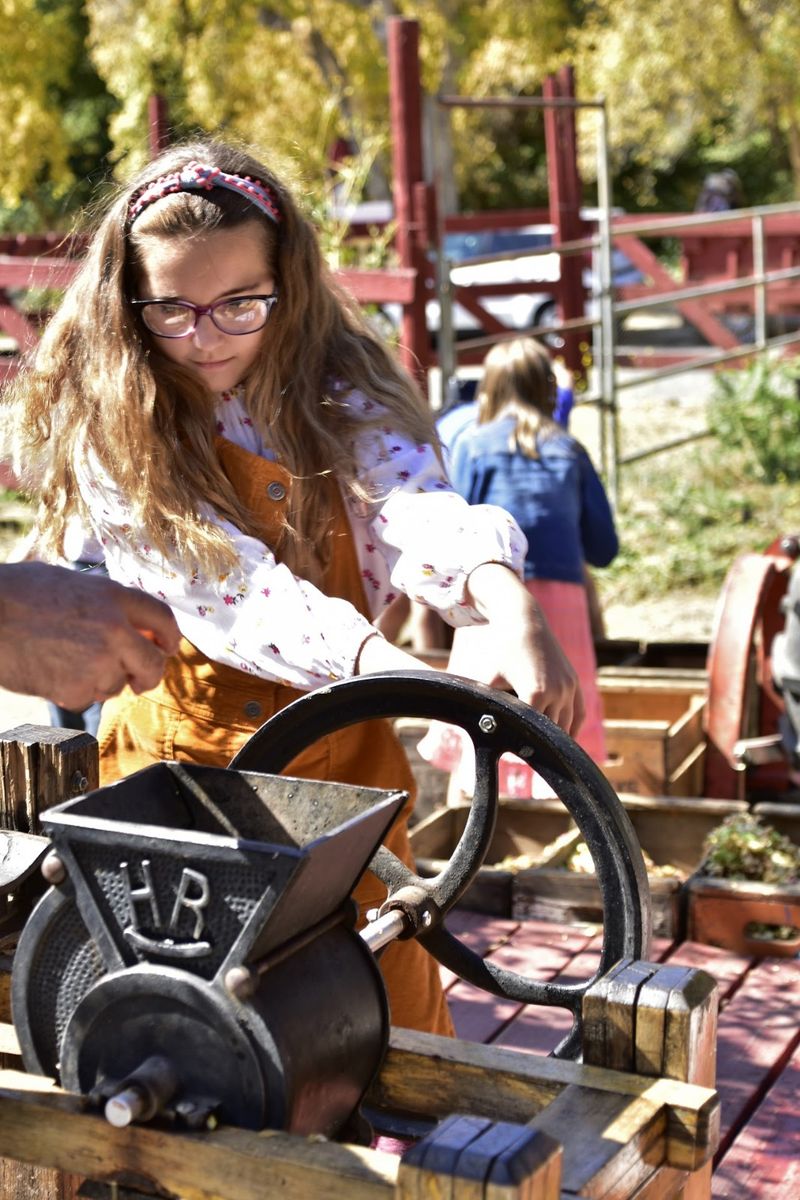
Not many orchards hand guests the equipment and let them do the work themselves. Cider pressing is the signature activity here, and it turns a fruit-picking trip into something closer to a hands-on lesson.
The process starts with filling a five-gallon bucket with apples.
From there, apples get shredded and then pressed, with juice running out fresh and unfiltered.
Half a bucket generally works out to about half a gallon of cider, while a full bucket yields roughly a gallon.
Past pricing was noted at $35 for a gallon of U-press cider and $25 for a half gallon, though costs may change between seasons.
Kids tend to love the cranking part, and adults usually end up taking over when arms get tired.
The smell during pressing is sweet and sharp at the same time, and it sticks around on your hands afterward.
Arriving earlier in the day gives a better chance at getting a turn, since pressing takes time and the equipment is limited.
Waiting until late afternoon on a packed October Saturday could mean missing out entirely.
Bringing a cooler helps keep fresh cider cold on the drive home. Homemade cider does not last like the shelf-stable kind, so plan to drink it within a few days.
Pears, Wild Blackberries, And Pumpkins In The Mix
Apples get all the attention, but they are not the only thing growing on the property.
Pears show up as a U-pick option, and they offer a softer, sweeter change of pace from crisp apples.
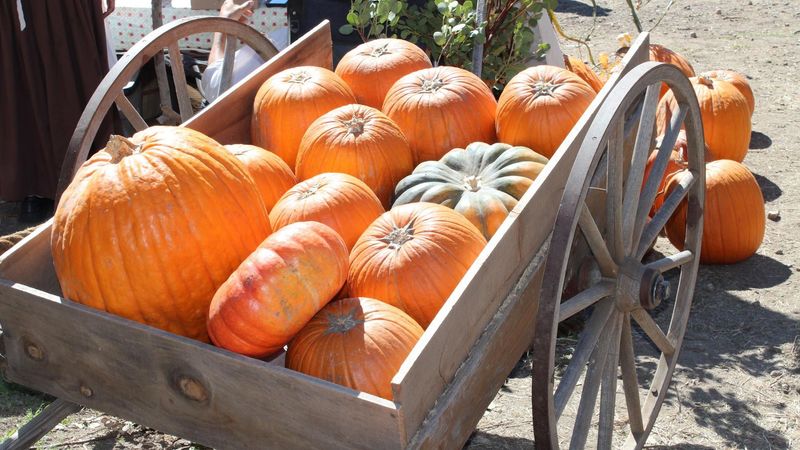
Wild blackberries also grow here, which surprises visitors who assumed the trip would be apples and nothing else. Pumpkins round out the lineup as the calendar moves toward late October.
Availability depends entirely on the season and how the harvest is going in any given year. Early September visits lean heavily toward apples, while later trips may bring pumpkins into the picture.
Calling ahead is the most reliable way to learn what is actually ready to pick on a given weekend.
Crops do not run on a fixed schedule, and weather in the foothills shifts things around from year to year. Families who visit more than once in a season often notice how much the offerings change between trips.
Blackberry picking works best with long sleeves, since brambles do not care about bare arms.
Pears bruise more easily than apples, so packing them in a single layer helps them survive the ride home.
Having several crops on one small property means kids stay interested longer than they might at a single-fruit farm.
Weekend Hours From Labor Day Through Thanksgiving
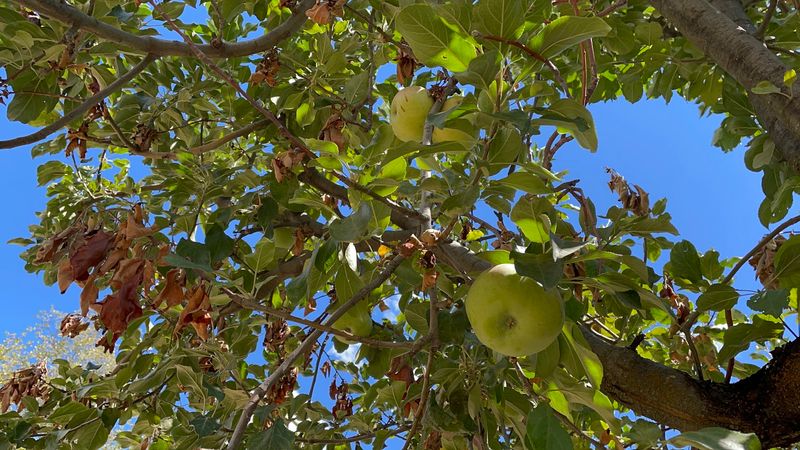
Timing matters more here than at places open year-round. U-pick visitors are generally welcomed on weekends from Labor Day through Thanksgiving.
Saturday and Sunday hours run from 10 AM to 5 PM during the operating season. Tuesday through Friday and Monday are listed as closed on the regular schedule.
Weekday visits can be arranged by appointment, which is worth knowing for anyone hoping to avoid crowds.
The broader Oak Glen apple season usually stretches from late August or Labor Day weekend into November.
Once the apple supply is fully harvested, picking wraps up for the year regardless of the calendar. Showing up in early December expecting apples would be a long drive for nothing.
The first two weeks of October typically bring the highest number of visitors to the area. September trips often mean better apple selection and thinner crowds at the same time.
Arriving close to opening gives the best shot at cider pressing and easier parking. Late afternoon arrivals may find lighter road traffic, though picking time gets shorter.
Building the visit around these windows makes the whole day run smoother.
Getting There On A One-Lane Mountain Road
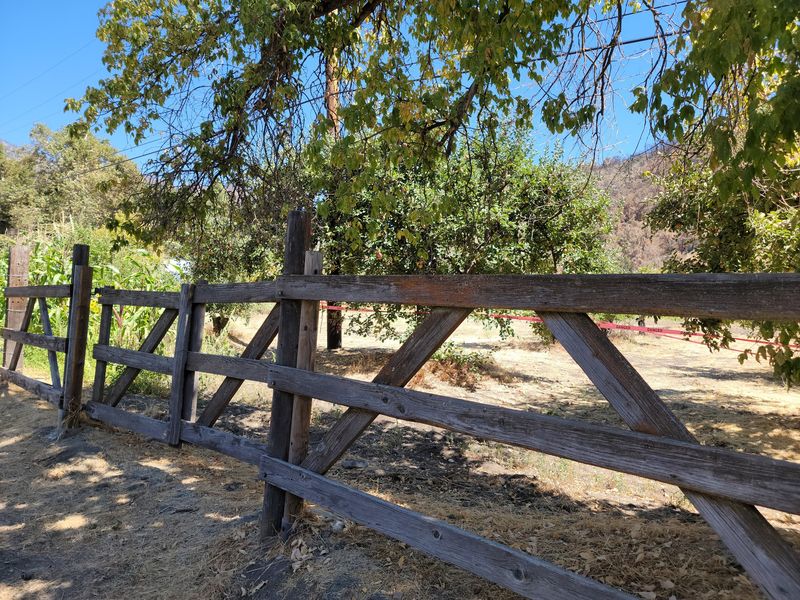
Patience belongs in the car right alongside the empty apple bags. Oak Glen Road is largely a one-lane route, and weekend traffic during peak season can slow to a crawl.
Cars stack up as drivers slow down for orchard entrances, roadside stands, and pedestrians. Leaving early or arriving later in the afternoon may help avoid the worst of the backup.
The drive itself is genuinely pretty, with oak trees and orchard rows lining much of the route. Anyone prone to car sickness should know the road curves quite a bit on the climb.
Parking at orchards throughout the area tends to be limited. Some spaces are available on the property itself, and overflow parking often means pulling onto the dirt shoulder along the road.
Shoes that handle dust and uneven ground work much better than sandals here. Cell service in the foothills can be spotty, so downloading directions before leaving the valley is a reasonable precaution.
Gas up in Yucaipa rather than counting on options higher up the hill.
Families with strollers should expect uneven dirt paths that are not always stroller friendly. A carrier or backpack often works better for the youngest visitors.
Planning the drive as part of the outing rather than an obstacle makes the whole trip more enjoyable.
What To Wear And Pack For A Comfortable Visit
Sunshine filters right through the orchard rows, and the trees offer less shade than people expect.
Closed-toe shoes are strongly recommended, since the ground is uneven and fallen fruit turns soft underfoot. A hat and sunscreen make a real difference across a couple of hours outdoors.
Water bottles are worth packing, especially for kids who will be running between trees.
Layers help because foothill mornings can start cool before warming up considerably by midday.
Skipping heavy perfume or sweet-smelling lotion is a practical tip, as bees are naturally drawn to sugary scents around ripe fruit. Bees are part of any working orchard and generally keep to themselves when left alone.
Anyone with a sting allergy should carry whatever medication they normally rely on.
Wipes or a small towel come in handy after washing and eating apples on-site.
Bringing cash is a reasonable backup, since small farms do not always have reliable card processing.
A cooler in the trunk keeps cider and fruit from warming up on the ride down the mountain.
Sturdy boxes or reusable totes beat flimsy bags when carrying pounds of apples.
Dressing for dirt rather than photos means nobody stresses about a stained shirt.
Comfort here comes down to simple preparation rather than anything complicated.
Planning A Full Day In The Oak Glen Foothills
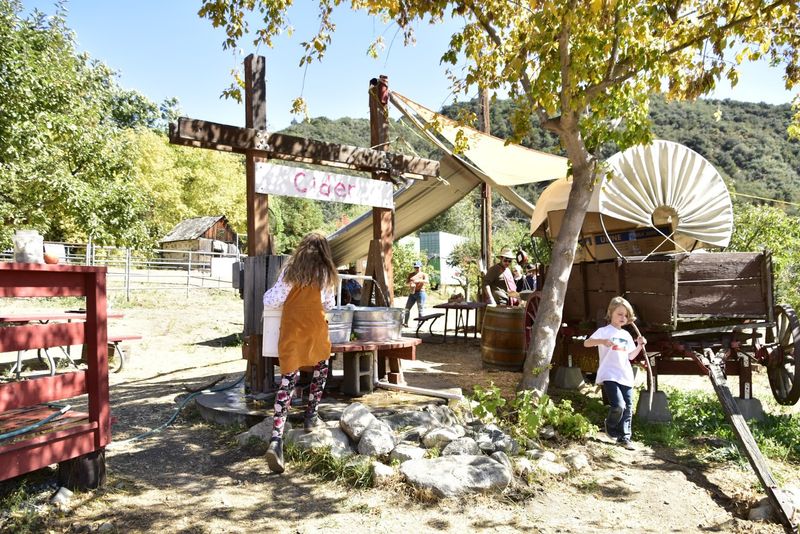
A trip up the hill deserves more than a quick stop and a U-turn. The cooler temperatures and open air make Oak Glen a comfortable place to slow down for several hours.
Building the day around a morning arrival gives time to pick, press cider, and still head down before traffic peaks.
Packing a picnic is a practical idea, since food options in the area can be busy during peak weekends.
The elevation means weather can shift, so checking the forecast before leaving is a good habit. Rain turns dirt paths muddy quickly, which changes the footwear calculation entirely.
Weekday appointments open up a quieter version of the same experience for anyone with a flexible schedule.
Families with young kids often find that two to three hours is about the right length before energy runs out.
Leaving room in the trunk matters more than people realize once apples and pumpkins start adding up.
Keeping expectations realistic helps too, since crops, prices, and hours can change from one season to the next.
Confirming details by phone or through the orchard website before driving up removes most of the guesswork.
A little planning turns an easy-to-miss orchard into one of the most reliable fall outings around.