This California Museum Makes Science Fun With Hands-On Exhibits And Amazing Animals
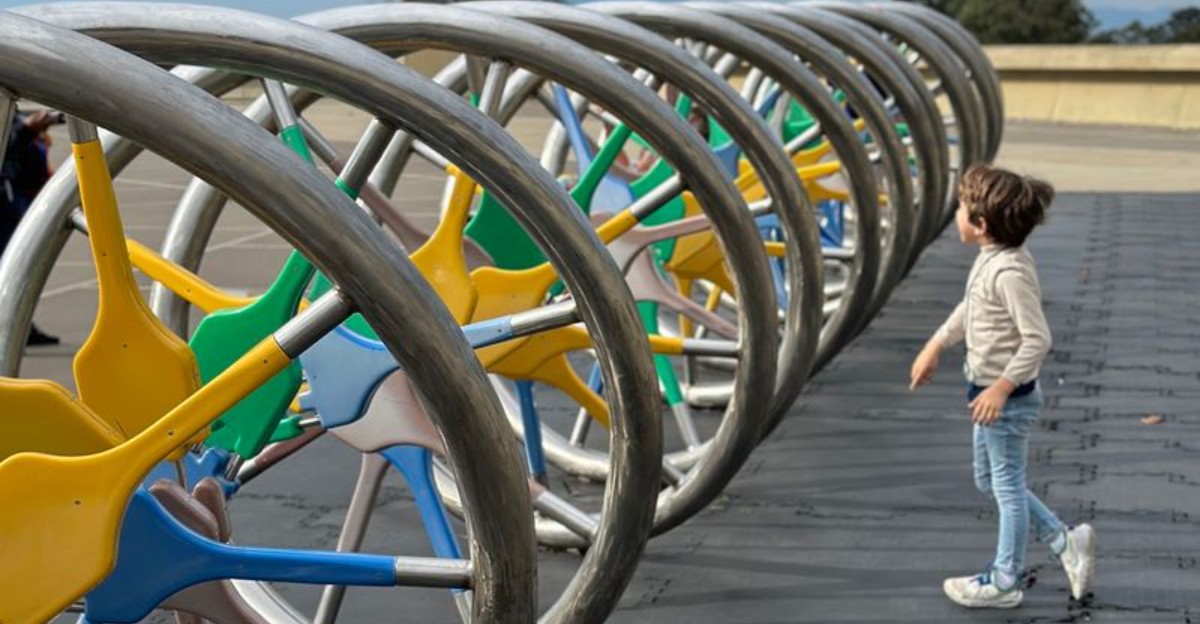
Science has a funny reputation.
For some people, the word brings back memories of heavy textbooks, confusing formulas, and classroom clocks that seemed determined not to move.
But every once in a while, a place comes along that makes you forget you are supposed to be learning.
High above the bustle of the Bay Area, one California destination turns curiosity into the main event.
You might arrive thinking this will be a quick educational stop, only to catch yourself pressing buttons and wondering why science class never felt like this.
Kids certainly have plenty to keep them busy, but adults should not expect to spend the afternoon standing around holding jackets.
There are surprises here for curious visitors of practically every age, including a few encounters that may steal your attention faster than you planned.
Hands-On Science Makes Learning More Fun
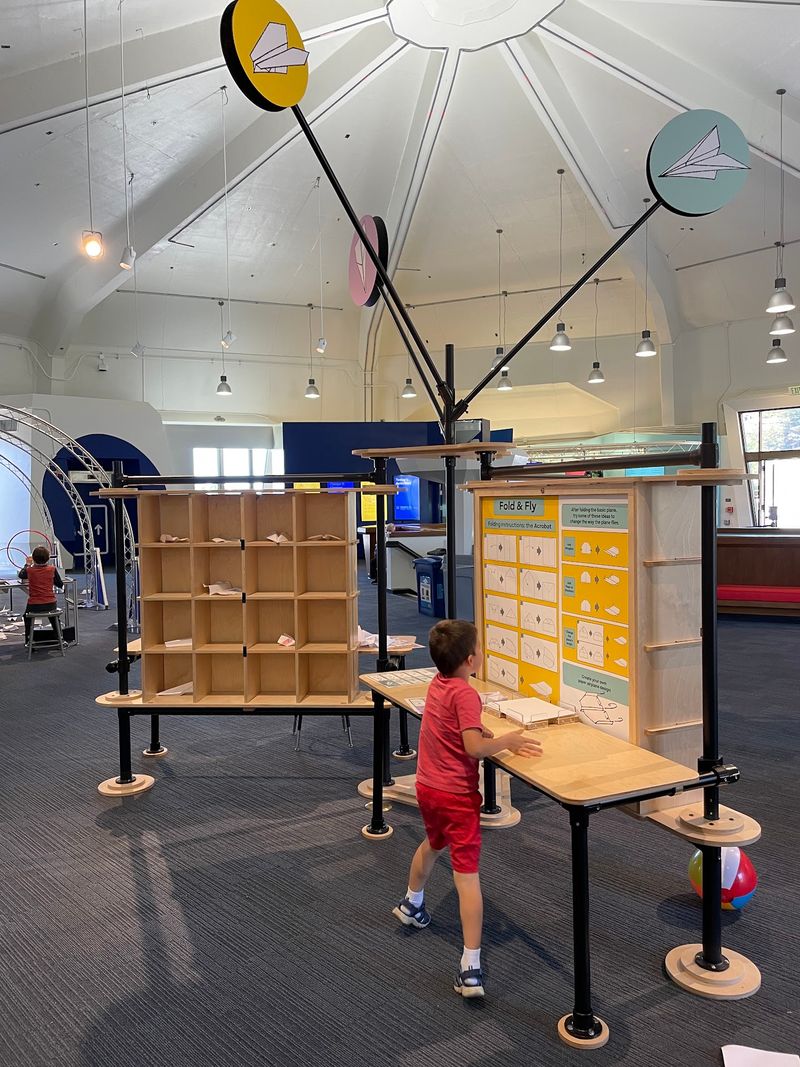
Touching the exhibits is encouraged rather than discouraged here, and that single difference changes the whole mood of a visit.
The center describes its offerings as hands-on, feet-on, and brain-on, which sums up the approach well.
Guests build things, test things, and occasionally watch their ideas fall apart, which turns out to be part of the lesson.
Over in the Hands-on Biotech area, real laboratory tools come out.
Visitors pipette liquids and look at microscopic life the way researchers do.
A newer addition called Mindball asks two players to move a small ball across a table using only brain activity picked up by forehead sensors.
Engineering fans gravitate toward Ingenuity Challenges, where building earthquake-resistant towers, assembling paper roller coasters, and wiring simple circuits are all on the table.
Rocket Launch covers aerodynamics and propulsion through design and launch attempts.
Making Music connects sound to math and physics through instruments visitors can play.
Outdoors, the Forces That Shape the Bay science park explores water erosion and weather at stations built for getting slightly wet. Plan for messy hands and comfortable clothes.
The Lawrence Hall of Science sits at 1 Centennial Drive, Berkeley, CA 94720, in the hills above the UC Berkeley campus with doors open Wednesday through Sunday from 10:00 a.m. to 5:00 p.m.
Meet Animals Up Close
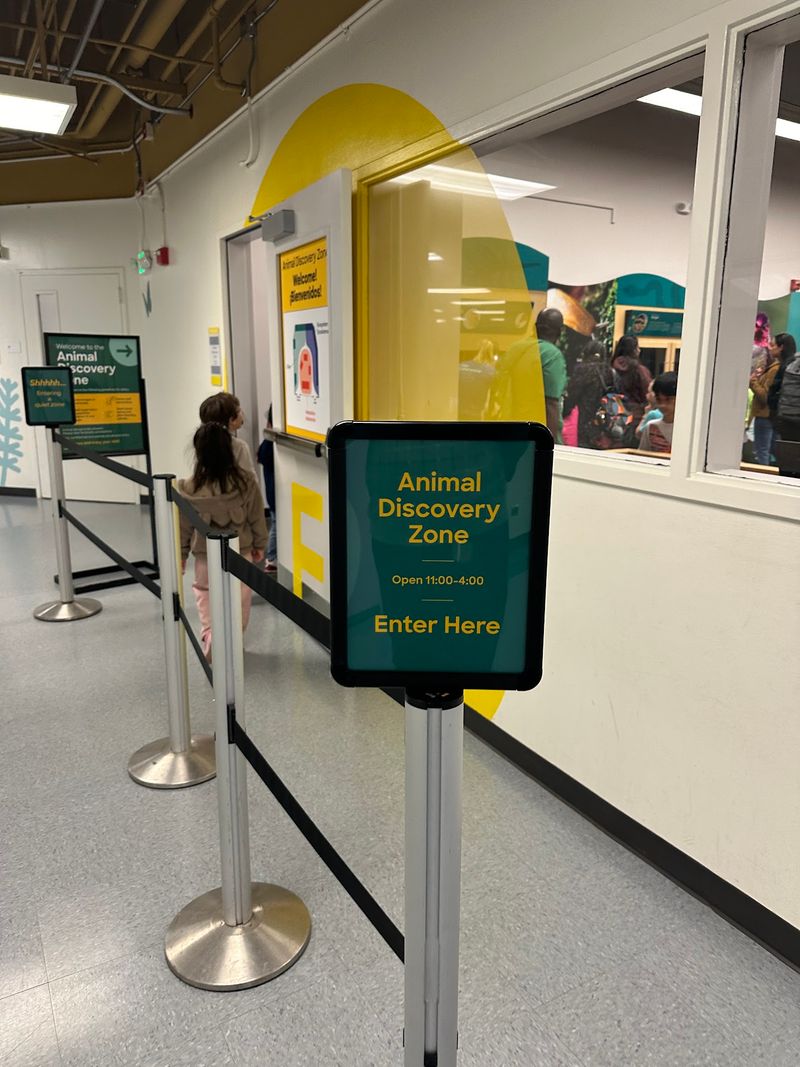
Few things stop a running child faster than a chinchilla sitting calmly behind glass.
The Animal Discovery Zone houses an international colony of teaching animals, and staff members introduce them with facts about behavior and habitat.
Hours differ slightly from the rest of the building, running 11:00 a.m. to 4:00 p.m., so timing matters if animals are the main draw.
Chinchillas, box turtles, reptiles, amphibians, and insects are among the residents.
A renovation brought larger enclosures and an expanded collection, giving the space a fresher and roomier feel.
Critter Connection sessions offer guided interaction, with educators bringing certain animals out of their enclosures for closer looks.
Some animal ambassadors may interact directly with guests while others stay observation-only, and staff explain which is which.
Patience helps, since animals sleep, eat, and move on their own schedules. Standing quietly for a few minutes often reveals more than hurrying between enclosures.
Outside the animal rooms, Pheena the Fin Whale sits as a life-sized replica of a teenage fin whale that visitors can climb on.
The Celebrating Nature’s Diversity exhibit displays photography from the National Geographic Photo Ark, connecting portraits of species to conservation ideas.
Get Curious About Space And The Universe
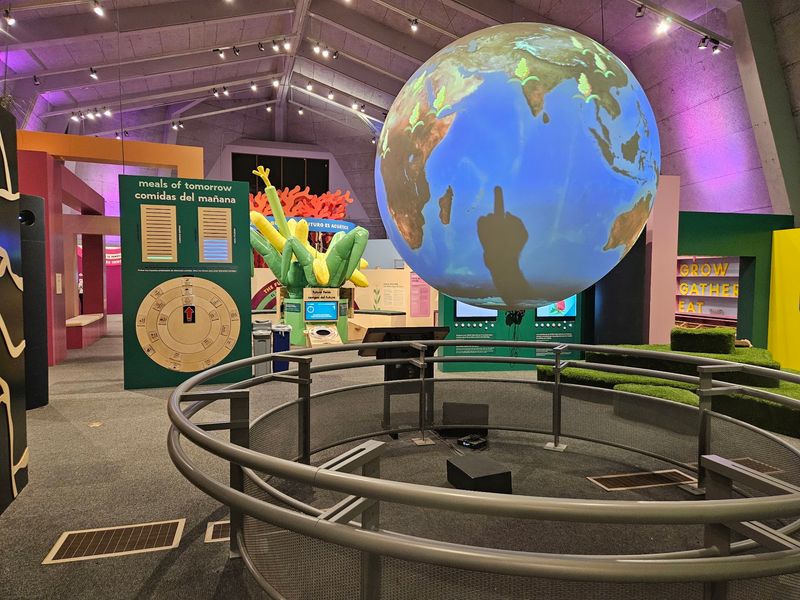
Space content here goes well beyond a static display of planet models.
Planetarium shows run live rather than pre-recorded, which means presenters answer questions as they go.
Programs cover constellation tours, black holes, distant planets, and simulated space missions.
Seasonal shows explore sky traditions from different cultures, including Ohlone traditions tied to the Sun, Moon, and stars.
Planetarium Pilots hands the dome controls to visitors for self-guided tours of planets and moons.
Sitting in a reclined seat while steering a virtual spacecraft tends to stick in memory longer than a textbook diagram.
Entry to Planetarium and 3D Theater shows carries an additional charge of $6 on top of admission, while members receive unlimited free Planetarium shows.
Show times are limited, so checking the schedule right at arrival is a practical move. Popular screenings can fill up, particularly on weekends and holidays.
The 3D Theater screens films that bring science to the screen with strong visuals, including underwater adventures and animal conservation stories.
Science On a Sphere hosts programs such as The Stormy Sun, which looks at solar storms and the Sun’s magnetic field, and Explaining Eclipses.
Outdoors, the Sunstones II sculpture occasionally anchors special viewing events tied to celestial phenomena, blending sculpture with real sky watching.
Try Experiments That Put You In The Action
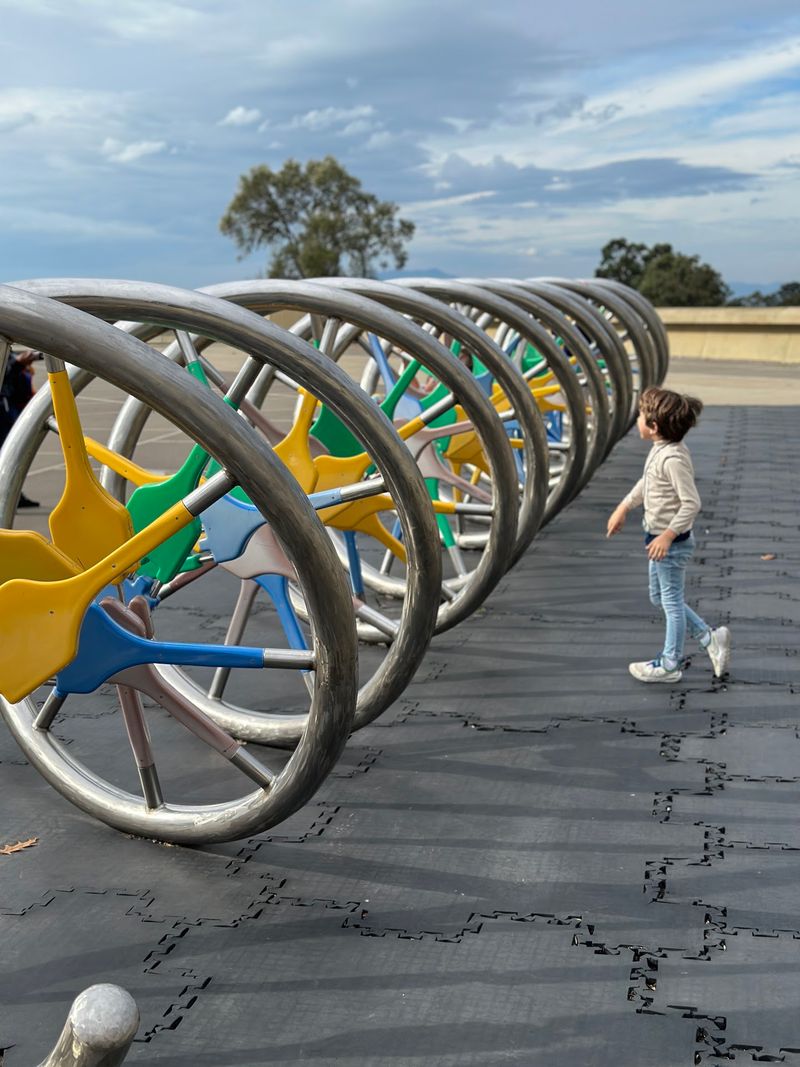
Watching a tower collapse on a shake table teaches structural engineering faster than any lecture could.
Shake and Rattle invites visitors to design earthquake-safe structures and then test them against simulated seismic motion.
Rebuilding after a failure is half the fun.
Hands-on Biotech turns guests into temporary lab workers through pipetting and microscope work.
The Mindball setup in the same area challenges players to move a ball using brain waves alone, a demonstration of biosensor technology that rewards relaxed focus.
Competitive kids often lose, which makes for a memorable lesson.
Maker spaces and Ingenuity Challenges supply materials for towers, paper roller coasters, and simple circuits.
Rocket Launch provides the guidance and parts for designing and launching small rockets.
Each activity has a clear beginning and end, which helps when attention starts to drift.
Outdoors, giant water engineering stations along Forces That Shape the Bay let visitors redirect flow and watch erosion happen in real time.
Wind and energy demonstrations sit nearby. Make a Lake walks learners through building models that trace the journey of rainwater through a watershed.
Bringing a change of clothes for younger children is a reasonable precaution around the water stations.
See Science In Unexpected Ways
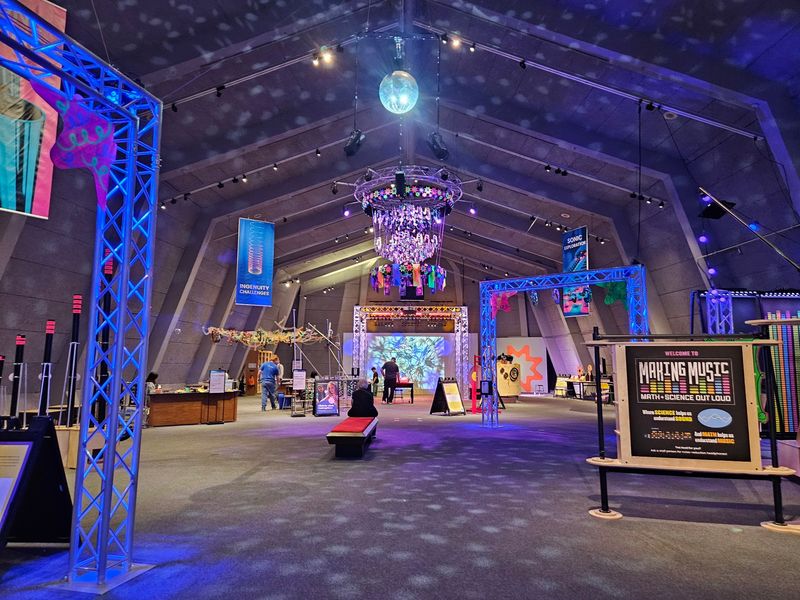
Art and science share more space here than most people expect walking in.
Sculptures, photography, and installations appear throughout the building and grounds, showing scientific ideas through a different lens.
The effect is subtle but noticeable, especially for visitors who arrived expecting only lab equipment.
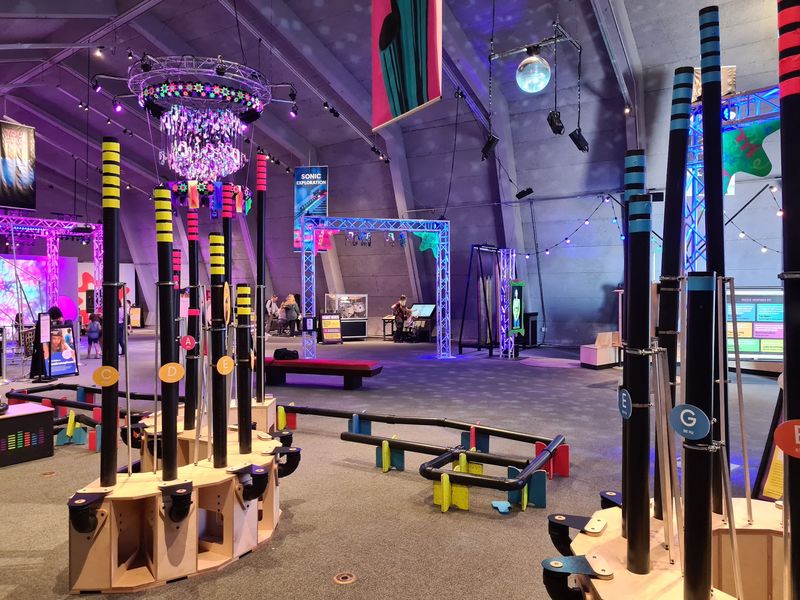
Making Music unpacks the physics of sound, rhythm, and melody through instruments visitors can actually play.
Celebrating Nature’s Diversity brings National Geographic Photo Ark photography into conversation with conservation science.
A display called yuutka, the Place of the Acorn, explores lessons from the land through Ohlone culture.
History gets its due in the Ernest O. Lawrence exhibit, which covers the discoveries of the Nobel laureate whose name the center carries.
The Cambrian Explosion exhibit uses paper sculptures to recreate ancient marine life from a period when Earth’s oceans filled with strange new body shapes.
Older kids and adults tend to linger longest in these quieter corners.
Enjoy The Incredible Bay Area Views
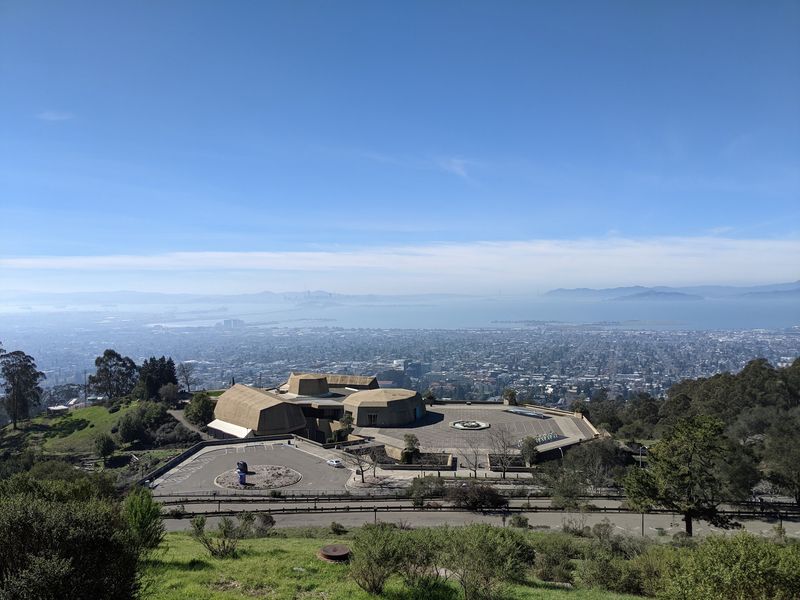
Some visitors show up for the science and end up talking about the view all the way home.
Perched high in the Berkeley Hills, the building looks out across the San Francisco Bay with the UC Berkeley campus spread out below.
Clear days stretch the sightline toward San Francisco and the Golden Gate Bridge.
Outdoor terraces and observation points are positioned to take advantage of the elevation.
The Forces That Shape the Bay science park teaches geology while framing the very landscape those forces created.
Standing at an erosion station with the real Bay in the background connects the lesson to something visible.
Fog can roll in and erase the panorama entirely, which is simply part of coastal weather. Afternoons often clear up when mornings start gray, though nothing is guaranteed.
Wind at this elevation can be strong, so a jacket is a smart addition even on warm days.
Telescopes are available at the bay view location for closer looks across the water.
The approach road itself delivers sweeping sights before anyone reaches the entrance.
Picnic tables outside make lunch with a view a low-cost highlight of the day. Late afternoon light tends to be the prettiest for photos from the terrace.
Spend More Time Exploring Than Just Looking
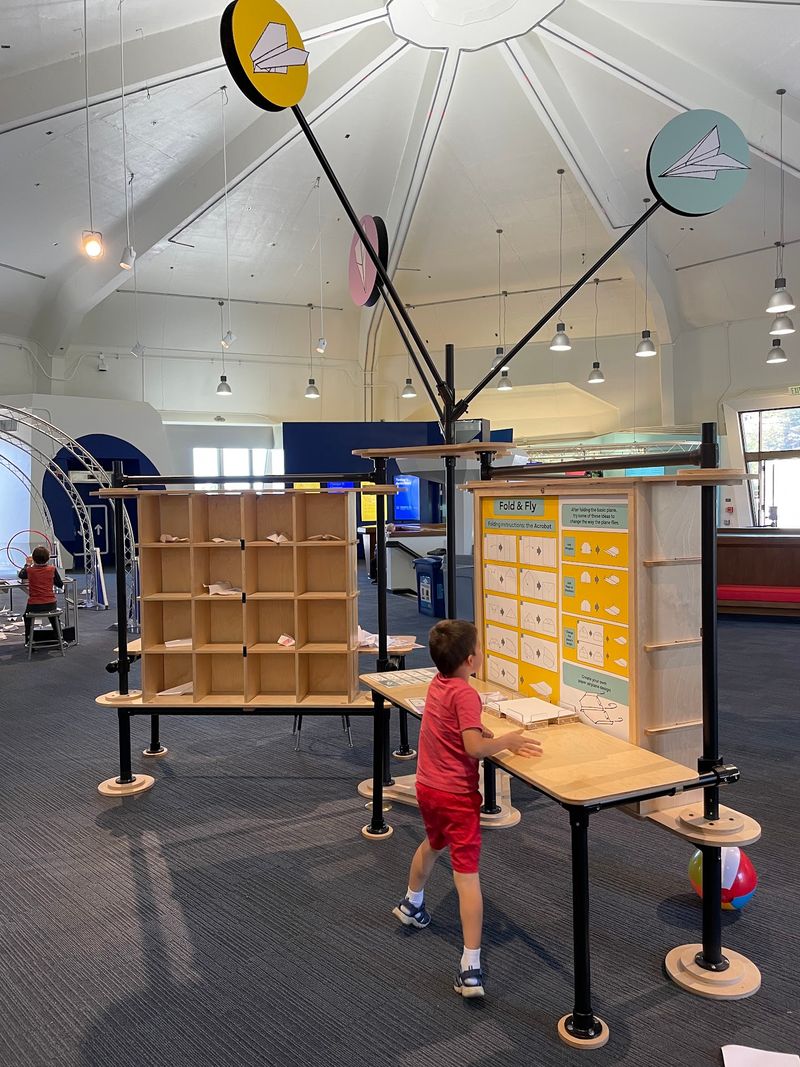
Three to five hours is a realistic estimate for a visit, and families frequently stretch past that.
The pacing depends less on the size of the building and more on how deeply kids get pulled into individual stations.
A single marble run or circuit board can absorb twenty minutes without anyone noticing.
Exhibits are built for touching, testing, and investigating rather than reading placards from behind a rope.
That design choice separates the experience from more traditional museums.
Repeat visitors often pick two or three areas per trip instead of attempting everything at once.
Live Planetarium shows invite questions from the audience, so no two sessions unfold identically.
Planetarium Pilots goes further by letting visitors steer the dome through self-guided tours of planets and moons.
Ingenuity Challenges set aside space for inventing and testing, which rewards anyone willing to try several versions of an idea.
Slowing down outdoors after a busy indoor stretch helps reset energy levels.
Arriving near opening at 10:00 a.m. generally gives the most flexible day, particularly if a show ticket is part of the plan.
Take Part In Special Programs And Events
Checking the event calendar before a visit can turn an ordinary day into something more memorable.
Programming shifts through the year, and many activities appear only on specific dates.
A quick look at the schedule online prevents missing something worth planning around.
Analog Saturdays focus on screen-free activities built around creativity and physical exploration.
Five Dollar Days appear occasionally with admission reduced to $5 per person, sometimes paired with unusual additions such as trapeze arts.
Those reduced-price days draw larger crowds, so arriving early makes sense.
Thematic public programs range from stargazing evenings to bubble festivals.
Workshops, classes, and summer camps go deeper for kids who want sustained time with a subject rather than a single afternoon.
Summer camp sessions tend to fill, so early registration helps.
Critter Connection sessions in the Animal Discovery Zone provide guided animal encounters with educators leading the conversation.
The Planetarium and 3D Theater both run regular show schedules covering space, nature, and scientific concepts.
Sunstones II occasionally serves as the gathering point for special viewing events tied to eclipses and other celestial happenings.
Dressing in layers pays off for evening programs, since temperatures at this elevation drop noticeably after sunset.