This California Puerto Rican Restaurant Serves Mofongo Piled With Garlic Shrimp And Slow-Roasted Pernil
Some meals make choosing a favorite part almost impossible.
When garlicky shrimp, mashed plantains, and slow-roasted pork start competing for attention, sharing feels like an unnecessarily generous idea.
Puerto Rican comfort food brings big flavors to the table, and this restaurant does not seem interested in making diners choose between them.
Mofongo piled with shrimp delivers plenty of savory richness, while tender pernil offers another reason to arrive with a serious appetite.
California’s dining scene gets a delicious dose of Puerto Rican soul when garlic, plantains, and slow-roasted pork start filling the table.
That combination makes the meal feel generous before you have even considered what else might be worth ordering.
Come hungry enough to explore. The hardest part may be deciding which bite deserves your attention first.
A Family-Run Taste Of Puerto Rico
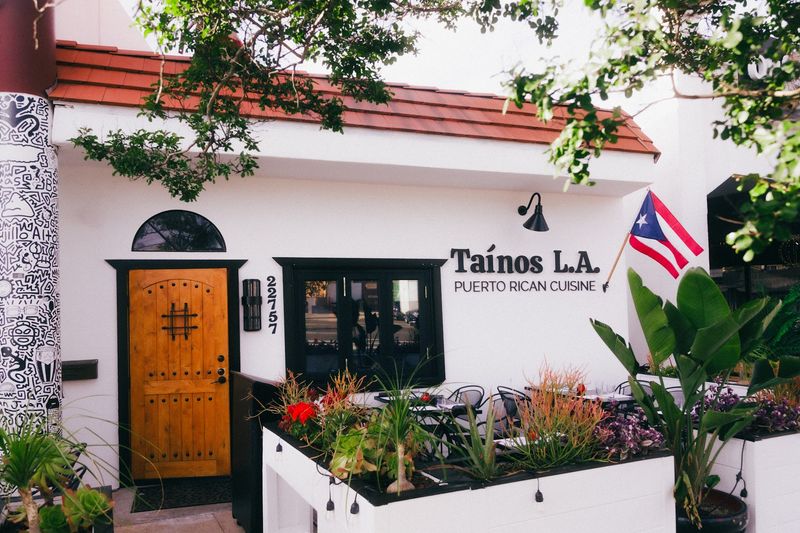
Family recipes carry a certain kind of weight, and that weight shows up on every plate at Tainos L.A. A founder, her husband, and her uncle, who runs the kitchen, work together to keep the place going.
Their goal is simple and clear. The team wants to serve authentic Puerto Rican food with pride, tradition, and love.
Recipes come straight from Puerto Rican home kitchens, so the flavors lean bold and familiar rather than fancy.
Portions are known to be generous, which makes sharing an easy option for groups.
Handmade juices and sauces are also part of the menu, and they add a fresh, homemade touch to the meal. Fruit juices like passion fruit have been a popular pick with guests.
Families with kids can relax a bit here, since the menu has included a kid-friendly section.
The restaurant also mixes classic island cooking with the creative energy of the Los Angeles food scene. That blend keeps the menu rooted in tradition while still feeling at home in SoCal.
Guests often describe the feeling of walking into a relative’s house. The owners have been called warm and welcoming, which fits the family spirit of the whole operation.
The restaurant sits at 22757 Ventura Blvd, Woodland Hills, California 91364, in a small space along one of the Valley’s busiest streets.
The Mofongo Is One Of The Signature Orders
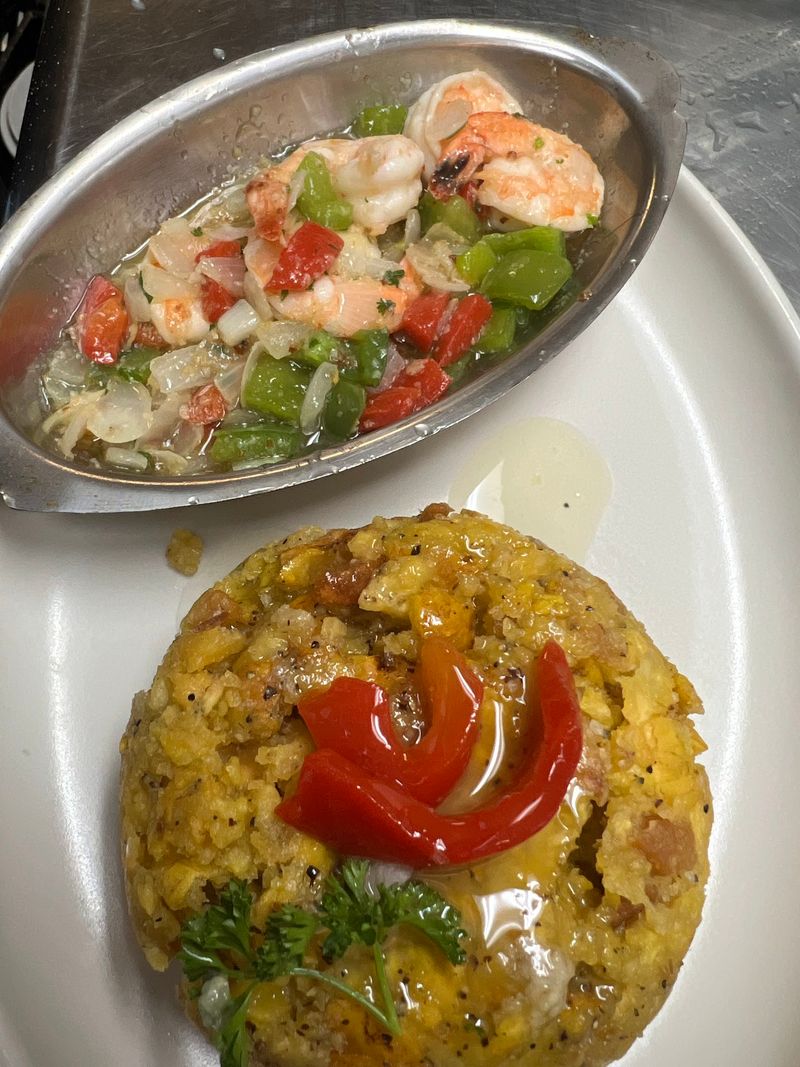
Green plantains do not look like much at first glance. Once they are fried, mashed, and seasoned, they turn into one of the most loved dishes in Puerto Rican cooking.
Mofongo is a signature item at Tainos L.A., and it is often the first thing new guests want to try.
The base is made from green plantains that are pounded with garlic, salt, olive oil, and stock. The mixture is prepared with frying as part of the process, which gives it a rich, savory flavor.
The texture lands somewhere between hearty and soft. Bites can feel dense and filling, with little pops of garlic.
A good mofongo should stay moist, and the kitchen has been praised for getting it right.
Part of the fun is choosing what goes on top. Mofongo pairs well with a range of savory meats and seafood, so the same base can feel different each visit.
First-timers may want to order mofongo as a main dish rather than a side. It can be quite filling, especially with a protein on top.
Sharing an appetizer with the table first might be a smart move, since mofongo is made fresh and can take some time.
Fans of garlic will probably feel right at home with this dish.
Pernil Roasts Low And Slow For Around Five Hours
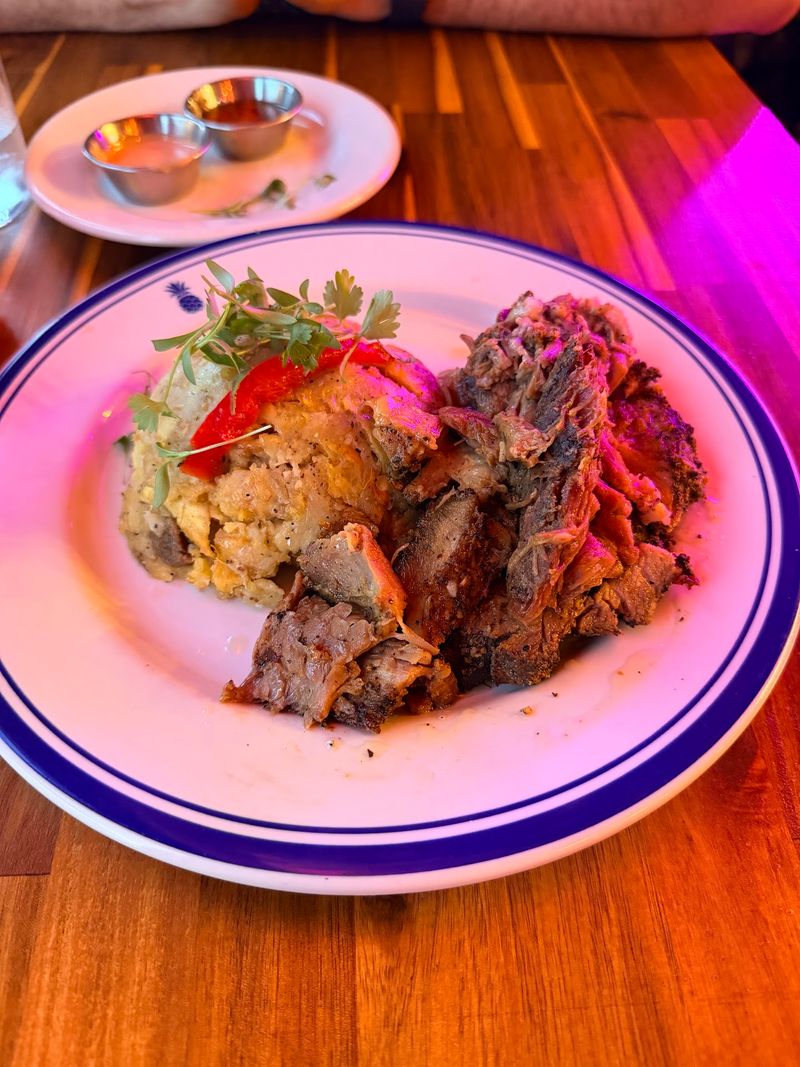
Patience is the secret ingredient in a good pernil. Rushing pork shoulder almost never ends well, and the kitchen here seems to know that.
Pernil is a marinated, slow-roasted pork shoulder with deep roots in Puerto Rican holiday cooking.
The chef seasons the pork with black pepper and garlic before it goes in to cook. From there, it roasts low and slow for around five hours.
Those long hours make a real difference. The fat slowly renders and helps form a sweet, sticky crust on the outside. Inside, the meat turns silky and very tender, often pulling apart with just a fork.
Pernil has become one of the most mentioned dishes by guests. Many describe it as melt-in-your-mouth soft, with plenty of flavor in every bite.
For many Puerto Rican families, pernil is the smell of Christmas, so having it on a regular menu can feel like a treat.
There are two main ways to enjoy it. Pernil can be ordered on top of mofongo, which is the San Juan version. It also comes as a plate with arroz con gandules, a classic pairing.
Since the pork takes hours to prepare, supply may run out on busy nights. Arriving earlier in the evening could improve the chances of getting a plate.
Pollo Guisado Brings Puerto Rican Comfort Food To The Table
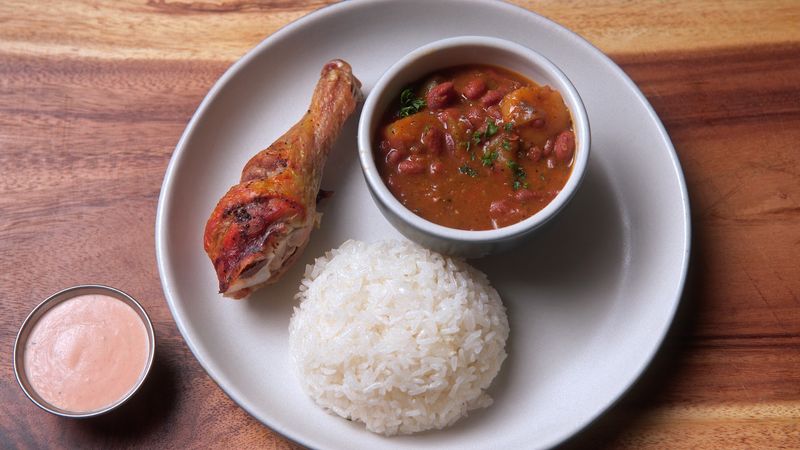
Cool evenings call for a warm bowl of stew, and pollo guisado fits that mood nicely. Plenty of Puerto Rican kids grew up eating this dish on ordinary weeknights.
Pollo guisado is a classic chicken stew made with traditional island seasonings.
The chicken simmers slowly in a savory sauce until it becomes tender. The dish is often served with fluffy white rice to soak up all that flavorful liquid.
Comfort food is the best way to describe it. There is nothing flashy about the plate, and that is part of the charm. It tastes like something made in a home kitchen on a lazy Sunday.
Guests have mentioned asking to swap the white rice for arroz con gandules. That small change can turn a simple meal into a more festive one.
Asking the server about substitutions is usually the easiest way to find out what is possible that day.
Pollo guisado can also be a good choice for diners who want something milder. The flavor is savory and well-seasoned rather than spicy.
That makes it a friendly option for kids or anyone new to Puerto Rican cuisine.
Menu items can change over time, so this stew may not appear every visit. Checking the current menu online before heading out can help avoid surprises.
Churrasco Gives Meat Lovers Another Hearty Choice
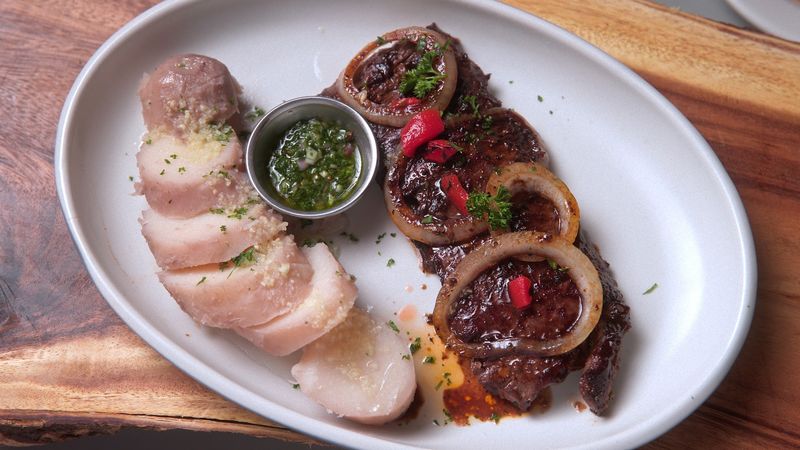
Steak fans do not have to feel left out at a restaurant known for pork and plantains. Churrasco gives them a hearty, grilled option that stands on its own.
Churrasco is a Latin-style grilled steak. The meat is cooked over high heat, which helps create a flavorful, slightly charred outside. The inside stays juicy when done right.
Chimichurri often comes along with the steak. The sauce is bright green and made with herbs, garlic, and oil. It adds a fresh, tangy kick that cuts through the richness of the beef.
Another popular route is pairing churrasco with mofongo. The garlicky plantains and the savory steak balance each other well. That combination can make for a very filling dinner.
Here is a little history bit. The word churrasco has roots in South American grilling traditions, especially in countries like Argentina and Brazil. Over time, the dish spread across Latin America and the Caribbean.
Diners who like their steak cooked a certain way may want to mention it when ordering. Clear communication can help the kitchen get it right the first time.
Asopao De Camarones Adds A Shrimp-Filled Favorite
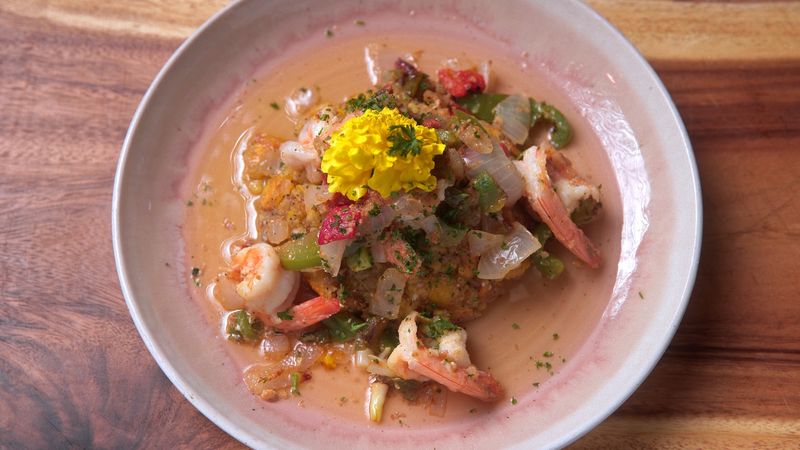
Soup and rice usually live in separate bowls, yet asopao happily brings them together. The result is thick, cozy, and full of flavor.
Asopao is one of the most popular soups in Puerto Rican cooking. It sits somewhere between a stew and a soup, with rice cooked right in the broth. The texture is soupy but hearty.
Asopao de camarones is the shrimp version. Shrimp brings a sweet, briny flavor that pairs well with the seasoned broth. Sofrito often forms the base, adding herbs and peppers to every spoonful.
This dish may show up in the weekly specials section of the menu. Specials change often, so it is not guaranteed on every visit. Asking the server about the day’s specials is a simple way to find out.
Many families in Puerto Rico make asopao on rainy days or when someone is feeling under the weather. It is the kind of meal that warms people from the inside.
Seafood lovers who already enjoyed the Loiza may want to try this next. The shrimp flavor comes through in a softer, more comforting way.
A spoon and a little patience are all that is needed, since the bowl may arrive steaming hot.
The Dining Room Celebrates Puerto Rican Culture
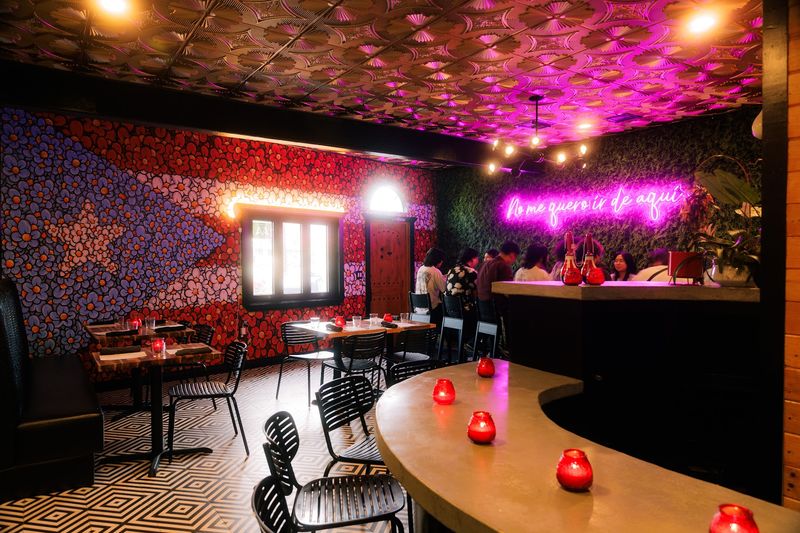
Old-school salsa music often greets guests before the food does. Fast piano rhythms and brass fill the room and set a lively mood right away.
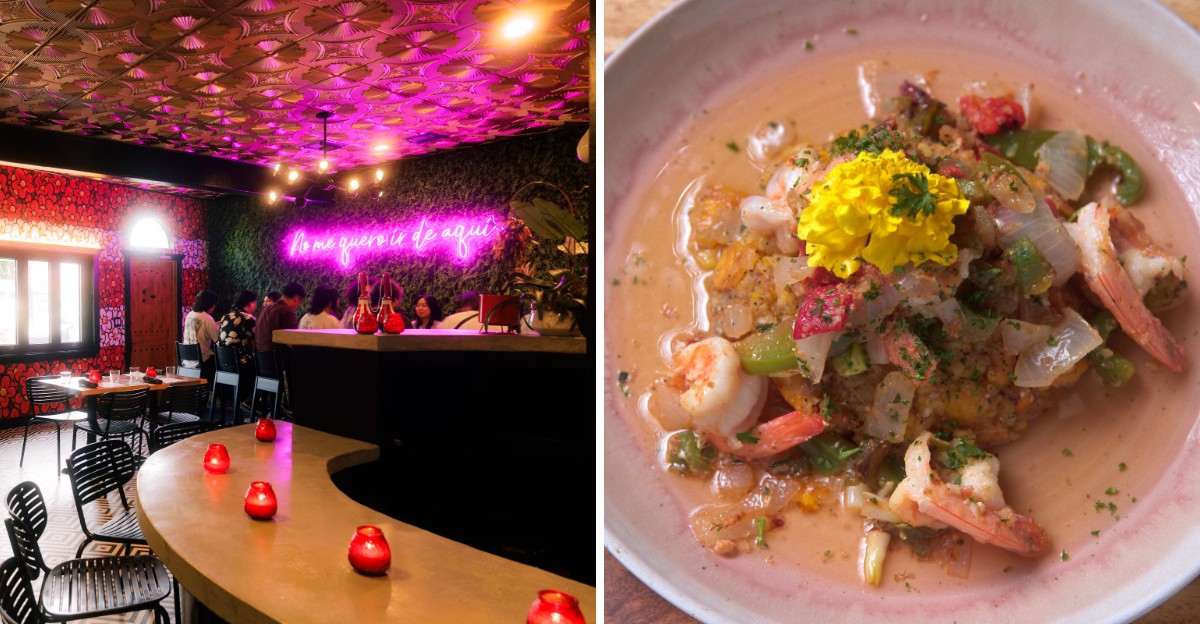
A neon pink sign on the wall casts a warm, reddish glow across the tables. The sign reads “No Me Quiero Ir de Aquí,” which means “I don’t want to leave here.”
The decor leans proudly into Puerto Rican identity. The stripes of the Puerto Rican flag show up in the design, and one version of the flag is crafted from flowers.
Taíno symbols also appear, honoring the Indigenous people of the island and the restaurant’s name.
The space is small, with roughly ten tables. That size keeps things cozy, though the room can fill up quickly on weekends.
Music at this California spot may feel loud at times, so groups hoping for quiet conversation might prefer an earlier arrival.
Families tend to feel welcome here. The overall atmosphere is warm, relaxed, and built around community.
Kids may enjoy the bright colors and upbeat music as much as the food.
For many Puerto Ricans living in SoCal, spaces like this are rare. Seeing familiar symbols on the walls can bring a real sense of pride.
The room feels less like a dining hall and more like a family gathering.
Know The Address And Hours Before You Go
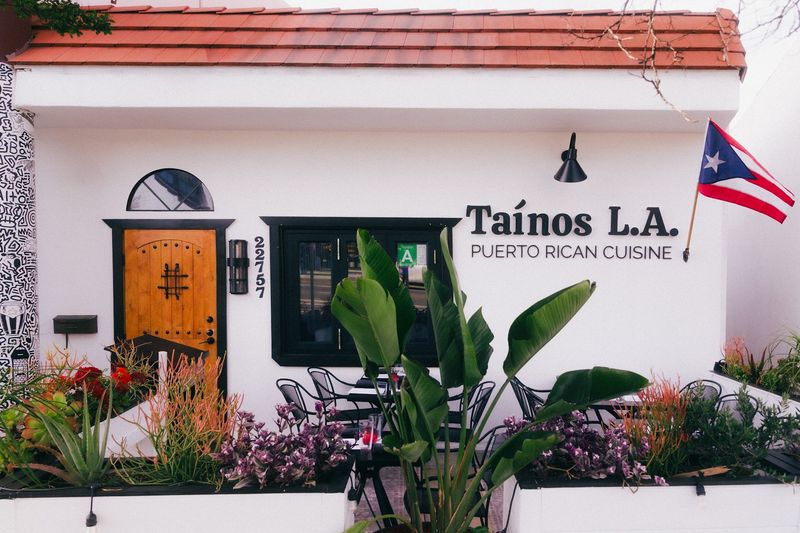
A little planning goes a long way before any dinner out. The restaurant can be found at 22757 Ventura Blvd, Woodland Hills, California 91364, along the western stretch of the boulevard.
Hours run from Thursday through Monday, from 4 p.m. to 10 p.m. The restaurant is closed on Tuesdays and Wednesdays.
Hours can change, so checking the official website or calling ahead is always wise.
Reservations are recommended, especially on weekends and during busy dinner hours. Walk-ins are welcome and seated based on availability when they arrive.
The dining room is small, so tables may fill up quickly. Arriving close to opening time could mean a calmer room and quicker service. Weekend evenings are likely to feel livelier and more crowded.
Since dishes are made fresh to order, patience can be helpful. Ordering an appetizer early gives the table something to enjoy while main plates cook.
Coming in with a relaxed mindset may make the visit more enjoyable. Good food, salsa music, and island flavors are waiting at the end of the drive.