This California Redwood Grove Looks Like Another Planet And Star Wars Actually Filmed Here
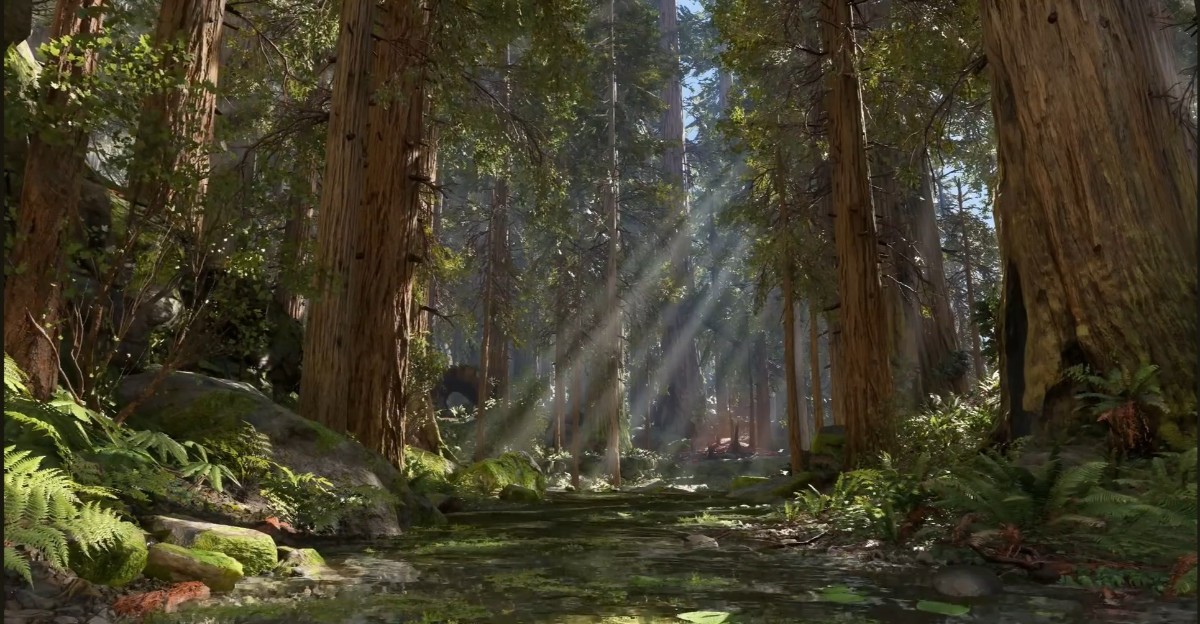
Some forests feel peaceful. Others make you wonder if you accidentally wandered through a movie screen and landed somewhere that follows completely different rules.
Towering redwoods create that effect almost immediately here.
Light slips between enormous trunks, the ground disappears beneath layers of green, and ordinary human proportions suddenly seem rather insignificant.
Hollywood noticed too, using the grove while filming scenes for Star Wars: Return of the Jedi.
California has plenty of surreal landscapes, but a redwood forest convincing Hollywood it belonged on another world is difficult to top.
Knowing the movie connection adds a fun layer to a walk, yet the scenery hardly needs help feeling cinematic.
Even visitors who could not identify an Ewok find themselves slowing down simply to take in the scale of everything around them.
No spaceship is required, thankfully. Just bring decent walking shoes and enough time to wander without rushing.
Return Of The Jedi Filmed Its Speeder-Bike Chase Here
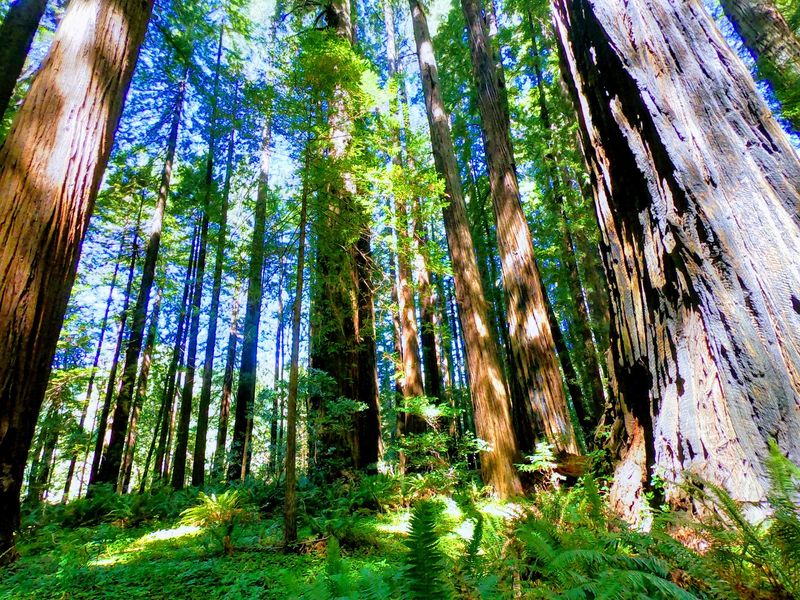
Film fans often arrive with one scene in mind, and the trees deliver almost immediately.
Cheatham Grove supplied scenery for the speeder-bike chase sequence in Star Wars: Episode VI – Return of the Jedi, standing in for the forest moon of Endor.
Forward-facing steadicam shots were captured moving through the grove, along with still backdrops used later in the finished sequence.
The effect worked because the redwoods here grow unusually straight and evenly spaced, so the eye reads depth rather than clutter.
Walking the same ground at normal speed gives a very different feeling from the movie. Sound softens and the canopy blocks most direct light, which keeps the forest floor dim even at midday.
Nothing marks the exact camera positions, and there are no props, signs or displays tied to the film inside the grove.
That absence is part of the appeal, since the setting looks much as it did when cameras rolled in the early 1980s.
Visitors hoping for photos will find the best results on overcast mornings when contrast between trunks and sky stays low.
Treat the connection as a bonus rather than the main event, because the grove itself is the real draw.
A Short Loop Trail Does All The Work
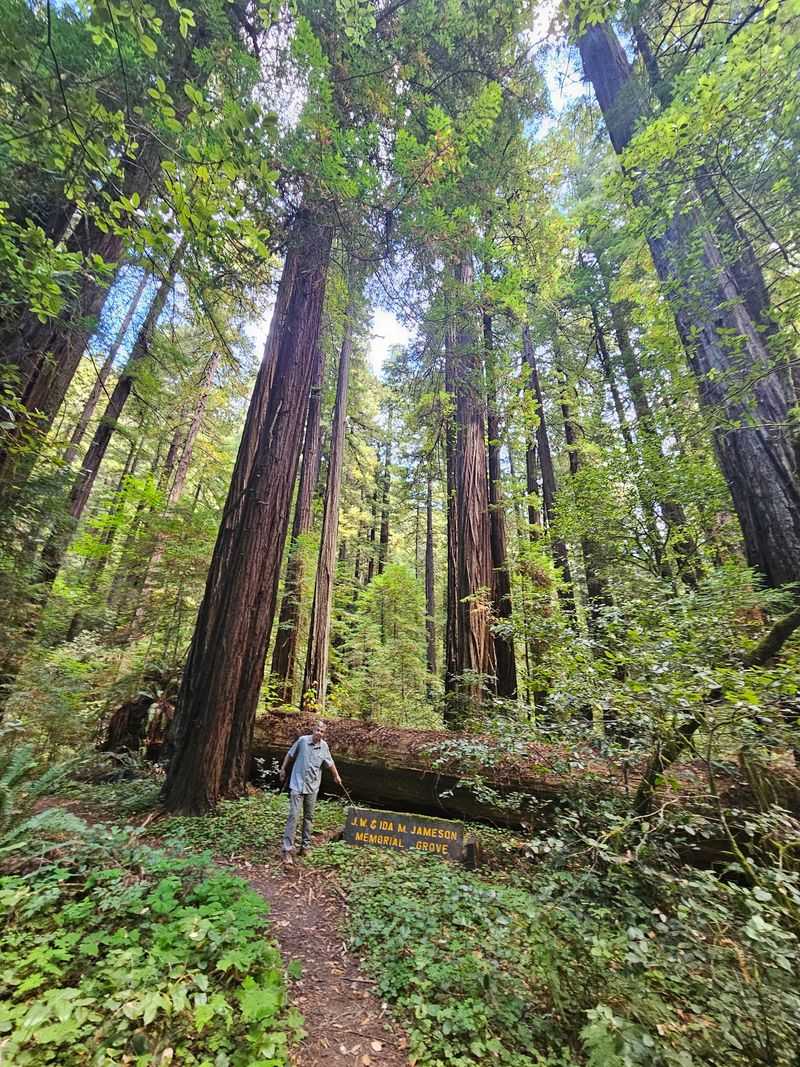
Big scenery usually demands big effort, but not in this case.
The main loop through Cheatham Grove measures roughly 0.7 mile, which puts the whole walk within reach for most people in well under an hour.
Elevation change stays minimal, so the pace can be slow and relaxed rather than a workout. Many visitors stop often, look straight up, and simply stand still for a while before moving on.
The path stays soft underfoot and can hold moisture after rain, so shoes with decent grip help during the wetter months. Standing water and mud are more likely in winter and early spring.
Because the loop is compact, it also works well as a stretch break during a longer drive on Highway 36.
Families with young children tend to manage it comfortably, and strollers with larger wheels handle the surface better than small ones.
Sound carries less here than in open forest, which makes conversations feel quieter and footsteps softer. Keeping voices low lets everyone hear birds and the wind moving high overhead.
Plan for longer than the distance suggests, since the temptation to linger is strong.
Accessibility Is Built Into The Grove Trail
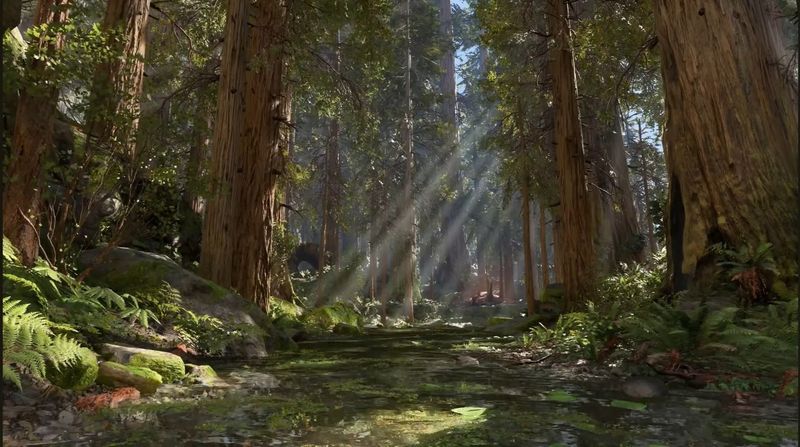
Old-growth forests are not always easy to reach, which makes this one notable.
California State Parks identifies the Cheatham Grove trail as ADA accessible, so the grove is open to a wider range of visitors than many redwood walks.
Surface material is compacted native soil rather than pavement, giving a firm and generally navigable route through the trees.
Level grade matters more than distance for anyone using a wheelchair, walker or cane. The absence of stairs and steep pitches keeps the effort predictable from start to finish.
Groups traveling with older relatives often appreciate that everyone can experience the same view rather than waiting at a parking area. Sharing the walk changes the whole tone of the visit.
Benches are limited, so bringing a lightweight folding seat helps anyone who needs frequent rest. Shade covers nearly the entire route, which keeps temperatures mild on warm days.
Restroom facilities are not located at the grove itself, so plan stops accordingly before arriving.
Checking the current status of trail conditions on the state park website ahead of a trip remains the most reliable approach.
Protection Came Only In The 1980s
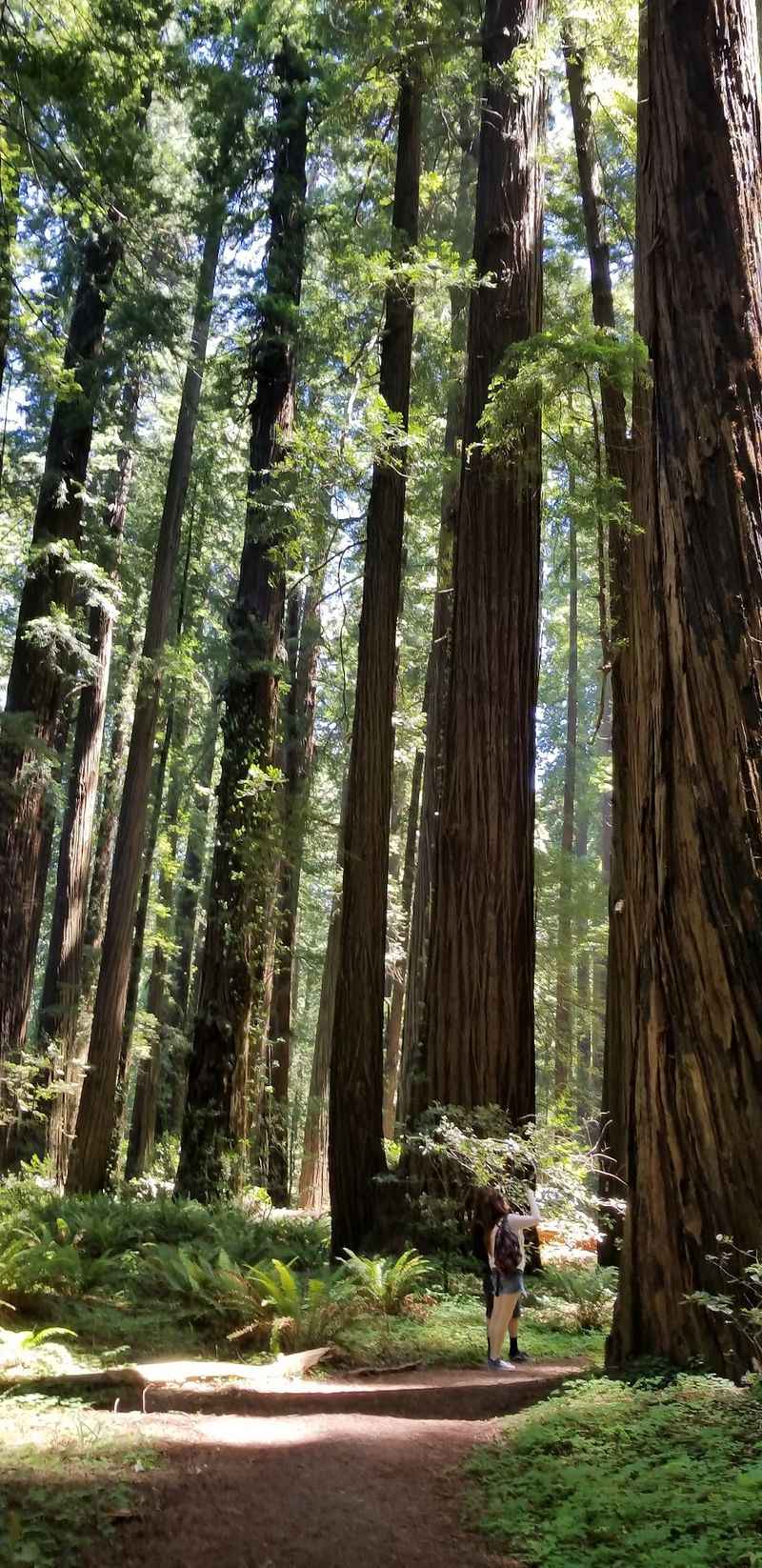
Grizzly Creek Redwoods State Park dates back to 1943, yet the grove now drawing film fans joined much later. Cheatham Grove was acquired in 1983 and added to the state park in 1984, which secured its long-term protection.
That timeline creates an interesting overlap with movie history.
The land was still private property in 1982 when it served as a filming location for Return of the Jedi, meaning the cameras arrived before public ownership did.
Knowing the dates changes how the walk feels, because the trees were not always guaranteed to stand. Decisions made within living memory shaped what visitors see today.
Additions like this one expanded California’s network of protected redwood land during a period when remaining old-growth stands were shrinking. Each parcel added mattered more as options narrowed.
Interpretive information about the acquisition is limited at the grove itself, so reading a little beforehand adds context. The state park website carries the basic history.
Visitors interested in conservation stories often find the recent timeline more striking than an ancient one.
Trees measured in centuries were saved by paperwork completed just a few decades ago, and that contrast sticks with people long after the drive home.
Small Park Size Changes The Whole Visit
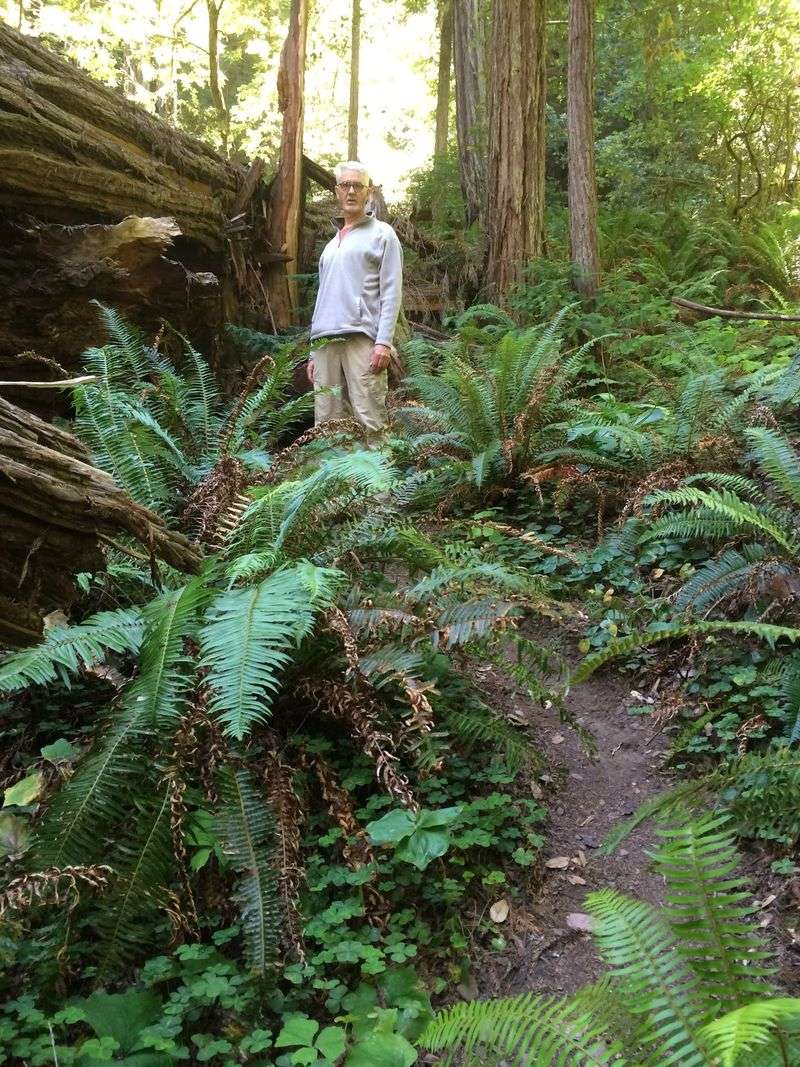
Bigger is not always better when time is short.
Grizzly Creek Redwoods State Park covers less than one square mile and holds only about five miles of trails, which gives it a completely different character from California’s sprawling redwood parks.
Navigation stays simple because there are few decisions to make. Getting genuinely lost is difficult, and most trails connect back toward the main park area or the river.
Compact parks reward closer attention, since there is no pressure to cover ground. Details like fallen logs, fungi and bird activity become the focus instead of mileage.
Travelers used to Redwood National and State Parks may find the scale surprising at first. Lower expectations about quantity usually lead to a better experience here.
Fewer trails also mean fewer crowds spreading out, though the small footprint can feel busier on holiday weekends. Early arrivals have the easiest time finding space.
Pairing the park with another stop along the drive makes sense for a full day. Many people combine it with points along the Avenue of the Giants, keeping the grove as a short, memorable highlight.
Cheatham Grove Sits Apart From The Main Park Area
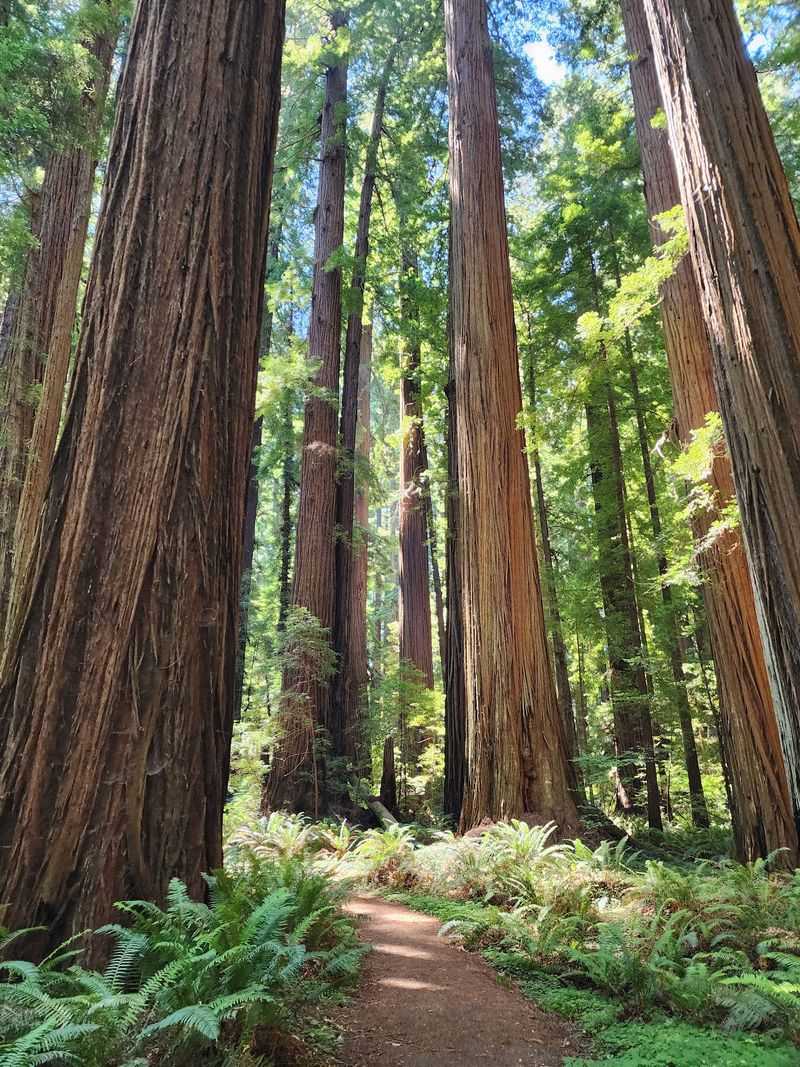
Assuming everything sits together is an easy mistake to make. Cheatham Grove lies roughly four miles from the visitor center, so the trail does not begin behind the main park facilities.
Reaching the grove means a short drive along Highway 36, with the campground and visitor center located farther east and the grove to the west. Missing the turn is common on a first visit.
Parking near the grove is informal and limited compared with developed trailheads, so patience helps during busier periods. Pulling completely off the roadway matters for safety.
Restrooms, water and staffed services are not available at the grove itself. Handling those needs at the main park area first saves backtracking.
Separation actually works in the grove’s favor, since arriving feels like discovering something tucked away. The transition from road to forest happens quickly.
Anyone planning to see both areas should decide on an order before leaving Highway 101.
Starting at the visitor center for maps and current conditions, then continuing to the grove, tends to flow better than the reverse, particularly if the seasonal visitor center hours are a factor in the plan.
The Van Duzen River Gives A Second Reason To Stay
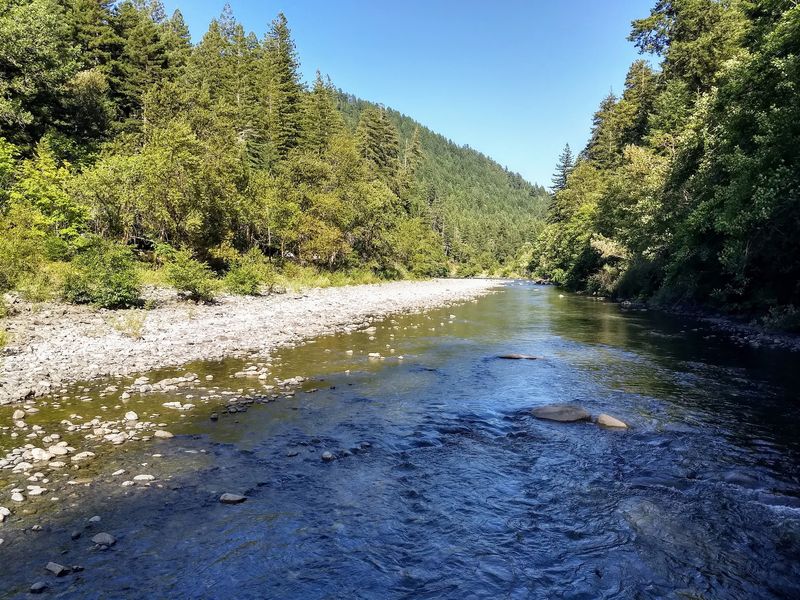
Water changes the rhythm of a forest visit. The Van Duzen River runs directly through Grizzly Creek Redwoods State Park, adding gravel bars, riffles and open sky to a landscape otherwise dominated by trees.
Seasonal swimming near the campground draws people during warm months, when flows drop and shallow spots form.
Conditions shift year to year, so checking current levels before planning a swim is wise.
Picnicking along the banks is one of the simplest pleasures here. Sunlight reaches the water even when the surrounding forest stays dim, which makes the riverside noticeably warmer.
Fishing brings different visitors in late fall and winter, when steelhead and salmon move through. Regulations change by season and require checking before casting a line.
River levels rise substantially during winter storms, and currents can turn dangerous quickly. Staying well back from the water during high flows protects everyone.
Rocks along the bank are uneven and often slick, so sturdy footwear beats sandals. Bringing a small towel and a bag for trash keeps the area pleasant for the next group.
Combining a walk in the grove with time beside the river turns a quick stop into a genuinely satisfying half-day outing.
Twenty-Eight Campsites Keep Overnights Intimate
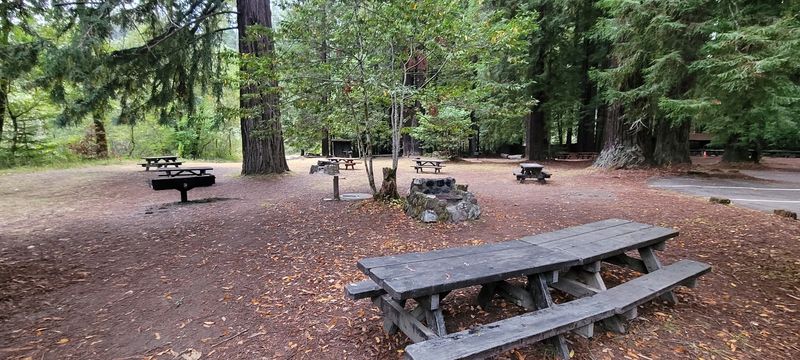
Staying the night turns a quick stop into something more memorable.
The campground at Grizzly Creek Redwoods State Park holds just 28 family sites, arranged along a paved loop beside the redwood forest and the Van Duzen River.
Each site generally includes a picnic table and a fire ring, which covers the basics for a simple overnight. Restrooms and showers are available, and showers may require coins.
Shade is constant thanks to the canopy, so mornings stay cool and damp even in summer. Warm layers help more than most people expect in August.
Size limits apply for trailers and motorhomes, with a maximum length of 24 feet, making the campground better suited to tents and smaller rigs. Checking those limits before booking avoids disappointment.
Reservations and seasonal availability shift, so consulting the state park reservation system ahead of a trip is the practical approach. Popular weekends fill faster than midweek nights.
Bring firewood from a nearby source rather than transporting it long distances, and store food securely given local wildlife. Quiet hours matter in a loop this small.
Waking up surrounded by old-growth redwoods costs little effort here, which is part of what makes the campground worth considering.