This California Steakhouse Serves Some Of The Best Steaks In The State
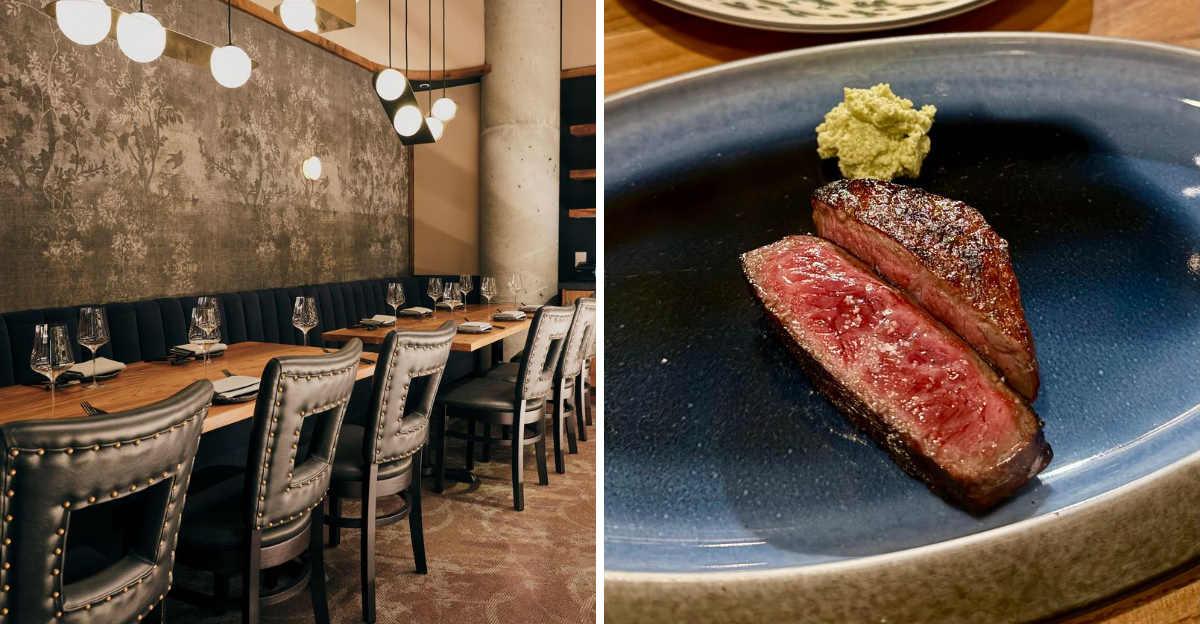
Finding a truly unforgettable steak in California feels harder than it should. Plenty of spots promise prime cuts and polished service. Few actually deliver a meal you replay in your head days later.
Then there’s Niku Steakhouse in San Francisco.
This is not the kind of place where you skim the menu and order automatically. The energy shifts the second you walk in. A glowing wood-fired grill anchors the room. Dry-aged cuts sit on display like trophies.
Every plate that passes by makes you glance twice. The steaks are the headline, but the experience is the hook.
Japanese precision meets classic American steakhouse indulgence, creating dishes that feel both refined and deeply satisfying.
Each bite carries smoky depth, rich marbling, and the kind of texture that makes conversation pause mid-sentence.
Michelin recognition only confirms what diners across the Golden State already know. This is where steak stops being just dinner and becomes an event.
If you think you’ve already had the best steak of your life, this California restaurant might be the place that changes your mind.
1. Michelin-Starred Recognition Sets The Bar High
Earning a Michelin star places any restaurant in an elite category that represents consistent excellence and culinary mastery.
Niku Steakhouse achieved this distinction through unwavering commitment to quality in every aspect of the dining experience.
The star reflects not just great food but also exceptional service and attention to detail that guests notice from start to finish.
Michelin inspectors visit anonymously and judge restaurants on multiple criteria including ingredient quality and cooking technique.
They also evaluate consistency across visits and whether the experience justifies the price.
Niku passed all these tests and continues to maintain the high standards that earned the recognition.
The restaurant is located at 61 Division Street in San Francisco.
Guests who visit often mention how the Michelin star reputation matches what they actually experience at their table.
The award brings prestige but also responsibility to deliver memorable meals every single night. Staff members understand the weight of the Michelin name and work to honor it with each service.
The kitchen operates with precision while the front-of-house team ensures guests feel welcomed and cared for throughout their visit. Recognition like this doesn’t happen by accident but through countless hours of dedication and craft.
2. In-House Dry-Aging Creates Unmatched Flavor
Most restaurants purchase pre-aged beef from suppliers and trust that the quality meets their standards.
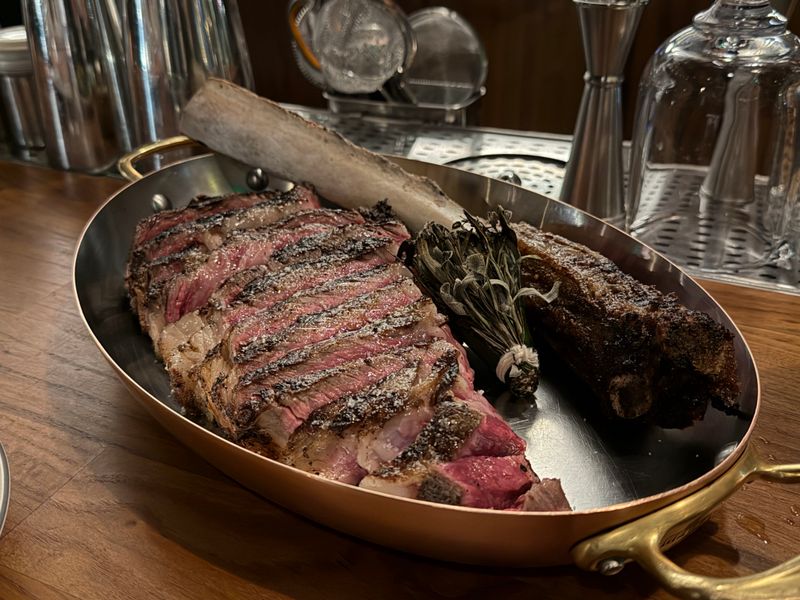
Niku takes a different approach by dry-aging meat right in the restaurant where chefs can monitor every stage of the process.
This level of control ensures that each cut develops the exact flavor profile and tenderness the kitchen wants.
Dry-aging involves storing beef in carefully controlled temperature and humidity conditions for weeks or even months.
During this time natural enzymes break down muscle fibers which tenderizes the meat and concentrates its beefy flavor.
The process also allows moisture to evaporate which intensifies taste and creates that distinctive aged character.
Diners sometimes catch glimpses of the aging room and see the impressive selection of cuts waiting to reach peak flavor.
The restaurant uses this program for both domestic beef and imported Japanese wagyu. Chefs decide when each piece reaches optimal aging based on appearance and feel. Some cuts age for shorter periods while others benefit from extended time.
The result is steak that tastes noticeably different from standard restaurant offerings with deeper complexity and buttery texture that melts in your mouth.
3. Japanese A5 Wagyu Offers Rare Luxury
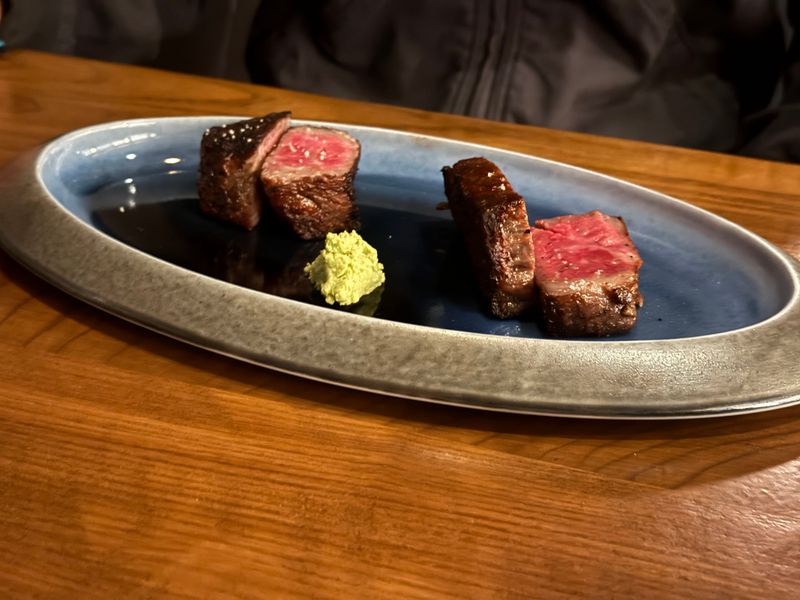
Japanese A5 wagyu represents the highest grade of beef available with strict grading standards that evaluate marbling and quality.
The A5 designation means the meat scored top marks for fat distribution and overall appearance. Only a small percentage of Japanese cattle qualify for this rating which makes it genuinely rare.
The marbling in A5 wagyu creates an almost lace-like pattern throughout the meat. This intramuscular fat melts at low temperatures which gives the beef its signature buttery texture and rich flavor.
Many people describe their first taste of A5 wagyu as unlike any other beef they have tried before.
The restaurant sources wagyu directly from Japan and serves it in portions sized appropriately for the richness of the meat.
A little goes a long way with A5 due to its intense marbling and flavor. Preparation matters tremendously with wagyu of this caliber.
Chefs at Niku cook it over binchotan charcoal which provides even heat without overpowering the delicate beef flavor.
The result showcases the natural qualities of the wagyu without unnecessary embellishments or heavy sauces that would mask its character.
4. Wood-Fired Grill Creates Theater And Flavor
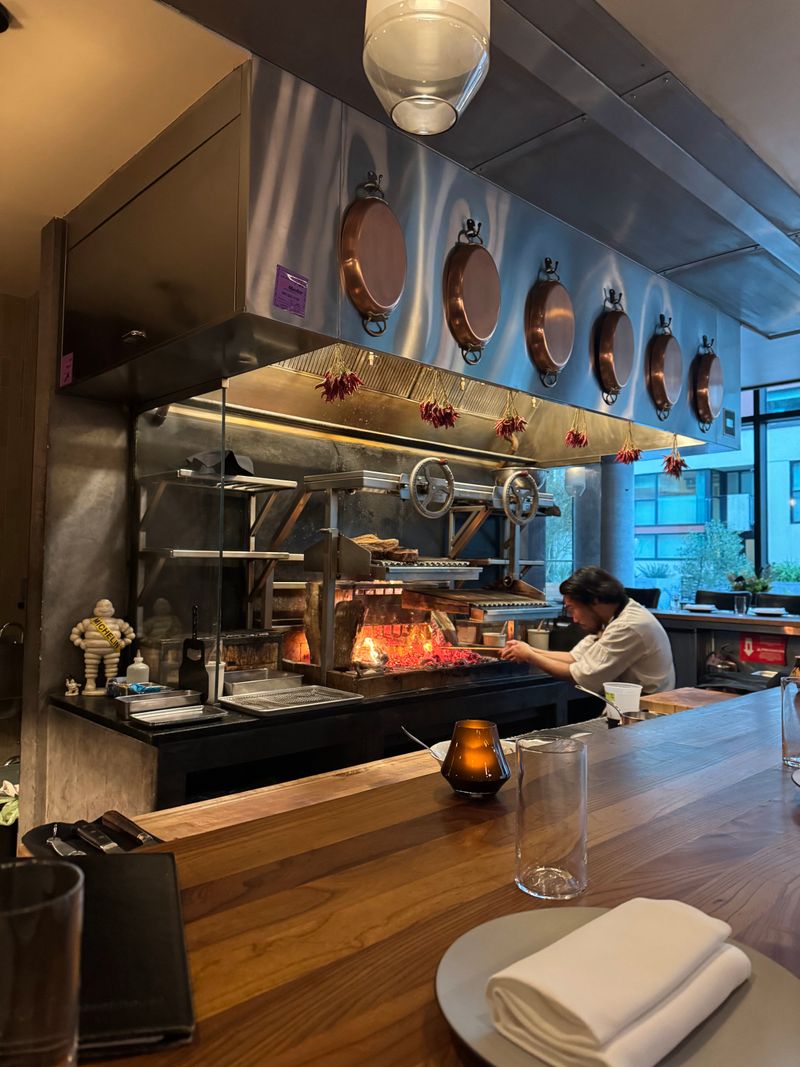
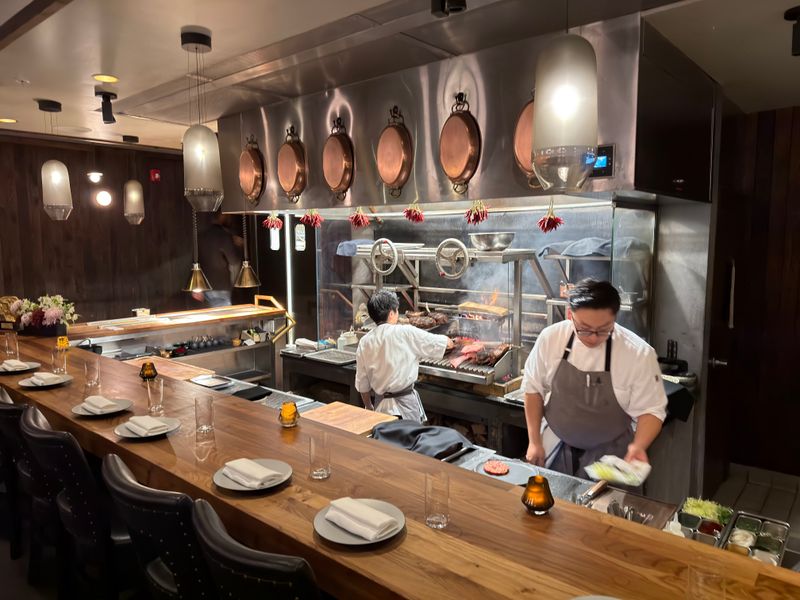
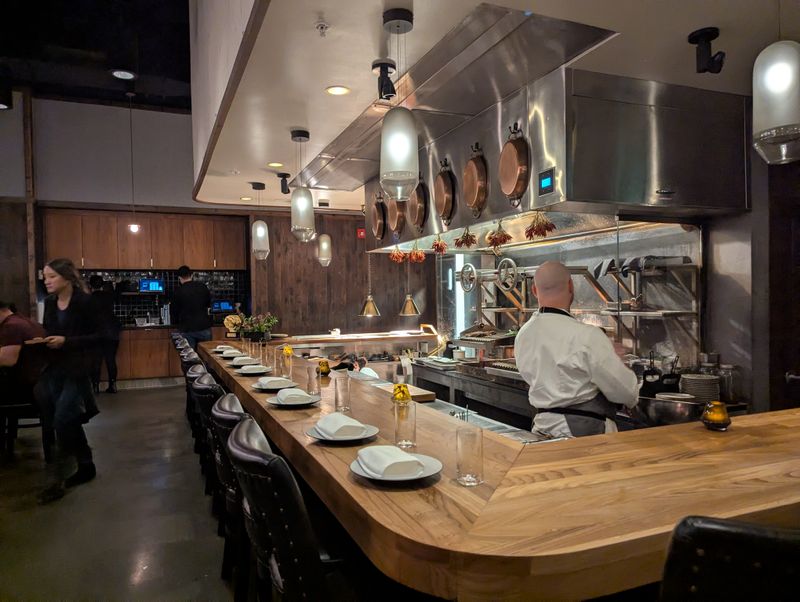
Walking into Niku reveals a dining room designed around a central wood-fired grill where guests can watch their steaks being prepared.
The custom grill uses binchotan charcoal which burns hotter and cleaner than regular charcoal. This Japanese charcoal produces intense heat without the smoke or chemical flavors that can come from other fuel sources.
Binchotan charcoal comes from oak wood that undergoes a special firing process at extremely high temperatures.
The result is incredibly dense charcoal that burns steadily for hours and reaches temperatures perfect for searing meat. Chefs appreciate how it creates beautiful crusts on steaks while keeping interiors tender and juicy.
The restaurant includes the grill positioned so diners throughout the space can see the action.
Watching skilled cooks work the flames adds an element of performance to the meal. The grill setup also allows precise temperature control for different cuts and cooking preferences.
Heat from the wood fire sears the exterior of each steak and locks in juices while developing complex flavors through the Maillard reaction.
The charcoal imparts subtle smokiness without overwhelming the natural taste of high-quality beef.
This cooking method represents a marriage of Japanese techniques and American steakhouse traditions that defines Niku’s approach.
5. Chef Dustin Falcon Blends Two Culinary Traditions
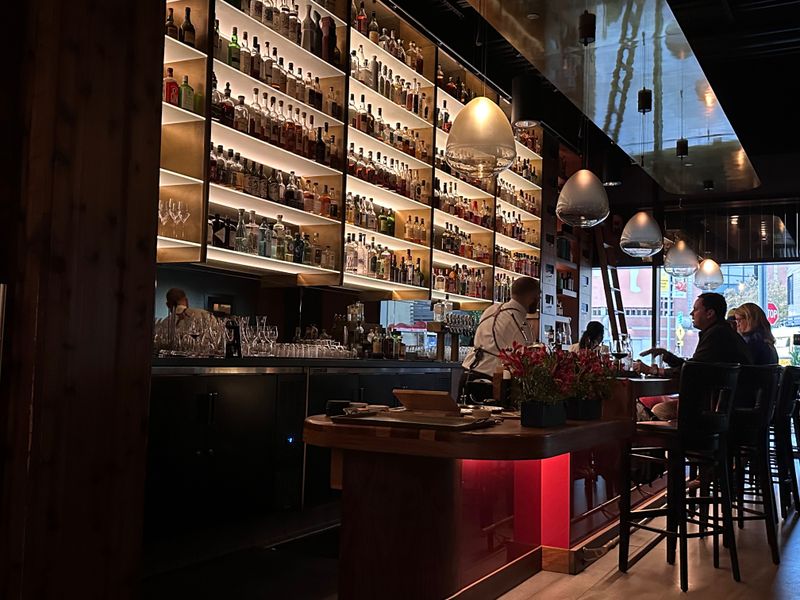
Executive Chef Dustin Falcon brings together American and Japanese cooking philosophies in ways that honor both traditions.
His background includes training in classical techniques and time spent studying Japanese approaches to ingredients and preparation. This dual perspective shapes every dish that leaves the Niku kitchen.
Chef Falcon emphasizes sourcing local ingredients whenever possible and incorporates foraged items into the menu.
He believes great cooking starts with great products and spends considerable time building relationships with farmers and suppliers. The menu reflects seasonal availability rather than forcing ingredients that aren’t at their peak.
His cooking style respects the simplicity valued in Japanese cuisine while embracing the bold flavors associated with American steakhouses.
The balance shows in dishes that let ingredients shine without unnecessary complexity. Guests often comment on how the food feels both familiar and surprising at the same time. Classic steakhouse elements appear alongside small plates influenced by Japanese izakaya culture.
Chef Falcon’s vision creates a menu that offers more than just steak with sides but rather a complete dining experience that explores different flavors and textures throughout the meal.
6. Seasonal Menu Keeps The Experience Fresh
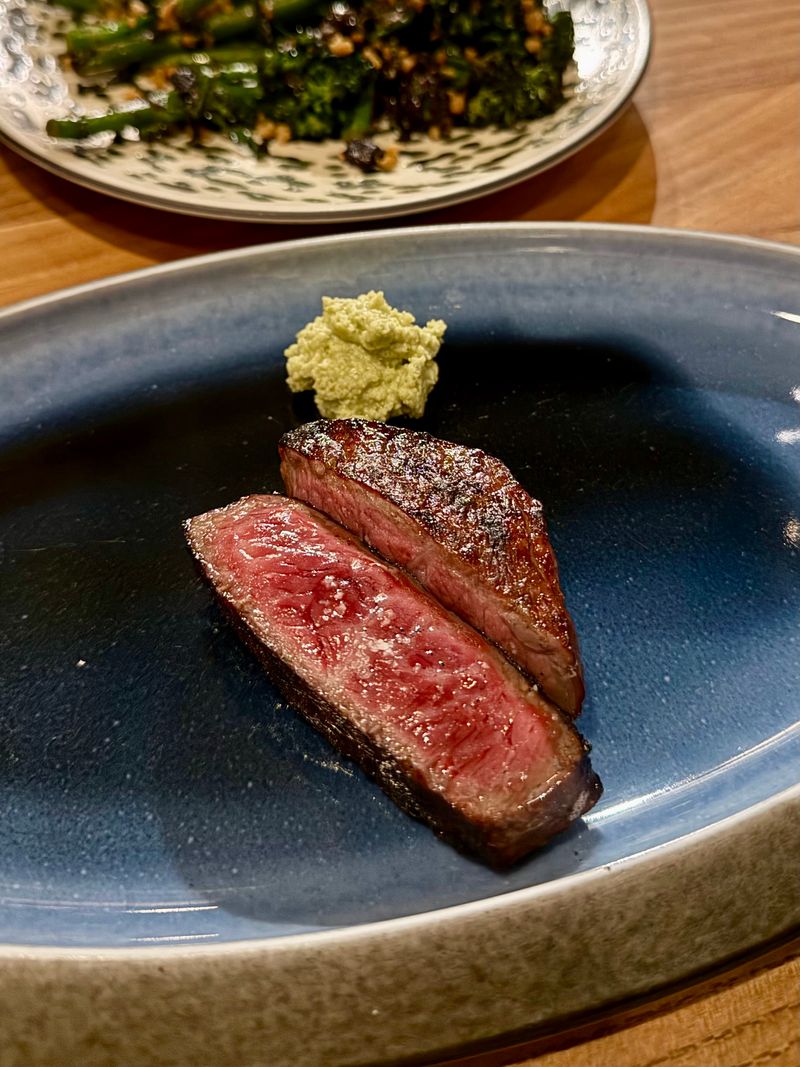
Rather than printing a static menu that stays the same year-round Niku changes offerings based on what ingredients are available each season.
Spring might bring different vegetables and preparations than fall or winter. This approach keeps regular guests interested and ensures everything served is at peak flavor and quality.
Seasonal cooking requires flexibility from the kitchen team and willingness to adjust dishes based on market availability.
Chef Falcon and his team visit farmers markets and work with foragers to discover what’s ready at any given time.
The menu evolves gradually rather than changing completely overnight which allows the kitchen to refine new dishes.
Guests might find items inspired by Japanese cooking alongside reimagined American classics. The seasonal approach means no two visits will be exactly the same.
While steak remains the star of the show the supporting dishes add variety and balance to the meal. Seasonal vegetables get the same attention to quality and preparation as the meat.
This commitment to changing with the seasons shows respect for ingredients and keeps the dining experience feeling current rather than predictable or routine.
7. Intimate Setting Enhances Personal Connection
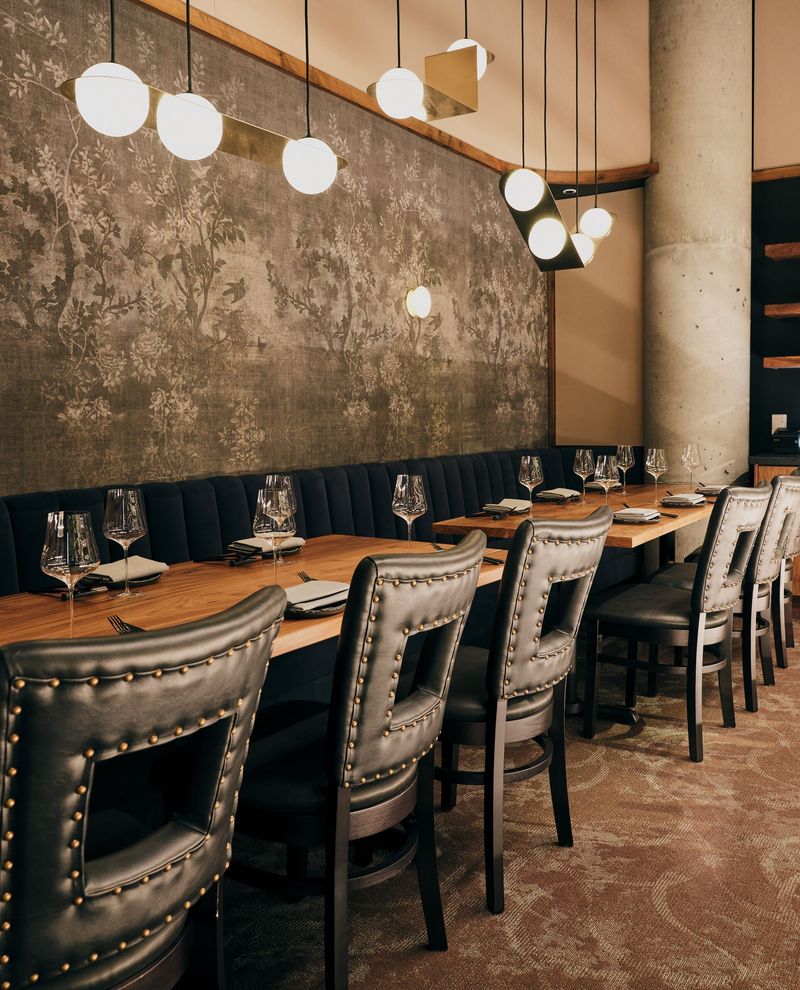
Large steakhouses often pack in tables and prioritize volume over individual guest experience. Niku takes the opposite approach with a smaller space that feels more personal and allows staff to focus on each party.
The layout includes a chef’s counter where diners can sit and interact with the kitchen team while watching meal preparation.
Counter seating offers a unique perspective on the cooking process and creates opportunities for conversation with chefs.
Guests can ask questions about techniques or ingredients and get real-time answers. The proximity to the action makes the meal feel more participatory than passive.
Tables are spaced to allow comfortable conversation without feeling isolated. Lighting stays warm rather than harsh which contributes to the relaxed atmosphere.
Smaller restaurants can adjust service to individual preferences more easily than larger operations. Staff members remember returning guests and their preferences.
The intimate scale means the kitchen can maintain consistency across every plate and the front-of-house team can provide attentive service without rushing.
This size allows Niku to deliver the polished experience that earned its Michelin recognition while keeping things approachable rather than stuffy.
8. Extensive Wine Collection Complements The Menu
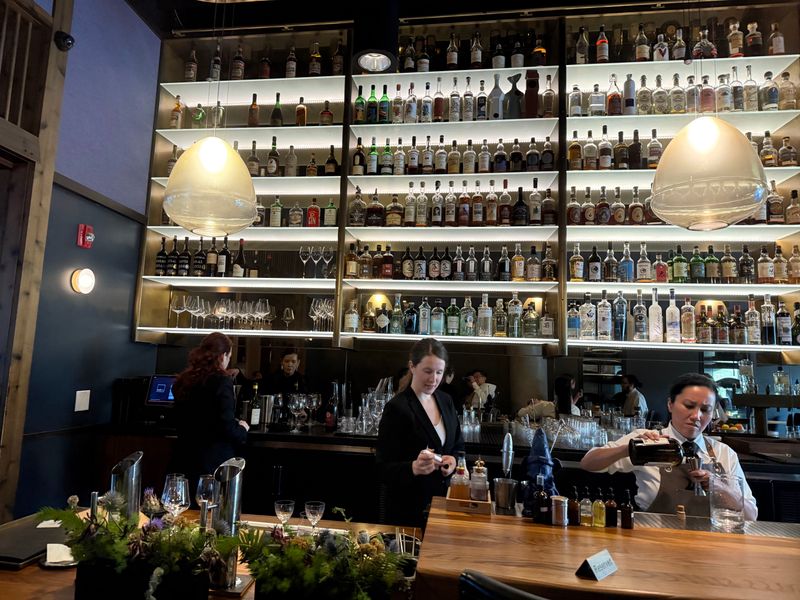
Pairing the right beverage with high-quality steak can elevate the entire meal. Niku maintains an extensive collection with particular emphasis on French and California selections.
The program earned a Wine Spectator’s Best of Award of Excellence which recognizes both depth and quality of the list.
French selections include bottles from regions known for producing wines that pair beautifully with red meat.
California offerings showcase the diversity of local winemaking from Napa and Sonoma valleys to lesser-known regions.
The list includes options at various price points so guests can find something appropriate whether celebrating a special occasion or enjoying a regular dinner.
Servers understand flavor profiles and can suggest pairings based on what dishes guests order. The goal is matching beverages to food in ways that enhance both rather than overwhelming either.
Wine Spectator’s recognition requires restaurants to demonstrate not just quantity but also thoughtful curation and proper storage. The award validates that Niku takes its beverage program as seriously as its food.
Guests who care about their drink selections appreciate having access to interesting bottles they might not find elsewhere.
9. Consistent Praise From Diners Confirms Quality
Online reviews and word-of-mouth recommendations tell the real story of any restaurant’s performance.
Niku consistently receives high marks from guests who praise both the quality of the steaks and the attentive service.
These reviews come from locals familiar with San Francisco’s dining scene and visitors seeking memorable meals.
Common themes in reviews include the exceptional flavor of the aged beef and the skill evident in cooking each steak to the requested temperature.
Guests also frequently mention how staff members make them feel welcomed and valued. Service strikes a balance between professional and friendly without being overly formal or distant.
Repeat customers often mention specific dishes or experiences that keep them coming back. The consistency of positive feedback suggests that Niku delivers reliably rather than having occasional great nights mixed with disappointing ones.
Restaurant acclaim means little if guests don’t enjoy their actual experience. The pattern of satisfied diners confirms that Niku lives up to its reputation and Michelin star.
People leave feeling that their meal justified both the cost and the effort of securing a reservation at this popular spot.
10. Prime Location In Design District Adds Convenience
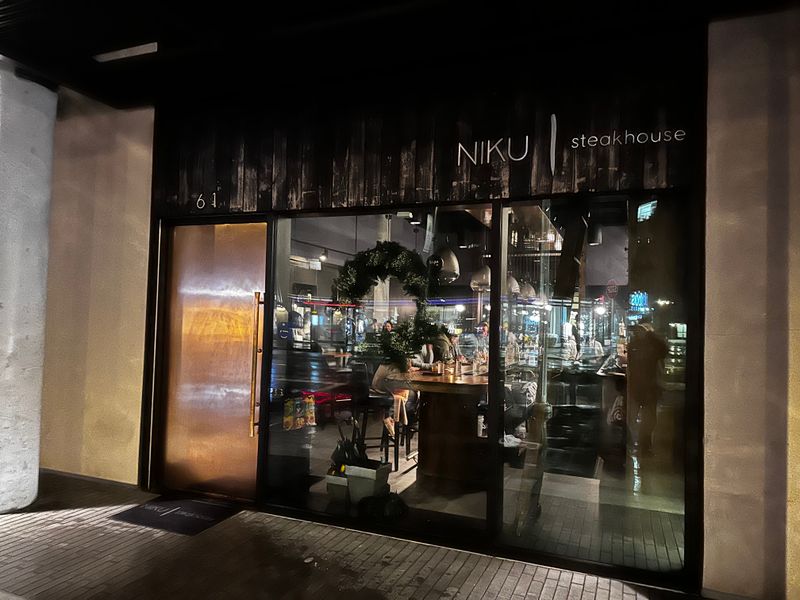
Location matters when choosing where to dine especially in a city as spread out as San Francisco. Niku sits in the Design District which is known for creative businesses and increasingly popular restaurants.
The neighborhood has become a destination for food lovers willing to venture slightly off the main tourist paths.
The Design District offers a different feel from downtown or more established dining neighborhoods. Streets tend to be quieter with a mix of industrial buildings converted to modern uses.
The area attracts people interested in design and food which creates an audience that appreciates what Niku offers.
The neighborhood provides parking options that can be easier to navigate than more congested parts of the city. Public transportation also serves the area for those who prefer not to drive.
Being in the Design District positions Niku among other interesting businesses and dining options worth exploring before or after a meal.
The location contributes to the restaurant’s identity as a place that does things differently from traditional steakhouses.
Guests willing to seek out this spot often find the neighborhood itself adds to the overall experience of visiting Niku.