This Dreamy California Lavender Farm Will Make You Think You Woke Up In Provence
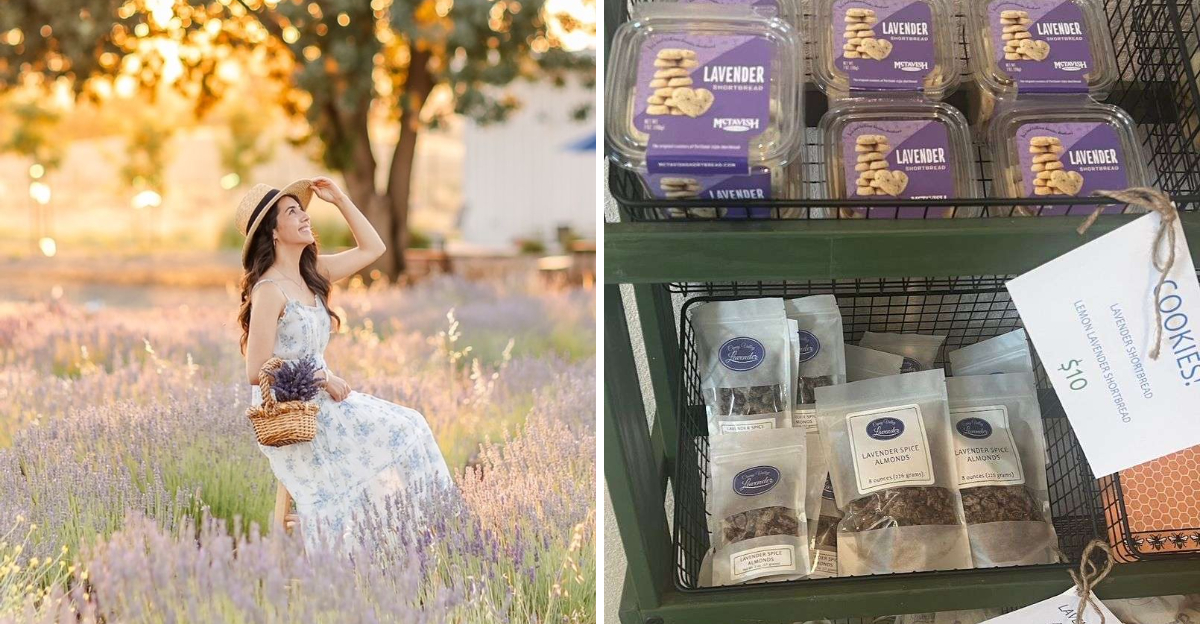
Purple does most of the talking here.
Rows of lavender roll across the countryside, bees drift lazily between blooms, and the air carries that unmistakable herbal scent that makes walking a little slower seem perfectly reasonable.
For a moment, the dry hills beyond the fields could almost pass for southern France.
A quiet patch of California countryside takes on an unmistakably Provençal character when the lavender reaches its seasonal peak.
Timing is everything, though. Lavender has a season, and the farm experience changes throughout the year.
Visit around bloom time and the fields become the obvious attraction. Outside that window, workshops, farm-made lavender goods, and special events offer different reasons to make the trip.
Do not expect an enormous commercial attraction with endless entertainment. The appeal is gentler than that.
A fragrant field, a rural setting, and an afternoon that gives you permission to move at lavender-growing speed.
Walk Through Five Acres Of Fragrant Lavender Fields
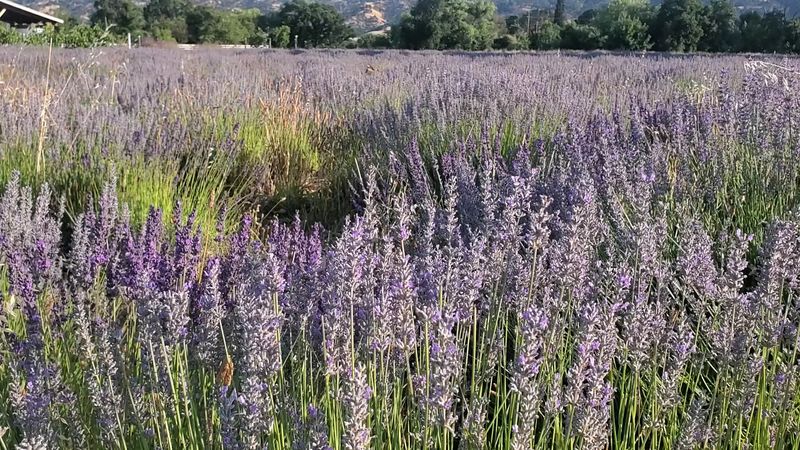
Five acres sounds modest until the rows open up in front of you and the purple runs right to the base of the hills.
The lavender here is planted in long tidy rows, which makes wandering simple and slow. Golden Capay Valley foothills sit behind the plants, and the color contrast is the reason so many people bring a camera.
The scent is the part photos miss entirely. On a warm afternoon with even a slight breeze, the air carries lavender across the whole field, and bees work the blooms with a steady low hum.
Lavender is only one piece of the property. Roughly 28 acres are in organic cultivation, including herbs, figs, pomegranates and olive trees, so a walk gives more variety than a single crop would.
Footing matters more than people expect. Rows sit on farm soil rather than pavement, so closed walking shoes work far better than sandals, especially after irrigation.
Shade is limited out among the plants, which makes a hat and water bottle sensible additions. Mornings usually feel cooler and calmer than midday.
Pacing is entirely up to the visitor. Some people move through in twenty minutes, while others spend a couple of hours drifting between rows and stopping to look at the hills.
Cut A Lavender Bouquet Straight From The Field
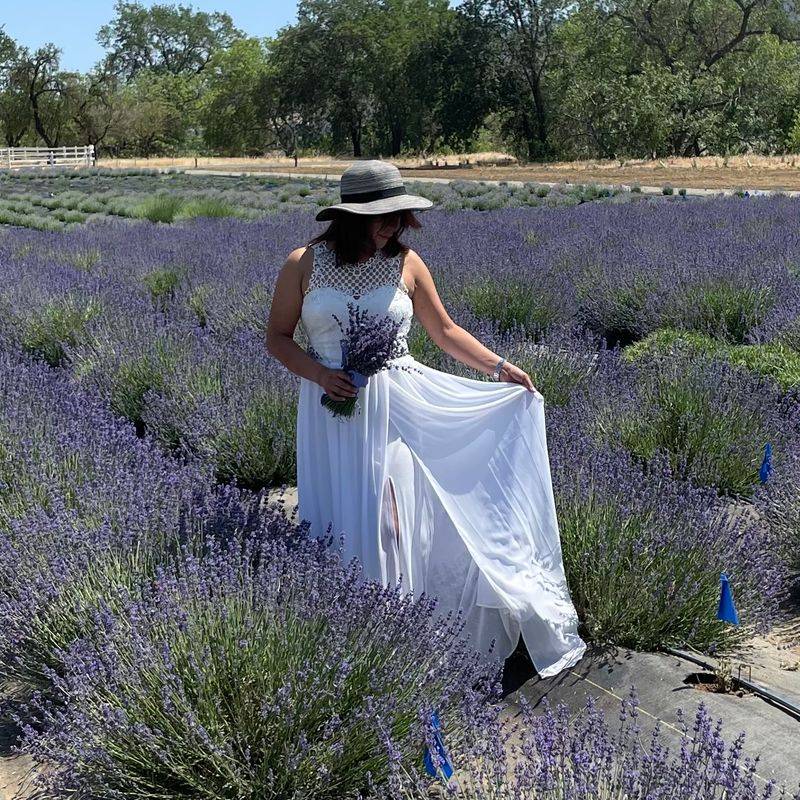
Few souvenirs beat one you cut yourself, and the you-pick season here makes that possible.
During the seasonal lavender experience, guests are welcome to walk among the plants and cut their own bouquets straight from the rows.
Pre-cut bundles are also sold for anyone who would rather skip the cutting and simply carry home a ready-made bunch. Both options end the same way, with lavender in hand and the scent following you to the car.
Cutting is easier than it sounds. Stems are gathered near the base of the flower spike, and the farm provides guidance so plants stay healthy for the rest of the season.
A little planning helps the bouquet survive the drive. A towel or bag in the back seat keeps stems from rolling around, and keeping the bundle out of direct sun slows wilting.
Once home, lavender dries well when hung upside down in a cool spot with good airflow.
Dried stems hold their fragrance for months, which turns a single afternoon on the farm into something that lingers long past June.
Take A Farm Tour And Discover What Goes Into Growing Lavender
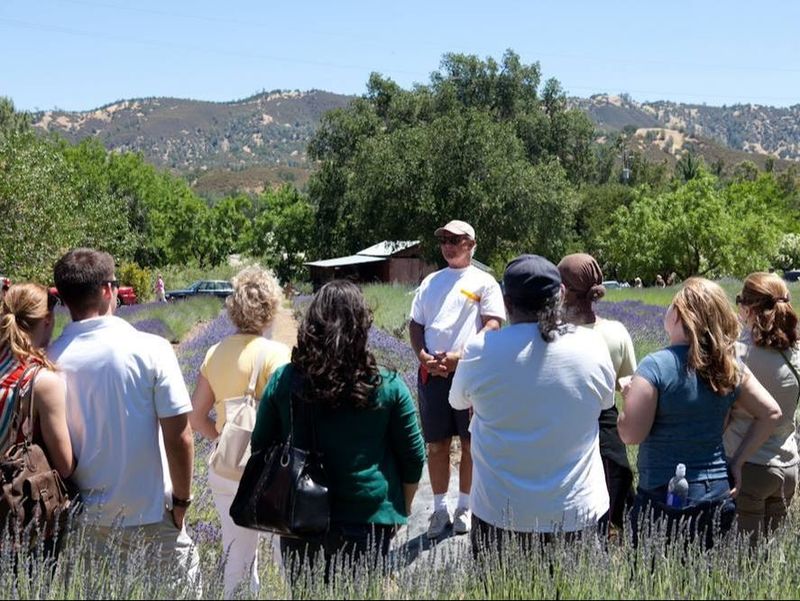
A guided walk turns a pretty field into something you actually understand.
Farm tours introduce visitors to the property and its organic farming practices, covering how the rows are managed and what the crop needs through the year.
The farm is organic, and tours often touch on soil care, water use and the work behind keeping plants productive.
Different lavender types serve different purposes, and hearing that explained changes how the field looks. Some varieties are grown for landscape color, others for bundles, essential oil or culinary use.
Tours are regularly offered on Fridays, Saturdays and Sundays during the open season, and some require pre-registration.
Checking availability ahead of time avoids a wasted trip, since schedules shift with the seasons.
Olive oil often enters the conversation too. Three varieties of the farm’s oil are produced from trees on the property, and tastings have been part of the experience.
Comfortable shoes and sun protection matter here, since the walk happens outdoors on uneven farm ground. Groups tend to move at a relaxed pace with plenty of stopping points.
The reward is context. After a tour, the rows read less like scenery and more like a working farm with decades of decisions behind every plant.
See How Fresh Lavender Becomes Essential Oil
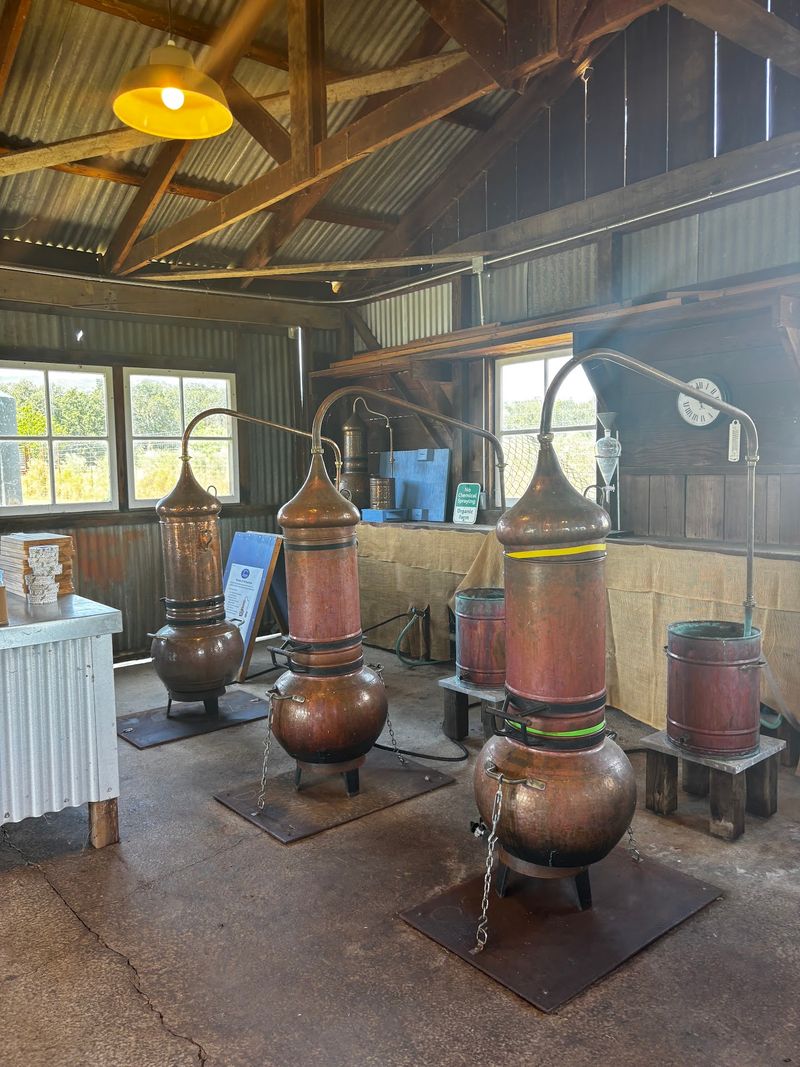
Watching steam pull fragrance out of a pile of flowers is oddly mesmerizing.
Distillation workshops are among the farm’s experiences, giving visitors a close look at how harvested lavender becomes oil.
Participants learn the steps involved, from selecting and harvesting buds to packing and tending the still.
The final stage is the memorable one. Fresh essential oil separates from the hydrosol, and guests have been able to bottle their own to take home.
Scale surprises most first-timers. It takes a large volume of flowers to produce a small amount of oil, which explains why pure lavender oil carries the price it does.
Hydrosol, the fragrant water left behind, gets used too rather than discarded. Learning that nothing goes to waste fits the farm’s broader approach to growing.
Workshops are typically scheduled events rather than drop-in activities, so pre-registration is often required. Space can be limited, which makes booking ahead the practical move.
Standing near a working still on a warm day is warm work, so light clothing helps. The payoff is a small bottle that smells exactly like the field outside.
Anyone curious about how farm products are actually made will find this the most hands-on part of a visit.
Taste Lavender Instead Of Just Smelling It
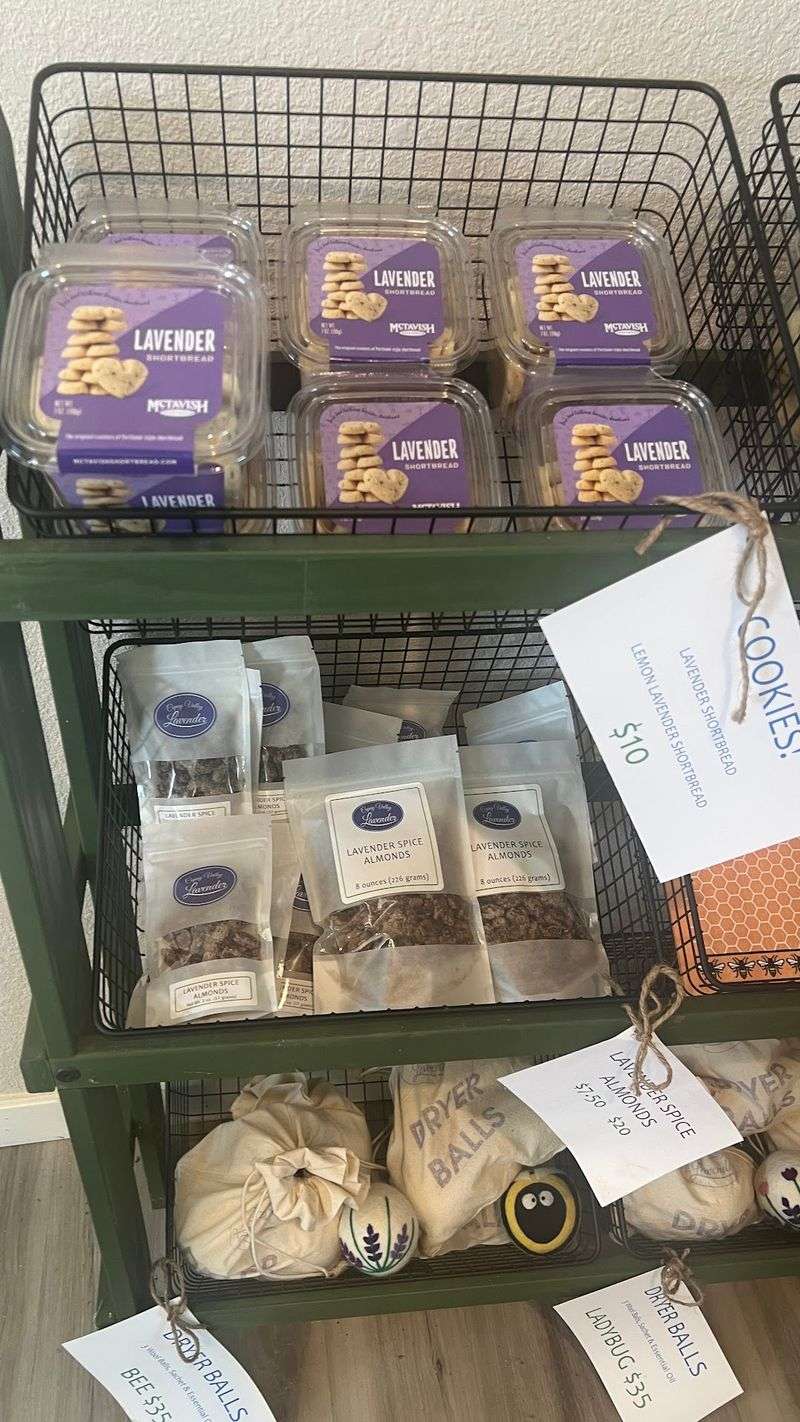
Lavender turns out to be a flavor, not just a fragrance, and the farm leans into that idea.
Both aromatic and culinary varieties grow here, and the edible types find their way into products and tastings. Lavender scones, brownies and lavender lemonade have all been part of what visitors can sample.
Lavender ice cream comes up constantly among guests, and for good reason. Cold, floral and mild, it suits a warm afternoon spent walking rows better than almost anything else.
Culinary lavender is sold for home use, along with baking mixes such as shortbread. Cooking with it takes a light hand, since too much shifts quickly from floral to soapy.
A useful rule for beginners is to start with less than a recipe suggests. Lavender pairs especially well with lemon, honey and butter-based baked goods.
Lavender lemonade also works as a mixer for non-alcoholic drinks, which makes it a flexible thing to bring home. Bottles have been available in the shop.
Tasting options shift with the season and with what is available on a given day. Anyone hoping for a specific treat may want to confirm ahead, though the shop generally carries a good selection during open months.
Pack A Picnic And Stay A While
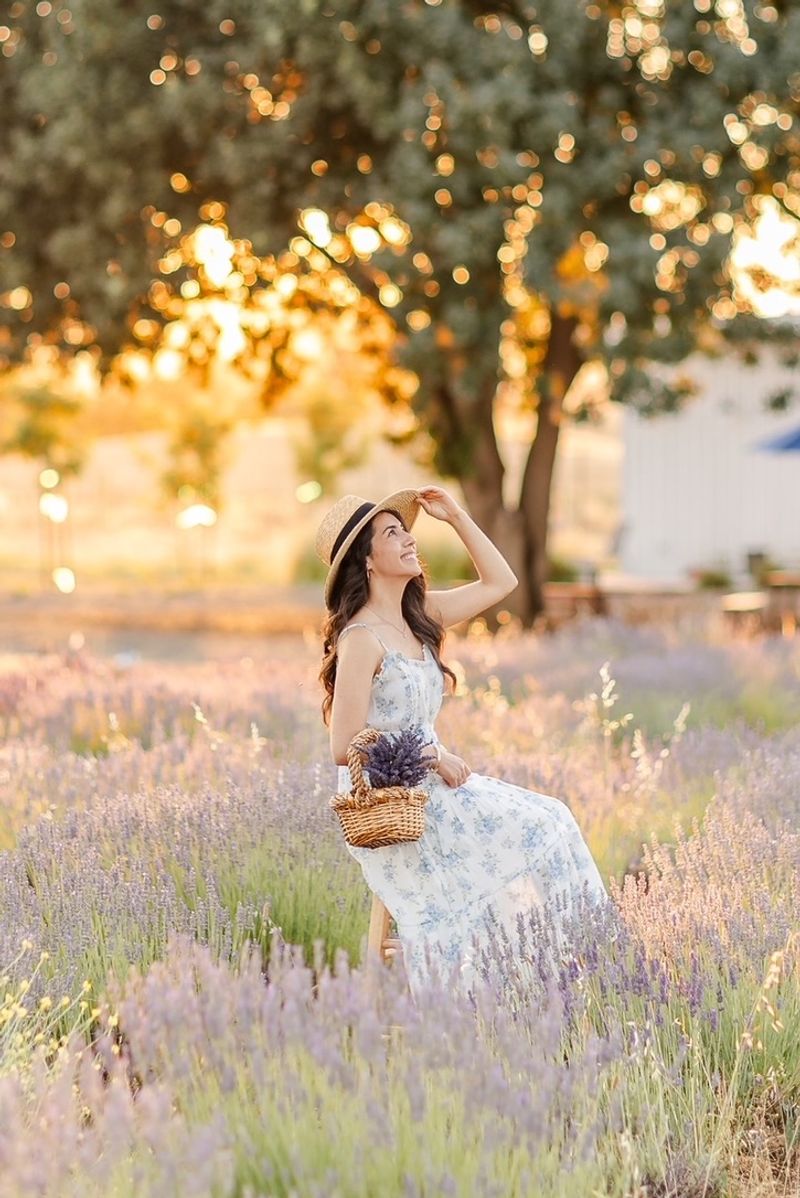
Most people plan on thirty minutes here and then realize they would rather sit down.
Picnic tables sit beneath shade trees on the property, which makes lingering easy instead of walking through and heading straight back to the car. Bringing a packed lunch is a common choice among visitors.
Shade makes a real difference in this valley. Summer afternoons get hot, and a table under a tree turns a warm walk into a comfortable break.
Sound is part of the appeal. Away from traffic, the loudest things are usually bees, birds and wind moving through the rows.
Packing smart helps. Food that holds up without refrigeration, plenty of water and a bag for trash keep things simple, since this is a working farm rather than a park with full facilities.
There is a restroom on site, described by guests as memorably rustic with a tin roof. Knowing that ahead of time sets expectations properly.
Weekday mornings tend to feel especially quiet, and some visitors have found the fields nearly empty even on Saturday mornings. Slowing down is the whole point.
A picnic also stretches the drive into something worth the mileage rather than a quick photo stop.
Bring A Camera Because The Landscape Does Most Of The Work
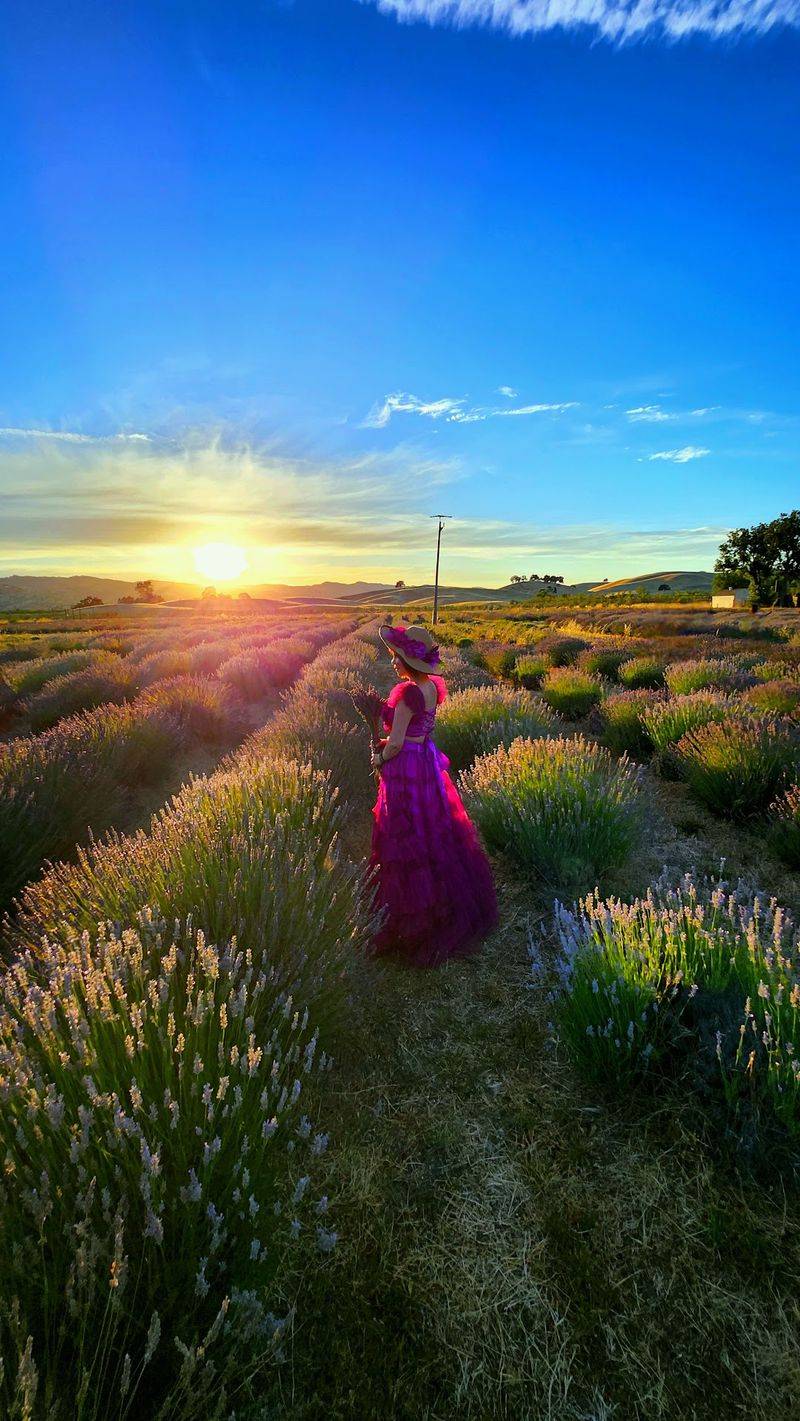
Golden hills behind purple rows is a color combination that flatters even a phone camera.
Photographers and plein-air artists are welcomed on the property, and the layout gives plenty of angles to work with. Long rows create natural lines that pull the eye toward the foothills.
Light changes everything. Early morning and late afternoon soften shadows and deepen the purple, while harsh midday sun tends to wash the color out.
Dedicated photography sessions can be scheduled through the farm for anyone wanting more than a casual visit. Golden Hour access has been part of those arrangements, and private groups have been able to add catered lunch options.
Leashed dogs have been permitted during photography sessions, which makes family portraits easier for pet owners. Confirming current policies when booking is wise, since details can change.
A few practical notes help. Stepping only in the aisles protects the plants, and a lens cloth handles the dust that comes with farm ground.
Wind is worth planning around too. Lavender spikes move constantly, so faster shutter speeds keep the blooms sharp.
Painters seem to appreciate the same qualities photographers do, namely open sightlines, strong color blocks and hills that frame the whole scene without much effort.
Discover The Olive Grove Beyond The Purple Fields
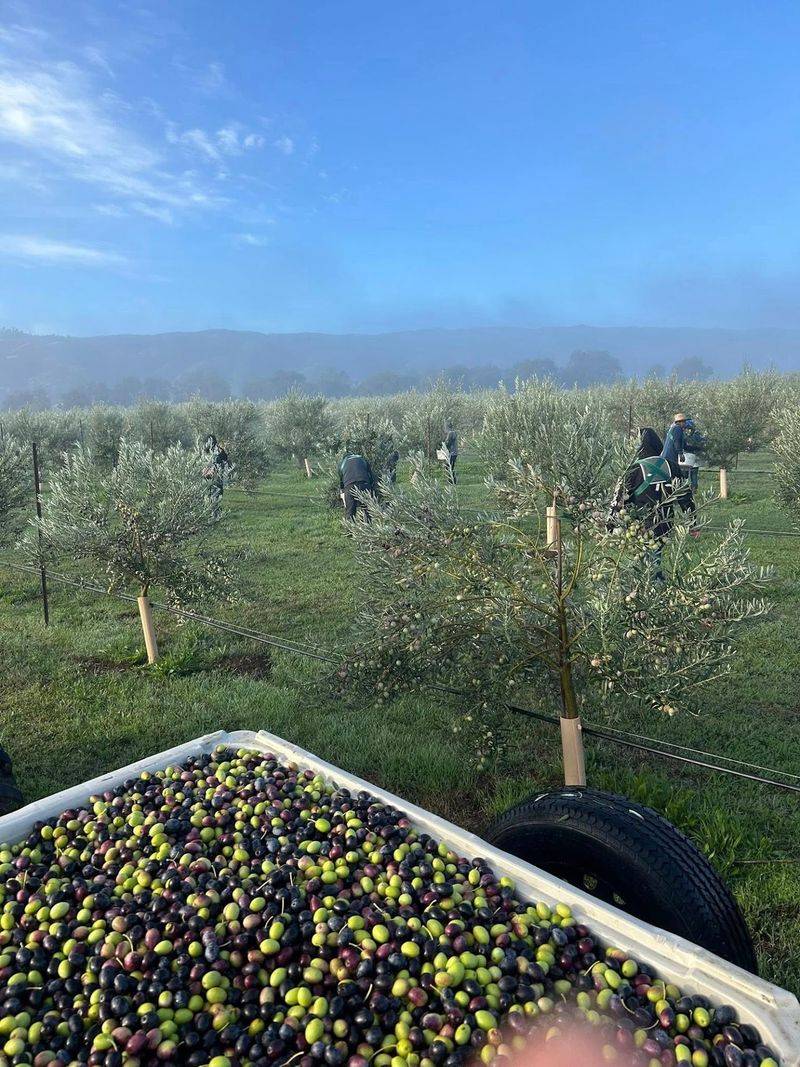
Silvery olive leaves make a quiet counterpoint to all that purple.
An olive grove grows on the property alongside the lavender, adding another crop and another texture to the landscape.
Olives are hand-harvested from these trees and milled locally into the farm’s organic extra-virgin olive oil.
Hand-harvesting is slow work compared with machine picking. The tradeoff is careful handling, which matters for oil quality.
Three varieties of olive oil have been produced here, and tastings have been offered as part of farm tours. Comparing them side by side is a good lesson in how much variety a single crop can hold.
The grove also broadens the farm’s growing calendar. Olives come in during the fall harvest window, which is part of why the farm reopens later in the year.
Figs, pomegranates and herbs round out the plantings across the roughly 28 organically farmed acres. Pomegranates in particular draw attention from returning visitors.
Bottles of the farm’s olive oil are available among the products for sale. Taking one home pairs nicely with lavender for anyone who likes cooking with farm ingredients.
Together the crops make the 20470 Co Rd 79, Capay, California located place feel like a real farm rather than a single-season attraction.