This Enormous California Lake Has 100 Miles Of Shoreline And A Volcano Rising Beside It
Big lakes have a funny way of making plans grow.
A quick shoreline stop becomes an afternoon on the water, lunch turns into sunset watching, and someone inevitably starts checking nearby cabins.
With roughly 100 miles of shoreline, this enormous freshwater escape gives boaters, anglers, paddlers, and scenery seekers plenty of room to spread out.
Calm coves invite slower exploring, while waterfront communities provide easy breaks for meals and the important vacation activity of doing absolutely nothing.
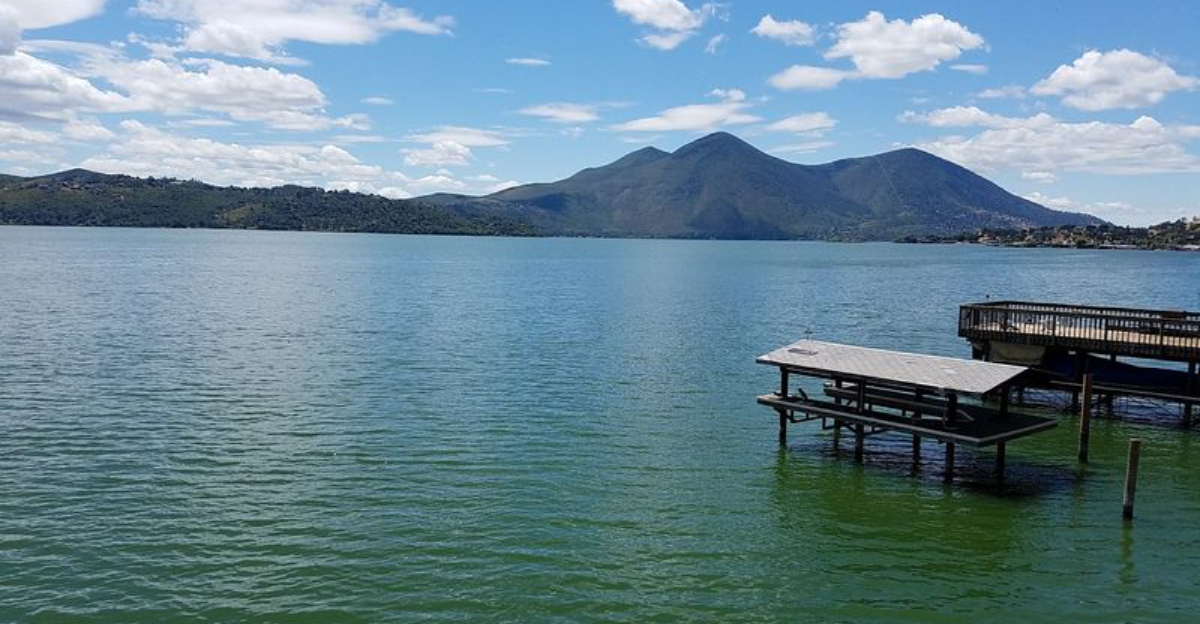
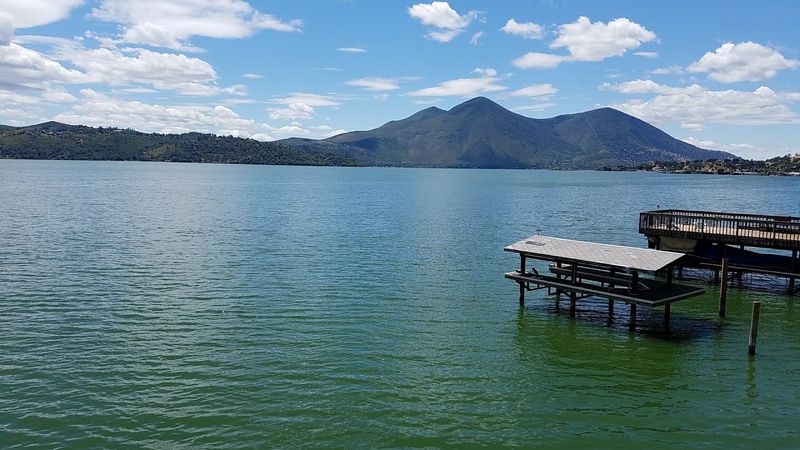
A California lake feels especially hard to forget when a volcanic peak rises beside the water and nearly every shoreline turn brings another excuse to stop.
A massive volcanic peak rises beside the water, creating a backdrop that feels far bigger than the average lake-day scenery.
You can cruise beneath it or keep glancing up between snacks as though the landscape might suddenly explain itself.
Come for the water and stay for the wonderfully strange realization that your relaxing day trip includes a volcano standing beside the picnic plans.
It Is California’s Largest Natural Freshwater Lake
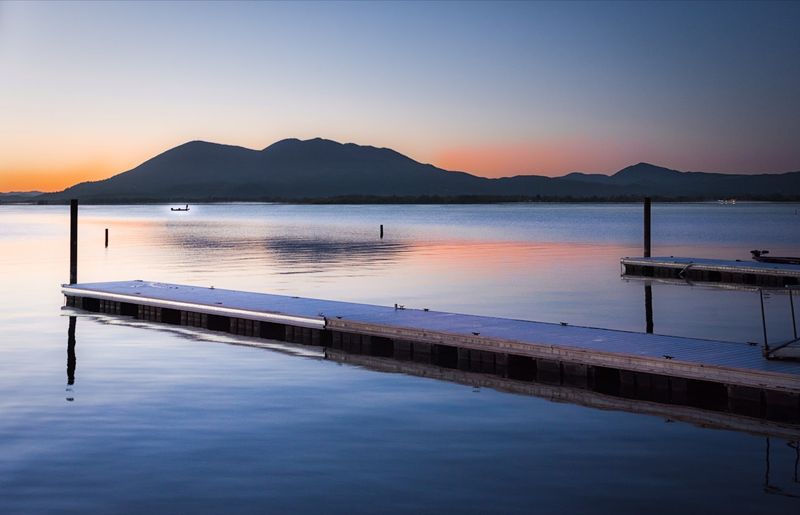
Not every state can claim a lake this size entirely within its own borders, and California holds that distinction with Clear Lake.
Stretching across approximately 68 square miles, the lake covers a surface area large enough to spend days exploring without retracing the same path twice.
Lake Tahoe may be larger in total area, but its shoreline crosses into Nevada, which means Clear Lake stands alone as California’s biggest natural freshwater lake.
The sheer scale of the water becomes more apparent when approaching from the surrounding hills.
From certain elevated viewpoints, the lake spreads out in every direction, and the far shore can feel surprisingly distant.
The basin itself has a long geological history, with estimates suggesting the broader lake basin held earlier bodies of water for somewhere between 1.8 and 3 million years.
Most of the lake sits at a relatively shallow depth of around 30 feet, with a deeper section on the larger end reaching approximately 60 feet.
That shallow profile warms the water during summer months, which contributes to both the lake’s productive fishery and the seasonal algae conditions that visitors should monitor before planning water activities.
The Lake May Be Nearly Half A Million Years Old
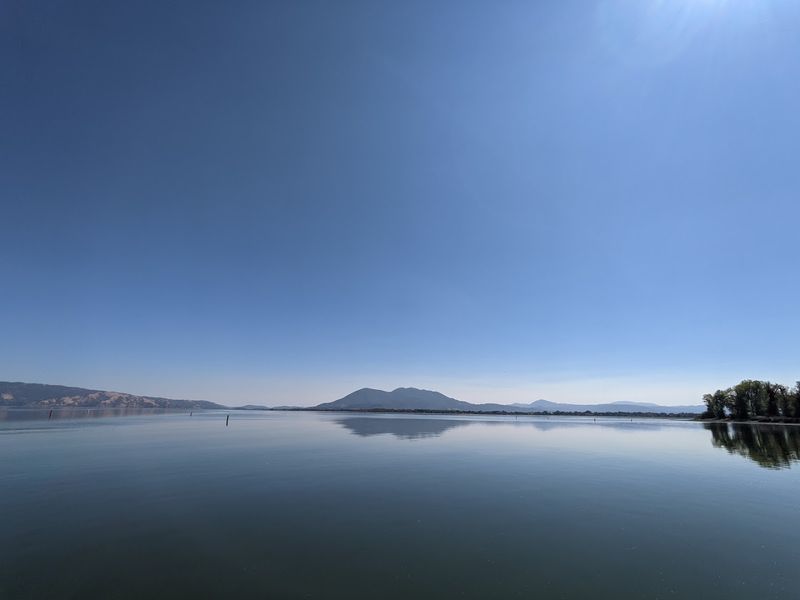
Age is not always visible, but at Clear Lake, the landscape carries quiet evidence of an extraordinarily long history.
The current form of the lake is believed to be approximately 480,000 years old, placing it among the most ancient lakes on the North American continent.
That kind of age puts it in a category shared by only a handful of lakes anywhere in the world.
The broader basin is thought to have held earlier versions of the lake for somewhere between 1.8 and 3 million years, shaped by volcanic activity and shifting geology over an almost incomprehensible span of time.
Mount Konocti, the dormant volcano that rises beside the water, is part of that same geological story.
The volcanic soils, the hot springs found in the region, and the unique mineral character of the surrounding land all connect back to that ancient history.
For visitors who enjoy thinking about the deep timeline of a place, Clear Lake offers that kind of perspective without requiring any special equipment or guided tour.
Simply standing at the water’s edge and looking toward Mount Konocti is enough to appreciate that this landscape has been shaped over millions of years rather than decades.
More Than 100 Miles Of Shoreline Surround The Water
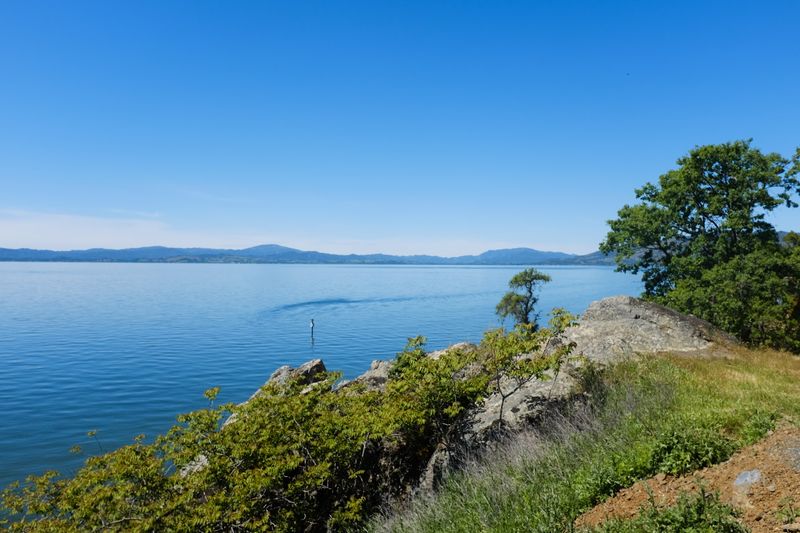
Few lakes in the western United States offer as much accessible shoreline as Clear Lake, and the variety packed into those 100-plus miles keeps the experience from feeling repetitive.
Marinas, public parks, fishing piers, small beaches, and quiet residential waterfronts all take their place along the edge of the lake.
Some stretches are open and easy to walk, while others are more tucked away and require a short drive to reach.
Public boat launch ramps are available at multiple points around the shoreline, with 11 free ramps accessible to the public.
That kind of access makes it practical to arrive with a kayak or small boat without needing to pay for a private marina launch.
Picnic areas and fishing spots are also spread across the shoreline, so a full day can be planned around moving between different sections rather than staying in one place.
The communities that line the shore each have their own character and their own relationship with the water.
Some areas feel more residential and quiet, while others have small downtowns with shops and places to eat.
Driving the perimeter of the lake and stopping at different points along the way tends to reveal just how much variety those 100 miles actually contain.
A Dormant Volcano Dominates The View
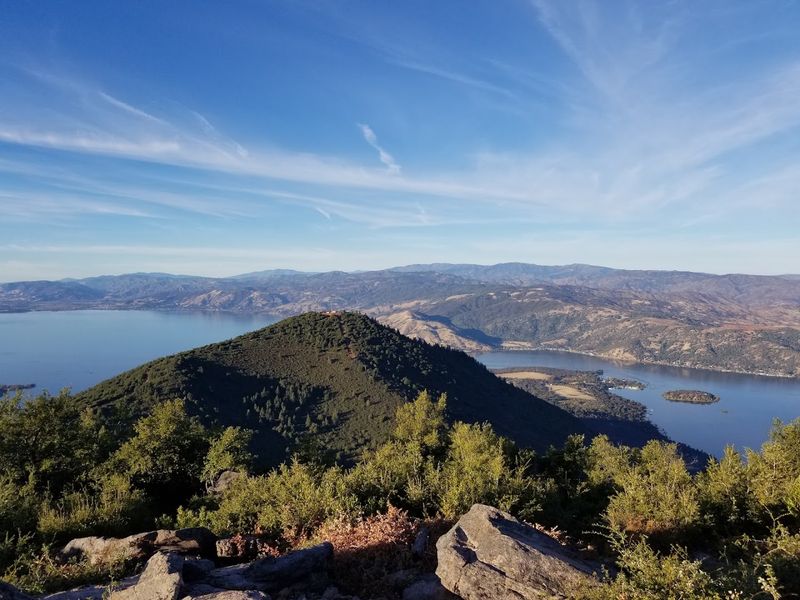
Rising to an elevation of approximately 4,305 feet, Mount Konocti is hard to ignore from almost any point along the lake.
Its multiple peaks, including Wright Peak, Howard Peak, and South Peak, give it a distinctive silhouette that becomes familiar quickly.
As a dormant volcano, it carries a certain quiet intensity that adds something unusual to the scenery beyond what a typical lake backdrop provides.
The mountain is classified as a high-threat volcano by geological assessments, though it has not erupted in recorded history.
That classification reflects its geological status rather than any immediate danger to visitors.
The volcanic origins of the mountain help explain the mineral-rich soils found throughout Lake County and contribute to the unique growing conditions that support the region’s vineyards.
Mount Konocti County Park provides trailhead access for those who want to explore the mountain more directly.
Hiking to the upper elevations rewards visitors with sweeping views of Clear Lake below, along with the surrounding hills and valleys.
The Fishing Has Earned A Serious Reputation
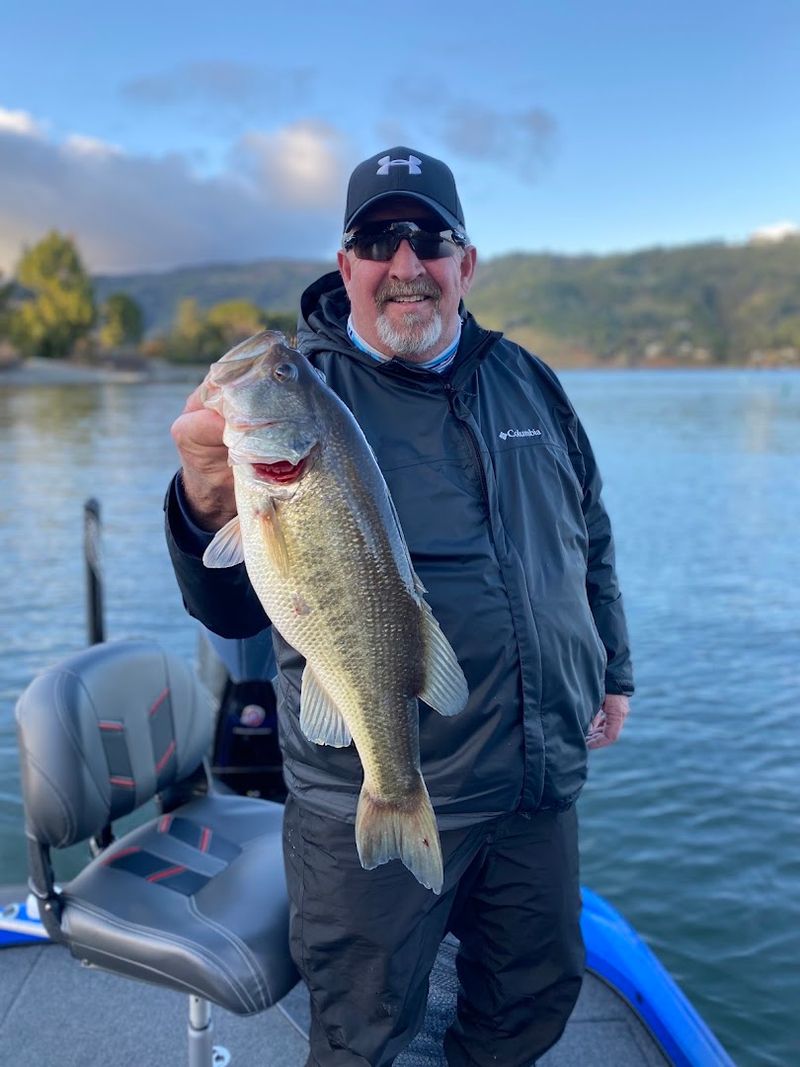
Among fishing destinations in the western United States, Clear Lake holds a name that serious anglers tend to recognize immediately.
The lake has been called the Bass Capital of the West, and that reputation is grounded in consistently productive largemouth bass fishing that draws competitive tournament anglers alongside casual weekend fishers.
The combination of warm, shallow water and abundant aquatic vegetation creates ideal habitat for bass to thrive.
Largemouth bass are the main attraction, but the lake also supports crappie, bluegill, and channel catfish in productive numbers.
The channels around the lake are known to hold crawfish in good supply, which contributes to the healthy baitfish population that keeps bass well-fed and actively feeding.
Fishing tournaments are held regularly throughout the season, and marinas around the lake can provide information on schedules and access points.
For those without their own boat, several marinas offer rental options and guided fishing trips.
Buckingham Marina is one of the established access points on the lake, offering options for both casual trips and tournament participation.
Arriving on a weekday tends to mean less boat traffic and quieter conditions, which can make a difference when targeting specific coves or shallow flats where bass tend to hold.
Clear Lake State Park Offers Direct Water Access
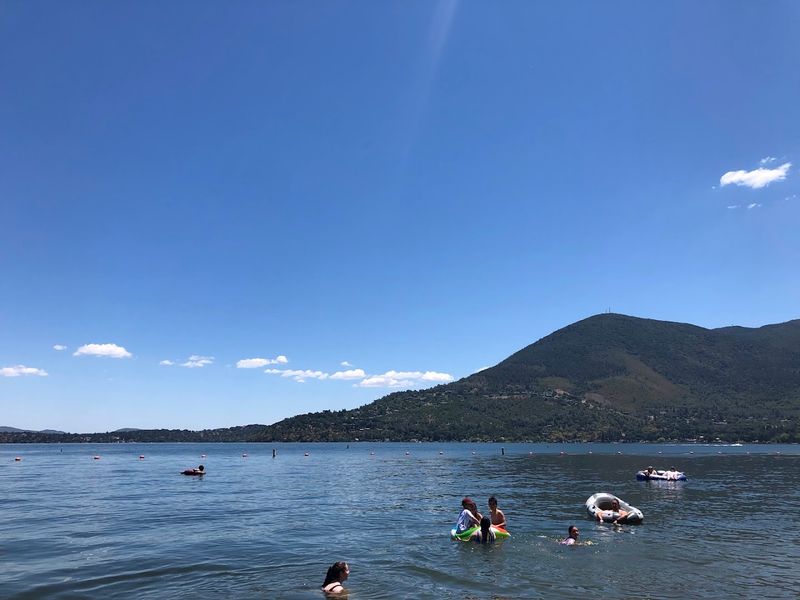
Positioned on the south shore of the lake, Clear Lake State Park gives visitors one of the most organized and accessible entry points to the water.
The park is located at 5298 Soda Bay Road in Kelseyville, and it covers a stretch of shoreline that includes a designated swimming beach, campgrounds, picnic areas, and a boat launch.
The layout makes it practical for families or groups who want multiple activities available in a single location without driving between different spots.
Hiking trails within the park pass through oak woodland and along the shoreline, offering a way to move between different sections of the park on foot.
Wildlife viewing is a natural byproduct of walking these trails, with turtles, waterfowl, and various shorebirds commonly seen near the water.
The campgrounds accommodate both tent camping and RV setups, with paved access roads that make arrival manageable even with larger vehicles.
Reservations for campsites are recommended during summer weekends, as the park fills up quickly during warmer months.
Visiting on a weekday or during the shoulder seasons of spring and fall tends to mean fewer crowds and more comfortable temperatures.
The park provides a reliable base for exploring the broader lake area, with the shoreline and boat launch available to registered campers and day-use visitors alike.
The Bird-Watching Is Surprisingly Diverse
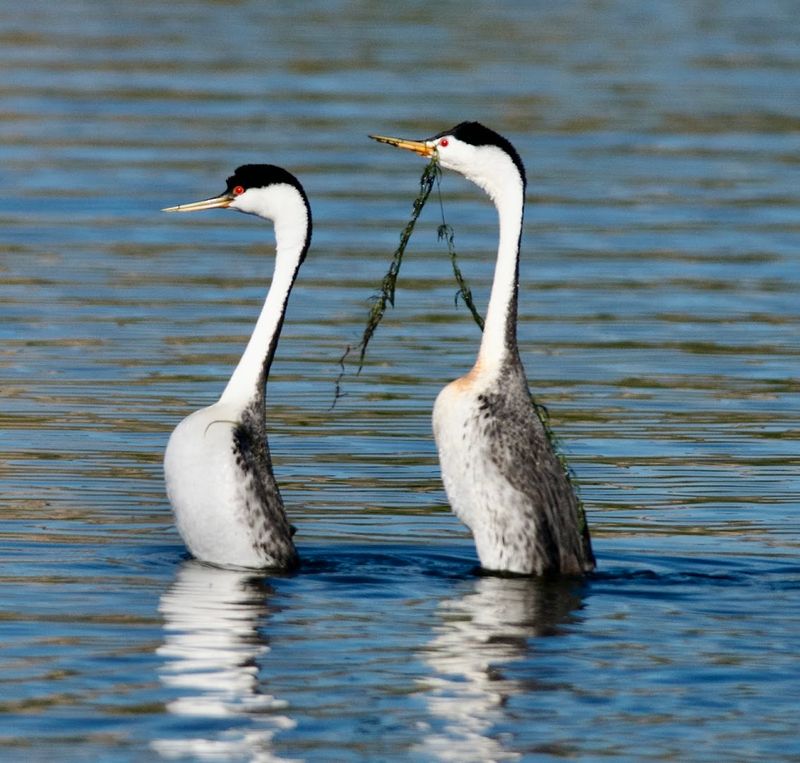
Clear Lake sits along the Pacific Flyway, one of the major migratory routes used by birds traveling along the western coast of North America.
That positioning means the species variety around the lake shifts with the seasons, and over 300 bird species have been reported in the region.
Even during a single morning walk along the shoreline, it is common to encounter multiple species without actively searching for them.
Western grebes, great blue herons, snowy egrets, and American white pelicans are among the species that frequent the lake and its adjacent wetlands.
Osprey are often seen hunting over open water, and bald eagles have been spotted in the area as well.
Owls and various duck species round out a list that rewards visitors who bring binoculars and take their time moving slowly along vegetated shoreline sections.
Anderson Marsh State Historic Park, located on the southeastern edge of the lake, is considered one of the better spots for bird-watching in the region.
The park protects a large area of wetland habitat that provides cover and feeding ground for a wide range of species.
Trails Lead Through More Than Lakeside Scenery
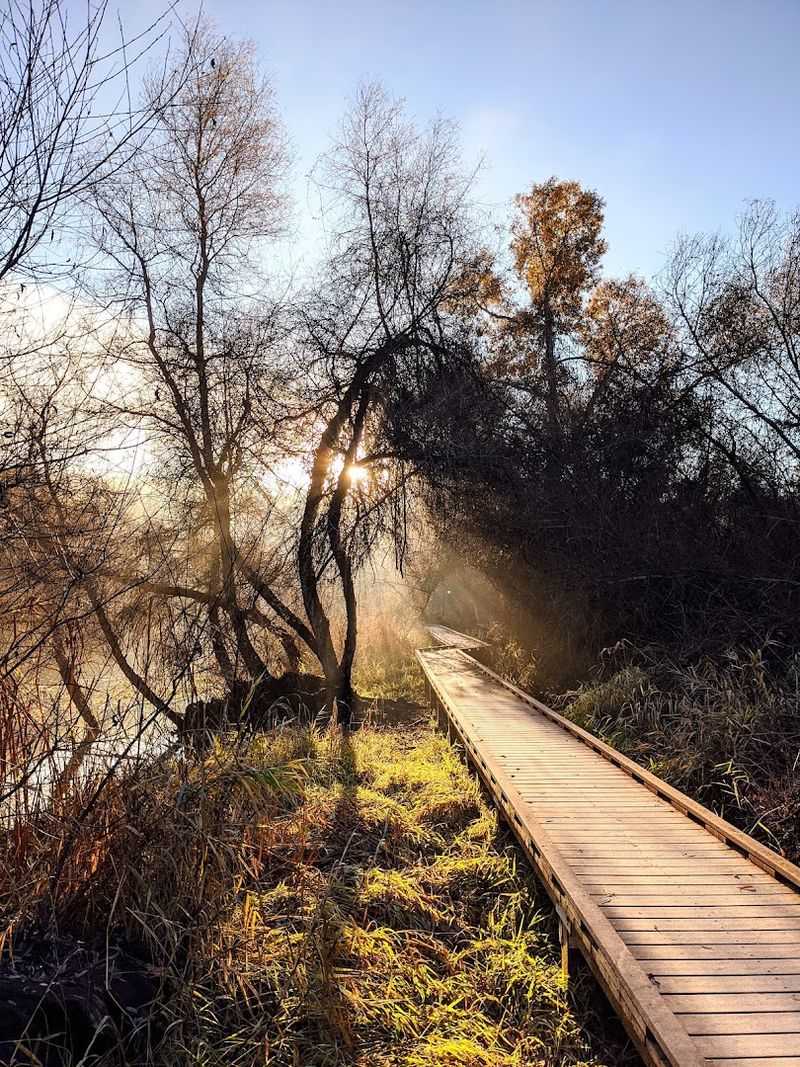
Stepping away from the shoreline opens up a hiking experience that moves through several distinct landscapes within a relatively short distance.
The regional trail network around Clear Lake passes through oak woodland, chaparral, volcanic terrain, and marshy wetland edges, creating a variety of textures and environments that feel quite different from one another.
Elevated sections of trail provide viewpoints where the full spread of the lake becomes visible below.
Mount Konocti County Park offers trails that climb toward the volcanic peaks and reward the effort with panoramic views of the lake and surrounding valleys.
The terrain shifts noticeably as elevation increases, moving from shaded oak canopy into more exposed rocky ground near the upper sections.
Anderson Marsh State Historic Park and the Cache Creek Wilderness area add additional options for those who want to explore beyond the immediate lakeshore environment.
Trail conditions can vary with the season, and summer heat in the region can be intense during midday hours.
Starting hikes in the early morning allows for more comfortable temperatures and better wildlife activity along the way.
Carrying enough water is essential, particularly on trails that move through exposed chaparral or open volcanic slopes where shade is limited and the sun can be strong even at moderate elevations.
The Air Quality Ranks Among The Best In California
Beyond the water and the scenery, Clear Lake sits in a region that consistently ranks among the top locations in California for clean air quality.
The combination of low industrial activity, open agricultural land, and the natural ventilation provided by the surrounding hills and valleys contributes to air that feels noticeably fresh, particularly for visitors arriving from urban areas.
That quality of air adds a physical dimension to the experience of being outdoors around the lake that is easy to notice but harder to quantify.
Morning hours tend to deliver the clearest and most pleasant air conditions, before any wind picks up dust from the surrounding terrain.
The lake itself contributes some moisture to the air in its immediate vicinity, which softens the dryness that characterizes much of inland Northern California during summer.
For those who spend extended time outdoors hiking, paddling, or fishing, the air quality around Clear Lake makes sustained physical activity more comfortable than it might be in other parts of the state.
Seasonal wildfire smoke from surrounding regions can periodically affect air quality during late summer and fall, so checking current air quality index readings before a visit is a useful habit during those months.
Outside of fire season, the air around Clear Lake tends to remain consistently clean and ranks favorably compared to most California destinations of similar size and accessibility.