This European-Style Market In Virginia Feels Like A Walk Through Old-World Flavors And Imported Finds
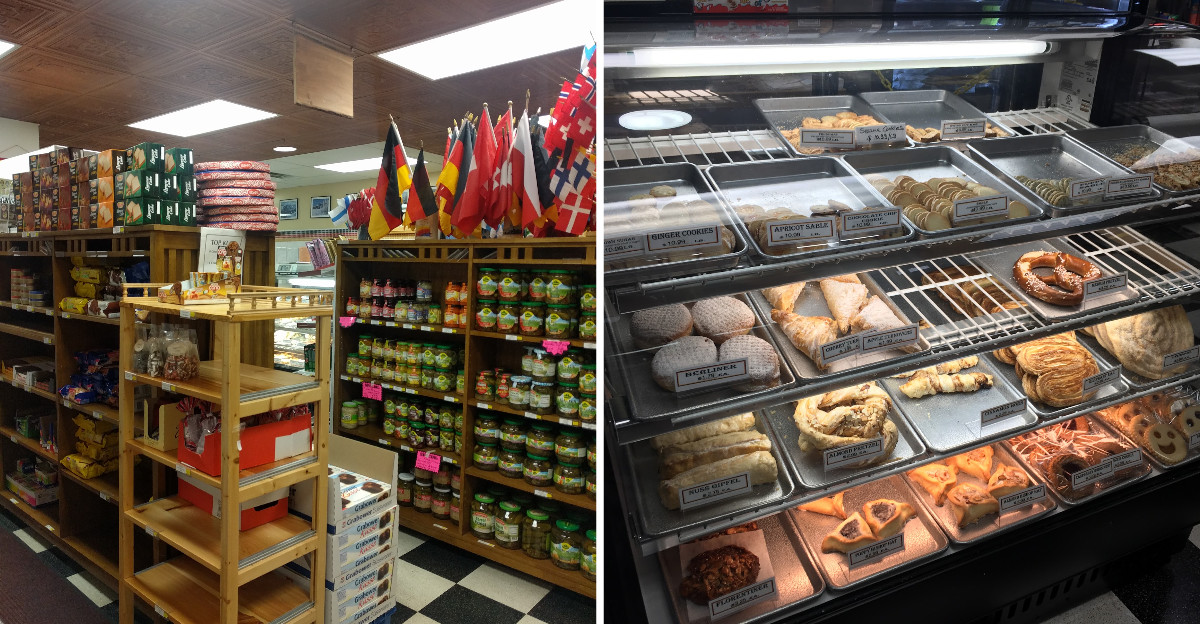
Twelve mustards beside curry ketchup is the first clue this Virginia market does not treat sausage casually.
I started reading the inventory and quickly realized the deli counter was only part of the story.
Nearly 20 sausage varieties may be waiting there, many made in-house. Keep wandering and the shelves shift toward pastries, chocolates, and imported specialties from several corners of Europe.
The stranger details are what make me curious. Flags and steins appear among everyday groceries, while even the household section has a few surprises.
Decades of serving European favorites have filled this little shop with far more than lunch ingredients.
The real challenge is deciding where browsing should begin.
A Shop That Has Been Feeding Cravings Since 1962
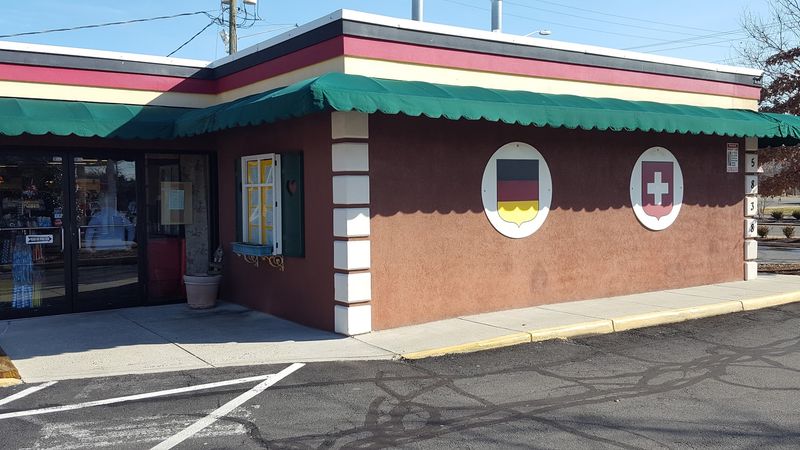
Wilhelm Wenzel opened German Gourmet in Washington, D.C., back in 1962. That’s a long run for any shop, and it has moved more than once since.
The store first moved to Arlington. Road construction eventually prompted another relocation, bringing the business to Lee Highway in Falls Church.
In 1978, Wenzel retired and sold the shop to Raimund Pagani, a Swiss businessman who expanded the selection with Swiss specialties, gifts, and additional delicatessen services.
Another chapter began in February 1997, when brothers Michael and Clifford Haene purchased the business.
Their family had operated a bakery that supplied baked goods to area businesses, giving them extensive experience with European food traditions.
The brothers continued expanding the selection, developing a broader assortment of specialty sausages, cheeses, imported groceries, and prepared foods.
On August 7, 2007, German Gourmet opened its larger Columbia Pike location in Bailey’s Crossroads. The original Lee Highway store continued operating until July 2010, when its services were consolidated into the newer shop.
Today, the business carries more than 1,500 imported products, bringing together decades of European food traditions.
Nearly Twenty Sausages Are Waiting To Be Picked
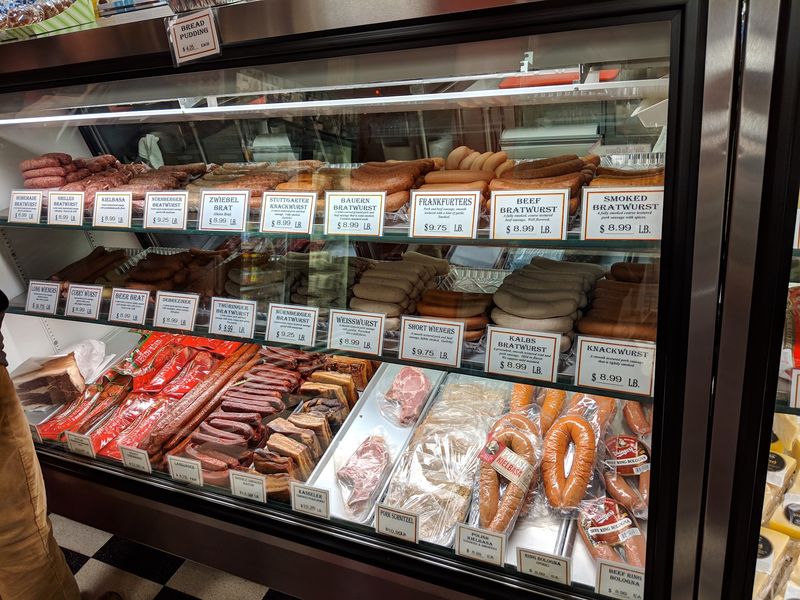
Eighteen to twenty different sausages. That’s the range German Gourmet has carried over the years, and it makes choosing just one feel almost unfair.
Traditional bratwursts lead the way, with weisswurst, Thueringer, Nuernberger, and Debreziner among the specialties associated with its deli.
The pale weisswurst is a Bavarian classic, traditionally made with finely ground meat and mild seasonings.
Thueringer sausages come from central Germany, where regional recipes emphasize their own distinctive spice combinations.
Nuernberger sausages are smaller and particularly suited to serving several together.
The meat department combines traditional German preparations with specialty products sourced from European-style producers. House specialties and different regional sausages give customers plenty of options for cooking at home.
Some varieties are suited to grilling, while others are traditionally warmed in water or prepared in a skillet.
The deli also serves bratwurst sandwiches with toppings such as sauerkraut, mustard, and remoulade. Those unfamiliar with a particular style can ask about its seasoning and recommended preparation.
Cold Cuts With Names Worth Practicing Out Loud
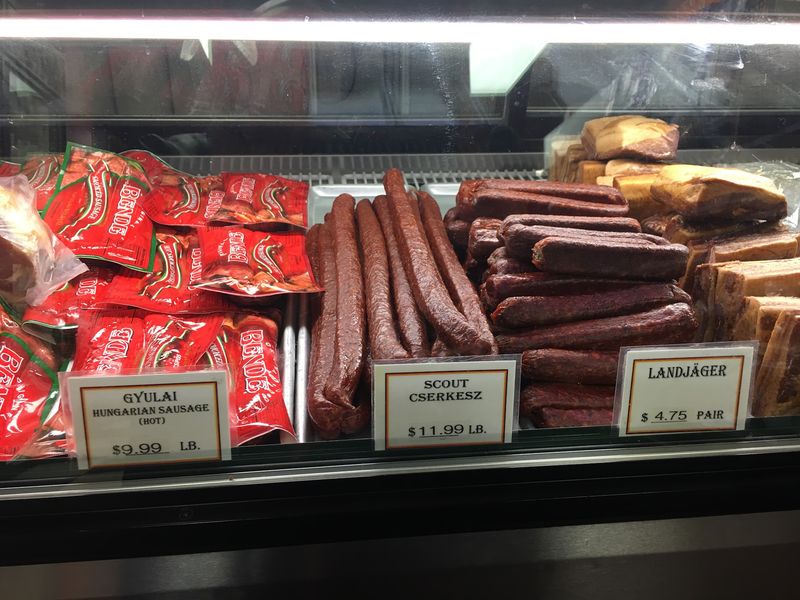
Lachsschinken, Nussschinken, Schinkenspeck. Try saying those three quickly, then reward yourself with a few slices.
German Gourmet stocks a substantial assortment of traditional cold cuts and salamis, including Black Forest ham, Westphalian ham, and other European specialties.
Black Forest ham is associated with southwestern Germany, while Westphalian ham comes from a different region with its own preparation traditions.
The selection also includes mortadella, smoked pork loin, and several varieties of liverwurst. Different seasonings, textures, and preparation methods give these meats their individual character.
Cheese receives equal attention. German varieties such as Tilsiter and Butterkäse appear alongside several Swiss cheeses and other European imports.
Butterkäse is known for its mild flavor and creamy texture, making it particularly useful for sandwiches and cheese platters.
A board with two different hams, a mild cheese, a stronger variety, and a few slices of rye bread can become an easy centerpiece for a gathering.
It’s a convenient way to bring several European regional specialties to a Virginia dinner table.
Lunch Comes Stacked On A Pretzel Roll If You Want It
Sandwich names at this deli read like a train schedule across Europe. Rhinelander, Muenchener, Dortmunder, Tyrolean, and Black Forest all appear on its menu.
The counter prepares breakfast and lunch sandwiches, combining traditional cold cuts, cheeses, and freshly cooked fillings with European-style breads.
The Muenchener features leberkäse, smoked Gouda, sauerkraut, tomato, and house dressing on rye bread.
A Tyrolean sandwich brings together pork loin, smoked bacon, grilled onions, and cabbage on sunflower bread.
For something different, the Frikadellen sandwich uses a seasoned German-style meat patty made with beef, pork, parsley, and onions. The Schnitzel Cutlet combines a breaded pork cutlet with lettuce, tomato, and remoulade.
Bread choices include baguettes, pretzel rolls, farmer’s rye, sunflower bread, and several other traditional varieties.
Cold sandwiches range from German salami combinations to Black Forest ham and Swiss cheese.
A small seating area provides room for enjoying lunch, while takeaway service makes the deli convenient for nearby workers and shoppers. The sandwich menu is available from 10 a.m. until 3 p.m. on operating days.
For a lunchtime visit in Northern Virginia, the pretzel roll alone makes an interesting alternative to an ordinary sandwich bun.
Sides That Taste Like Sunday Dinner In Bavaria
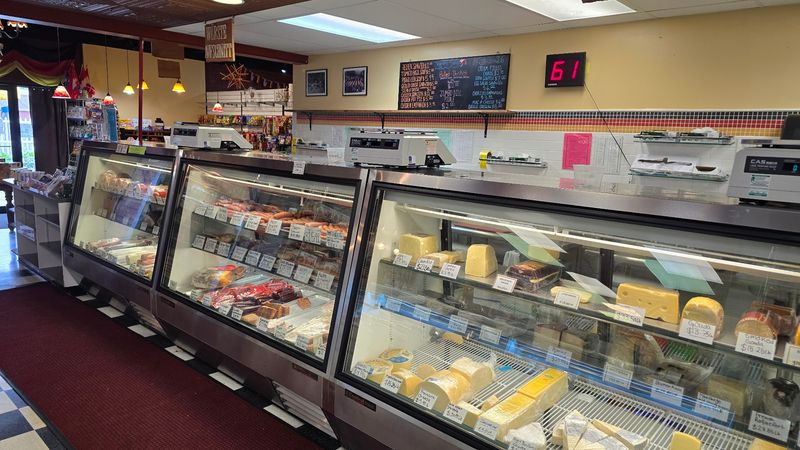
Potato pancakes, red cabbage, and sauerkraut walk into a deli. No punchline needed, because that’s simply part of the selection at German Gourmet.
The shop prepares traditional European side dishes that make an ordinary meal feel considerably more complete.
German potato salad is a familiar favorite, while cucumber salad provides a lighter, refreshing contrast to hearty meats.
Spaetzle salad brings another regional staple into the mix. Spaetzle are small, soft egg noodles commonly served throughout southern Germany and neighboring countries.
The deli also carries beet salad, carrot salad, and Tyrolean cabbage preparations.
Fleischsalat is another traditional specialty. It combines finely sliced sausage with pickles and a creamy dressing, creating a savory salad often enjoyed with bread.
Red cabbage contributes a slightly sweet and tangy flavor, particularly when served alongside roasted meats or bratwurst.
Sauerkraut offers a sharper accompaniment, while potato pancakes add a warm, crisp element to the plate.
These prepared dishes are useful when planning a meal around the deli’s sausages and cold cuts.
Save Room For Berliners, Strudel, And Pumpernickel
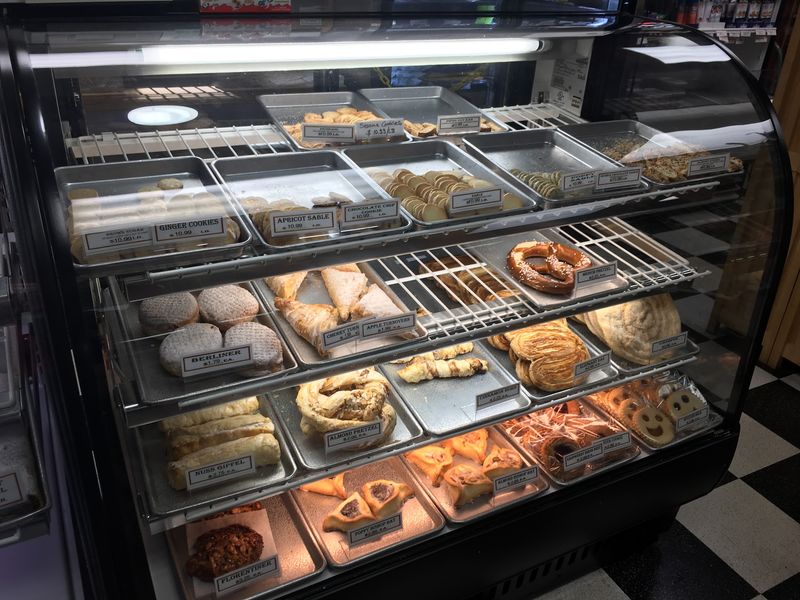
Bakery roots run deep in this store’s story. The owners previously operated a family baking business that supplied pastries and cakes throughout the Washington area.
Today, German Gourmet has a bakery department offering European breads, cakes, and pastries.
Apple strudel and poppy seed strudel are among the traditional sweets, bringing delicate pastry together with rich, familiar fillings.
Other selections include almond poppy coffee ring, German chocolate cake, raspberry cake, and carrot cake. Handcrafted pastries and macarons add another dimension to the dessert counter.
The shop has also been associated with Swiss nut bars, poppy seed cookies, and Prussians, reflecting its connection to Swiss and German baking traditions. Bread lovers have their own reasons to linger.
Rye, multigrain, and other European-style loaves are useful for sandwiches, particularly when paired with the deli’s smoked meats and cheeses.
Pumpernickel brings a dark, dense alternative that works especially well with savory toppings.
Beyond the bakery case, shelves display chocolates, cookies, candies, and other imported sweets. Some products follow seasonal traditions, with special selections appearing around major holidays.
Steins, Flags, And Soaps Make Gift Shopping Easy
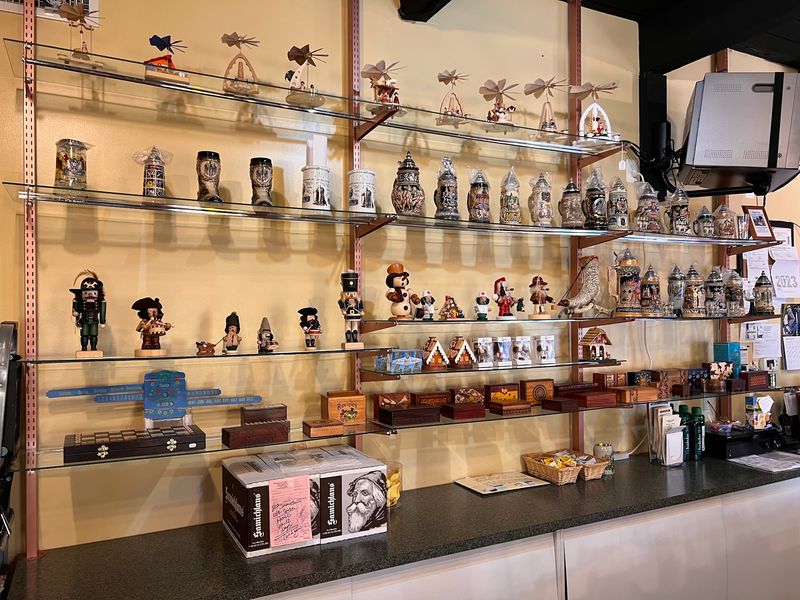
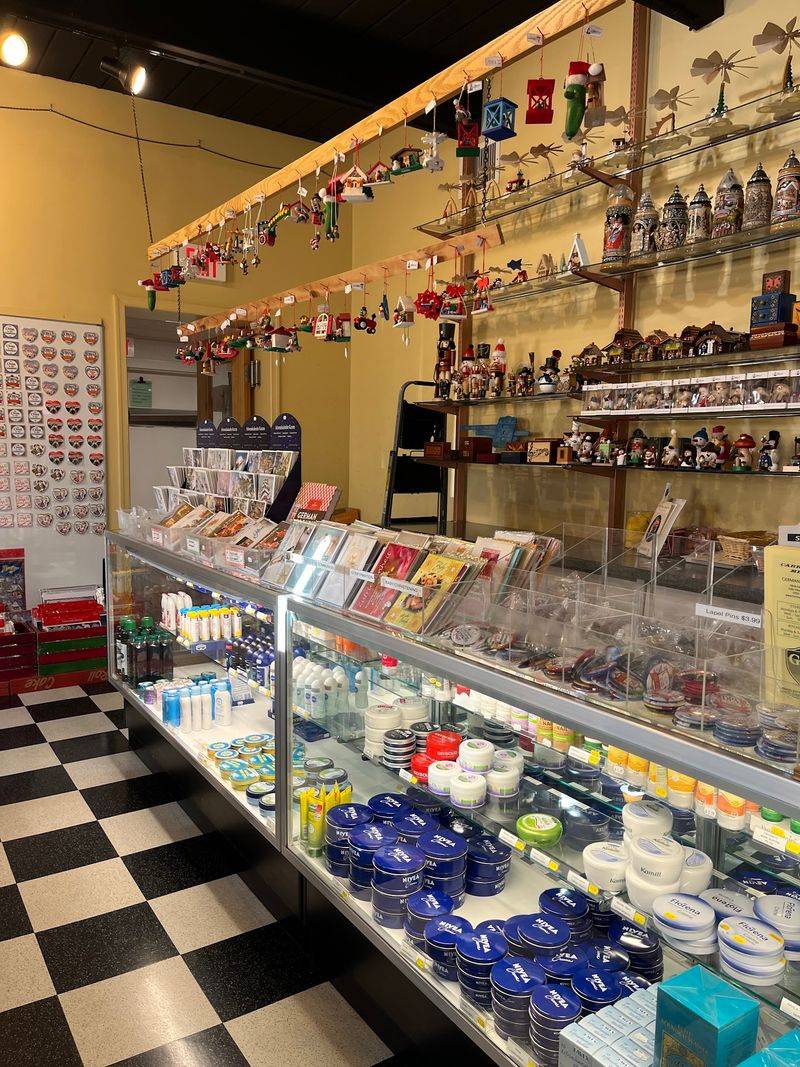
Not everything here goes on the dinner table. German Gourmet has also carried a selection of European gifts and household products, giving shoppers more to explore beyond the food departments.
Flags and T-shirts have been part of its traditional gift selection, reflecting the cultural heritage of the countries represented throughout the store.
Imported lotions, soaps, and perfumes have also appeared among the nonfood merchandise.
The broader grocery selection extends from Germany and Switzerland to Austria and Scandinavia, adding regional variety to the shelves.
Chocolate assortments, preserves, jams, and specialty candies provide easy options for thoughtful gifts.
European pantry products can work just as well. A jar of fruit preserves paired with traditional biscuits creates a simple gift with a distinctly continental flavor.
German holiday sweets, including stollen and lebkuchen, have long been associated with the shop’s imported selection.
For customers familiar with European brands, these products can bring back memories of family meals or time spent abroad. For others, they provide an introduction to regional traditions through everyday items.
This unusual combination helps distinguish the market from a conventional Virginia grocery store, making browsing nearly as interesting as deciding what to cook.
Plan Your Trip Around The Hours, Not The Other Way
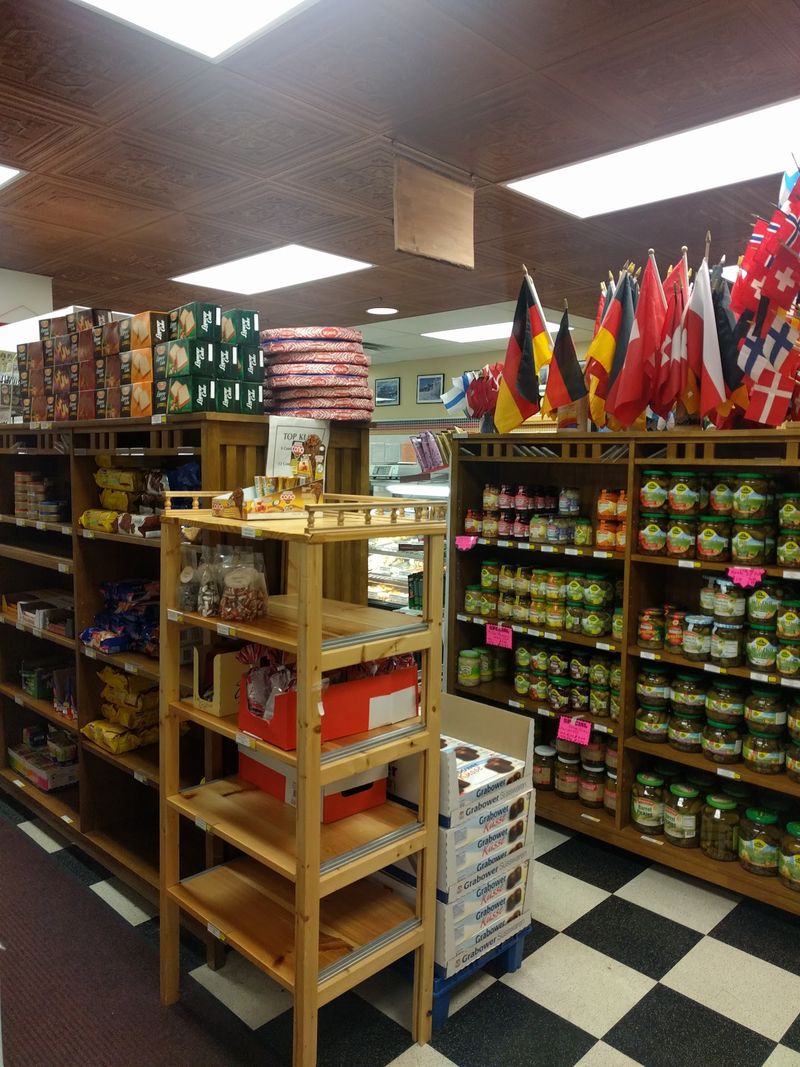
Mondays and Tuesdays are a no-go, so mark that on your calendar first. German Gourmet is closed both days.
The shop stands at 5838 Columbia Pike in Falls Church, within the Bailey’s Crossroads area of Northern Virginia.
Wednesday through Saturday, doors open at 9 a.m. and close at 7 p.m. Sunday hours are shorter, from 10 a.m. until 4 p.m.
Anyone hoping to order a freshly prepared sandwich should plan around the deli’s 10 a.m. to 3 p.m. service window.
The larger location provides parking and room to browse the grocery aisles, bakery displays, and deli counter.
Shopping options extend well beyond lunch ingredients, with imported pantry staples, sauces, chocolates, sweets, and seasonal specialties.
Mustards and curry ketchup remain particularly interesting additions for shoppers exploring traditional German cooking.
The market also prepares deli platters for private gatherings, with advance arrangements recommended for larger orders.
More than six decades after its original opening, this family-run market continues bringing European food traditions to the Falls Church area.