This Famous California Beach Town Has Locals Saying Tourism Changed The Whole Vibe
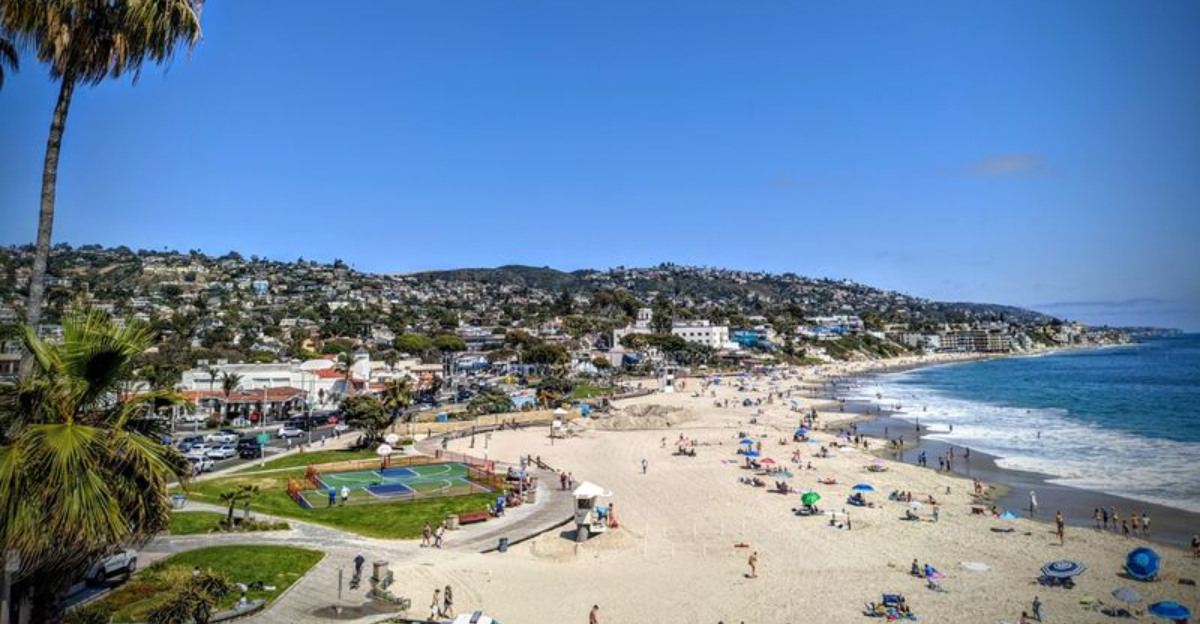
Beach towns can change before anyone agrees on when it happened.
One year, a place feels easy. The next, parking feels like a sport and locals start talking about the old days like they were a completely different zip code.
That is the tension here.
Famous coastal towns do not become popular by accident.
The views are real. The beaches are beautiful. The art and postcard streets all give visitors plenty of reasons to show up.
Tourism in California can turn a gorgeous beach town into a place everyone wants a piece of.
That attention brings energy. It also brings pressure.
Locals notice when quiet corners get busier and familiar routines feel harder to hold onto.
Still, the story is not just about crowds.
It is about what happens when a beloved coastal escape becomes famous enough to feel different.
Pretty views remain. The vibe, depending on who you ask, may be the part that changed most.
Crowds Changed The Summer Rhythm
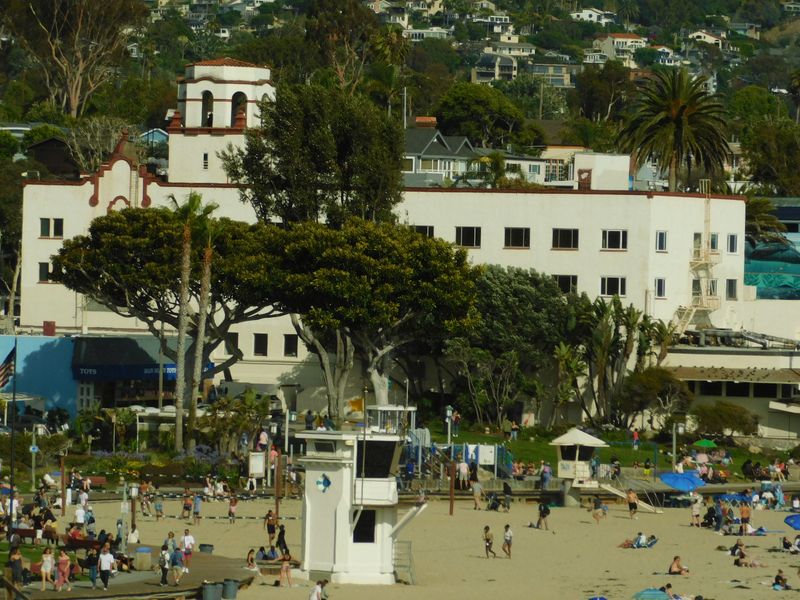
Summer in Laguna Beach used to feel like a slow exhale, the kind of pace where locals could grab a bench near the water without planning ahead.
That rhythm has shifted noticeably over the past several years as visitor numbers climbed and peak weekends turned into something closer to a logistical event.
Longtime residents frequently describe a feeling of being squeezed out of their own shoreline during the busiest months.
The frustration is not just about discomfort.
Reports from city officials and community discussions point to real quality-of-life concerns including noise, litter left on beaches, and a general sense that visitors move through the town without much awareness.
A 2024 spike in public safety incidents during peak summer weekends added weight to those concerns.
The town has not been ruined, and that distinction matters. What locals are describing is a pressure problem, not a disaster.
The seasonal crush compresses into a relatively small number of peak days, but those days hit hard enough that the contrast with the quieter off-season months feels striking.
Understanding that rhythm is useful for anyone planning a visit.
Main Beach Became The Pressure Point
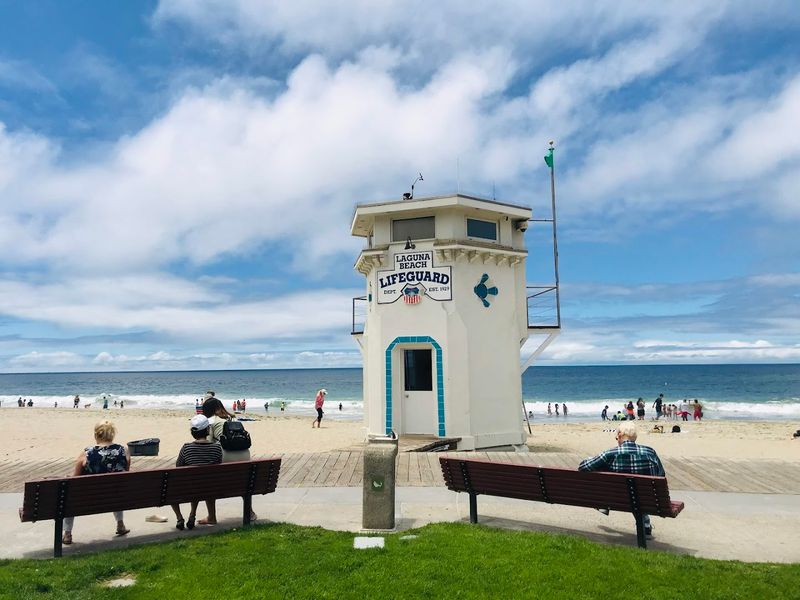
Right at the center of town sits a stretch of sand that concentrates almost everything Laguna Beach is known for into one compact, high-traffic zone.
Main Beach features a recognizable lifeguard tower, a wooden boardwalk, basketball and volleyball courts, and easy access to restaurants and shops along Coast Highway.
On a calm weekday in spring, the area feels genuinely pleasant and easy to move through. On a peak summer weekend, that same space can feel overwhelmed.
The beach itself is not especially wide, and the surrounding streets and sidewalks funnel large numbers of people into a relatively small footprint.
Water rescue calls during busy holiday weekends have spiked dramatically, with a Fourth of July weekend in recent years seeing a nearly 400 percent increase in rescues compared to typical weekend numbers.
That kind of data tells a clear story about what happens when beauty and volume collide without enough buffer space.
Main Beach is still worth visiting, and it remains one of the most visually striking spots on the Southern California coast.
Going early in the morning or during shoulder season makes a meaningful difference in how the experience actually feels.
Parking Now Feels Like Part Of The Trip
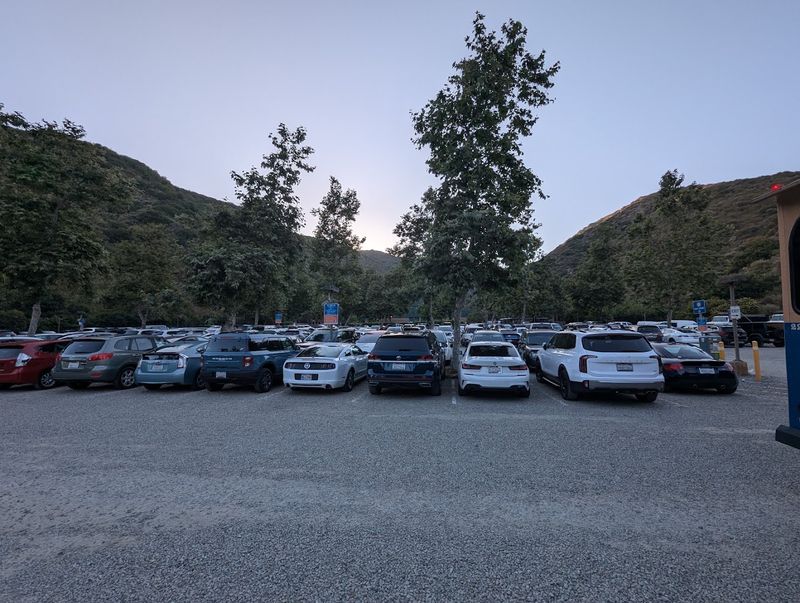
Getting a parking spot in Laguna Beach during peak season is less a convenience and more a planned activity in its own right.
The city maintains a network of metered lots, pay stations, and street parking zones that require real attention to navigate correctly.
Mobile payment options are available, and the city posts parking maps online, which is genuinely helpful, but the underlying reality is that demand far exceeds supply on busy days.
Meters run in most central areas, and enforcement is active. Overstaying or misreading signage can result in a citation, which adds an unwelcome layer to what should feel like a relaxed beach outing.
Visitors who arrive expecting easy parking often spend meaningful time circling blocks or walking significantly farther than anticipated from their vehicle to the waterfront.
The city has responded by expanding parking infrastructure and encouraging visitors to use designated lots on the edges of town.
Planning ahead by checking the city’s official parking pages before arrival saves real frustration.
Arriving before 9 a.m. on summer weekends or choosing a weekday visit dramatically improves the odds of finding a workable spot without the stress that midday arrivals typically encounter.
The Free Trolley Tells You Everything

A city that runs a free trolley and a park-and-ride system is a city that has already accepted a fundamental truth about its own popularity.
Laguna Beach operates a seasonal trolley service that picks up passengers from remote parking areas and drops them near the beach, galleries, and dining spots downtown.
For visitors, it is genuinely convenient and takes real pressure off the search for central parking.
For locals, it is a visible symbol of how much the city has had to reorganize its infrastructure around tourist volume.
The trolley routes, the signage, and the logistics behind the system all exist because the alternative, allowing every visitor to drive directly into the core of town, would make the streets nearly impassable on peak days.
The system works, but its existence reflects a town that has had to engineer solutions to a crowd problem it did not create on purpose.
Visitors who use the trolley tend to have a smoother experience overall.
The stops are well-placed, the service runs on a predictable schedule during summer months, and skipping the downtown parking search entirely puts the trip in a better mood from the start.
It is a small logistical choice that makes a noticeable difference in how the day flows.
Beach Setups Got So Big They Sparked Rules
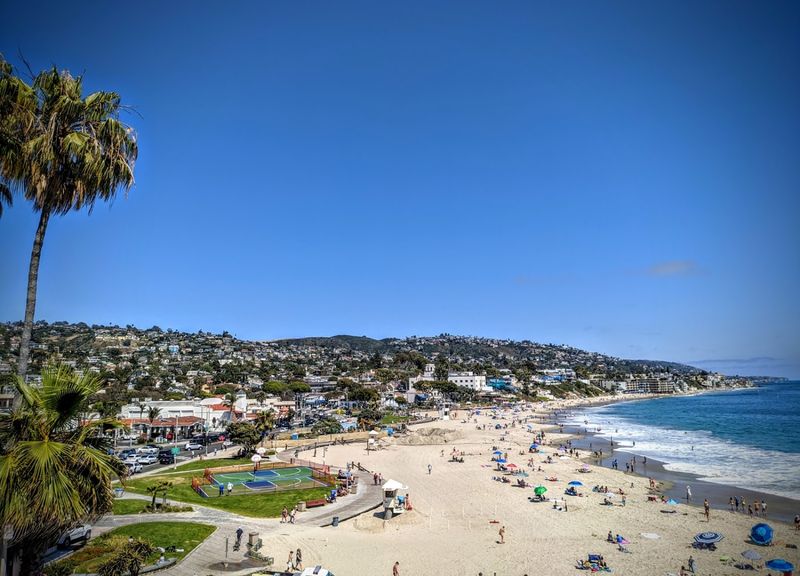
There was a time when bringing an umbrella to the beach felt like a personal choice with no particular controversy attached to it.
Laguna Beach has since amended its municipal code to address shade structures specifically, limiting most areas to umbrella-only setups while designating certain zones where larger canopies are permitted.
The rule change is a direct response to how dramatically beach setups have grown in scale as visitor numbers increased.
Large pop-up tents, extended canopy systems, and sprawling gear arrangements were gradually consuming shared beach space in ways that created friction between groups and reduced the usable area for everyone else.
The new regulations reflect a broader pattern of the city having to write formal rules around behaviors that once self-regulated naturally when crowds were smaller.
For visitors planning a beach day, knowing the current rules before arriving avoids the awkward situation of setting up a large canopy and being asked to take it down.
The city’s official website carries updated information on what is permitted in which zones.
Checking that before packing is a small step that keeps the day running smoothly and shows a basic level of awareness about the space being shared with other beachgoers and residents alike.
Tiny Coves Make Big Crowds Feel Bigger
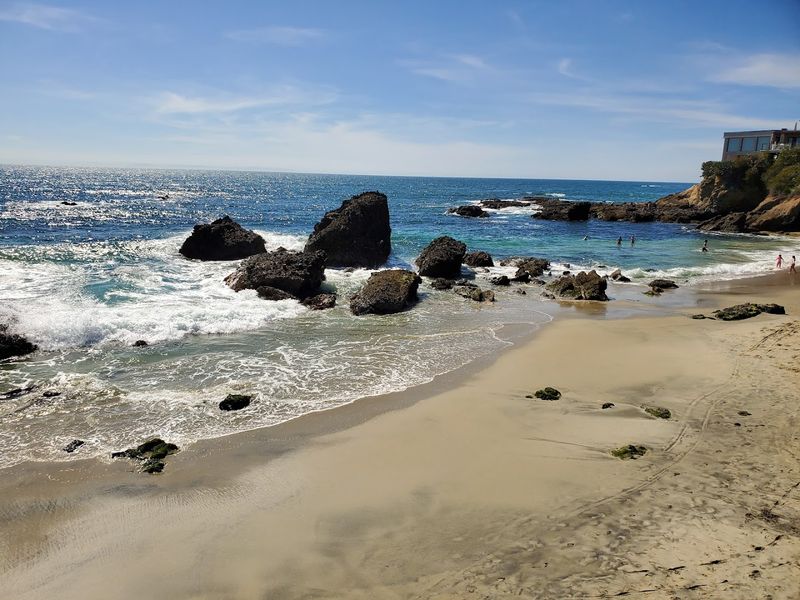
Geography plays a quiet but powerful role in why Laguna Beach feels so crowded so quickly.
Unlike wide, flat stretches of beach found elsewhere along the Southern California coast, much of the shoreline here is carved into small coves backed by cliffs with limited access points.
That natural beauty is part of what makes the town so photographed and so appealing to visitors in the first place.
The same cliffs and rock formations that create those dramatic views also create a compression effect.
When a few hundred people arrive at a cove that comfortably holds a fraction of that number, the space fills up fast and the experience shifts.
Narrow stairways leading down to the water become bottlenecks, and the sense of discovery that once made each cove feel like a private find has faded considerably during peak season.
Visiting the smaller, less publicized coves on a weekday or during the shoulder months of May or October tends to restore some of that original feeling.
The geography has not changed, and on a quiet morning the coves still deliver the kind of coastal scenery that made the town famous. Timing matters more here than in places with more forgiving beach layouts.
Visitors Still Come For A Reason
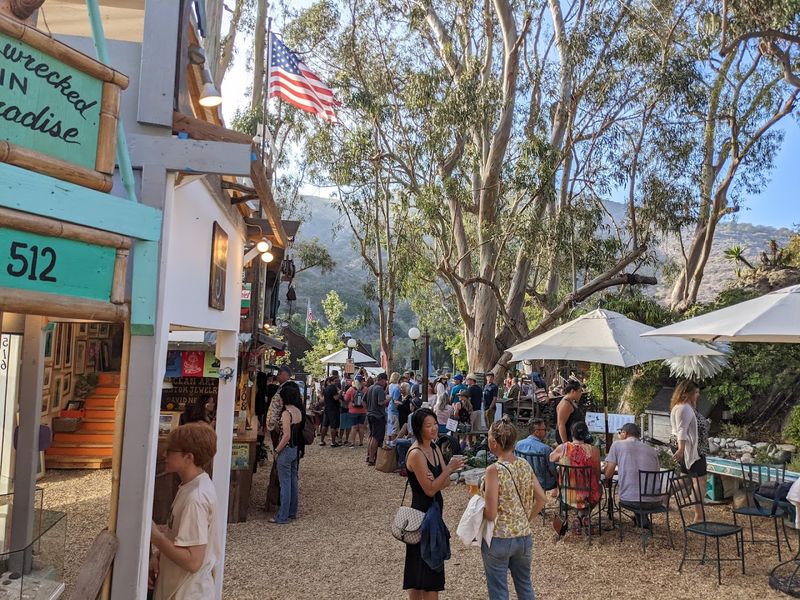
Honesty matters when talking about a place like this, and the honest truth is that Laguna Beach is genuinely beautiful.
The water color along the coves shifts from teal to deep blue depending on the light, the cliff-backed shoreline creates a visual drama, and the town itself has a walkable character that sets it apart from more generic beach destinations.
The art scene is real and long-established, not a recent marketing invention.
Galleries line Forest Avenue and surrounding streets, and events like the Pageant of the Masters and the Sawdust Art Festival draw visitors who are genuinely interested in the creative culture of the town rather than just the sand.
That dimension of the place gives it a texture that pure beach towns often lack.
Acknowledging why people come is not the same as excusing the problems that follow. Both things can be true at once.
The town is worth visiting, and it is also under real pressure from the volume of people trying to visit it at the same time.
Approaching the trip with that awareness tends to produce a better experience for everyone involved, including the people who live there.
Locals Want Respect More Than Secrecy
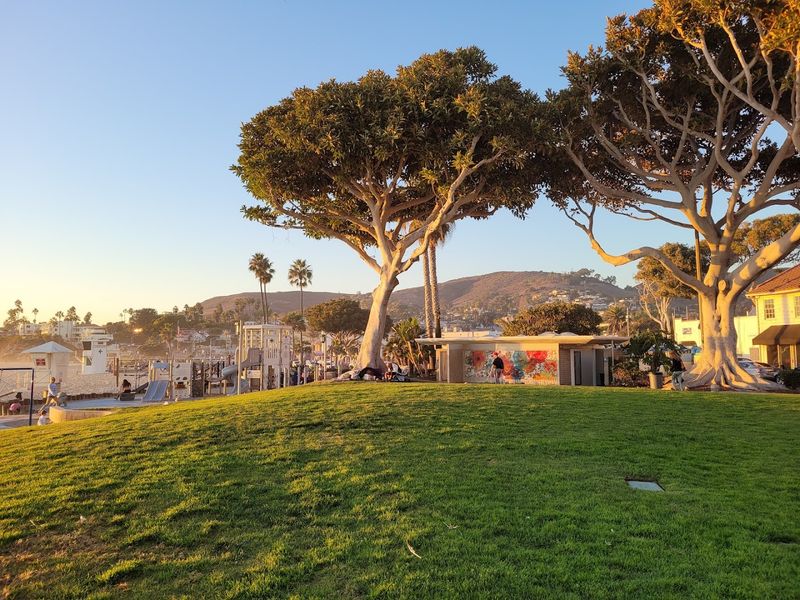
The conversation around overtourism in places like Laguna Beach sometimes drifts toward a “keep it secret” mentality, as if the solution is to stop telling people the town exists.
That is not really what longtime residents are asking for, and it misses the actual point of the frustration.
What comes through most clearly in community discussions and city committee meetings is a request for basic respect, not invisibility.
Specific behaviors drive the tension more than raw visitor numbers alone.
Public drinking citations in 2024 numbered 649, with dogs off-leash violations reaching 236 and public smoking citations hitting 200.
Those numbers reflect a pattern of visitors treating the town as a place where normal social rules do not apply.
Treating Laguna Beach like a real community rather than a disposable beach day destination shifts the experience in a meaningful way.
Carrying out trash, keeping dogs leashed on the beach, respecting posted signs, and moving through residential streets without treating them as event venues are all small choices that add up.
The town can handle visitors; what wears on residents is the cumulative weight of visitors who act like none of that matters.