This Forgotten California Gold Rush Town Has A Saloon Tied To 1852 That Still Feels Frozen In Time
Gold Rush history can feel distant until a place like this brings it back into focus.
A quieter California town still holds onto the mood of another century, where worn buildings and a saloon tied to 1852 make the past feel startlingly close.
Silence seems to land differently here, settling over the streets in a way that makes every detail feel heavier with memory.
Nothing about the experience feels staged. Age shows through the wood, the atmosphere carries a certain weight, and the whole setting seems content to remain exactly as it is.
Plenty of historic stops preserve appearances. Far fewer preserve a feeling.
Spending time here can leave the strange impression that the modern world never fully arrived.
The Building That Predates the Saloon Name
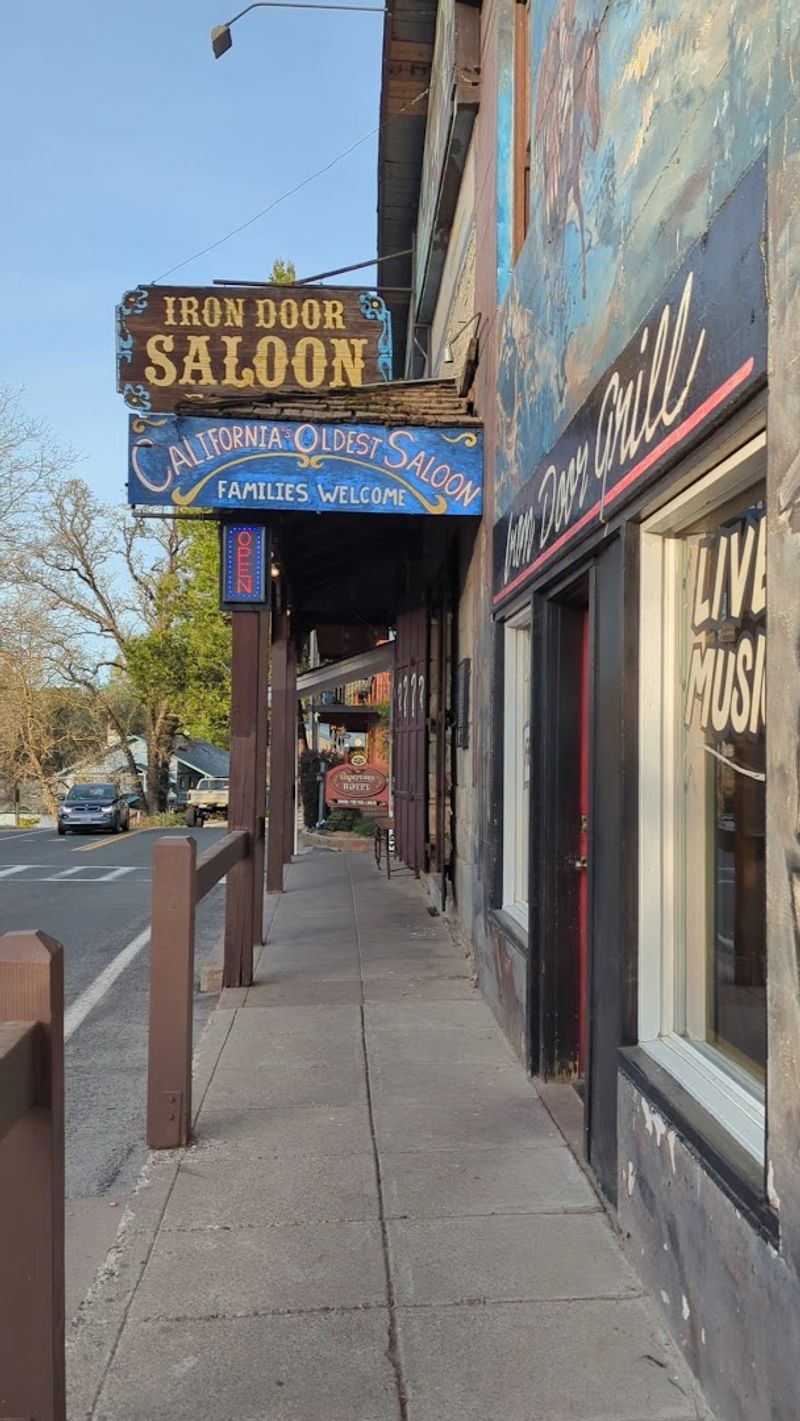
Long before anyone called it the Iron Door Saloon, this building was already standing firm in Groveland.
Constructed between 1850 and 1852, the structure was originally known as the Granite Store, serving gold miners and local residents who needed supplies during the height of the California Gold Rush.
What makes the building unusual is the material used to build it.
According to the saloon’s own history, it is the only historic building in Tuolumne County constructed from granite blocks rather than the more common slate rock found in the region.
That choice of material gives the walls a weight and permanence that most Gold Rush-era structures simply do not have.
The building has survived fires, ownership changes, and more than 170 years of California history.
Visitors who look closely at the walls can see the original granite construction, which still holds the structure together much the way it did when miners first walked through.
The physical fabric of the place is not a reproduction or a restoration project.
It is the real thing, and that distinction matters when so many historic Gold Rush sites have been rebuilt or significantly altered over the decades.
How the Iron Doors Got Their Name
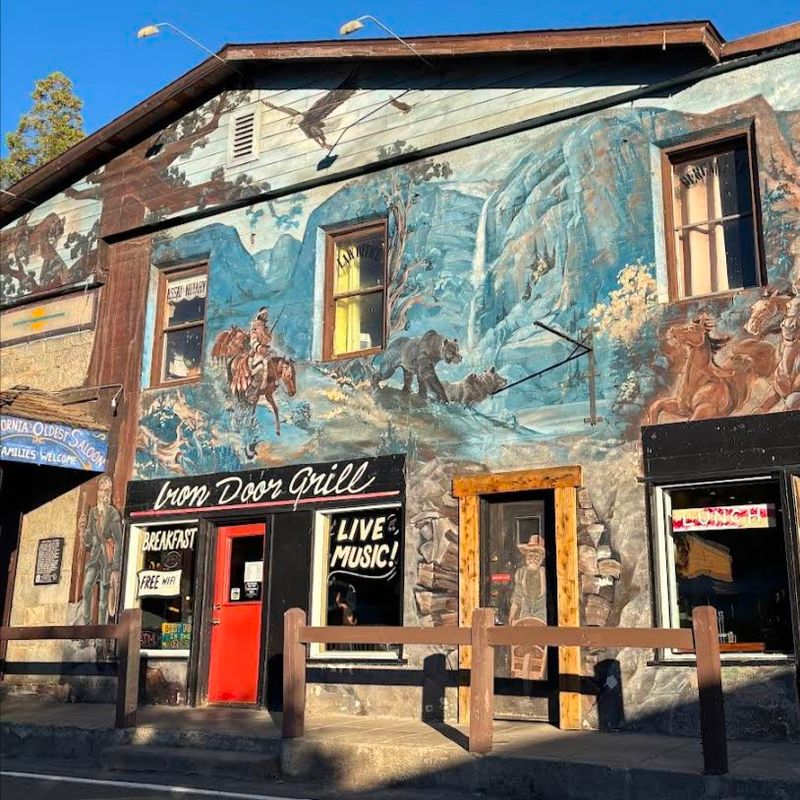
The name Iron Door Saloon did not come from a marketing idea or a catchy phrase someone dreamed up.
It came from two actual iron doors that were installed on the building in 1937, and those doors are still there today.
According to the saloon’s history, the cast-iron doors were imported from England and hauled into Groveland by mules. The purpose was practical rather than decorative.
Fire was a constant and serious threat in Gold Rush towns, where wooden buildings stood close together and could burn quickly.
The iron doors were meant to protect the building from flames spreading from neighboring structures. That kind of fire protection was genuinely important in a town where the built environment was fragile.
The doors became such a defining feature of the place that when the establishment was renamed, the owners chose to honor them directly.
Visitors today can still walk through those same iron doors, which adds a tactile layer to the experience that photographs simply cannot capture.
The doors look substantial and feel substantial, and knowing they were hauled in by mules through mountain terrain makes them feel even more remarkable than they might otherwise appear.
From the Granite Store to Jake’s Place to a Saloon Icon
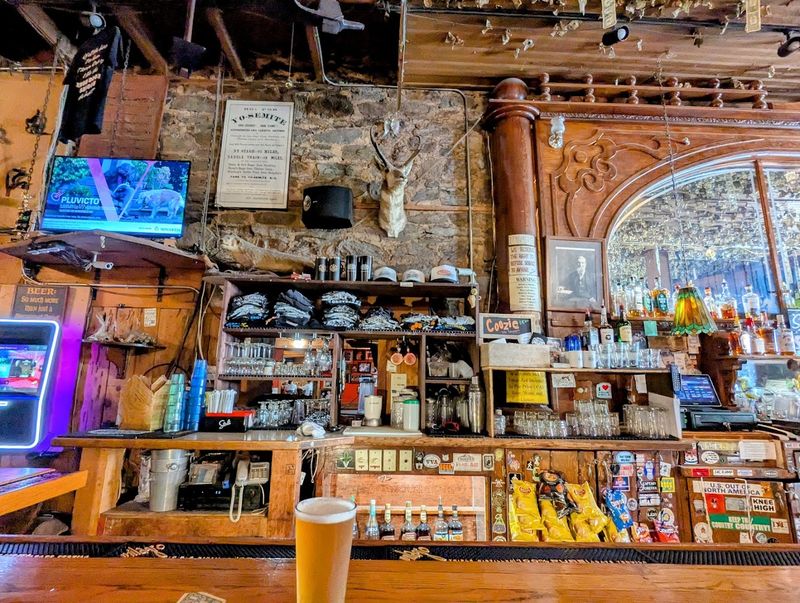
The transformation of this building from a general store to a legendary saloon did not happen all at once.
The structure spent its early decades as the Granite Store before being purchased in 1896 by a man who turned it into a saloon called Jake’s Place.
That change marked the beginning of its life as a drinking and gathering spot for the Groveland community.
The renaming to Iron Door Saloon came in 1937, tied directly to the installation of those distinctive cast-iron doors.
Each chapter of the building’s history layered something new onto the identity of the place without erasing what came before.
The granite walls from the 1850s are still visible. The saloon energy from the 1890s still lives in the layout and atmosphere.
Today the establishment operates as The Historical Iron Door Saloon and Grill, which reflects how the space has evolved to include a full food menu alongside its long history as a gathering place.
The layered timeline of this building is part of what makes a visit feel different from stopping at a newer restaurant or bar.
Every decade of its existence left something behind, and those layers are still readable if visitors take a moment to look around carefully.
The Ceiling Covered in Dollar Bills
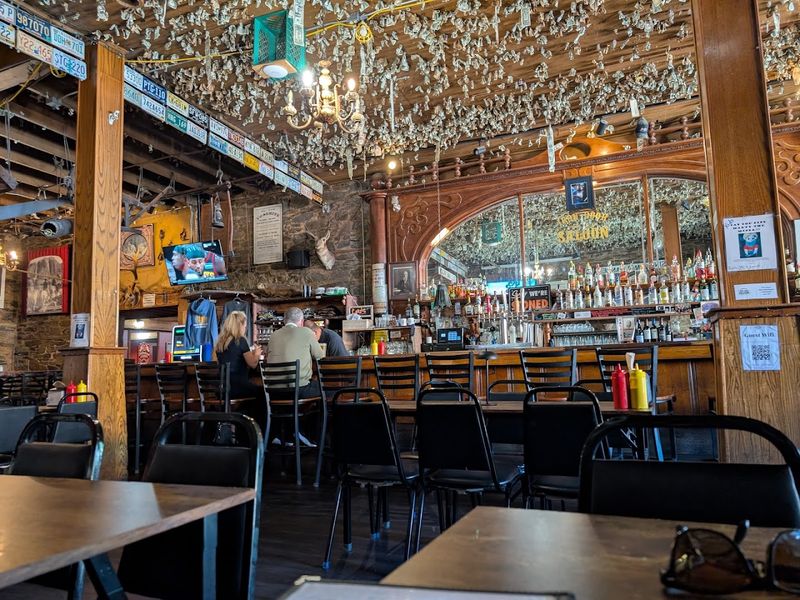
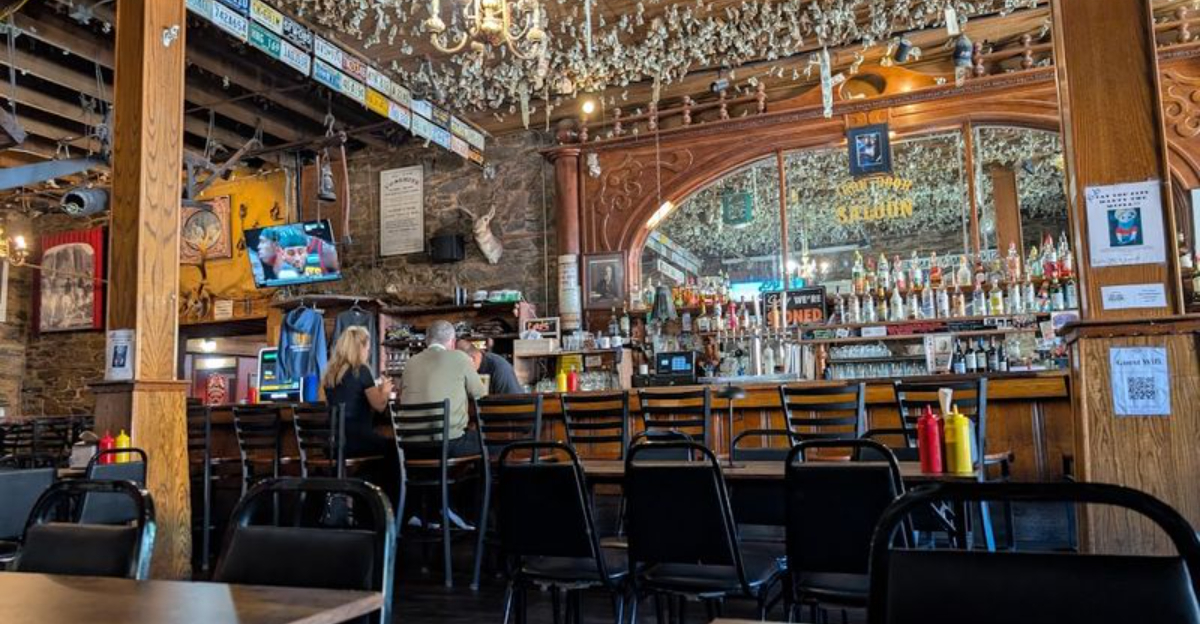
One of the most visually striking features inside the Iron Door Saloon is the ceiling, which is covered in dollar bills that visitors have stuck up there over the years.
The tradition has a history rooted in the Gold Rush era, when miners would pin a dollar bill to the ceiling before heading out to work the mines.
The idea behind the tradition was a form of insurance. If a miner came back broke and thirsty, the dollar bill on the ceiling was there waiting to pay for a drink.
That logic made a certain practical sense in a time when fortune could shift overnight and a man might return from the hills with nothing to his name.
Today the tradition continues as a quirky and memorable part of the visit. Guests are welcome to stick their own dollar bills to the ceiling, and many do.
The result is a ceiling that looks dense and layered, almost like a patchwork of paper history overhead. It is the kind of detail that stays with visitors long after they leave.
Some find it charming and others find it unusual, but nearly everyone notices it the moment they walk inside and look up.
The Granite Walls That Set It Apart Visually
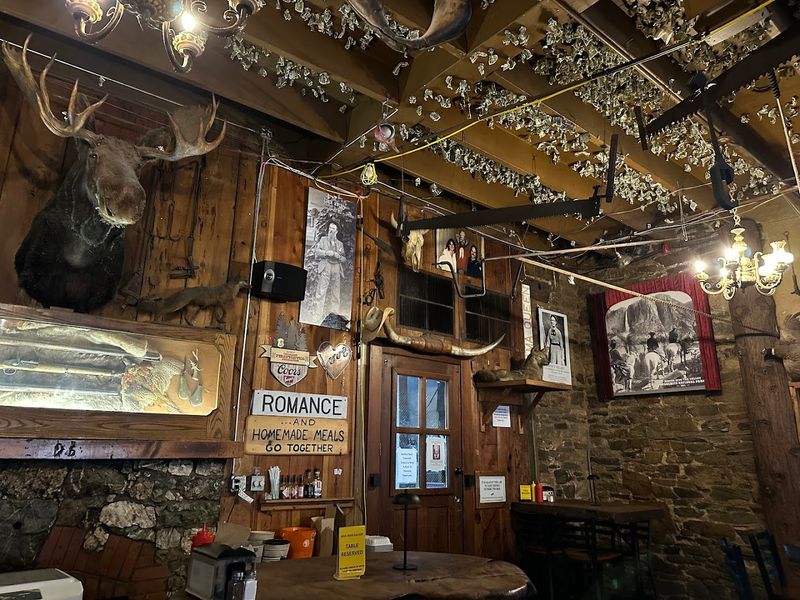
Most surviving Gold Rush-era buildings in California’s foothills were built from wood or slate, which means many of them have been rebuilt, restored, or replaced over the years.
The Iron Door Saloon stands apart because its walls are made from solid granite blocks, a material that has proven far more durable than the alternatives used elsewhere in Tuolumne County.
The saloon’s own historical record states that it is the only historic building in the county constructed from granite rather than slate rock.
That distinction is not just a trivia point. It explains why the building has survived as long as it has and why the interior still carries such a tangible sense of age.
The walls feel different from drywall or plaster. They feel like they belong to a different era entirely.
Visitors who run a hand along the granite surface are touching the same material that was laid down by workers in the early 1850s.
The texture is rough and uneven in the way that hand-cut stone tends to be. Natural light and the saloon’s interior lighting both play off the surface in ways that give the room a particular warmth and depth.
The granite is not a design choice made for atmosphere. It is simply what the building is made of, and that authenticity comes through.
Groveland as a Gold Rush Town Worth Knowing
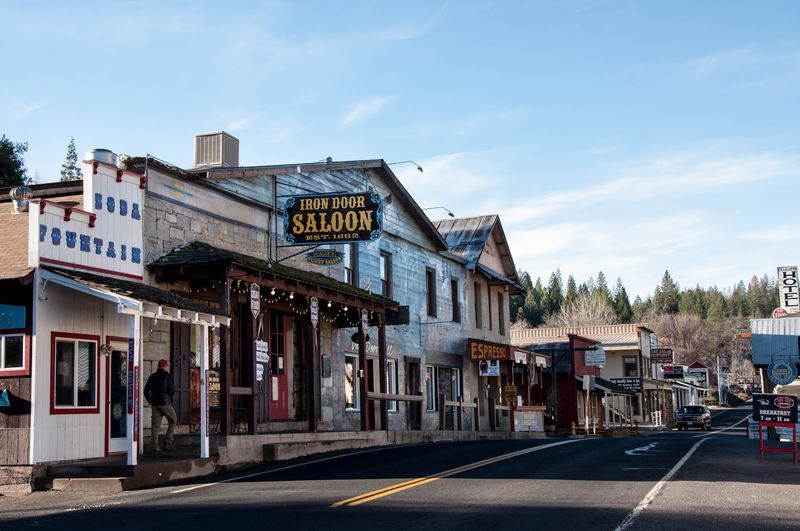
Groveland does not get the same attention as some of California’s better-known Gold Country destinations, but that relative quiet is part of what makes it worth visiting.
The 2020 census counted only about 540 residents, which means the town has stayed small enough to preserve the old-fashioned feel that larger communities have long since traded away for development.
The town grew out of the Gold Rush era and later saw another period of activity during the construction of the Hetch Hetchy water project, which brought workers and infrastructure to the region in the early twentieth century.
Those two historical waves shaped the character of the place in ways that are still visible today.
Sitting along Highway 120, Groveland is also positioned as a natural stopping point for travelers heading toward Yosemite National Park from the west.
The Iron Door Saloon is located roughly 25 miles from the western entrance to Yosemite, which means many visitors discover it as part of a larger road trip rather than as a standalone destination.
That position on the route helps explain why the saloon has stayed relevant and active rather than fading into a purely local institution over the decades.
Visiting the Iron Door Saloon: What to Expect
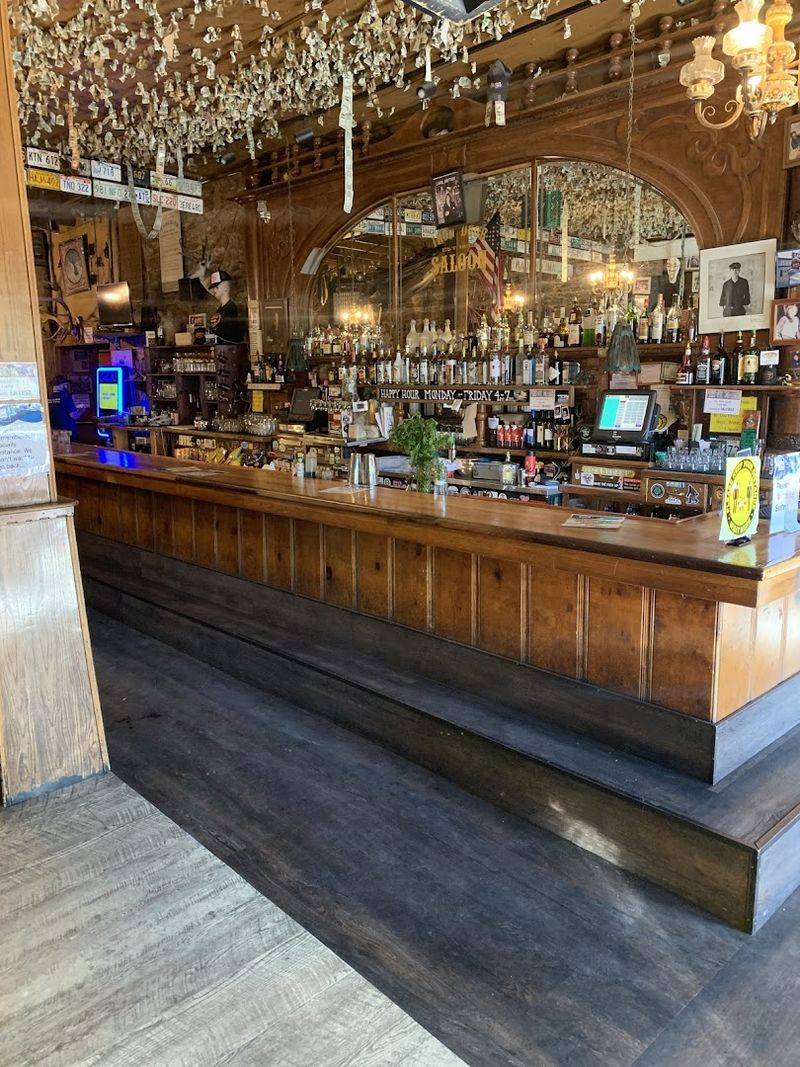
Walking up to the Iron Door Saloon for the first time, the granite facade is the first thing that registers as genuinely different from other old buildings along the route.
The iron doors are visible from the street and they do look substantial, though visitors are welcome to walk through them rather than just admire them from outside.
The saloon is located at 18761 Main St, Groveland, CA 95321, and it sits right on the main road through town, making it easy to spot without any navigation guesswork.
The interior tends to be dimly lit in the way that old saloons typically are, which suits the atmosphere even if it might feel a little dark for visitors arriving in the middle of a bright afternoon.
The noise level can vary depending on whether live entertainment is happening.
On quieter weekday afternoons the pace tends to be relaxed and unhurried, which makes it easier to take in the details of the space.
Weekends and evenings tend to be busier, especially during the summer travel season when Yosemite traffic is at its peak.
Family Stewardship and the Saloon’s Modern Era
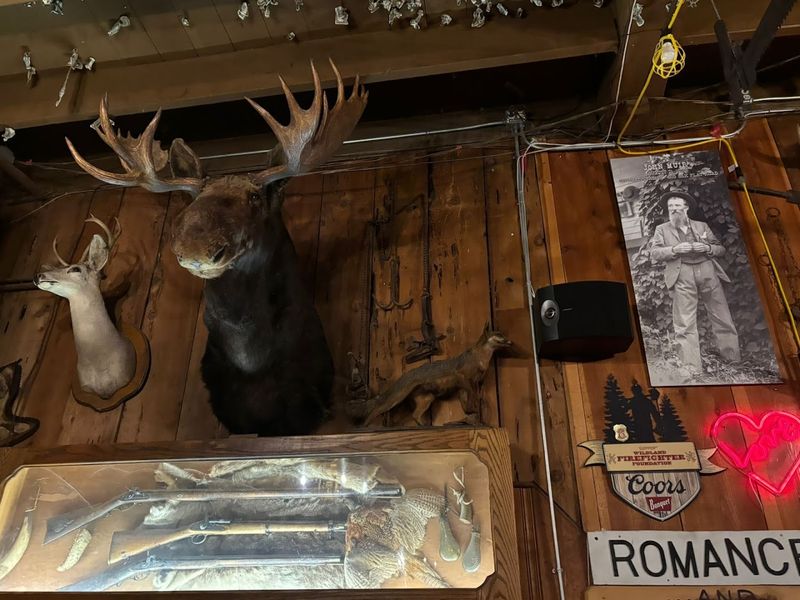
The Iron Door Saloon’s long history includes a more recent chapter that adds its own sense of continuity.
The Barsotti and Loh family ownership is marking its 40th anniversary in 2025, which means the current stewardship of the building spans four decades of active management and community connection.
That kind of long-term family ownership tends to shape a place in ways that rotating corporate management simply cannot replicate.
Decisions about the menu, the entertainment calendar, and the preservation of the building’s historic character reflect a relationship with the property that has developed over many years.
For visitors, the practical result is a saloon that feels genuinely cared for even when its edges are worn and its ceiling is dense with dollar bills.
The place does not feel polished or sanitized in the way that theme-park versions of history sometimes do.
It feels used and lived in, which is exactly what a building that has been continuously operating since the 1890s should feel like.
Stopping at the Iron Door Saloon on a drive toward Yosemite is a chance to sit inside a space that has been part of California life for longer than most things in the state have existed.