This Georgia Mosque Founded By Bosnian Families Keeps Their Faith And Heritage Alive Across Generations
The Friday sermon at one Georgia mosque is usually given in Bosnian, and its folklore dance group is called Bosanski zumbuli, or Bosnian hyacinths. I love that a house of prayer also has its own flower-named dance troupe.
The whole story began with refugee families praying in a rented apartment in the 1990s. Today, that same community runs a weekend school, a choir called Bilal, a women’s association, and lively soccer tournaments.
I believe that kind of staying power is rare. Grandparents who arrived with almost nothing now share holidays, prayers, and traditions with grandkids who grew up fully American.
So how does a small group of newcomers build something that lasts across three generations? The answer seems to be part faith, part folklore, part sports, and plenty of homemade Bosnian soul food.
From A Rented Apartment To Eight Acres Of Big Dreams
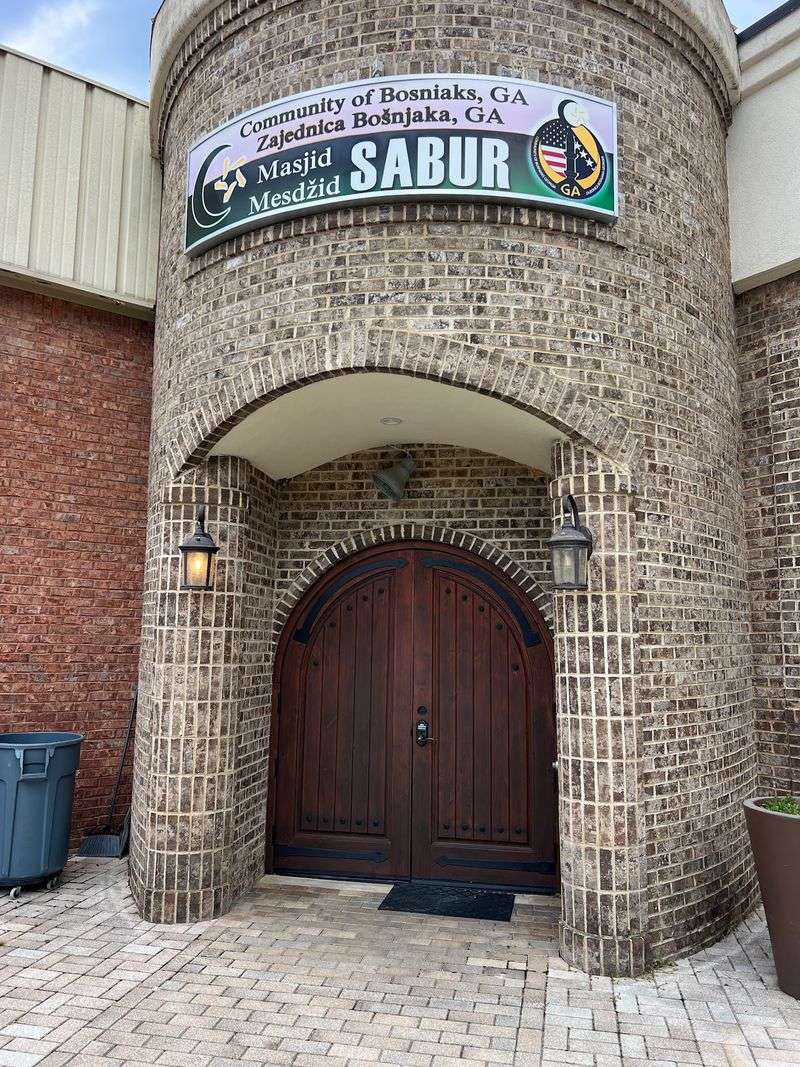
Back in March 1997, a group of Bosnian refugees officially registered the Community of Bosniaks Georgia. Their first prayer space was a rented apartment in Clarkston, which is about as humble as beginnings get.
Many of these families had been placed in Clarkston by resettlement agencies. Some had arrived as early as 1993, carrying faith and memories more than furniture.
The community soon bought a larger house across from that apartment complex. They turned it into a masjid, and it opened for prayer on September 21, 1999.
Growth kept coming. In spring 2003, the group bought a house on one acre in Snellville, then added seven more acres the following year.
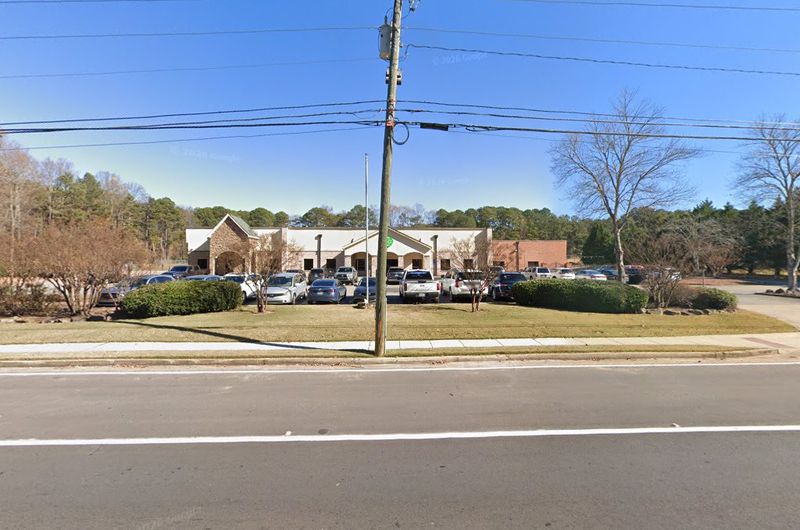
The biggest leap came in June 2011. That’s when the community purchased its current building off Grayson Highway in Lawrenceville, and it was in use by August.
Construction was still going on at the time, but nobody waited for perfect. I like that attitude, because a place of worship mostly needs people who keep showing up.
Every move tells the same story. Families kept outgrowing their space, so they kept building a bigger home for their faith.
Mark Your Calendar Because The Doors Keep Weekend Hours
Timing matters here more than at your average coffee shop. Contact the center directly for its current visiting hours and Friday prayer schedule.
Office hours and prayer times may differ. Call ahead before planning a midweek visit.
You’ll find the Community of Bosniaks Georgia at 950 Grayson Hwy, Lawrenceville, GA 30046. The spot sits right in Gwinnett County, where much of metro Atlanta’s Bosnian community now lives.
That location makes sense. An estimated 10,000 Bosnians call the broader metro Atlanta area home, and many moved from Clarkston to Gwinnett over the years.
Weekend hours line up with family life too. Saturdays and Sundays are when kids have time for classes, and parents can actually join them.
My advice is simple. Check the schedule before heading over, especially around holidays, since special events can shift things around.
A quick bit of planning pays off. You’ll arrive when the building is full of people rather than quiet hallways and locked doors.
Brush Up On Your Bosnian Before Friday Prayer
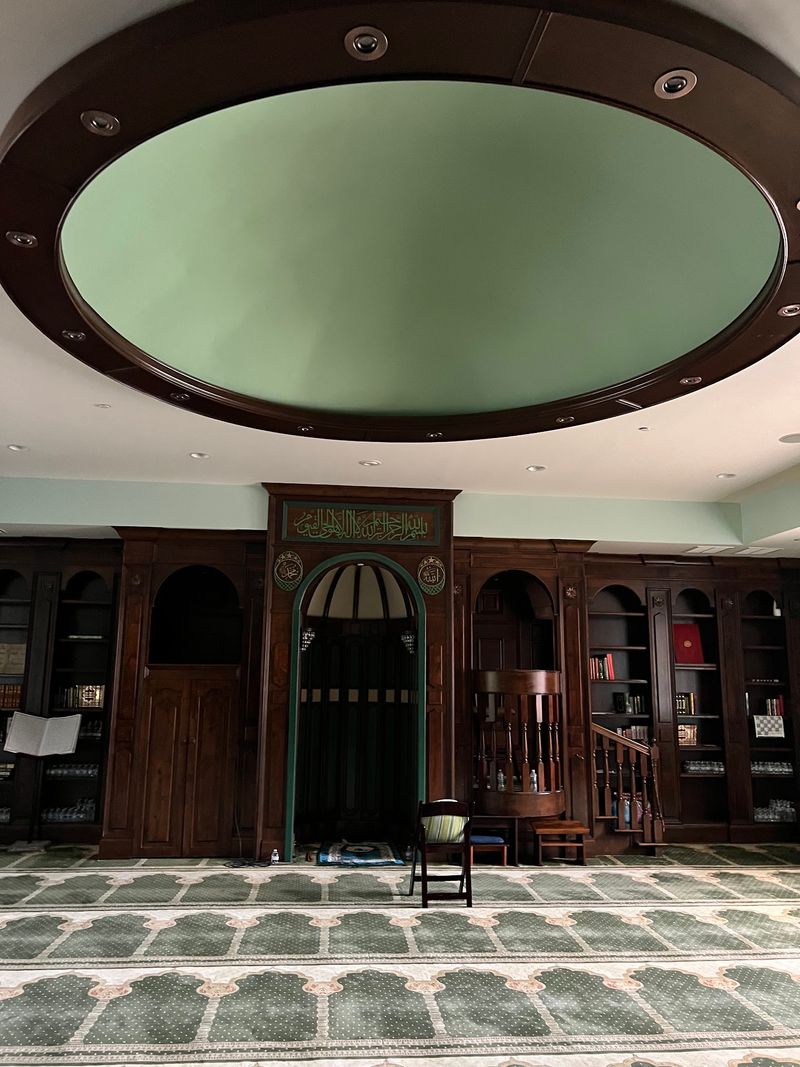
Here’s a fun surprise for first-timers. The Jumu’ah khutbah, or Friday sermon, is given in the Bosnian language, with an English sermon only on rare occasions.
The community itself has confirmed this. For Bosnian families, hearing their own language in worship is a direct link to home.
Prayer life runs deeper than Fridays, of course. The center offers daily prayers, Eid prayers, and celebrations for various religious holidays throughout the year.
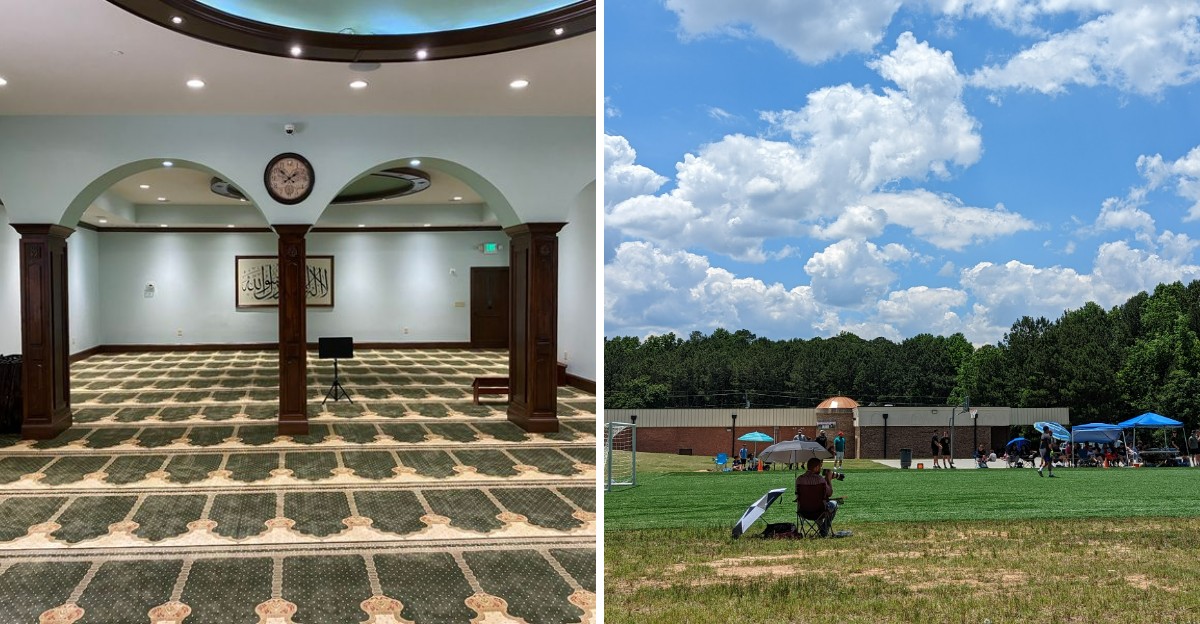
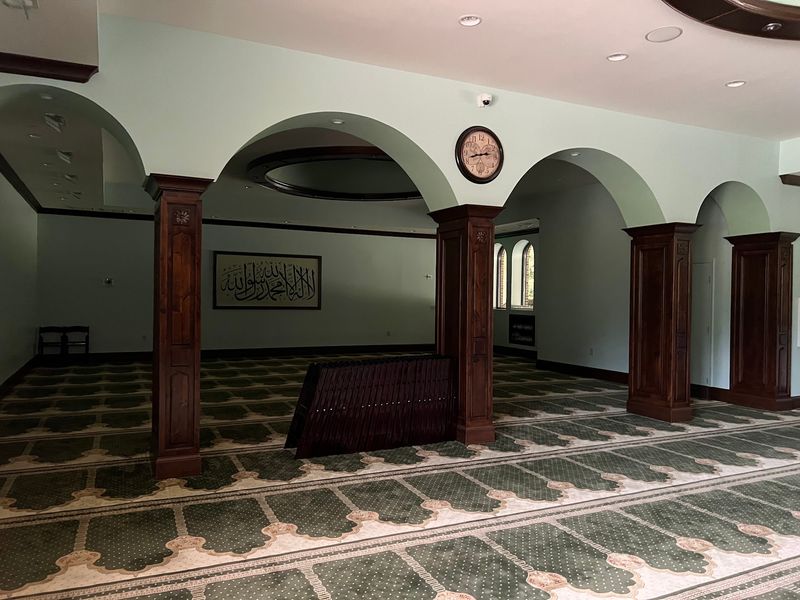
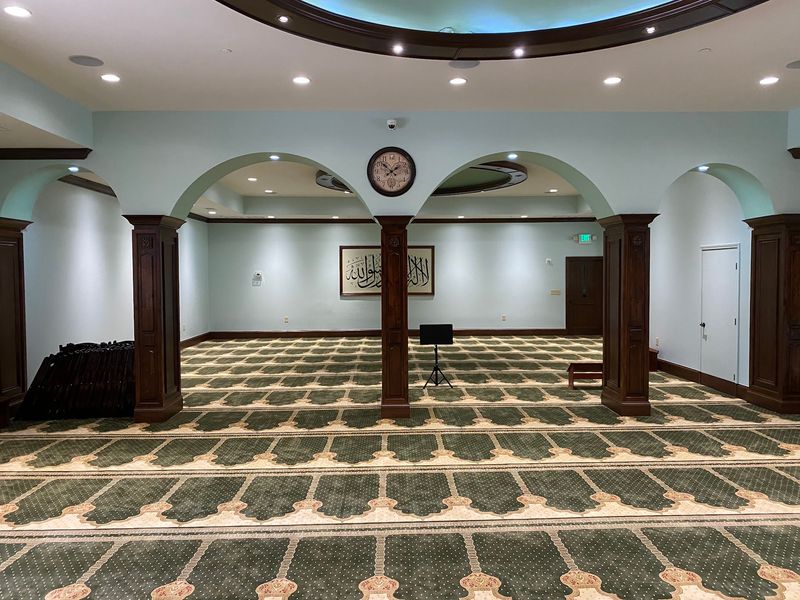
The prayer area is carpeted, and there’s a separate space for wudu, the washing before prayer. Shoes come off, so wearing clean socks is a smart move.
Imam Ismet Zejnelovic served as the community’s spiritual leader in both 2011 and 2015. Having steady leadership like that helps a congregation feel rooted.
Non-Bosnian Muslims are welcome to pray here too. Just know the sermon may sound like a beautiful puzzle if you don’t speak the language.
Honestly, that’s part of the charm. Where else in Georgia can you hear a Friday sermon in the language of Sarajevo?
Sunday School Is Where The Real Heritage Magic Happens
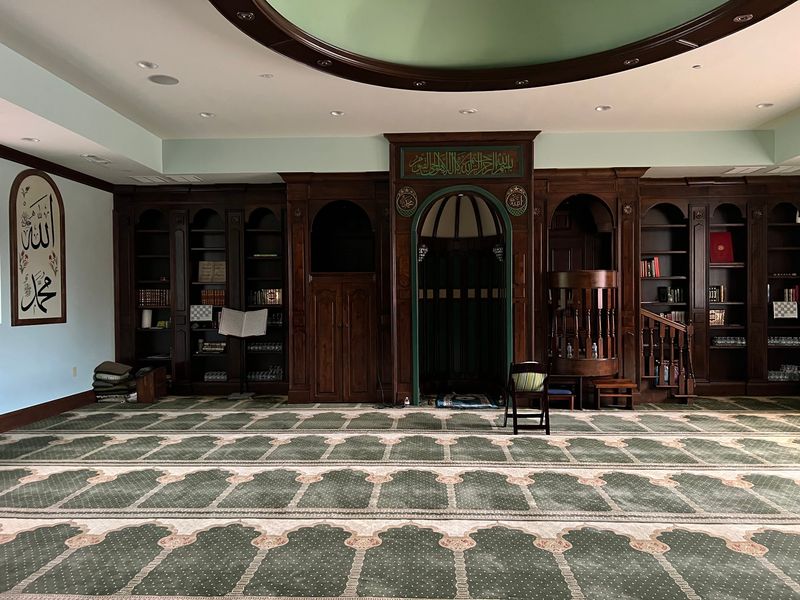
Kids born in Georgia probably didn’t grow up hearing stories from Bosnian villages firsthand. That’s exactly why the weekend school at the Community of Bosniaks Georgia matters so much.
Classes for children focus on religion and tradition together. Students learn about their faith and also about where their families came from.
Adults aren’t left out either. The center offers Quran lessons for grown-ups, so learning isn’t treated as something you finish in childhood.
I can’t imagine a better way to pass culture down. Grandparents carry the memories, and the classroom helps translate them for a new generation.
This is how heritage survives an ocean of distance. It happens one lesson, one story, and one Sunday morning at a time.
First, second, and even third generations of Bosnian-Americans take part in this community. That’s a pretty impressive streak for something that began in an apartment.
For families, the takeaway is practical. Weekend classes give kids a place to belong, make friends who share their background, and feel proud of both sides of their identity.
Ramadan Nights Come With Homemade Bosnian Soul Food
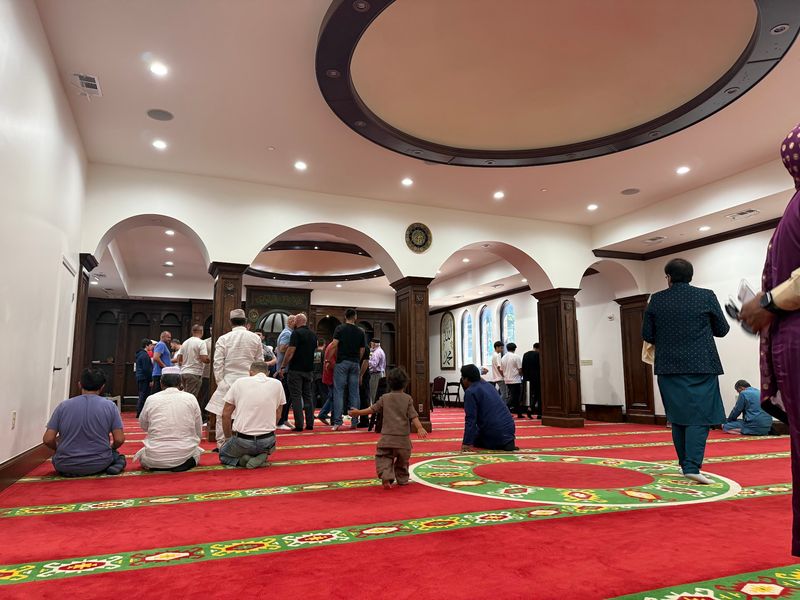
Over 500 Muslims from different backgrounds have gathered here during Ramadan for meals, prayer, and fellowship. That’s a lot of plates, and a lot of hungry people breaking their fast together.
The spreads have included buffets of homemade Bosnian soul food. Volunteers cooking for hundreds is an act of love with a serious workout attached.
What I like most is the guest list. These gatherings welcome Muslims who aren’t Bosnian, turning a cultural center into a shared table.
Food is often the easiest way into another culture. You might not catch every word of a Bosnian conversation, but a home-cooked meal speaks clearly.
Ramadan also shows the community’s bigger goal in action. The group wants to introduce Bosnian traditions to everyone and present Islam as a religion of peace.
A crowded iftar does that better than any brochure could. Strangers sit down, share food, and leave as neighbors.
If you’re curious, Ramadan is a meaningful time to learn about this community. Reach out ahead of time and ask how visitors can respectfully join in.
Hyacinths, Hymns, And A Women’s Group With Purpose
Bosanski zumbuli sounds like poetry, and it basically is. The name means Bosnian hyacinths, and it belongs to the community’s folklore group.
Folklore dancing keeps old village traditions moving, literally. Young dancers learn steps their great-grandparents might have danced at weddings back in Bosnia.
Music has its own home here too. The Community of Bosniaks Georgia has a choir named Bilal, honoring the first person in Islamic history called to give the adhan.
That’s a fitting fun fact for a choir. Bilal was chosen for his voice, so the name sets a high bar for every singer.
Women have a dedicated space as well. The women’s association is called Hedija, and it adds another layer of leadership and connection.
Each group gives people a different way to belong. Some members sing, some dance, and some organize the events that keep everyone together.
For kids especially, these groups make heritage feel fun instead of like homework. Costumes, music, and stage time beat a textbook any day.
Bring Your Cleats And Maybe Your Ping-Pong Paddle
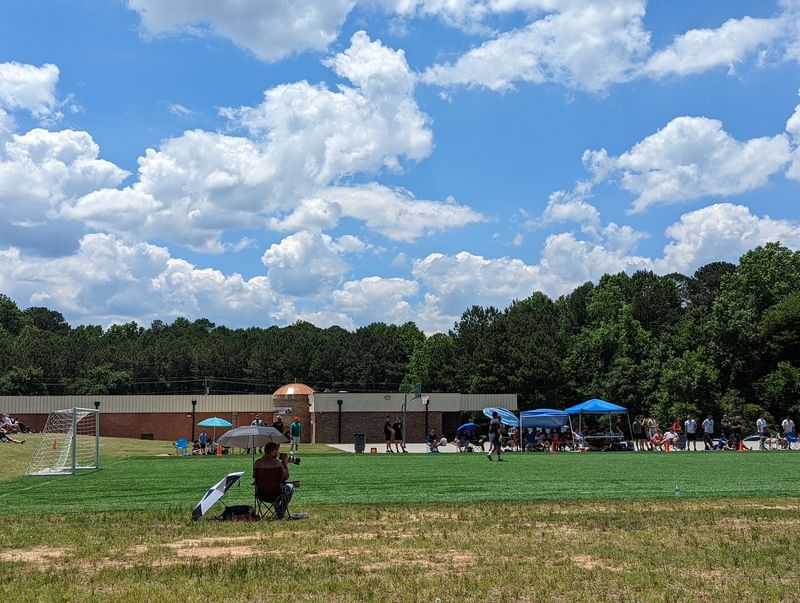
Faith and folklore are only part of the schedule. The Community of Bosniaks Georgia also hosts soccer, table tennis, and pool tournaments.
Soccer is a big deal in Bosnian culture, so this feels very on brand. The tournaments have earned real fans in the community.
Table tennis and pool add a different kind of competition. Those games let older members prove their reflexes haven’t gone anywhere.
Sports do something sermons alone can’t. They give teenagers a reason to show up, hang out, and stay connected to their roots.
That social side gets attention too. Members have described meeting new people and having fun after classes, which is exactly what a community center should offer.
Youth activities are a major part of the programming. In 2015, Amra Ikic served as youth president, showing that young people help lead, not just participate.
So if you have a competitive streak, this place understands you. Just maybe don’t challenge a seasoned table tennis player unless you’re ready to lose gracefully.
Some Days Are For Celebrating And Some Are For Remembering
March 1 holds special meaning here. It’s Bosnia and Herzegovina’s Independence Day, and in 2015 the Georgia House of Representatives proclaimed it Bosnian-American Day.
The Bosnian-American community pushed for that recognition and got it. That’s civic engagement at its finest, and a proud moment for these families.
The calendar also includes National Statehood Day and other official Bosnian holidays. Thanksgiving makes the list too, which feels like the most Bosnian-American combo possible.
Not every gathering is festive. The community holds events in memory of Srebrenica and other painful chapters in Bosnian history.
In 2015, around 1,000 people attended a Srebrenica memorial at Gwinnett County Fallen Heroes Park in Lawrenceville. It marked 20 years since those tragic events.
I believe remembering is part of keeping heritage alive. Kids learn not only the dances and recipes, but also why their families came here.
Celebration and remembrance sit side by side on this calendar. Together, they tell the full story of a people who rebuilt their lives with dignity.
Help Here Goes Far Beyond The Prayer Rug
Newcomers need more than a place to pray. They need help with paperwork, health questions, and money worries, and this community stepped up early.
The Community of Bosniaks Georgia assists members with legal, health, and financial issues. It also runs humanitarian events that reach beyond its own walls.
Back in 2011, the center counted between 700 and 750 members. That’s a lot of families leaning on each other through big life changes.
The organization is an active 501(c)(3) nonprofit. Its tax exemption came through in May 2008, giving the group a stronger footing for its work.
Its impact spills into everyday life too. Bosnian-Americans add to metro Atlanta’s diversity through businesses, restaurants, and shops across the region.
I like that this center treats support as part of faith. Helping a neighbor with a form or a doctor visit counts as community work too.
For any visitor, that’s the lasting lesson here. Heritage survives best when people take care of each other, generation after generation, one practical favor at a time.