This Georgia Warehouse Market Is Filled With Handmade Finds You Won’t See Anywhere Else
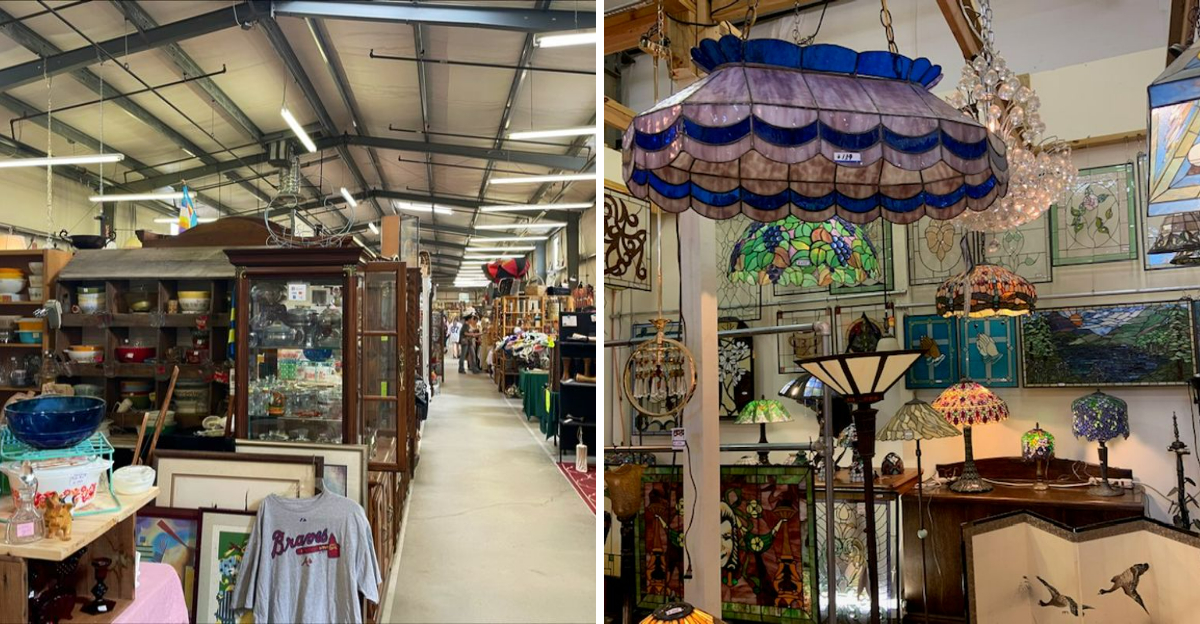
My sister opened her Christmas present last year and asked the question I dread. Where did you find this?
I lied. I said a little shop online.
The truth felt too valuable to share. There is a warehouse in Georgia where actual people sell things they made with their own hands.
Candles poured in small batches. Cutting boards with the maker’s initials burned into the corner.
Pottery, soaps, signs, jewelry. Every booth belongs to somebody different, and you can feel it.
No two aisles look alike. One aisle smells like lavender, the next like cedar.
I planned a twenty-minute visit my first time. I left two hours later with a full trunk and a lighter wallet.
Georgia has malls on every corner, but a mall never made me feel like this. My sister knows the truth now.
She goes without me.
A Warehouse That Earns Every Square Foot
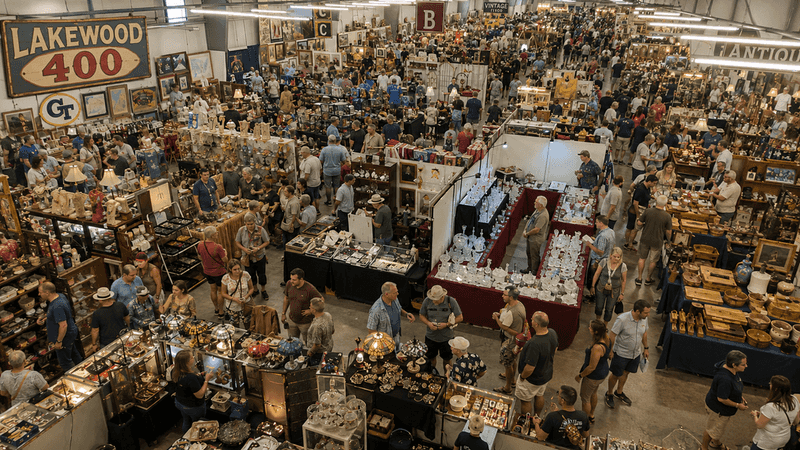
Seventy-five thousand square feet sounds like a number until you are actually standing in the middle of it. That is roughly the size of a small shopping mall, and every inch is packed with something worth stopping for.
Lakewood 400 Antiques Market, located at 1321 Atlanta Hwy, Cumming, GA 30040, is one of Georgia’s best-known monthly antique markets, attracting hundreds of dealers and shoppers throughout the year.
The climate-controlled indoor space means no sweating through summer or freezing in winter. You can browse comfortably for hours without checking the weather once.
That comfort is a bigger deal than it sounds when you are carrying an armload of finds.
Over 500 dealers set up each month, which means the inventory never stands still. Something new appears every single visit.
The market operates on the first full weekend of each month, Friday through Sunday, so mark your calendar and plan ahead.
Handmade Jewelry That Stops You Mid-Aisle
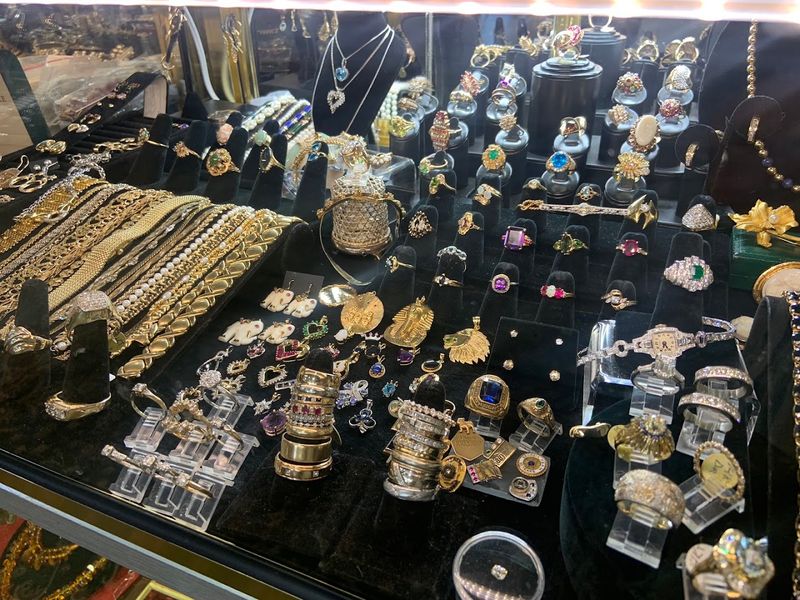
Many handmade jewelry pieces stand out from mass-produced designs through their craftsmanship and unique details. The edges are slightly imperfect, the stones are chosen with intention, and no two pieces look exactly alike.
That is exactly what makes browsing the jewelry booths here so addictive.
Artisan vendors bring original creations that you simply will not find at a department store. Some pieces use reclaimed materials, vintage beads, or hand-stamped metals.
Each one carries a little personality that feels personal rather than produced.
Prices vary widely depending on the vendor and the materials used. Bringing cash gives you a better chance at negotiating a fair deal.
Several dealers accept cards, but cash remains the preferred method at many booths.
The selection rotates monthly because dealers refresh their stock with each visit. That means a piece you saw last month might be gone, and something even better has taken its place.
Jewelry shopping here is genuinely exciting rather than routine.
Vintage Furniture With Real Character
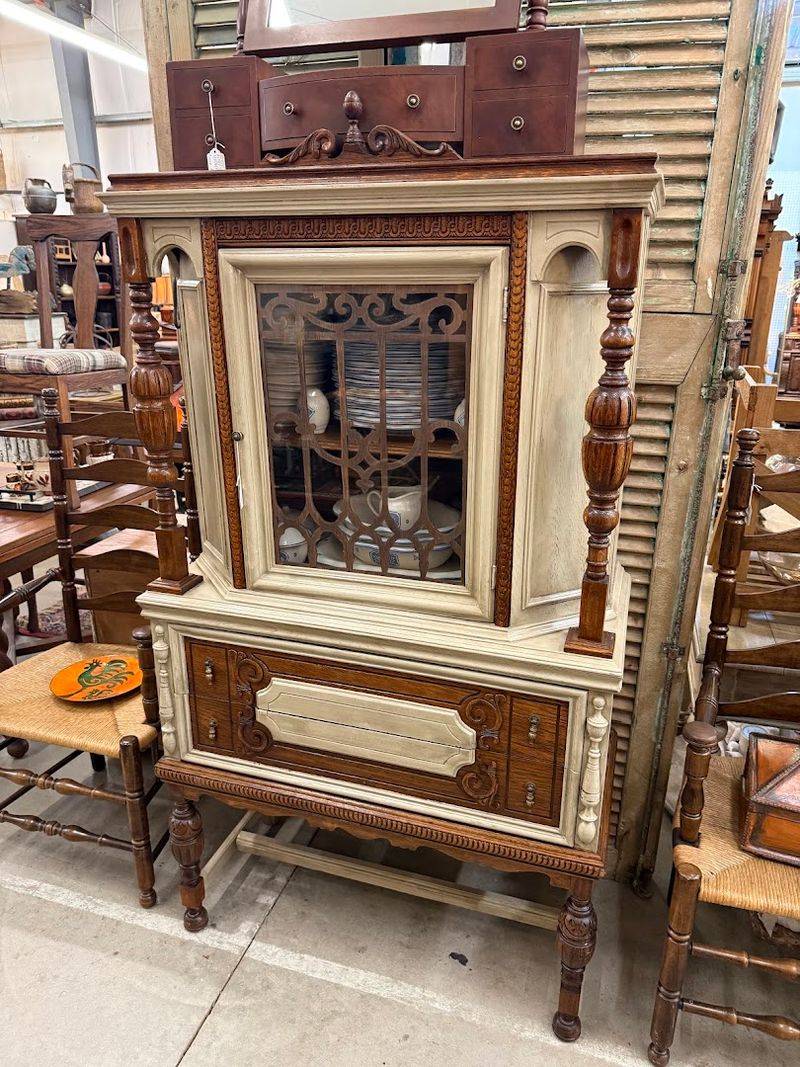
Furniture shopping at a warehouse antique market is a completely different sport from browsing a retail store. The pieces here have history baked into every scratch and groove.
Ornate wooden cabinets stand beside sleek mid-century chairs, and somehow it all makes sense together.
Farmhouse-style tables, painted dressers, and reupholstered sofas fill entire sections of the floor. Dealers often arrange their booths like small living rooms, giving you a sense of how pieces might actually look at home.
It makes decisions a lot easier.
Up-cycled furniture appears throughout the market, where old pieces get a fresh coat of paint or new hardware. These transformed items tend to sell fast because they offer style without the full antique price tag.
Arriving early on Friday gives you the best selection before the weekend crowd arrives.
Bring a tape measure and your room dimensions. Falling in love with a dresser that does not fit your hallway is a real and painful experience.
Planning ahead saves both heartbreak and hauling fees.
Architectural Salvage Worth Getting Excited About
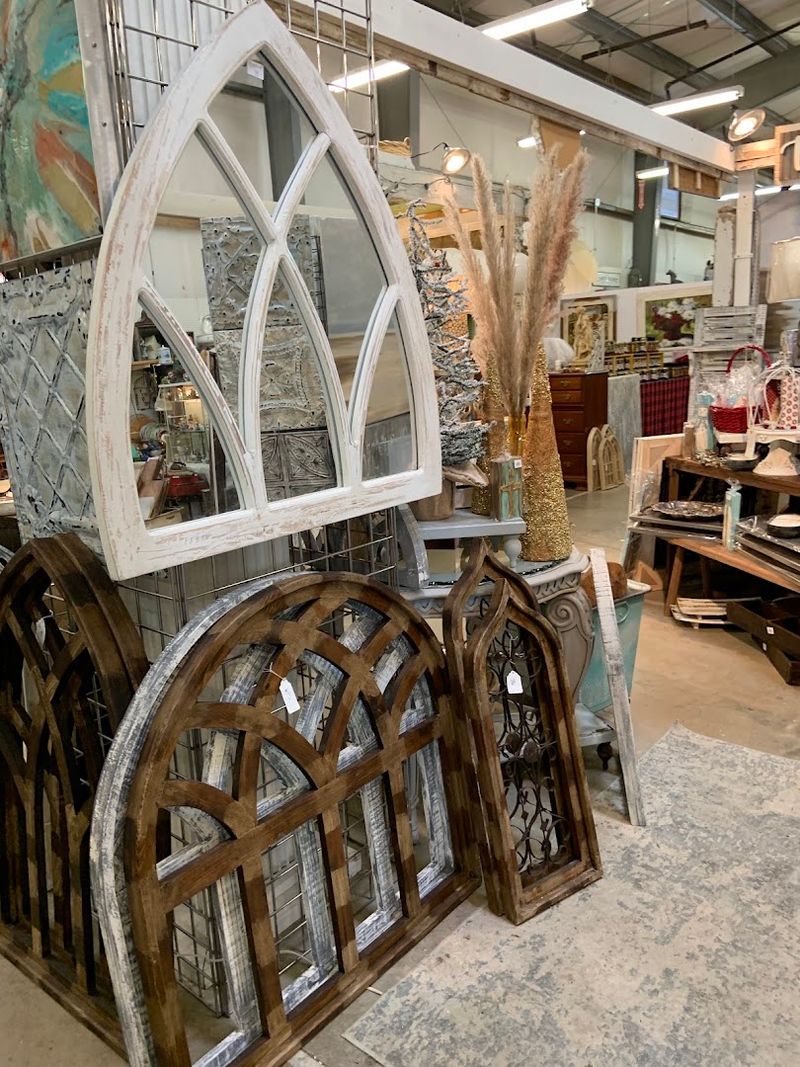
Not every antique market carries architectural salvage, which is exactly why finding it here feels like striking gold. Old doors, decorative ironwork, reclaimed wood panels, and vintage window frames lean against walls throughout the market.
These are the kinds of pieces that transform a room from ordinary to unforgettable.
Designers and renovation enthusiasts travel specifically for this category. A salvaged mantelpiece or a set of antique shutters can anchor an entire interior design concept.
The craftsmanship in older architectural elements is genuinely hard to replicate today.
Sellers in this section tend to be knowledgeable and passionate about their inventory. They can tell you the approximate age of a door hinge or the origin of a decorative beam.
That context adds real value to what you are buying.
Transporting large salvage pieces requires planning. Bringing a truck or arranging delivery ahead of time prevents a very awkward parking lot situation.
A good dolly or wagon also helps move smaller salvage finds from booth to car without throwing your back out.
Rare Finds For Comic And Record Lovers
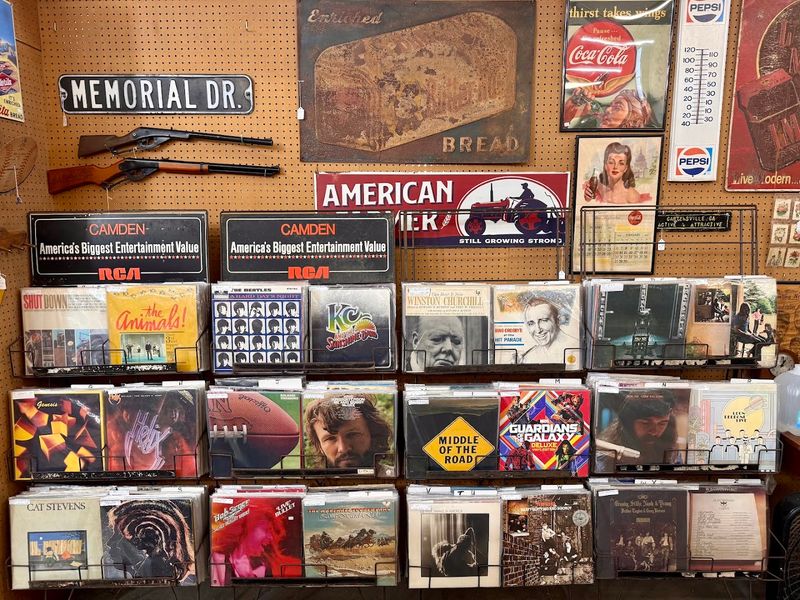
Comic book collectors and vinyl record enthusiasts tend to move through this market with a very specific look of focused determination. They know what they want, and they know it might be right around the next corner.
The selection here rewards that kind of patient hunting.
Crates of records sit alongside stacks of comics organized by era and genre. Classic advertising posters roll out of tubes or hang framed on booth walls.
These items appeal to collectors and casual browsers equally because nostalgia is a universal language.
Pricing in this section varies dramatically depending on rarity and condition. Some finds are genuinely affordable, while rare editions command serious collector prices.
Knowing your market before you arrive helps you recognize a good deal when you see one.
The monthly rotation means the collectibles section refreshes constantly. A dealer might clear out an estate collection one month and bring in something completely different the next.
Regular visitors develop a habit of checking the same booths each month just to see what has changed.
Handmade Lamps And One-Of-A-Kind Art Pieces
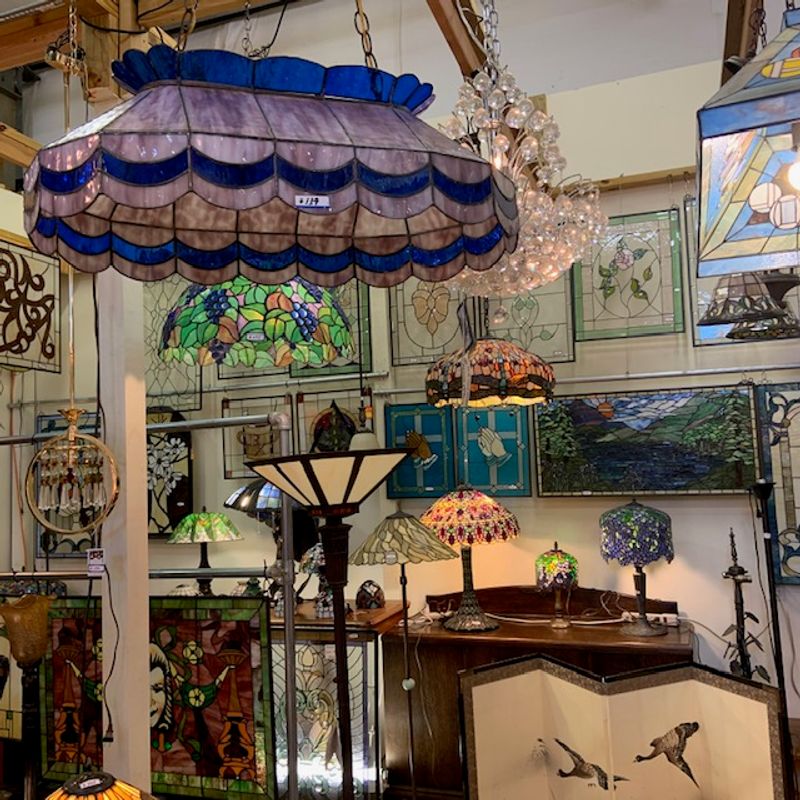
Somewhere between functional and fascinating, the handmade lamp section earns a double take every single time. Vendors craft lamps from vintage gears, reclaimed pipes, antique bottles, and industrial hardware.
These are not just light sources. They are conversation starters.
Original paintings, sculptures, and mixed-media art pieces fill nearby booths with color and creativity. Artists who sell here tend to be local or regional creators who bring genuinely original work.
You are not looking at prints of prints. You are looking at someone’s actual creative vision made physical.
Fine art shares space with folk art and outsider art, creating a range that suits different tastes and budgets. Some pieces are investment-worthy.
Others are simply joyful and affordable. Both categories deserve attention.
The selection changes from month to month, so you may come across everything from original artwork to unusual decorative pieces that make each visit feel a little different. Every aisle offers something new.
Home And Garden Decor That Actually Inspires
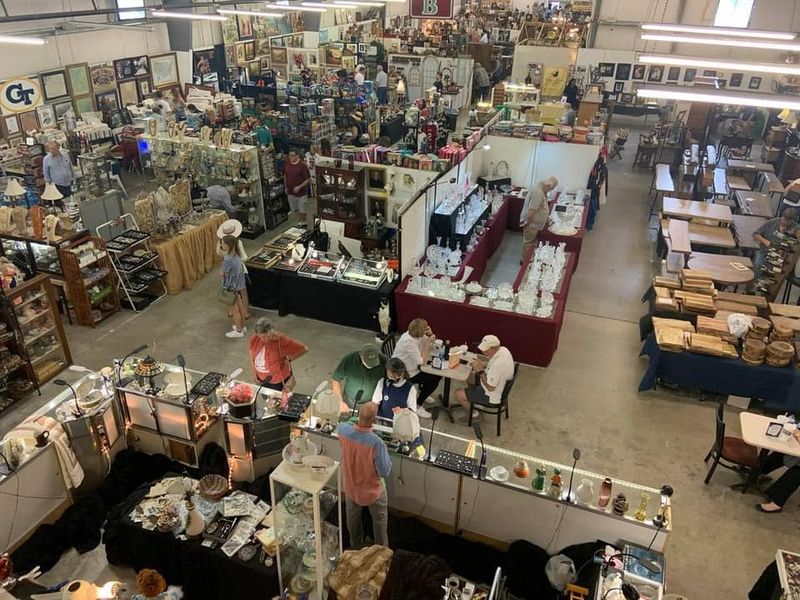
Garden decor at an antique market hits differently than anything you find at a big-box store. Cast iron planters, stone garden figures, vintage watering cans, and wrought iron furniture carry a weight and texture that new reproductions simply cannot match.
Your garden deserves better than plastic.
Inside, decorative arts fill shelves with clocks, ceramics, mirrors, and rustic signage. Each booth is curated differently, so the visual experience shifts every few feet.
One vendor might specialize in farmhouse aesthetics while the next leans toward ornate Victorian pieces.
Seasonal decor appears throughout the year as dealers bring in items that match the current mood. Fall visits might surface harvest-themed pieces, while spring brings lighter, brighter finds.
The market feels alive because it genuinely changes with the seasons.
Shoppers looking to refresh a single room or redecorate an entire home both find value here. The sheer variety means you can mix styles, eras, and materials in ways that feel curated rather than chaotic.
Great decor tells a story, and this market has plenty of stories to offer.
The On-Site Food Court Keeps You Going All Day
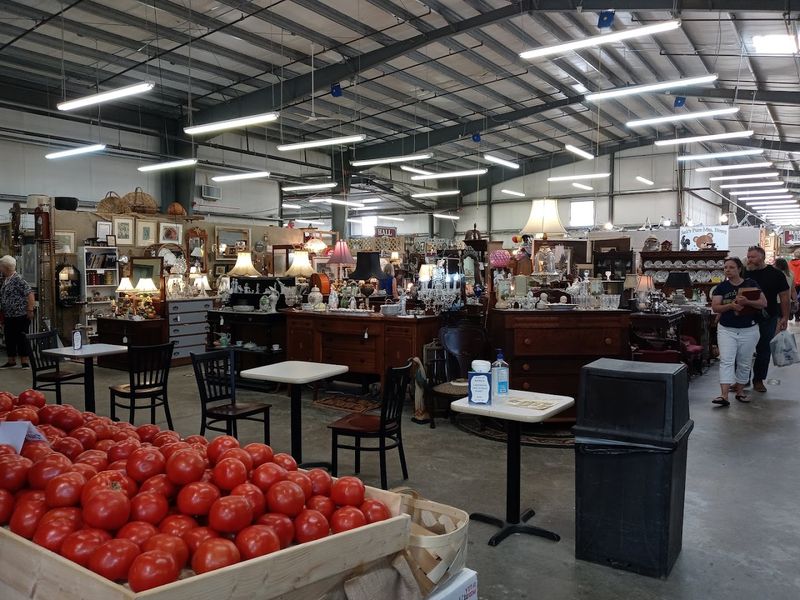
Skipping lunch at a market this size is a rookie mistake that only happens once. The on-site food court exists specifically because people lose track of time here and suddenly realize they have been walking for three hours.
Hunger sneaks up fast when you are this entertained.
Breakfast options include hot coffee, breakfast sandwiches, and biscuits, which makes an early Friday arrival even more appealing. Fueling up before tackling 500 booths is a strategy, not a luxury.
Starting on an empty stomach is asking for trouble.
Lunch brings barbecue, burgers, and funnel cakes into the mix. The on-site restaurant and snack bar make it easy to take a break without leaving the market.
A snack bar also serves freshly popped popcorn for a quick energy boost between aisles.
Having food on-site transforms this from a quick browse into a genuine full-day outing. Families with kids especially appreciate not having to leave and find a restaurant mid-session.
You can eat, rest, and then head back out for another round without losing your momentum or your parking spot.
Practical Tips That Make Your Visit Much Smoother
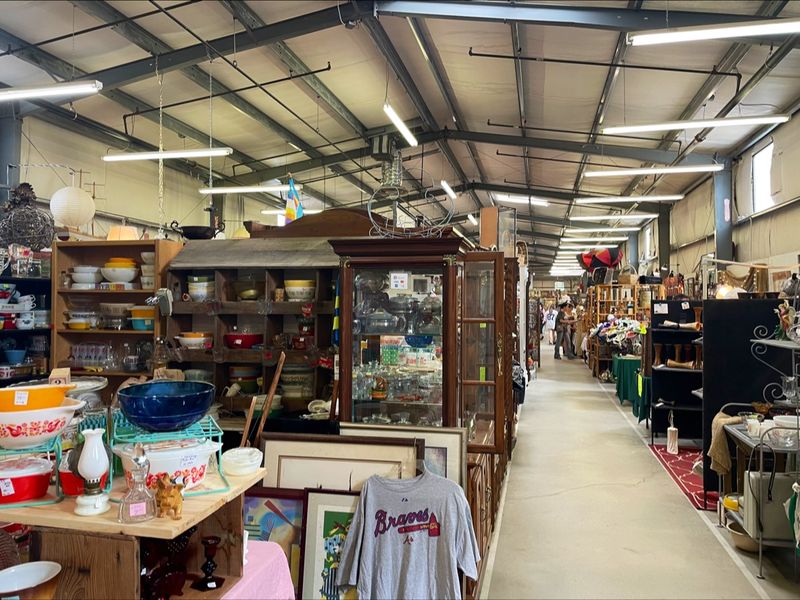
Arriving early is the single best decision you can make before visiting this market. Friday morning at opening gives you first access to fresh inventory before the weekend crowd arrives.
Early birds genuinely do get the best finds here.
Comfortable shoes are non-negotiable. You will cover serious ground across multiple aisles and outdoor vendor areas.
Dressing in layers also helps since temperatures inside and outside the warehouse can feel different depending on the season.
Bring a wagon or a sturdy dolly for larger purchases. Carrying a heavy lamp through a crowded warehouse aisle while trying to negotiate a price is not a situation anyone enjoys.
Planning your carrying capacity before you shop saves a lot of frustration.
Admission costs just three dollars per person and is cash only at the ticket booth. Many vendors also accept cash, although payment options vary by seller.
Children under twelve enter free, and the ticket covers the entire weekend. ATMs are available on-site, so you are not completely out of options if you forget.
Parking is free, which makes the overall cost of a full day here surprisingly reasonable for everything you get.