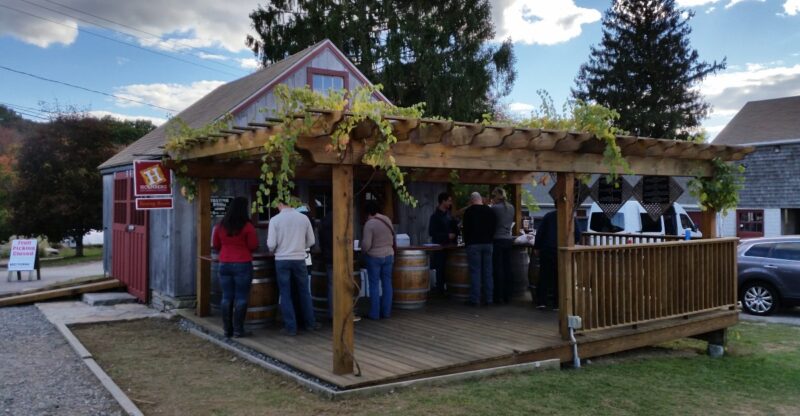
This Hidden Connecticut Town Is So Underrated Even Many Locals Overlook It
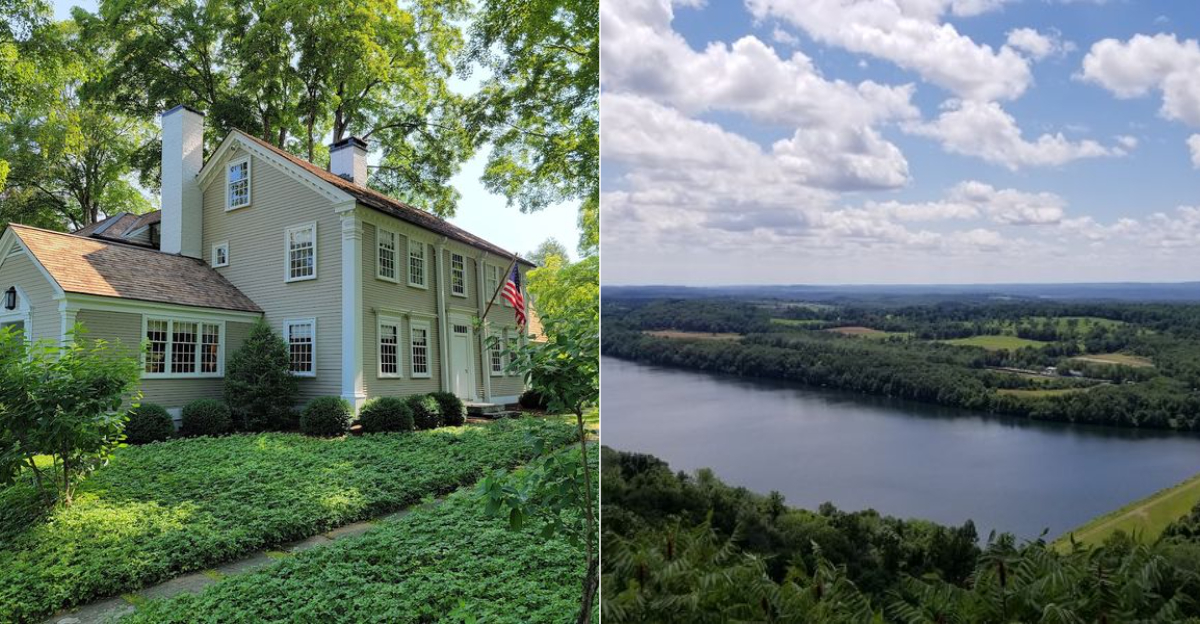
Not every small town needs a packed main street to make a lasting impression. Here, quiet roads roll past old farm fields, and the pace feels refreshingly unhurried.
It is the sort of place that makes a simple afternoon feel like a real break. One of Connecticut’s most overlooked towns pairs deep agricultural roots with an easygoing personality that feels wonderfully genuine.
There is history in the landscape, but it never feels staged for visitors. Historic buildings sit naturally beside working farms, while local trails offer room to wander without much fuss.
Then fall arrives, and the town suddenly becomes far livelier for its famous agricultural fair. The rest of the year is much calmer.
That contrast is part of the fun. You can enjoy the scenery while noticing small details that explain why residents happily keep this place low-key.
It may not shout for attention, but it has a way of sticking in your mind.
1. A Farming Community Took Root In Sixteen Ninety Nine
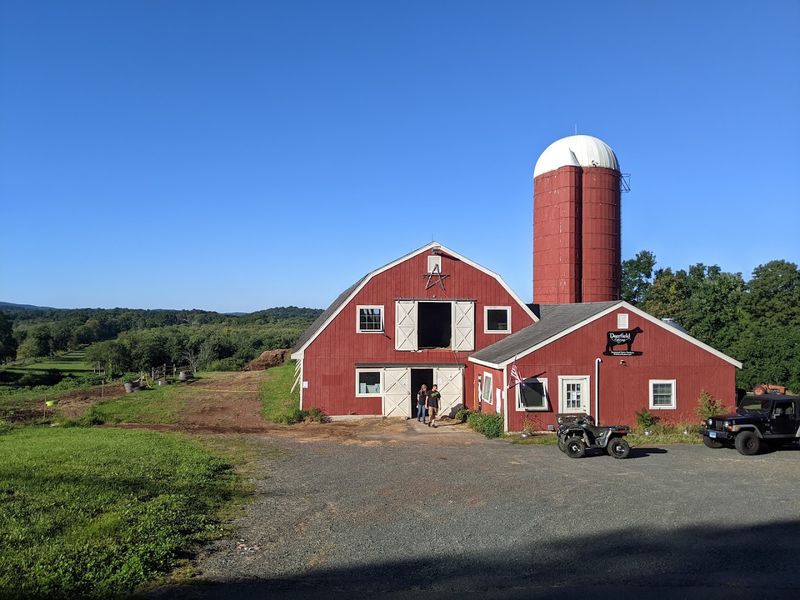
Long before modern roads changed the landscape, farming shaped daily life in Durham. European settlers arrived in 1699, building a community around crops, livestock, and land defined by wetlands, ridges, and the Coginchaug River.
The area was originally called Coginchaug, often translated as “long swamp,” and was associated with the Mattabesset people, an Algonquian community that used the region before colonial settlement.
Durham received its name in May 1708 and became an incorporated town that October. Early planners arranged the village along higher ground between swampy stretches, creating the long central route later known as Main Street and historically called Great Street.
The raised terrain offered a practical place for homes, travel, and civic life.
Agriculture remained the town’s economic foundation for generations. Families cultivated fields, kept animals, and divided properties with stone walls, many of which can still be seen beside roads, wooded paths, and old farm boundaries.
Those working landscapes helped form Durham’s lasting character.
Although the town has changed over more than three centuries, its rural heritage remains easy to recognize. Open fields, historic houses, and active farms continue to reflect the agricultural traditions that guided Durham from its earliest years and still influence its identity today.
2. Historic Homes Preserve The Town’s Rural Beginnings
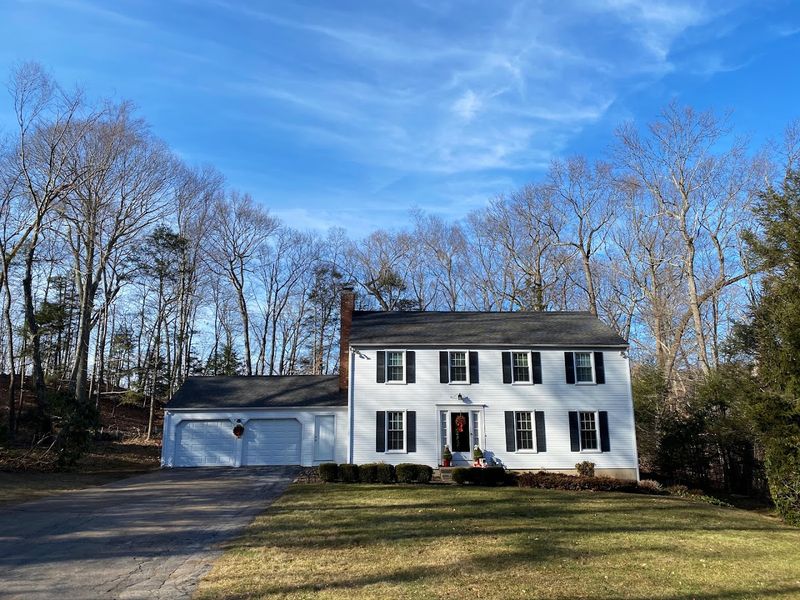
Walking through Durham feels a bit like flipping through a well-worn history book, except the pages are actual buildings still standing along quiet streets.
Many homes and structures throughout the town date back to the 18th and 19th centuries, giving the streetscape a layered, unhurried quality that newer developments rarely achieve.
Durham is recognized on the National Register of Historic Places, a designation that reflects just how much original architecture has been preserved here.
The Durham Historical Society operates out of the Old Center School, a schoolhouse originally built in 1775.
Located at 38 Town House Rd, Durham, CT 06422, this building hosts seasonal exhibits that trace the town’s evolution from a colonial farming settlement into the close-knit community it remains today.
Private tours can sometimes be arranged upon request for those who want a more personal look at the collection.
The exhibits inside tend to focus on everyday life rather than grand events, which gives them a grounded, relatable feel. Household tools, land records, and photographs of local families fill the space with texture and detail.
Spending even a short time here tends to shift how a visitor sees the rest of the town, making the old houses along Main Street feel less like background scenery and more like living artifacts.
3. White Farm Protects Meadows And Rare Grassland Birds
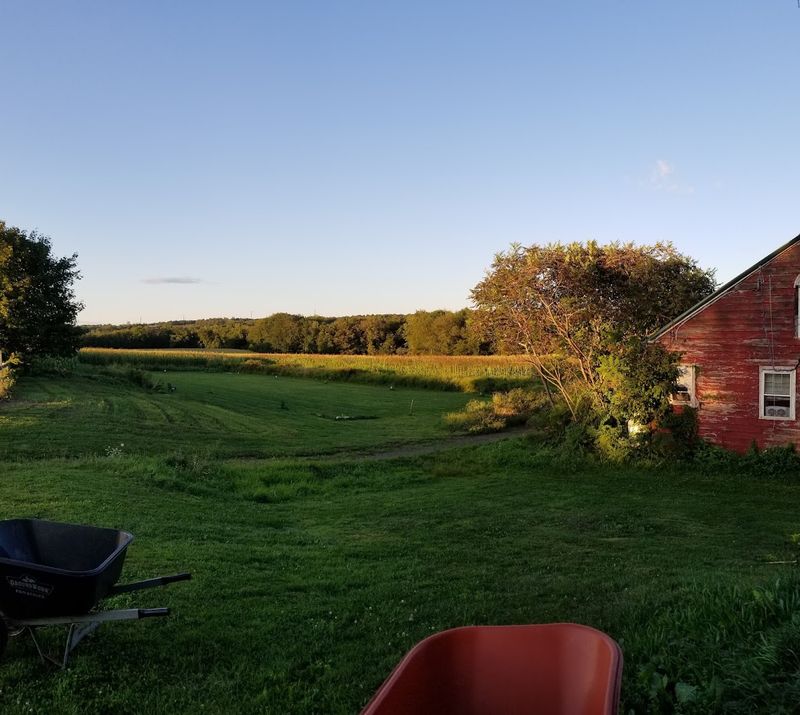
Open space in Durham has an especially meaningful starting point, and it begins with a farm that helped shape the town’s conservation efforts. Acquired by the town in 1966, Frederick White Farm, also known as White’s Farm, covers 110 acres of meadows, woods, wetlands, and riparian habitat.
That mix of landscapes supports an impressive variety of wildlife and gives the property a quiet, wide-open feel that changes with the seasons.
Birdlife is one of its biggest draws. Bobolinks, a species of special concern in the state, nest in the grasslands during the warmer months, while American Kestrels, Red-tailed Hawks, and Red-shouldered Hawks are often seen above the fields.
Conservation groups, including local birding organizations and the Audubon Society, have partnered with the town for events such as the Bobolink Festival, which highlights the area’s grassland habitat.
Walking here is easy for most visitors, thanks to a mostly flat perimeter loop and several side trails, though muddy patches can appear after rain. The farm is open from sunrise to sunset and sits at 70 Maple Avenue in Durham.
Dogs are usually welcome, but they may be restricted during organized birding events to help protect nesting areas and keep disturbance low each spring
4. The Durham Fair Transforms The Quiet Town Each Fall
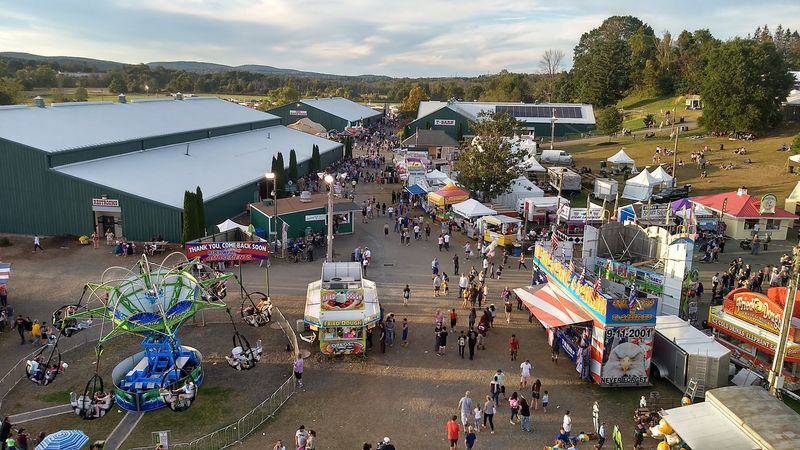
Every September, the population of Durham temporarily multiplies as thousands of visitors arrive for the Durham Fair, one of the largest volunteer-run agricultural fairs in North America.
Founded in 1916, the fair has grown into a multi-day event that manages to balance old-fashioned farm tradition with the kind of lively entertainment that keeps families coming back year after year.
The Durham Fairgrounds on Canfield Lane in Durham serve as the host site for this beloved autumn gathering.
Demolition derbies, tractor pulls, live music, and animal exhibits draw crowds across age groups, while a dedicated kids’ area and Mini-Midway on the Town Green give younger visitors their own corner of the action.
The Agricultural Hall showcases locally grown crops, fresh flowers, and homemade baked goods that reflect the town’s farming roots in a very tangible way.
A Discovery Center offers interactive exhibits and demonstrations, and a Youth Exhibit displays local crafts, needlework, collections, and artwork created by community members. Food vendors spread across the grounds, offering a range of options that tend to reflect regional tastes.
The fair typically runs for four days in late September, and the timing coincides with the kind of crisp New England weather that makes outdoor gatherings feel especially comfortable and memorable.
5. Main Street Moves At A Refreshingly Unhurried Pace
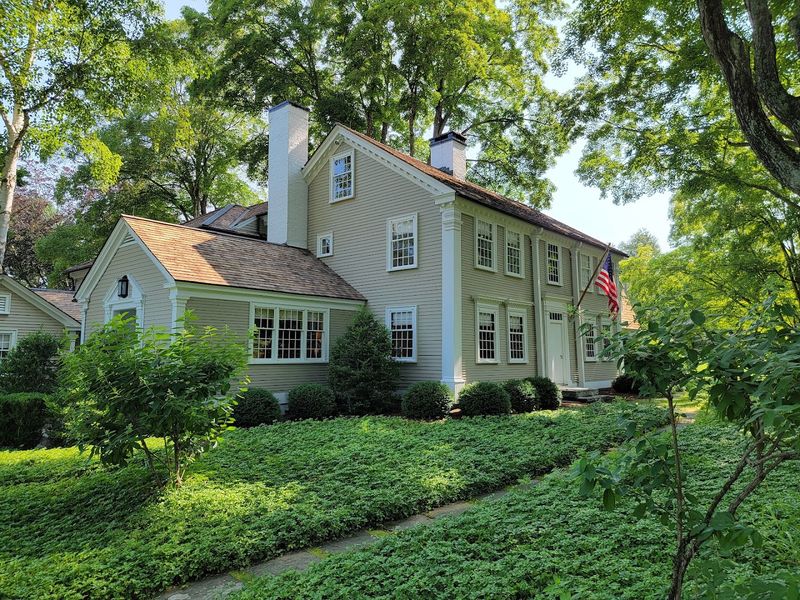
Independent shops give Durham’s Main Street a character that feels refreshingly personal. Instead of a commercial strip dominated by national brands, the road brings together longtime businesses that serve everyday needs while keeping the town’s small-community rhythm intact.
Carmine’s Pizza and Italian Take Out has been part of the local dining scene since 2002, offering pizza and familiar Italian favorites with a straightforward, family-run approach.
Wild Wisteria adds a creative touch through custom floral designs, home accents, and chosen gifts that make browsing feel relaxed rather than rushed.
Brenda’s Main Street Feed helps residents care for pets and other animals with food, toys, bedding, crates, bird supplies, and additional essentials. Durham Market completes the mix with groceries, deli selections, sandwiches, and specialty products suited to a quick lunch or a pantry restock.
These businesses do not need oversized signs or flashy promotions to leave an impression. Their appeal comes from useful service, friendly familiarity, and the sense that each one belongs here.
Carmine’s is at 16 Main Street, Wild Wisteria at 331 Main Street, Brenda’s at 58 Main Street, and Durham Market at 238 Main Street. Together, they turn an ordinary shopping trip into an easygoing look at local life.
6. Nearby Trails Add Another Side To The Rural Escape
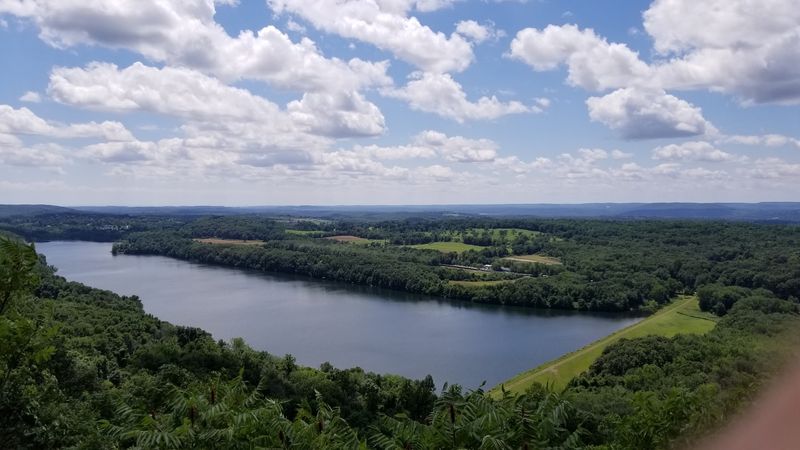
Durham rewards the kind of visitor who likes to slow down and move through a place on foot. Several trail systems in and around town offer experiences that range from gentle meadow walks to rocky ridge climbs with open views.
The Mattabesett Trail passes through the area, ascending exposed ridges that look out over the Connecticut River Valley with the kind of sweep that makes the climb feel worthwhile.
Mica Ledges Preserve covers 100 acres of terrain featuring exposed granite formations and panoramic vistas. Trails here tend toward the challenging side, and dogs are welcome as long as they stay on a leash.
Parking is available at the end of Cream Pot Road, with GPS often referencing 59-69 Cream Pot Rd, Durham, CT 06422 for navigation purposes.
Otte Meadows offers a gentler 133-acre alternative with a 1.7-mile round-trip trail suited for hiking, snowshoeing, and cross-country skiing depending on the season.
Millers Pond State Park, adjacent to Cockaponset State Forest, centers on a 33-acre pond and features a flat loop trail popular with mountain bikers, hikers, and anglers.
Field Forest adds 152 shaded acres with a vernal pool rich in amphibian life, and the Guida Farm Nature Trail winds 1.7 miles through fields and woods past two quiet ponds.
7. Small-Town Traditions Explain Why Residents Stay Close
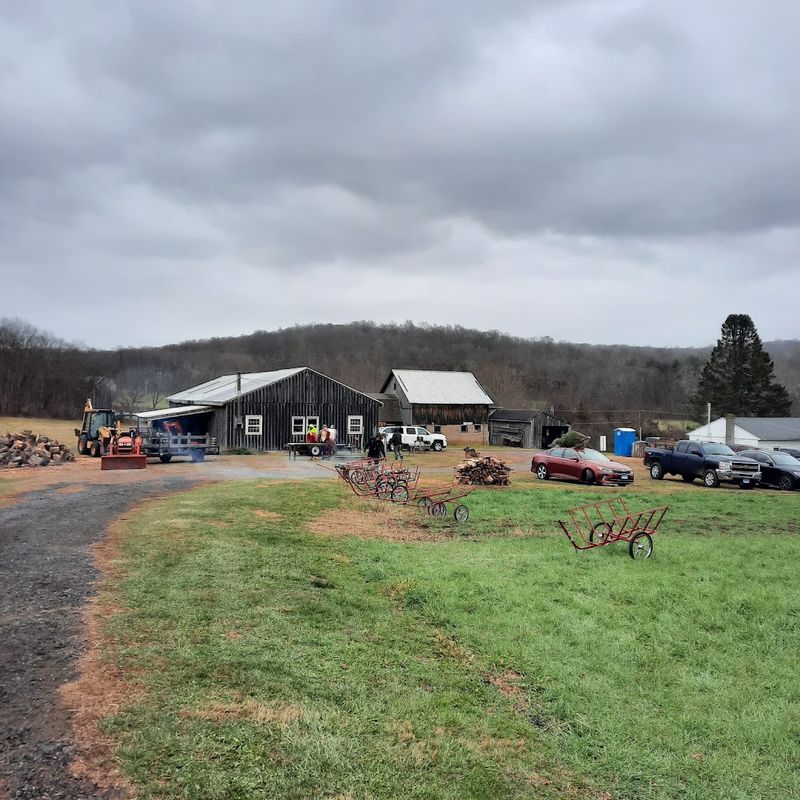
Something keeps people in Durham for decades, and it does not seem to be ambition or convenience. The town has built a calendar of traditions that give residents regular reasons to show up for each other, from summer picnics to winter toy drives.
The Star Spangled Town-Wide Picnic at Allyn Brook Park brings families together for old-fashioned games and patriotic concerts each summer, offering the kind of low-key community gathering that feels increasingly rare.
The Durham Public Library at 7 Maple Avenue, Durham, CT 06422 runs programs including Toddler Time, Teen Afternoon Bingo, All Ages Storytime and Playgroup, and LEGO Robotics sessions that serve residents across generations.
The Durham Community Center at 144 Pickett Lane, Durham, CT 06422 functions as a social hub offering creative, recreational, and cultural programming alongside senior lunches and vital local services.
As December arrives, the Stuff a Cruiser toy drive on the Town Green wraps up with a tree lighting ceremony that draws a reliable crowd. A Holiday Home Lights Tour invites residents to enjoy festive displays throughout the neighborhood.
Main Street walking tours focused on local history round out the community events calendar, offering a low-pressure way to connect with Durham’s past while getting to know the neighbors who keep its present feeling warm and grounded.
8. Waterpower Started Durham’s First Local Industry
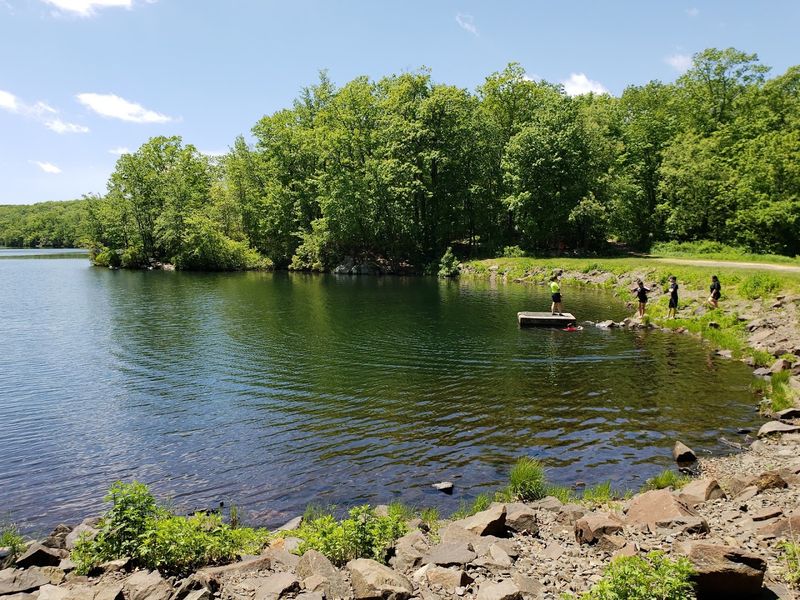
Long before Durham became known for its fair and preserved farmland, moving water helped launch its earliest industry. In 1707, the town granted several residents permission to dam a stream near the ledges of Arrigoni Pond so they could build a sawmill.
For a young settlement surrounded by woods, that mill filled an important need. Timber could be cut into boards for houses, barns, and other structures without relying entirely on slow hand labor.
The following year, town leaders approved a corn mill along the same stream. That addition made daily life easier for farming families who needed grain processed into usable meal.
Together, the two mills showed how residents adapted the landscape to support a growing community.
The story adds an unexpected layer to Durham’s rural scenery. Its streams were not simply quiet features running through fields.
They supplied practical power before modern machinery arrived and helped turn local natural resources into building materials and food.
Few obvious traces of that early industrial activity remain today, so it is easy to pass through town without realizing how important water once was. Yet the old mill sites reveal a resourceful side of Durham, where small waterways played a major role in shaping the settlement’s first years.