This Hidden Illinois State Park Turns A Simple Hike Into A Natural Wonder You Won’t Forget
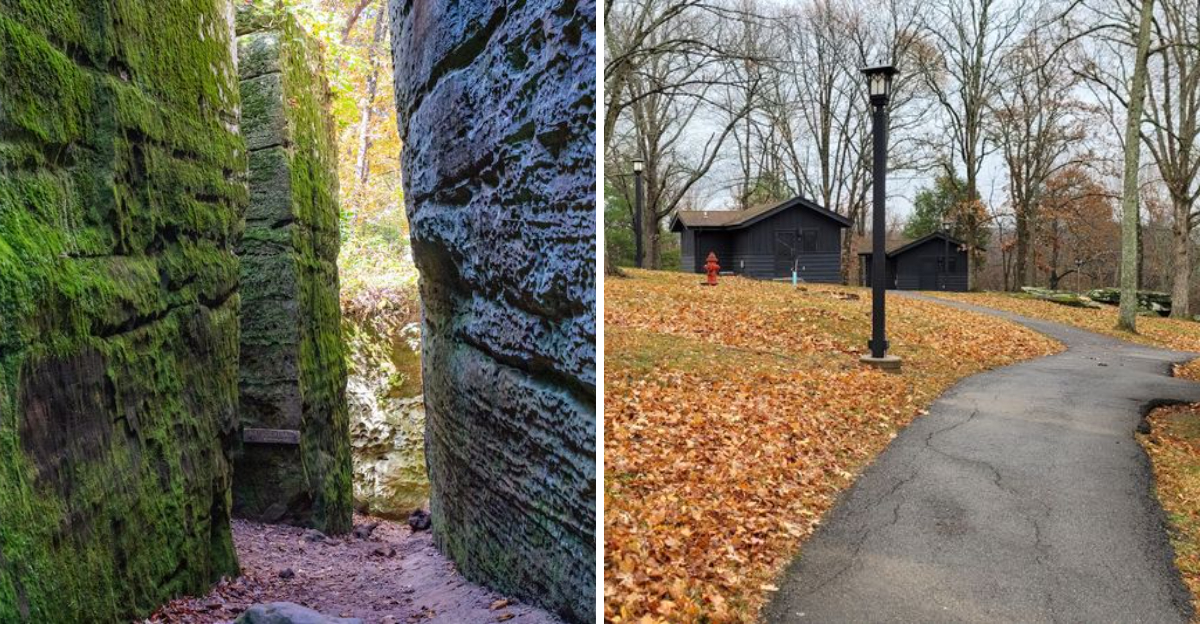
Illinois has a geography problem, and by that I mean everyone assumes they already know what it looks like.
Flat, endless, agriculturally productive, and not particularly dramatic.
That assumption is doing a tremendous disservice to the southern part of the state. It has apparently decided to be an entirely different place without telling anyone.
There is a state park down there that looks like it was borrowed from somewhere with a much better outdoor reputation.
Ancient rock formations, canyon walls, towering sandstone bluffs, narrow rock corridors, and forest trails that have no business being this dramatic in a state many people picture as one long cornfield.
I arrived with low expectations and left with the specific frustration of someone who wasted years not knowing a place like this existed.
The landscape makes you stop walking and just stand there for a minute, processing what your eyes are actually seeing.
The good news is you now have that information, and the only reasonable thing to do with it is go.
The First Impression That Hits Different
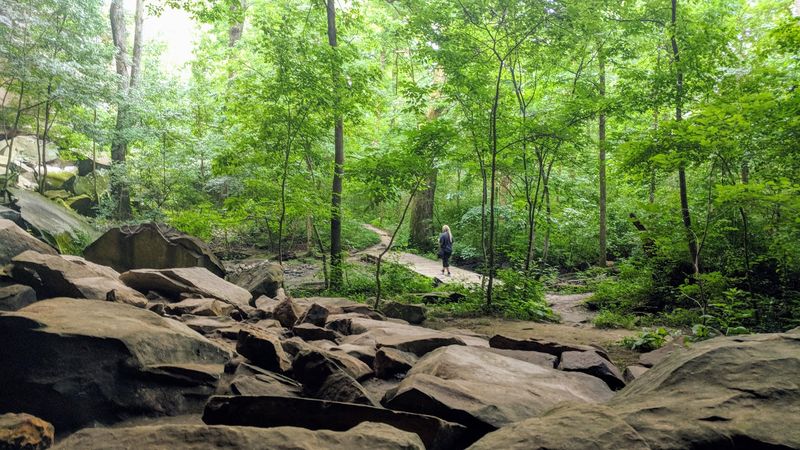
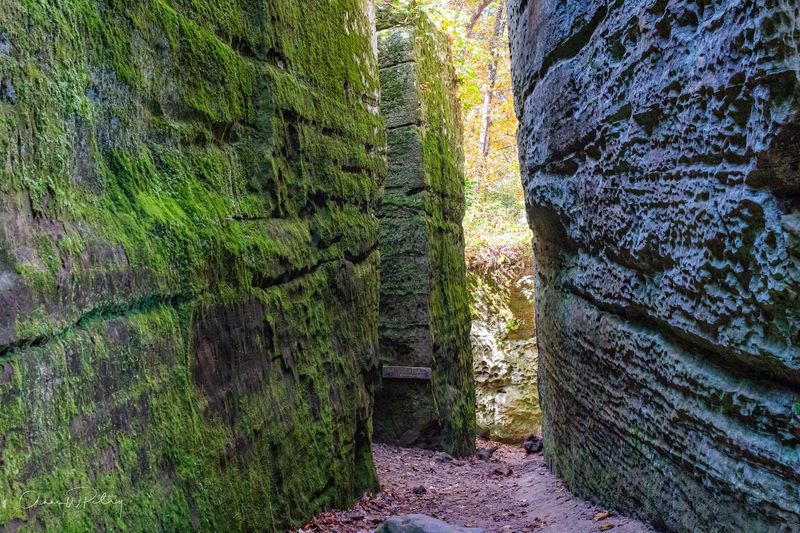
Giant City State Park does not ease you in gently. The moment you step past the trailhead, massive sandstone bluffs rise on both sides like walls of an ancient city nobody bothered to name on a map.
That is actually how the park got its name, and standing between those towering rock formations, you feel the full weight of that story.
The rocks were shaped over thousands of years by erosion, and some slabs stand over twenty feet tall. The scale is genuinely surprising for a state most people associate with cornfields.
I kept stopping just to look up, which is not something I do often on a flat trail.
The park covers around 4,000 acres in the Shawnee Hills region of southern Illinois. It sits in Union and Jackson counties, and the landscape feels nothing like the rest of the state.
First-timers often do a double take at the entrance, not quite believing what is ahead. That reaction is earned, not manufactured.
Where The Real Magic Lives
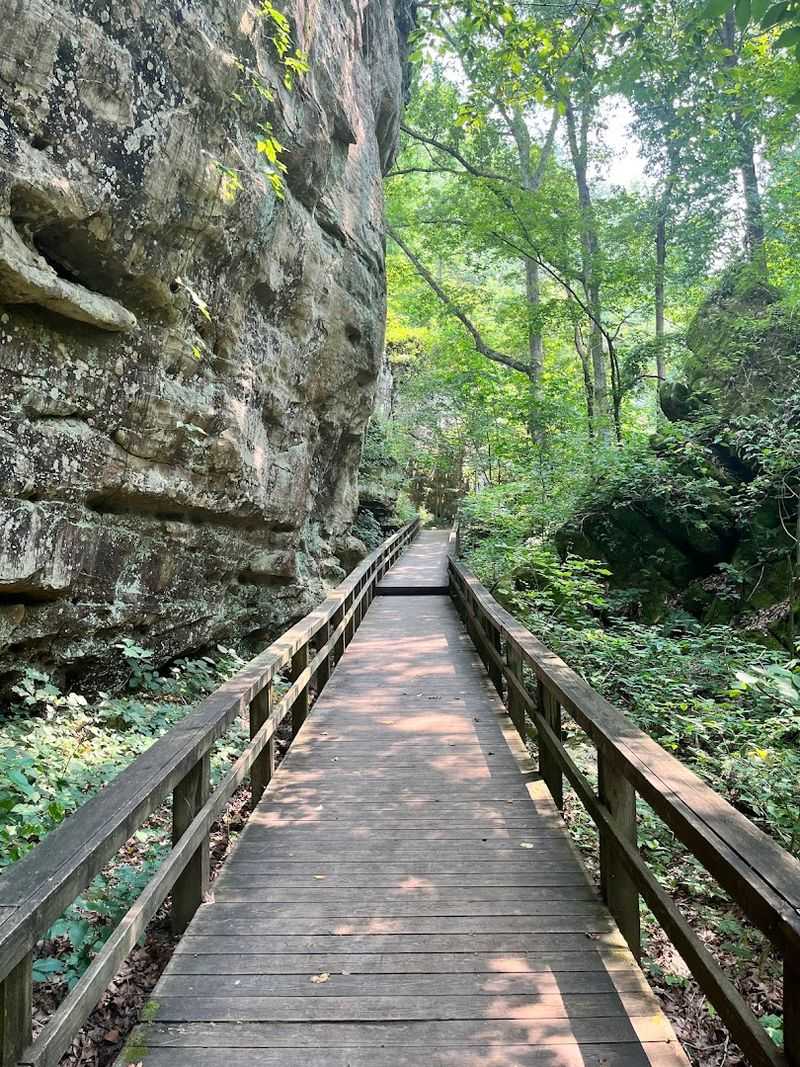
Every park has a signature trail, and at Giant City, 235 Giant City Rd, Makanda, Illinois, the one you absolutely cannot skip is the Giant City Nature Trail.
It runs about one mile, which sounds modest until you realize you will stop every thirty feet to stare at something.
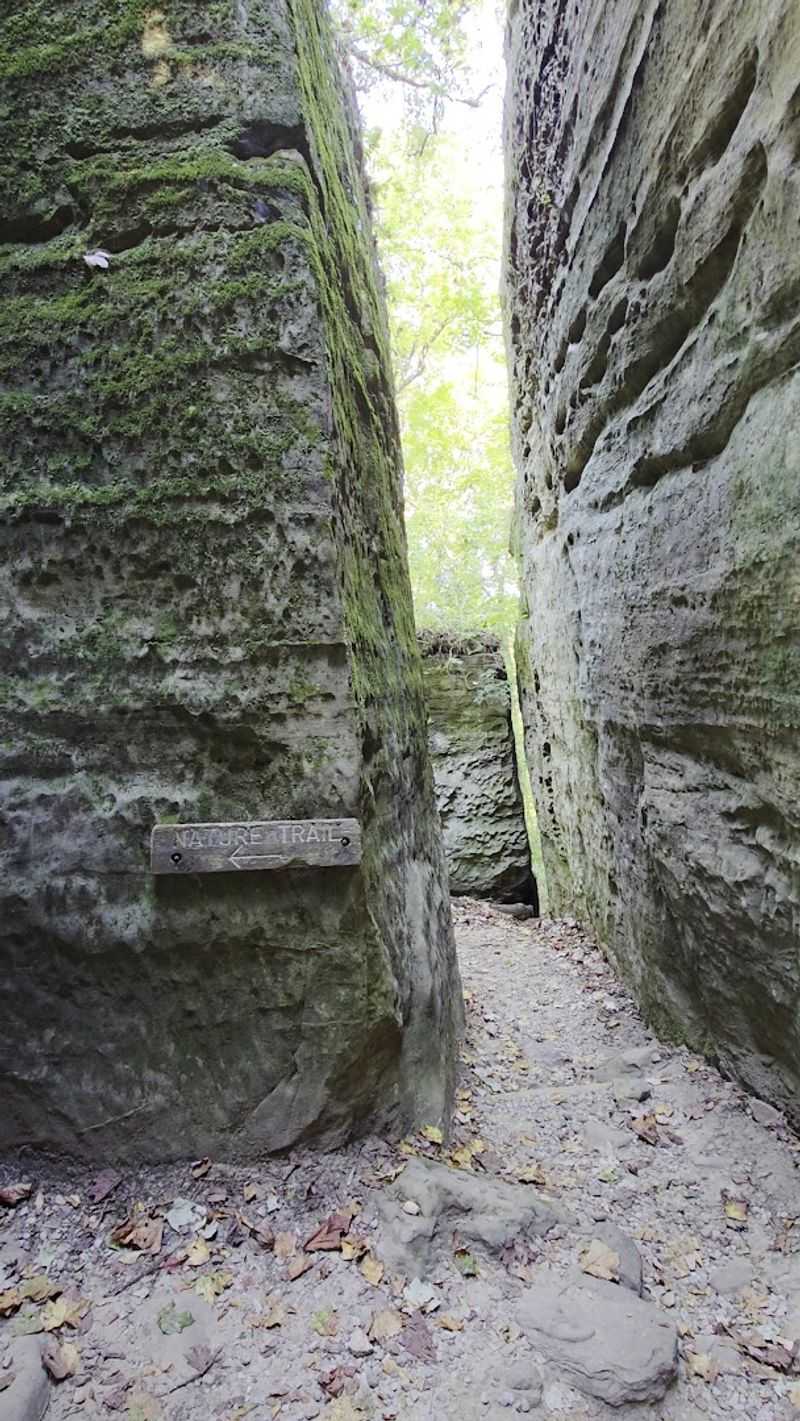
The path moves through a series of narrow rock corridors that locals call streets, and the name makes perfect sense once you are inside them.
The trail is well-maintained and rated easy to moderate, so most visitors of any fitness level can handle it comfortably.
Kids tend to go a little wild here, scrambling up rocks and calling out to each other between the stone walls. The acoustics alone are worth the trip.
What makes this trail special is the layering of experiences. You get geology, forest, wildlife, and genuine quiet all in under sixty minutes.
Mosses cling to shaded rock faces.
Ferns push through cracks in the stone. The light shifts constantly as you move through open and closed sections of the path.
It genuinely feels like walking through a place that has been waiting a very long time for someone to notice it.
Sandstone Bluffs That Make You Question Everything You Know About Illinois
The sandstone formations at Giant City are the kind of thing geology teachers dream about explaining.
These rocks are estimated to be around 320 million years old, formed during the Pennsylvanian period when this region was covered by shallow seas and swampy forests.
That number is almost too large to process while standing in front of a moss-covered wall that reaches over your head.
The dramatic rock features around Giant City are part of the area’s Pennsylvanian-age sandstone landscape, including the Makanda Formation described by Illinois geologists.
Some sections look almost sculpted. Others look like they cracked apart yesterday.
The variety keeps you visually engaged the entire time you are on the trail.
I pressed my hand flat against one of the bluffs and felt the grit of ancient sediment under my palm.
It sounds dramatic, but the connection to deep time is genuinely present in a way that photographs do not fully capture.
If you are someone who finds geology boring, these rocks will respectfully disagree with you. They make their case without saying a word.
Wildlife Encounters That Keep You Paying Attention
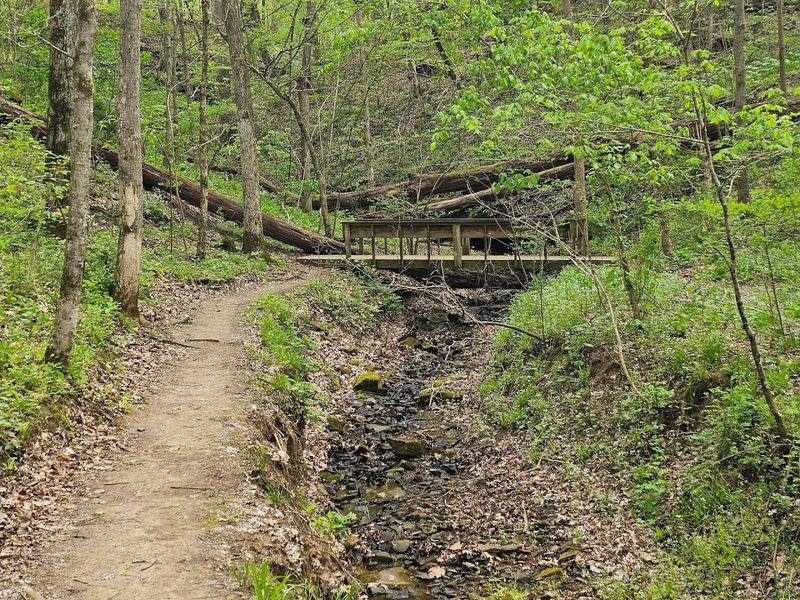
Giant City State Park is home to a remarkable variety of wildlife, and the diversity keeps every visit feeling fresh.
White-tailed deer are common throughout the park, often spotted near the meadow edges in the early morning or just before sunset.
Wild turkey are frequent visitors too, and they tend to appear suddenly in the middle of the trail, looking mildly offended that you showed up.
Birdwatchers consistently rate this park as one of the best spots in southern Illinois.
The forest mix of oak, hickory, and tulip poplar supports an impressive range of species including pileated woodpeckers, red-tailed hawks, and various warbler species during migration season.
The park sits along a migratory corridor, which makes spring and fall visits particularly rewarding for birders.
Reptiles also make regular appearances on sunny rock faces. Five-lined skinks dart across the sandstone, and fence lizards bask in open patches where the sun breaks through the canopy.
I spotted a black rat snake draped across a trail-side rock once, completely unbothered by foot traffic. The park has a way of reminding you that you are the visitor here, not the resident.
Sleeping Under A Sky You Notice
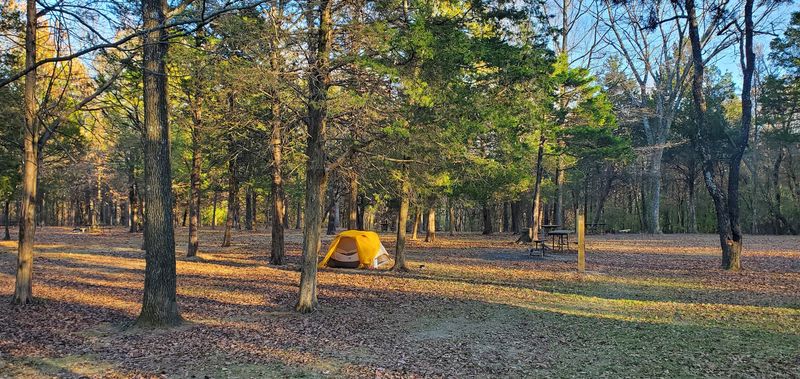
Spending a night at Giant City State Park is a completely different experience from a day visit.
The park offers over a hundred campsites spread across several loops, with options ranging from tent-only spots to sites with electrical hookups for RVs.
Reservations are strongly recommended, especially on weekends from May through October, because this park fills up faster than most people expect.
The campground sits within the forest, which means you fall asleep to sounds that have nothing to do with traffic or notifications. Owls call across the canopy.
Frogs carry on near the creek.
The dark here is real dark, and the stars on a clear night are the kind that make you want to stay an extra day just to see them again.
Morning in the campground has its own rhythm. Woodpeckers start early, and the light comes in at low angles through the trees, landing on the dew-covered ground in a way that feels almost theatrical.
The Giant City State Park Lodge is also nearby for those who prefer a bed, offering rustic stone cabins built by the Civilian Conservation Corps in the 1930s. History and comfort rarely share the same address so well.
History You Can Stay In
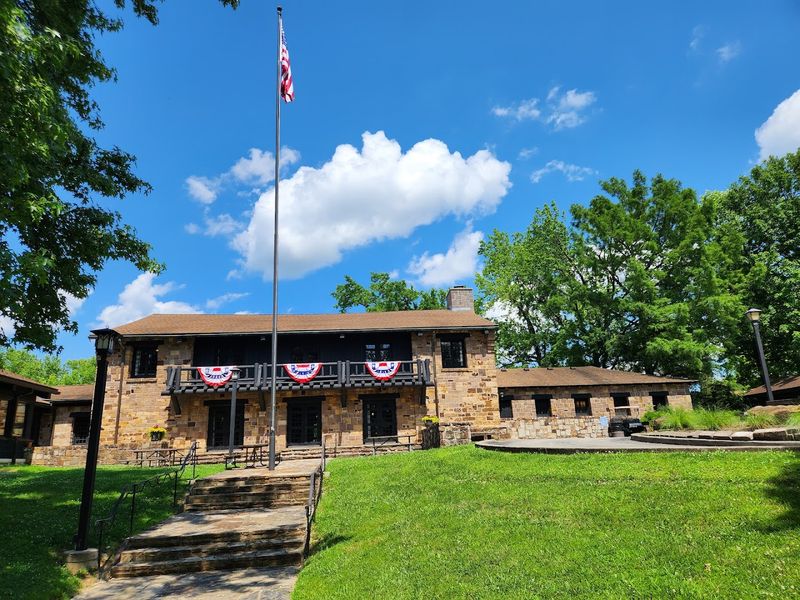
The Giant City State Park Lodge is one of the more quietly impressive things about this park.
Built in the 1930s by the Civilian Conservation Corps, the main lodge and surrounding stone cabins were constructed using local materials and craftsmanship that has held up remarkably well for nearly a century.
The stonework is detailed and solid, and the setting makes the buildings feel like they grew out of the landscape rather than being placed on it.
The lodge serves food, which matters more than it sounds after a full day of hiking. The menu leans into hearty, satisfying options, and the dining room has large windows that look out into the trees.
Eating there after a long trail walk has a particular kind of satisfaction attached to it.
The cabins available for overnight rental are popular year-round, each one different in layout and character. Some sleep small groups, others are better for couples or solo travelers.
Booking ahead is essential because these do not sit empty for long.
Staying in a structure built by hand in the Depression era, inside a state park, surrounded by ancient rock formations, is an experience that feels genuinely rare and worth the planning it takes to secure.
Trails Beyond The Main Loop
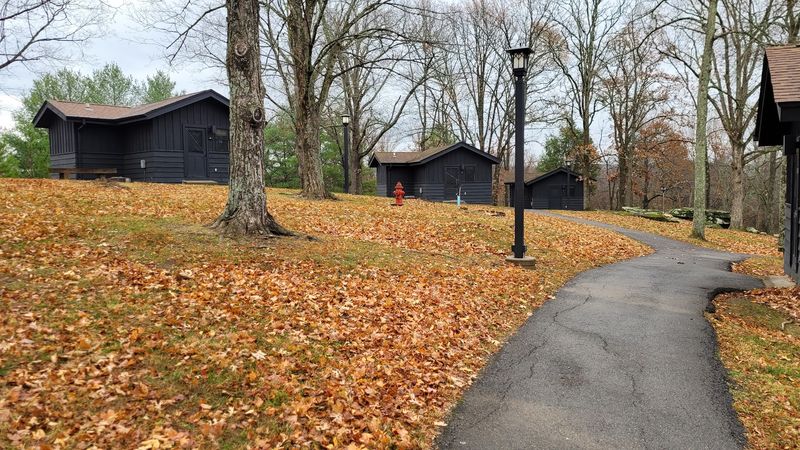
Most visitors stick to the Giant City Nature Trail and call it a day, which means the rest of the park stays surprisingly uncrowded even on busy weekends.
The park has several additional trails worth exploring, including the Post Oak Trail, the Red Cedar Hiking Trail, and the Trillium Trail, each offering a noticeably different character from the main loop.
The Red Cedar Hiking Trail covers about 12 miles total and connects multiple sections of the park, making it a solid option for those who want a longer outing.
It passes through upland forest, creek drainages, and open ridgelines where the views open up in ways the main trail does not offer.
Bring water and a trail map because cell signal is inconsistent throughout the backcountry sections.
Spring is an outstanding time to explore the lesser-used trails. Wildflowers cover the forest floor in April and early May, including trillium, wild ginger, and bloodroot.
The creek crossings run full and clear after winter snowmelt. Fall brings a color display that surprises most visitors who did not expect much from southern Illinois foliage.
The park rewards people who wander past the obvious and stay a little longer than planned.
Why It Deserves A Spot On Your Illinois Road Trip List
Giant City State Park makes a compelling case for southern Illinois as a legitimate outdoor destination.
The combination of ancient geology, dense hardwood forest, accessible trails, quality camping, and a historic lodge creates an experience that punches well above what most people expect from a state park in the Midwest.
It is the kind of place that earns a second visit before you have finished the first one.
The park is roughly two hours south of St. Louis and about three hours from Indianapolis, making it a reachable weekend destination from several major cities.
Makanda itself is a small, artsy community worth a short stop, with a handful of local studios and a genuine small-town character that suits the surrounding landscape well.
Admission to the park is free, which still feels almost too good to be true given what is inside. Parking is available throughout the park, and the facilities are well-maintained.
If you have been sleeping on southern Illinois as a travel destination, Giant City is the most convincing argument available to wake you up. Pack your trail shoes, leave the schedule loose, and let the rocks do the talking.